Know Before You Go
Whether you're preparing for your upcoming expedition or simply want to learn more about South Africa's wildlife and conservation efforts, these resources offer a closer look at the animals, habitats and research that make this journey unique. Discover the rhinos of Hluhluwe-iMfolozi Park, learn how researchers track wildlife populations and explore what it takes to survey Africa's Big Five on foot.
Why Is Hluhluwe-iMfolozi Park One of the Best Places in the World to Study African Wildlife?
In the rolling grasslands and wooded hills of South Africa's Hluhluwe-iMfolozi Park, white and black rhinos roam alongside elephants, buffalo and giraffes, while lions, leopards and other predators hunt among the thornveld and river valleys. Established in 1895, this is Africa's oldest game reserve and one of the continent's most important rhino conservation landscapes.
The park played a pivotal role in bringing the southern white rhino back from near-extinction and remains a stronghold for endangered black rhinos. Today, its long-running wildlife census helps ecologists monitor animal populations, investigate predator-prey relationships and understand how wildlife uses different habitats.
Participants join this research on foot, following restricted survey routes with experienced field rangers. By documenting animal sightings, herd sizes, behavior and habitat conditions, they contribute observations that help park managers make informed conservation decisions.
Quick Facts | |
Location | Hluhluwe-iMfolozi Park, KwaZulu-Natal, South Africa |
Primary species | White and black rhinos, elephants, buffalo, antelope and large predators |
Key activity | Walking wildlife surveys, GPS mapping and behavioral observations |
Conservation focus | Wildlife population monitoring, endangered rhino conservation and predator-prey relationships |
What Wildlife Will I See in Hluhluwe-iMfolozi Park?
Hluhluwe-iMfolozi is home to the Big Five—rhinos, elephants, buffalo, lions and leopards—along with numerous antelope species, other predators and birdlife. July through mid-September is an especially favorable time for wildlife viewing, when thinner vegetation and animals gathering near permanent water sources can make sightings easier.
Depending on habitat, weather and wildlife movements, you may encounter:
White and black rhinos, with the park particularly renowned for its role in southern white rhino conservation
African elephants, often seen near waterholes during the dry season
African buffalo, sometimes gathering in large herds
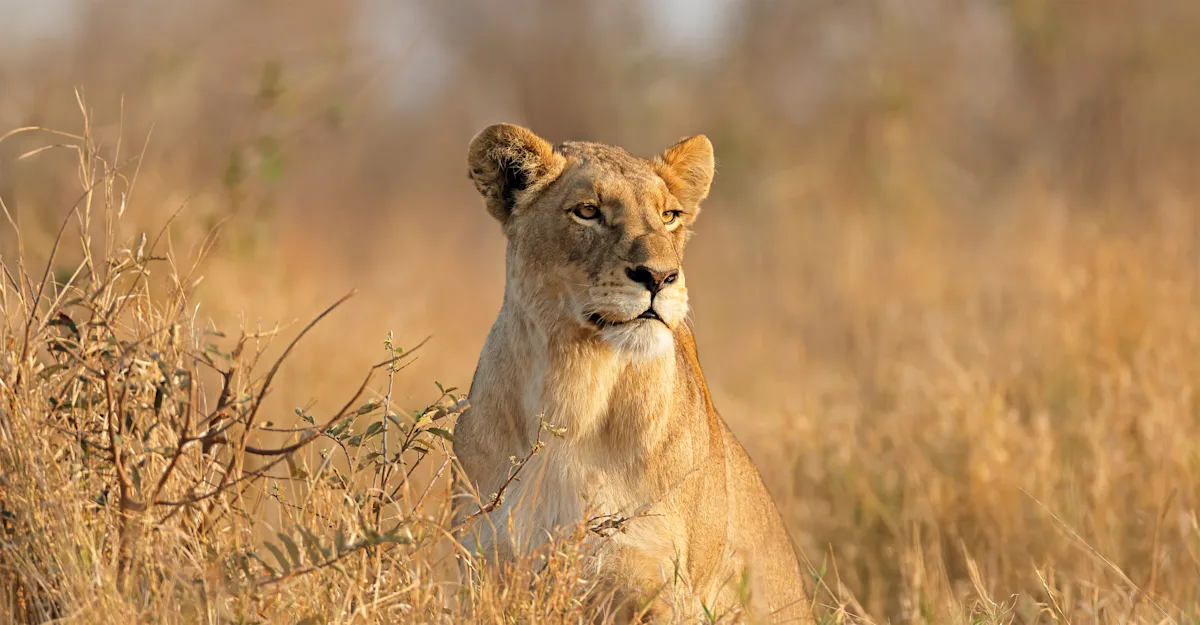
Lions, leopards and spotted hyenas, among the park's resident predators
African wild dogs, endangered carnivores that are occasionally encountered
Giraffes, plains zebras and blue wildebeest, grazing and browsing throughout the reserve
Nyala, greater kudu, impala, waterbuck and bushbuck, among the park's many antelope species
Hippopotamuses and Nile crocodiles, found in rivers and permanent water sources
Chacma baboons and vervet monkeys, inhabiting woodland and savanna habitats
Martial eagles, bateleurs and African fish eagles, among the reserve's birds of prey
Southern ground hornbills, lilac-breasted rollers and white-fronted bee-eaters, among the region's distinctive birds
Cheetahs, servals and other elusive species also inhabit the park, though sightings are less predictable.
What Is the Climate Like During This Expedition?
Hluhluwe-iMfolozi Park experiences mild, generally dry winter conditions in July and August, transitioning to warmer spring weather in September. Days are often comfortable for hiking, but early mornings and evenings can be chilly.
Period | What to Expect |
|---|---|
July | Around 72°F during the day / 52°F at night. Mild, dry winter weather with cool mornings and evenings. Average monthly rainfall is approximately 1.2 inches. |
August | Around 73°F during the day / 54°F at night. Mostly dry conditions with gradually warming afternoons. Average monthly rainfall is approximately 1.8 inches. |
September | Around 75°F during the day / 57°F at night. Warmer spring conditions with occasional showers or thunderstorms possible. Average monthly rainfall increases to approximately 2.6 inches. |
Overall Conditions | Generally dry winter weather, cool mornings and evenings and comfortable daytime temperatures. Rain becomes more likely as spring approaches. |
Weather patterns vary from year to year, and temperatures can differ across the park's elevations. Participants should bring layers for cool mornings and evenings, lightweight clothing for active days and rain protection, particularly for September departures.
Frequently Asked Questions
Do I need previous research or wildlife tracking experience?
No previous scientific research or wildlife tracking experience is required. During the first two field days, experienced rangers introduce bush safety, wildlife identification and research techniques. You'll learn to recognize animal tracks and signs, use GPS units and rangefinders and document sightings accurately before beginning the main research surveys.
What type of research will I assist with?
You'll contribute to Hluhluwe-iMfolozi Park's official wildlife census by walking designated research transects and systematically recording animal sightings.
Research activities include identifying species, counting individuals and herd sizes, observing behavior, measuring distances with rangefinders and recording GPS locations. You'll also document vegetation and weather conditions to help ecologists understand how different animals use the reserve's habitats.
What is the conservation impact of this research?
The park's biennial wildlife census provides long-term data on wildlife populations and distribution. By comparing observations across survey periods, ecologists can monitor endangered black rhinos, identify population changes, investigate predator-prey relationships and assess how wildlife populations are responding to conditions within the reserve.
These findings help inform conservation management, including decisions about wildlife populations and potential animal translocations.
How physically demanding is the expedition?
This is a challenging expedition requiring strong hiking fitness and good balance. Participants may hike 6–9 miles per day over steep, rocky and uneven terrain, including dense thorny vegetation, deep ravines and occasional river crossings. Fieldwork typically lasts 5–7 hours, and participants must be able to follow ranger instructions immediately and move quickly if necessary during wildlife encounters.
Is it safe to conduct wildlife research on foot in Big Five habitat?
All walking surveys are accompanied by experienced armed field rangers trained in wildlife safety. Participants receive safety instruction before entering the field and must remain alert, stay close to their ranger and follow directions immediately. Wildlife encounters carry inherent risks, and participants must be physically capable of taking evasive action if necessary.
Can weather or wildlife activity affect research plans?
Yes. Wildlife movements, weather, terrain conditions and research priorities can influence daily activities. Survey routes or schedules may be adjusted by the research team and field rangers to maintain safety and support the project's research objectives.
What happens in case of an emergency?
Experienced field rangers and project staff oversee safety during research activities and respond to emergencies. Because the expedition takes place in a remote wildlife reserve with limited access to medical facilities, participants must follow emergency instructions immediately and carry the required medical evacuation insurance.
Do I need travel insurance?
Yes, medical evacuation insurance is mandatory for all participants. Comprehensive travel insurance is also strongly recommended to help protect against medical expenses, trip cancellations, travel delays and lost luggage.
What immunizations and travel vaccinations do I need?
Consult a travel medicine specialist or healthcare provider well before departure for current recommendations for South Africa. Requirements and recommendations may depend on your vaccination history, itinerary and individual health circumstances.
What Should I Pack for Walking with Wildlife in South Africa?
Pack for active days on foot in Big Five habitat, with warm afternoons, cool mornings and evenings and rough, sometimes thorny terrain. Comfortable, well-broken-in hiking footwear and clothing suitable for moving through dense vegetation are especially important.
Recommended items include:
Sturdy, broken-in hiking boots with good traction and ankle support for uneven terrain
Lightweight, durable long pants and long-sleeved shirts for protection from thorny vegetation and sun exposure
Warm layers, including a fleece or jacket for chilly mornings and evenings
Sun protection, including a wide-brimmed hat, sunglasses and sunscreen
A comfortable daypack capable of carrying 2–3 liters of water and research equipment
Reusable water bottles or a hydration system with sufficient capacity for fieldwork
Binoculars for identifying wildlife at a distance
Personal medications and basic personal supplies
Rain protection for occasional showers, particularly during September departures
Participants receive a detailed packing list before departure, including any additional field equipment and clothing requirements.
What Will I Experience on Walking with Wildlife in South Africa?
Explore South Africa's Hluhluwe-iMfolozi Park on foot, venturing into Big Five habitat with an experienced armed field ranger. Follow restricted research routes through grasslands, wooded hills and river valleys, searching for rhinos, elephants, buffalo, antelope and elusive predators.
Learn to identify wildlife by its tracks, signs and behavior, then put your skills to work conducting surveys for the park's long-running wildlife census. Record animal sightings, herd sizes and habitat conditions to help researchers monitor populations and understand predator-prey relationships.
Beyond fieldwork, enjoy guided safari drives and opportunities to photograph wildlife while learning about the park's pioneering rhino conservation efforts. Throughout the expedition, gain firsthand insight into how wildlife research informs conservation decisions in one of Africa's oldest game reserves.
What Does Daily Fieldwork Look Like?
Research days typically begin early, when temperatures are cooler and wildlife is often more active. After preparing your equipment, head into the bush with your assigned armed field ranger to follow designated wildlife survey transects.
Spend several hours walking through grasslands, wooded hills, thornveld and river valleys, scanning for animals and interpreting tracks and other signs of wildlife. When animals are encountered, identify the species, count individuals, observe behavior and record locations, distances, vegetation and weather conditions.
Back at camp, review observations, enter field data and discuss findings with the research team. Selected afternoons and evenings may include guided game drives, photography opportunities or time to relax before dinner. Daily activities remain flexible according to wildlife movements, weather, safety considerations and the research team's priorities.


