- Jun–Jul, Dec
- 8 Days
- Limited to 12 Participants
From $7492
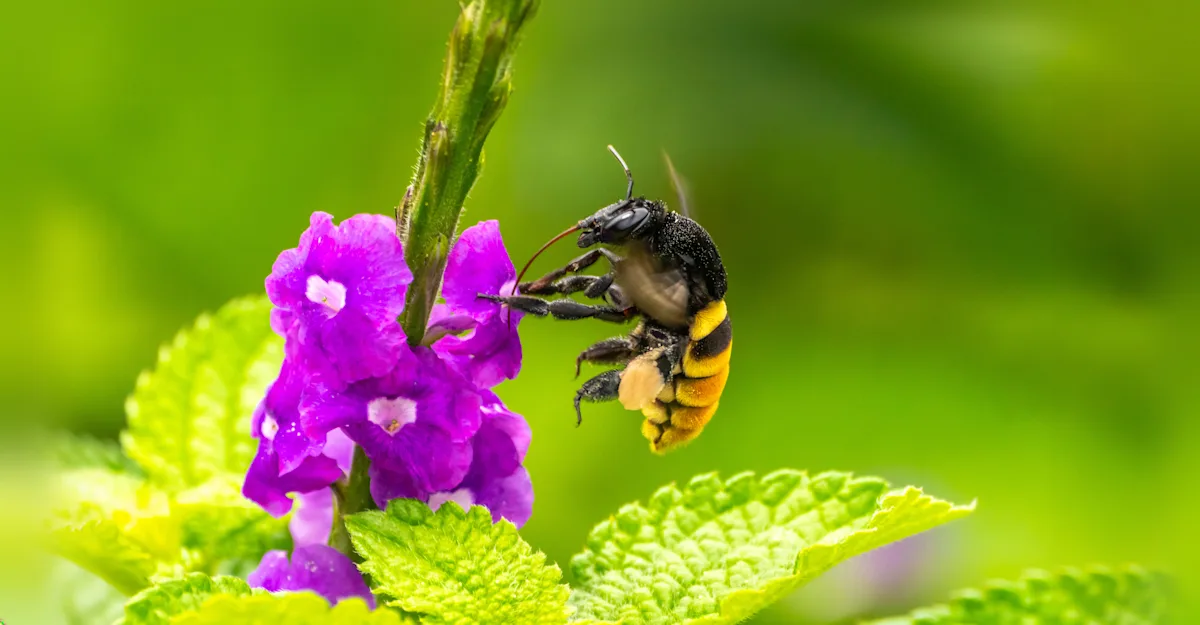
In Costa Rica’s Monteverde region, pollinators are woven into nearly every landscape. Metallic-green orchid bees visit tropical flowers along cloud forest trails. Stingless bees flit between flowering gardens and forest edges. Hummingbirds dart through misty mountain forests while butterflies drift across pastures and farms. Together, they sustain wild habitat, farmlands and flowering plants. On this project, join scientists studying native bee diversity at the intersection of Monteverde’s high-altitude forests, agricultural and conservation lands. Search flowering plants for bees, document pollinator activity, and contribute specimens to the Bee Barcode of Life Initiative. Along the way, visit a center dedicated to stingless bees, examine specimens beneath a microscope, explore one of the world's most vibrant cloud forests, and spend time with farming families whose livelihoods rely on healthy pollinator communities. Every observation and specimen you collect contributes to a growing scientific record that helps researchers better conserve native pollinators.
Photo gallery
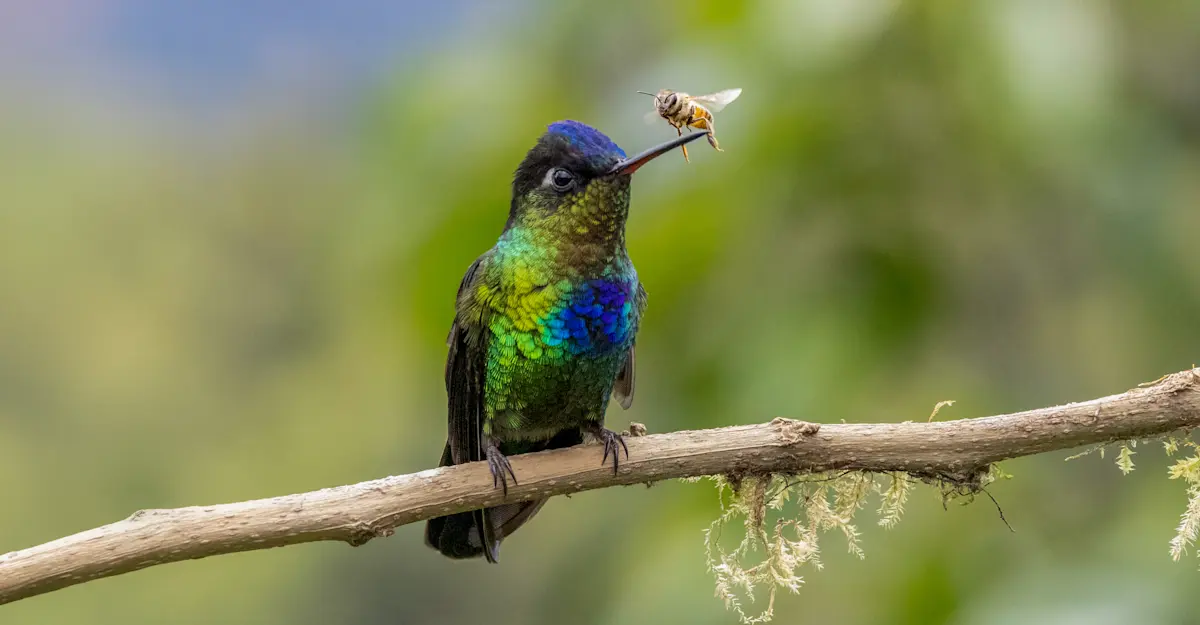
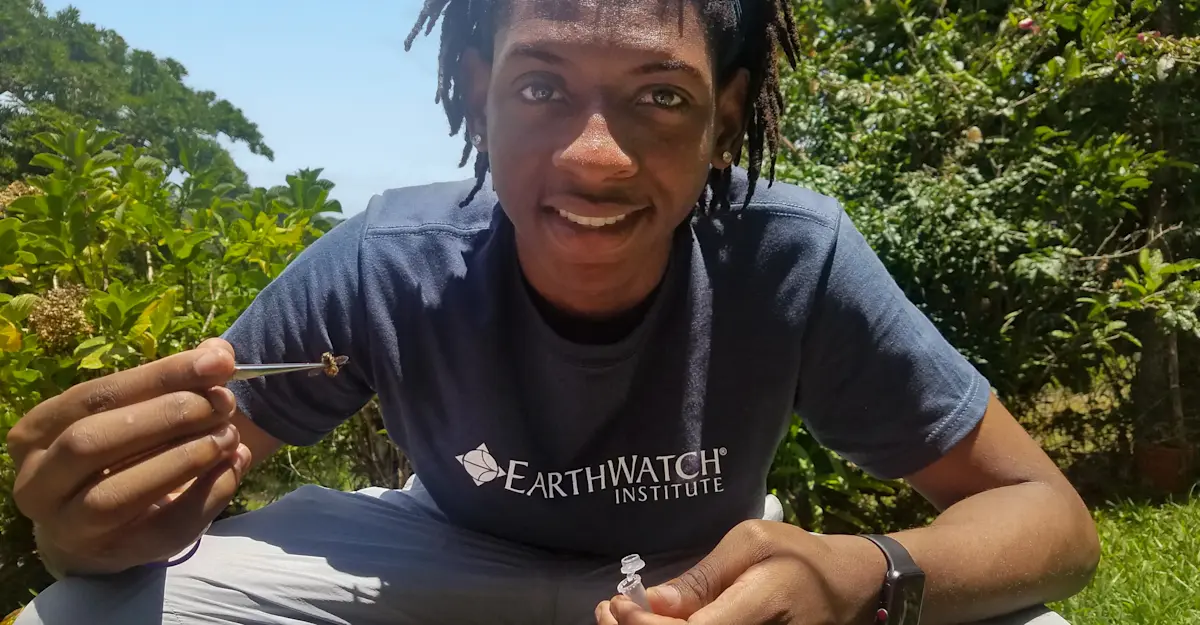
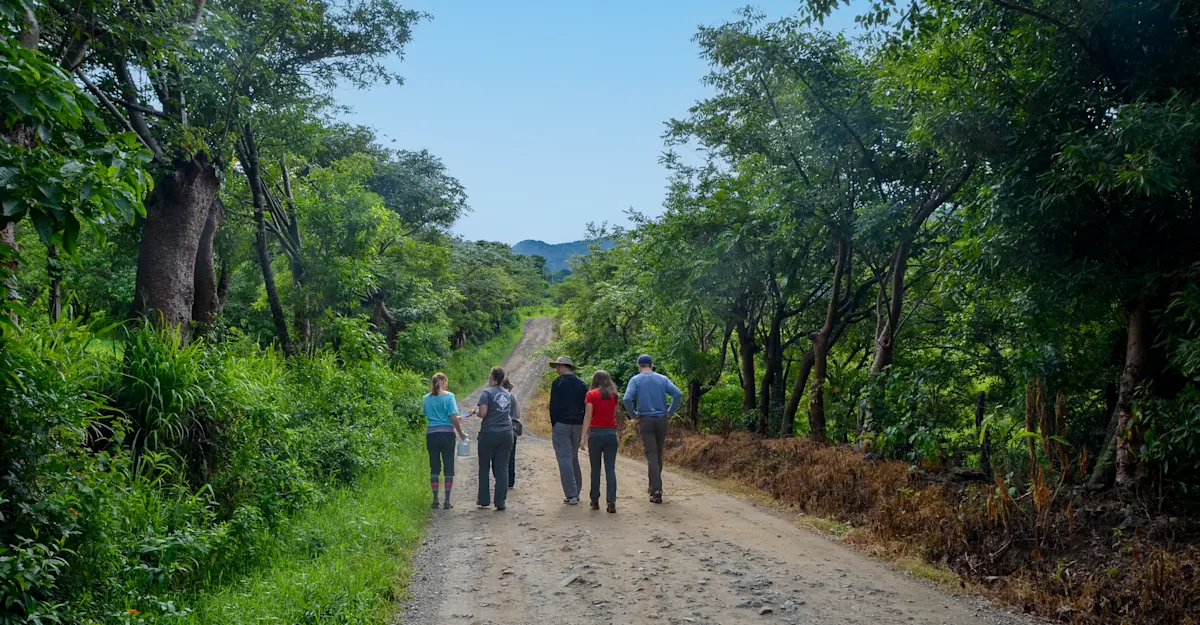
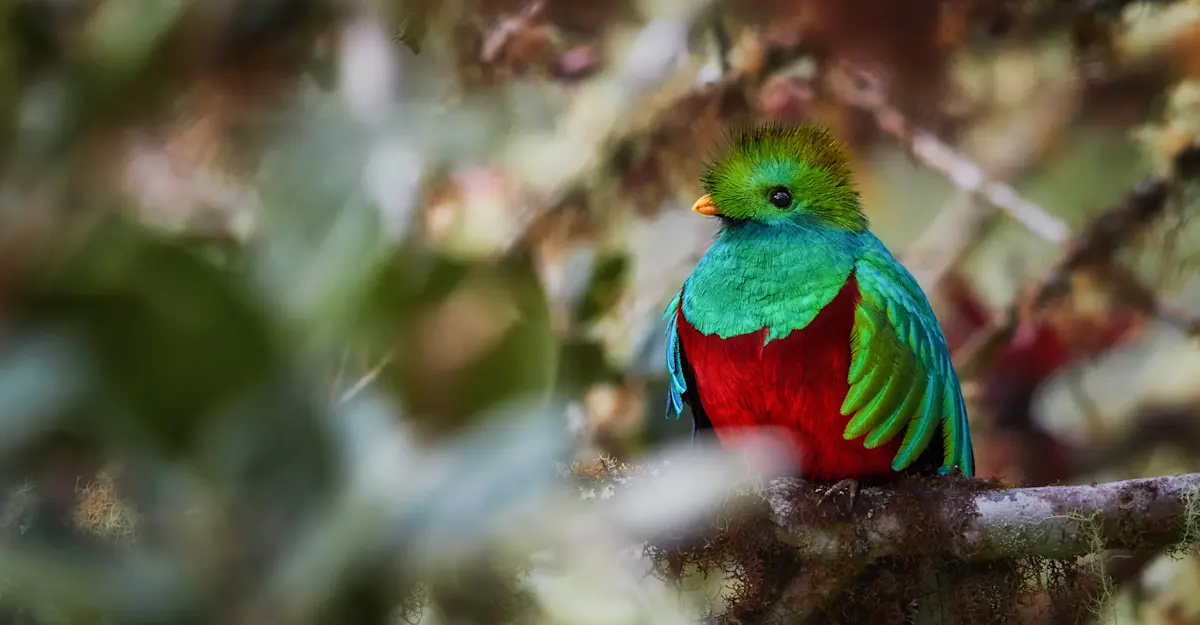
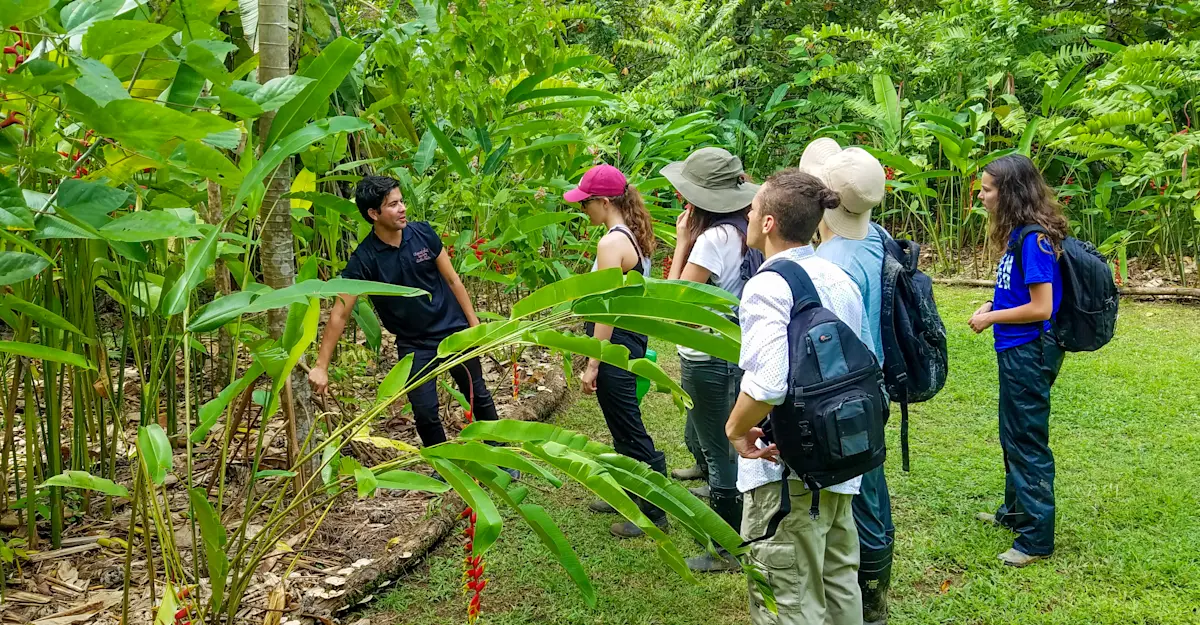
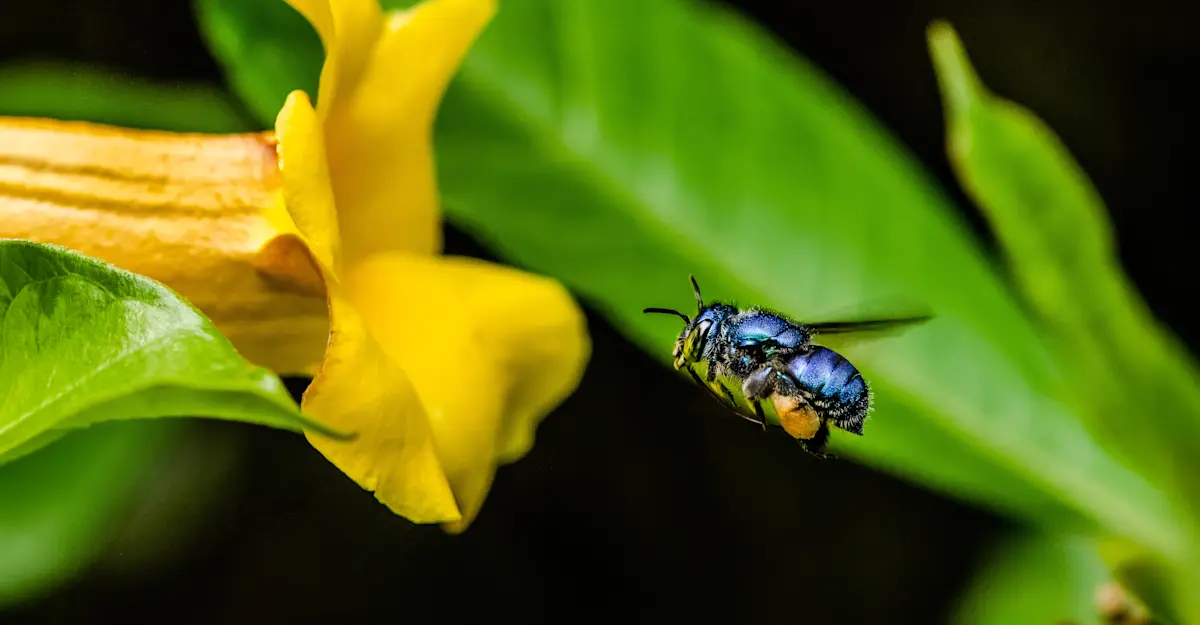
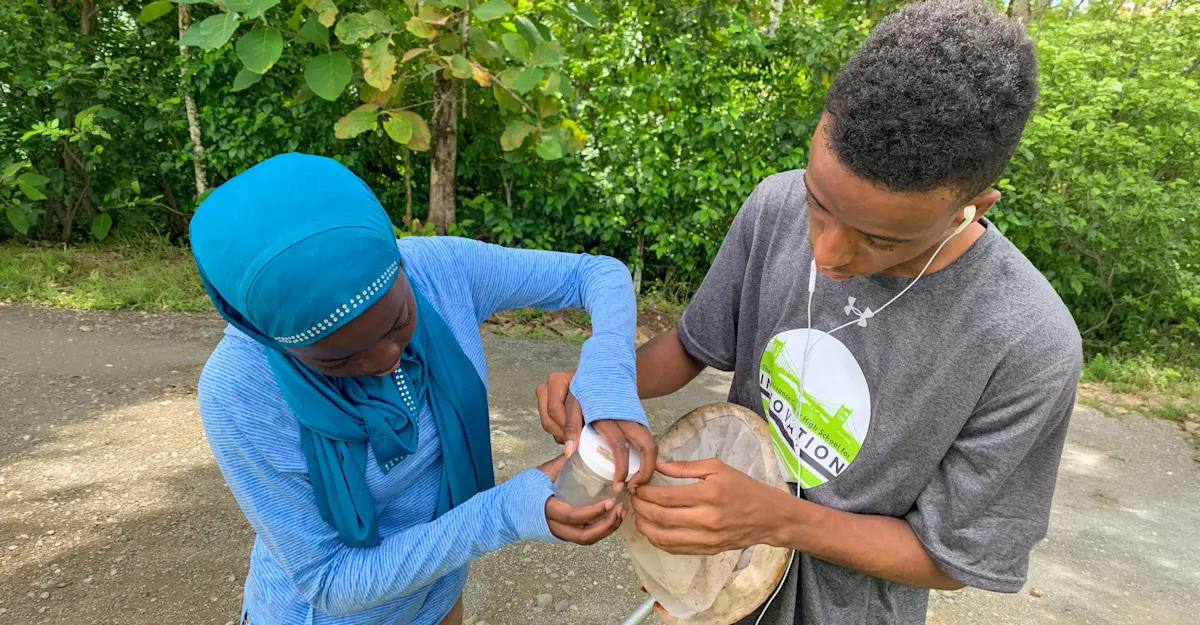
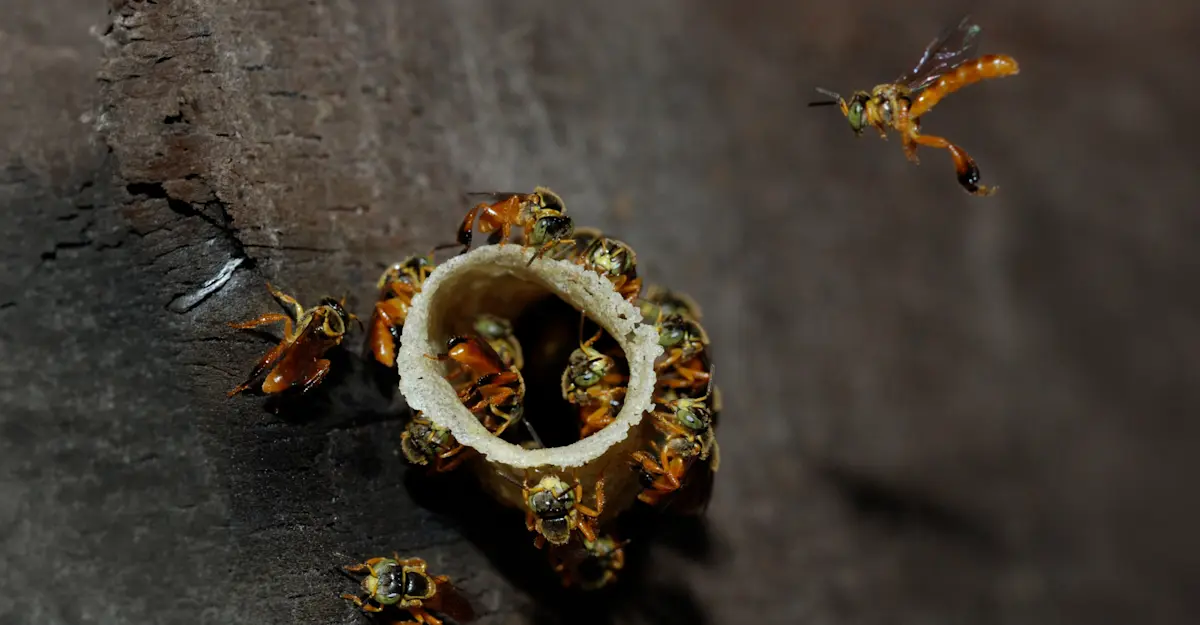
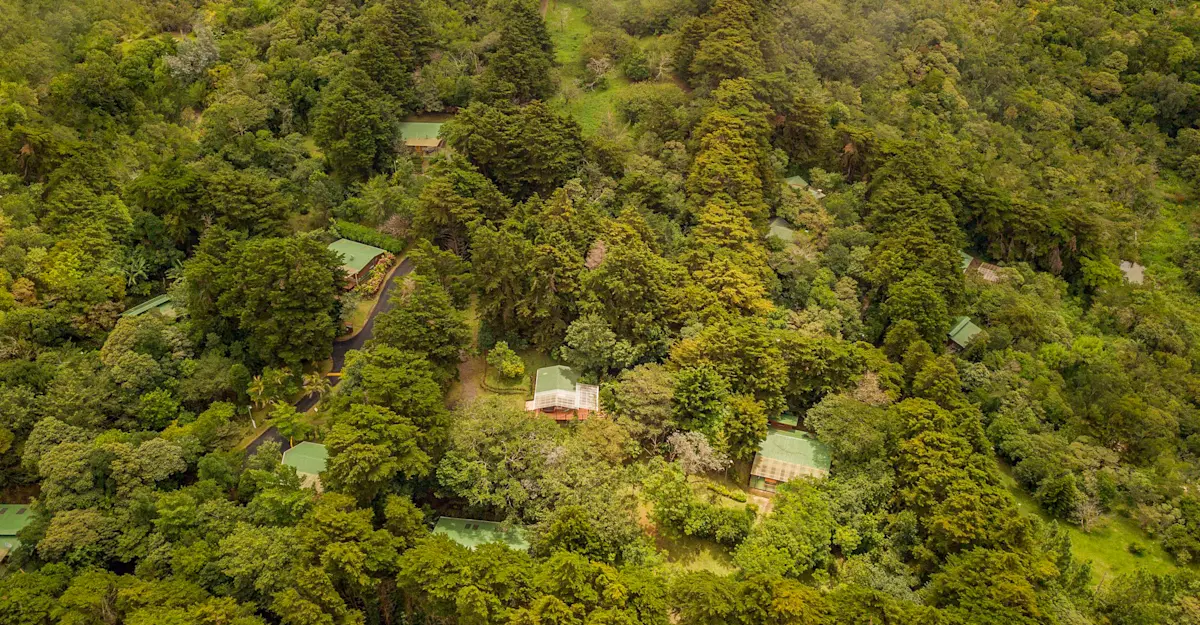
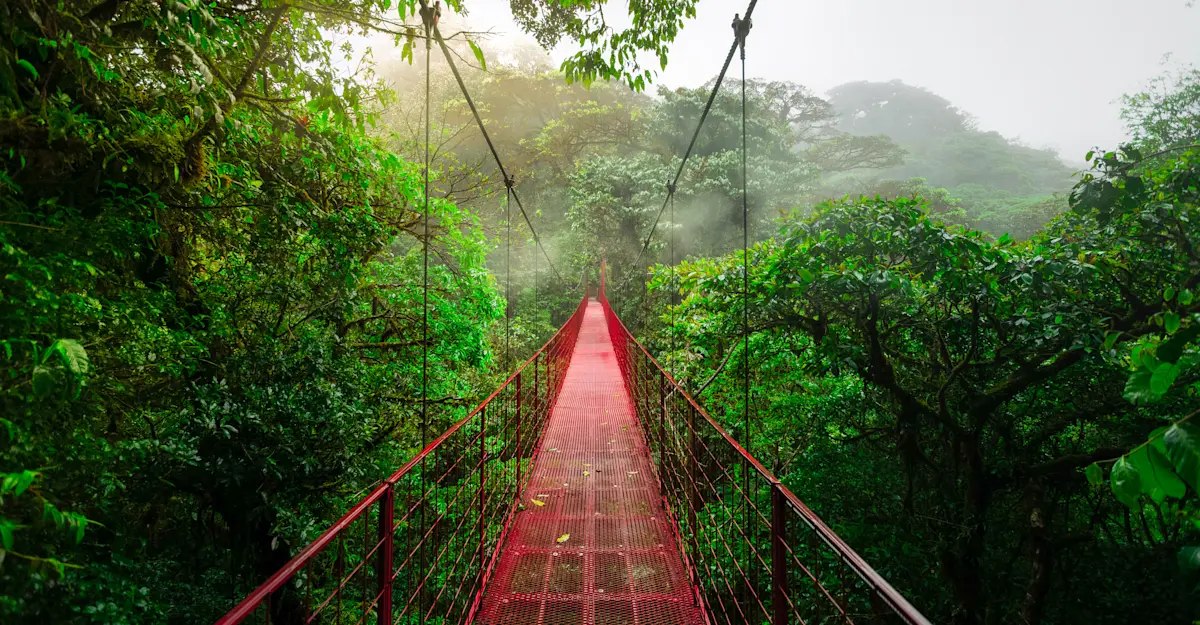
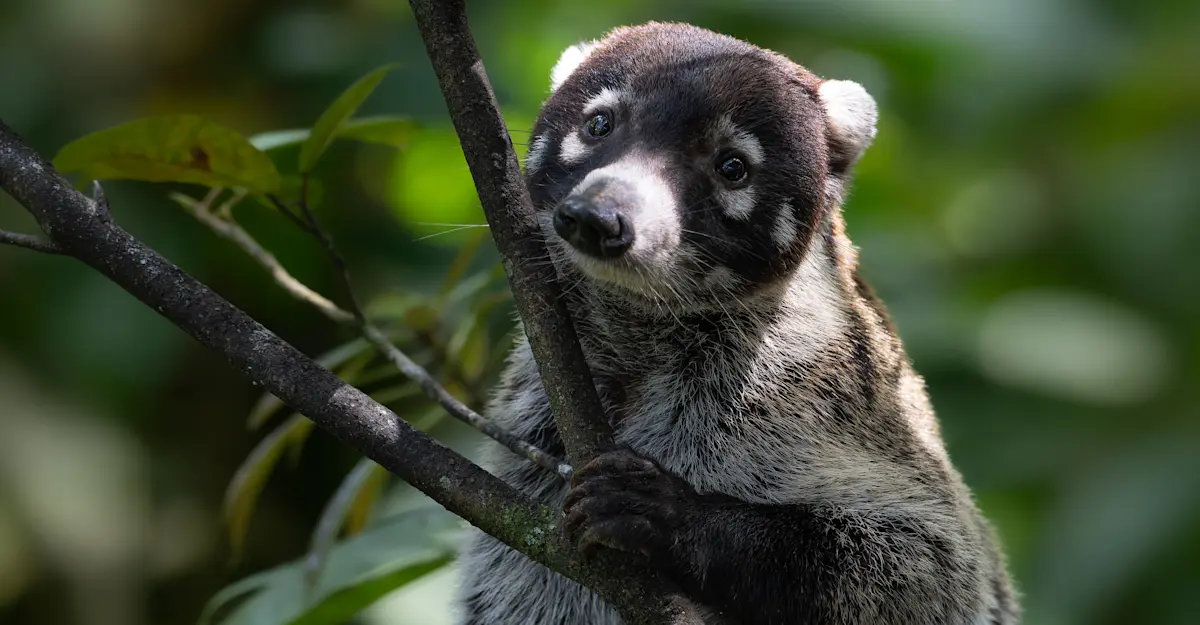
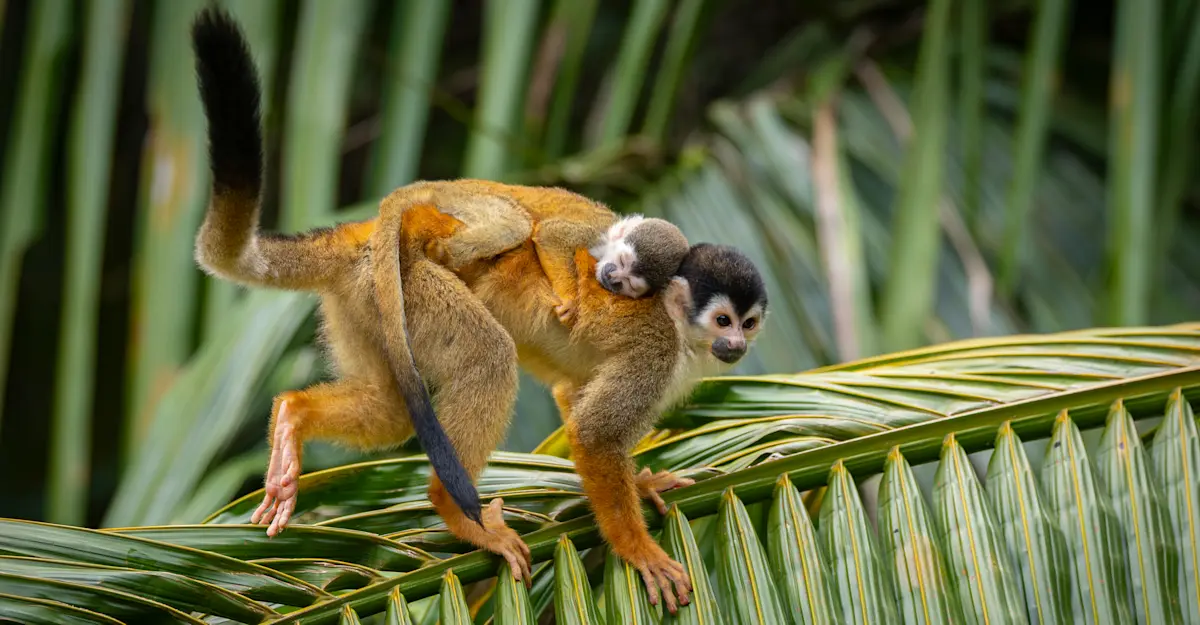
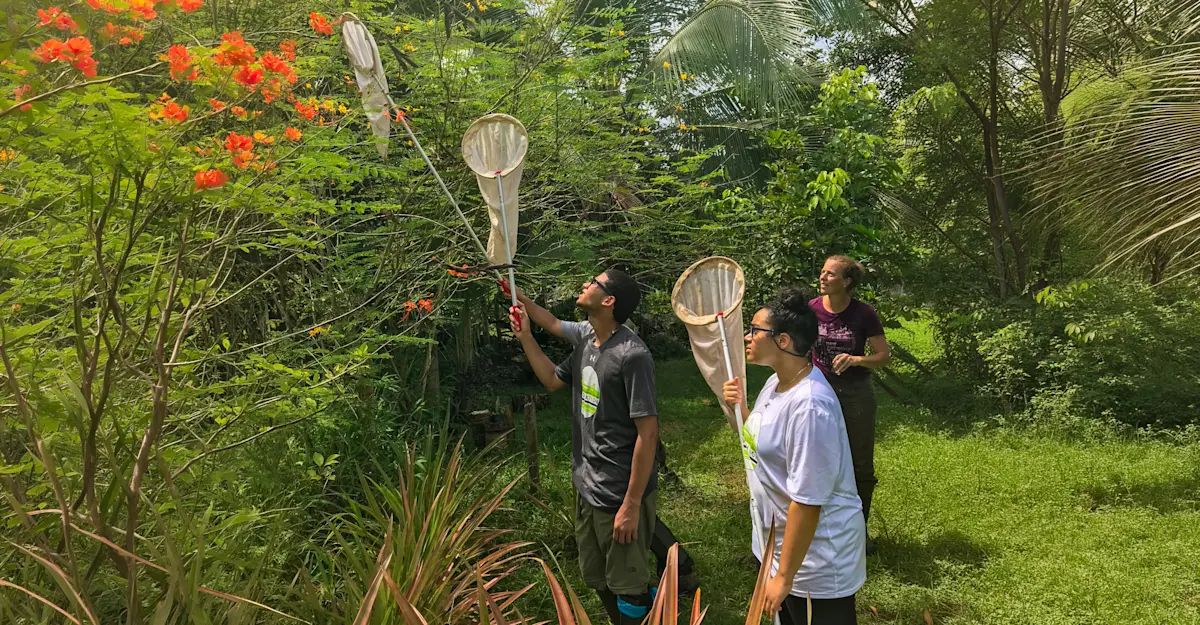
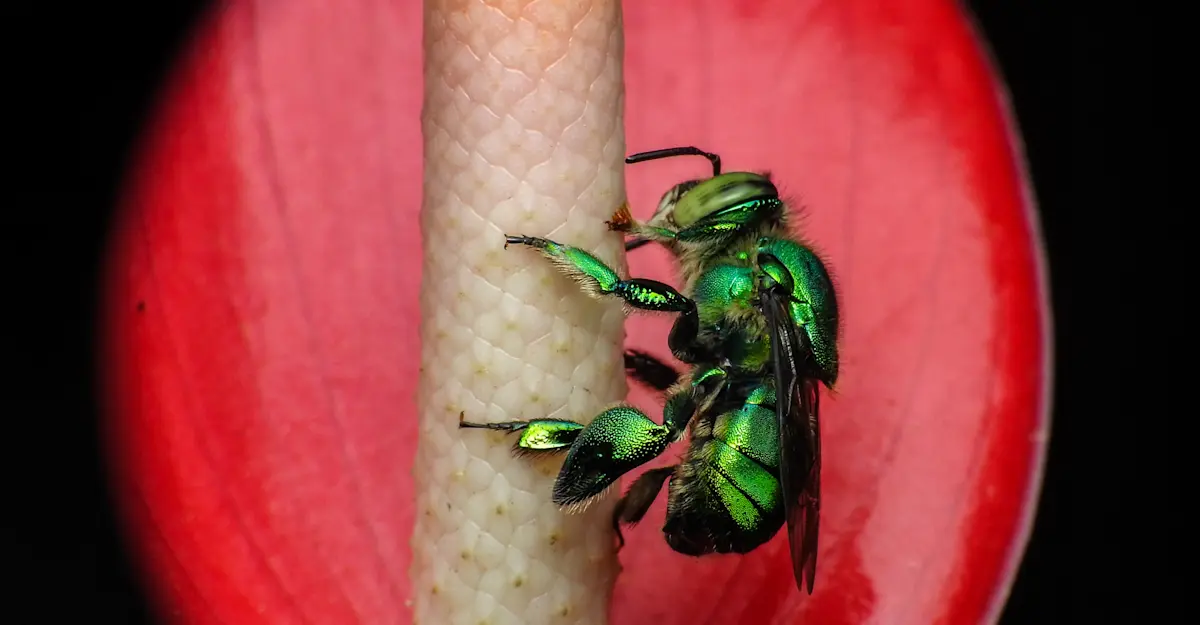
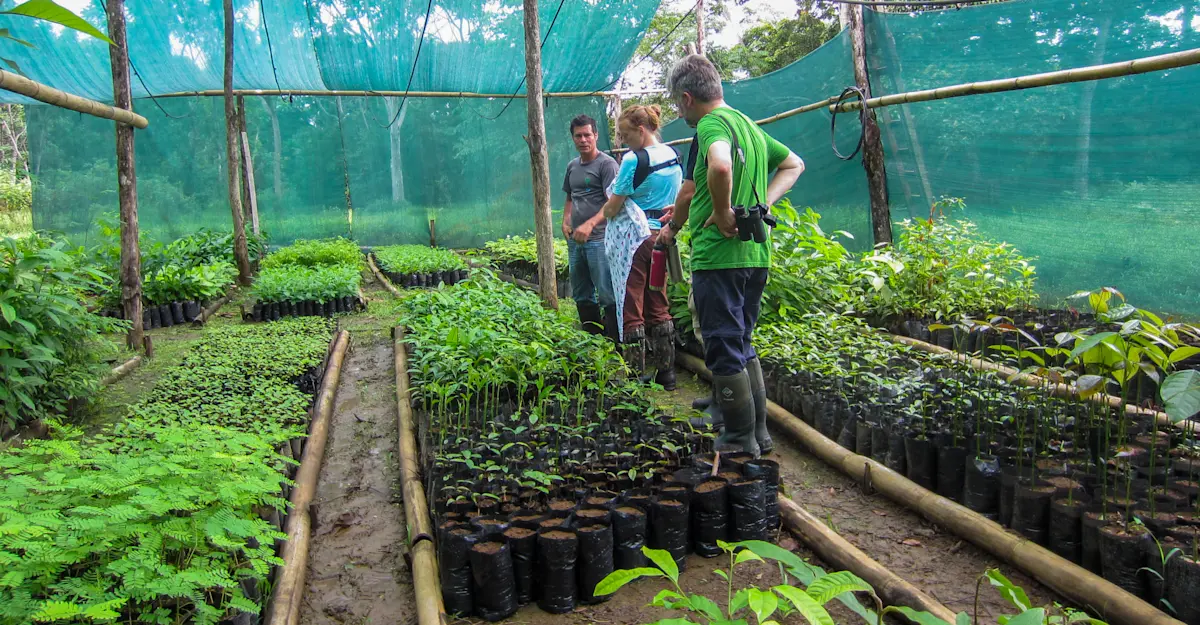
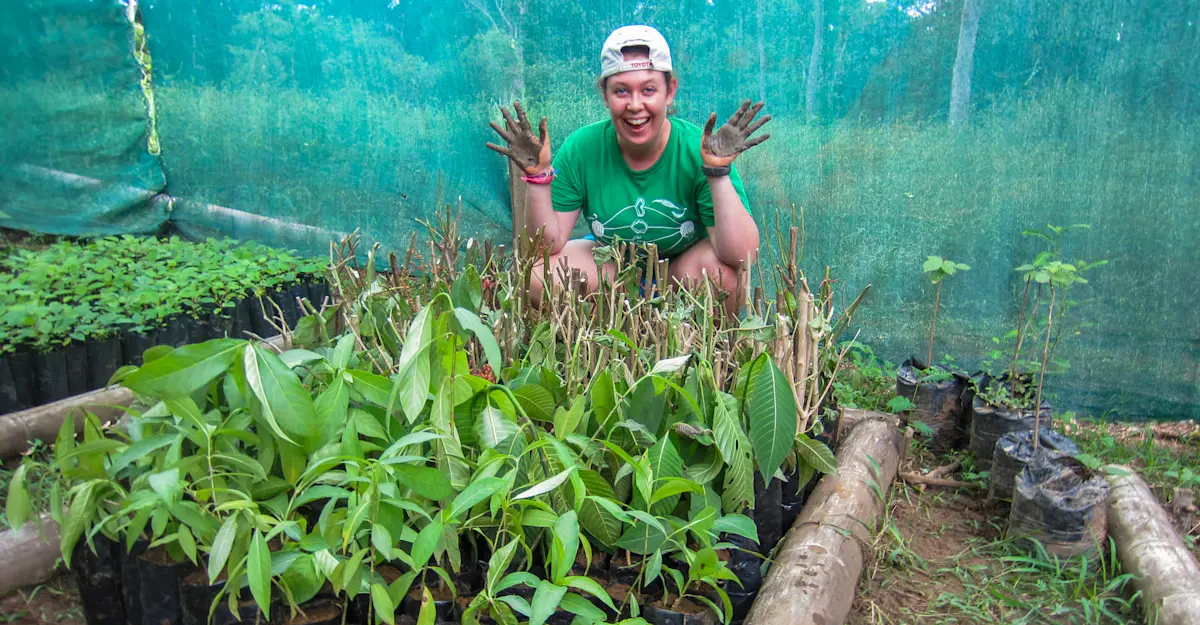
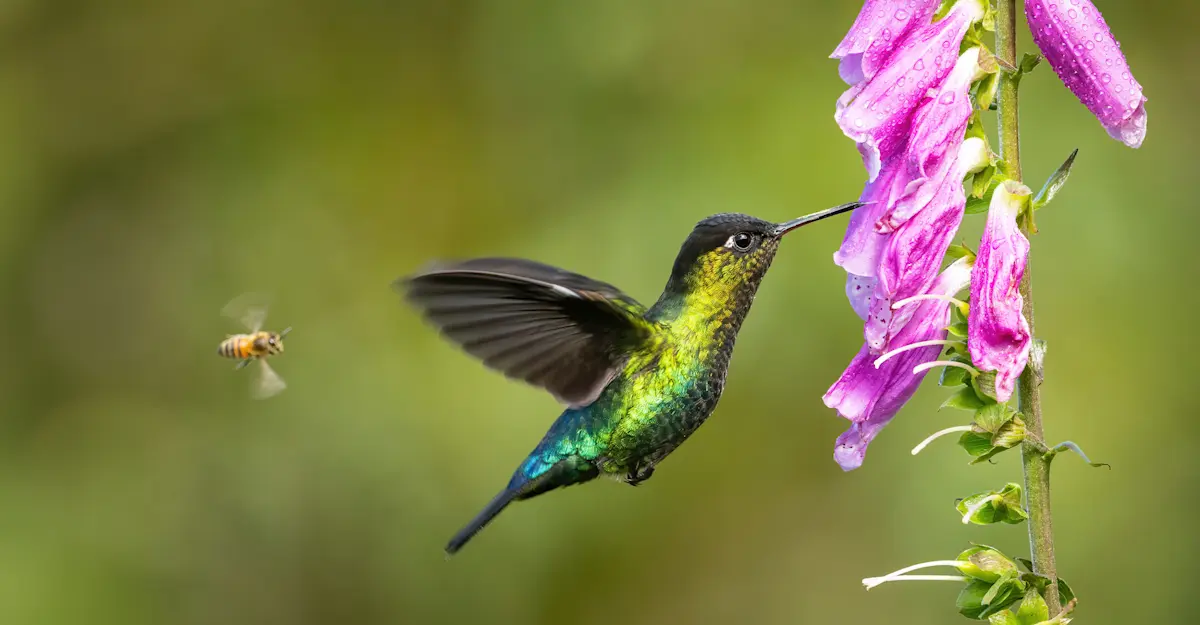
Photo 1 of 17
Research at a Glance
Your Role in Research
The Research Focus
Investigate how native bee communities vary across Monteverde's cloud forests, farms and restoration sites, and how changes in climate and habitat may affect their pollination services.

What You'll Do
Collect bees from flowering plants, document pollinator activity, help identify plant species, survey pollinator communities and support demonstration agroforestry and restoration projects.
Why It Matters
More than three-quarters of global crops depend on pollinators, yet climate change and habitat loss threaten tropical species essential to healthy forests, food systems and biodiversity.
Expedition Highlights
-
Find and Record Pollinators in Costa Rica’s Cloud Forest
Walk among flowers on mountain trails looking for orchid, stingless and other bee species as you document pollinator diversity in Monteverde’s biodiverse landscapes.
-
Explore Monteverde from Cloud Forest to Coffee Farm
Hike under the misty canopy, and visit family farms growing coffee, sugar and produce, experiencing the intersection of closely connected tropical forests and agriculture.
-
Visit a Stingless Bee Center & Taste Rare Honey
Observe 20 native bee species, explore their nesting structures, and sample exquisite local honey prized throughout Mesoamerica.
Meet Your Lead Scientist

Valerie Peters, Ph.D.
Dr. Valerie Peters has spent more than a decade studying pollinators in tropical ecosystems, focusing on how climate change and habitat loss affect bees and their role in pollinating crops and wild plants. Her research helps guide strategies to protect pollinators and support ecosystem health and food security.
Read more
Contribute to the Bee Barcode of Life Initiative
Help collect specimens that contribute to an international effort to identify and catalog bee diversity across Costa Rica and the Americas.Experience Monteverde Beyond the Tourist Trail
Survey bees in hidden mountain landscapes few travelers ever see, from quiet family farms to secluded restoration plots where the only sounds are birdsong and the hum of native bees.Explore the Monteverde Cloud Forest Reserve
Hike through one of Costa Rica's most famous protected areas, home to the rare resplendent quetzal, one of the world's most spectacular birds, and view the vibrant tapestry of orchids, bromeliads and moss-covered trees.Search for Tropical Pollinators Across Monteverde
Track orchid bees, stingless bees and other pollinators through cloud forest, flowering gardens, agricultural landscapes and habitat restoration sites.Experience the Cloud Forest After Dark
Join guided night walks beneath the forest canopy, listening for frogs and insects while searching for tarantulas, kinkajous and other nocturnal wildlife after sunset.Sample the Flavors of Costa Rica
Drink world-renowned locally grown coffee, savor tropical fruit, and, thanks to your scientist's decades of collaboration with Monteverde's farming community, linger after private tours for home-cooked meals with the families.Contribute to Pollinator Research With Real-World Impact
Help researchers investigate how climate, rainfall and habitat change are reshaping tropical bee communities in Monteverde while studying how pollination influences fruit growth and crop production in local gardens and farms.Plant Biodiversity Islands for Pollinators
Establish experimental habitat plots with native flowering shrubs and trees, creating pockets of forage and shelter designed to sustain diverse pollinator communities across fragmented agricultural landscapes.Travel With an Intentionally Small Group
Because we deliberately limit group size to a small cohort of participant researchers, each guest enjoys meaningful time in the field, close interaction with the research team and an active role in daily research activities.Discover with a Dedicated, Expert Field Guide
Your Field Guide ensures each day runs smoothly, coordinating logistics, supporting field activities and helping guests better understand the landscapes and communities visited throughout the trip.Explore With Purpose
Take part in fieldwork that supports ongoing conservation research, directly contributing to the protection of pollinators and the habitats they sustain.