- Jun–Jul
- 8 Days
- Limited to 12 Participants
From $9662
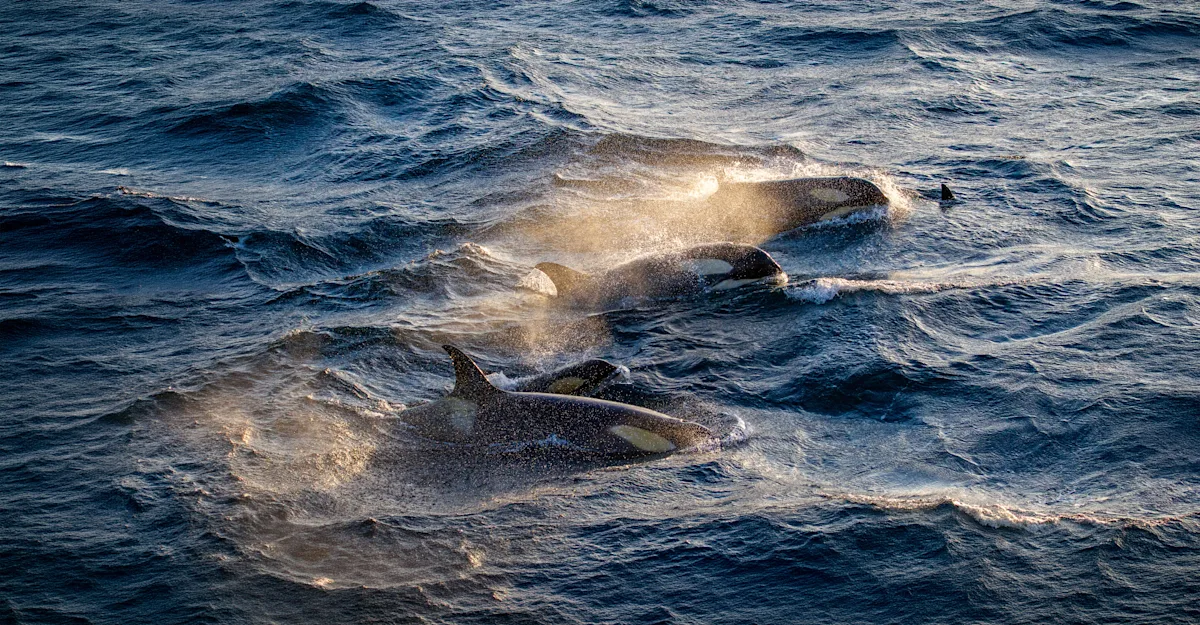
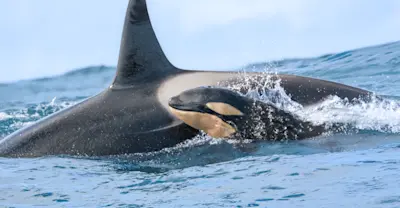
Orcas—also known as killer whales—typically have specialized diets, often feeding on a single prey species. Some populations rely almost entirely on a particular fish, such as salmon or herring. Others hunt marine mammals. But Iceland’s orcas aren’t like the rest. Here, some chow on herring, while others switch between fish and marine mammals, feeding across multiple levels of the food chain. Since 2008, scientists have been working to understand why—and what these dietary patterns mean for the whales' health, reproduction and survival over time. Join one of the first long-term studies of killer whale diets as you track these apex predators. From cliffside lookouts and small research vessels, document where orcas go, how they hunt, what they eat, and how those choices affect their health and survival. Against Iceland’s rugged coastal landscapes, get a front-row view on how a top predator adapts.
Photo gallery
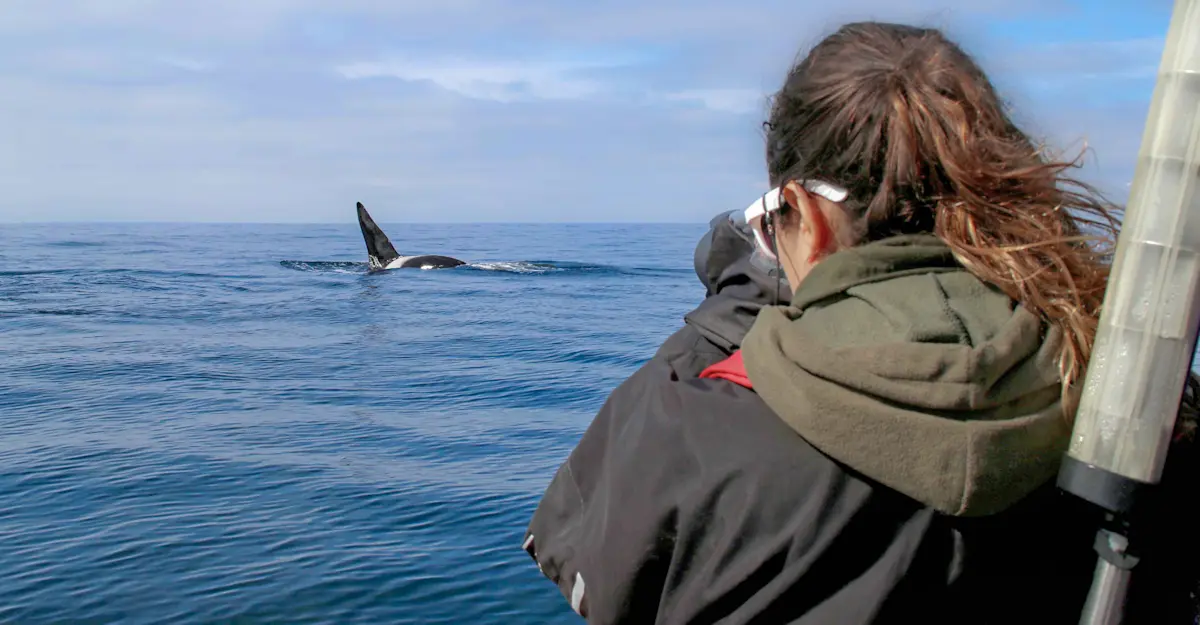
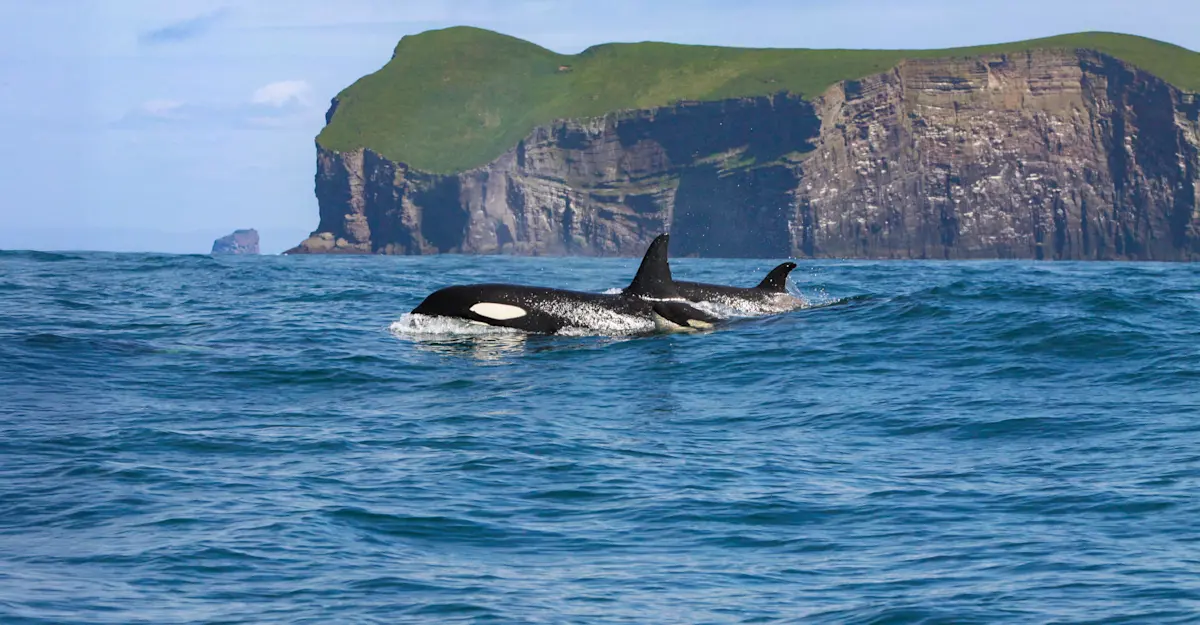
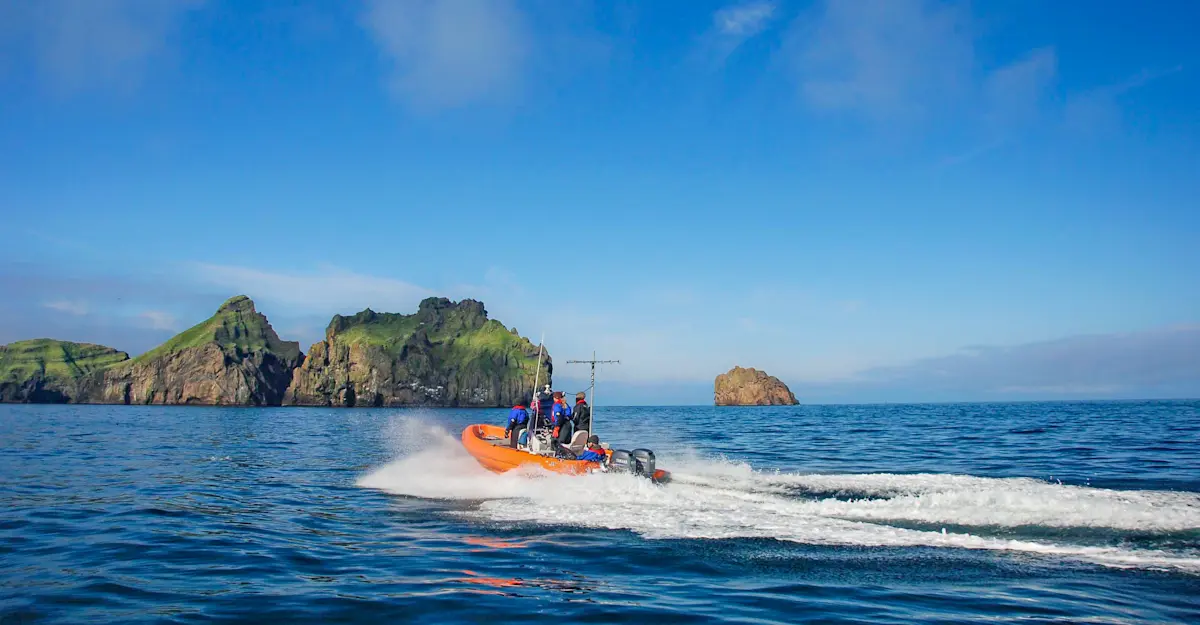
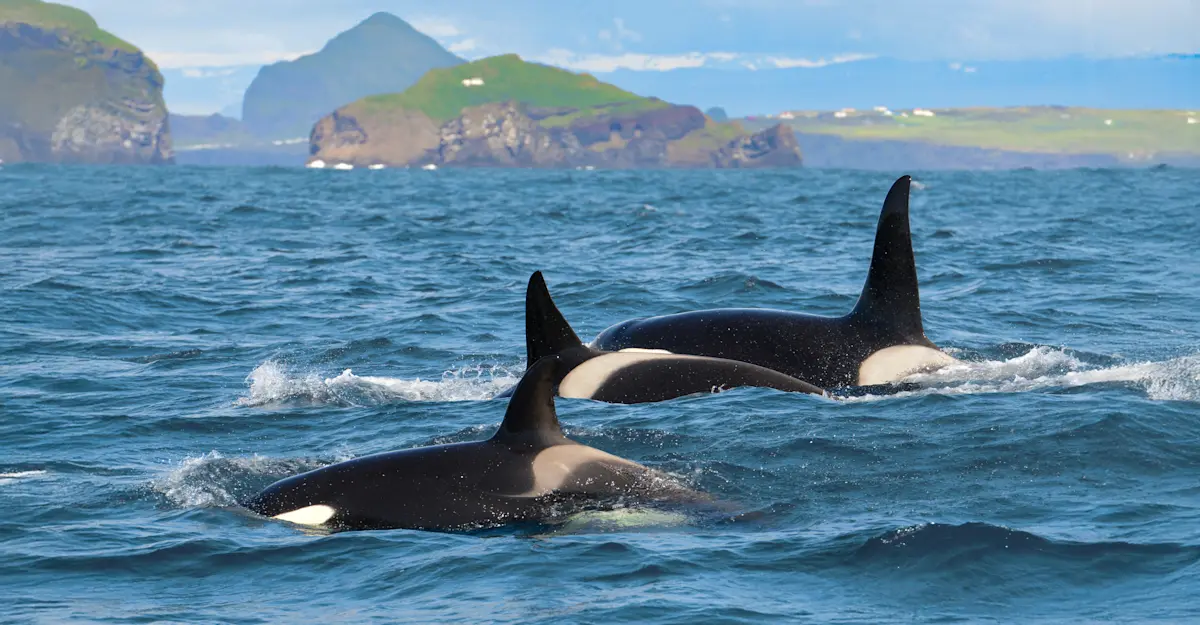
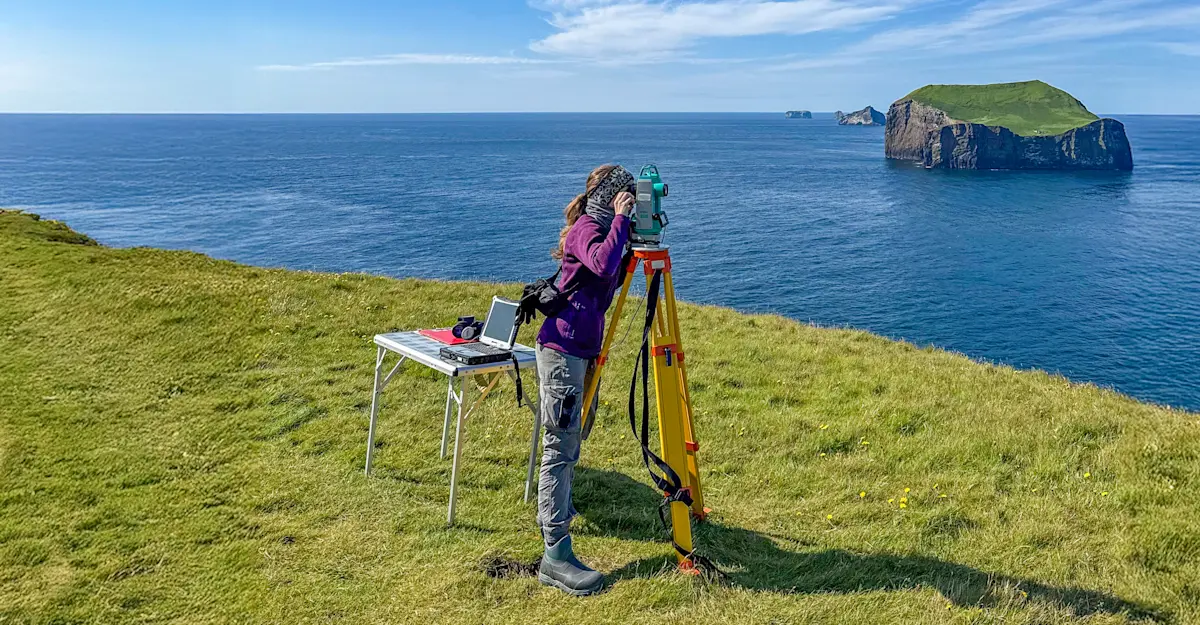
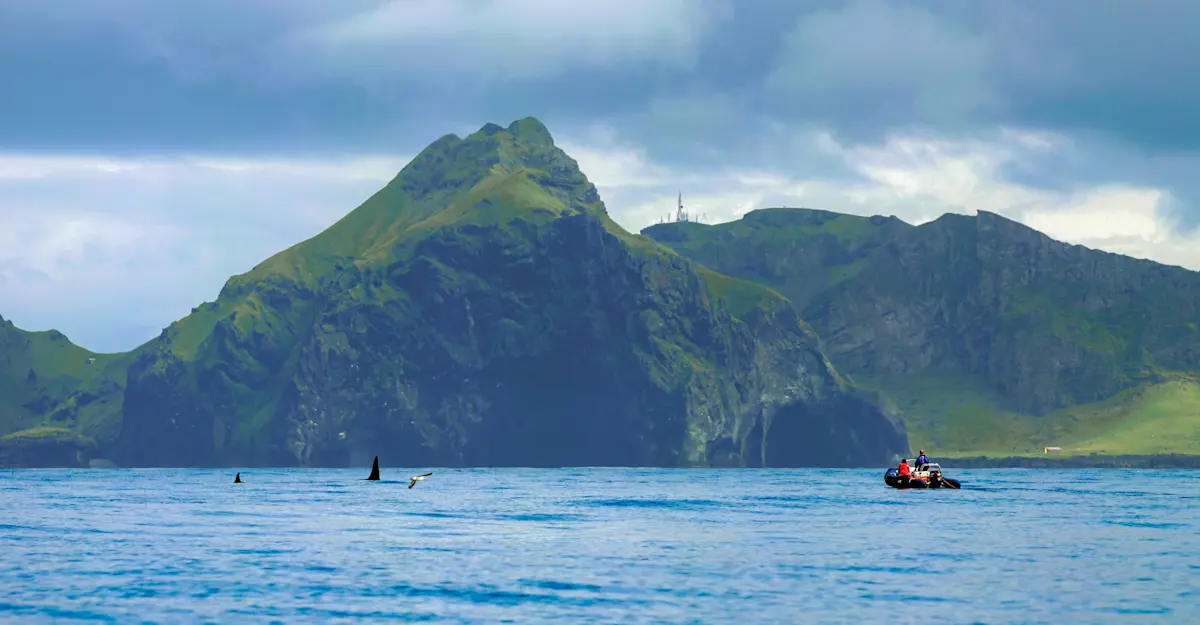
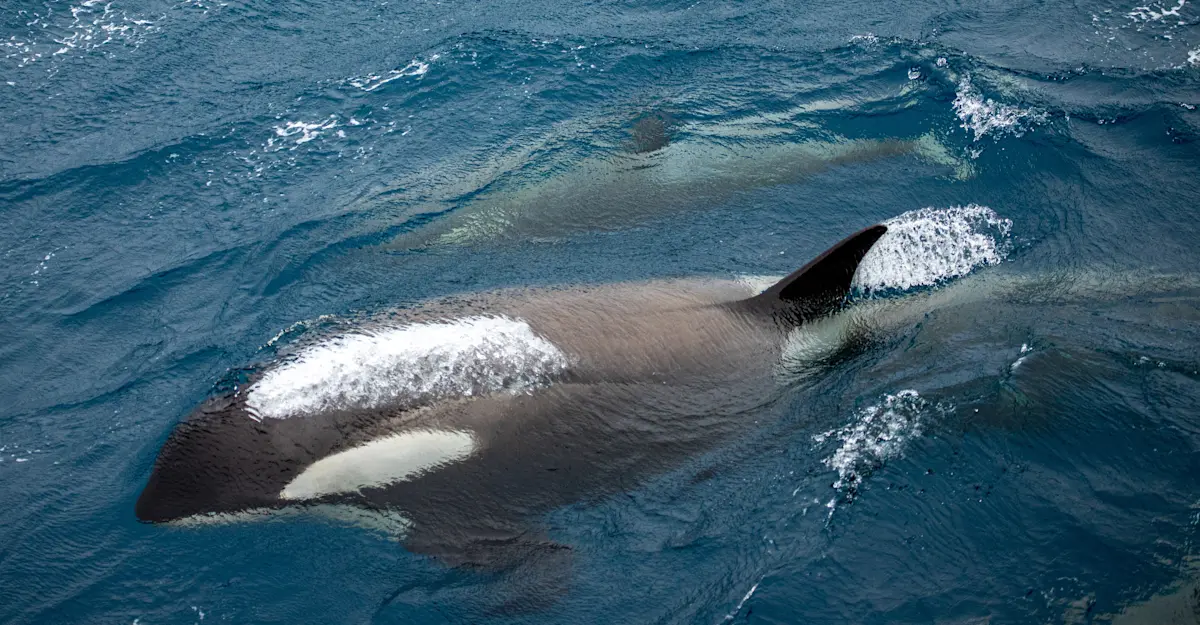
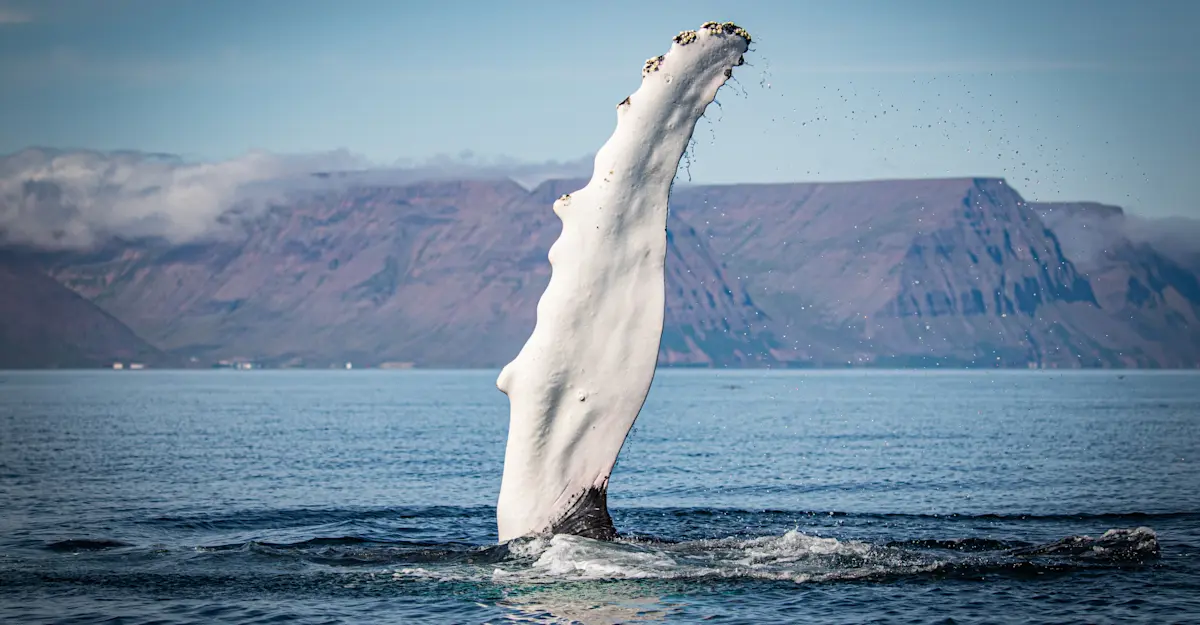
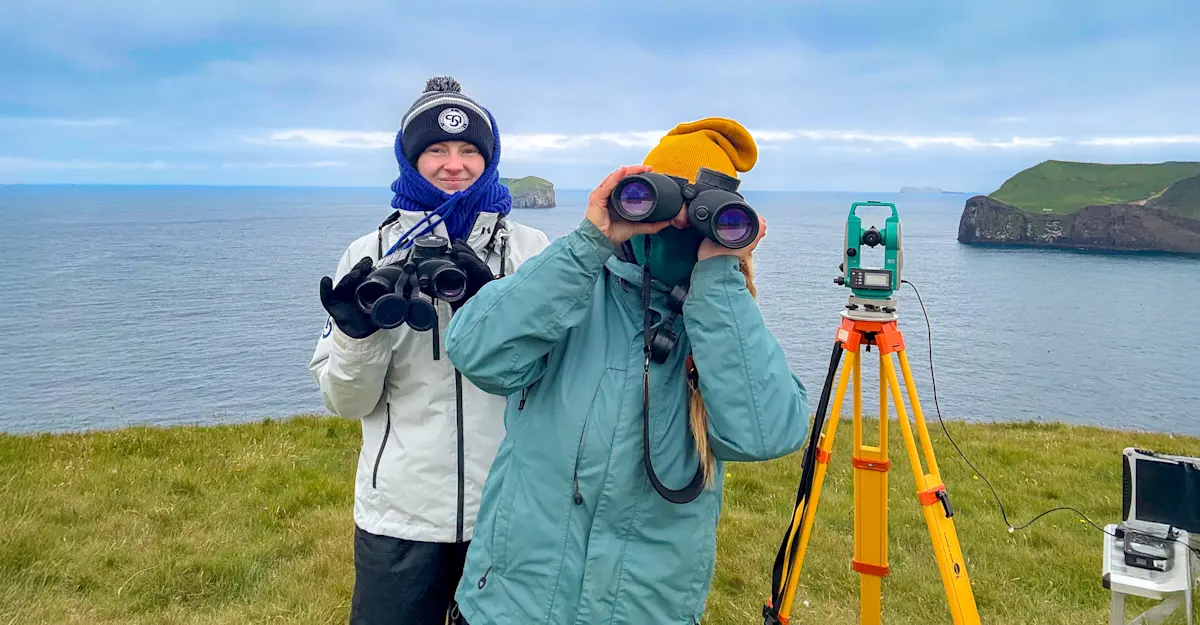
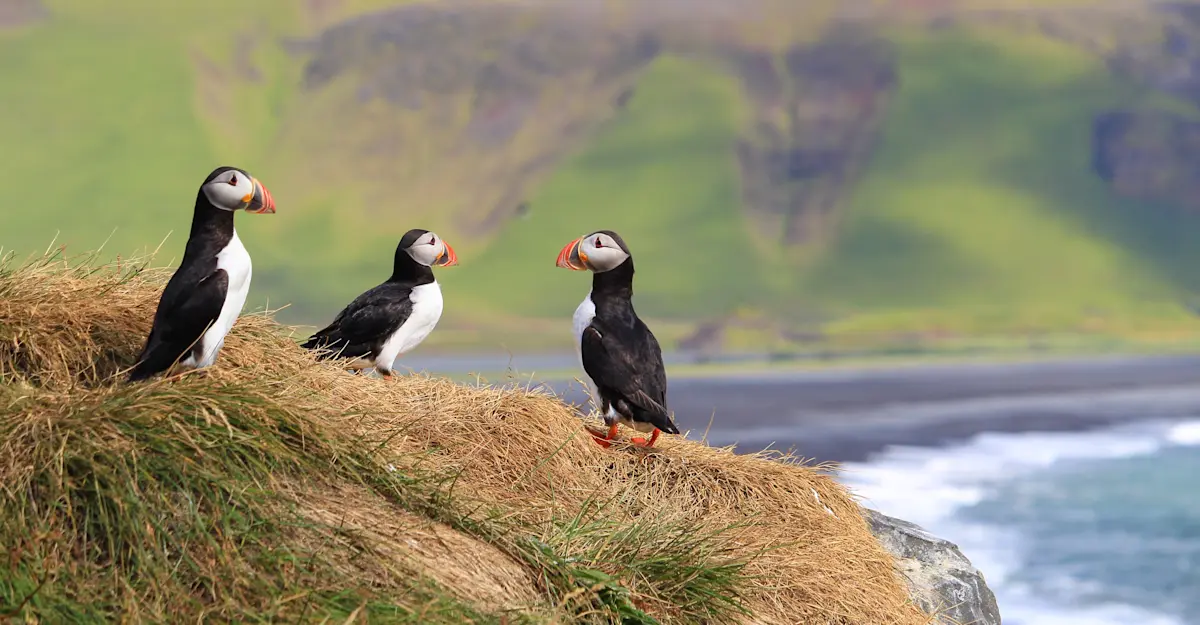
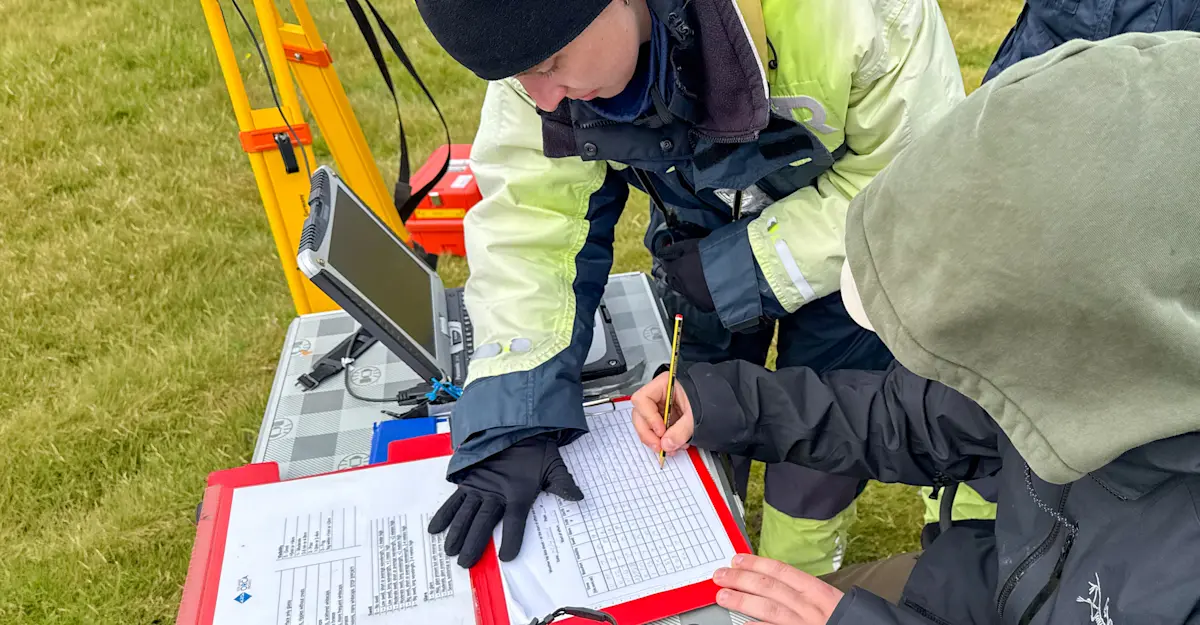
Photo 1 of 13
Research at a Glance
-
The Research Focus
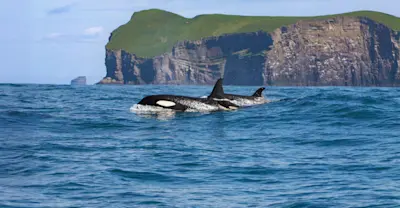
Study what Iceland’s killer whales eat and how and where they move, examining how changing prey affects feeding, health and survival.
-
What You'll Do
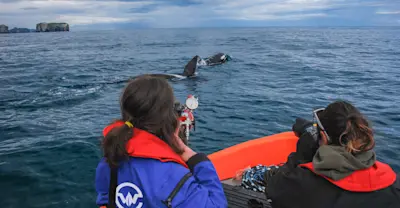
Scan the sea for whales from coastal lookouts, head out by boat to observe behavior and feeding, and record sightings and activity.
-
Why It Matters
Understanding orca diets helps predict how they respond to changing prey and informs conservation efforts for the ecosystems they depend on.
Expedition Highlights
-
Join a First-of-Its-Kind Orca Study
Help scientists learn more about what Iceland’s killer whales eat—and what that means for their health, reproduction and future
-
Get Close to Orcas During Research at Sea
From small boats, you’ll be mere feet from wild killer whales as they surface, feed and move through frigid island-studded waters
-
Explore Iceland’s Wild Southern Coast
Follow a rugged shoreline where seabird cliffs rise above open ocean, and look for puffins and whales at home in the exposed North Atlantic
Meet Your Lead Scientist

Filipa Samarra, Ph.D.
Dr. Filipa Samarra has spent years studying killer whales in the North Atlantic, focusing on their behavior, communication and social structure. She is also a director at the University of Iceland Research Center in Vestmannaeyjar, where her work contributes to long-term research and conservation of this apex predator.
Read more
Join a First-of-Its-Kind Orca Study
Take part in one of the first long-term efforts to understand what Iceland’s killer whales eat and how shifting prey affects their health, reproduction and survival.See a Rare Feeding Strategy Up Close
Observe killer whales that switch their diet between fish and marine mammals—an uncommon behavior that may reveal how they adapt to changing ocean conditions.Understand the People & Ideas Behind the Research
Spend time with the scientists leading Iceland’s killer whale study and learn how their research deepens our understanding of shifting prey, changing ocean conditions and the long-term survival outlook for the species.Encounter Abundant Native Wildlife
Follow whales, dolphins and seabirds that use the same feeding grounds as the orcas, revealing how predators overlap, compete and respond to changes in prey.Discover Vestmannaeyjar’s Volcanic Islands
Journey to a remote archipelago formed by eruptions and shaped by the sea's erosive force—a dramatic landscape of lava fields and steep cliffs.Watch Puffins Up Close
Observe thousands of Atlantic puffins nesting on sea cliffs, returning from the ocean with beaks full of small fish, abundant in the waters just offshore.Learn From an Expert Expedition Leader
Your naturalist Expedition Leader ensures that each day runs smoothly, coordinating logistics and providing natural history insight that connects your understanding of Iceland’s landscapes, wildlife and the research project at hand.Travel in the Personalized Context of a Small Group
Because we intentionally limit our group size, each participant is assured quality time in the field, meaningful interaction with the research team, and an active role in daily research activities.Explore with Purpose
Take part in fieldwork that supports ongoing marine research, contributing to the understanding and protection of killer whales and the ecosystems they depend on.