Tracking Orcas & Their Prey in Iceland
Know Before You Go
Whether you're preparing for your upcoming expedition or simply want to learn more about Iceland's marine ecosystems, these resources offer a closer look at the wildlife, habitats and research that make this expedition unique. Learn how killer whales track schools of Atlantic herring through the waters of the Westman Islands, discover the marine species that share this productive ecosystem and explore the science behind one of the North Atlantic's most important long-term whale research programs.
Why Is Iceland One of the Best Places in the World to Study Killer Whales?
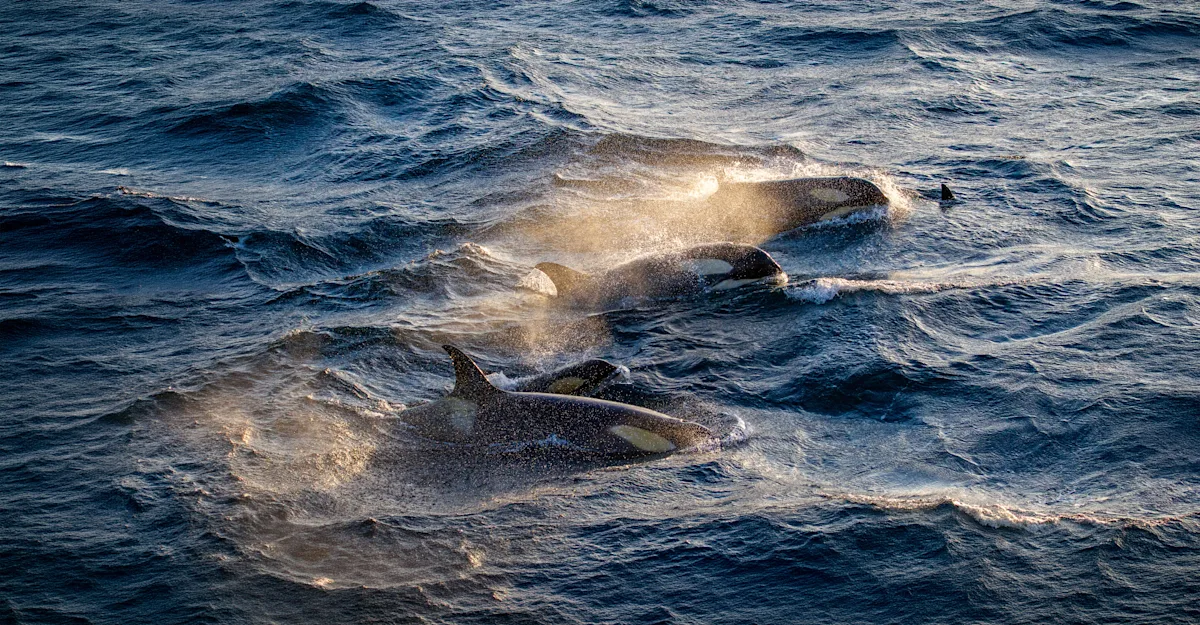
In Iceland’s coastal waters, killer whales slice through the waves, working in coordinated groups as they pursue dense schools of Atlantic herring. This dynamic feeding behavior offers a rare window into one of the ocean’s most complex predator–prey relationships, making Iceland one of the most important regions in the North Atlantic for studying how marine ecosystems function.
Around the Vestmannaeyjar (Westman Islands), researchers can observe how whale behavior, movement and feeding strategies are shaped by shifting ocean conditions and prey availability. This combination of accessible coastal habitat and long-term research makes Iceland a meaningful place for participants to contribute to marine science.
Quick Facts: Following Killer Whales and Their Prey in Iceland
Location: Vestmannaeyjar (Westman Islands), South Iceland
Research partner: Icelandic Orca Project
Primary species: Killer whales (orcas) and their prey, including Atlantic herring
Key activity: Land- and boat-based whale research and observation
Conservation focus: Understanding whale behavior, prey relationships and marine ecosystem change
What Wildlife Will I See on a Killer Whale Research Expedition in Iceland?
Killer whales are the primary focus of the expedition, but Iceland’s coastal waters support a dynamic marine ecosystem shaped by nutrient-rich currents and seasonal prey movement. These conditions attract a range of marine mammals and seabirds, with wildlife activity often concentrated around feeding areas where predators and prey interact. Sightings vary day to day depending on weather, ocean conditions and fish distribution, offering a changing window into how this ecosystem functions.
Participants may encounter:
Killer whales moving through coastal waters in search of herring and other prey
White-beaked dolphins, harbor porpoises and other cetaceans, depending on conditions
Seabirds including puffins, fulmars, kittiwakes and gulls along cliffs and offshore waters
Seals such as harbor seals or grey seals resting along rocky shorelines or swimming near the islands
Fish and other marine species drawn to productive feeding areas
What Is the Climate Like in Iceland During a Killer Whale Research Expedition?
Iceland’s coastal climate is cool, windy and highly variable, especially in marine environments where conditions can shift quickly throughout the day. Fieldwork takes place outdoors on both land and water, where wind and moisture can make temperatures feel colder than expected.
Condition | What to Expect |
|---|---|
Daytime Temperatures | 40–55°F |
Nighttime Temperatures | 35–45°F |
Winds | Frequent and often strong along the coast |
Rain & Cloud Cover | Common, with rapidly changing conditions |
Sea Conditions | Can range from calm to rough depending on weather |
Frequently Asked Questions
Do I need research experience?
No prior research experience is required. Scientists and field staff provide training and guidance in field observation techniques, data collection, and photo-identification methods used in killer whale research.
What type of research will I assist with?
Participants assist scientists studying killer whale behavior, movement, and ecology in Iceland’s coastal waters. Activities may include photographing whales for identification, recording behavioral observations, scanning for whales from land or sea, and collecting environmental data during surveys.
What is the conservation impact of this research?
This expedition supports long-term marine research focused on killer whales and their prey. Data collected in the field helps scientists understand how whales use this habitat, how they respond to changes in prey availability, and how marine ecosystems are shifting in the North Atlantic.
How physically demanding is the expedition?
Participants should be comfortable spending extended periods outdoors in cool, windy conditions. Fieldwork may involve standing or sitting on small research vessels for several hours, as well as short walks to coastal observation sites and time spent scanning for wildlife.
Can weather affect research activities?
Yes. Weather conditions such as strong winds, rain or rough seas may affect when boat-based research takes place. When conditions are not suitable for working on the water, research continues from land-based observation points or through data processing.
What happens in case of an emergency?
Participant safety is a priority on all expeditions. Field staff follow established safety procedures and maintain communication during research activities. Boats are equipped with safety gear, and participants wear flotation suits during marine work. If medical care is required, staff coordinate transportation to local medical facilities, with evacuation to Reykjavík if needed.
Do I need travel insurance?
Travel insurance is strongly recommended and should include coverage for trip cancellation, interruption, medical expenses and emergency evacuation.
Earthwatch Expeditions provides travel medical insurance for participants.
What immunizations & travel vaccinations do I need?
Participants should ensure routine vaccinations are up to date before traveling to Iceland. Guests should also prepare for cold exposure and variable weather conditions during outdoor fieldwork.
What should I bring?
Participants receive a detailed packing list before departure outlining recommended clothing, field gear and personal supplies. Essential items include layered clothing, waterproof outerwear, warm accessories and footwear suitable for boat and coastal conditions.
What Should I Pack for a Killer Whale Research Expedition in Iceland?
Participants should pack for cold, windy and wet conditions, with clothing suited for extended time outdoors and on the water. Layering is essential, as conditions can change quickly, and a windproof outer layer is especially important for time on the water. Recommended items include:
Thermal base layers (top and bottom)
Two to three insulating layers such as fleece or wool
Waterproof, windproof jacket and rain pants
Warm hat, neck gaiter and waterproof gloves
Waterproof footwear suitable for boat and coastal terrain
Lightweight, quick-drying shirts and pants
Sunglasses and sunscreen
Refillable water bottle
Small daypack or waterproof dry bag
What Will I Experience on a Killer Whale Research Expedition in Iceland?
Participants assist scientists with ongoing marine research, contributing to studies of killer whale behavior, movement and feeding ecology in Iceland’s coastal waters. Work may include photographing whales for identification, recording behavioral observations, scanning for sightings from land or sea, and collecting environmental data that supports long-term research. Traveling between coastal observation points and offshore waters, participants gain a deeper understanding of how marine ecosystems function and how top predators respond to environmental change.
What Does Daily Fieldwork Look Like While Studying Killer Whales in Iceland?
Fieldwork alternates between land-based observation and boat-based research, depending on weather and whale activity. From coastal vantage points, participants scan the ocean using binoculars and record sightings, movement and behavior. On the water, participants may join researchers aboard small vessels to locate whales, observe feeding and social behavior, and assist with data collection. When conditions limit boat work, research continues from land or through data processing, reflecting the adaptive nature of real field science in a dynamic marine environment.


