- Aug–Sep
- 8 Days
- Limited to 15 Participants
From $7963 (+air)
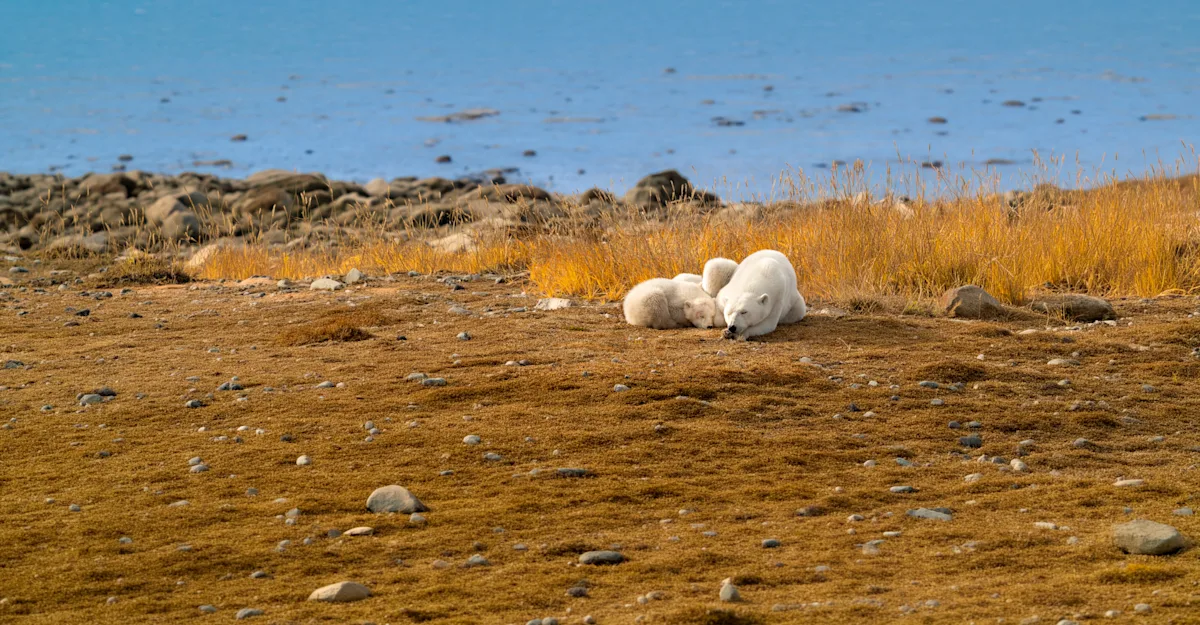
At the edge of Hudson Bay, polar bears roam near Churchill, where the tundra, boreal forest and ocean meet—and where global warming is rapidly reshaping Arctic ecosystems. Rising air and sea temperatures are thawing permafrost, shifting wetlands and pushing trees into once-open ground, changing how wild animals—including polar bears—move and feed across the region. Join scientists on land and water to track these transformations as we explore one of the most dynamic environments on Earth. Survey the tundra landscape by Polar Rover and helicopter as we keep an eye out for polar bears, ride behind a dog team, learn about northern cultures, and discover why the impacts of a changing Arctic climate matter far beyond Churchill.
Photo gallery
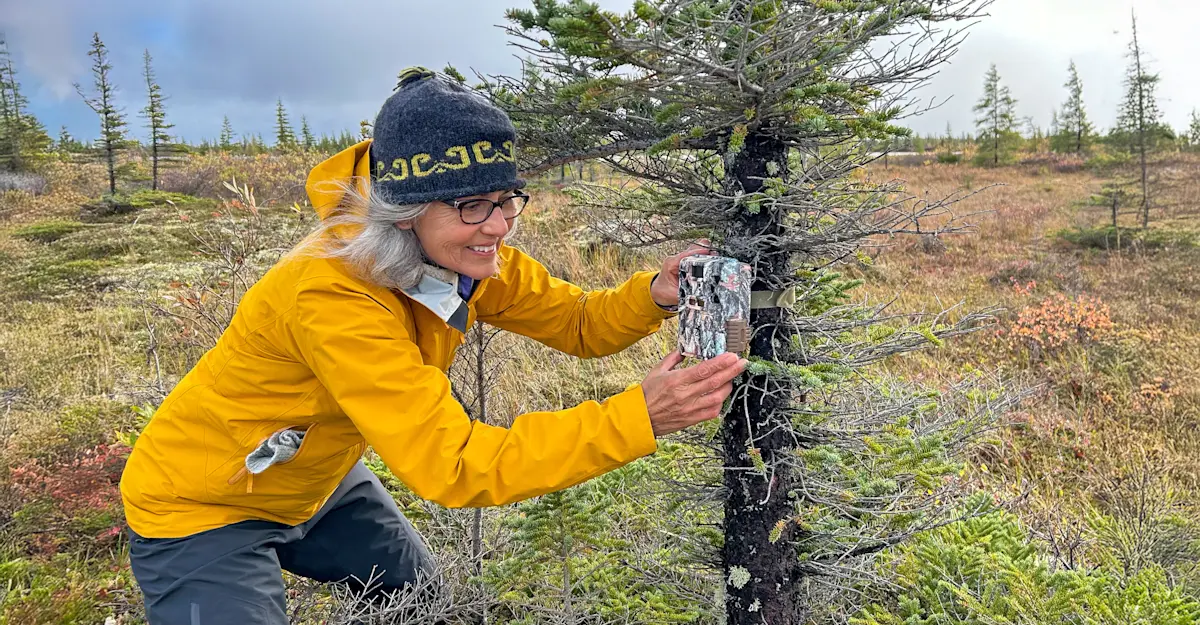
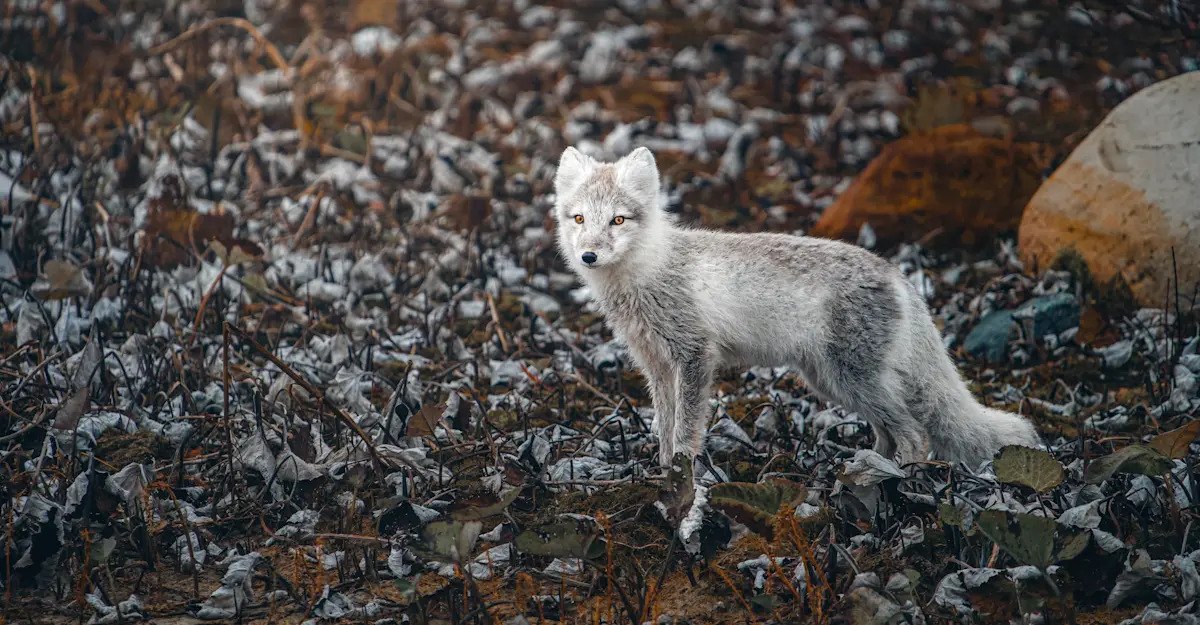
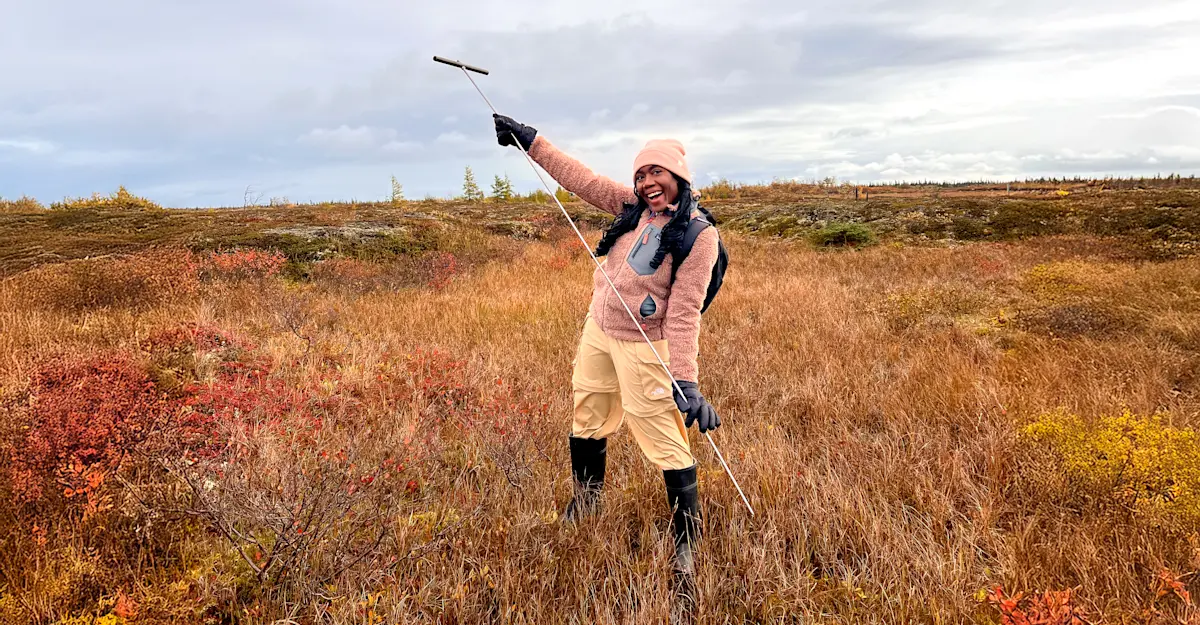
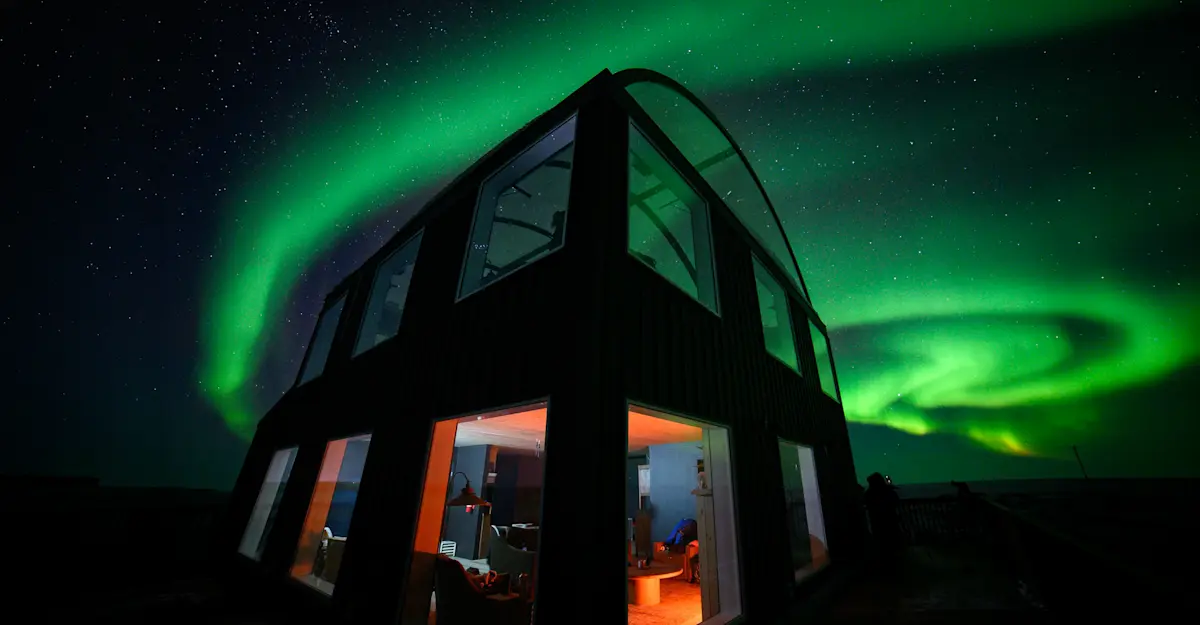
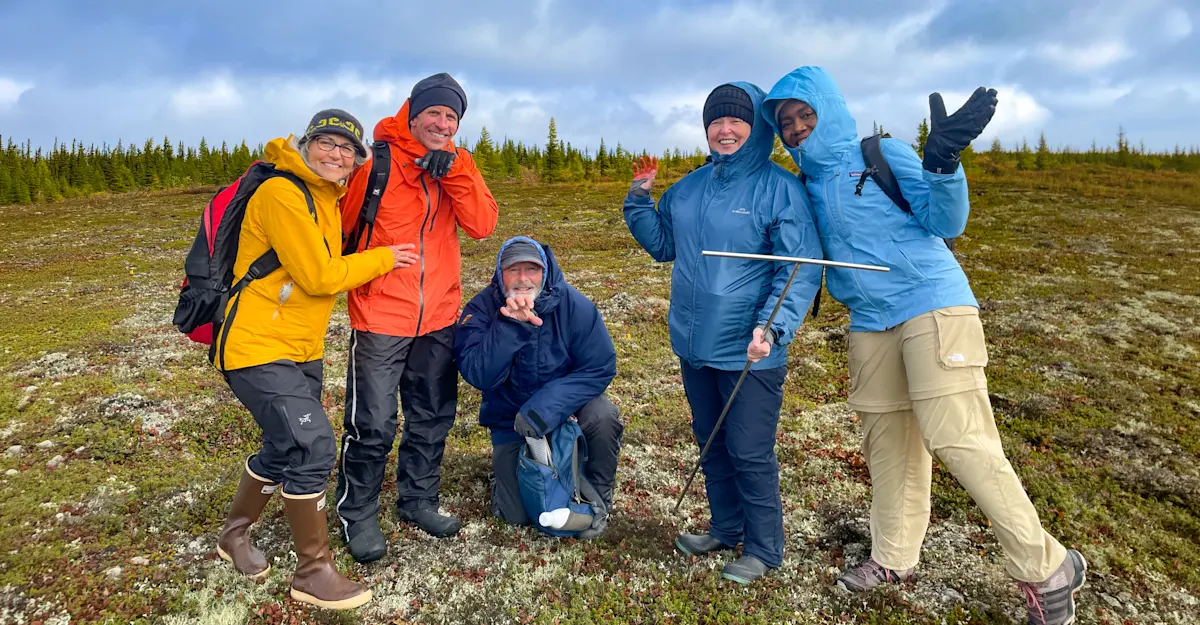
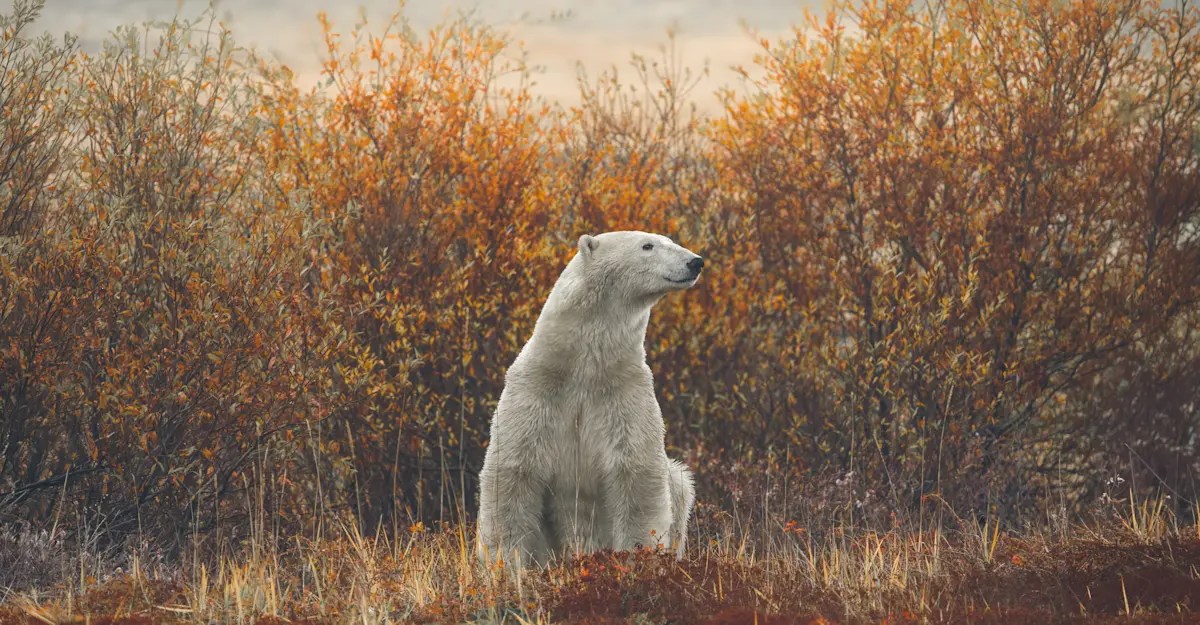
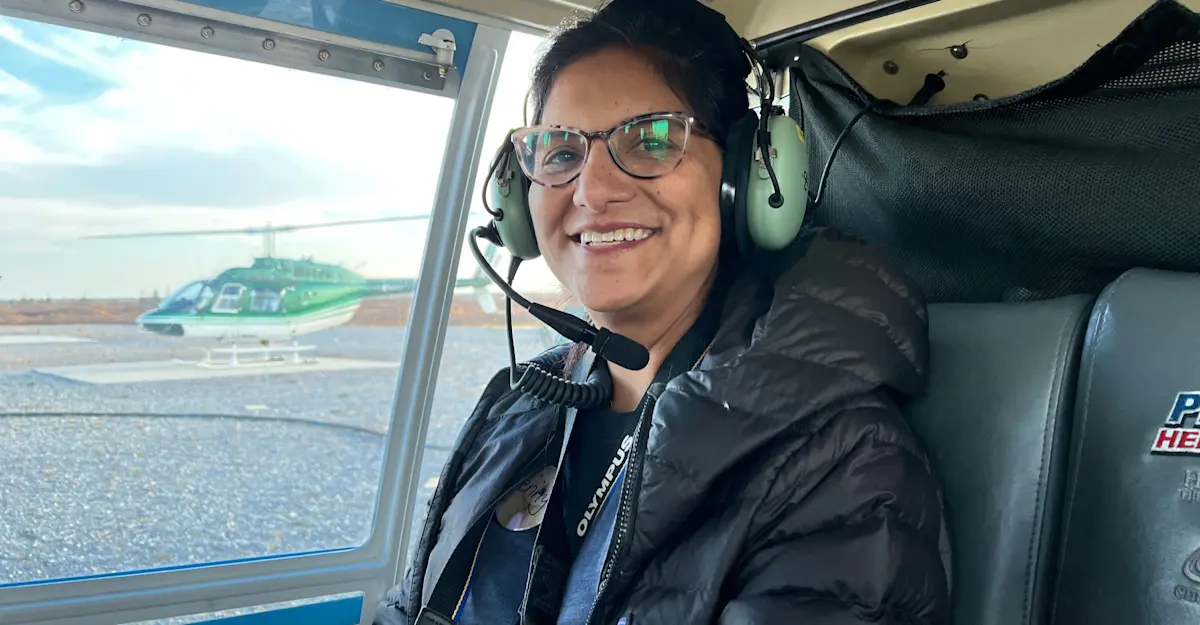
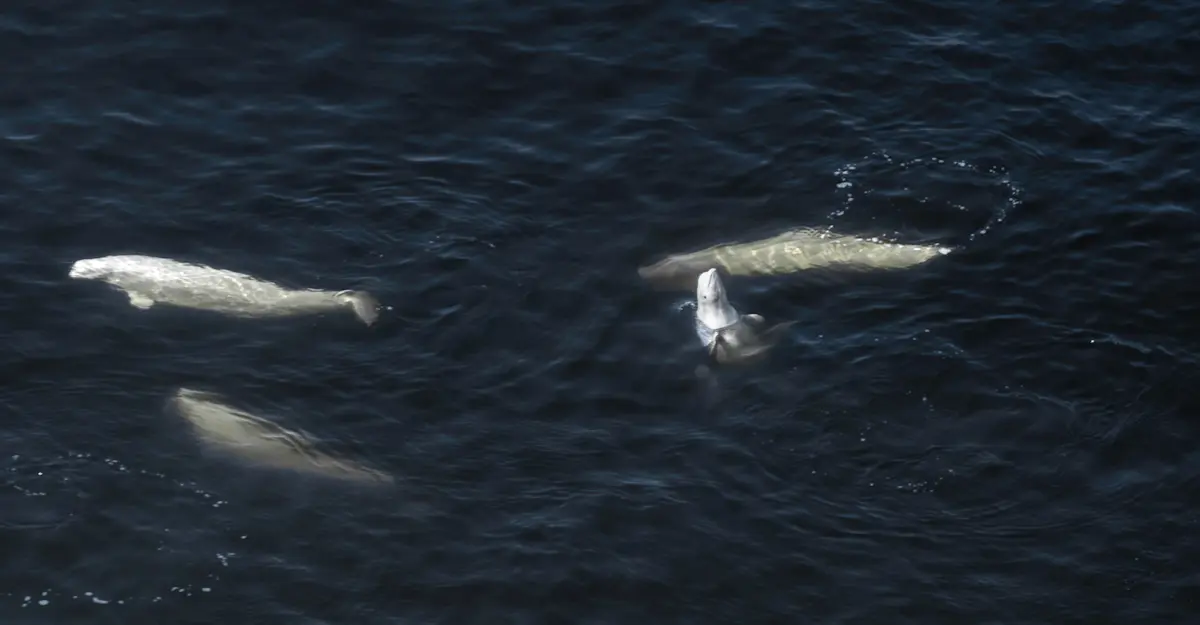
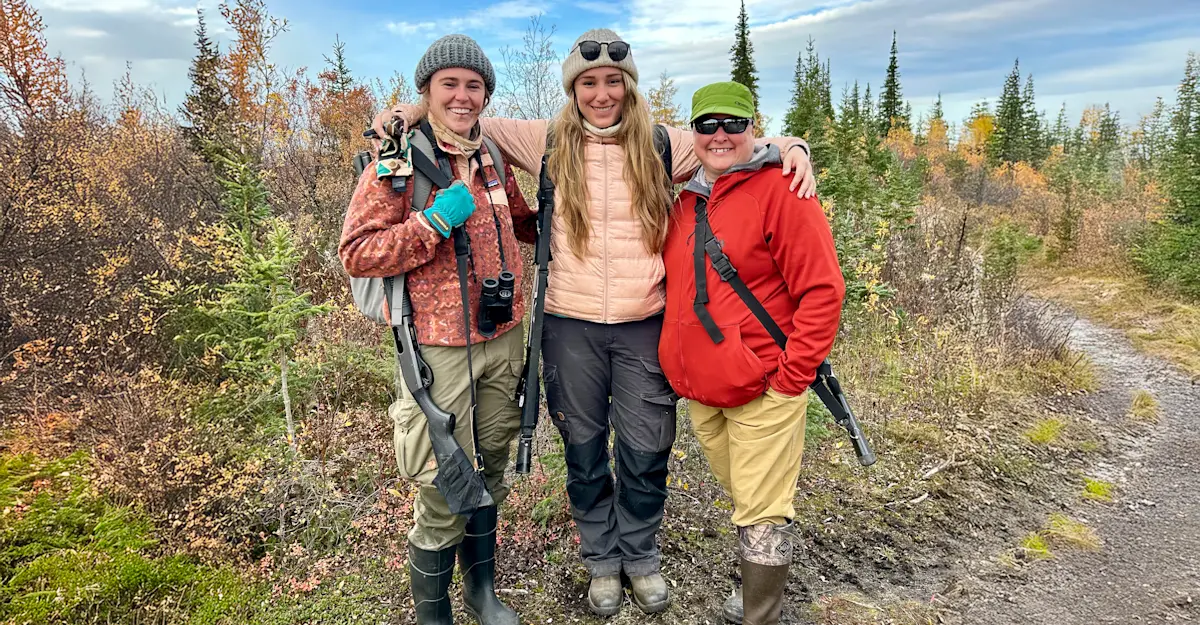
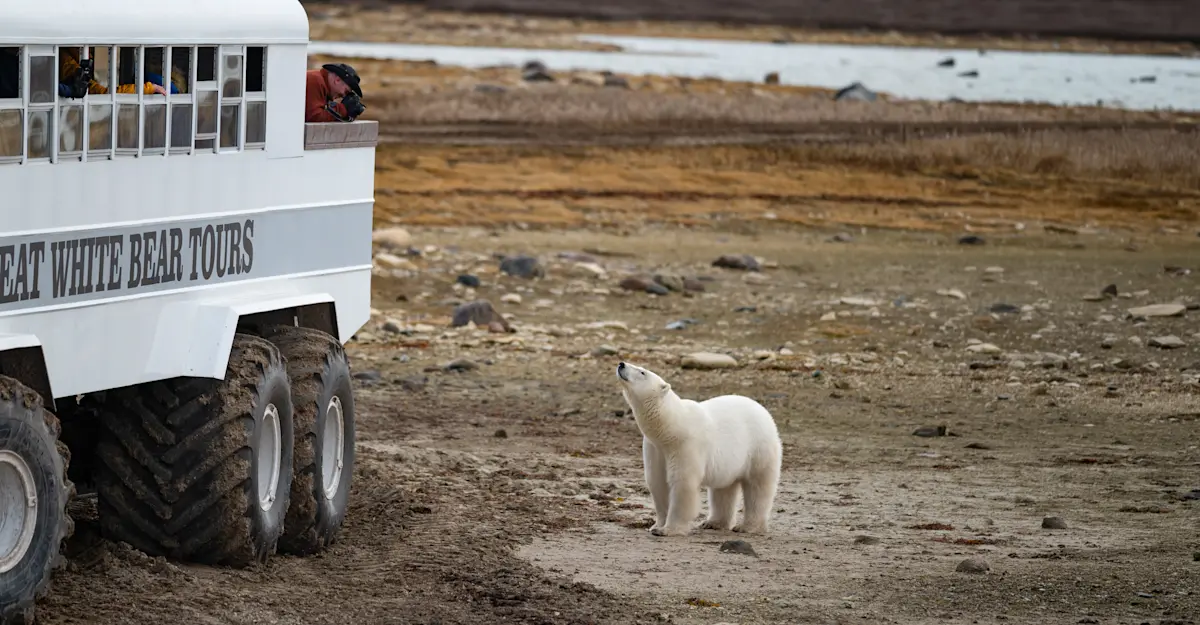
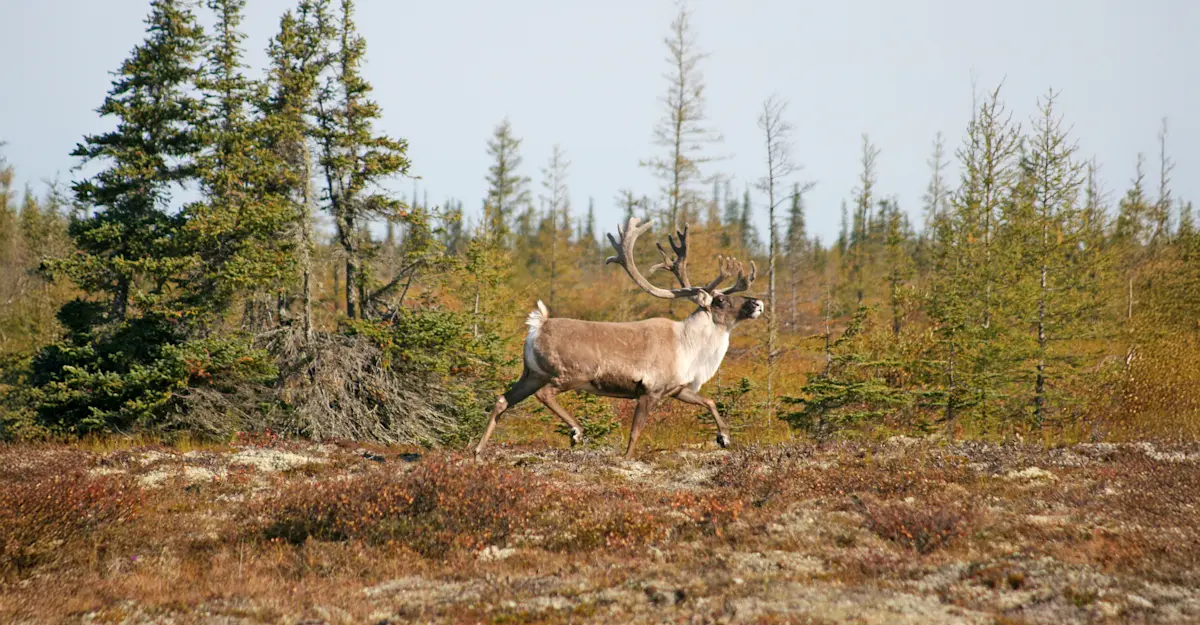
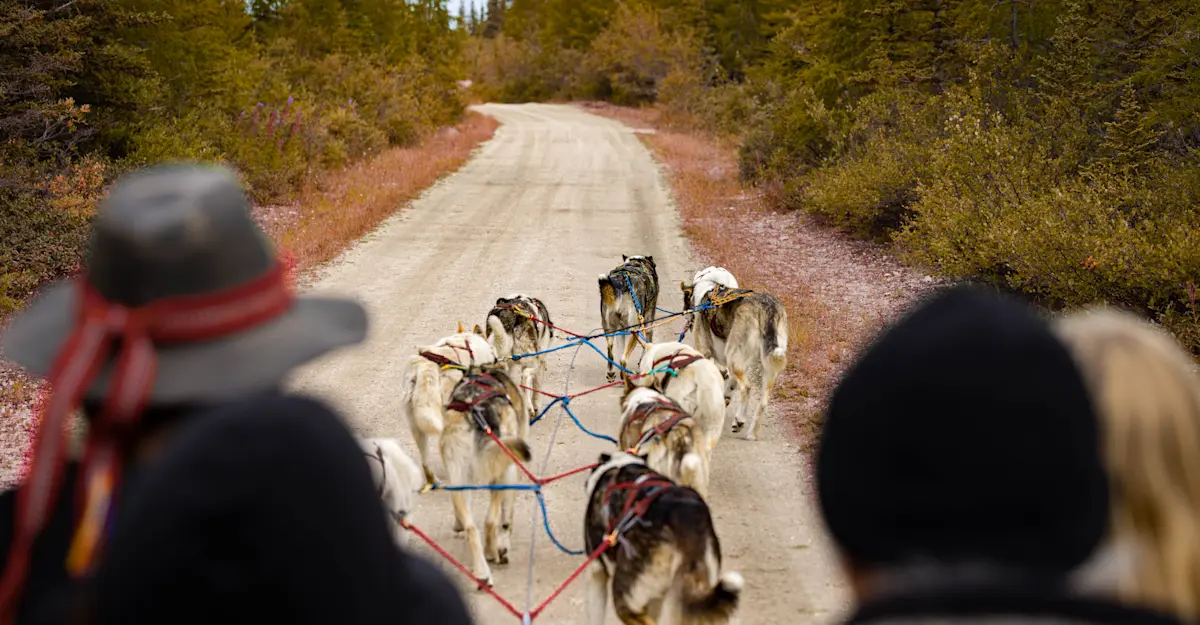
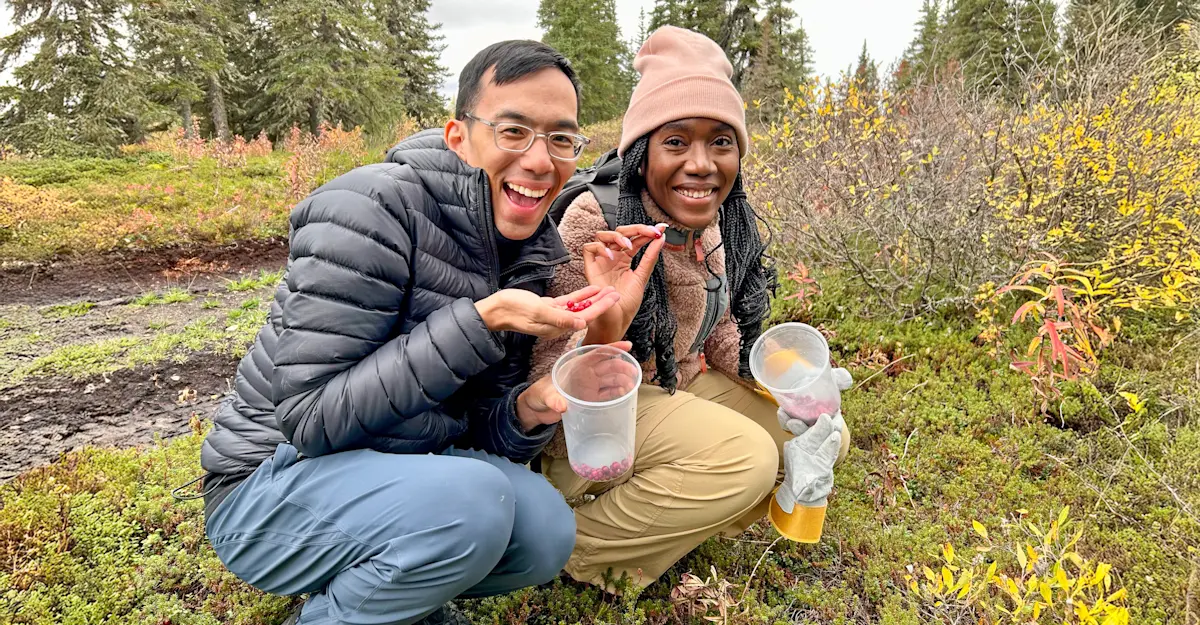
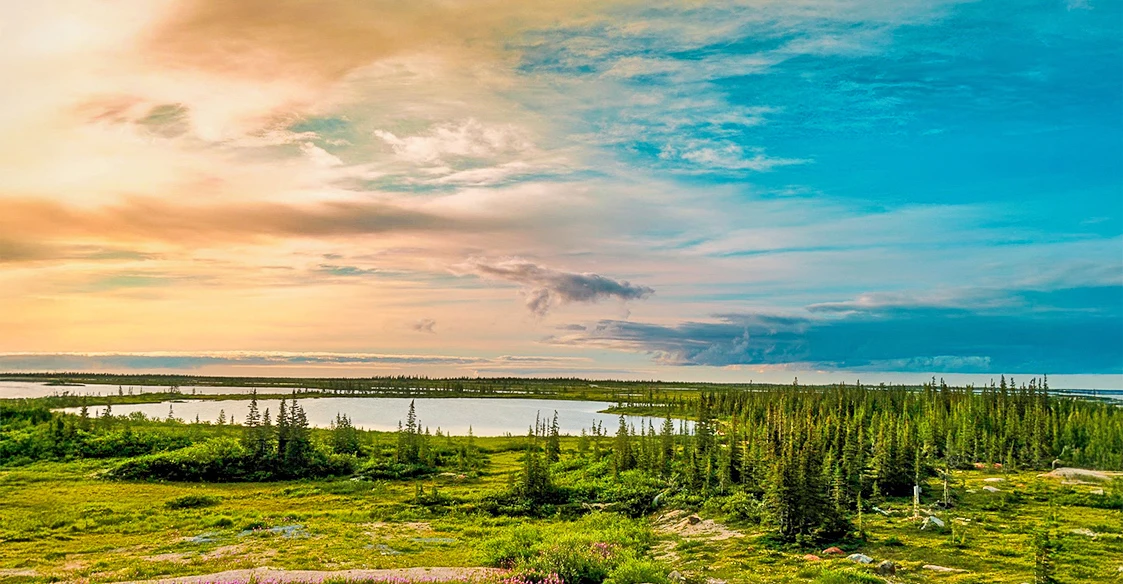
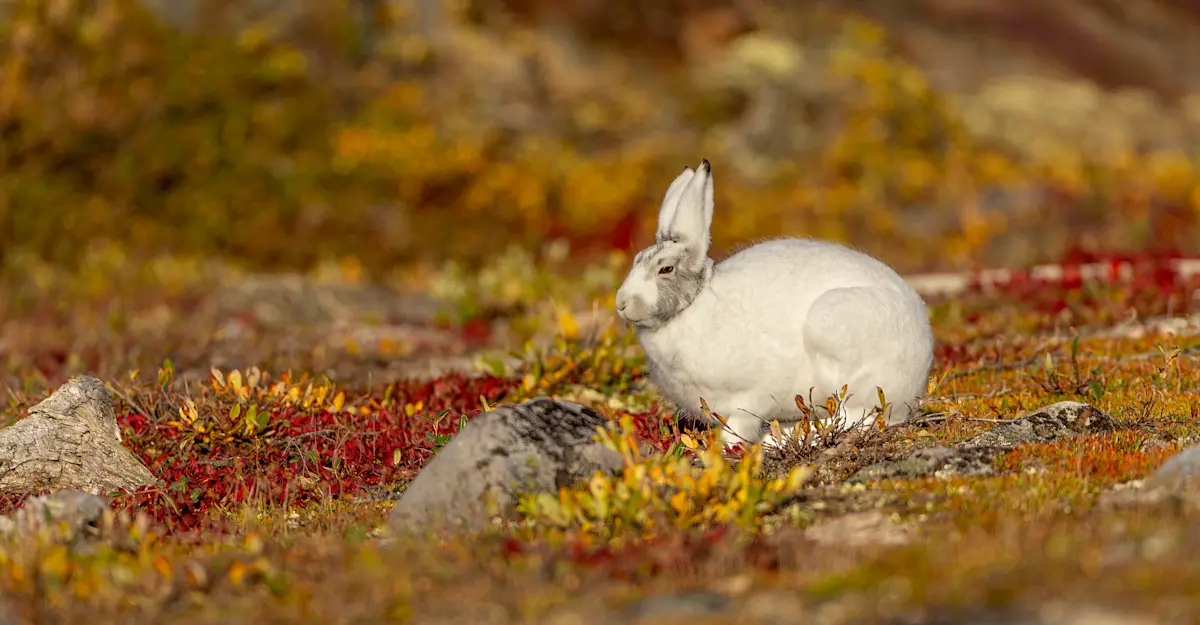
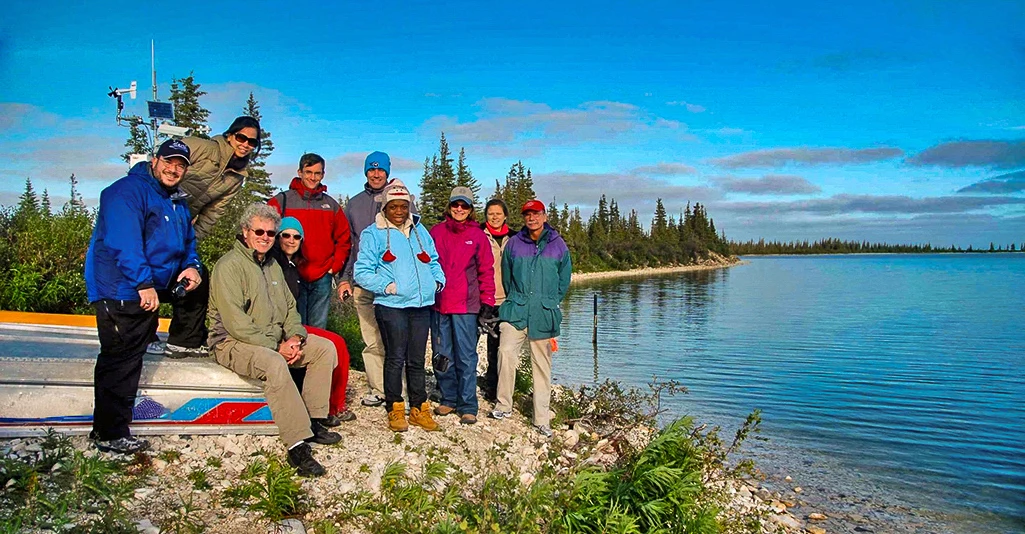
Photo 1 of 16
Research at a Glance
Your Role in Research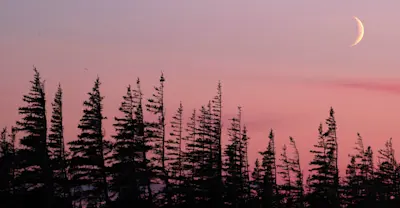
The Research Focus
Contribute to hands-on field research focused on permafrost thaw, depth of the active soil layer atop the permafrost, and shifting treelines in one of the fastest-warming regions on Earth
What You'll Do
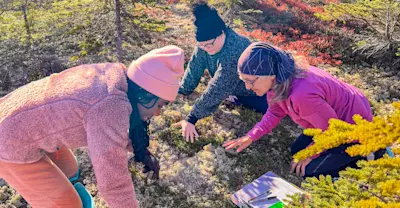
Join scientists to measure permafrost thaw and study the advancing treeline, tracking changes within the Arctic ecosystem with implications for wildlife and humans alike.
Why It Matters
Churchill lies at the nexus of ocean, tundra and boreal forest, revealing impacts of climate change in real time that help scientists understand Arctic ecosystem shifts globally.
Expedition Highlights
-
Contribute to Arctic Climate Science at Treeline
Measure permafrost thaw, active soil layer depth and document the advance of forest into tundra, contributing data to understand rapid changes on Arctic ecosystems
-
Search for Polar Bears on the Autumn Tundra
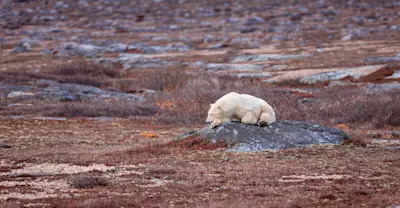
Aboard a custom Polar Rover, look for polar bears gathering along Hudson Bay as freeze-up nears, their white coats standing out against the red and gold terrain
-
Live at a Remote Arctic Research Station
Spend five nights at the Churchill Northern Studies Center on Hudson Bay where scientists live and work, with close-up access to the Arctic research environment
Meet Your Lead Scientist

LeeAnn Fishback, Ph.D.
Dr. LeeAnn Fishback has spent nearly three decades studying freshwater systems across Arctic and subarctic regions, focusing on how climate change is reshaping northern lakes and ponds. Based in Churchill, she leads long-term research that reveals how rapidly changing conditions are transforming the North.
Read more
Discover One of the North’s Most Dynamic Landscapes
Though Churchill is techically subarctic, it sits within an Arctic environment where tundra, bog, boreal forest and Hudson Bay converge—a living laboratory in which to study and understand these interconnected ecosystems.Work Alongside Arctic Scientists in the Field
Join top scientists studying climate change and its impact on Arctic species, taking part in field research and learning how observations become insight into a changing Arctic.Fly by Helicopter Over the Arctic Landscape
Soar over the tundra and Hudson Bay for a rare aerial perspective on our remote northern environs, with the chance to spot polar bears, caribou, belugas and even moose from above.Gain Insight From Our Expert Field Guides
Travel with experienced naturalist guides who bring deep knowledge of Northern natural history, helping you connect your daily fieldwork experiences to the larger picture of climate change impacting the region.Learn About Churchill’s Cultures and Community
Meet members of First Nations, Inuit and Metis communities in Churchill, learning about their cultural traditions, lived experience and deep connections to the northern landscape over centuries.Watch for the Northern Lights as Darkness Returns
As nights lengthen in late summer and fall, look up after dark in hopes of seeing the aurora borealis, enriching your encounter with Arctic nature.Ride Behind Sled Dogs Through the Boreal Forest
Visit with a local dog musher and let his team of huskies whisk you through the forest in a wheeled cart for a firsthand experience of a traditional northern way of life.Explore in a Small, Focused Group
Our limited group size allows closer interactions with the scientists who lead our expeditions and a more active role in daily research activities.Travel with Purpose
Take part in fieldwork that supports long-term climate research, contributing to a deeper understanding of how a warming Arctic is altering the environment, and the impacts of those changes.