On Foot with Rangers, Record Animal Sightings to Support Predator-Prey Research
13 Days / Jul–Sep
Call Us for Pricing Details
Limited to 6 Participants
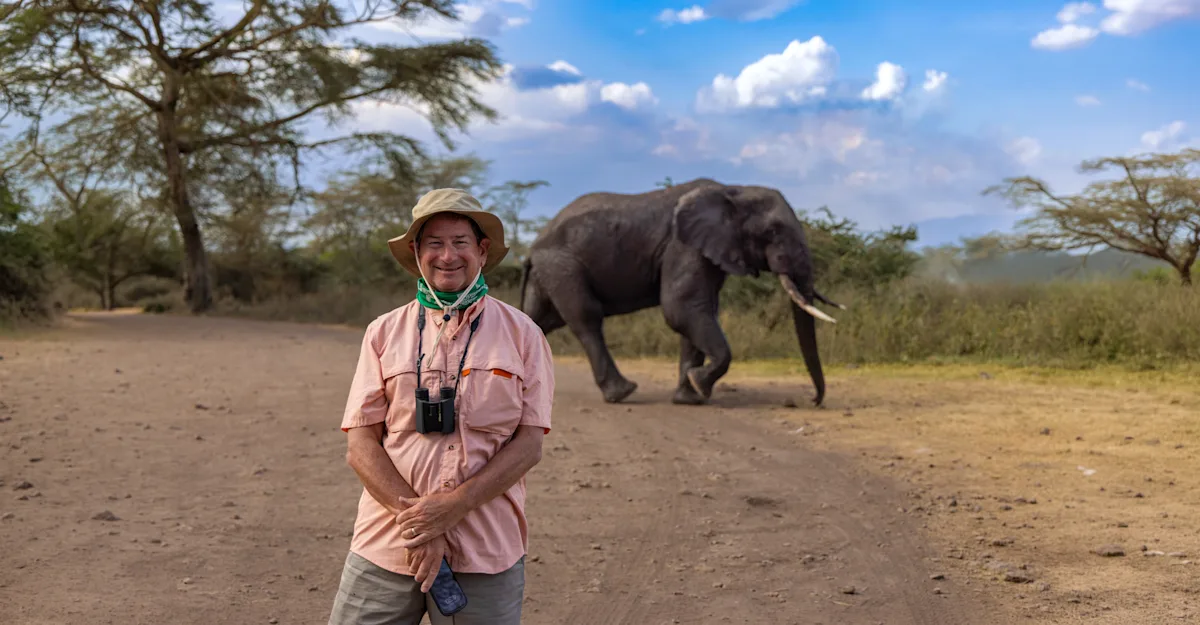
Leave the safari vehicle behind to walk South Africa’s unfenced Hluhluwe-iMfolozi Park, birthplace of modern rhino conservation. Enter restricted areas with field rangers, recording sightings of rhinos, elephants and more for a long-term wildlife census. After mornings on foot, head out on afternoon game drives, capped with sundowners in the bush.
Day 1: Johannesburg, South Africa
Meet your Expedition Leader and fellow travelers in Johannesburg for a welcome dinner and introduction to the expedition ahead.
Day 2:Johannesburg / Hluhluwe-iMfolozi Park
Fly to Richards Bay and continue to Hluhluwe-iMfolozi Park, where you’ll meet the research team, explore the park’s conservation history and begin preparing for your fieldwork.
Days 3–4: Hluhluwe-iMfolozi Park: Field Training
Train alongside experienced rangers to safely navigate Big Five habitat, identify wildlife and their tracks and signs, and use the equipment and methods needed for the research ahead.
Days 5–12: Hluhluwe-iMfolozi Park: Wildlife Research
Join researchers and local rangers on walking transects through diverse habitats, collecting data on wildlife populations, locations and environmental conditions while exploring remote areas of the park rarely visited by travelers.
Day 13: Hluhluwe-iMfolozi Park / Johannesburg / Home
Depart the park for Richards Bay and fly to Johannesburg to connect with onward flights home or continue your travels.
*New trip in development: the exact trip route, length and cost are yet to be finalized.
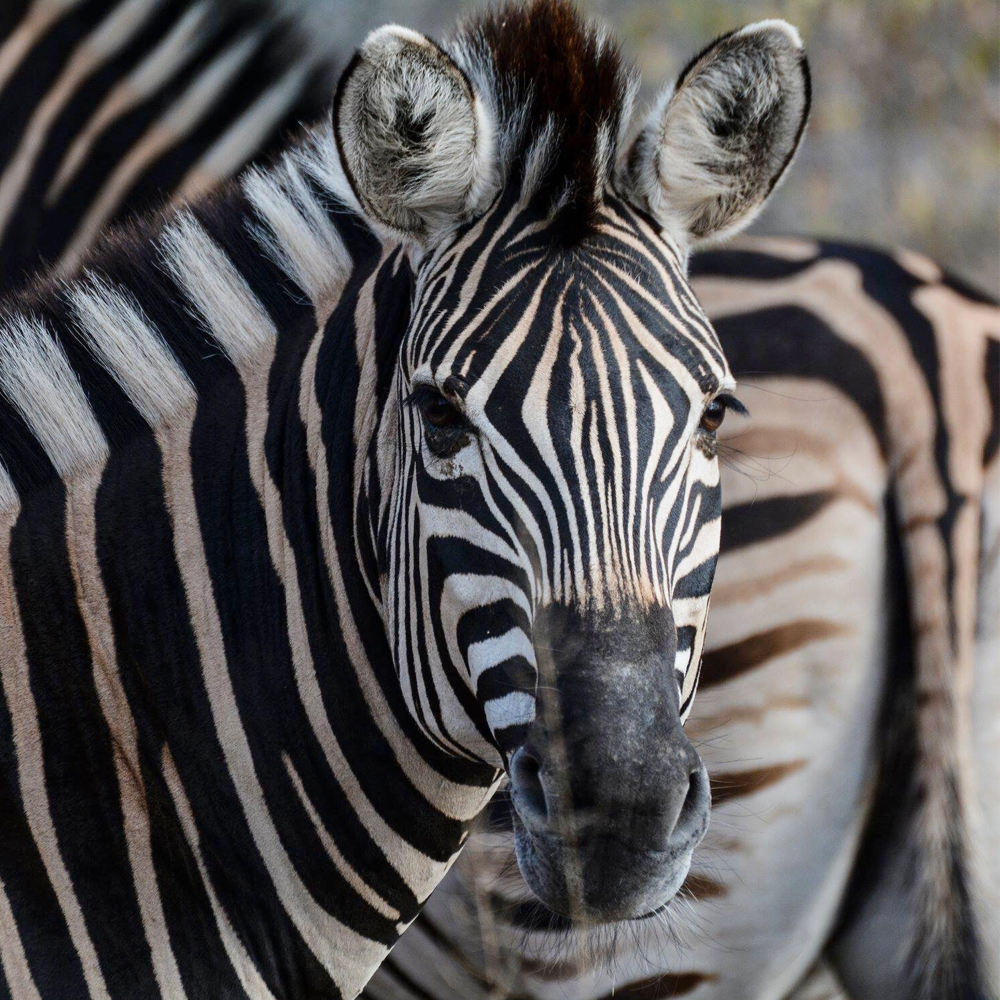
Cross rolling grasslands, thornveld and river valleys on foot and by safari vehicle, looking for giraffes, zebras, wildebeest, warthogs and abundant birdlife.
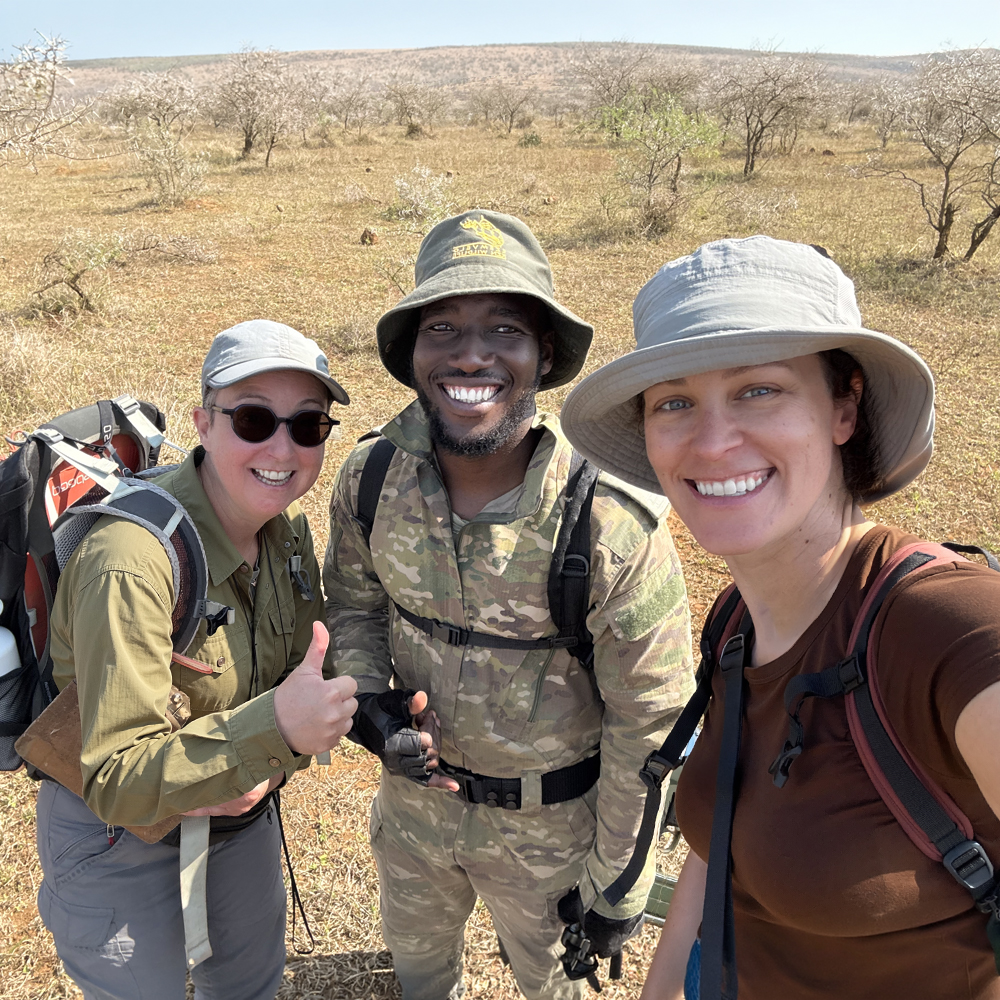
Venture on foot into Big Five habitat off-limits to regular visitors, tracking wildlife with field rangers and recording sightings and animal behavior along the way.
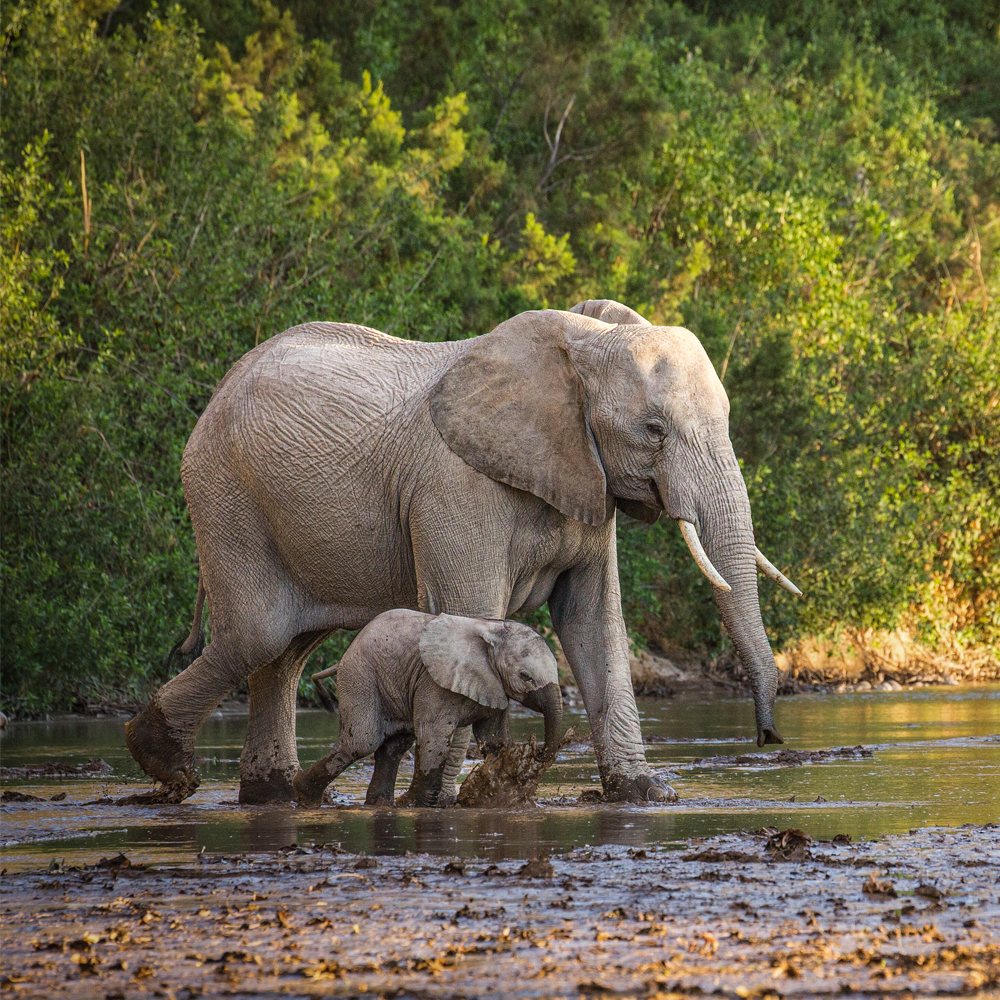
Collect census data that helps park managers protect threatened species and sustain a healthy, diverse ecosystem by tracking wildlife populations over time.