- Jul–Aug
- 7 Days
- Limited to 12 Participants
From $6986
Millions of visitors come to Acadia each year to see its dramatic granite coastline and enjoy the historic charm of Bar Harbor. But very few have access to this rare and deeply meaningful experience of the park. Join researchers at field sites on the Schoodic Peninsula and in protected habitats out of public view as we assess impacts of a changing climate on Acadia’s ecosystems. Search spruce forests for lobster shells carried inland by foxes and mink. Examine wildlife camera images to see who moves through the woods after dark. Visit rare plant communities that may help species persist as temperatures rise, and explore rugged shorelines where sea, wind and salt sculpt classic coastal vistas. Between fieldwork forays, watch the sunrise from Cadillac Mountain, wander fog-shrouded headlands, and cruise the rocky coast in search of puffins and seabirds.
Photo gallery
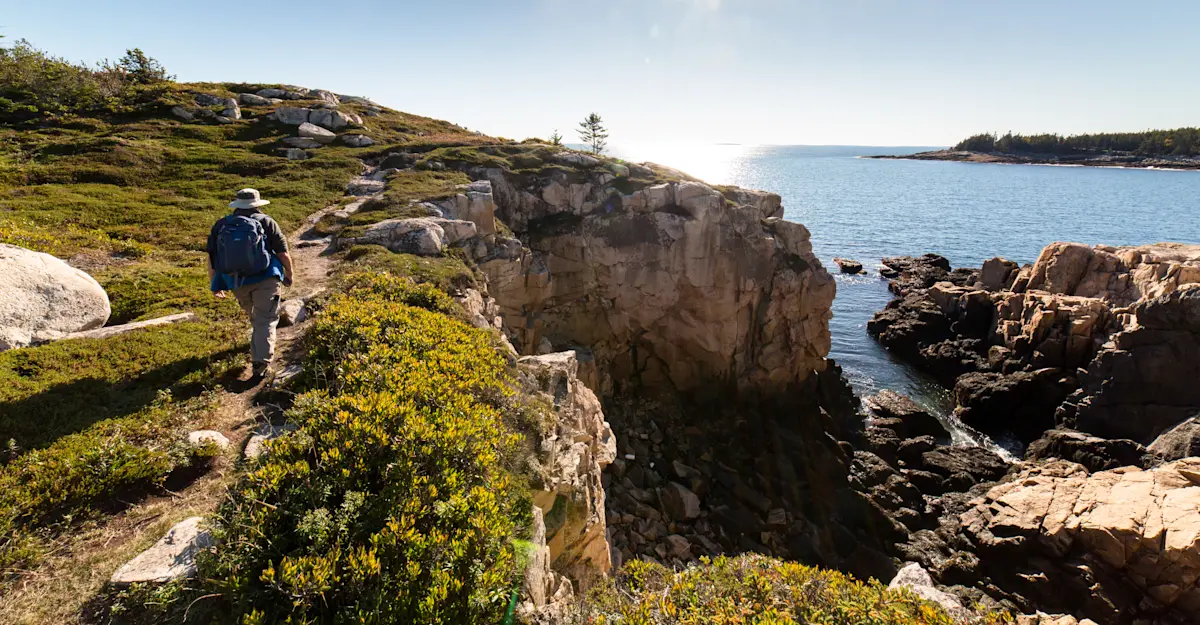
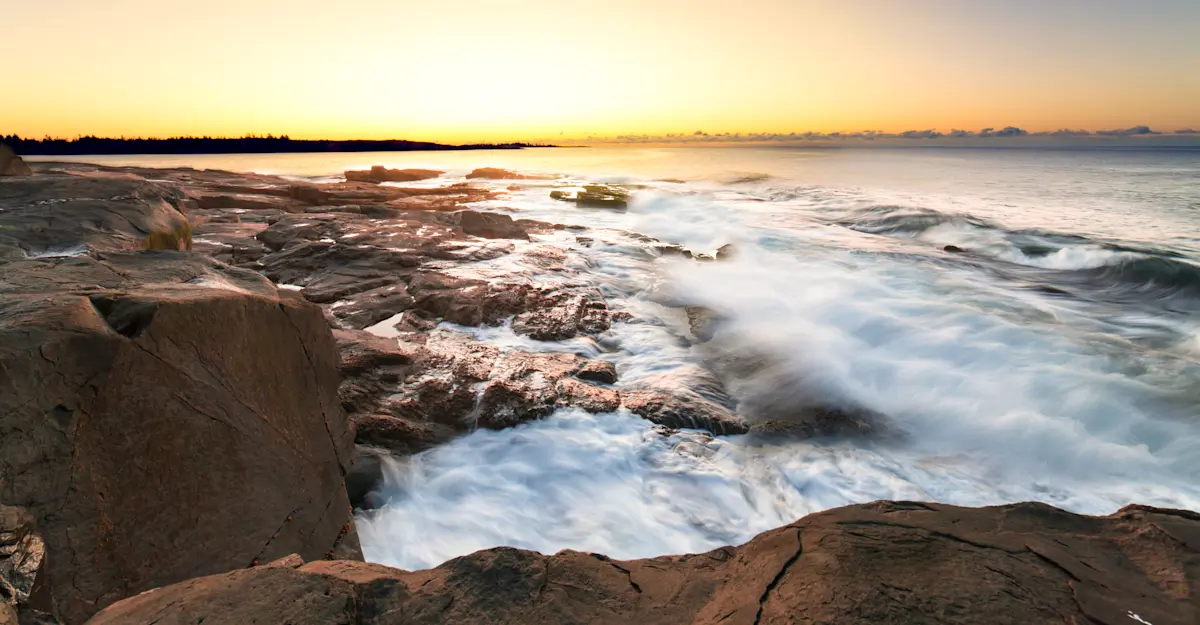
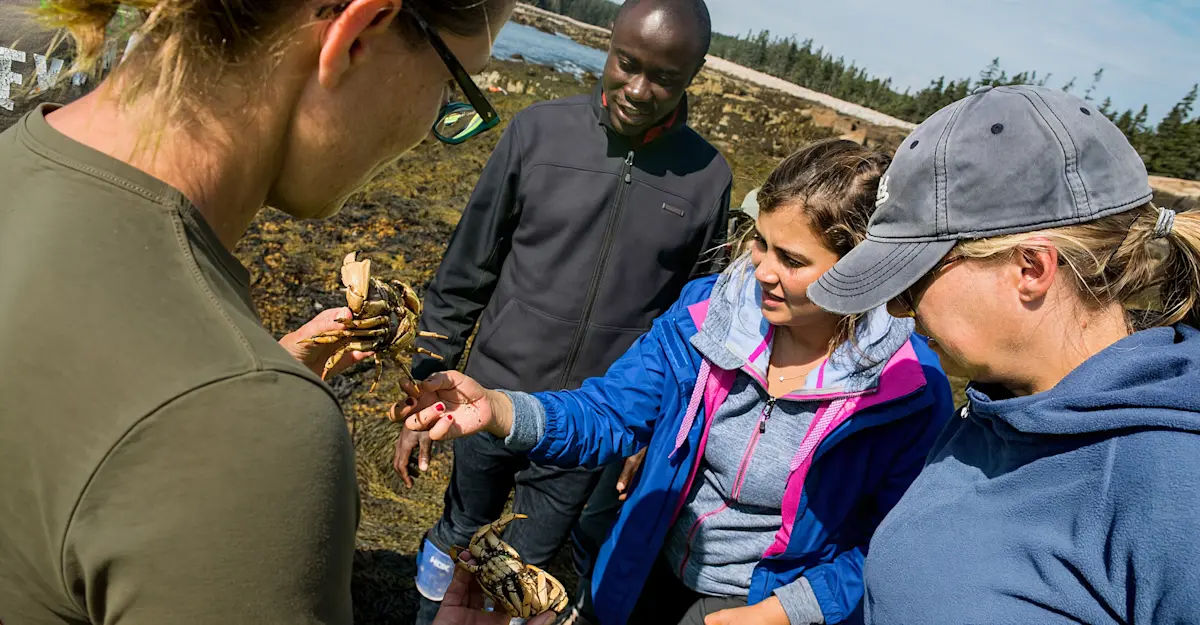
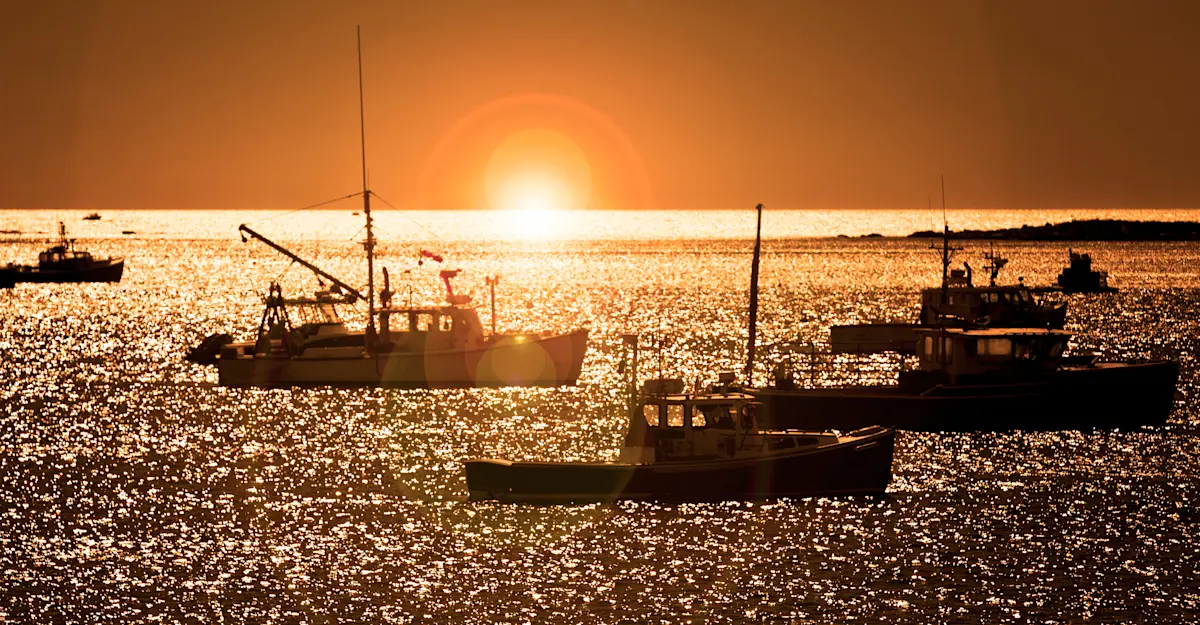
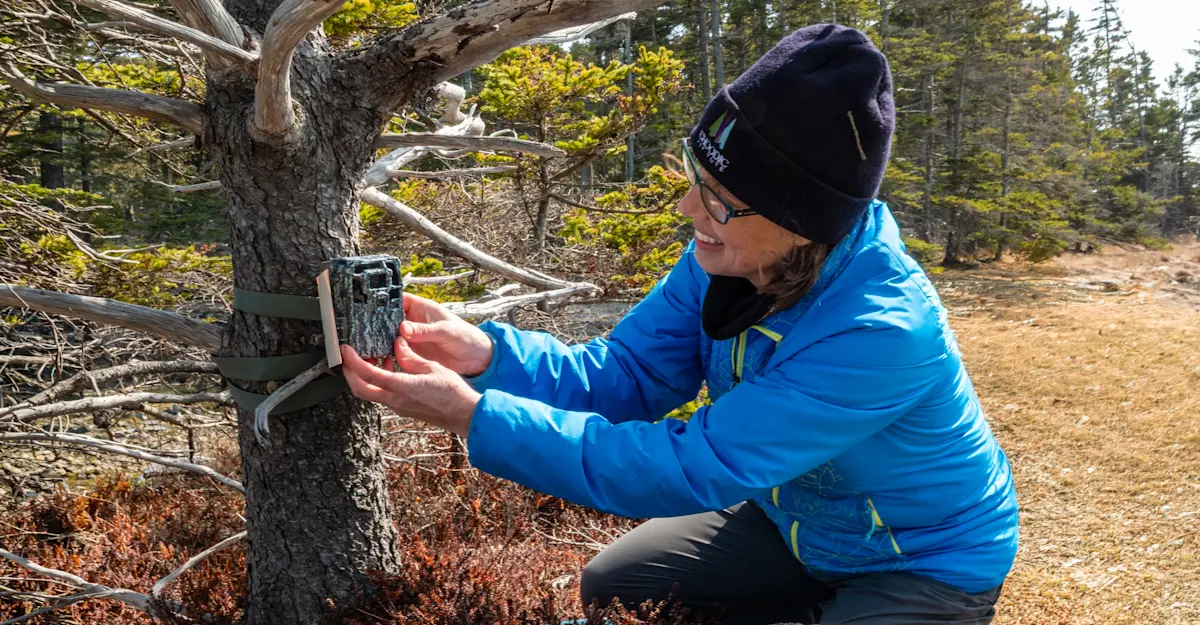
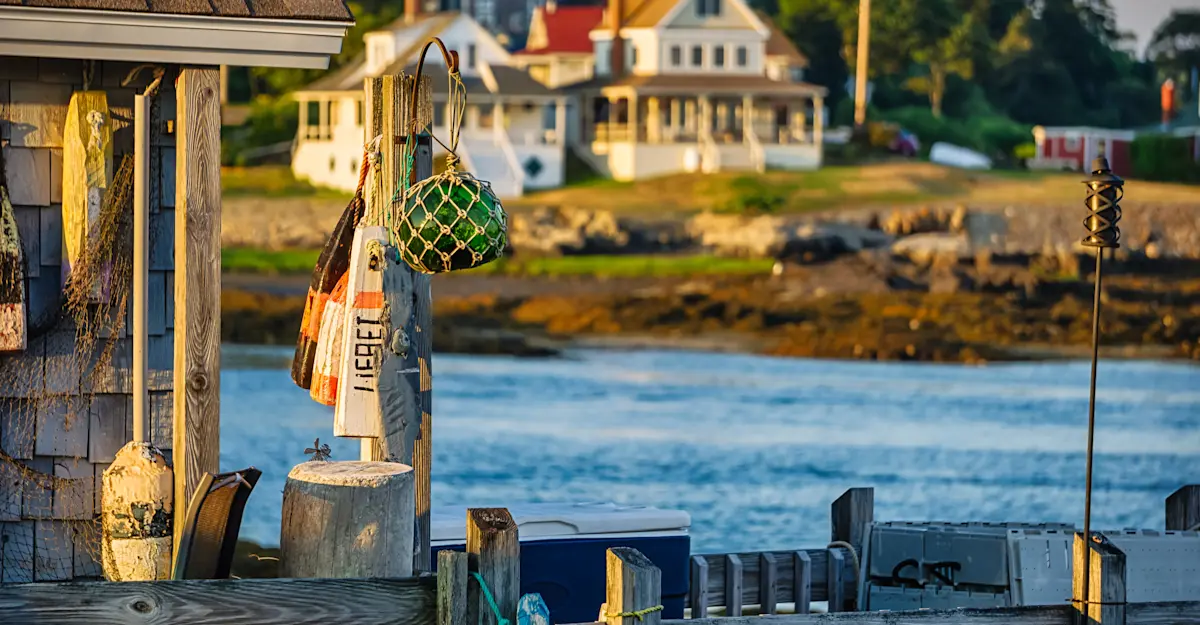
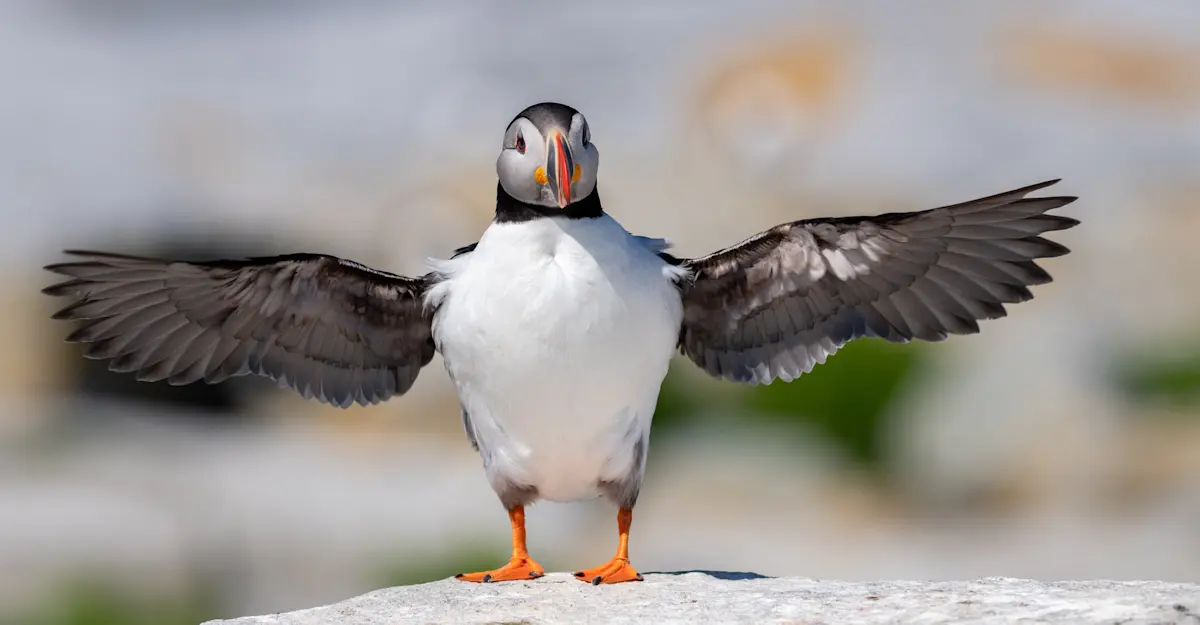
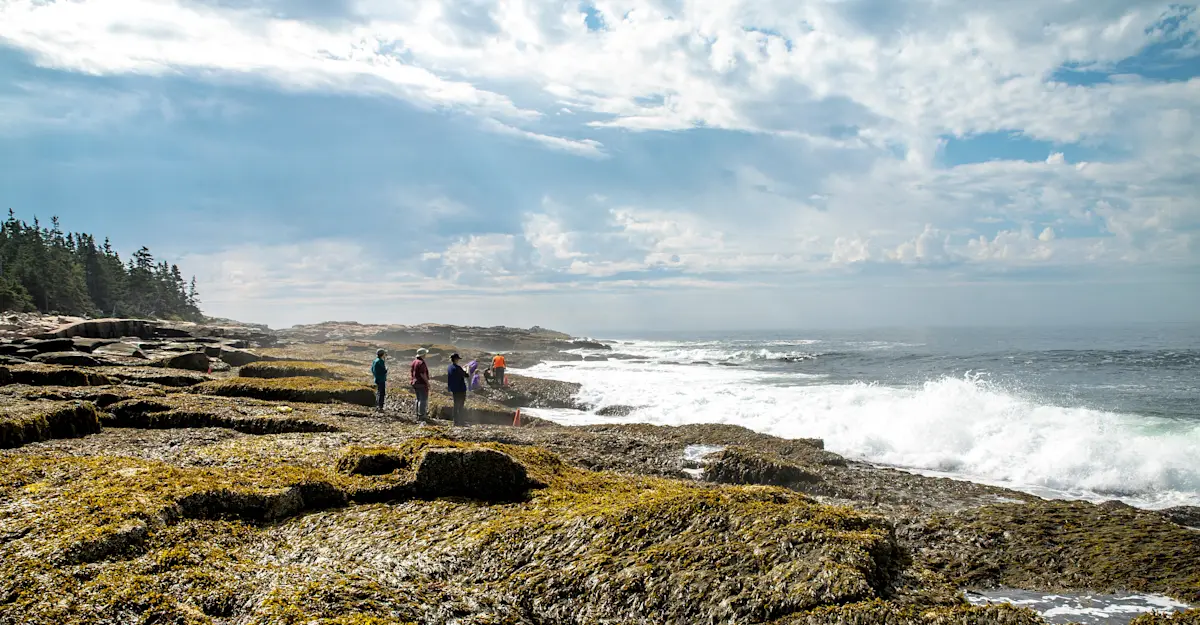
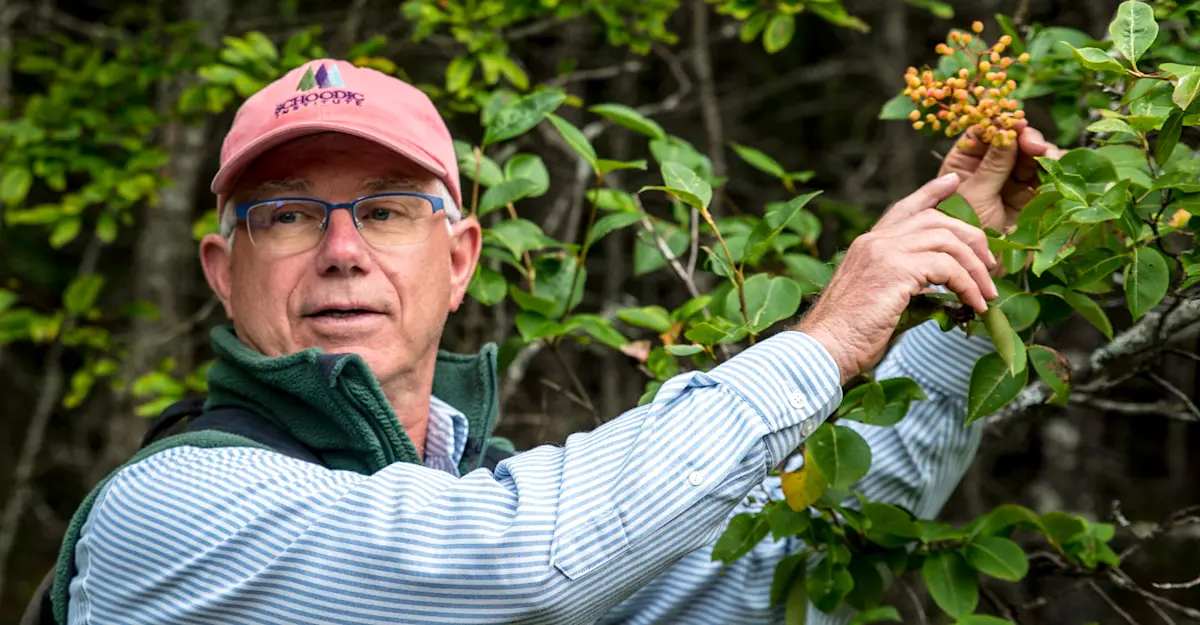
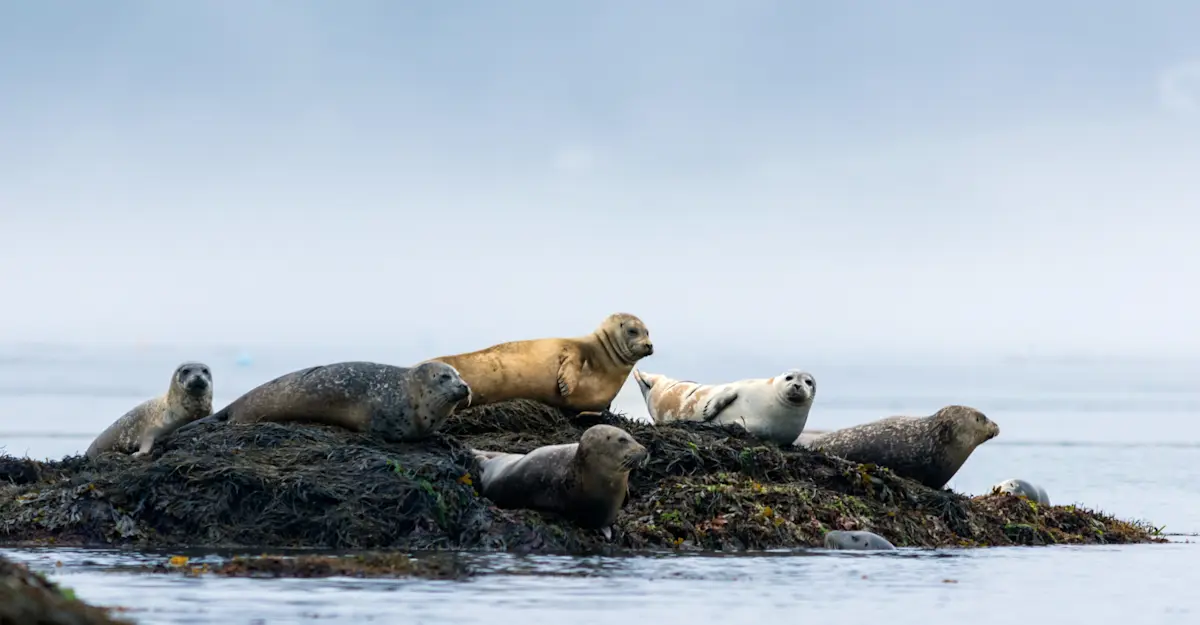
Photo 1 of 10
Research at a Glance
Your Role in Research
The Research Focus
Investigate how climate change is transforming Acadia's connected coastal ecosystems, from the rocky shores of the Gulf of Maine to the spruce forests and mountaintop habitats beyond.
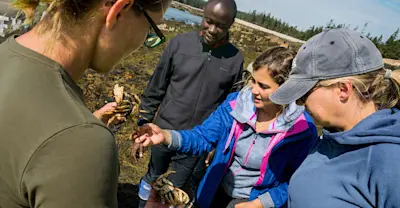
What You'll Do
Search for lobster shells, crab claws and other marine prey carried inland by wildlife, monitor rare northern plants, and document species living in forest and coastal habitats.

Why It Matters
The Gulf of Maine is warming faster than nearly every ocean region on Earth. Your observations help reveal which species are adapting, which are declining and where protection matters most.
Expedition Highlights
-
Access Acadia National Park Beyond the Crowds
Venture well beyond popular overlooks to secluded shorelines, hidden spruce forests and active fieldwork sites where we conduct research, revealing less-visited sides of the park
-
Experience the Scenic Beauty of the Wild Maine Coast
Watch the sunrise from Cadillac Mountain, cruise past islands where puffins nest, and explore wave-battered granite headlands that epitomize coastal Maine
-
Uncover the Secret Links Between Ocean and Forest
Search for lobster shells, crab claws and sea urchin remains carried inland by foxes, mink and crows, revealing connections between ocean creatures and interior forest dwellers
Meet Your Lead Scientist

Hannah Webber, Ph.D.
Dr. Hannah Webber studies coastal ecosystems in Acadia National Park, focusing on how marine communities respond to climate change and human use of the land and sea. Her work helps guide long-term management of intertidal environments along the Maine coast.
Read more
Encounter a Diverse Array of Wildlife
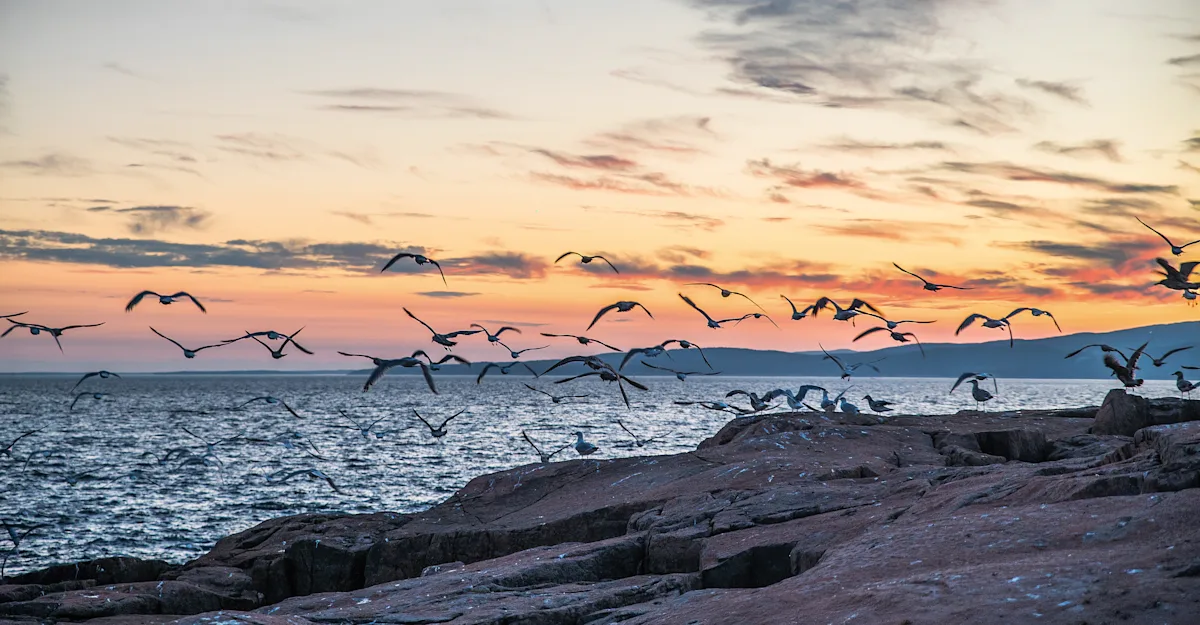
Few places pack so much wildlife into such a compact landscape. Scan offshore waters for whales, porpoises, puffins and seabirds, look for seals along the rocky coast, and explore forests traveled by river otters, mink and foxes. Set along a major migratory corridor, Acadia also hosts an impressive variety of songbirds, including 23 species of warblers recorded within the park.Wake Up Inside Acadia's Living Laboratory
Stay at Schoodic Institute, located in a secluded, less-traveled part of Acadia National Park, where you'll feel like you have the entire shoreline to yourself. Here, daily life includes field briefings, conversations with researchers and access unavailable to ordinary visitors.Add Your Observations to 120 Years of Discovery
Help build on more than a century of ecological records, contributing observations that allow scientists to track how Acadia's forests, wildlife and coastlines are changing over time.Learn About Coastal Maine's Rich History
Look beyond Acadia's scenery to understand the human stories woven into the landscape. Learn the history of the Wabanaki, the "People of the Dawnland," at the Abbe Museum, gain insight into Maine's fishing heritage on a working lobster boat or puffin cruise, and discover the hardy communities that thrive along this storied coast.Balance Research With Adventure
The science is only part of the story. In addition to fieldwork, we spend time exploring nature, too. Watch the nation's first sunrise from Cadillac Mountain, cruise among islands where puffins nest, explore the dramatic granite coast of the Schoodic Peninsula, and spend evenings under star-filled skies after days of discovery in the field.Investigate Acadia's Living Shoreline
Explore the rocky intertidal zone, where changing tides reveal a world of seaweeds, invertebrates and wildlife that scientists monitor for signs of environmental change.Gain Insight From Our Expert Field Guides
Travel with experienced naturalist guides who bring a deep knowledge of Maine's natural history, helping you connect your daily fieldwork experiences to the larger picture of climate change impacting the region.Travel With an Intentionally Small Group
Because we limit the group size on our expeditions, each participant is ensured closer interaction with scientists and a more active role in daily research activities.Explore with Purpose
Learn how scientists and park managers use the research in which you're participating to identify invasive species, monitor biodiversity and make decisions about protecting Acadia's ecosystems for the future.