- Apr–Jun
- 7 Days
- Limited to 12 Participants
From $5986
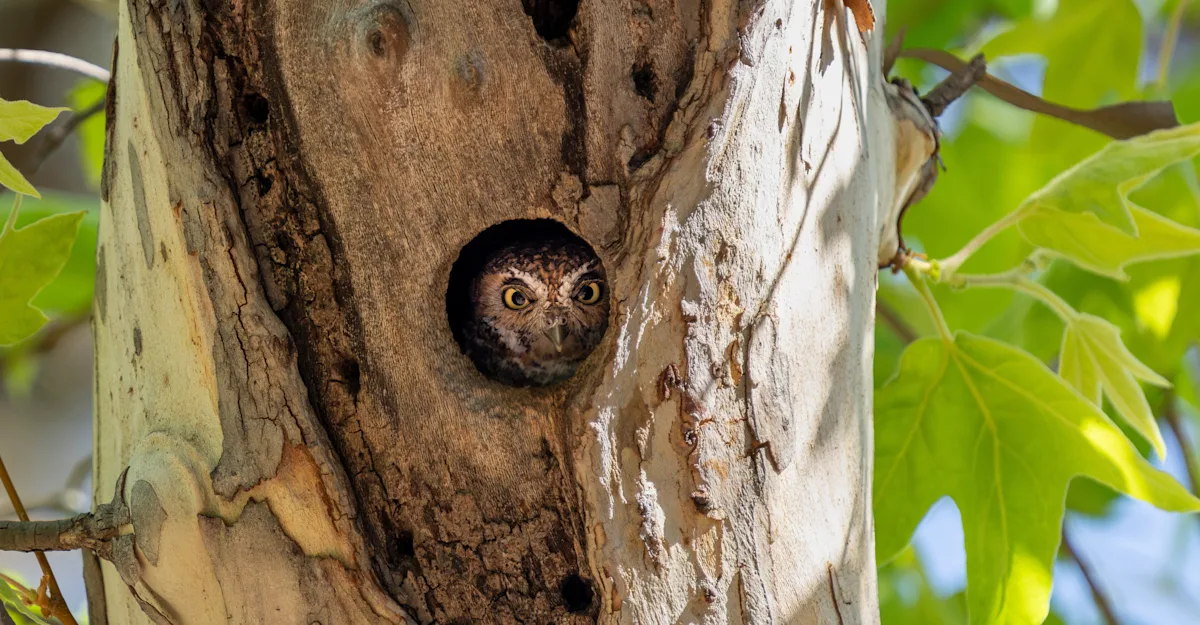
In Arizona’s Chiricahua National Monument, nights reveal a rare window into the lives of owls few people ever encounter. Here in a high-elevation sky island, where an isolated mountain range rises from the desert floor, join researchers in listening for calls, searching for nest cavities, and helping to band and release owls as part of a long-term effort to understand the health of their forest environment. Each sign matters: a cavity hidden high in an old pine, a pair returning to the same canyon year after year, a call carrying through prime habitat after dark. Together, these details help scientists track where owls live and raise young, and what their presence reveals about changing forest conditions. Along with conducting fieldwork, you'll explore the secluded peaks, canyons and sculpted formations that have earned the Chiricahua Range the nickname “Wonderland of Rocks.” This expedition combines hands-on wildlife research with an immersive experience in one of North America’s most biologically diverse environments, where four major ecosystems and five biomes converge.
Photo gallery
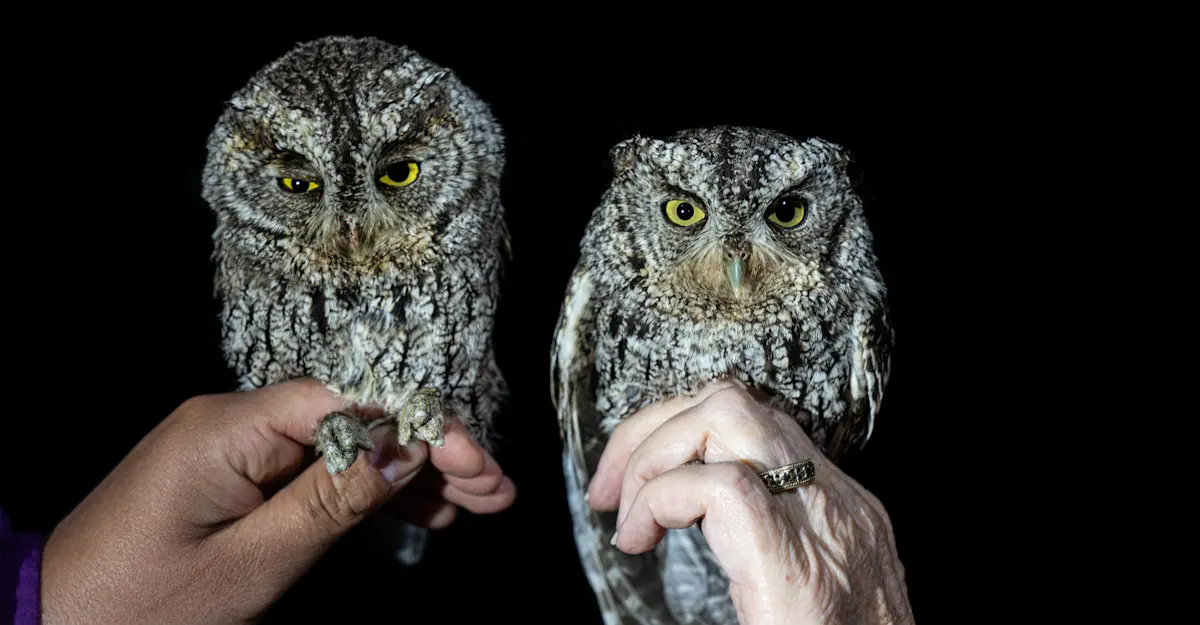
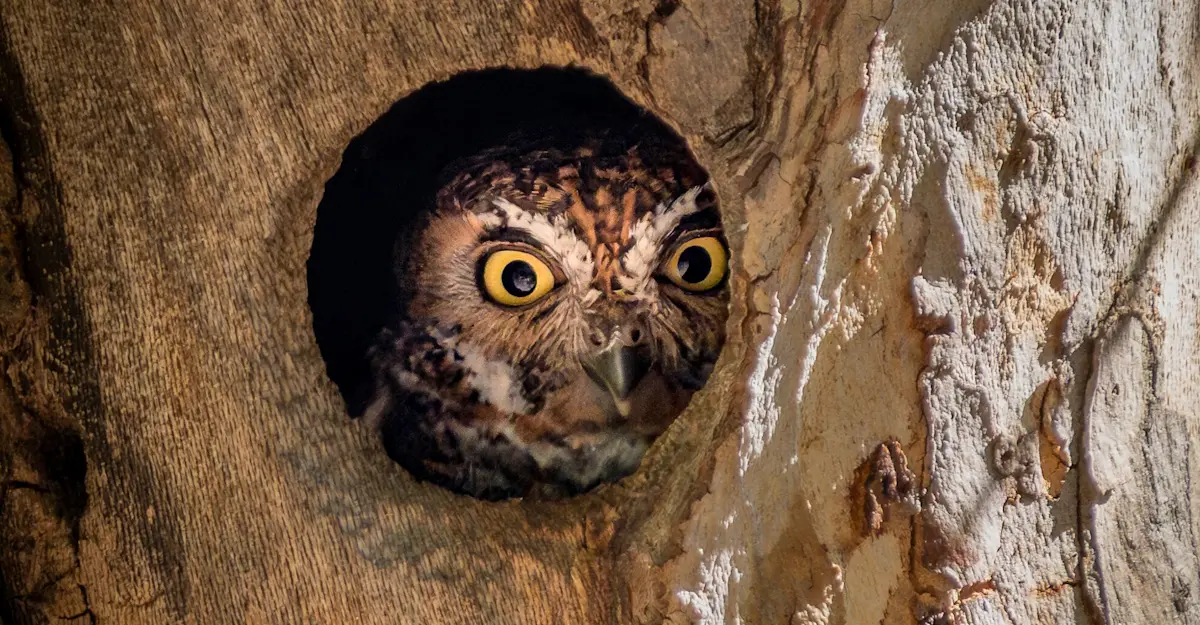
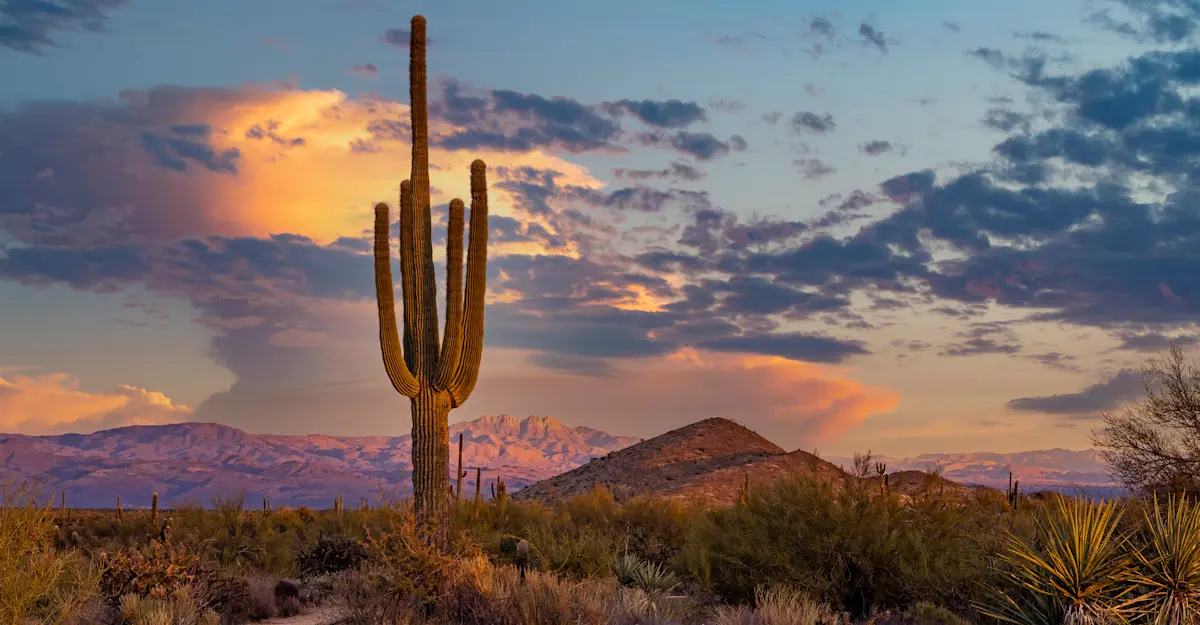
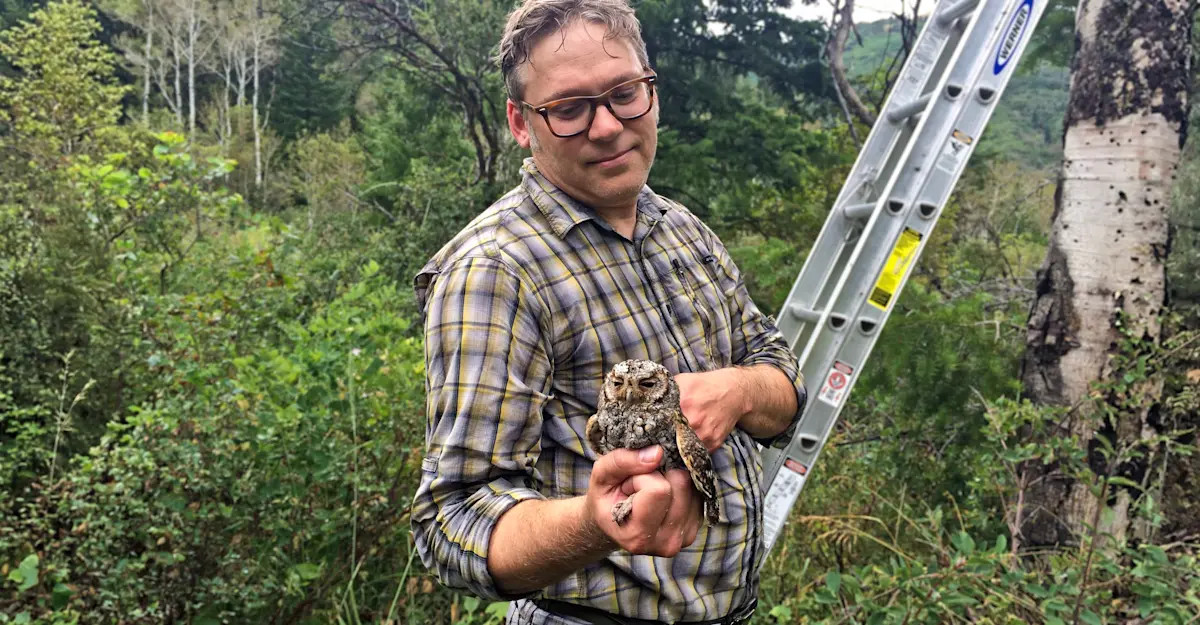
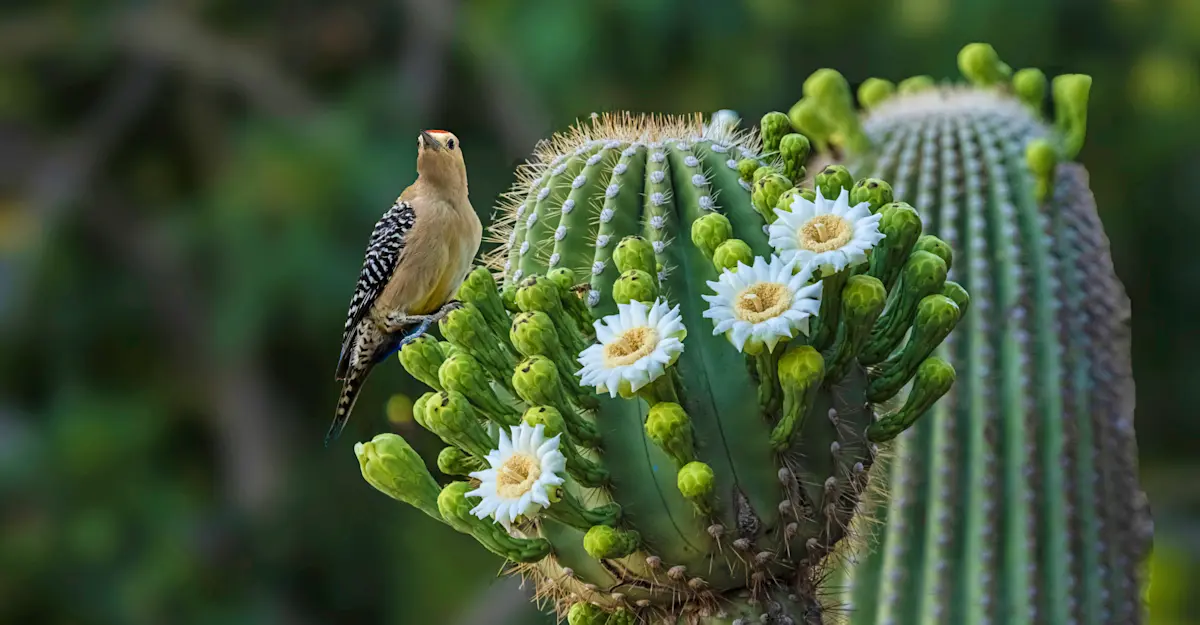
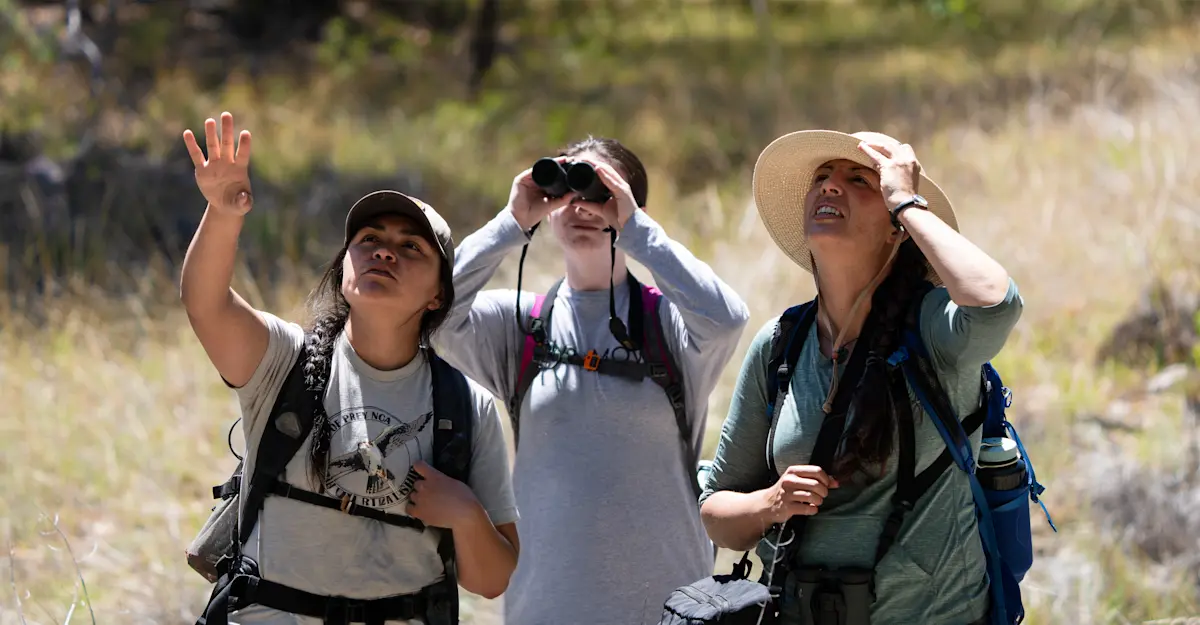
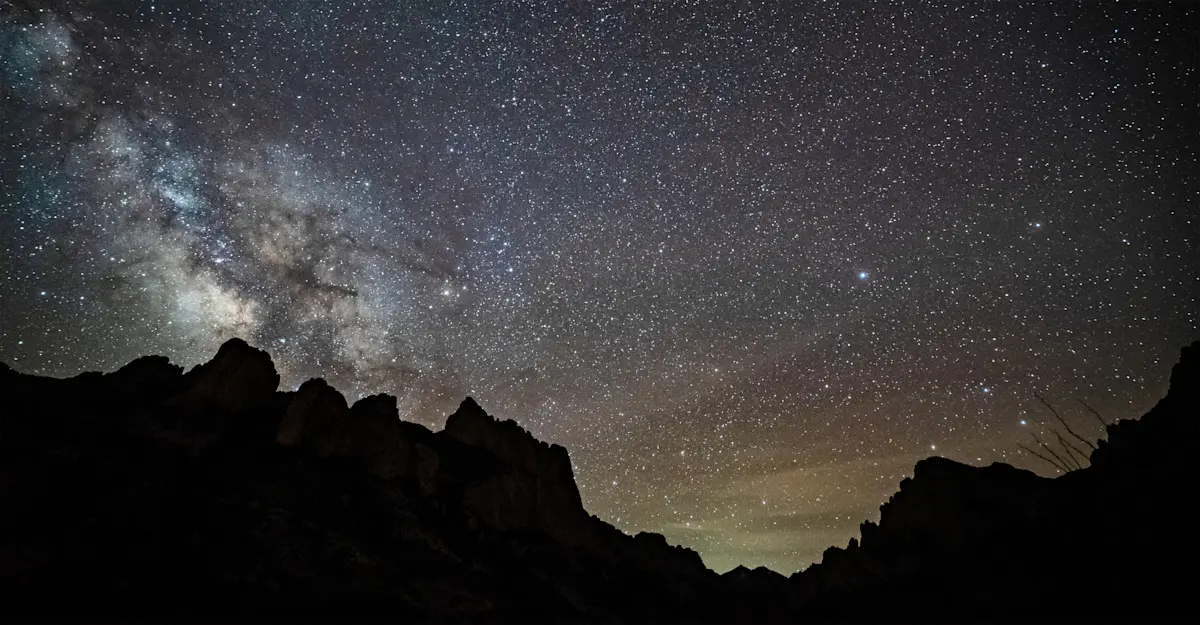
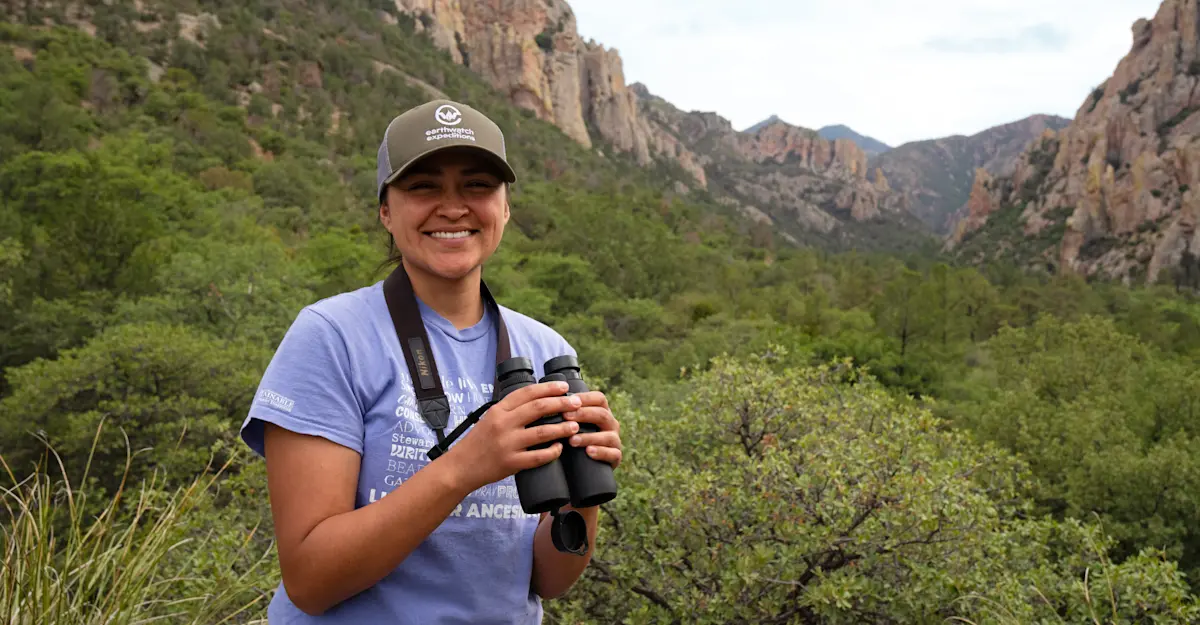
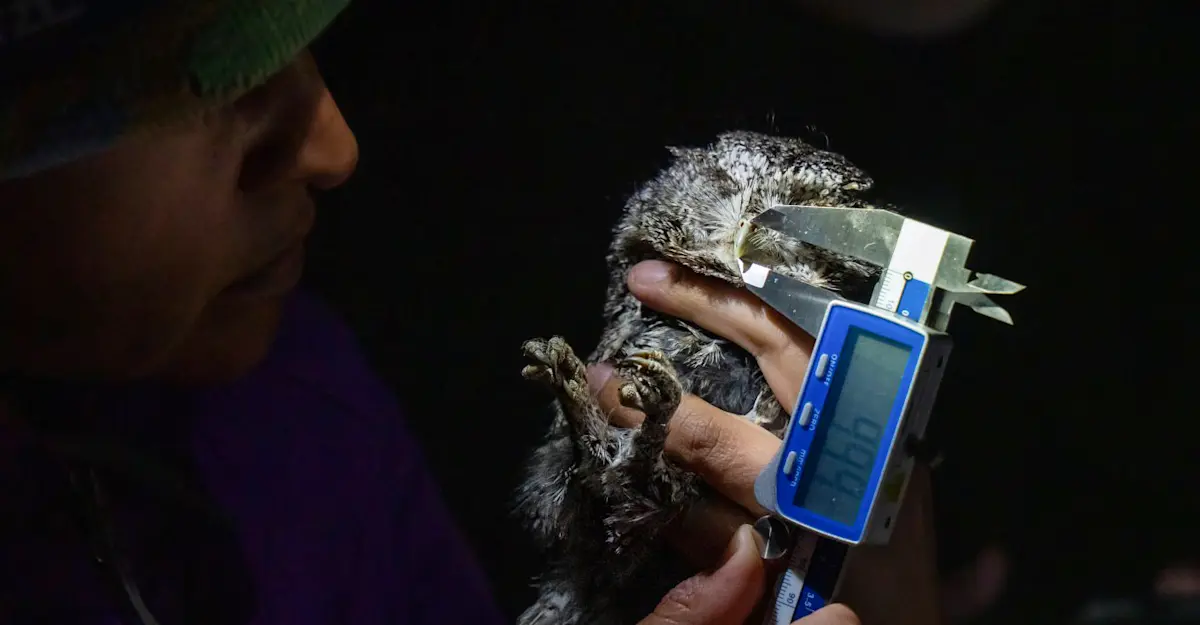
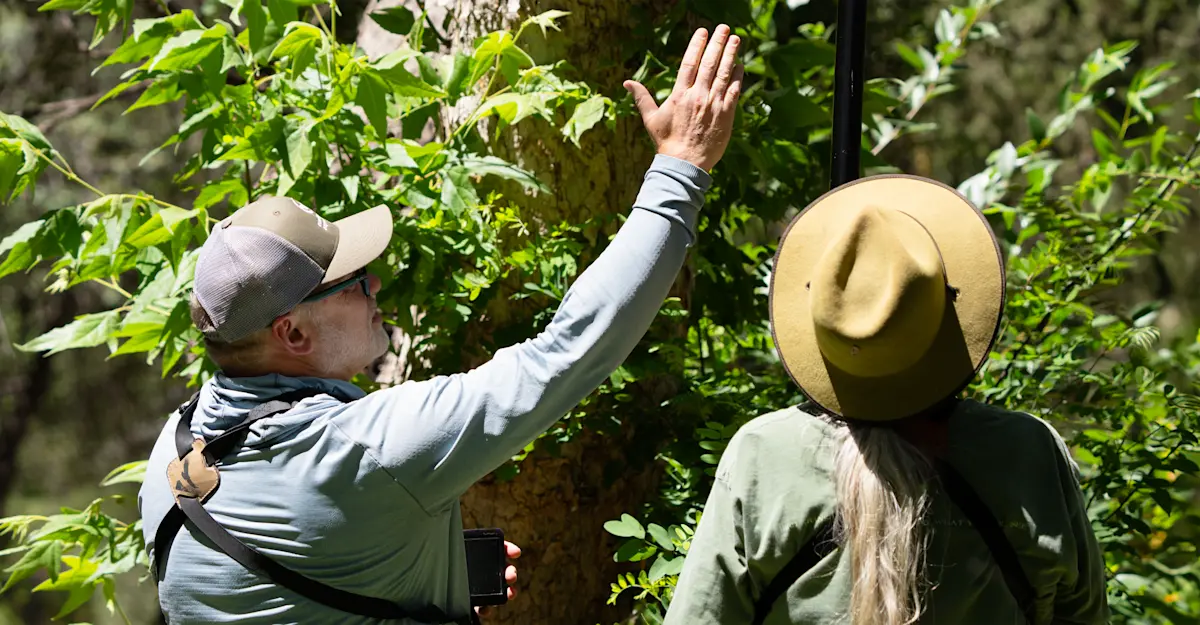
Photo 1 of 10
Research at a Glance
Your Role in Research
The Research Focus
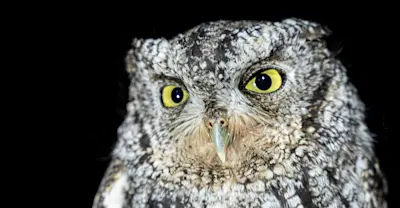
Researchers study where owls nest, which habitats they use, and how successfully they raise young, to better understand changing conditions within the Chiricahuas' forests.
What You'll Do
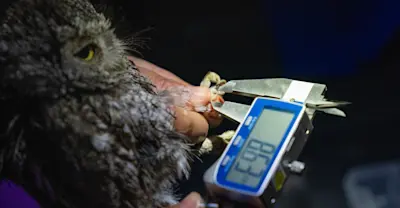
Search for nest cavities, track owl activity at active survey sites, and assist researchers with the capture, banding and release of wild owls during nighttime fieldwork.
Why It Matters
Owls depend on healthy forests to survive, and this data helps scientists identify important habitat, understand environmental change and guide conservation efforts throughout the region.
Expedition Highlights
-
Come Face-to-Face With Wild Forest Owls
Help researchers capture, band, measure and release wild owls. Few wildlife experiences compare to holding one of these elusive birds before it disappears back into the forest.
-
Explore a Sky Island Wilderness
Travel from Tucson's Sonoran Desert into the Chiricahua Mountains, a sky island ecosystem where cooler, forested peaks rise from the surrounding desert and support a remarkable diversity of life.
-
Unlock Extraordinary Wildlife Access
Join scientists in protected study areas and active research sites that are off-limits to most visitors—access that most birders only dream about becomes part of your nightly routine.
Meet Your Lead Scientist

Dave Oleyar, Ph.D.
Dr. Dave Oleyar studies forest owls across western North America, focusing on how habitat change and climate pressures affect their populations. His research helps guide conservation strategies for flammulated owls and the forests they depend on.
Read more
Journey From Desert to Mountain Forest
Start amid Tucson's towering saguaros and sun-baked desert, then climb into the pine-oak forests and rugged canyons of the Chiricahua Mountains, experiencing two dramatically different Arizona landscapes in a single trip.Go Beyond Traditional Wildlife Viewing
Don't just hope for fleeting glimpses of owls from a distance. Learn how to conduct fieldwork from experienced researchers, and gain access typically reserved for scientists, graduate students or other specialized individuals.Discover the Wonder of the Chiricahuas After Dark
As darkness settles over the mountains, your research day is just beginning. Join nighttime surveys and discover how researchers locate birds hidden within the vast forests and canyons of the Chiricahua Range.Experience "Owl Adrenaline"
Owls can be elusive, and nighttime fieldwork takes dedication and patience. When an owl suddenly appears, it's exhilarating, offering a thrill that researchers call "owl adrenaline."Arrive With Curiosity, Learn Everything Else
No prior science or birding experience is required. Researchers teach you the skills, field techniques and identification methods you'll use during your adventure.Assist With Hummingbird Banding
Depending on timing and research schedules, you may also assist with hummingbird banding, adding another hands-on wildlife experience to your week in the field.Explore in a Small, Focused Group
A limited group size means more opportunities to participate in fieldwork, ask questions and share discoveries with the scientists leading the expedition.Travel With Purpose
Each survey, habitat assessment and field observation contributes to long-term research in the Chiricahuas, helping scientists understand how wildlife and forests respond to changing environmental conditions.