- Nov–Jan
- 7 Days
- Limited to 12 Participants
From $6942
On Costa Rica's Pacific coast, leatherback sea turtles come ashore under the cover of darkness to nest on protected beaches at Las Baulas National Marine Park. This stretch of coastline is among the most important nesting areas in the Eastern Pacific for the species, and the focus of one of Earthwatch Expeditions' longest-running research programs. Here, scientists are working to understand a critically endangered population that has existed in the same form since the Cretaceous period, about 100 million years ago, and whose numbers have dropped by more than 90% since 1980. Take part in this crucial work to uncover what’s driving these losses and learn what it will take to help leatherback turtles rebound.
Photo gallery
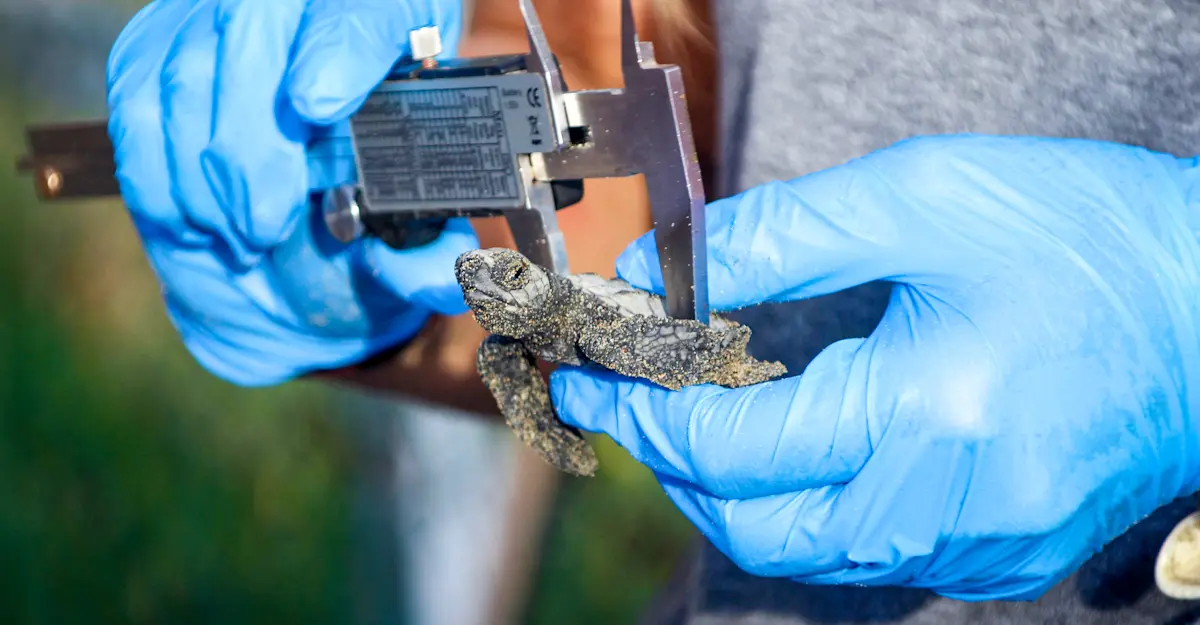
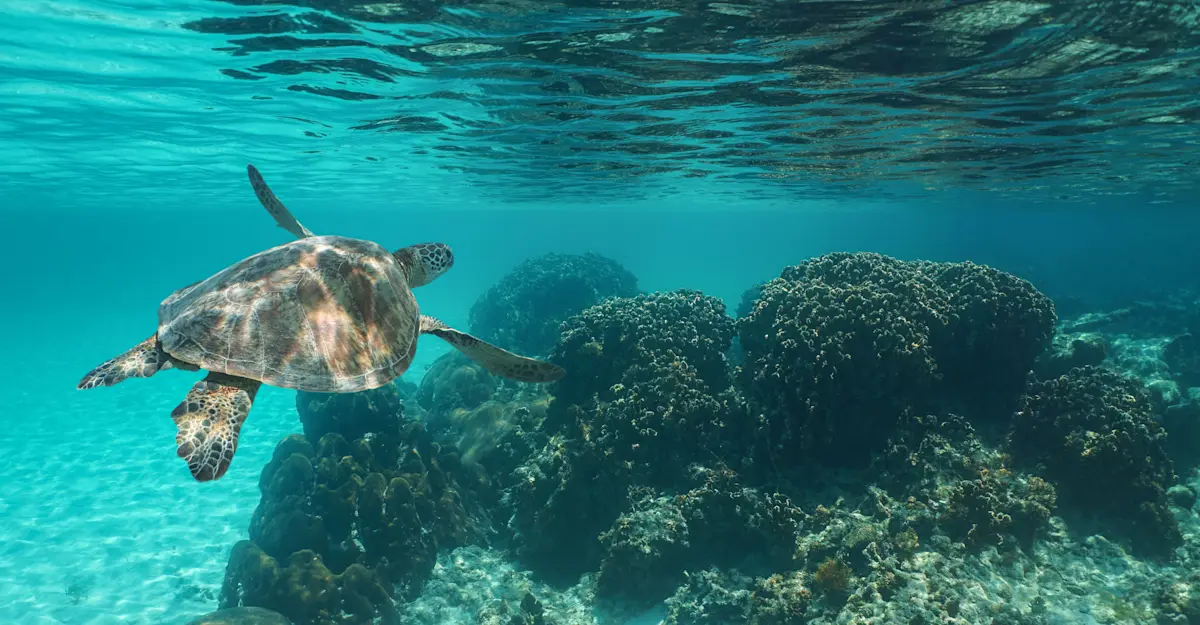
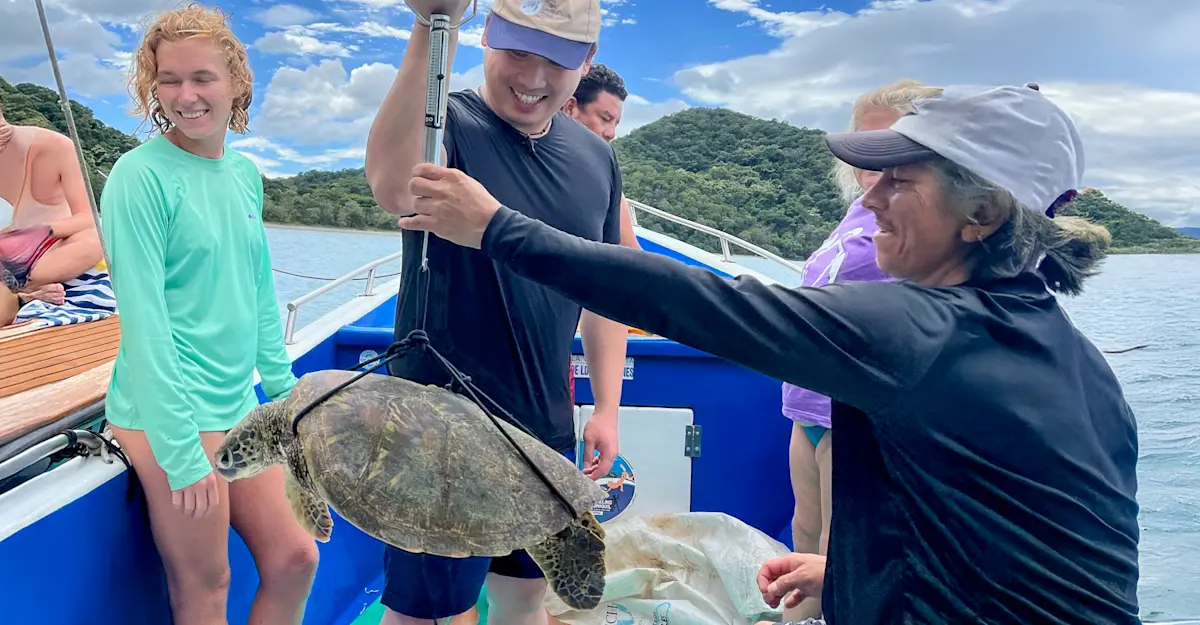
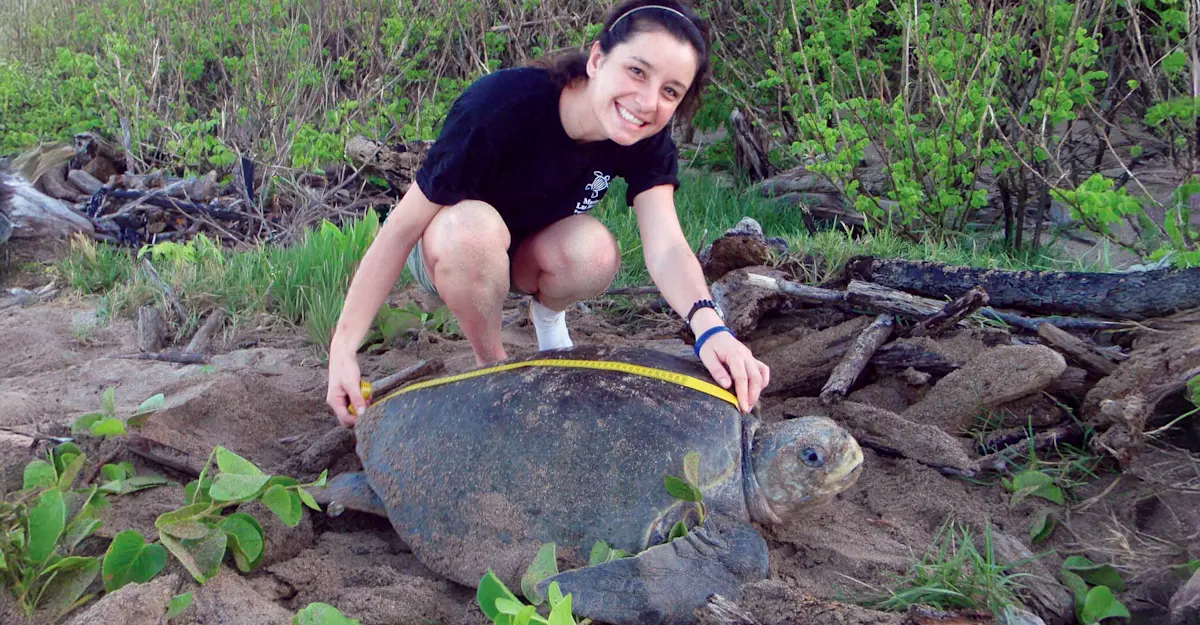
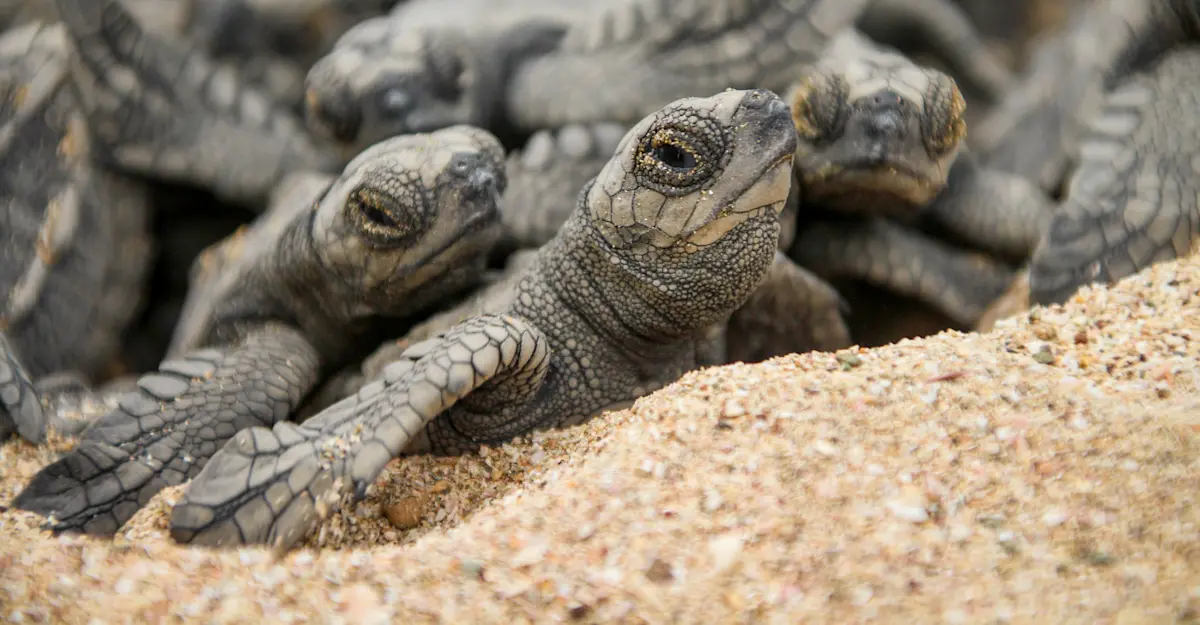
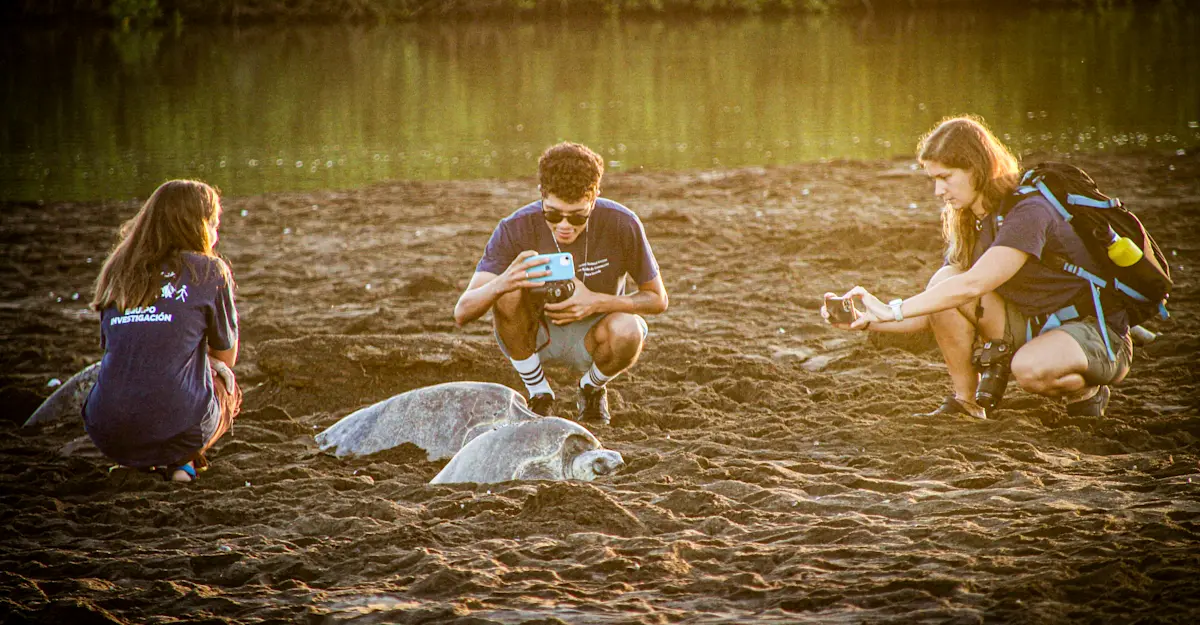
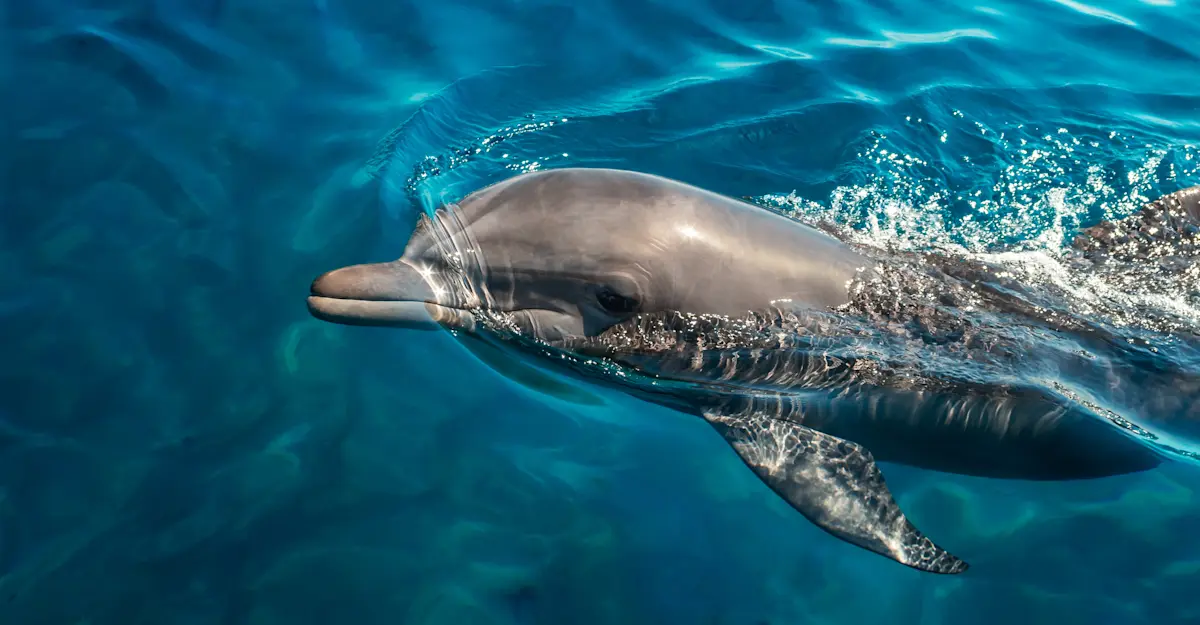
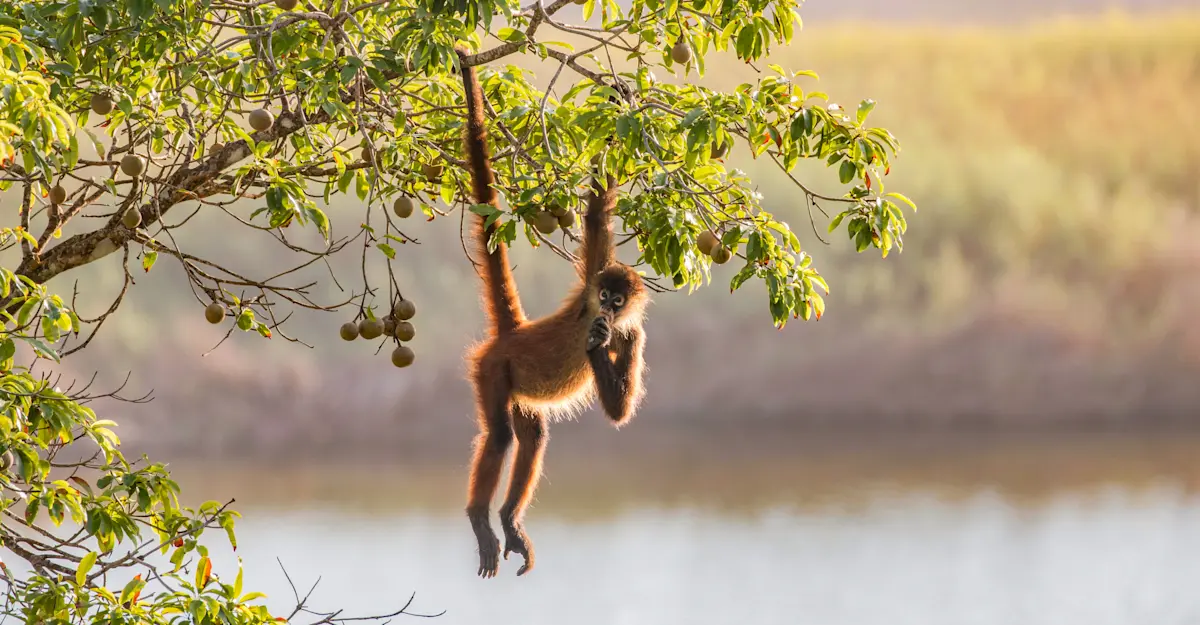
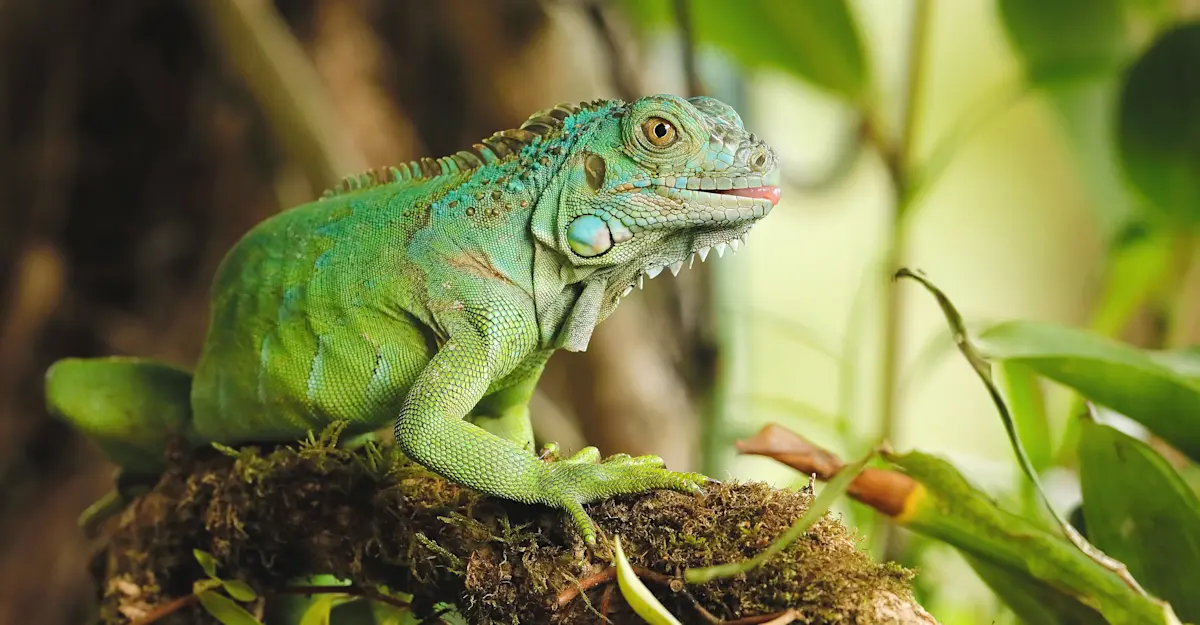
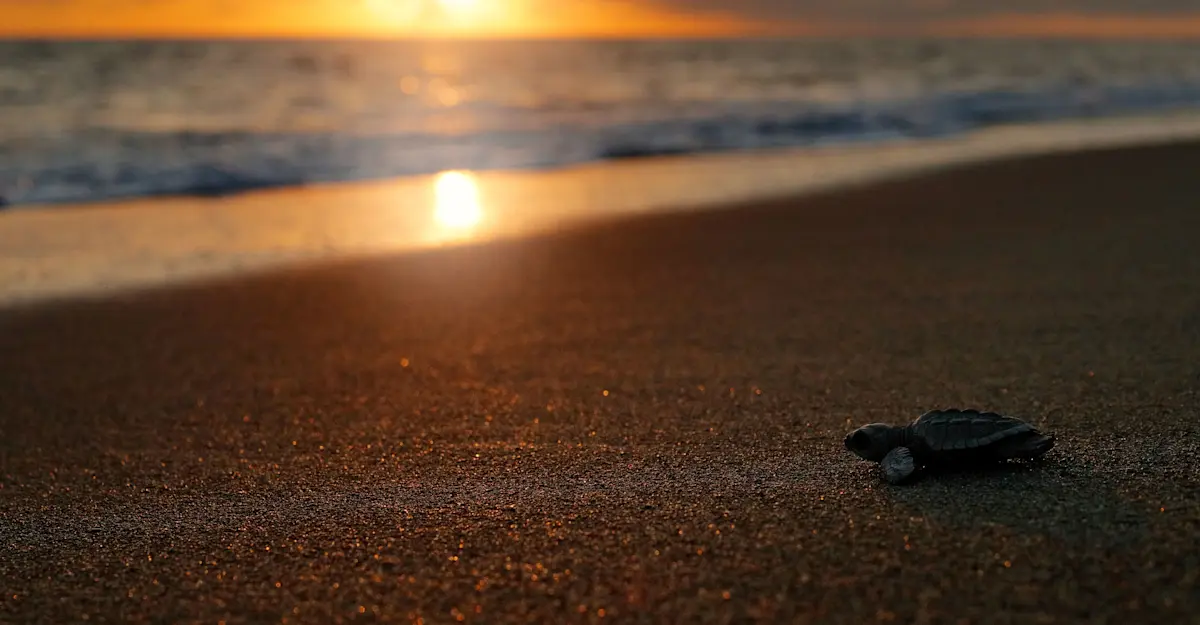
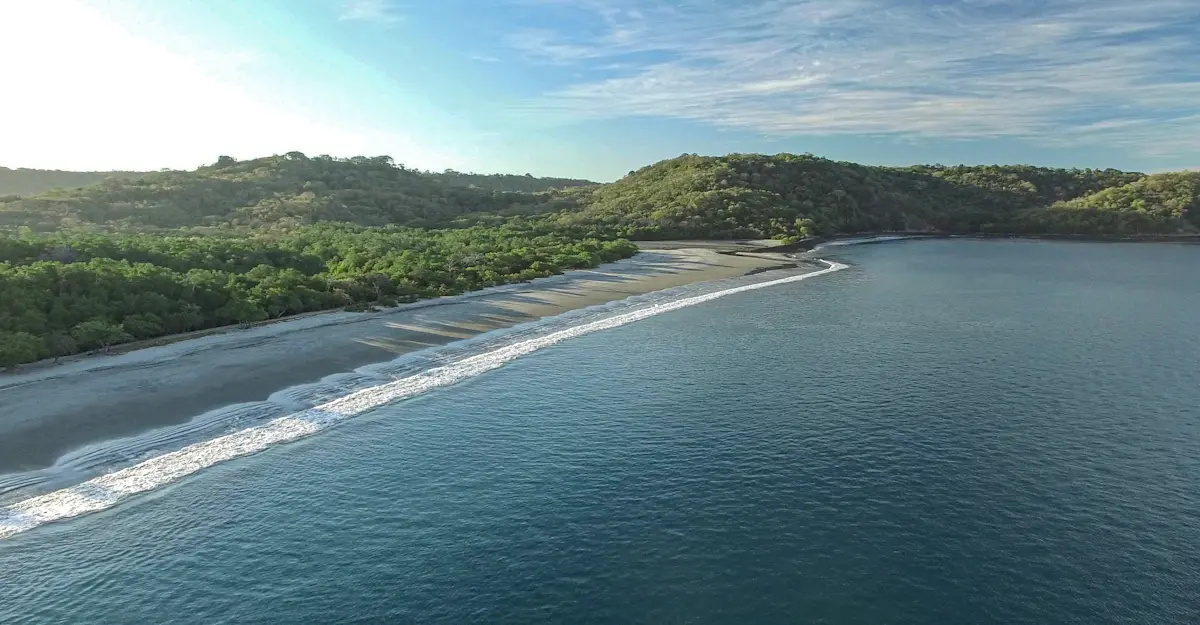
Photo 1 of 12
Research at a Glance
Your Role in Research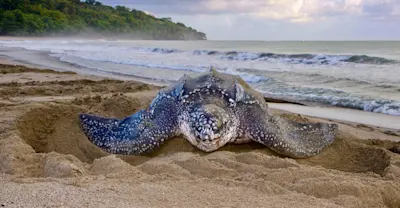
The Research Focus
Study how endangered turtles nest, forage and move between beaches and offshore feeding grounds, examining how climate, habitat change and human pressures affect survival.
What You'll Do
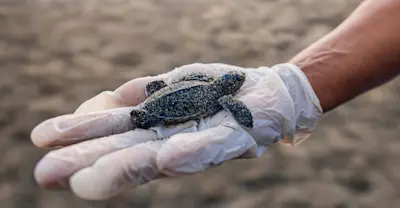
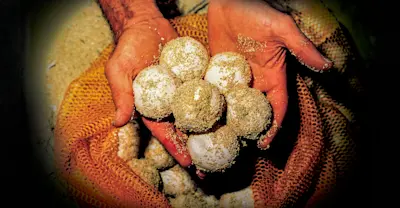
Patrol nesting beaches after dark to find turtles, monitor nests and hatchlings and record field data. Head offshore with scientists to measure, tag and study juvenile turtles in a protected Pacific bay.
Why It Matters
Eastern Pacific leatherbacks have declined by more than 90% since 1980. Data from this research helps protect and conserve beaches and coastal waters that are vital to their survival.
Expedition Highlights
-
Swim With Turtles as You Study Them at Sea
Head offshore with scientists to observe juvenile turtles in coastal waters, assisting with measuring, tagging and recording data in their ocean habitat
-
Monitor Sea Turtle Nests & Hatchlings
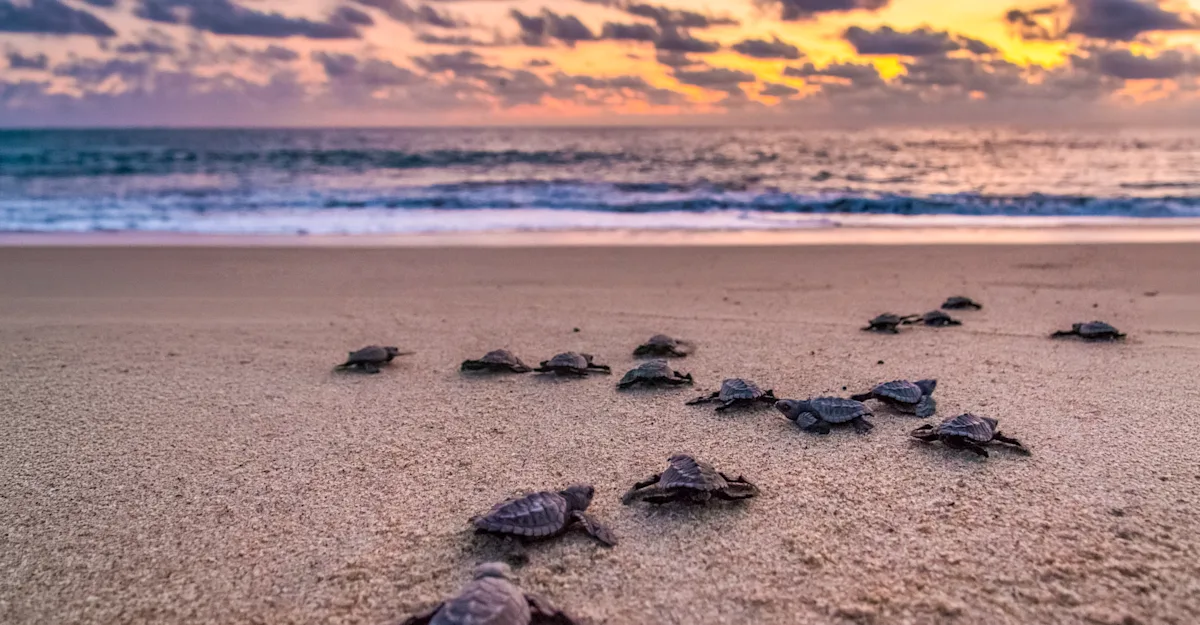
Track nests on the beach and witness hatchlings emerge, contributing to research that determines whether turtles survive their most vulnerable stage
-
Discover Costa Rica's Pacific Coast On Foot & By Boat
Hike dry-forest ridgelines among iguanas, parrots, motmots and other vibrant birds, then sail at sunset with dolphins, rays and whales in season
Meet Your Lead Scientist

Chelsea Clyde-Brockway, Ph.D.
Dr. Chelsea Clyde-Brockway studies how changing ocean conditions affect sea turtles and other marine wildlife. With more than a decade of experience working with sea turtles, her research informs conservation efforts along Costa Rica’s Pacific coast.
Read more
Contribute To Hands-On Conservation Science
Conduct night patrols, early morning surveys and offshore investigation while measuring turtles, recording data, relocating at-risk nests and monitoring hatch success as part of a long-term research effort.Work Directly With the Research Team in the Field
Join lead scientist Chelsea Clyde-Brockway, Ph.D., and her local research team for hands-on fieldwork, contributing to one of the longest-running sea turtle studies in the world.Read Costa Rica's Coast Like a Researcher
Spend time in marine and coastal habitats, learning how ocean conditions, beach conditions and human pressures shape the sea turtles' future.Patrol the Beach as Turtles Come Ashore at Night
Walk Playa Grande, a globally significant nesting site, at night as turtles come ashore to nest, documenting activity and taking part in one of the most critical moments in their lifecycle.Enter the Turtles' Ocean Habitat at Bahia Matapalito
Head offshore into protected coastal waters to locate, measure and tag juvenile turtles to document how they grow, move and survive in their ocean habitat.Kayak, Hike & Visit Local Villages
Glide through the Tamarindo Estuary, hike forest and ridgeline trails, and visit nearby beaches and towns during free mornings and afternoons while at Playa Grande.Learn How Research Shapes Protection
Discover how decades of scientific work here helped establish Las Baulas National Marine Park and continues to guide sea turtle conservation across the Eastern Pacific.Explore with an Expert Field Guide
Your Field Guide ensures that each day runs smoothly, coordinating logistics and providing personalized support throughout the trip.Travel With an Intentionally Small Group
Because we deliberately limit our group size to a small cohort of participant researchers, each guest gets quality time in the field, enjoys meaningful interactions with the scientific research team, and plays an active role in daily research activities.Explore With Purpose
Take part in fieldwork that supports ongoing conservation research, directly contributing to the protection of sea turtles and the habitats they depend on.