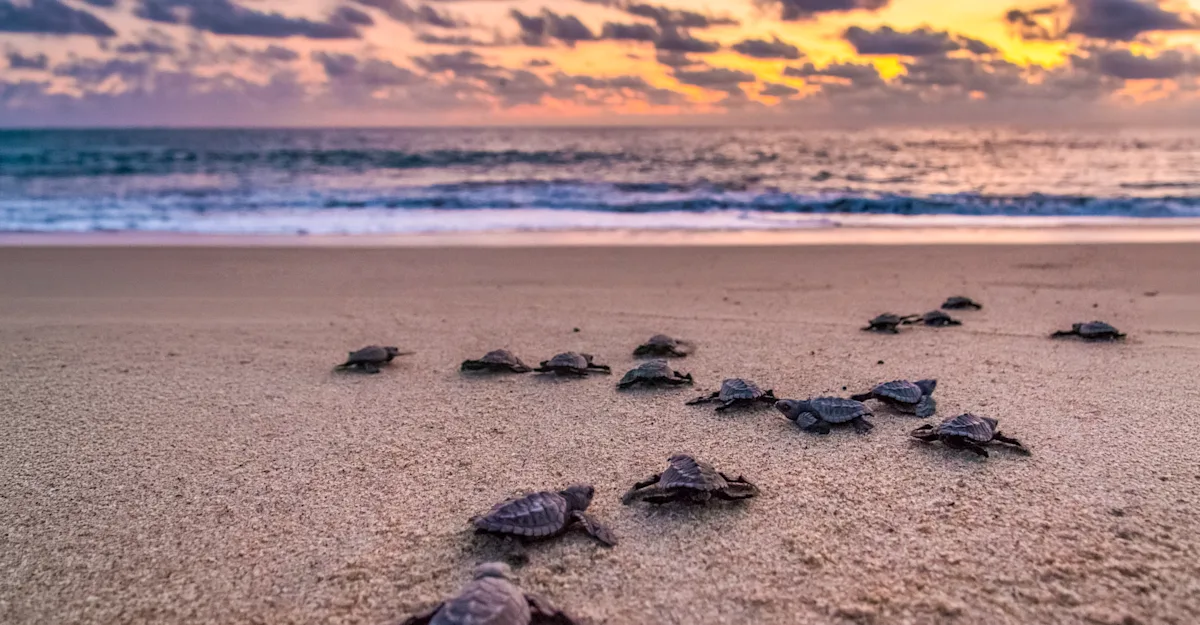
Research & Impact
As part of this project, you are contributing to one of the longest-running sea turtle research efforts in the Eastern Pacific, where each observation helps scientists understand how this endangered species survives and can recover. Accrued over decades, this data influences how nesting beaches are protected and how conservation strategies are carried out across the region.
What You'll Do in the Field
Click a photo to expand details
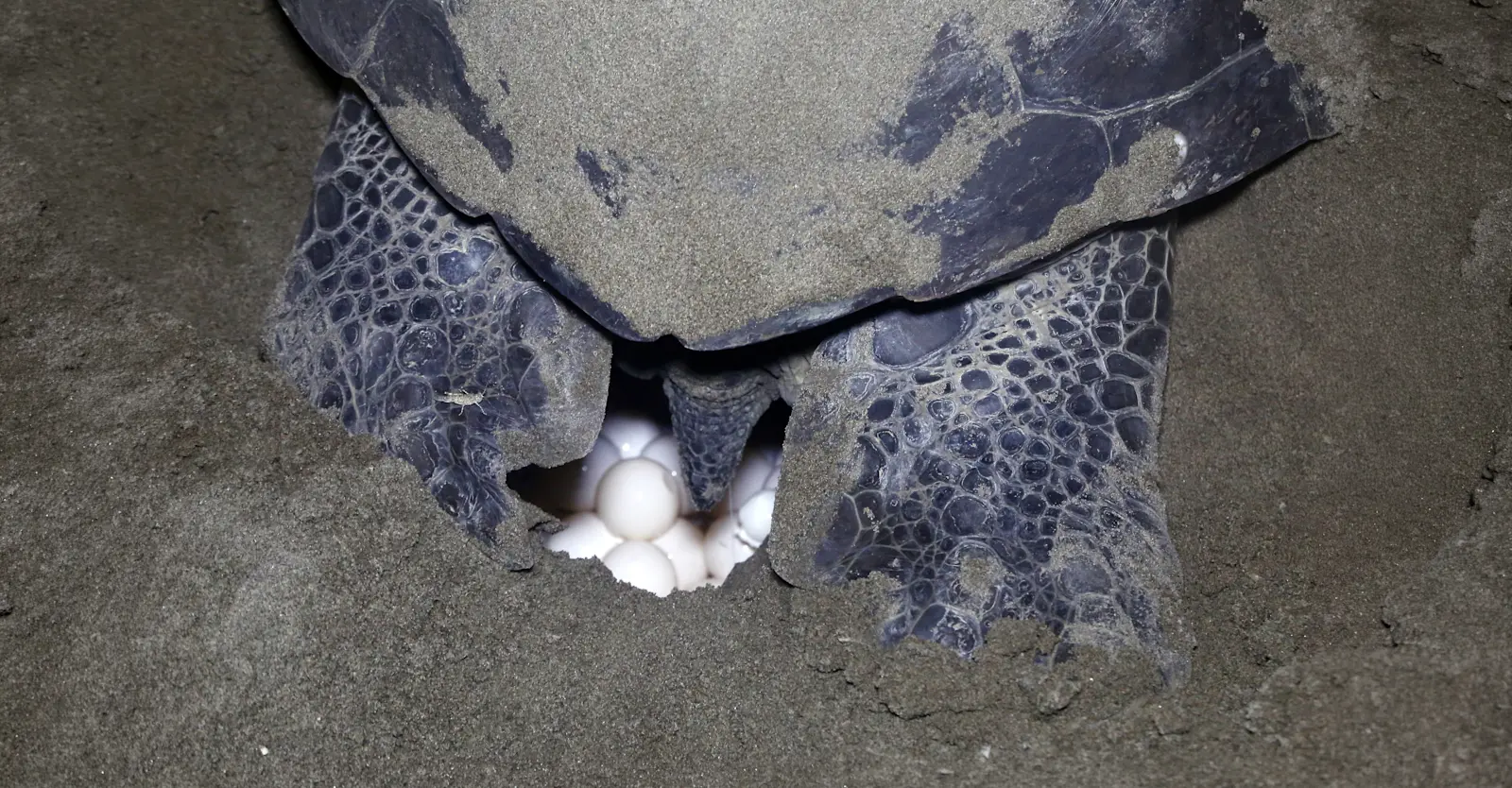
Observe Animal Behavior
Walk protected beaches at night to locate nesting turtles, scan tags, measure females and document each nesting event.
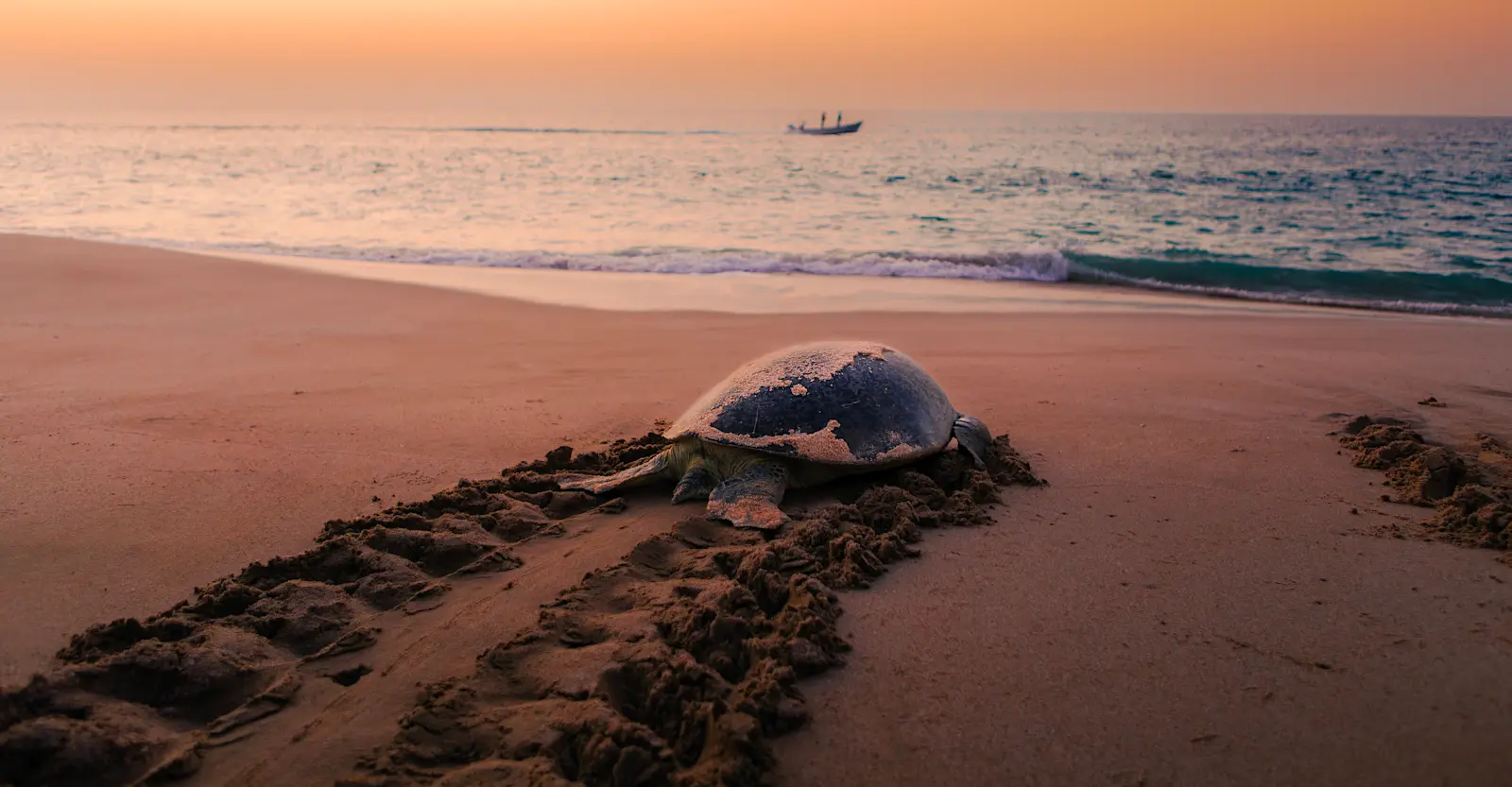
Assess Habitats & Ecosystems
Return at dawn to read tracks in the sand, confirm nesting activity and monitor conditions shaping hatchling success.
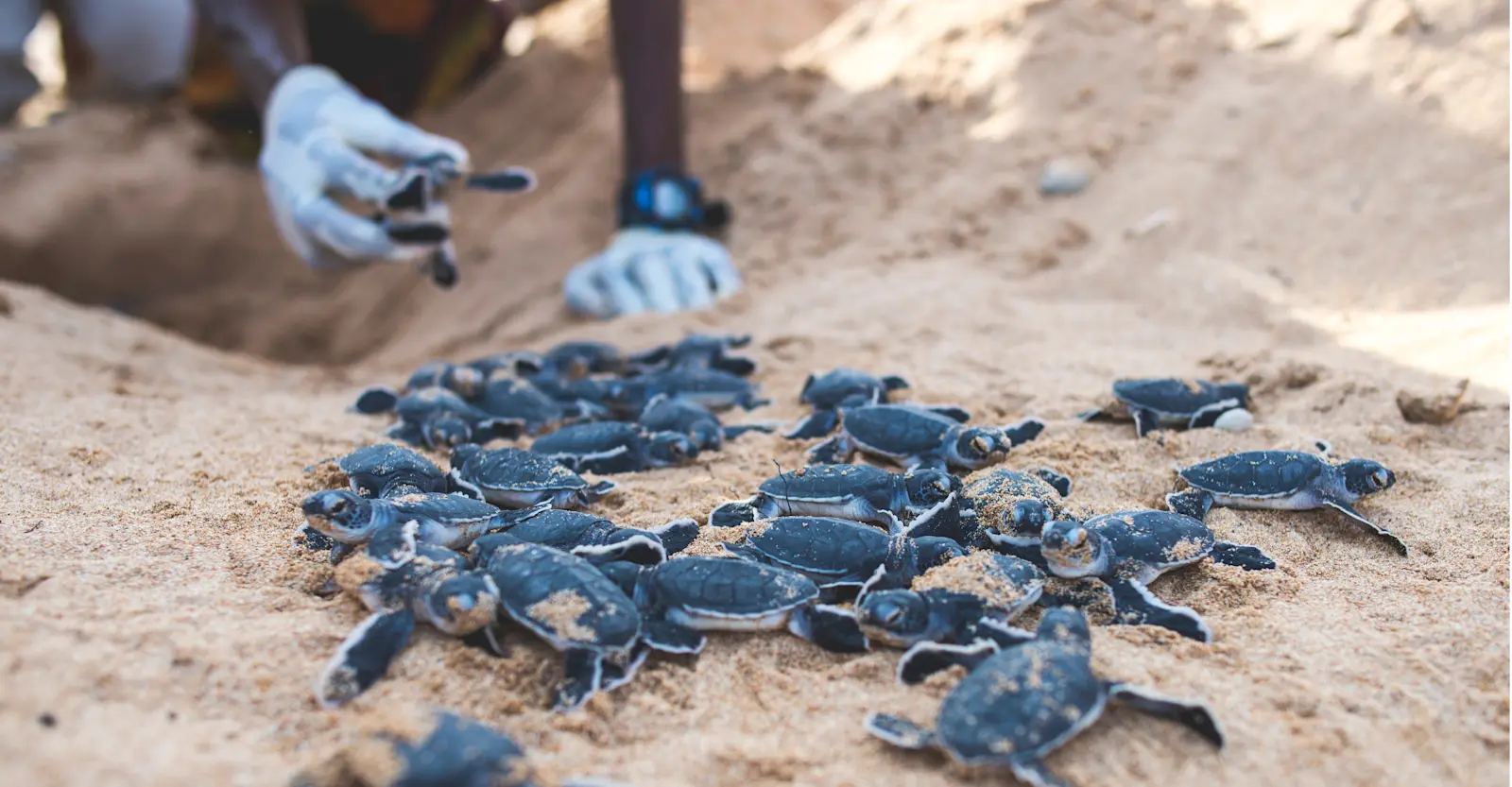
Survey Wildlife Populations
Survey turtle populations on beaches and in coastal waters, collecting data to understand trends, behavior and survival.
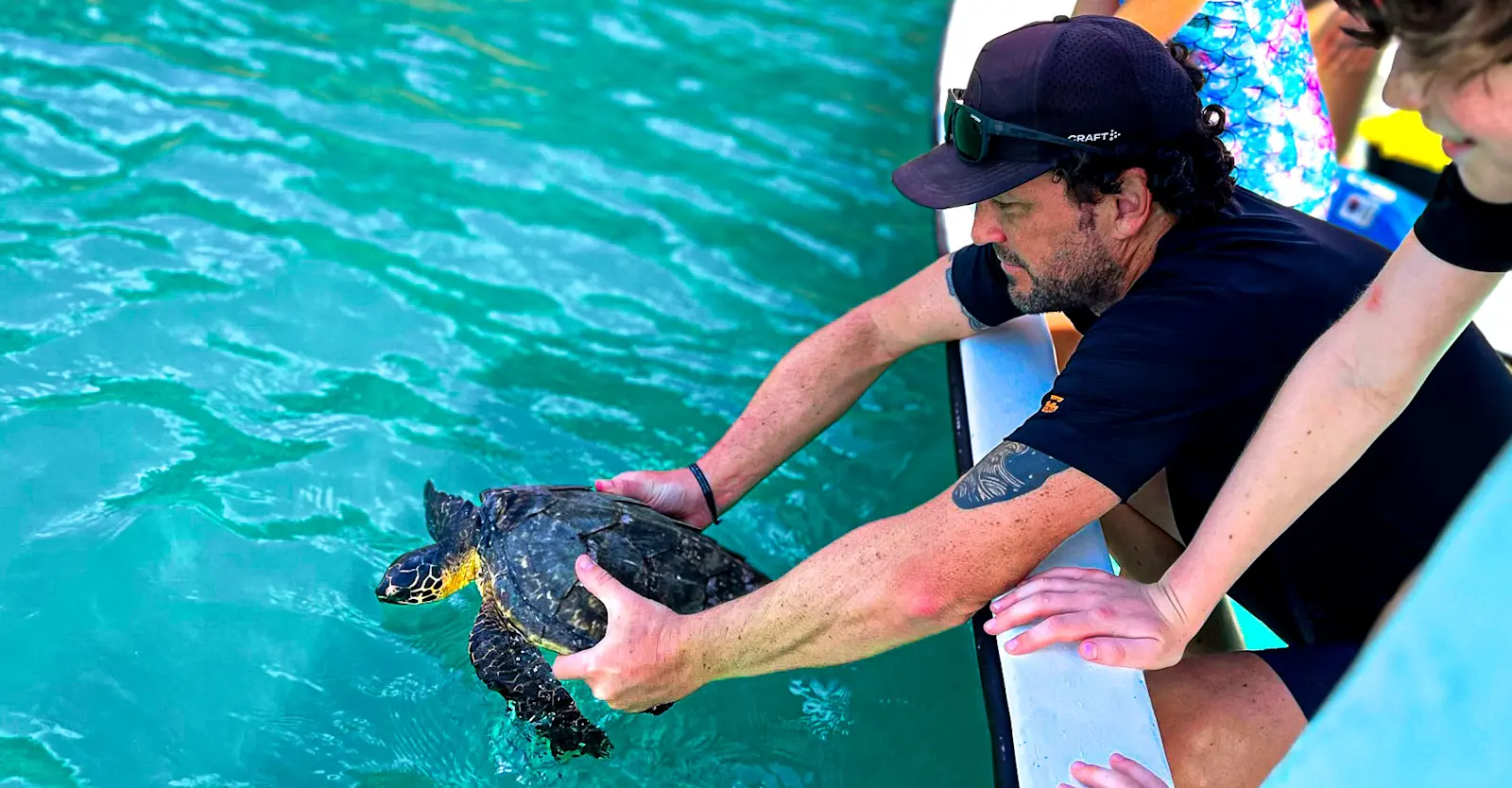
Tag & Measure Wildlife
Travel offshore to Bahia Matapalito to help weigh, measure and tag juvenile turtles in a protected coastal feeding area.
Meet Your Lead Scientist

Chelsea Clyde-Brockway, Ph.D.
Dr. Chelsea Clyde-Brockway studies how changing ocean conditions affect sea turtles and other marine wildlife. With more than a decade of experience working with sea turtles, her research informs conservation efforts along Costa Rica’s Pacific coast.
Read moreResearch Focus
On the sands of Playa Grande, leatherback turtles emerge from the surf after dark to nest on one of the most important beaches in the Eastern Tropical Pacific. This project documents what happens here and in nearby coastal waters where these turtles feed, grow to maturity and eventually return to reproduce. The scientific study follows turtles at different stages, from nesting females on shore to younger turtles feeding in places like Bahia Matapalito. Leatherbacks are the primary focus, alongside Eastern Pacific green sea turtles, olive ridleys and hawksbills that also use these same beaches and coastal waters.
On land, researchers track nesting activity, egg development and hatch success. Offshore, they study how turtles use feeding areas and how younger turtles grow. Since 1993, this project has built one of the longest continuous datasets on sea turtles in the region, helping scientists understand population trends and how changing climate and habitat conditions affect survival.
-
More Than 30 Years of Sea Turtle Research
Along Costa Rica’s Pacific coast, scientists track one of the Eastern Pacific’s last major leatherback populations as it continues a long decline, generating data that shapes urgent conservation efforts.
Conservation Impact
Leatherback turtles in the Eastern Pacific have declined by more than 90% since 1980, making this one of the most urgent marine conservation challenges today. Since 1993, this ongoing research project has helped drive vital conservation efforts.
More than 30 years of continuous research, building one of the longest-running sea turtle datasets in the world
Over 100 peer-reviewed studies, informing conservation science, policy and management decisions
Thousands of nests protected and hatchlings released each season, including significant numbers of endangered leatherback hatchlings
Tens of thousands of hatchlings recorded annually across green turtles and olive ridleys at key nesting sites
Protection of critical habitat, including the creation and ongoing management of Las Baulas National Marine Park
Policy impact at local, national and international levels, shaping coastal lighting, fisheries practices and habitat protection, and elevating the Eastern Pacific leatherback population to "Critically Endangered" on the IUCN Red List
Daily patrol presence that deters poaching and disturbance, safeguarding nesting beaches in real time
Community partnerships and education programs that support long-term conservation and a sustainable local economy
This work continues year after year, with each protected nest and dataset contributing to this enduring effort to protect sea turtles across the Eastern Pacific.
Your Role in the Research
Walk the beach after dark, scanning the surf for movement. When a leatherback emerges, gather behind her and measure, check tags and record each nesting event under red light. As she lays eggs, count them as they drop into the nest, and record the data used to track her over time. When nests are at risk from flooding or predators, relocate eggs to protected hatchery sites. At first light, return to the beach to read tracks in the sand, confirm nesting activity, measure sand temperatures and monitor conditions that affect hatchling survival. Head offshore to Bahia Matapalito, where turtles feed in shallow coastal waters. Slip into the water to swim or snorkel alongside the boat, helping guide turtles in before measuring, weighing, tagging and releasing them. Each observation contributes to long-term research tracking sea turtle populations across the Eastern Tropical Pacific.
Life in the Field
Days are shaped by tides and turtle activity. Most activity happens at night, when the beach is quiet except for the sound of surf and sand shifting underfoot as turtles come ashore. Hours pass in the dark as we walk, watch and wait. Mornings start early. In daylight, the same stretch of beach is marked by tracks, nests and signs of the night’s activity. After several hours of observation and tracking on foot, the pace shifts. Midday brings time to rest, stepping away from the beach or heading out on the water. Afternoons may include nest checks or preparation for the next patrol. By evening, the cycle begins again. Some nights bring multiple turtle sightings, while others pass in long stretches of quiet.
Field Conditions
Field sites span open nesting beaches and nearby coastal waters, accessed on foot and by boat. On land, cover miles of shoreline, walking through soft sand during patrols that can last up to 6 hours. Days are warm and humid, with little shade along the beach. Time in the field alternates between walking, crouching at nests and periods of still observation. Shifting weather is a constant, and ocean conditions can also vary during boat-based research. After dark, temperatures cool, visibility declines and the beach becomes quieter, with activity focused in a narrow band between the surf's edge and the sand. Our research plans are constantly adjusted to adapt to changing conditions, including tides and turtle activity. Flexibility is part of the experience.