- Jan, Mar, May, Aug–Sep, Nov
- 8 Days
- Limited to 20 Participants
From $7942 (+air)
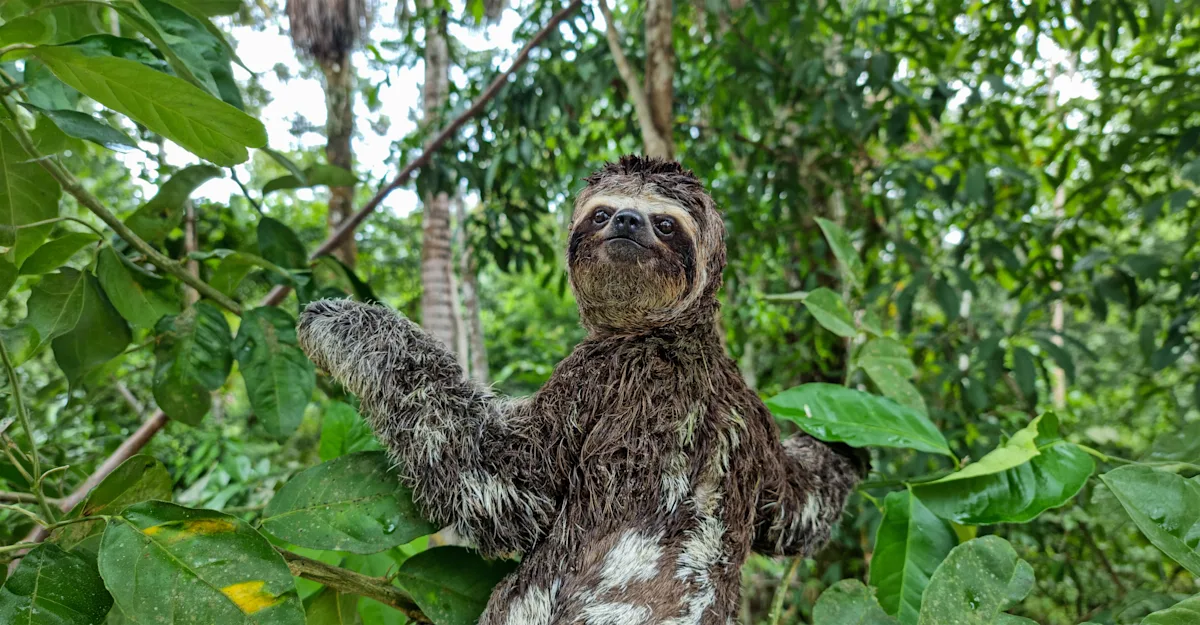
In the flooded forests of Peru's Upper Amazon, water levels affect everything. Rivers rise and fall with the seasons, reshaping habitat and determining animal movements and behavior. In the face of climate change, water patterns are changing, and typical seasonal variations are shifting. Join one of Earthwatch Expeditions’ longest-running studies to track that impact, noting how more extreme floods and droughts are altering habitats and populations of mammals, birds and fish. Aboard a riverboat near the headwaters of the Amazon River system, you are immersed in a dynamic ecosystem where dolphins ply narrow channels, monkeys swing through the canopy, and scarlet macaws flush from the dense forest. Your work in recording the presence of these and other species helps grow our understanding of how changing water levels impact their populations, offering critical insight for conservation.
Photo gallery
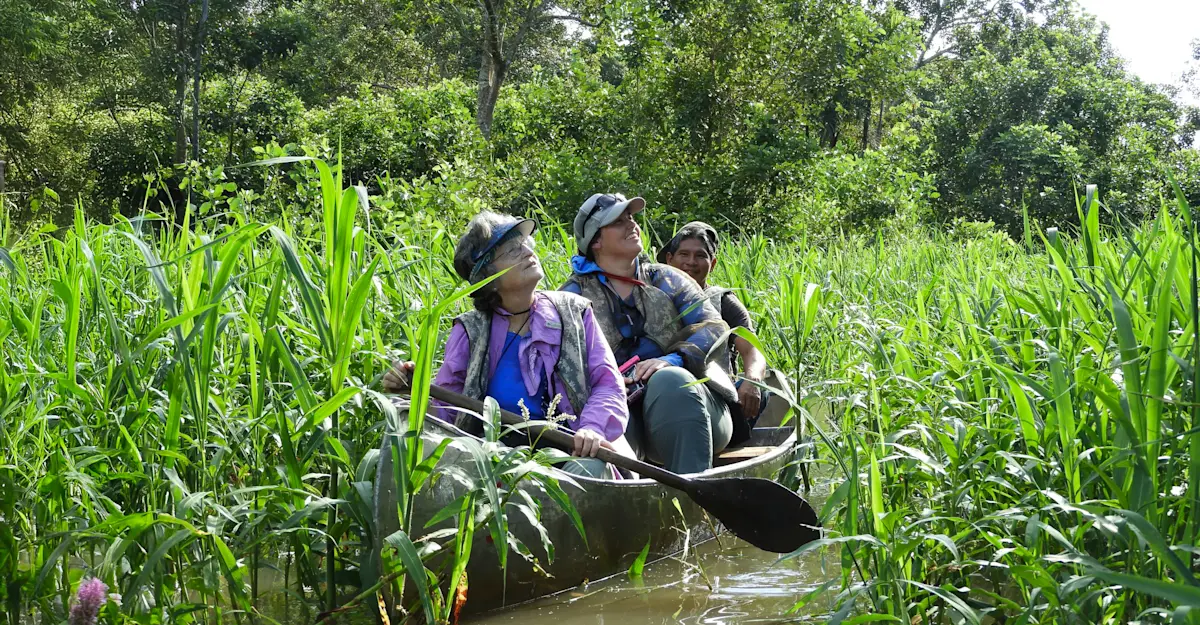
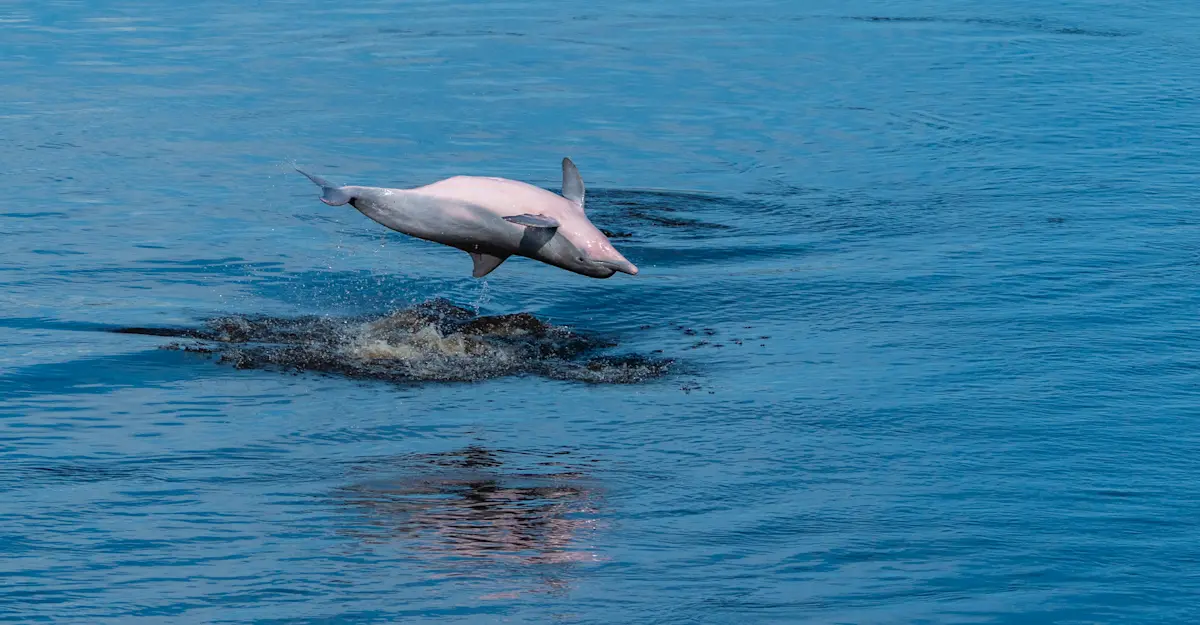
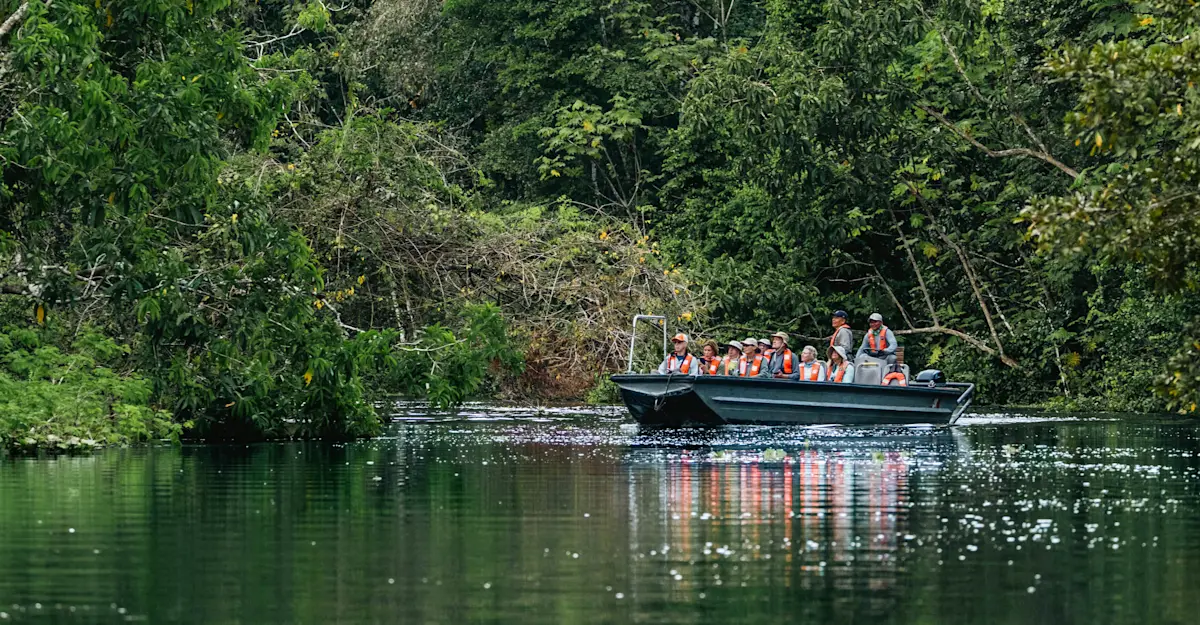
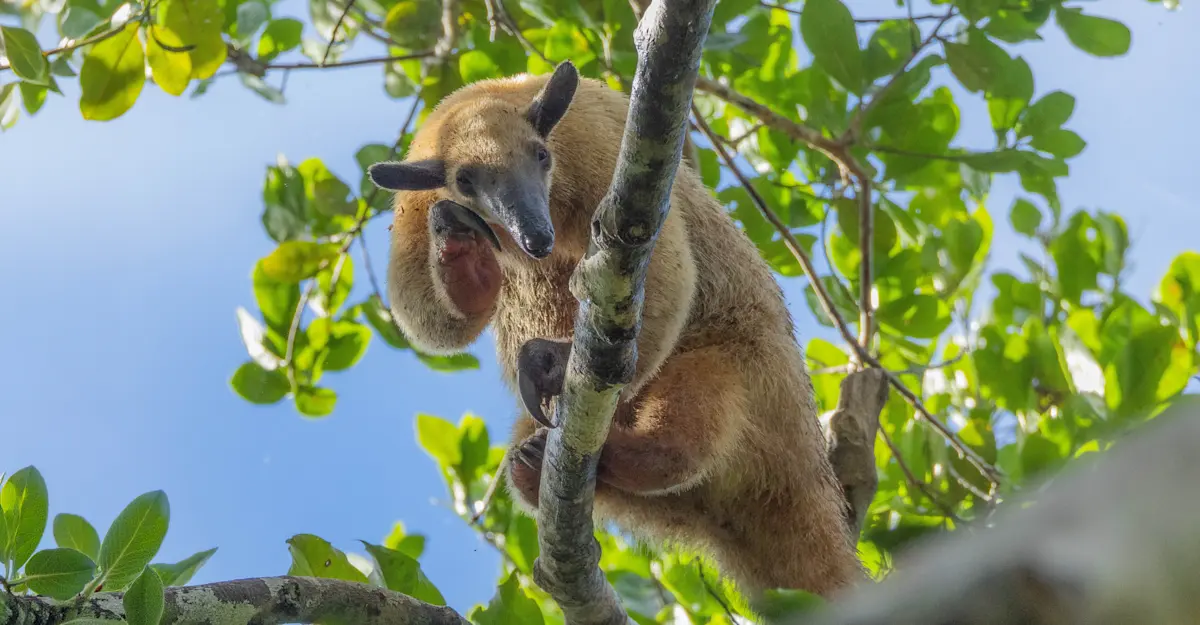
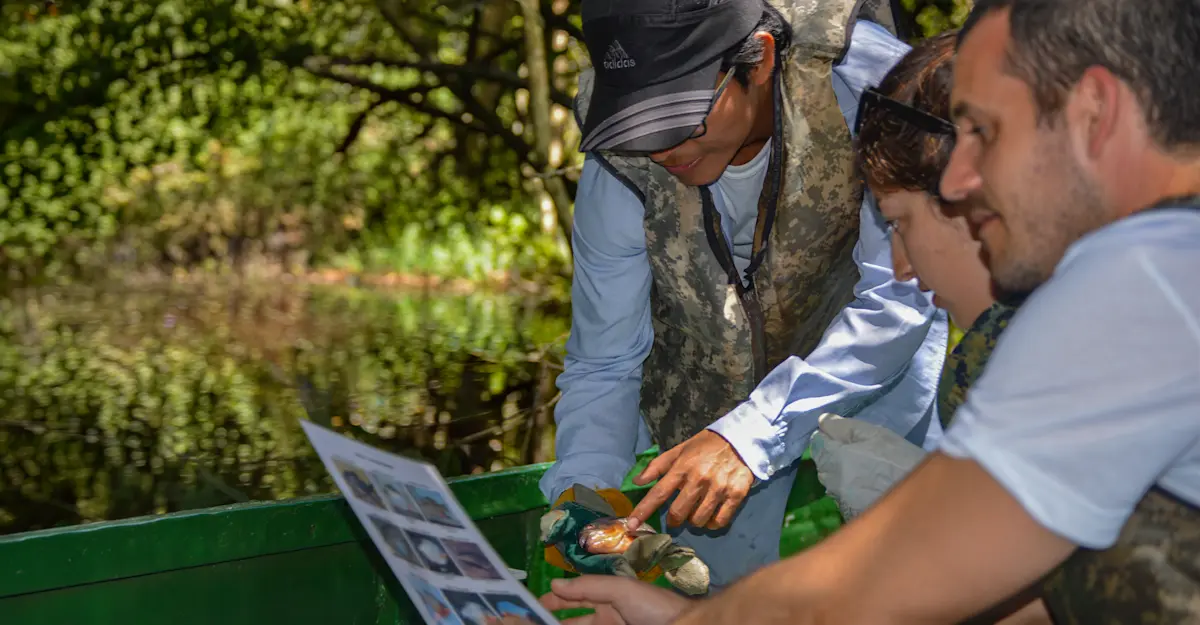
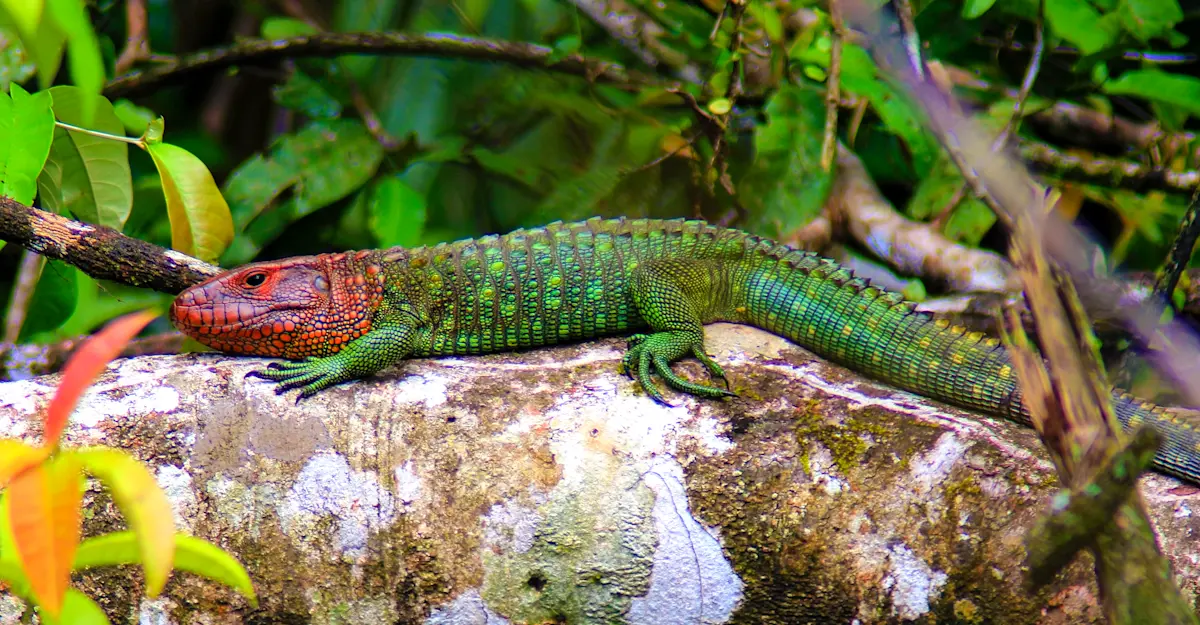
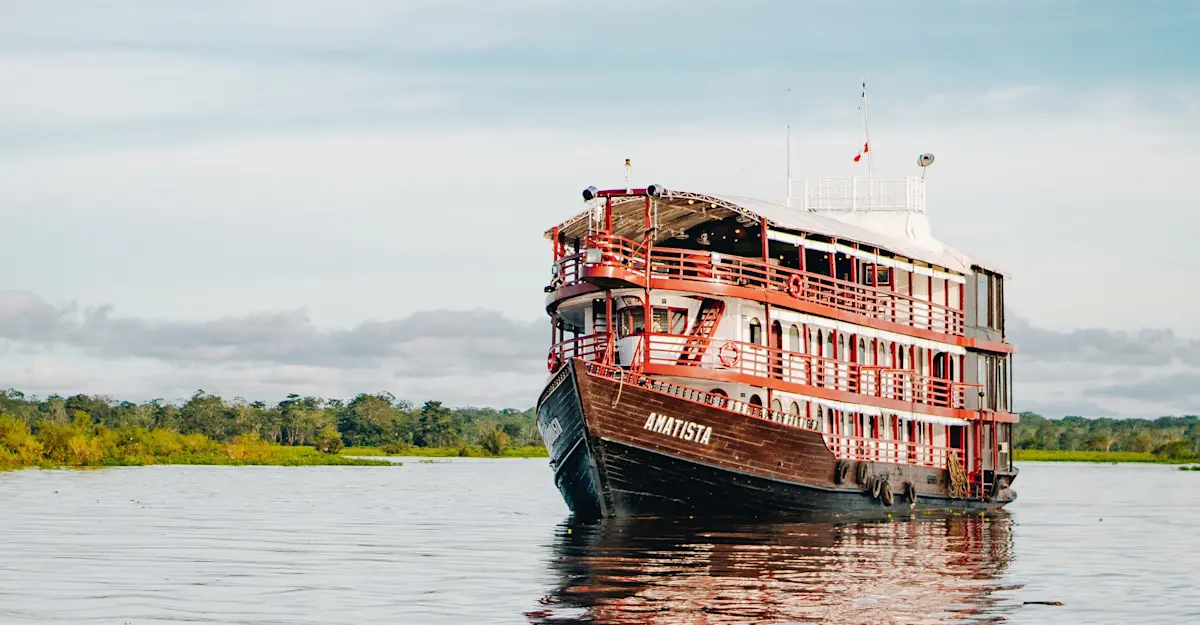
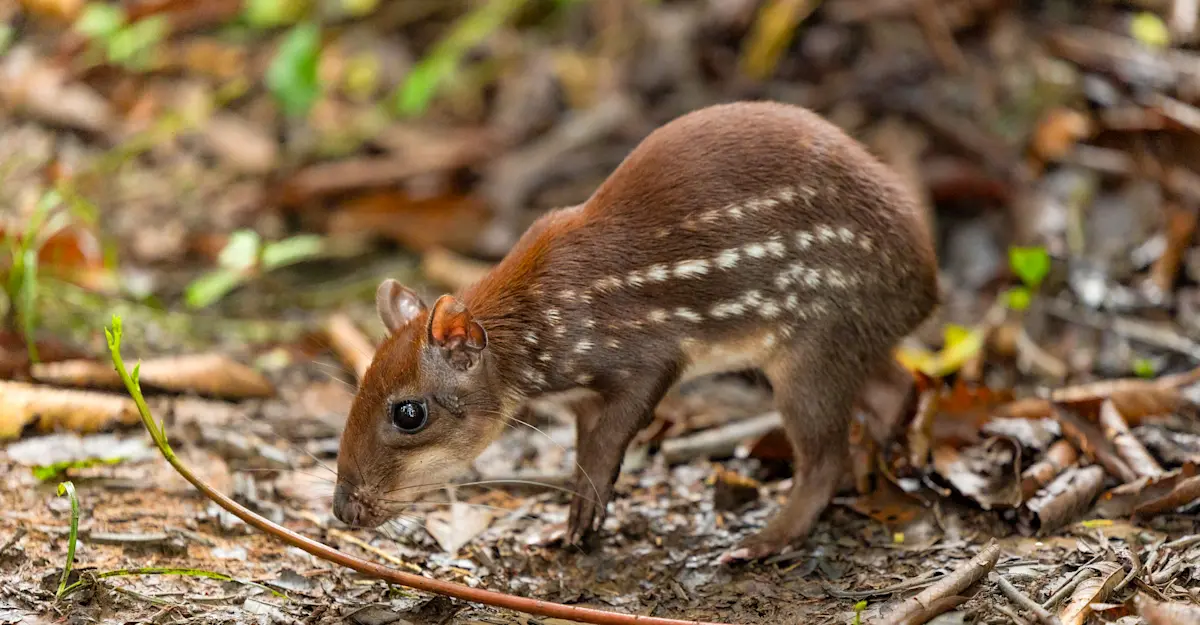
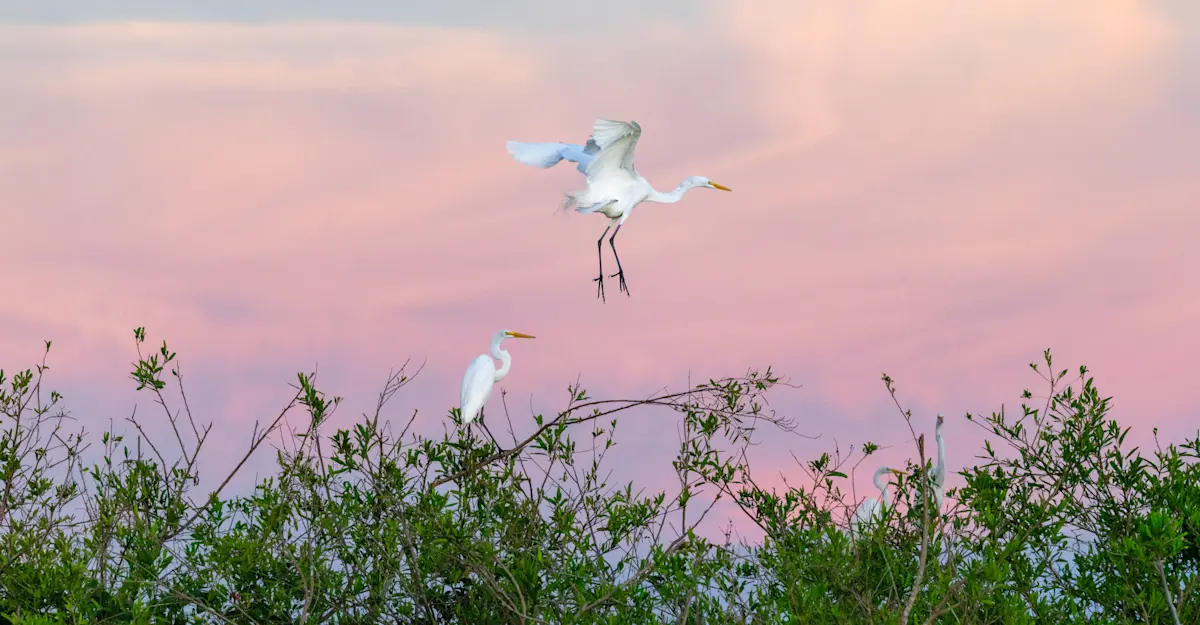
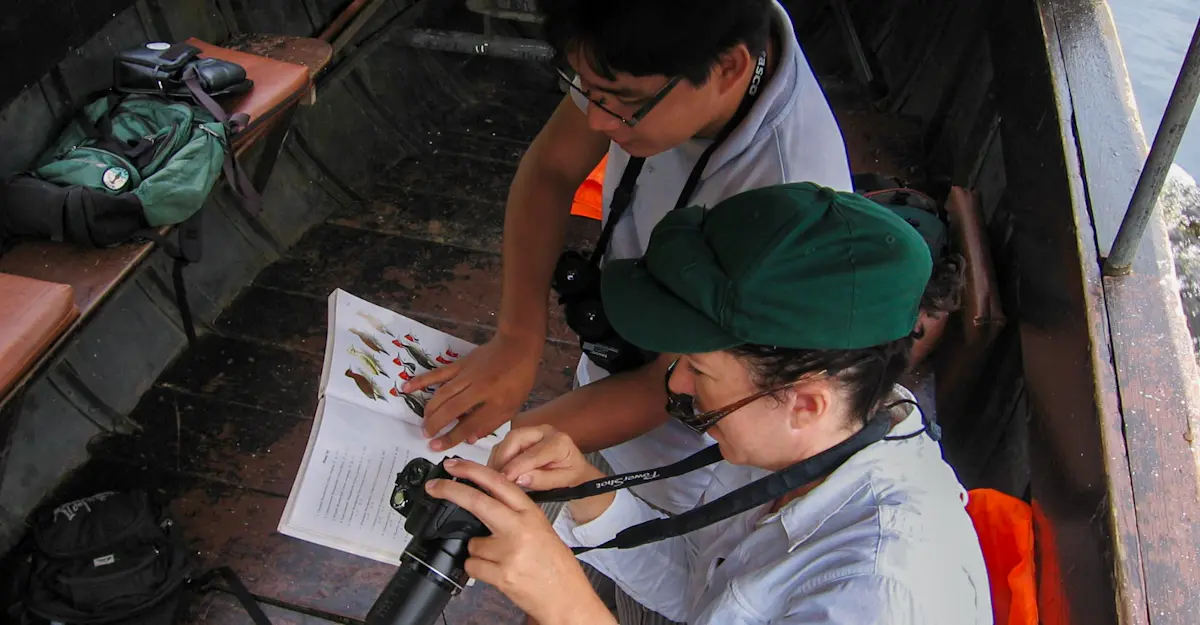
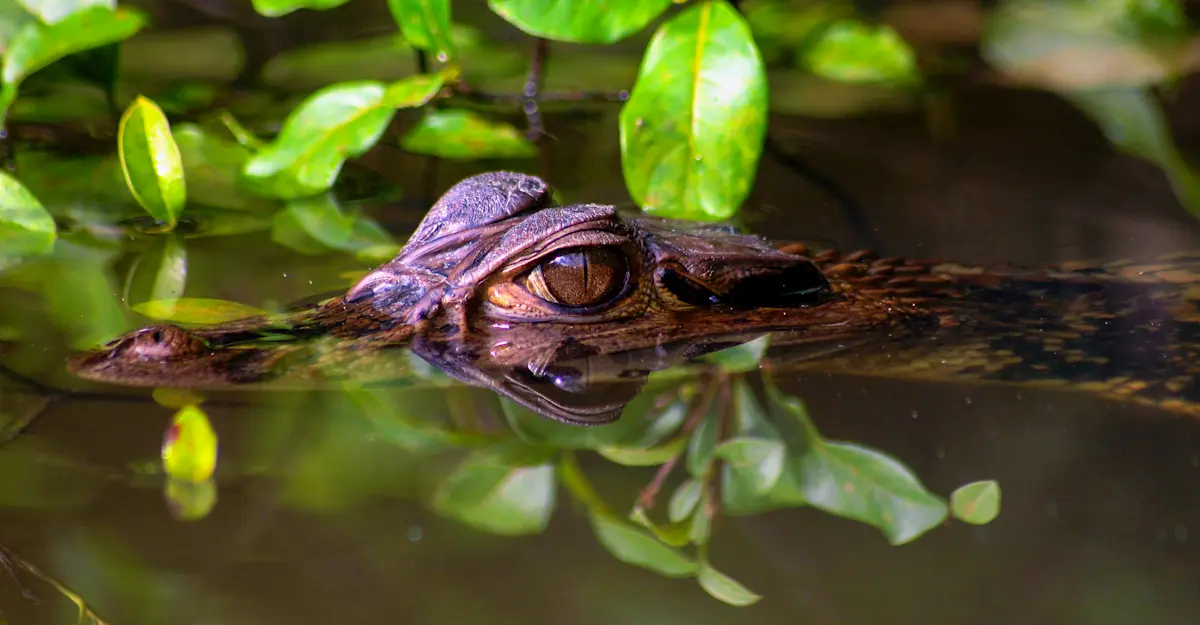
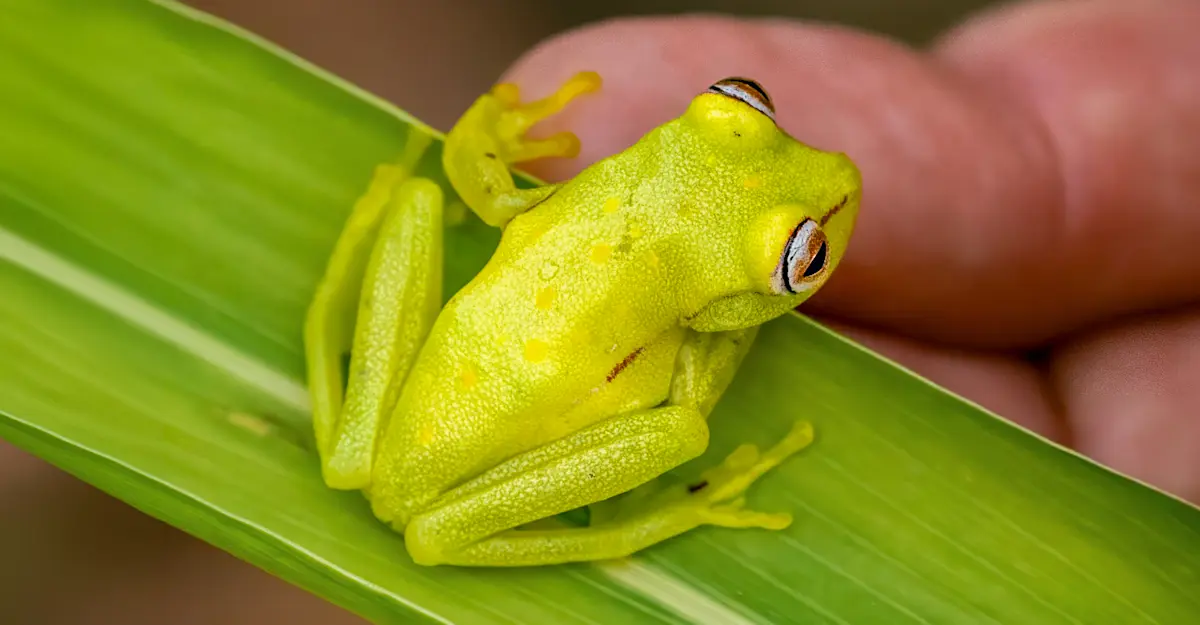

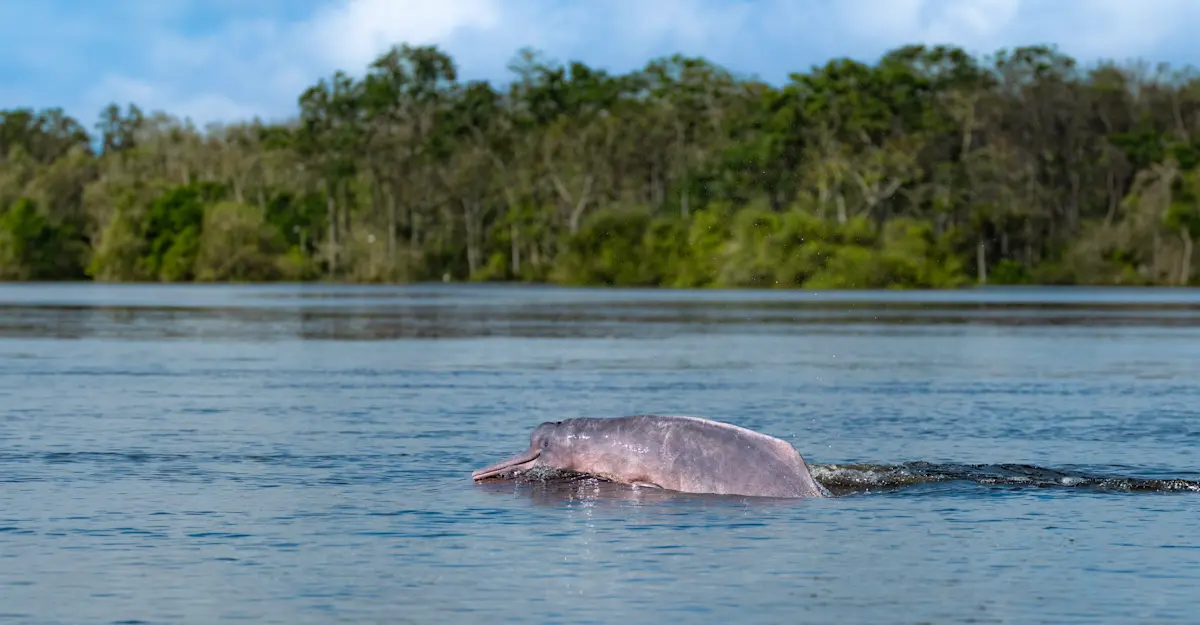
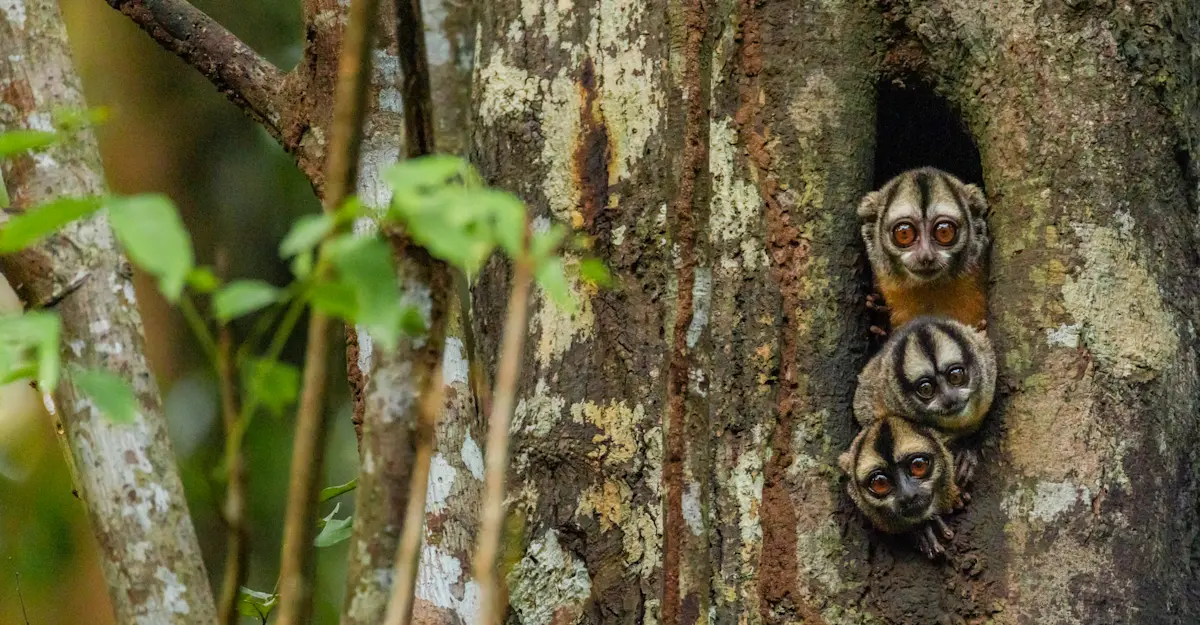
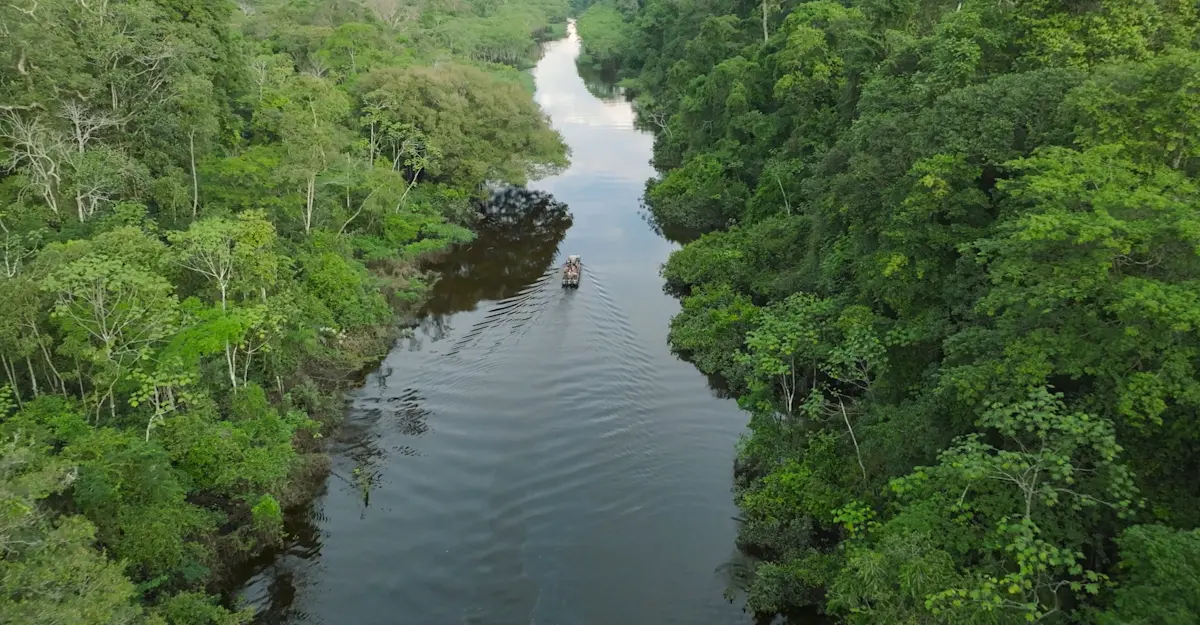
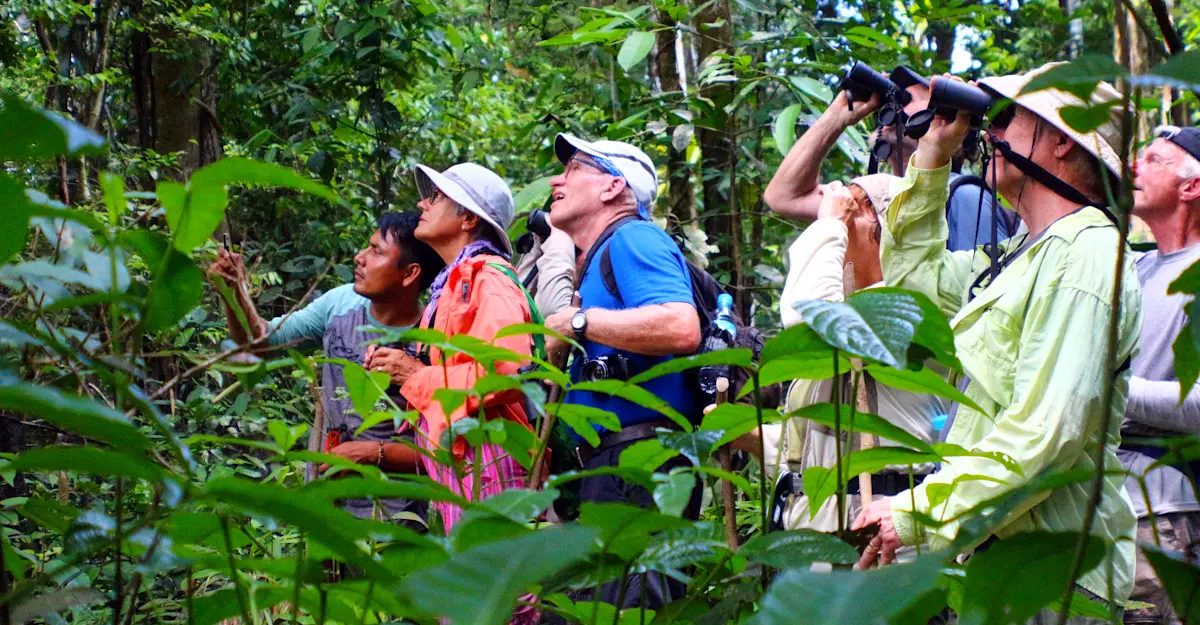
Photo 1 of 17
Research at a Glance
Your Role in Research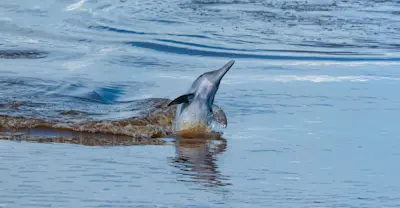
The Research Focus
Since the early 1990s, this long-term study in the Peruvian Amazon has tracked wildlife across interconnected habitats, examining how flooding, drought and heat affect population distributions and behaviors.
What You'll Do
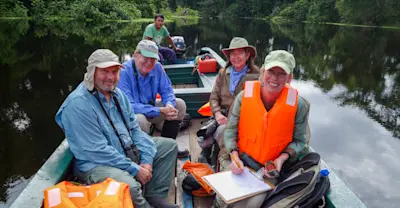
Rotate through active field studies, including dolphin surveys, rainforest transects, bird counts, fish sampling and nighttime caiman searches, collecting data alongside scientists across multiple habitats and times of day.
Why It Matters
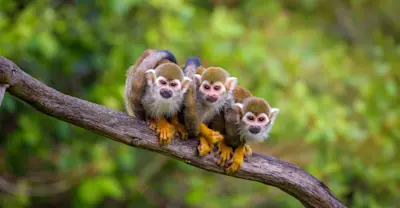
Project data is used by Peruvian agencies to guide how wildlife and protected areas are managed as drought and extreme heat impact species, habitats and ecosystems across the Amazon.
Expedition Highlights
-
Monitor Wildlife in the River and Rainforest
Survey pink river dolphins, primates, birds, fish and caimans across interconnected habitats, helping to track how species respond to environmental change
-
Explore the Flooded Amazon by Private Riverboat
Live aboard a private riverboat, traveling deep into the tropical jungle, navigating remote waterways and flooded forests to reach secluded research sites
-
Contribute to Long-Term Amazon Research
Participate in hands-on field research that relies on sustained contributions, making long-term monitoring possible in a region undergoing rapid change
Meet Your Lead Scientist

Richard Bodmer, Ph.D.
Dr. Richard Bodmer has spent decades conducting fieldwork in the Peruvian Amazon. His research has helped define community-based conservation and the sustainable management of wildlife populations.
Read more
Explore One of Earth’s Most Biodiverse Environments
Travel by private riverboat far upriver into flooded forest near the Amazon headwaters, entering remote habitats where Amazon wildlife feeds and concentrates.Work Across Three Varied Habitats in One Expedition
Experience three diverse Amazon habitats—the river, forest floor and canopy—encountering different species in each and seeing how these layers connect to support one of the most complex ecosystems on Earth.Study the Rainforest With Scientists Who Know It Intimately
Spend concerted time with researchers who have worked in the Upper Amazon for decades as they share how to read the forest, find wildlife and understand the forces that shape this dynamic ecosystem.Stay Deep in the Amazon on a Restored Riverboat
Live aboard a restored riverboat offering access to remote Amazon tributaries, surrounded by roadless rainforest.Discover the Amazon After Dark
Head out at night when nocturnal species take over along the river and in the forest, looking for frogs, caimans, bats and more.Witness Elusive Amazon Wildlife
Encounter dolphins, primates, birds and caimans up close, experiencing the density and diversity of life that defines the Amazon—plus, each sighting contributes to the long-running dataset.Search for Endangered River Dolphins
Navigate narrow channels in search of pink and gray river dolphins, endangered freshwater mammals uniquely adapted to life in submerged forest.Take Part in Meaningful Research
Work alongside scientists on ongoing field studies that depend on participant involvement, contributing to long-term monitoring used by conservation groups and government agencies in Peru.Spend Time Among Indigenous Communities
Visit Cocama communities whose lives are profoundly influenced by the river, offering a firsthand look at how conservation, culture and survival are deeply connected in this landscape.Explore in a Small, Focused Group
Because we limit the group size on our expeditions, each participant is ensured closer interaction with scientists and a more active role in daily research activities.Travel with Purpose
Take part in fieldwork that supports ongoing conservation research, contributing to the protection of Amazon wildlife and the habitats that sustain it. The expedition fee also supports necessary research expenses, enabling this work to continue.