Research & Impact
On this long-running project, you're contributing to a substantial body of research in one of the most dynamic ecosystems on Earth, where changing water levels have a marked impact on wildlife, from aquatic species to forest-dwellers that thrive from floor to canopy. Each observation helps scientists understand how wildlife responds to drought, flooding and accelerating climate change—and how ecosystems and communities persist in a constantly shifting environment.
What You'll Do in the Field
Click a photo to expand details
Survey Wildlife Populations
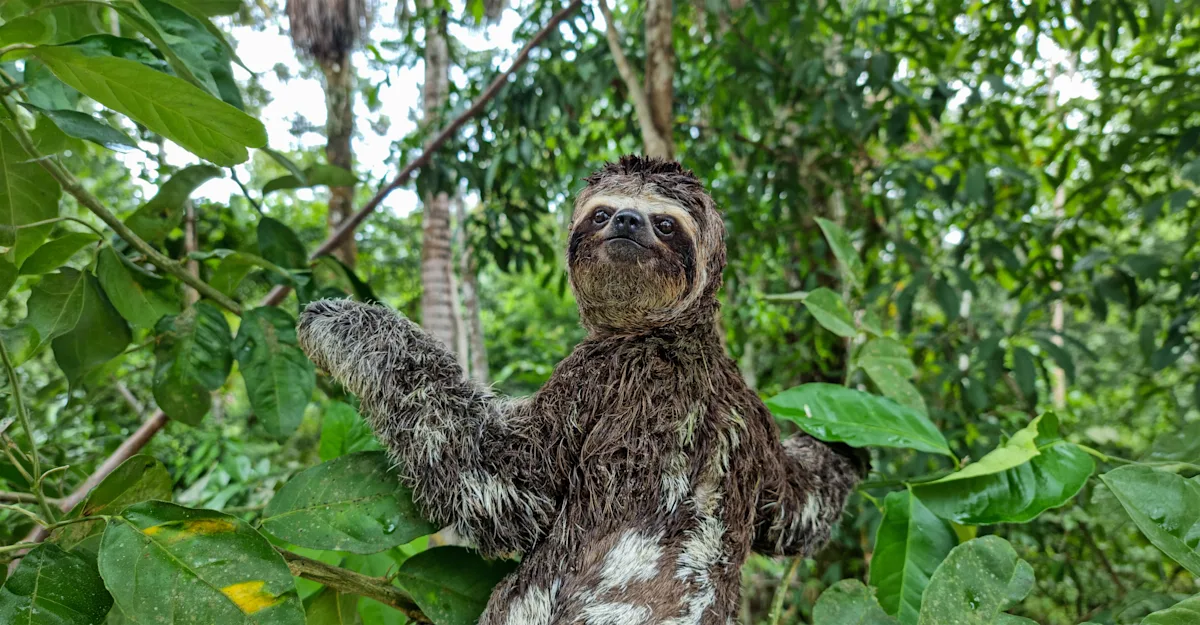
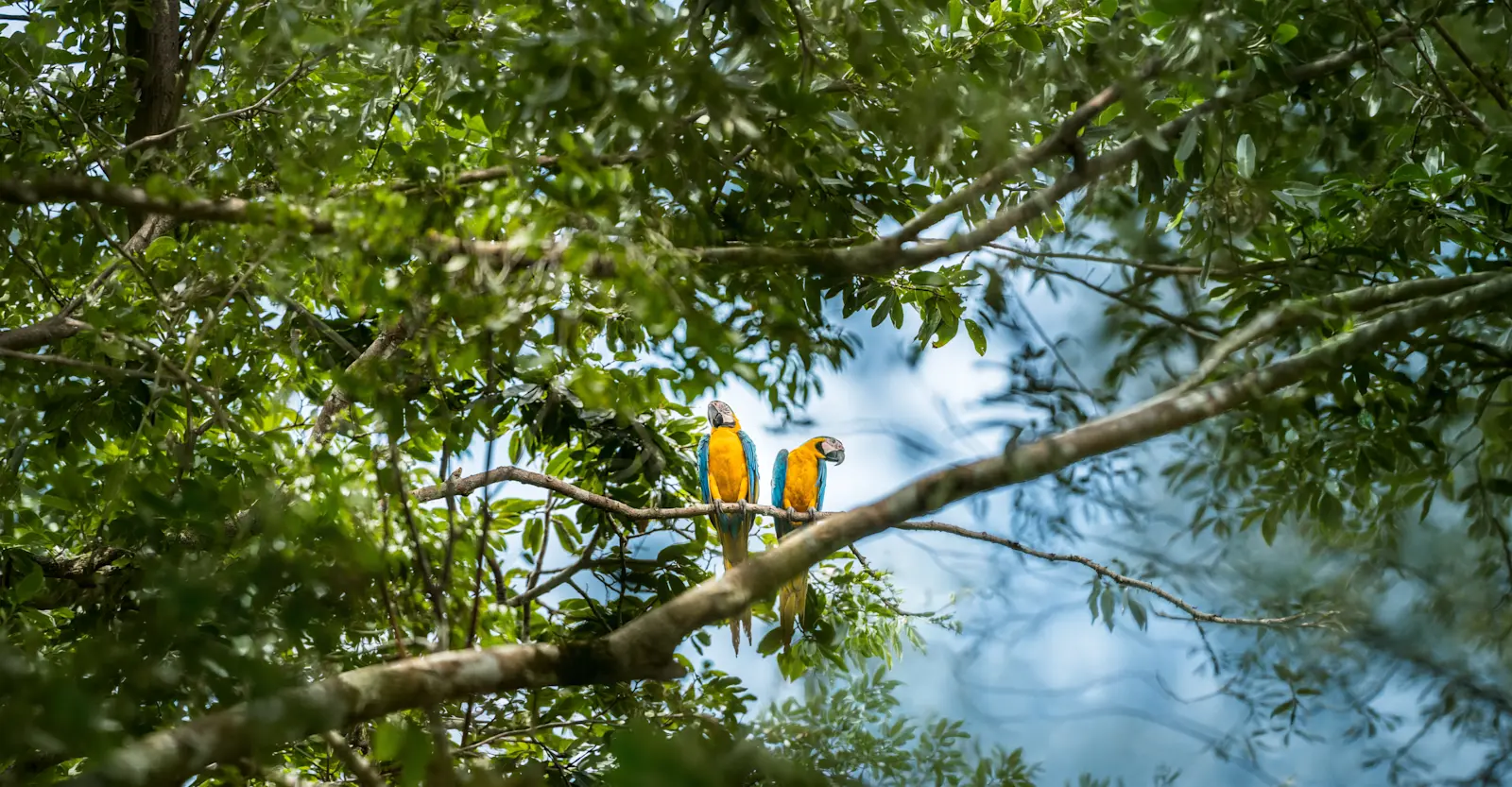
Track numbers and distribution of dolphins, primates, birds, fish and terrestrial mammals across multiple habitats.
Tag & Measure Wildlife
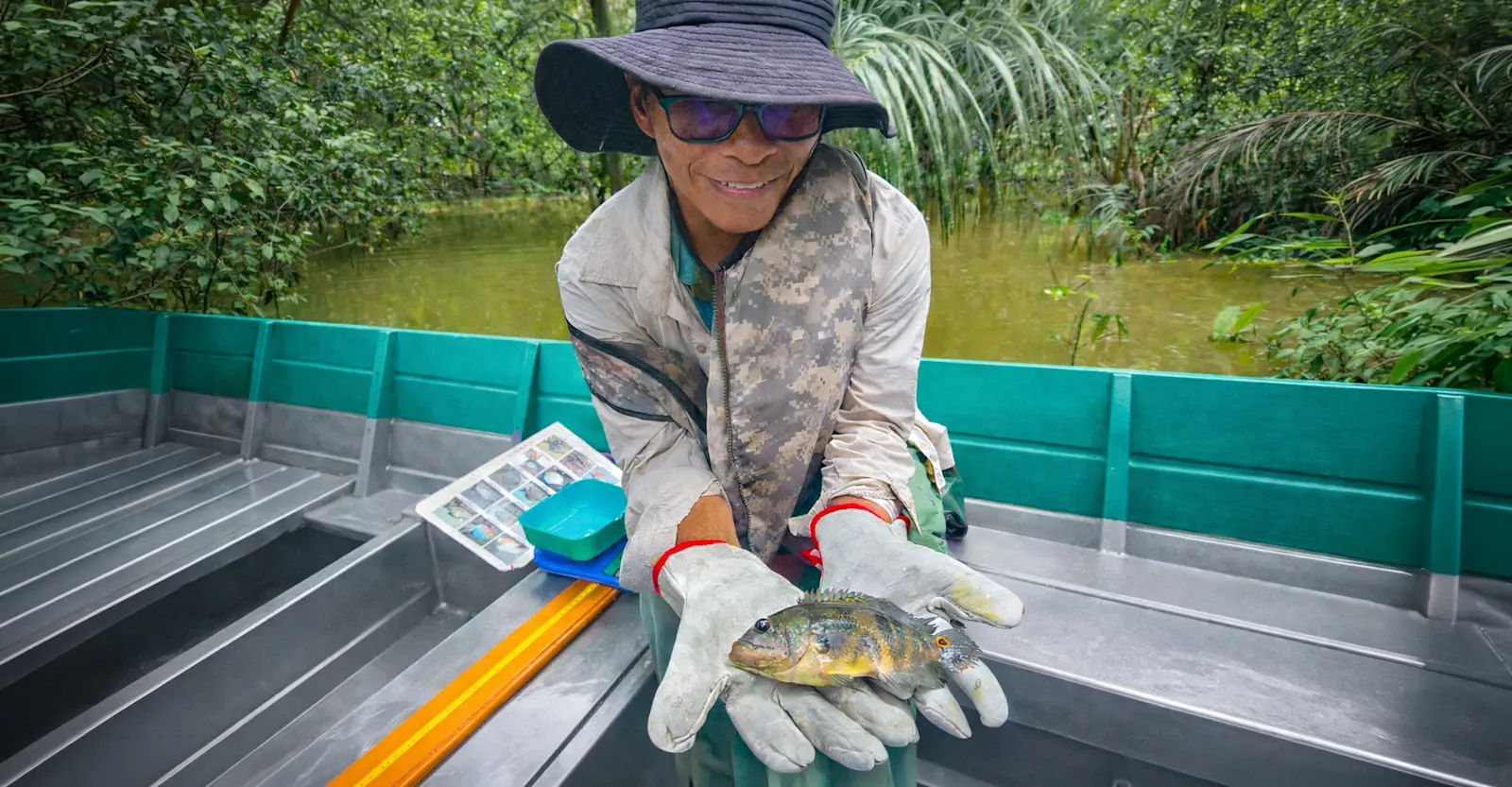
Assist with fish sampling and data collection to understand ecosystem health and food systems.
Observe Animal Behavior
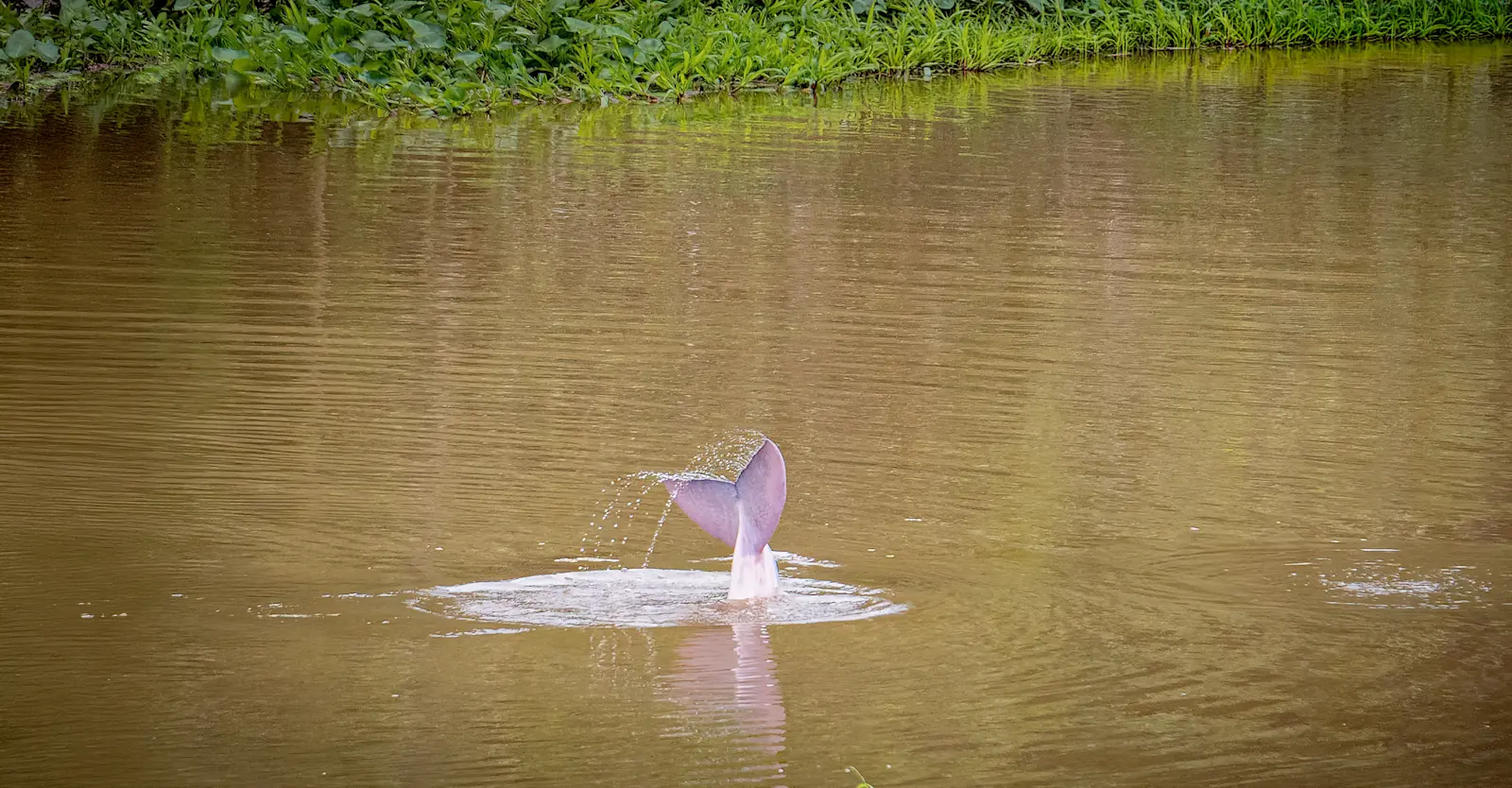
Document feeding, movement and social interactions—including rare interspecies dolphin behavior.
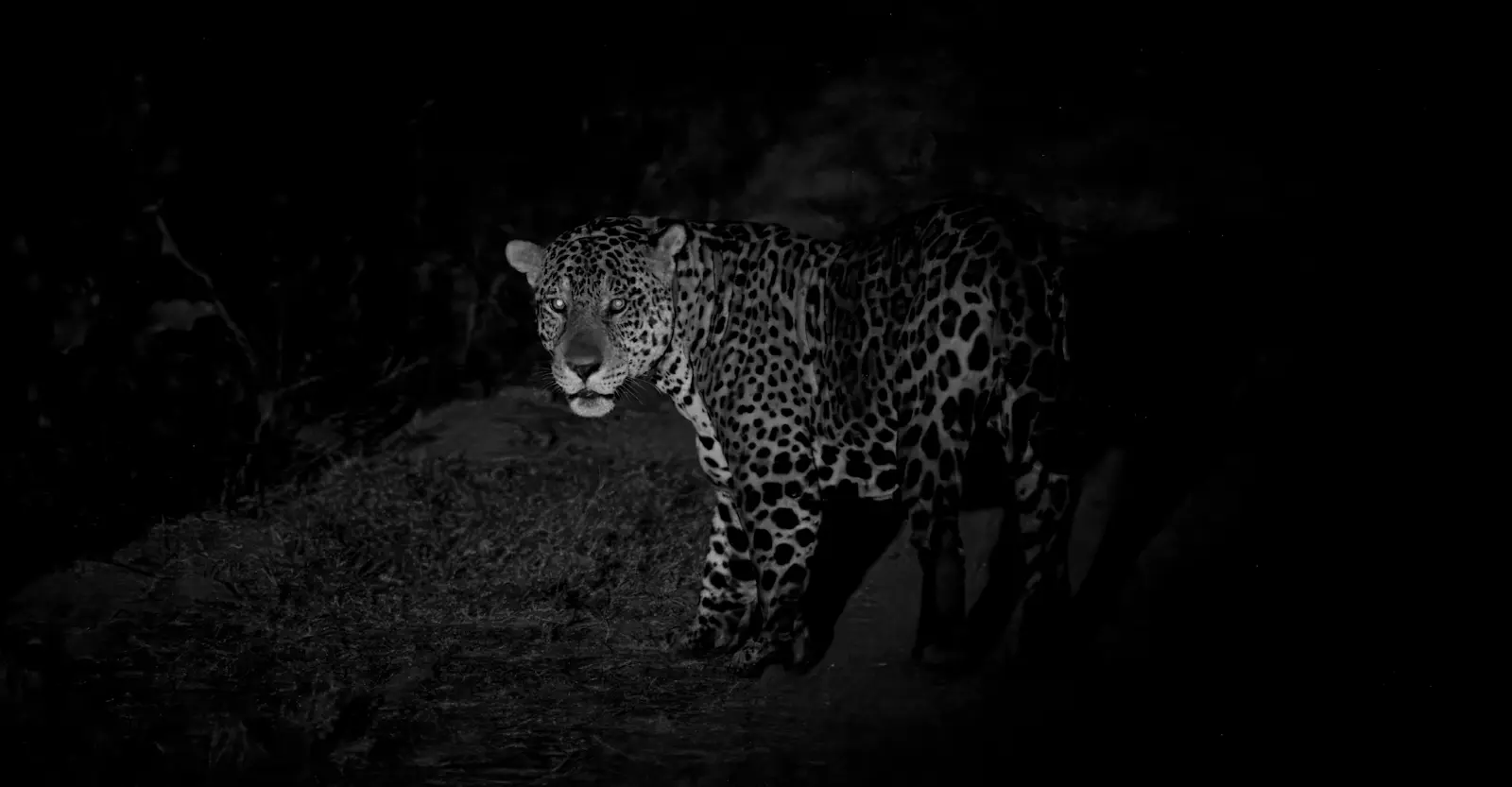
Deploy Camera Traps
Use motion cameras and acoustic tools to monitor elusive terrestrial species and nocturnal wildlife.
Meet Your Lead Scientist

Richard Bodmer, Ph.D.
Dr. Richard Bodmer has spent decades conducting fieldwork in the Peruvian Amazon. His research has helped define community-based conservation and the sustainable management of wildlife populations.
Read moreResearch Focus
Since 2006, scientists in the Upper Amazon River Basin have studied how changes in water levels on the Yarapa River and surrounding channels determine where wildlife feed, move and ultimately survive, and how those shifts are affecting the people who live among them. Fieldwork centers on species integral to the regional ecosystem: endangered pink and gray river dolphins, fish that sustain local food systems, primates and birds in the canopy, and terrestrial mammals such as peccaries and jaguars. Surveys follow these animals across river channels and through the forest, recording where they occur, their movement patterns, and how populations change as water conditions shift.
Dolphins and fish serve as indicators of aquatic health. Camera traps capture images of elusive mammals on land. Bird counts and forest observations reveal how species use the canopy and understory. These datasets are then aligned with long-term water level records to show how environmental change impacts the entire ecosystem—and what the consequences may be.
-
30 Years of Amazon Studies
Track how climate change, river levels and development affect wildlife and Indigenous livelihoods—data that guides conservation, policy and sustainable resource use.
Conservation Impact
Driven by climate change, flooding and drought are impacting the forests of Peru's Upper Amazon, altering wildlife populations and the resources local communities depend on. For more than three decades, this research project has tracked those changes and measured impacts, making these contributions:
Built more than 30 years of continuous data, creating one of the most comprehensive long-term records of Amazon wildlife and climate impacts
Informed establishment of the Tamshiyacu-Tahuayo Community Reserve, a model for community-based conservation in the Peruvian Amazon
Supported the expansion of conservation areas across Loreto, including community-managed and co-managed reserves that now protect a significant portion of the region
Defined sustainable harvest levels for fish and bushmeat, supporting both biodiversity and food security
Guided local decisions on fishing pressure, hunting practices and habitat use as environmental conditions shift
Shaped wildlife management and protected area planning by Peruvian agencies and regional authorities
Anticipated emerging threats by informing responses to large-scale river modification projects that could cause detrimental changes to water levels and habitat structure
This work continues year after year, with each observation strengthening the long-term record used to understand change and guide conservation across one of the world’s most complex ecosystems.
Your Role in the Research
Head out by skiff at first light, scanning the water's calm surface for the brief rise of a river dolphin. Call out sightings, track group size and record location and behavior as we move through rivers, lakes and narrow channels. In the rainforest, work along the edges and into the dense interior, following calls, movements and feeding signs to locate birds and primates. Walk short transects and record what you seen and where. On fish surveys, catch fish with a pole and line and occasionally assist with net-based fish sampling. Identify fish, recording size and number as part of ongoing surveys to assess ecosystem health and local food systems.
After dark, return to the river with spotlights, scanning the banks for the reflected eyes of caimans. Move slowly along the shoreline, counting individuals and recording size and location as nocturnal species become active. Each observation is recorded and added to long-term datasets tracking how wildlife responds to changing water levels and climate conditions.
Life in the Field
Days are structured around times when wildlife is most active. Early mornings begin on the water, traveling by skiff through rivers and narrow channels, stopping often to scan, listen and record sightings as they happen. By midday, heat and humidity build and activity slows. We return to the riverboat to rest, review data and prepare for the next fieldwork session. In the afternoon, study resumes in different waterways or along forest edges, with changing light and weather conditions affecting where surveys occur and what we might see.
After dinner, evenings evolve into night work along the river. Using spotlights, teams move slowly along the banks to locate caimans and other nocturnal species like fishing bats or frogs spotted during surveys of floating islands of vegetation. Some outings bring steady sightings, while others require patience, with long stretches of quiet between animal activity.
Field Conditions
Fieldwork takes place in a tropical environment with high heat and humidity. Expect early mornings, long days and time on the water after dark. During studies, we travel by small skiff and on foot. Walking on land, we move over uneven, sometimes muddy terrain, with frequent stops to watch, listen and record. On the water, spend extended periods seated or standing while scanning for movement across the surface and along the banks. Expect insects, wet surfaces and exposure to sun and rain. Flooded forest areas may involve navigating tight channels and maneuvering between partially submerged trees.
After dark, surveys are conducted by spotlight along the riverbank, with attention focused within a narrow beam. Plans shift with weather, water levels and research priorities. Wildlife is not guaranteed—sightings depend on timing, conditions and sustained observation.