- Nov–Feb
- 7 Days
- Limited to 12 Participants
From $6938
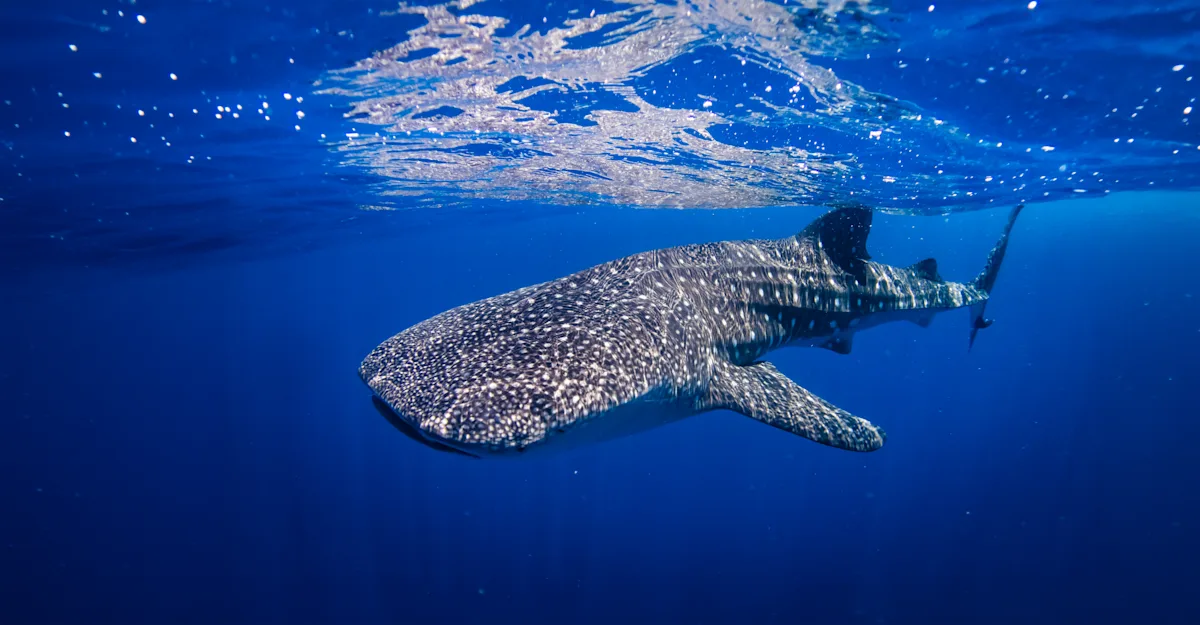
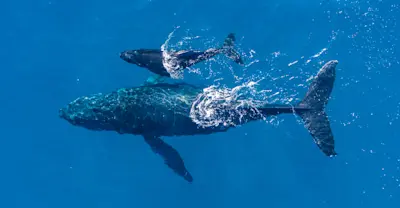
Off the Baja Peninsula, the Sea of Cortez is one of Earth's richest marine ecosystems, attracting humpback whales and whale sharks in winter, and bottlenose dolphins year-round. Nutrient-rich currents rising from the deep ocean feed plankton and fish that sustain these ocean giants. On the Pacific side, humpbacks also frequent the waters off Todos Santos. But these marine environments are changing rapidly, altering animal behavior, migration routes and feeding patterns. Gain rare access to this habitat alongside researchers studying the impacts of environmental change. From small research vessels in La Paz Bay, photograph whale flukes and dolphin dorsal fins for identification studies and lower a hydrophone to listen to dolphin clicks and, if we're lucky, whale songs. Cross the peninsula to observe humpback behavior from clifftop stations overlooking the Pacific. When conditions permit, swim with gentle whale sharks, using underwater cameras to document the unique spot patterns researchers use to identify individuals.
Photo gallery
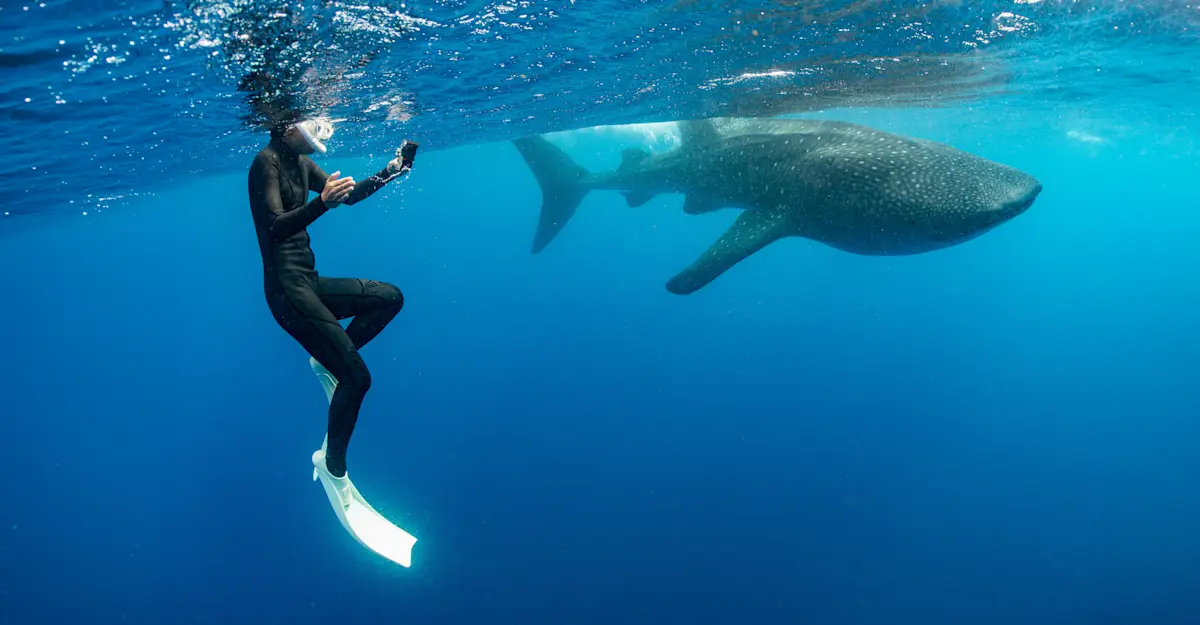
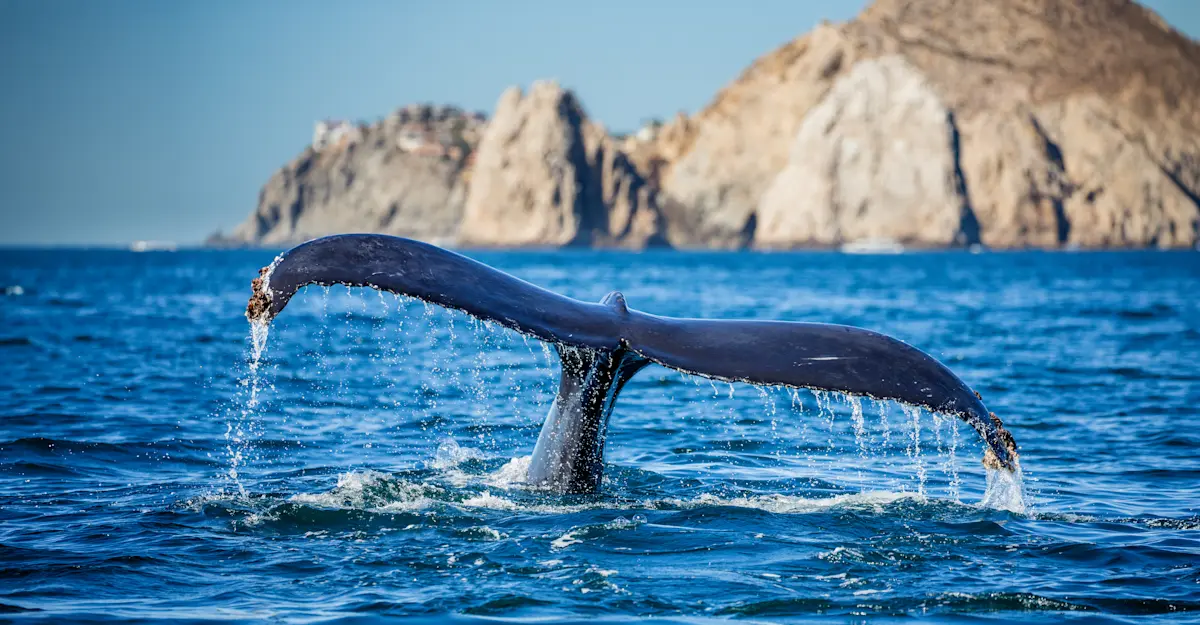
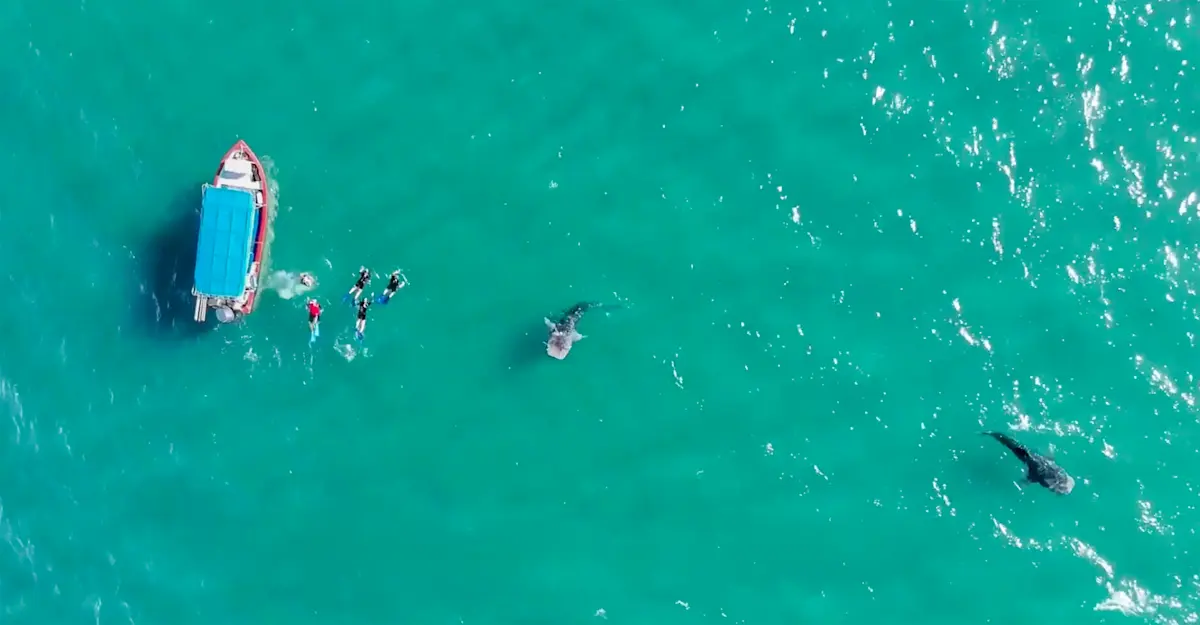
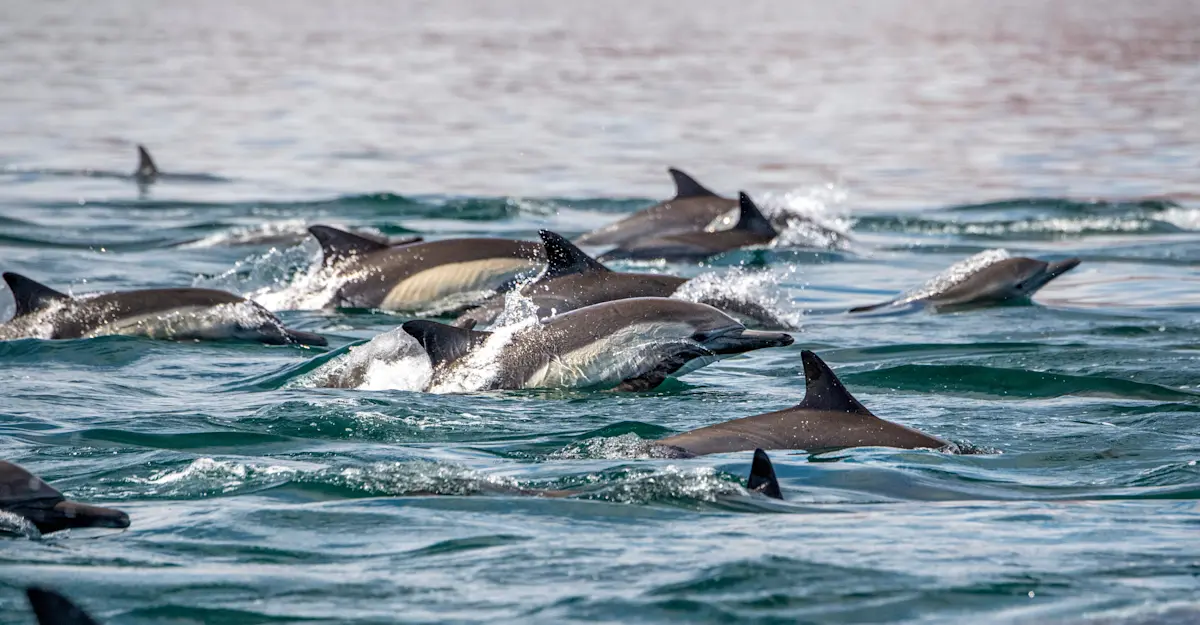
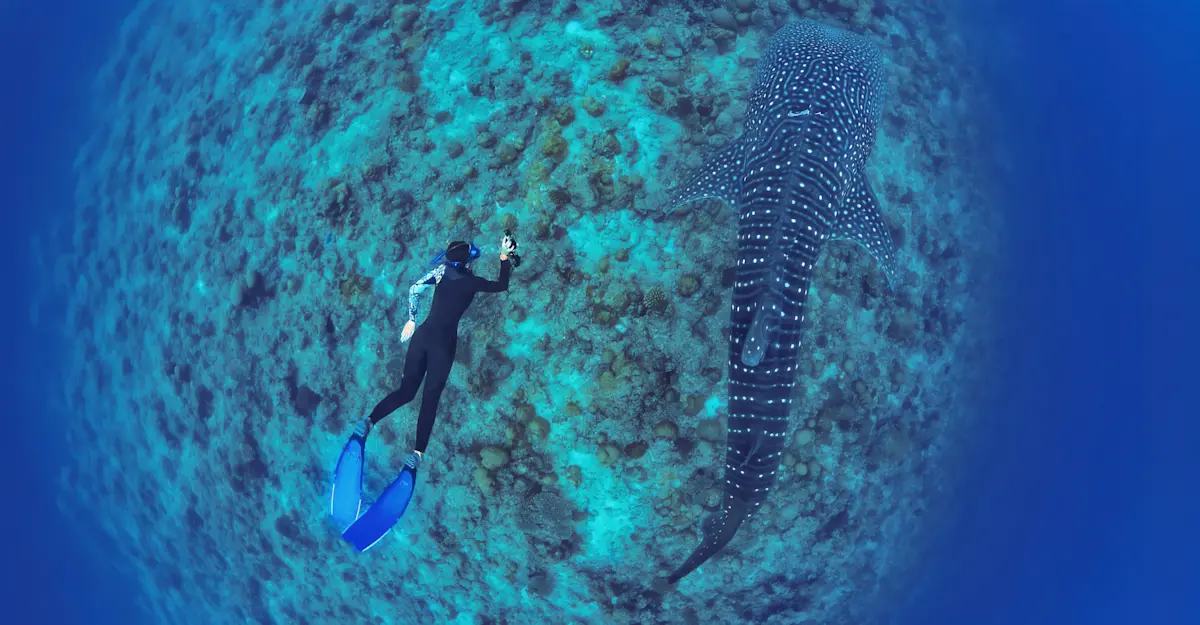
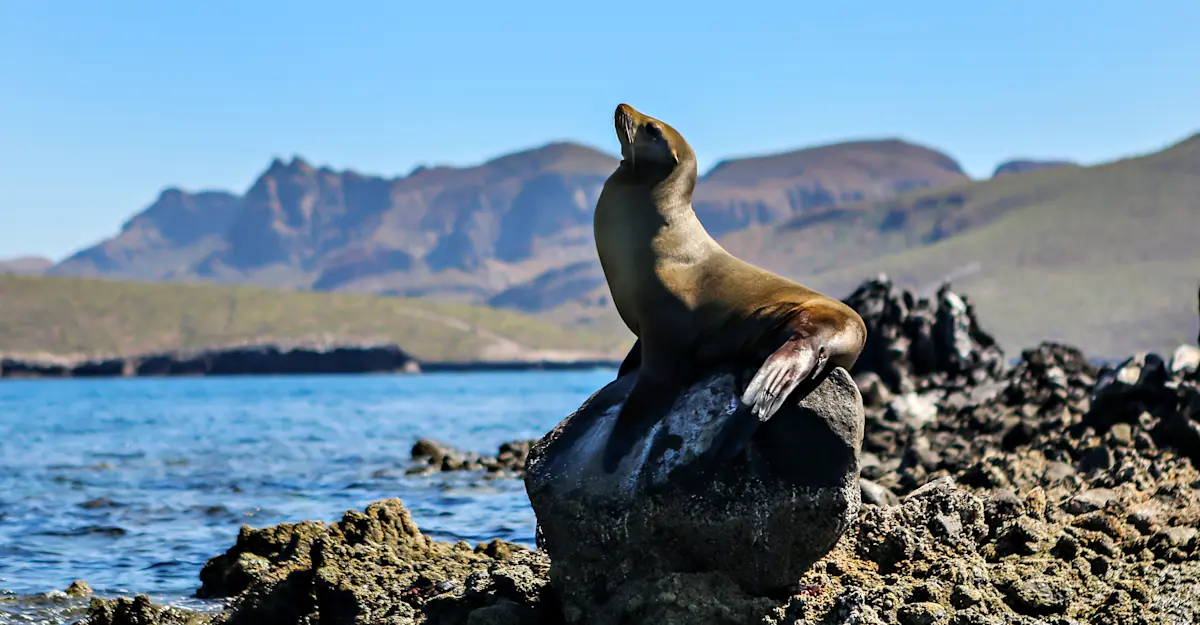
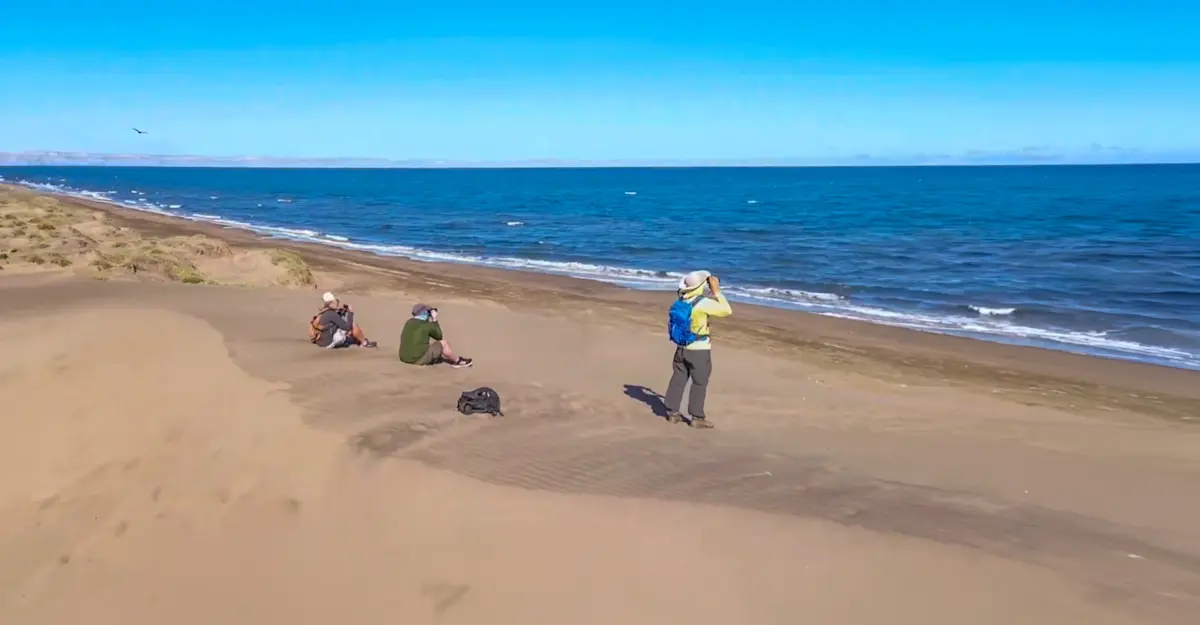
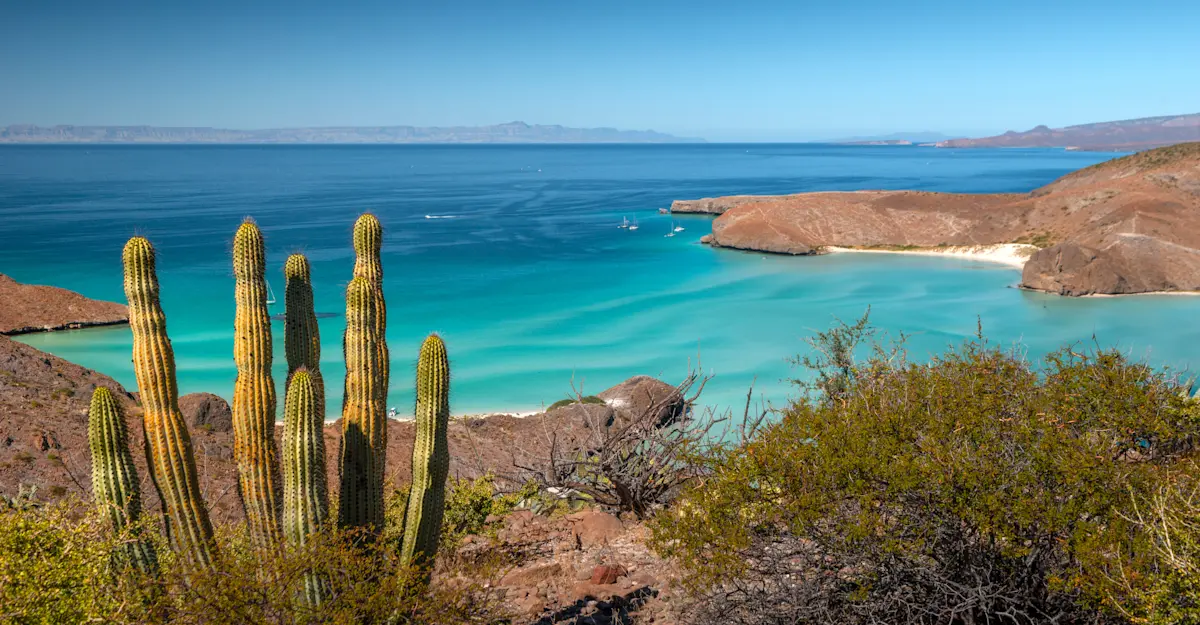
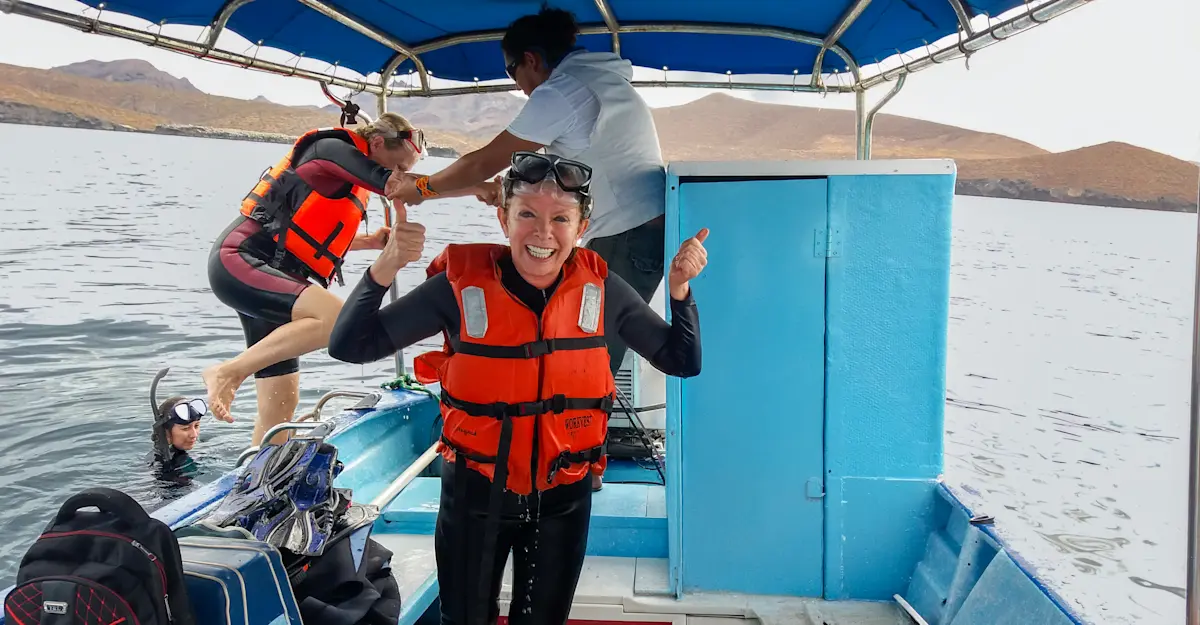
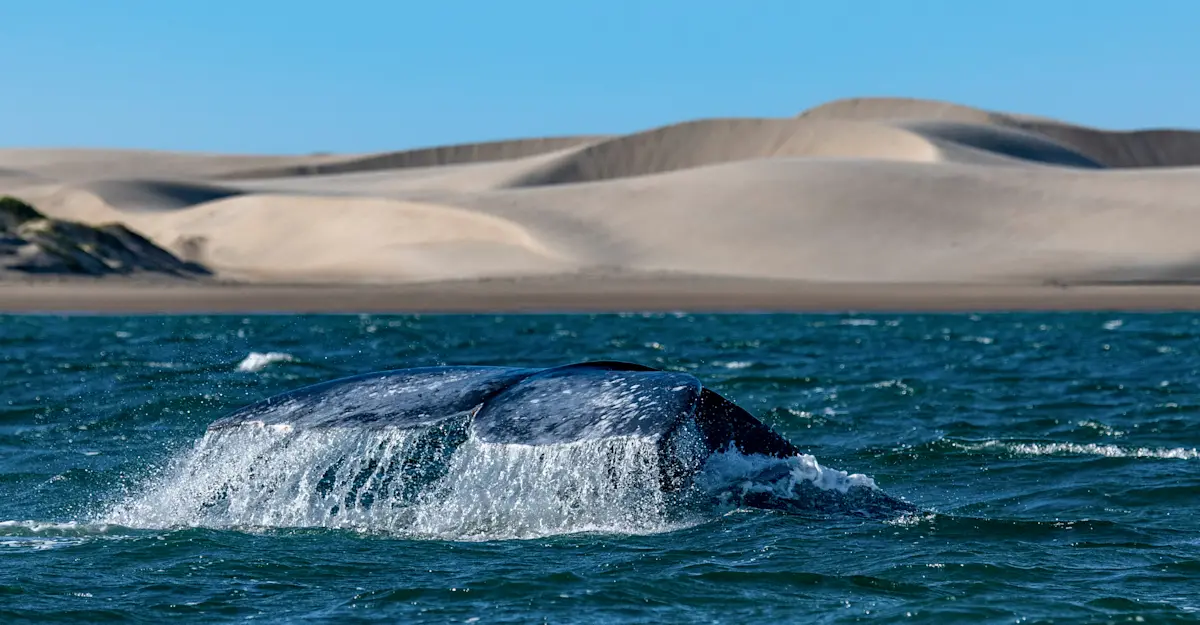
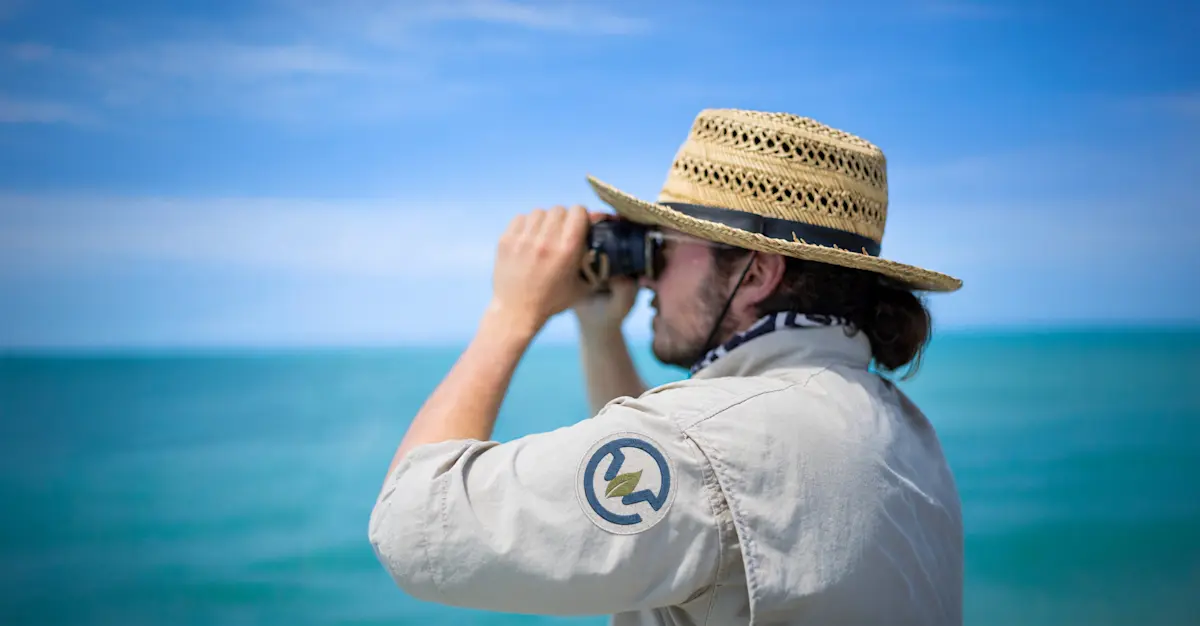
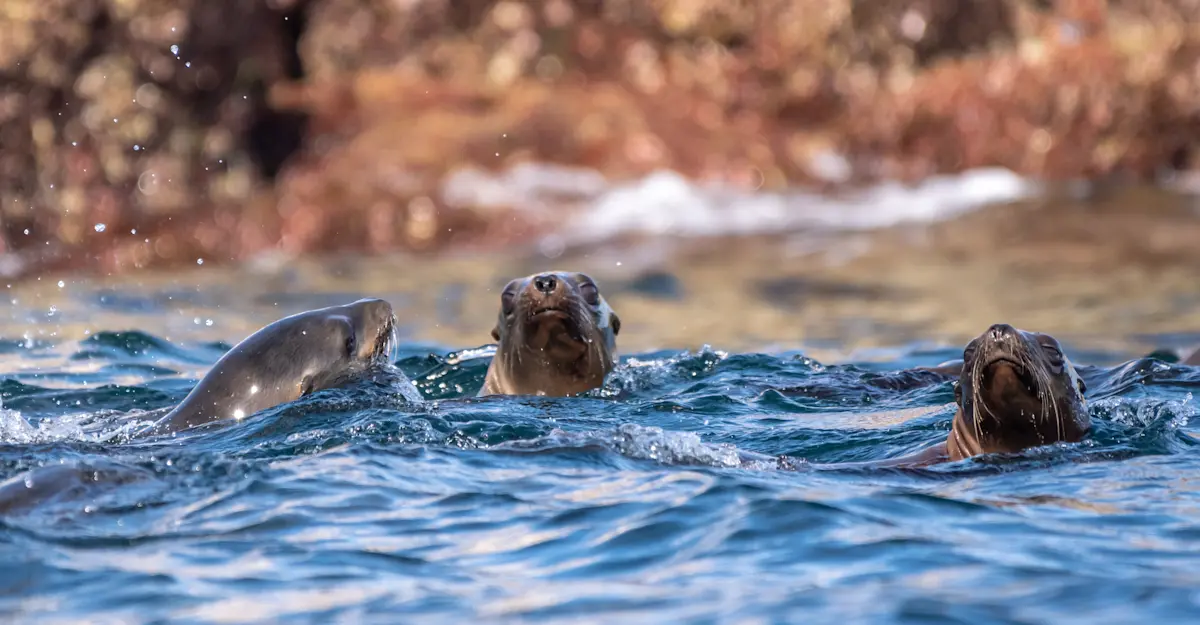
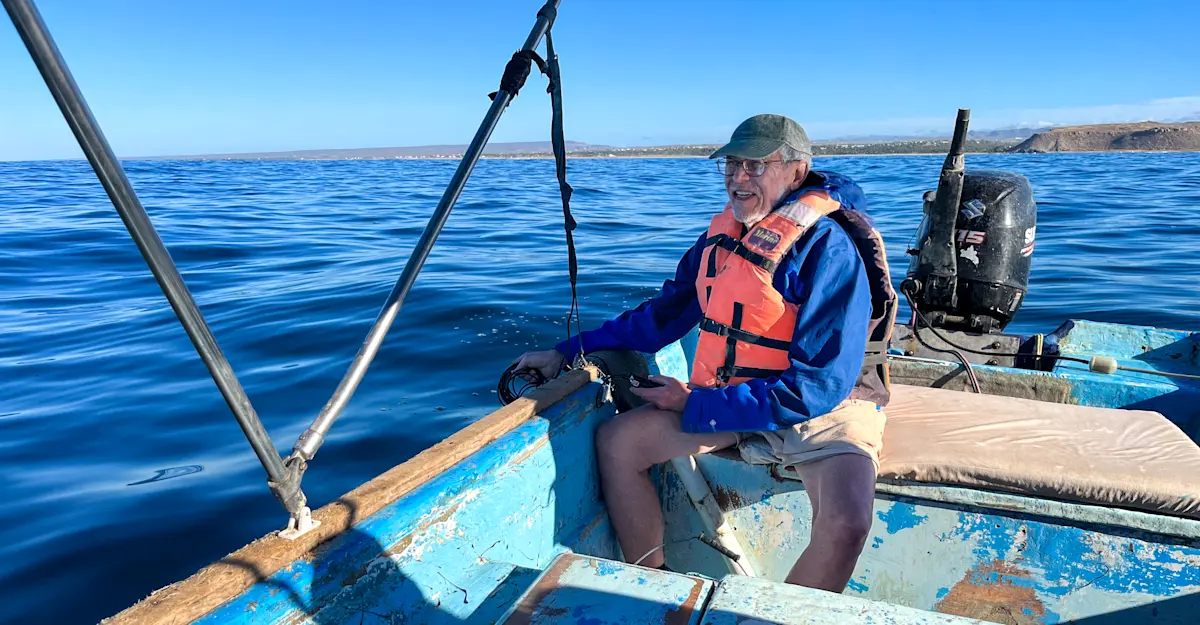
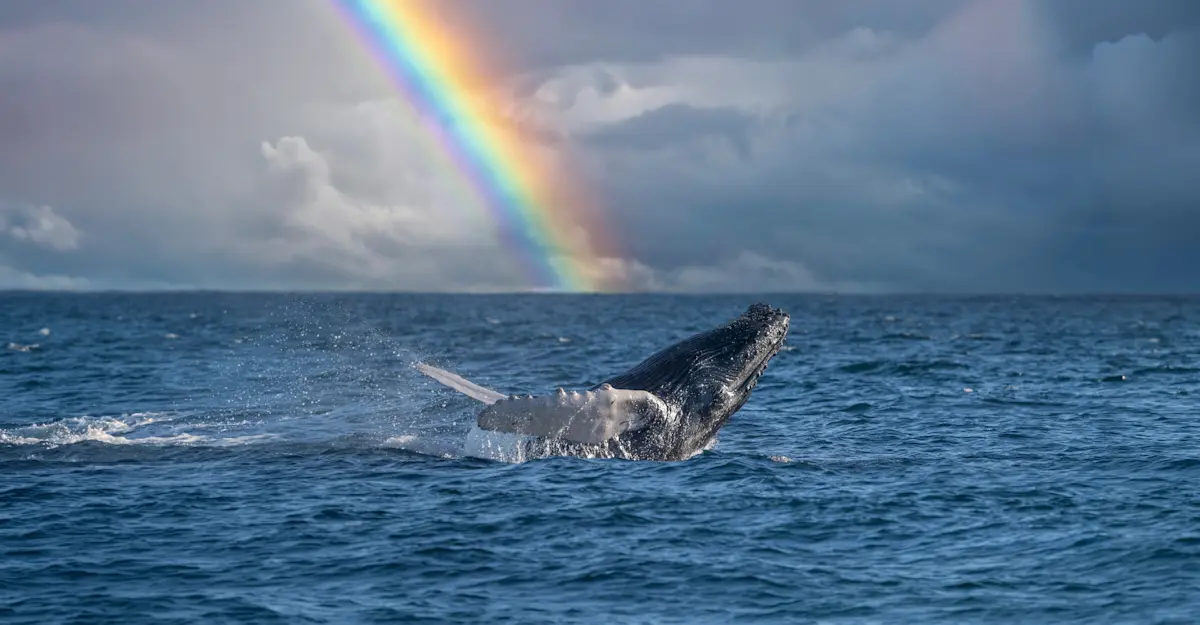
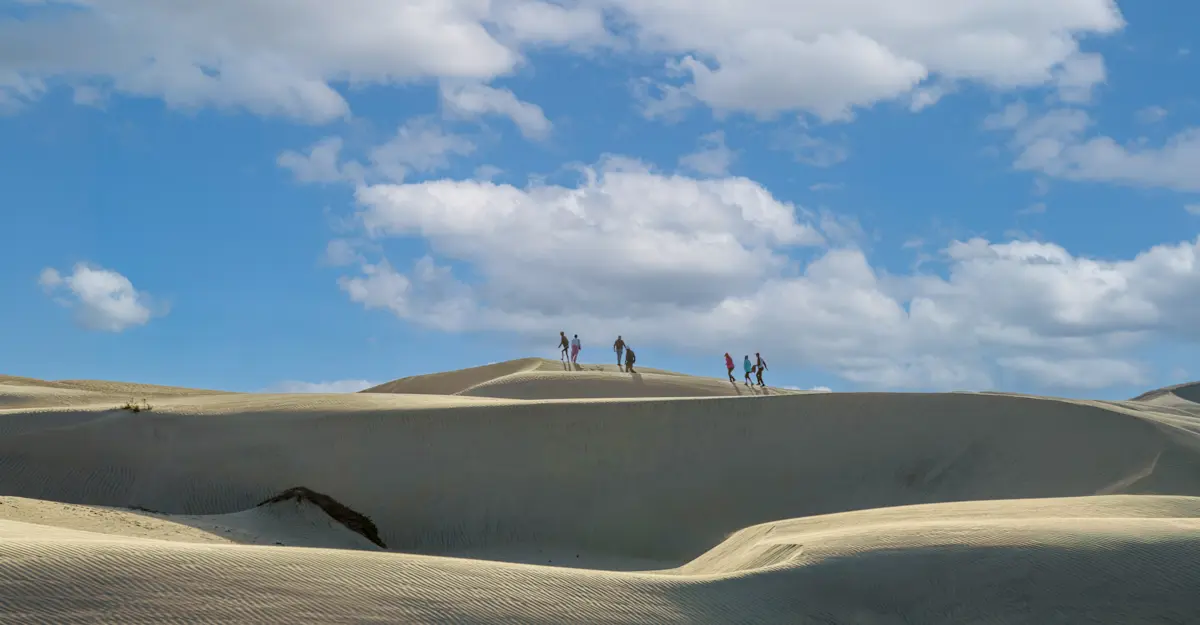
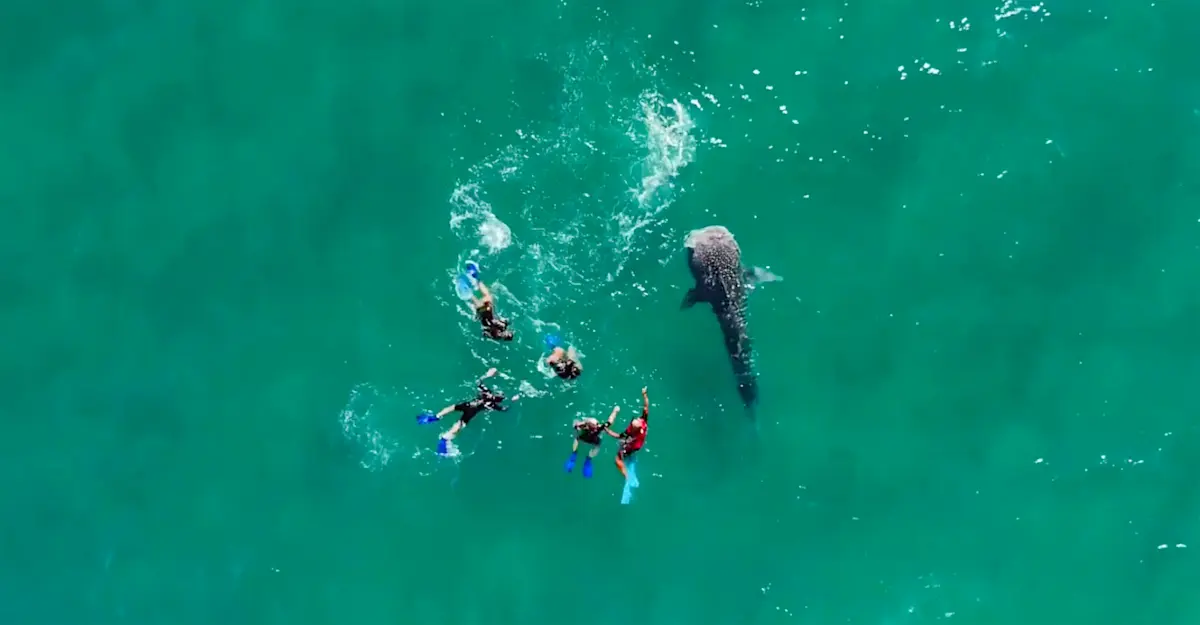
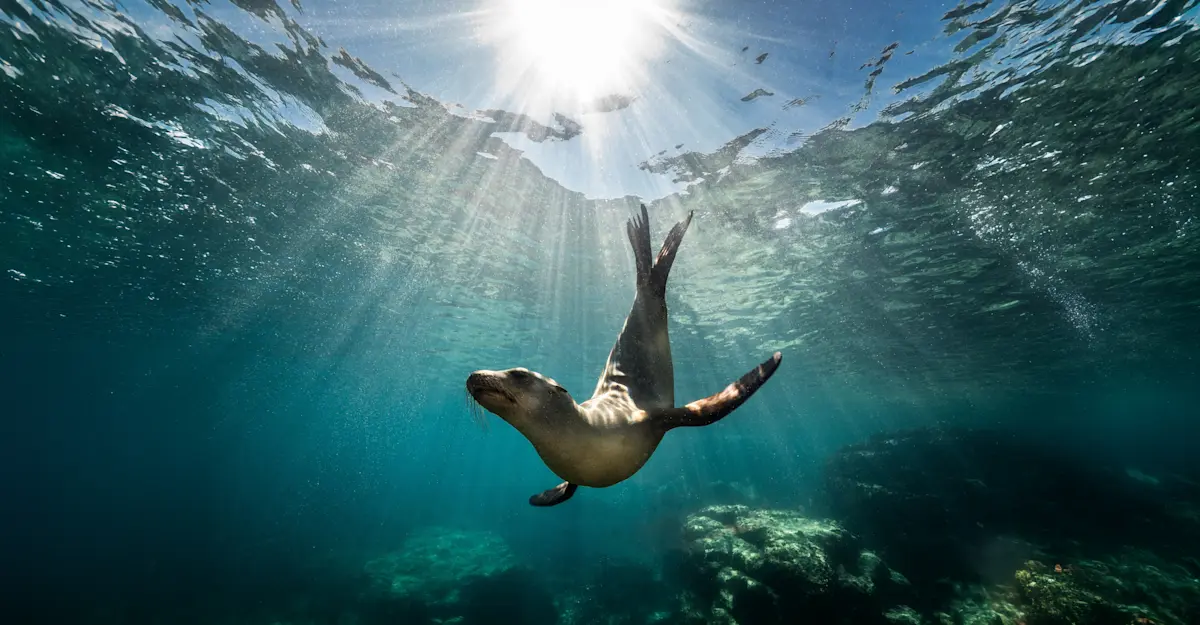
Photo 1 of 17
Research at a Glance
Your Role in Research
The Research Focus
Document how environmental shifts, such as marine heat waves and growing tourism, alter the migration, feeding and habitat use of humpback whales, dolphins and whale sharks across Baja California Sur.
What You'll Do
Conduct boat- and land-based surveys via multiple modes: photograph marine giants for identification, record behaviors, use hydrophones, and monitor ecotourism compliance to assess human impact.
Why It Matters
Critical data gaps exist regarding how climate change and urbanization impact marine giants; policymakers need baseline evidence to develop sustainable conservation strategies.
Expedition Highlights
-
Track & Monitor Ocean Giants—and Swim with Whale Sharks!
Photograph and document humpback whales and bottlenose dolphins, and collect data on whale sharks while swimming alongside them
-
Explore the Wild Pacific Coast of Baja
Off Baja's rugged Pacific shoreline near Todos Santos where humpback whales migrate offshore, conduct fieldwork and hike through coastal desert landscapes
-
Listen to the Underwater World
Lower a hydrophone beneath the surface to hear humpback whale songs and dolphin clicks, revealing a submarine world most travelers never experience
Meet Your Lead Scientist

Lenin Oviedo, Ph.D.
Dr. Lenin Oviedo Correa has spent years studying whales and dolphins across Latin America, focusing on how marine mammals respond to environmental and human pressures. His long-term research in Costa Rica’s Golfo Dulce helped support new protections for one of the region’s most important marine ecosystems.
Read more
Gain Insider Access to Marine Wildlife Research
Go behind the scenes of active whale, dolphin and whale shark conservation efforts with access to study sites throughout Baja California Sur. Join researchers in the field to photograph marine life, monitor species behavior and contribute to ongoing conservation work—experiences available to very few travelers.Track Humpback Whales From Coastal Lookouts
Hike coastal trails near Todos Santos to observation points high above the open Pacific Ocean, to help researchers track humpback whale movements and assess breathing patterns—an indicator of stress levels—and group behavior along the coastline below. Use binoculars to help record marine mammal observations from shore.Capture Nature’s "Fingerprints"
Document the unique markings on whales, dolphins and whale sharks that allow scientists to identify individuals and monitor their movements and behavior over time.Help Decipher Tourism's Impact on Whale Sharks
Collect data documenting how growing numbers of boats and swimmers in La Paz Bay may be altering whale shark behavior in one of Baja’s most important seasonal aggregation sites. This information supports efforts to improve tourism management and better protect these vulnerable animals.Snorkel With Sea Lions in the Sea of Cortez
In the protected waters near San Rafaelito, snorkel alongside tropical fish and playful sea lions in a shallow corner of the Sea of Cortez.Experience Baja's Desert-Meets-Ocean Landscape
Cruise the turquoise waters of La Paz Bay, hike coastal trails above the Pacific Ocean near Todos Santos, and explore a landscape where arid mountains, volcanic shorelines and open ocean converge. Along the way, watch for mobula rays breaking the surface, seabirds wheeling overhead, and humpback whales migrating offshore.Help Protect the Future of Baja's Marine Wildlife
Take part in a marine monitoring effort that has contributed to peer-reviewed scientific publications focused on conservation, ecosystem health and sustainable tourism management in Baja California Sur. The data collected helps scientists better understand how climate change and human activity are affecting marine ecosystems over time.Travel in a Small, Focused Group
Because we deliberately limit group size, each guest gets quality time in the field, enjoying meaningful interactions with the scientific research team, and playing an active role in daily research activities.Explore With Purpose
Rather than observing from the sidelines, contribute directly to the scientific work helping researchers better understand and protect marine wildlife in the Sea of Cortez.