Research & Impact
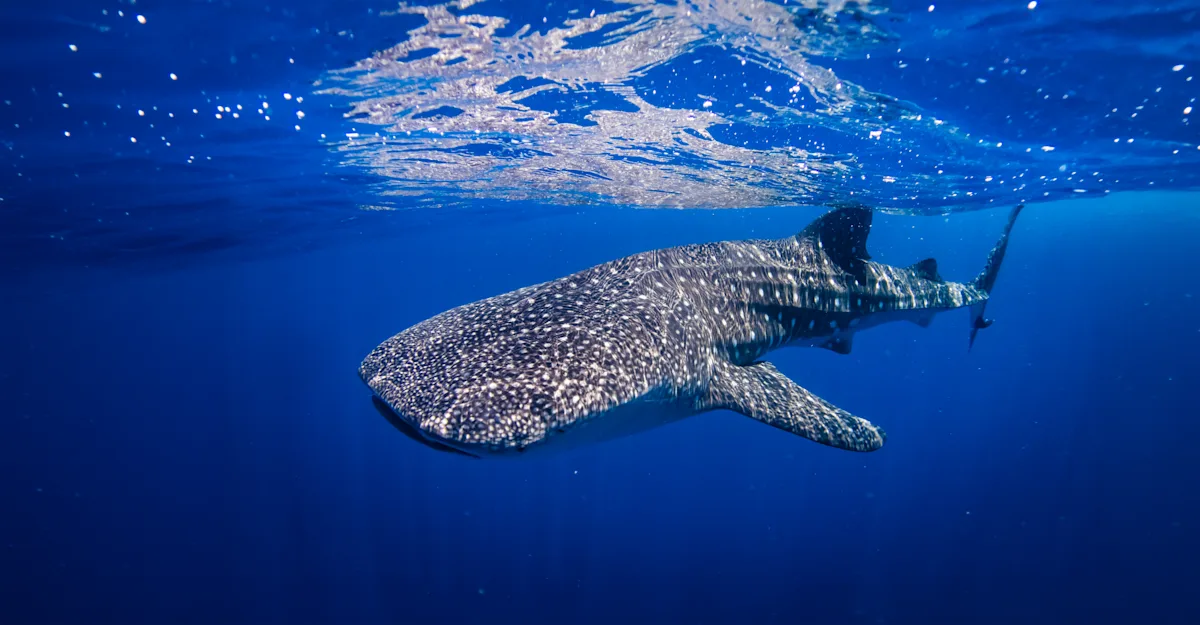
Marine heat waves are reshaping the Pacific in ways scientists are only beginning to understand. In the waters surrounding Baja California Sur, researchers are tracking how warming seas, expanding tourism and coastal development influence the behavior, reproduction, food availability and habitat use of humpback whales, bottlenose dolphins and whale sharks. These animals act as living indicators of ocean health, revealing larger changes unfolding throughout the marine ecosystem. During this expedition, participants contribute to long-term monitoring efforts focused on wildlife behavior, whale shark tourism management and the ecological impacts of extreme climate events in the Sea of Cortez and along Baja’s Pacific coastline.
What You'll Do in the Field
Click a photo to expand details
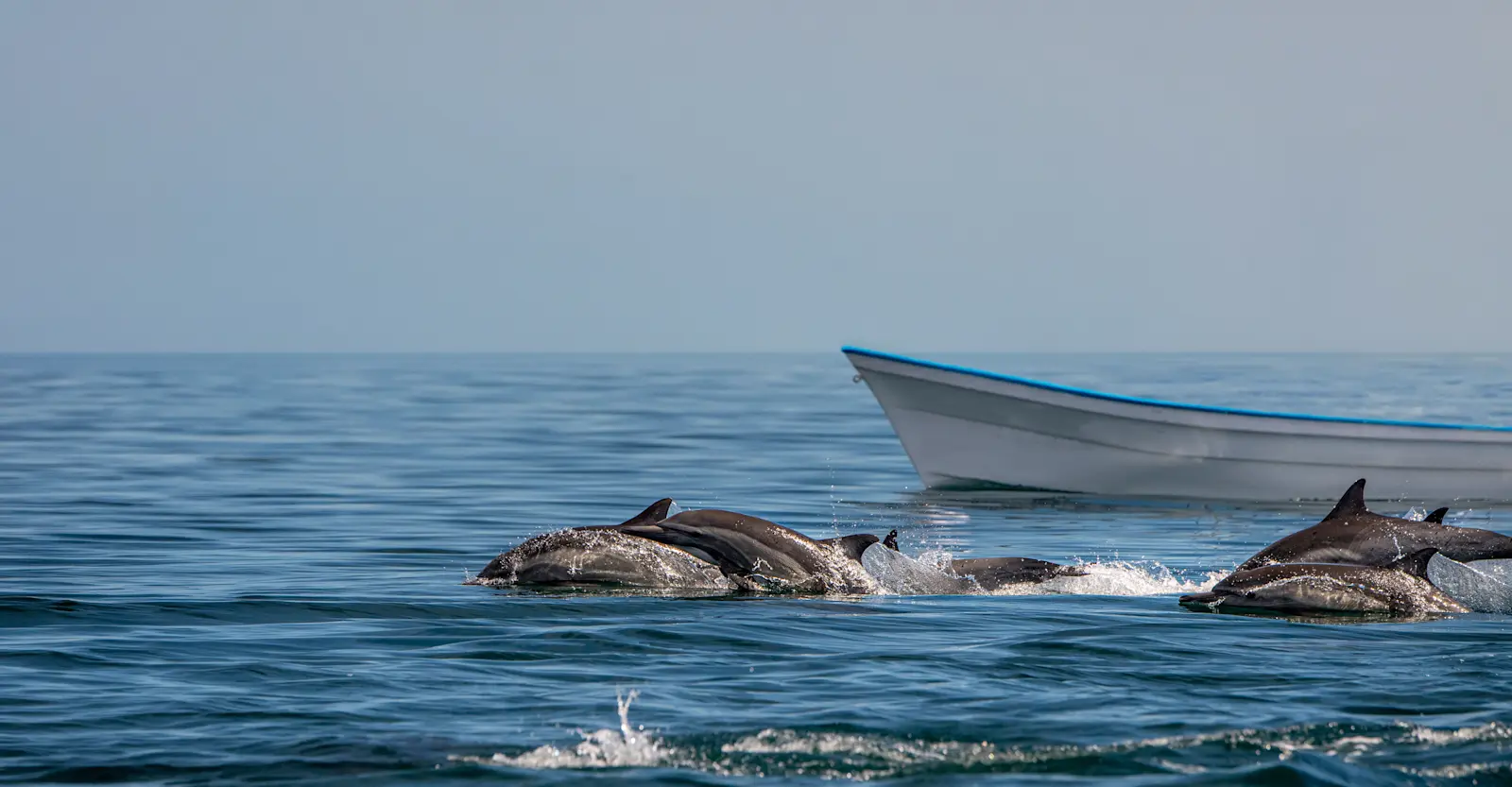
Survey Wildlife Populations
Travel by motorboat through La Paz Bay searching for humpback whales, bottlenose dolphins and whale sharks while photographing individuals, recording GPS locations and collecting environmental data for long-term monitoring studies.
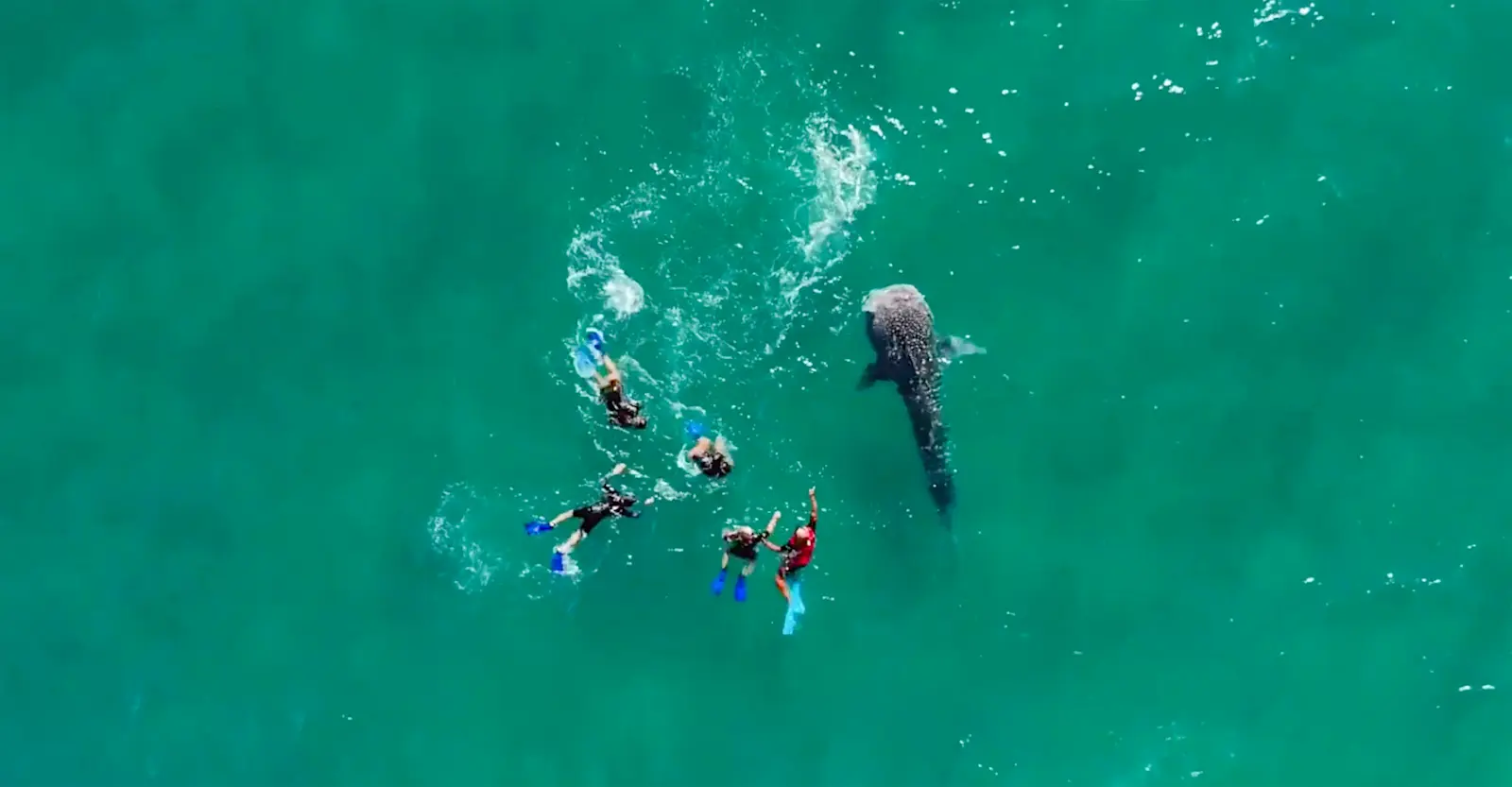
Observe Animal Behavior
Record whale and dolphin breathing patterns, including how long they stay on the surface, how many times they blow air out of their blowhole and inhale (known as blows) while surfaced, and the time between blows. Breathing patterns indicate stress levels.
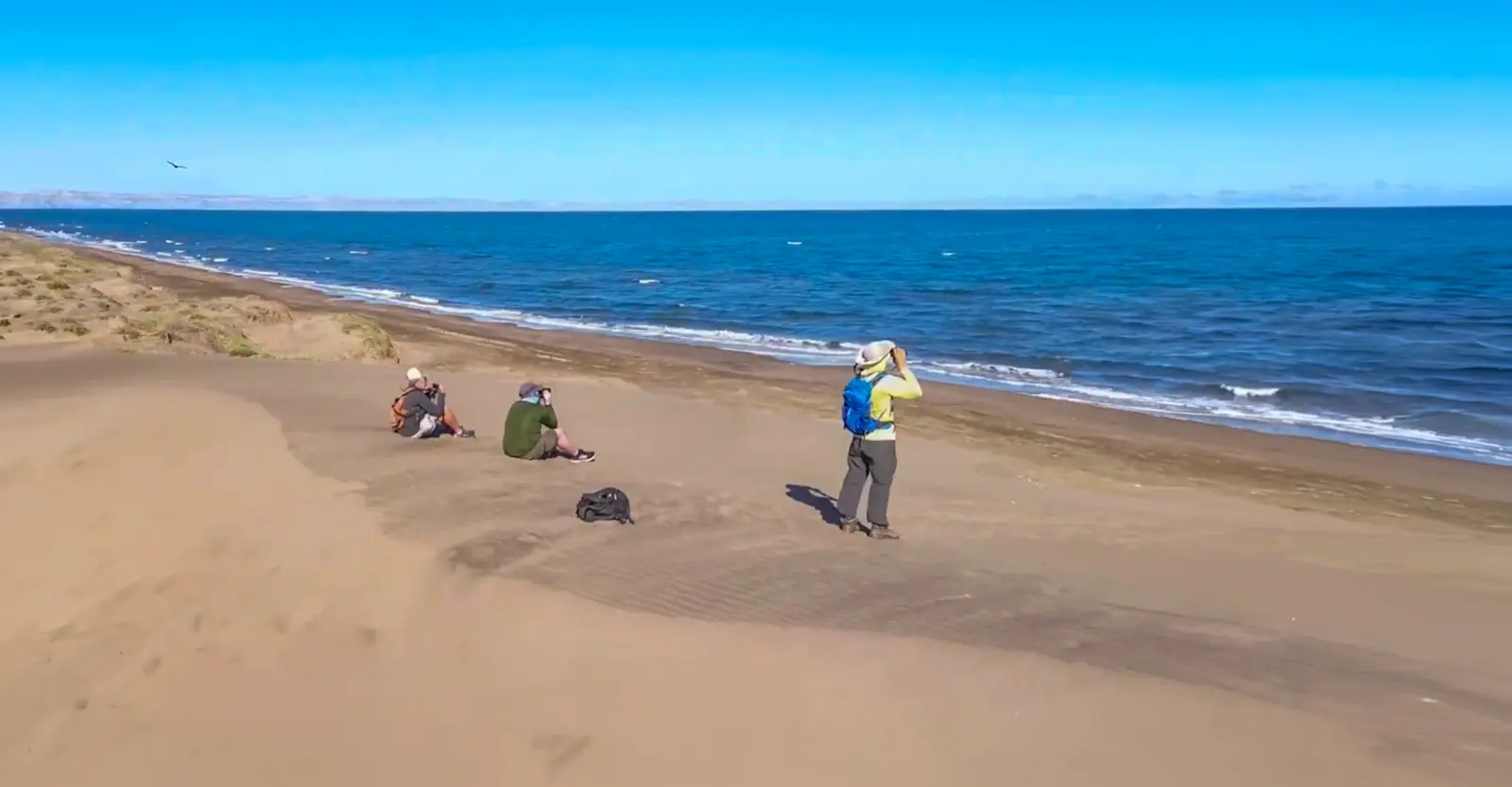
Assess Habitats & Ecosystems
Work from coastal observation points using binoculars to locate marine wildlife, record environmental conditions and assist drone technicians documenting animal movements and behavior from above.
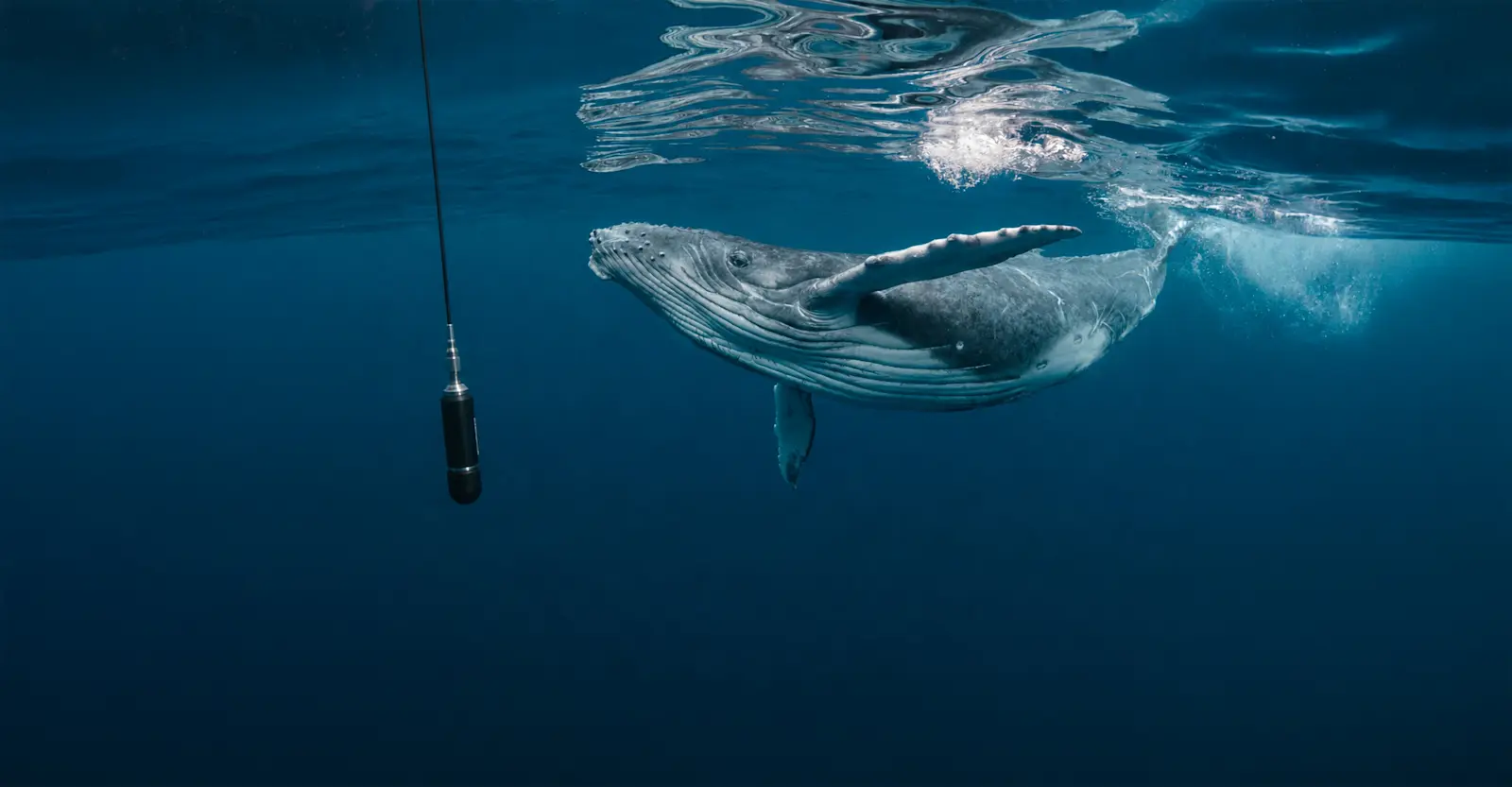
Deploy Acoustic Monitoring Equipment
Lower a hydrophone beneath the surface to record dolphin vocalizations and, when conditions allow, humpback whale songs while assisting researchers studying marine mammal communication and underwater behavior.
Meet Your Lead Scientist

Lenin Oviedo, Ph.D.
Dr. Lenin Oviedo Correa has spent years studying whales and dolphins across Latin America, focusing on how marine mammals respond to environmental and human pressures. His long-term research in Costa Rica’s Golfo Dulce helped support new protections for one of the region’s most important marine ecosystems.
Read moreResearch Focus
In 2014, a massive marine heatwave known as “the Blob” disrupted ecosystems across the Pacific coast, contributing to food shortages, harmful algal blooms and widespread shifts in marine wildlife behavior. Events like this are becoming increasingly common, raising urgent questions about how marine species adapt to rapidly changing ocean conditions. This project focuses on humpback whales, bottlenose dolphins and whale sharks because these animals reveal broader changes happening throughout the ecosystem. By studying how they respond to warming seas, tourism activity and coastal development, researchers can better understand how environmental change is impacting marine life throughout the Baja Peninsula.
-
Track Marine Wildlife to Strengthen Ocean Protection
By studying where whales, dolphins and whale sharks feed, migrate and reproduce, scientists can identify threats, protect critical habitat, and guide conservation action in the Sea of Cortez.
Conservation Impact
This project applies multiple research methods to a single question: how do humpback whales, bottlenose dolphins and whale sharks respond when ocean conditions and human activity change at the same time? By combining long-term photo identification, drone-supported behavioral observation, acoustic monitoring and tourism-impact studies, researchers can track changes that would be impossible to detect through short-term wildlife encounters alone.
Document how whale sharks respond to approaching boats and swimmers in one of Mexico’s busiest marine tourism areas
Evaluate whether tour operators comply with whale shark viewing regulations established by Mexico’s environmental agency, SEMARNAT
Contribute to long-term photo identification catalogs that allow researchers to recognize individual whales, dolphins and whale sharks across years of observation
Compare how marine species behave in heavily visited waters versus more remote sections of the Baja coastline
Combine drone footage, acoustic recordings and behavioral observations to study marine wildlife from multiple perspectives
Monitor changes in whale and dolphin behavior that may signal shifting prey availability or environmental stress
Contribute data used in peer-reviewed research supporting marine conservation planning and sustainable tourism management in Baja California Sur
The research helps scientists and local authorities improve wildlife tourism practices, identify emerging ecological changes and make more informed decisions about marine protection in the Sea of Cortez.
Your Role in the Research
Travel by boat and on foot between research sites in La Paz Bay and along the Pacific coast near Todos Santos, helping scientists document whales, dolphins and whale sharks from both the water and shore. Photograph dorsal fins, whale flukes and whale shark spot patterns for identification studies, record behavioral observations and assist with acoustic monitoring using hydrophones. Each sighting contributes to a growing long-term dataset used to understand how marine wildlife responds to warming seas, tourism activity and shifting ocean conditions in Baja California Sur.
Life in the Field
Daily activities are influenced by weather, sea conditions and wildlife activity. When conditions are calm, teams head onto the water to survey dolphins, whale sharks and humpback whales from small research vessels in La Paz Bay. Other days focus on land-based observations from coastal lookouts near Todos Santos and Punta Lobos, where researchers track whale behavior from cliffs overlooking the Pacific. When visibility or ocean conditions limit fieldwork, attention shifts to processing photographs, reviewing acoustic recordings and identifying individual animals from long-term photo catalogs. Some days bring repeated wildlife encounters while others require patience, flexibility and concerted observation—an authentic reflection of marine field research in a dynamic ocean environment.
Field Conditions
Fieldwork takes place aboard small boats, along coastal trails and at land-based observation points in Baja California Sur. Expect extended time outdoors in warm, sunny and often windy conditions, with temperatures commonly ranging from 70° to 90 °F. Activities are likely to include hiking on uneven terrain, boarding small boats from shore and spending several hours at sea or at exposed coastal lookouts. Daily plans shift with weather, wildlife activity and ocean conditions, making flexibility an important part of the experience.