Know Before You Go
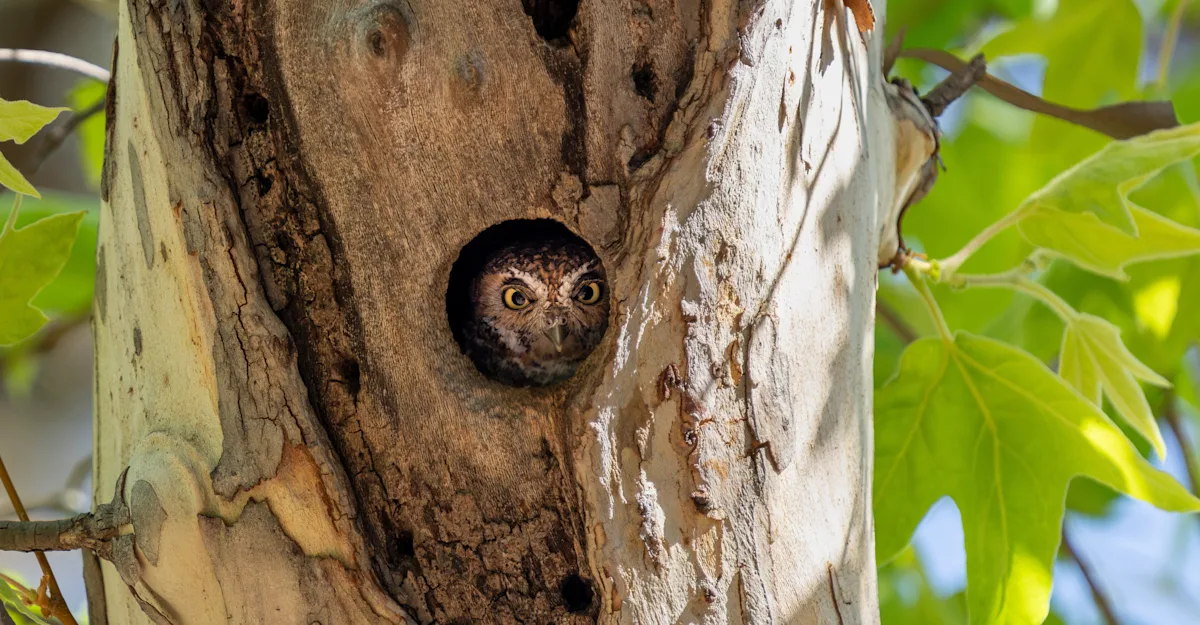
In Arizona's Chiricahua Mountains, owl calls echo through pine-oak canyons long after sunset. Hidden within old woodpecker cavities, standing dead trees and rugged mountain forests, species such as flammulated owls, northern saw-whet owls, elf owls and whiskered screech-owls depend on nesting habitat that few people ever have the opportunity to explore.
Why Are Arizona's Sky Islands One of the Best Places in the World to Study Forest Owls?
Arizona's Sky Islands, including the Chiricahua Mountains, contain an unusual concentration of habitats within a relatively small area. Desert grasslands, oak woodlands, pine forests and mixed-conifer forests occur across steep elevation gradients, allowing forest owl species from the Rocky Mountains, Mexico and the American Southwest to overlap in a single mountain range.
For scientists, this creates a rare opportunity to compare how different owl species nest, hunt and use forest habitats across changing environmental conditions. Combined with decades of ongoing field studies and access to remote mountain forests, the Sky Islands have become one of North America's most important landscapes for understanding forest owls and the ecosystems they inhabit.
Quick Facts: An Intimate Encounter with Arizona's Forest Owls
Location: Chiricahua Mountains, Arizona
Research partner: Southwestern Research Station
Primary species: Flammulated owls, northern saw-whet owls, elf owls and whiskered screech-owls
Key activity: Owl surveys, cavity monitoring and habitat assessments
Conservation focus: Owl nesting habitat, forest health and climate change impacts
What Wildlife Will I See on an Arizona Forest Owl Expedition?
Forest owls are the primary focus of the expedition, but the Chiricahua Mountains support an extraordinary diversity of wildlife thanks to their unique position between the Rocky Mountains, Mexico and the Sonoran Desert. Wildlife sightings vary with habitat, elevation and season, making each expedition different.
Most Likely
Flammulated owls
Elf owls
Hummingbirds
Gila woodpeckers
Harris's hawks
Gambel's quail
Cactus wrens
Roadrunners
Medium Likelihood
Northern saw-whet owls
Whiskered screech-owls
Elegant trogons
Arizona woodpeckers
Mexican chickadees
White-tailed deer
Coatimundis
The Chiricahuas are widely recognized as one of the premier birding and wildlife destinations in the American Southwest, supporting a remarkable mix of desert, woodland and mountain species.
What Is the Climate Like in Arizona During This Expedition?
The Chiricahua Mountains experience a mountain climate that is cooler and wetter than the surrounding Sonoran Desert. Conditions can vary significantly between Tucson and the higher elevations where research takes place.
Condition | What to Expect |
Daytime Temperatures | 70–90°F |
Nighttime Temperatures | 45–65°F |
Sun Exposure | Strong during daytime fieldwork |
Rainfall | Summer thunderstorms and seasonal monsoon activity possible |
Terrain Conditions | Rocky trails, forest paths and uneven terrain |
Seasonal Notes | Cooler temperatures at higher elevations, especially after dark |
Because much of the research occurs in mountain forests and during nighttime surveys, participants should be prepared for both warm daytime conditions and cooler evenings.
Frequently Asked Questions
Do I need research experience?
No prior research experience is required. Scientists and field staff provide training and guidance in owl surveys, habitat monitoring and field observation techniques used throughout the expedition.
What type of research will I assist with?
Participants assist researchers studying owl distribution, nesting activity, breeding success and habitat use across the Chiricahua Mountains. Activities may include nighttime owl surveys, nest cavity monitoring, habitat assessments and, depending on timing and field conditions, assisting with owl banding and nest monitoring.
What is the conservation impact of this research?
This expedition supports long-term research focused on understanding how forest owls use nesting habitat and how changing environmental conditions affect breeding success. Data collected by participants helps scientists identify important habitats, monitor forest change and guide future conservation decisions.
How physically demanding is the expedition?
Participants should be comfortable walking on uneven forest trails, rocky canyon bottoms and occasional off-trail terrain. Fieldwork may involve extended periods of walking, standing, listening and observing wildlife, along with occasional late nights during owl surveys and banding activities.
Can weather affect research activities?
Yes. Weather conditions, owl activity and research priorities can affect daily schedules and fieldwork plans. Researchers regularly adjust activities to maximize both safety and scientific opportunities.
What happens in case of an emergency?
Participant safety is a priority on all expeditions. Field staff follow established safety procedures and maintain communication during field activities. If medical care is required, staff coordinate transportation to the nearest appropriate medical facility.
Do I need travel insurance?
Travel insurance is strongly recommended and should include coverage for trip cancellation, interruption, medical expenses and emergency evacuation. Earthwatch provides travel medical insurance for participants.
What immunizations & travel vaccinations do I need?
Participants should consult a healthcare provider before travel and ensure routine vaccinations are up to date before visiting Arizona. Participants should also prepare for extended outdoor activity in mountain environments.
What should I bring?
Participants receive a detailed packing list before departure outlining recommended clothing, field gear and personal supplies. Essential items include hiking footwear, layered clothing, sun protection and gear appropriate for outdoor fieldwork and nighttime surveys.
What Should I Pack for an Arizona Forest Owl Expedition?
Participants should pack for active days outdoors, variable mountain weather and nighttime fieldwork. Layered clothing is important, as temperatures can vary considerably between daytime and evening research activities.
Recommended items include:
Comfortable hiking boots or trail shoes
Lightweight field clothing
Long pants for hiking and fieldwork
Lightweight jacket or fleece
Rain jacket
Wide-brimmed hat
Sunglasses
Sunscreen
Refillable water bottle
Small daypack
Headlamp or flashlight with extra batteries
Binoculars
Camera
Insect repellent
Because research often continues after dark, a reliable headlamp and comfortable layers for cooler evening temperatures are especially important.
What Will I Experience on Close Encounters with Arizona's Forest Owls?
Participants assist researchers studying some of North America's least-understood owl species, contributing to surveys, habitat assessments and nest cavity monitoring across the Chiricahua Mountains. Depending on timing and research needs, participants may help monitor nests, search for cavity trees, conduct nighttime surveys and observe owl banding activities.
Beyond the research, participants experience the dramatic transition from the Sonoran Desert to Arizona's Sky Island forests, exploring pine-oak canyons, rugged mountain landscapes and one of the Southwest's most biologically diverse regions.
What Does Daily Fieldwork Look Like?
Fieldwork takes place at active research sites throughout the Chiricahua Mountains. Days may focus on searching for nest cavities, monitoring habitat conditions, checking equipment and documenting owl activity across a variety of forest types.
As daylight fades, research often shifts to nighttime surveys when owl activity increases. Participants may accompany researchers into the field to listen for calls, locate active territories and learn how scientists study species that are more often heard than seen. Field schedules remain flexible and are shaped by weather, owl activity and ongoing research priorities.


