Research & Impact
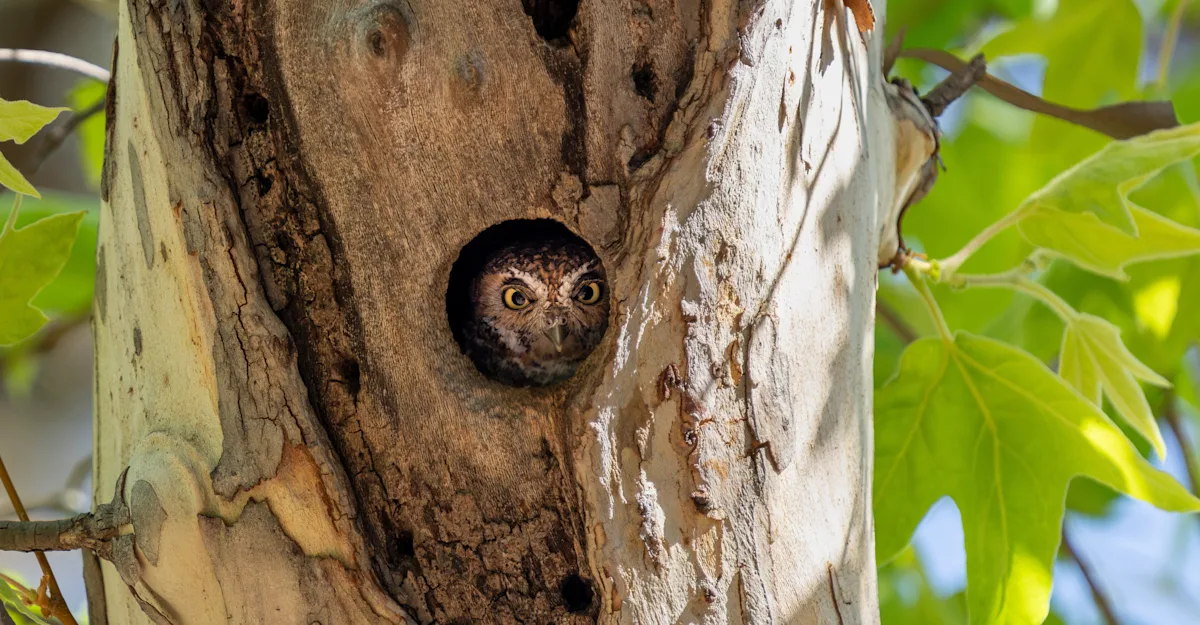
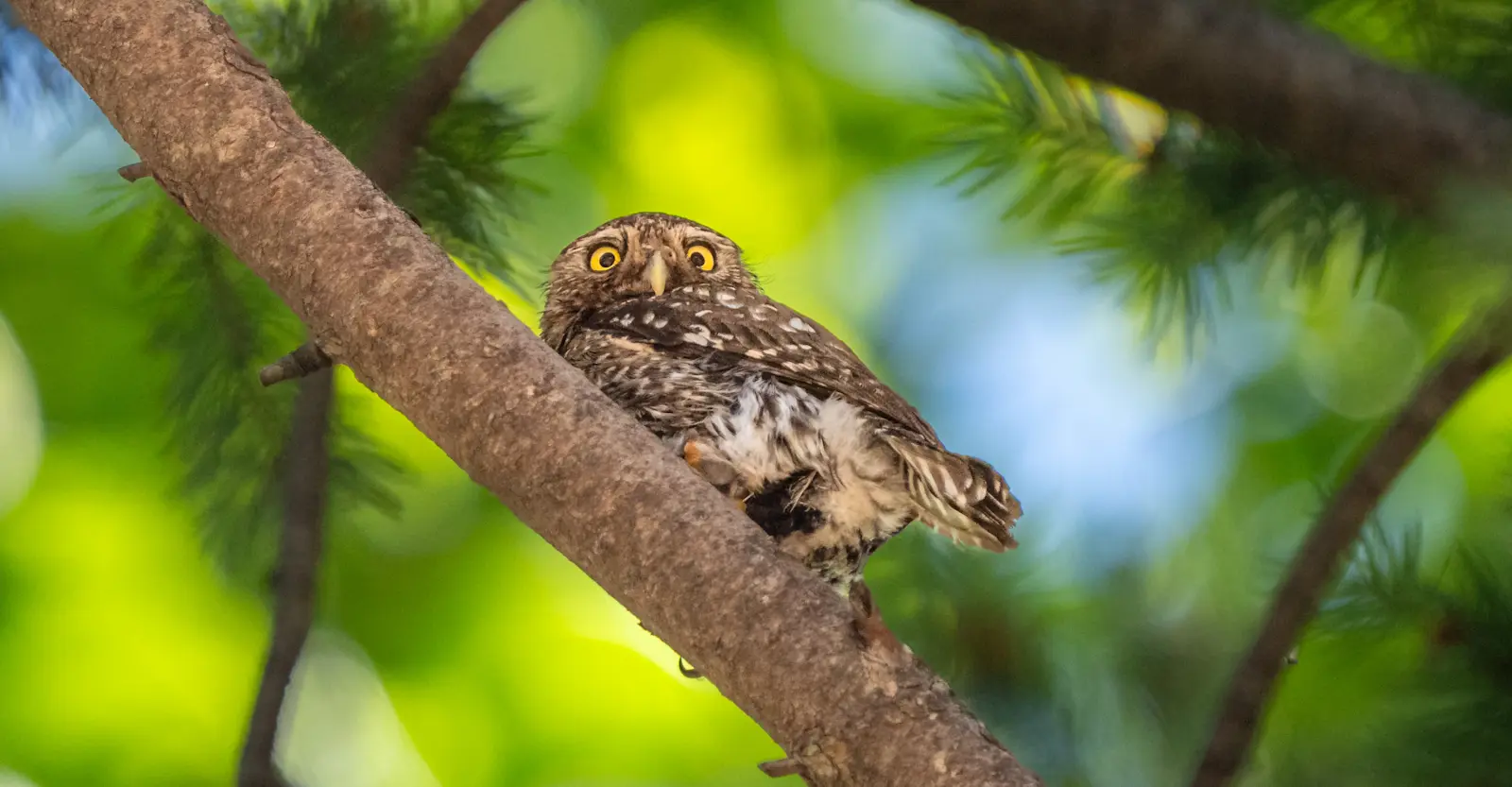
Small forest owls are among the least understood birds in North America. Species such as flammulated owls, northern saw-whet owls, elf owls and whiskered screech-owls are difficult to study because they are nocturnal, secretive and often nest high inside tree cavities. This project investigates how these owls use the forests of southeastern Arizona, how changing environmental conditions affect their breeding ecology, and whether the nesting resources they depend on will remain available in the future. By combining owl surveys, nest monitoring, cavity mapping and habitat assessments, researchers are answering fundamental questions about species that remain surprisingly understudied.
What You'll Do in the Field
Click a photo to expand details
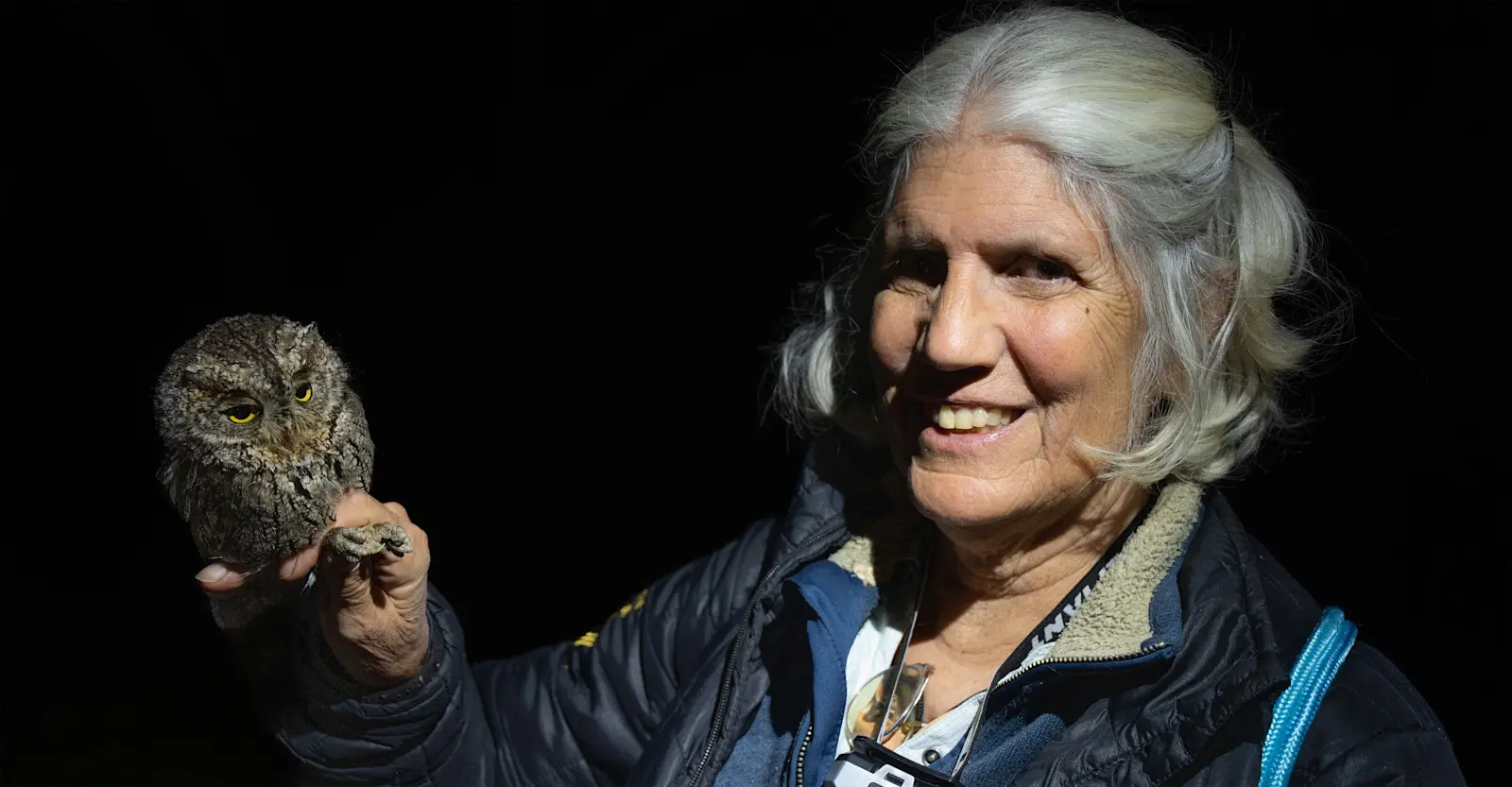
Survey Wildlife Populations
Document owl presence across the Chiricahua Mountains using nighttime surveys and call playbacks. These surveys help researchers understand species distribution, habitat use and population dynamics across different forest types.
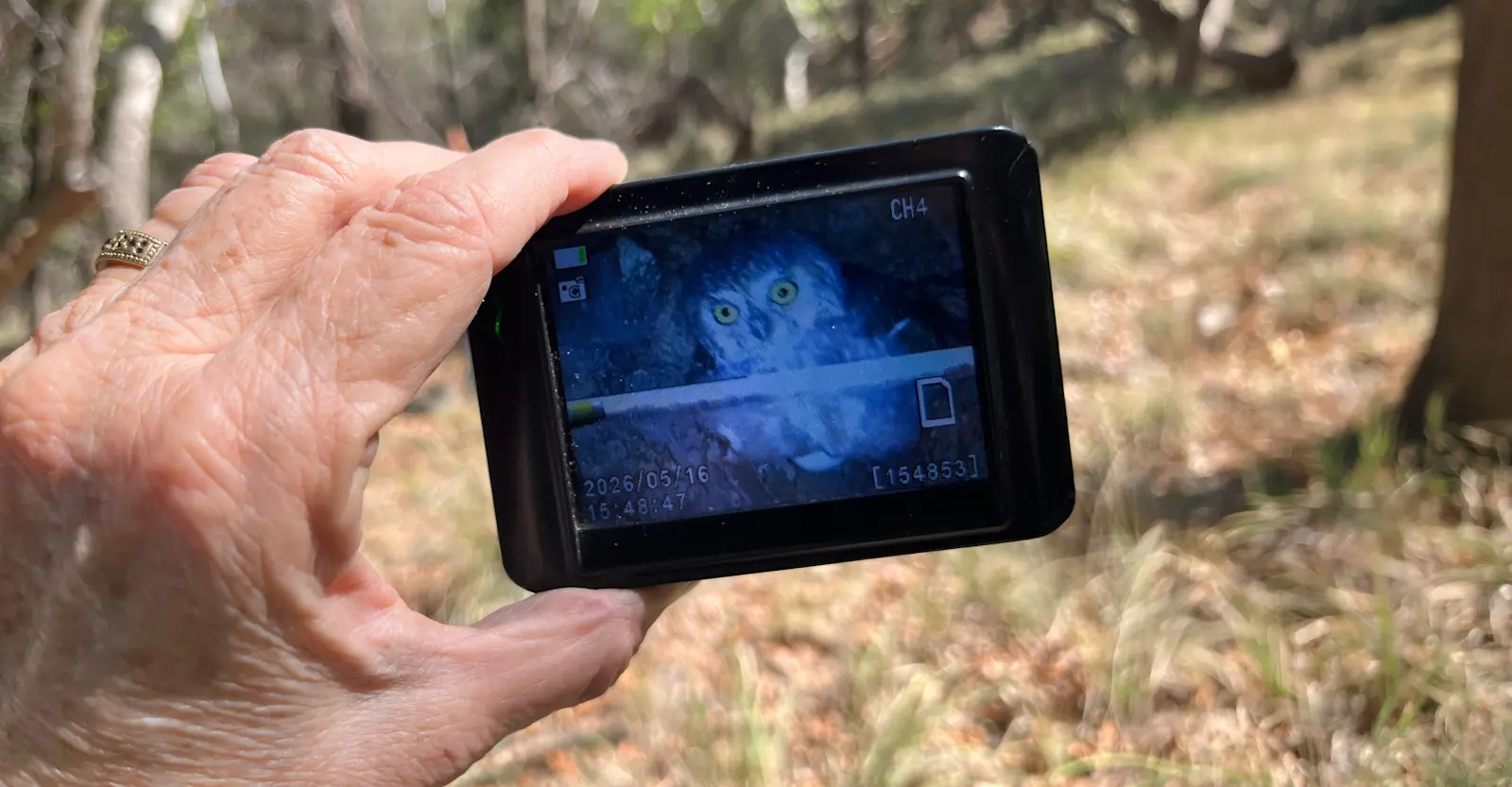
Observe Animal Behavior
Monitor nesting activity, cavity occupancy and habitat selection to better understand breeding ecology, reproductive success and how different owl species use available resources.
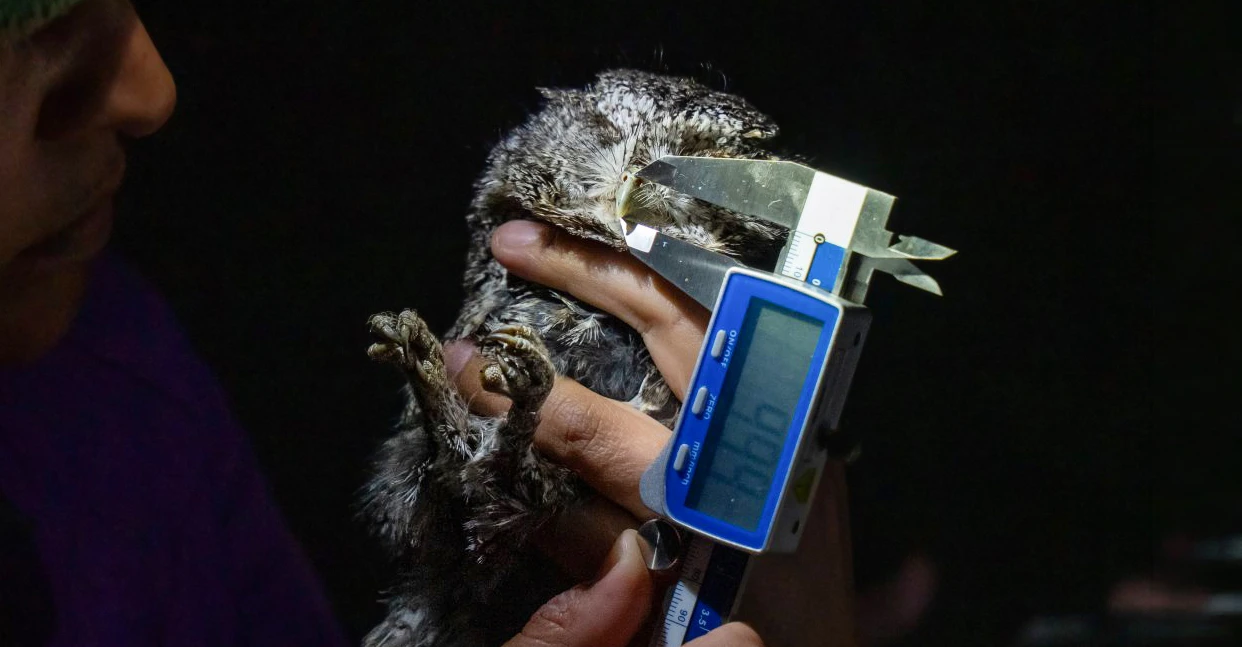
Tag & Measure Wildlife
Photograph, measure, weigh and band owls to track survival, movement, site fidelity and population trends over time. Depending on timing, active nests may also be monitored and nestlings measured.
Assess Habitats & Ecosystems
Survey natural tree cavities using GPS units, mirror poles and cavity cameras while measuring forest characteristics such as canopy cover, tree density and vegetation structure to help identify the habitat conditions most important for nesting owls.
Meet Your Lead Scientist

Dave Oleyar, Ph.D.
Dr. Dave Oleyar studies forest owls across western North America, focusing on how habitat change and climate pressures affect their populations. His research helps guide conservation strategies for flammulated owls and the forests they depend on.
Read moreResearch Focus
This project investigates where different owl species occur, which forest types they use, when they breed, and how nesting success varies across habitats. A major focus is understanding the role of natural nesting cavities. Researchers are documenting cavity availability, occupancy and microclimate across the Chiricahua Mountains while examining how forest changes may influence breeding opportunities over time. The research also explores whether conservation tools such as nest boxes can supplement natural nesting habitat in some regions and why those strategies may be effective in certain forests but not others.
-
Study Elusive Owls in the Chiricahua Sky Island
By tracking nesting activity, habitat use and breeding success, investigate how climate change may be altering the forests and tree cavities forest owls depend on.
Conservation Impact
Many small forest owls remain poorly understood, making it difficult to protect the habitats they depend upon. This research is helping to provide the information needed to guide future conservation decisions across the American West.
Informs forest-management decisions by identifying and mapping important nesting cavities used by breeding owls
Provides some of the first long-term data on breeding ecology, habitat use and productivity for several small owl species
Generated the first GPS tracking data ever collected for whiskered screech-owls
Helps determine whether natural cavities can continue supporting owl populations or whether nest boxes may be needed in some landscapes
Builds long-term datasets capable of detecting how climate change affects breeding timing, nesting success and habitat use
Expands the scale of owl conservation research through thousands of hours of participant-supported fieldwork
In 2024 alone, participants contributed more than 3,900 hours of field research, helping scientists detect 377 owls, monitor 36 nests, map 237 tree cavities and band 172 owls across Arizona and Utah.
Your Role in the Research
Survey for owls, locate and monitor nesting cavities, and collect habitat data used to study breeding ecology across the Chiricahua Mountains. Depending on timing and field conditions, you may also assist with owl banding, nest monitoring and cavity microclimate studies. The information collected helps researchers understand how owls use different habitats, which nesting resources are most important and how changing forest conditions may influence future populations.
Life in the Field
Days may be spent searching for tree cavities, monitoring nests, measuring habitat or checking equipment at active study sites. After dark, attention shifts to nighttime surveys and owl captures, when forest trails become listening stations and every call may signal a new observation. The expedition is based at Southwestern Research Station, where participants live alongside scientists and gain rare access to the realities of field research. Conversations over meals are as much a part of the experience as the work itself, offering insight into the challenges, discoveries and surprises that come with studying wildlife few people ever see..
Field Conditions
Fieldwork takes place on uneven forest trails, rocky canyon bottoms and off-trail terrain throughout the Chiricahua Mountains. Expect daily hiking, warm daytime temperatures and occasional late nights during owl surveys and banding activities. Participants may spend extended periods walking, standing, listening or observing wildlife in low-light conditions. Flexibility is important, as weather, owl activity and research priorities often shape the schedule from day to day.