

Where Conservation Becomes Connection
Across mountains, oceans and forests, Earthwatch participants follow the paths of wildlife—and often discover something about themselves along the way.
We’ve all seen the phrase on trailheads and park signs: “Leave only footprints, take only memories.” It’s a reminder that our footsteps matter—each one layered atop countless others, human and wild alike. Together, they trace our planet’s shared story. Through immersive research expeditions around the world, Earthwatch invites participants not just to witness these stories but to become part of them.
For more than 50 years, Earthwatch has connected people with scientists and local communities working to protect the natural world. Each year, participants join expeditions that contribute thousands of hours of hands-on field research, helping advance scientific understanding, strengthen conservation efforts and inspire new perspectives on our relationship with the environment. Since 1971, Earthwatch expeditions across the globe have shown what’s possible when science becomes a shared human effort.
Animals: Shifting Habitats
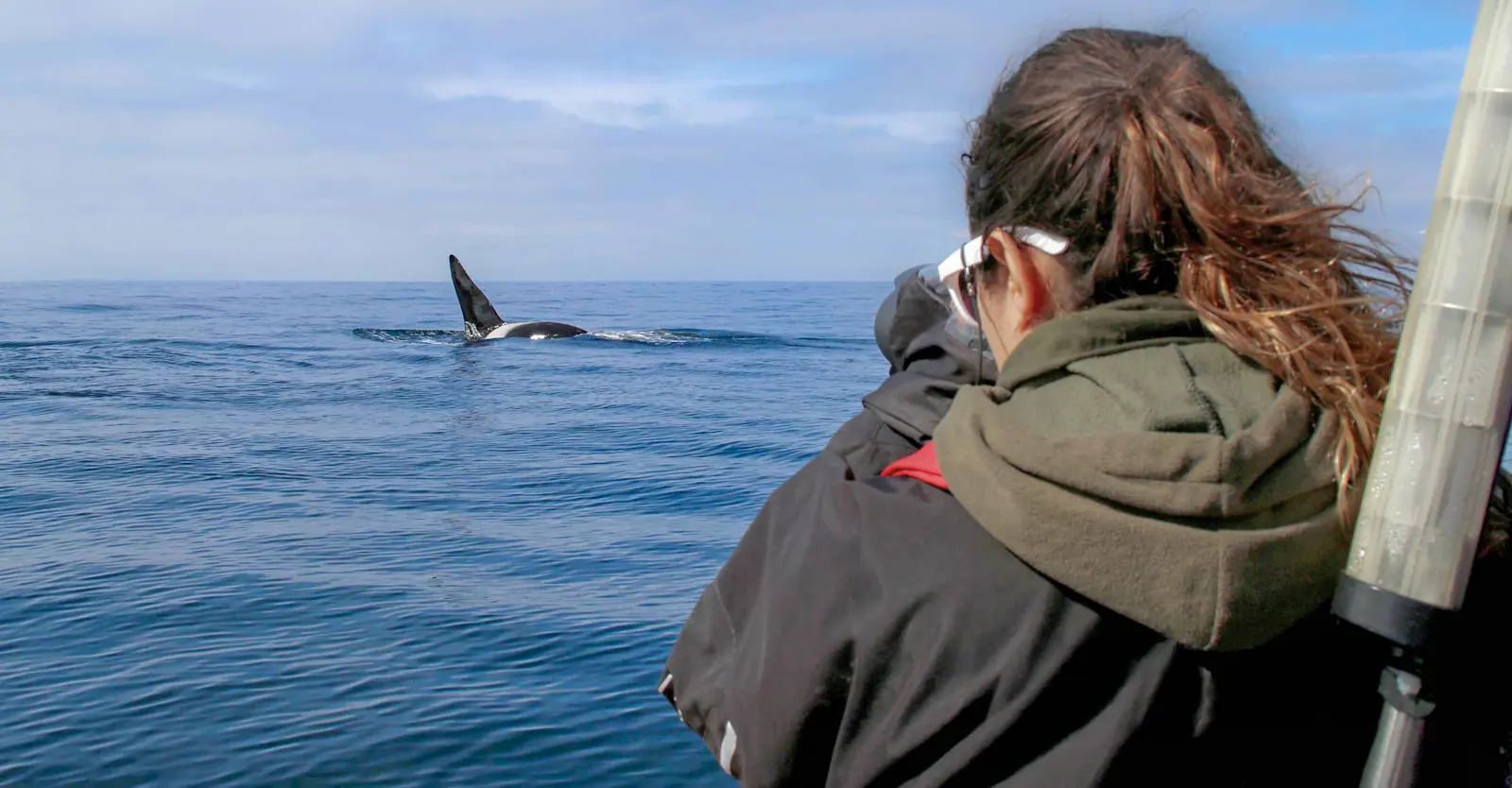
Many Earthwatch expeditions focus on how species adapt as the world around them changes. Humpback whales, for example, migrate thousands of miles each year—journeys increasingly shaped by warming oceans. When a massive marine heatwave known as “the Blob” disrupted the Pacific in 2014, feeding grounds shifted, forcing species to alter their routes and behavior. On Sea of Giants: Monitoring Marine Life in Baja, participants help scientists track whales, dolphins and whale sharks to better understand how marine ecosystems are responding.
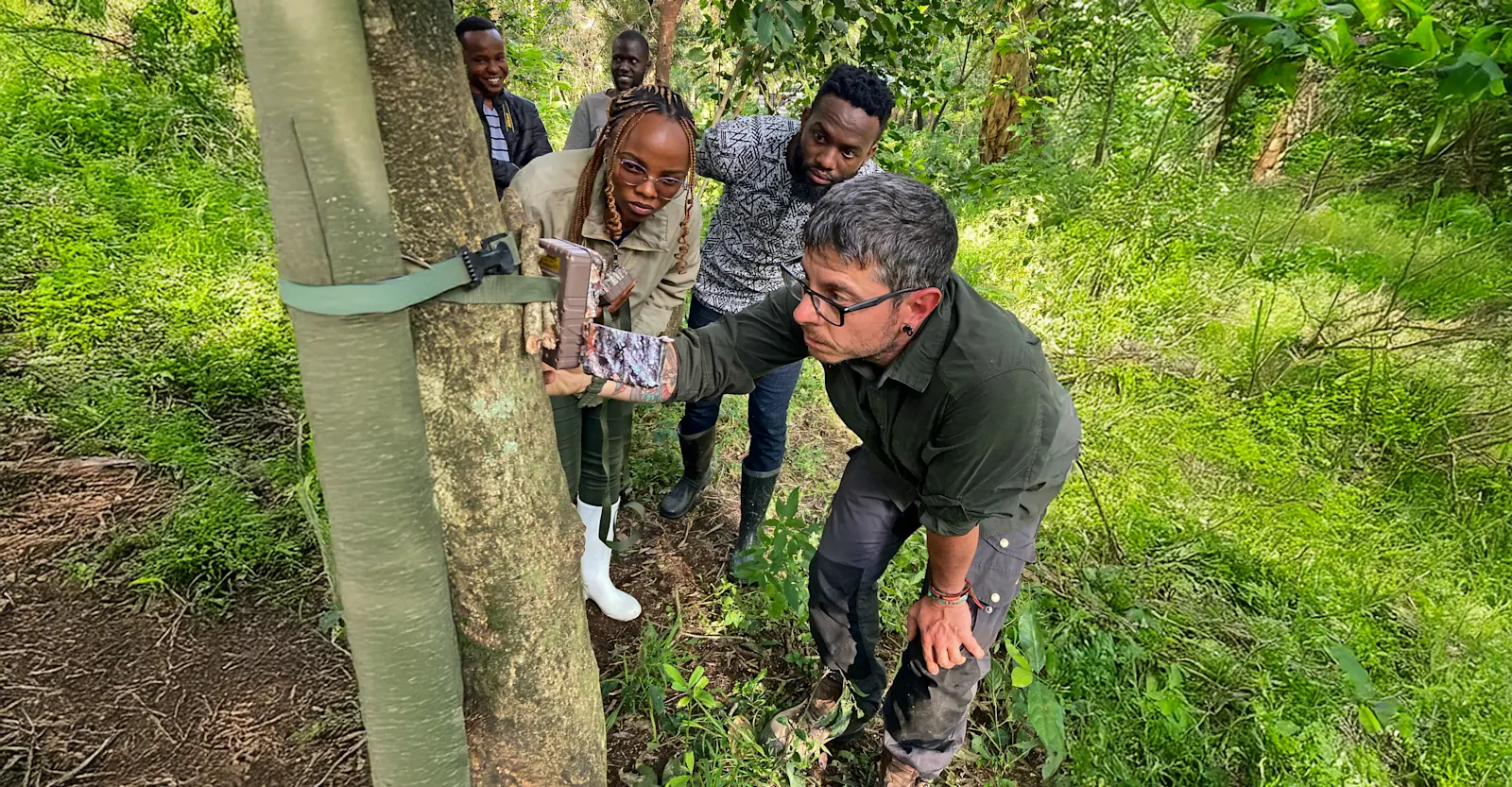
Across the globe, environmental disruptions are becoming more common. On Monitoring Wildlife Recovery in Kenya’s Maasai Mara, participants work alongside researchers monitoring how wildlife responds to changing landscapes and shifting ecological pressures. Every data point contributes to a broader understanding of how species and ecosystems adapt over time.
Animals & Humans: Shared Experience
Protecting wildlife also means supporting the people who live alongside it. For many participants, the experience becomes deeply personal. Immersed in wild places, they reconnect with something often missing in everyday life—a sense of wonder, perspective and connection.
“One participant from Japan joined us after surviving a serious illness,” recalled one Earthwatch scientist. “He told me, ‘I wanted to see the open land of Mongolia.’ When he arrived, he asked, ‘Can I scream that I’m happy?’ I told him, ‘Go for it.’ So we all shouted together, ‘I’m happy!’”
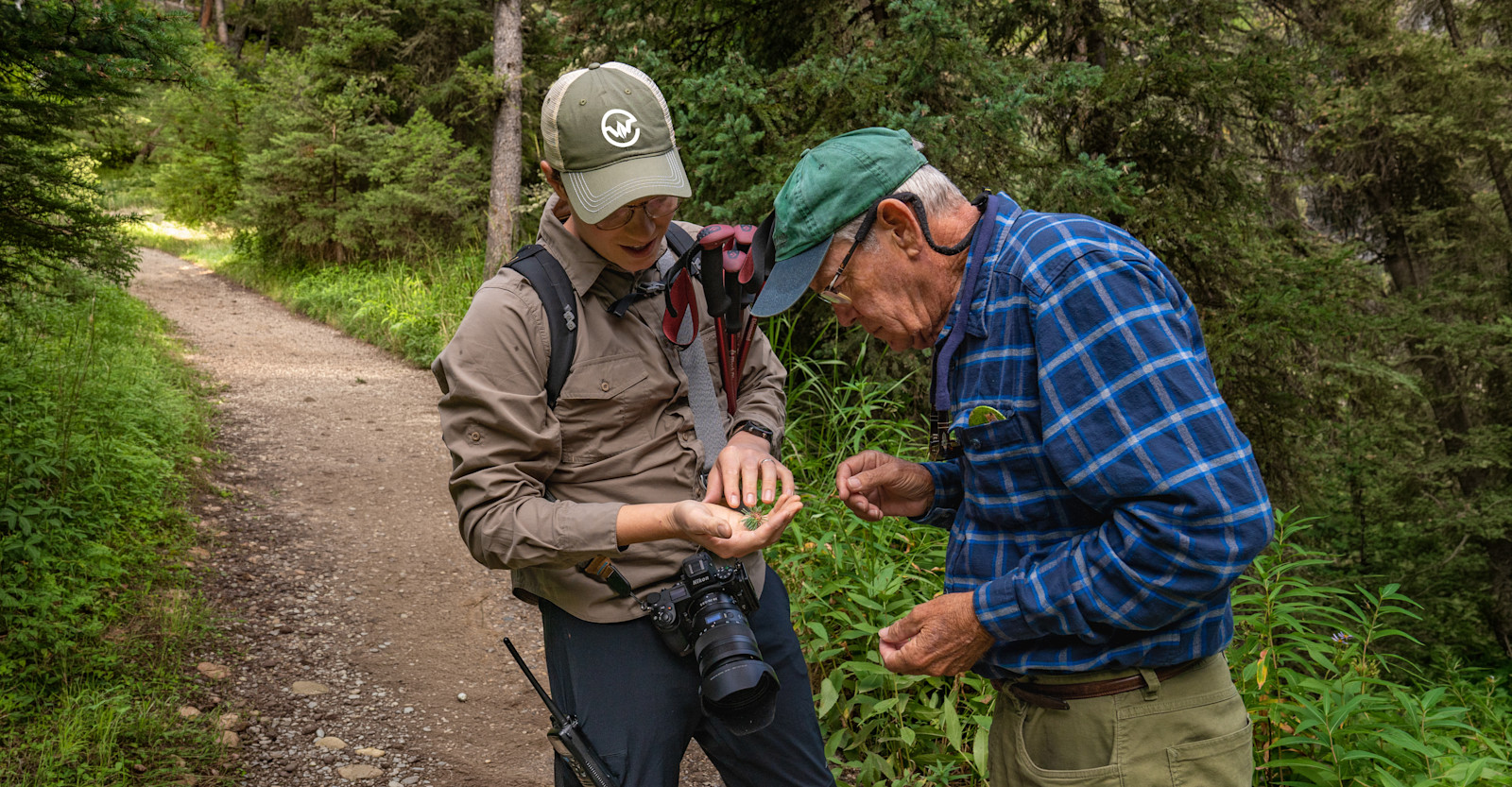
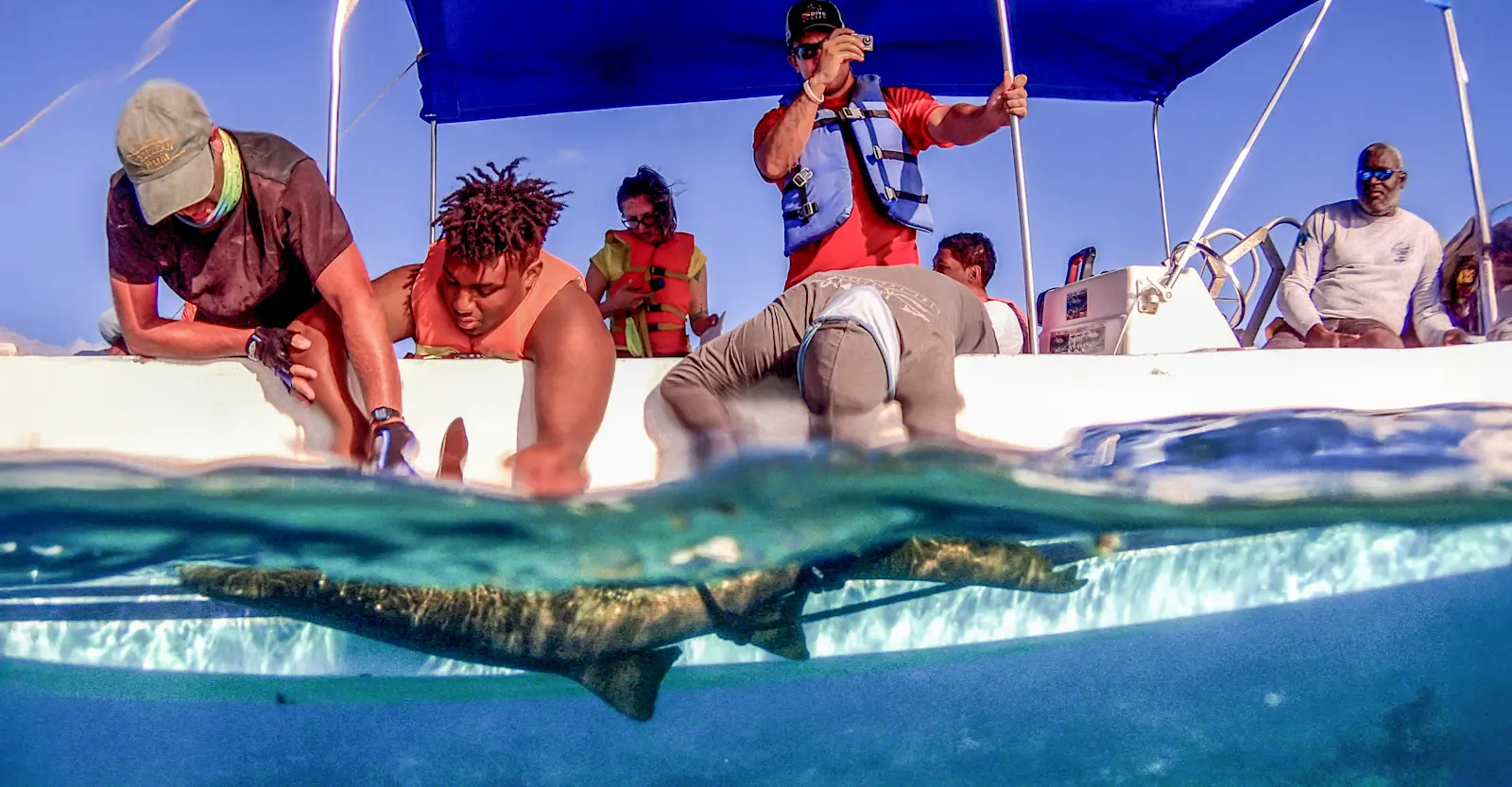
Moments like these show that conservation is as much about people as wildlife. On Conserving Sharks in Belize, participants help scientists tag sharks and collect data that contribute to global conservation initiatives such as Global FinPrint. In Measuring Climate Change in Acadia National Park, participants monitor soil, vegetation and weather patterns to better understand how ecosystems are responding to environmental change.
“Halfway through the trip,” recalled participant Zoe Elko, “I realized the data we were collecting was crucial to understanding how to protect the park and its species. It made me feel like part of something that truly matters.”
Humans: Life Changing
For many people, an Earthwatch expedition marks the beginning of a much longer journey. Zoe’s experience as a teen participant in Acadia inspired her to pursue science and eventually patent law.
“Earthwatch gave me an appreciation for what science really is: perseverance, curiosity and collaboration,” she said. “Now I want to help protect the work of scientists through law.”
Others arrive seeking adventure or a new perspective and leave transformed. One recent participant described the experience of helping researchers tag sharks in the Gulf of Mexico as something they never imagined themselves doing. Standing on open water, collecting data alongside scientists, became a memory they would never forget.
Since its founding, Earthwatch participants have contributed to discoveries ranging from wildlife behavior to the long-term effects of environmental change. Whether working in Arctic tundra, tropical rainforests or coastal ecosystems, every expedition adds to a growing body of scientific knowledge and conservation work.
As Earthwatch founder Brian Rosborough wrote in 1981:
“Earthwatch was born out of a sense of excitement about exploration… It is a testimony to what people—scientists and non-scientists—can do when they come together in the name of research and conservation.”
Every Step Tells a Story
Across continents and generations, Earthwatch participants continue to follow those paths. In doing so, they help us see the world not just as it is, but as it could be if we choose to care for it together.
Whether tracking whales, monitoring forests or surveying wildlife, every step with Earthwatch brings us closer to understanding—and protecting—the world we share.