

In the oak forests around Arcadia, lunch might begin with a furry nose to forested ground. In Greek mythology, Arcadia is a rustic paradise where Hermes and Pan lived in harmony with nature. It’s featured prominently in literary and musical classics by authors and composers from Virgil to Shakespeare to Claude Debussy.
Arcadia is also a mountainous region in the heart of Greece’s Peloponnese peninsula, where rugged, forested terrain, deep gorges and traditional stone villages still give shape to everyday life.
Truffles grow hidden among tree roots that have long helped mountain communities draw flavor, fuel, craft and livelihood from the land around them. On Nat Hab’s A Greek Odyssey, guests follow their distinctive scent—accompanied by a local guide and trained truffle-hunting dog—through the woods. What they uncover becomes part of an outdoor lunch prepared in an Arcadian field. In the Peloponnese, Greek culture lives in traditional practices: pressing olives, tending vineyards, shaping silver, carving wood and welcoming guests into centuries-old establishments. And, of course, truffle hunting on forested hillsides; it’s one of many encounters with local makers and craftspeople.
Nat Hab’s Cultural Journeys are built around the relationship between people and place, weaving travelers intimately into the heart of local communities, exploring the deep connection between nature and culture. Travelers experience the Peloponnese through people who keep these traditions alive, including growers, winemakers, distillers, cooks, artisans, monks, musicians and hosts.
Where is Greece’s Peloponnese peninsula?
The Peloponnese is a peninsula located at the southern tip of the mainland, just over 50 miles southwest of Athens. It is:
—8,320 square miles in area
—the southernmost part of mainland Greece and
—connected to the mainland by the narrow Isthmus of Corinth, less than 4 miles wide.
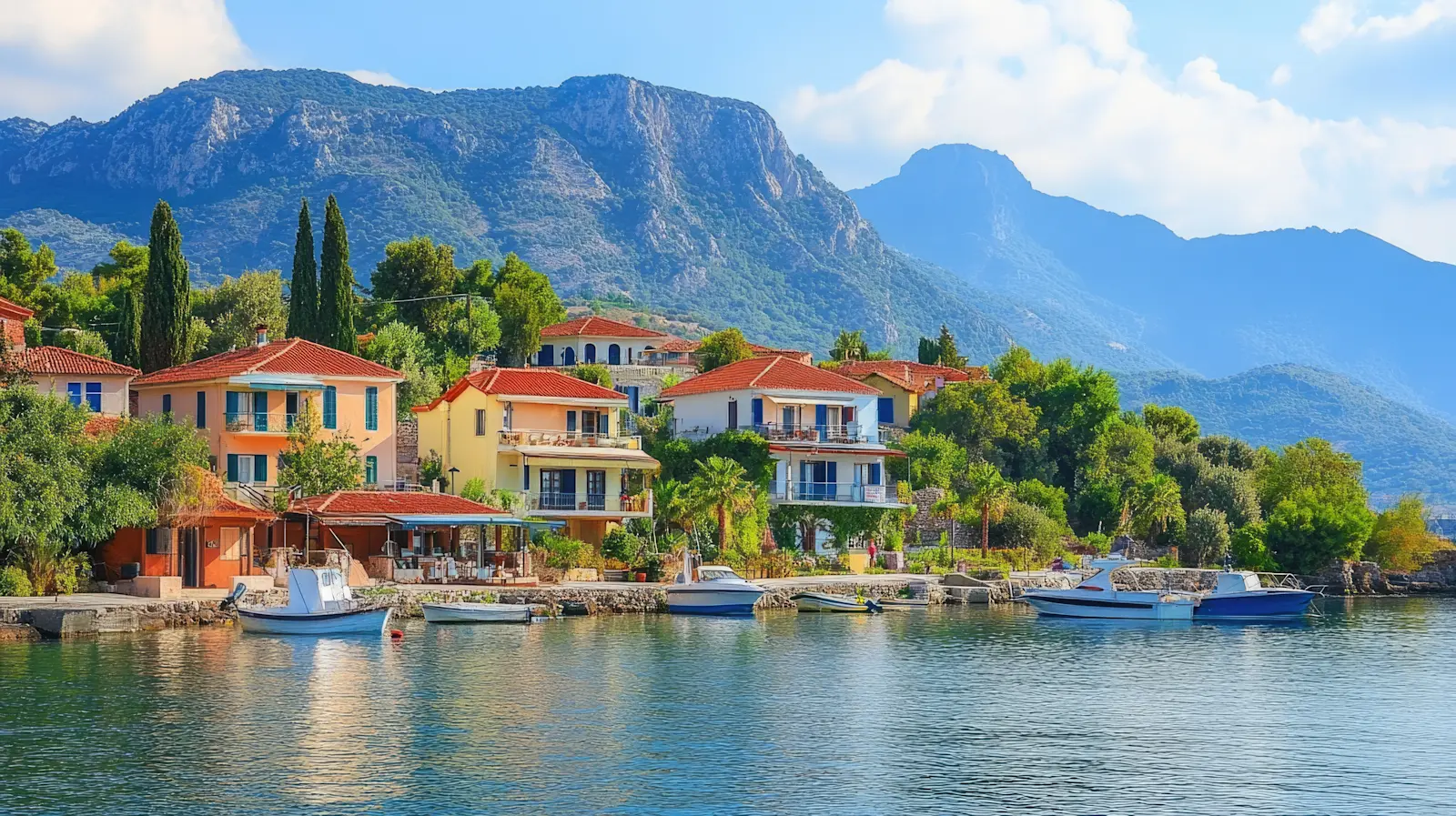
Across the peninsula, the terrain shifts from glistening seafront towns to hillside vineyards, from rocky coastline to shaded mountain gorges.
What cultural traditions do guests experience in the Peloponnese?
Its traditions shift with the peninsula’s varied terrain:
—Nemea’s red soil, ancient stone, vines and estates produce wine cultivated for generations.
—Nafplio’s seafront old town provides regional dishes and a fifth-generation family distillery.
—Mani’s stone towers overlook olive groves, coastal paths and traditional tavernas.
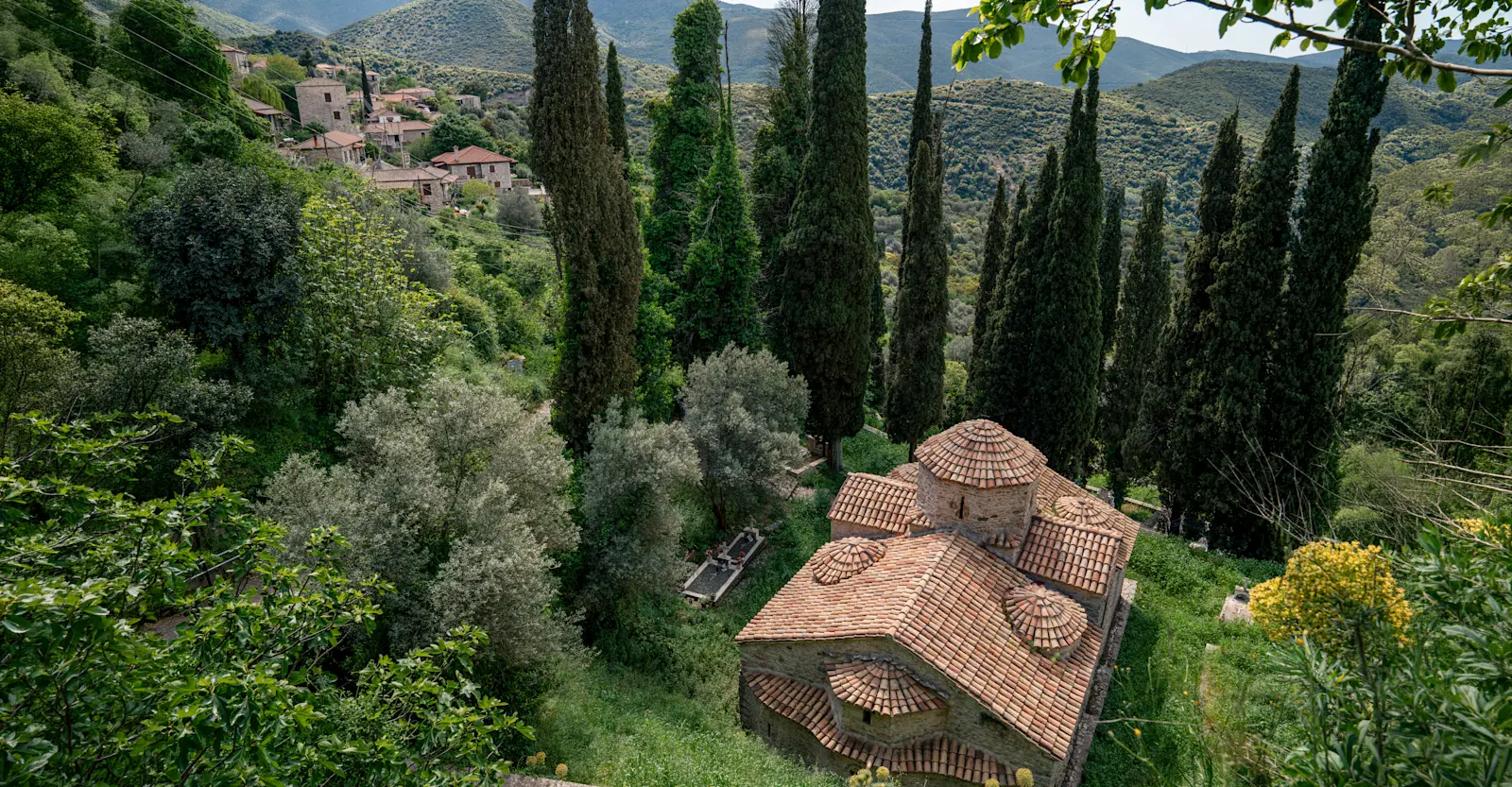
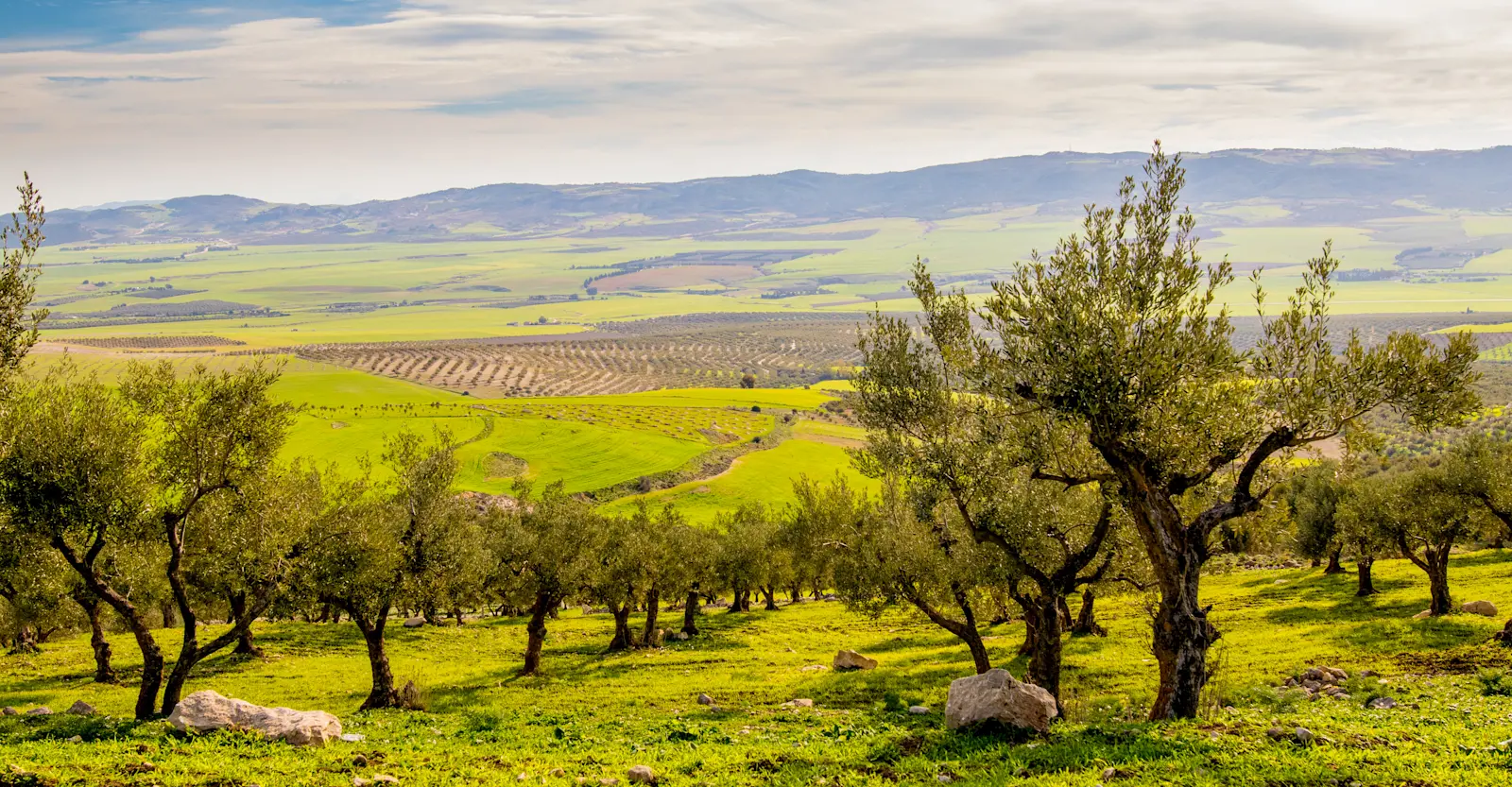
—Arcadia is rich with oak forests, mountain villages, truffle hunting, honey, woodcarving, silversmithing and the Lousios Gorge.
What food and wine experiences define the Peloponnese?
In Nafplio, meals offer variety and may draw from either the surrounding hills or the town’s seafront setting. Farther south, Mani’s 98 villages with stone walls and towers, are engulfed in sea air; seasonal, local ingredients include:
—Fish, pork and poultry, some seasonal game
—Locally grown vegetables and herbs
—Locally produced honey, olive oil, and cheeses
—Pasta and frumenty (trahanas in Greek), a wheat-based dish that can resemble porridge, polenta or risotto
Nemea is a significant winemaking region, known for Agiorgitiko, a red grape cultivated there for more than 3,000 years. On the route, travelers walk the ancient stadium at Nemea, where competitors once lined up at worn starting blocks, then continue to a local vineyard for a guided walk among the vines and cellar. Estate wines are paired with food from the surrounding hills.
Across the journey, food and wine feature prominently, including:
—A family-style welcome dinner in Athens
—Regional dining in Nafplio’s old town
—A visit to a fifth-generation family distillery
—A Nemea vineyard visit and paired estate tasting
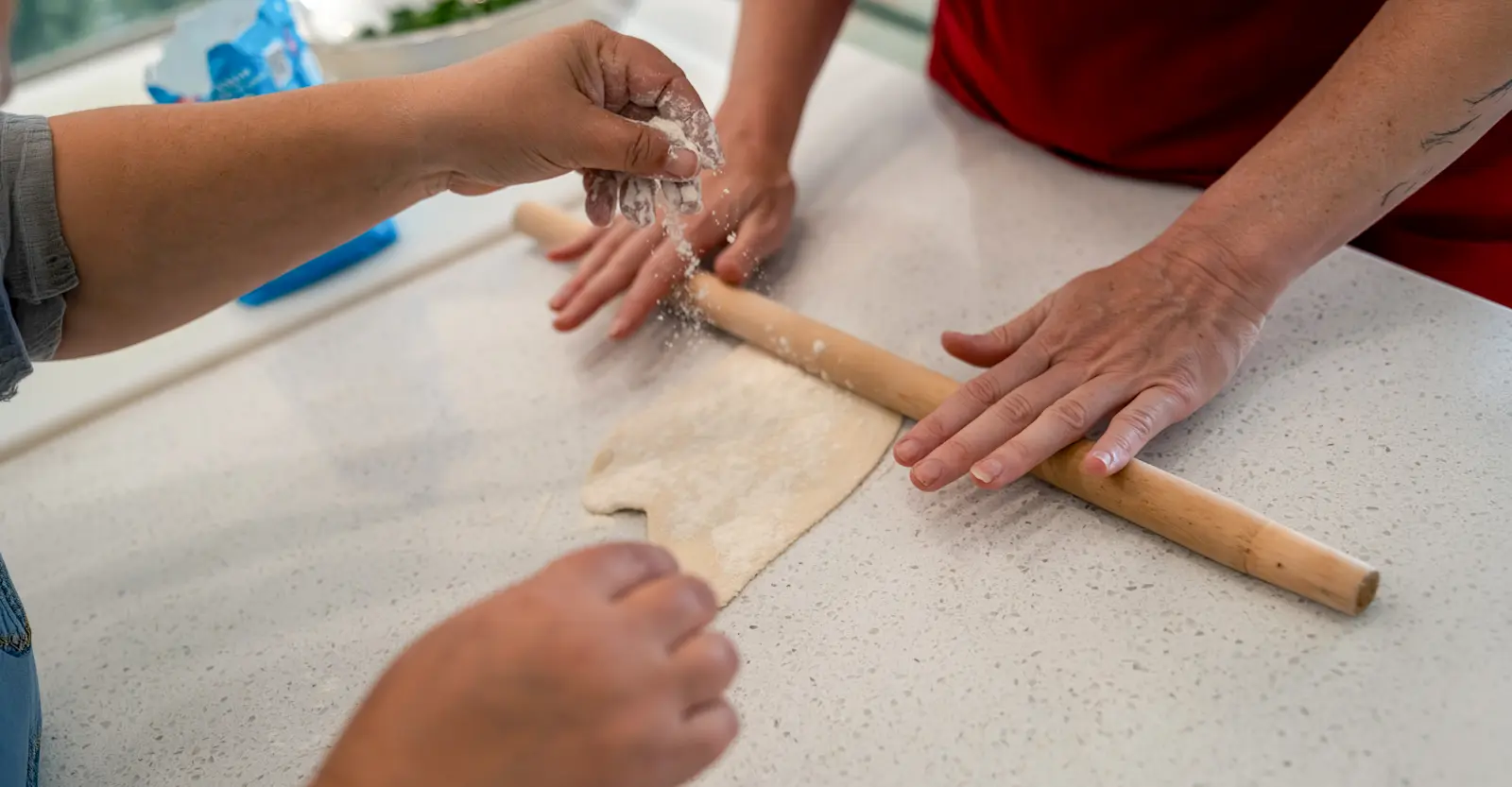
—Hands-on cooking with local hosts
—An olive farm visit and olive oil tasting en route to Mani
—A traditional Maniot taverna and seaside barbecue
—An Arcadian truffle hunt and outdoor lunch
—Honey and regional cheese tastings
—Owner-prepared meals at En Dimitsani, a traditional stone guest house Perched at the entrance of the village above the Lousios River gorge.
Along the way, you’ll meet people who grow, press, ferment, distill, cook and serve foods that preserve Peloponnese culture.
What craft traditions can travelers experience in Stemnitsa and Arcadia?
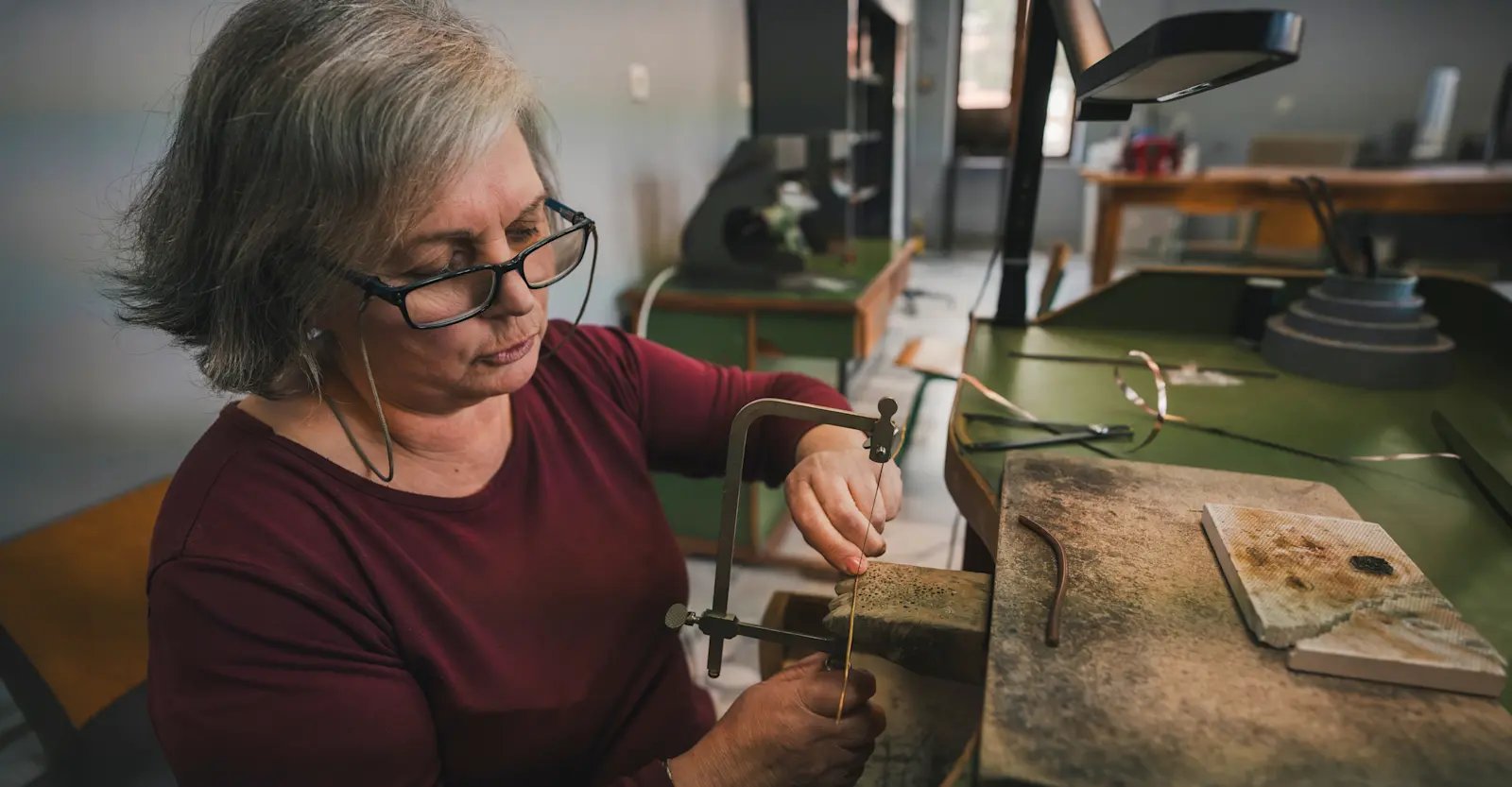
In Stemnitsa, near the Lousios Gorge and the fir forest of Mainalo, silversmiths and goldsmiths make rings, crosses, brooches, kitchenware for domestic use, silver icons and church candlesticks. These are not abstract heritage objects. They belong to homes and churches, family life and spiritual practice.
Visit local workshops to try traditional silversmithing techniques and craft small pieces to take home. The village’s craft identity continues beyond tourism: The Stemnitsa Silver-Gold-Smithery School opened in the 1970s and helps sustain formal training in gold- and silversmithing.
Arcadia adds wood and water to makers’ material resources. In a local workshop, travelers learn about woodcarving traditions shaped by forests.
Silver, wood, water and stone give the Peloponnese a tactile history and craftsmanship that continues today.
What cultural encounters shape a Peloponnese journey?
Some of the most memorable encounters happen away from workshops and tables. Village walks give travelers time to notice how each place holds itself:
—In Nafplio, neoclassical facades and Venetian fortifications lead to shaded squares and stone stairways.
—In Areopoli, cobbled streets wind between stone tower houses built in a landscape where clans long valued autonomy and defense.
—In Stemnitsa and Dimitsana, stone lanes, cafes, churches and mountain views bring the journey back to village scale.
At Moni Prodromou, above the gorge, travelers share coffee with members of the monastic community inside stone walls folded into the cliff.
Where Greek Culture and History are Still Being Made
The Peloponnese holds an immense historical record, from ancient stadiums to cliffside monasteries. On this Greece journey, culture occurs on a personal scale, as a vintner pours Nemea wine, an olive grower explains the press, a silversmith guides a tool, a dog searches beneath oak trees, a monk shares coffee above the gorge, a hotel owner serves mountain recipes in a former cobbler’s workshop.
For travelers who want to experience mainland Greece through more than monuments, A Greek Odyssey offers a careful way into Greek culture. It follows the people, materials, meals and landscapes that continue to shape this part of the country, one glass, path, workshop and table at a time.