

Sometimes, the most pastoral landscapes can reveal some of nature’s wildest secrets. Case in point: the refined Cotswold Hills in England.
Amid tidy country homes and winding lanes, grand estates and traditional pubs, the region’s quieter natural beauty offers a different sort of adventure than we might expect in Iceland or the Arctic. Beyond the villages and gardens, wildlife native to Great Britain moves through hedgerows, woodlands, meadows and streams, from roe deer and badgers to foxes and peregrine falcons.
What Wildlife Will I See in the Cotswolds?
What wildlife can you expect to see on a Nat Hab adventure in the Cotswolds? Your wanderings lead along footpaths through Britain’s largest designated National Landscape and through habitats that have supported English wildlife for centuries.
The focus is not on checking off a long list of animals but on noticing the life woven through the countryside. Along hedgerows and streams, beech woods and wildflower meadows dotted with harebells and early purple orchids, you may glimpse kingfishers, tufted ducks, foxes, bats, deer and other species that live among the farms, villages and gardens of the Cotswolds.
Although this is a more genteel way to encounter wildlife than on an African safari, the stone villages, inviting inns and carefully tended gardens create memorable experiences in their own right. You’ll also have opportunities for private garden and estate tours, walks along country lanes and pints at pubs that have welcomed travelers for centuries.
Notice, too, the Cotswolds’ longstanding relationship with nature, wildlife and conservation. People have lived and farmed in this region for thousands of years, and the landscape reflects generations of cultivation and stewardship. The wildlife may be subtle, but it remains closely connected to the fields, forests, rivers and communities that define the region.
This is just a small sampling of the wildlife you might encounter on our Cotswolds adventure:
Eurasian Badgers
These expert foragers live throughout the British countryside, including the woodlands and farmland of the Cotswolds. Badger families may occupy the same underground sett for generations, creating networks of tunnels and entrances beneath the soil.
Look for their well-worn paths through undergrowth, tracks in soft ground or signs of digging near woodland edges. Badgers are distinctive among British mammals, with black-and-white-striped faces, gray fur and short tails. Because they are primarily nocturnal, actual sightings are never guaranteed.
> Learn more about Eurasian badgers

Eurasian badger
Red Foxes
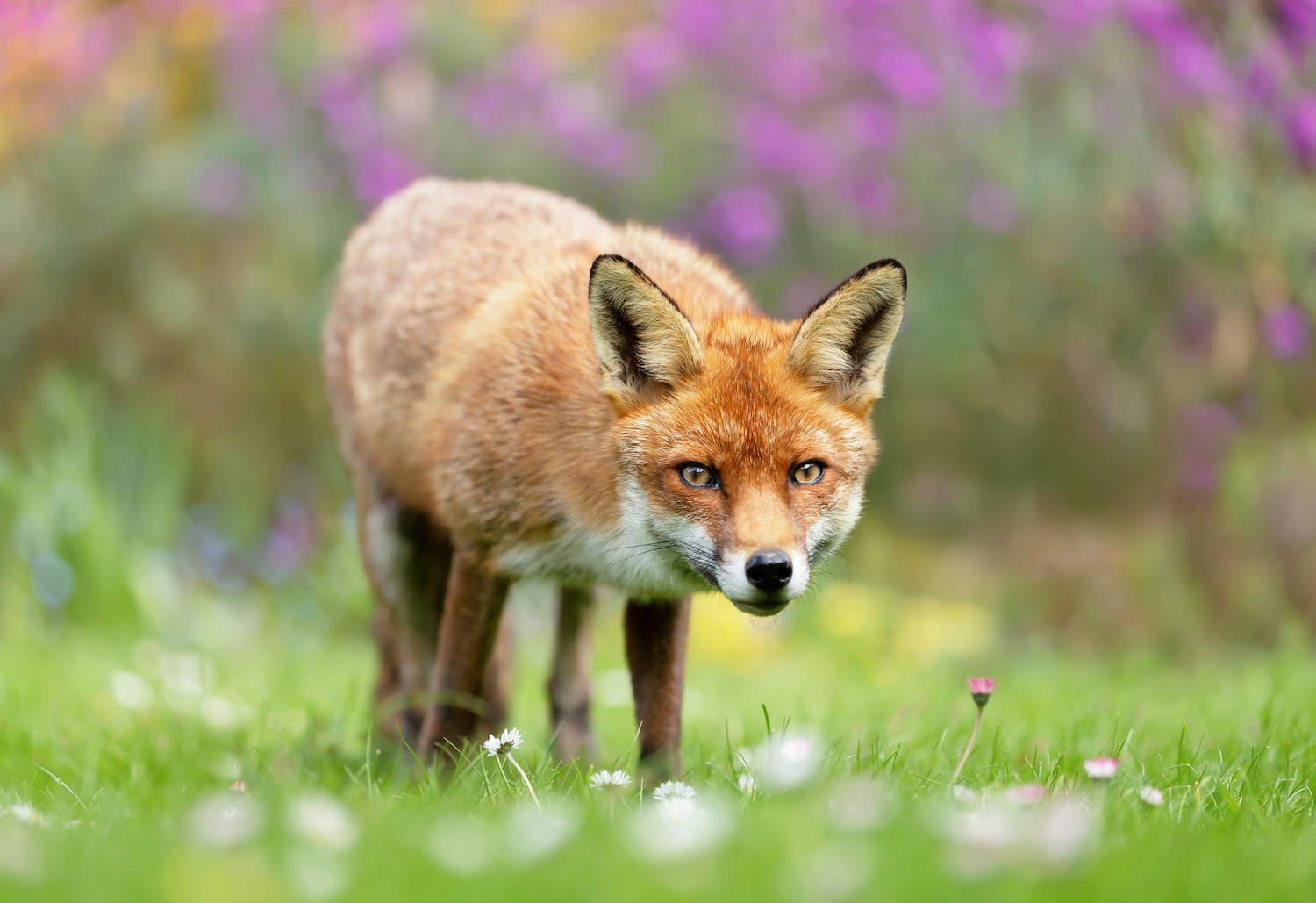
Adaptable and resourceful, foxes live in woodland, farmland and villages throughout England. Look for their russet coats, pointed ears and bushy tails. They are smaller than they often appear in photographs, generally weighing about 11 to 17 pounds.
Rural foxes tend to be wary of people and are most active around dawn and dusk. Early morning walks through farmland and along wooded paths may offer the best chance of a fleeting glimpse.
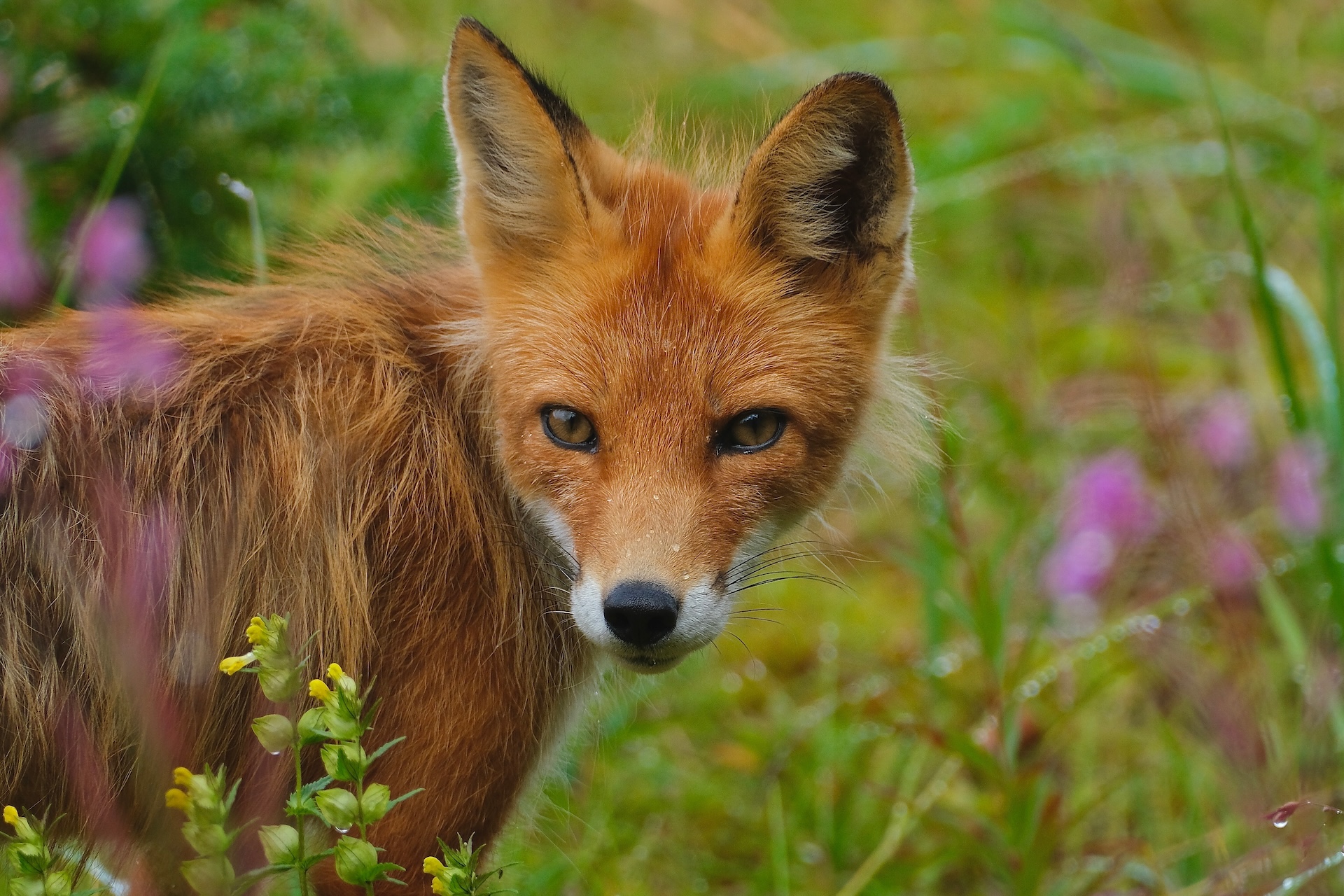
Red fox © Jen Kampmann
Great Horseshoe Bats
At dusk, keep watch for bats leaving roosts to feed along woodland edges, fields and hedgerows. Greater horseshoe bats are among the United Kingdom’s largest and rarest bats and remain closely associated with parts of southwest England.
Their broad wings and leaf-shaped nose help distinguish them, though identifying bats in flight can be difficult. Their presence depends on suitable roosts, connected hedgerows and insect-rich feeding habitat.
Hedgehogs
Who can resist these small, spiny mammals? Hedgehogs favor gardens, hedgerows, field margins and woodland edges, where they search for insects and other invertebrates.
They can be difficult to spot because they are nocturnal and spend much of the day sleeping in sheltered nests. You are more likely to notice signs of their presence than the animals themselves.

Hedgehog
Hedgehog populations have declined in Britain as roads, development and intensive land management have fragmented their habitat. In 2024, the International Union for Conservation of Nature listed the western European hedgehog as near threatened on its Red List.
Simple measures such as connected gardens, undisturbed nesting areas and wildlife-friendly farming practices can make a difference for these familiar British mammals.
Deer (Roe, Red and Muntjac)
Several deer species live in the English countryside, though sightings vary by habitat and location.
Roe deer are among the most widespread native deer in Britain. Their coats are reddish-brown in summer and duller brown in winter, and both sexes have a pale rump and white chin. Bucks grow small antlers, which are shed and regrown annually.
Red deer are Britain’s largest native land mammals, while muntjac are smaller nonnative deer originally introduced from Asia. Any of them may appear briefly at the edge of woodland or move across open fields before disappearing into cover.
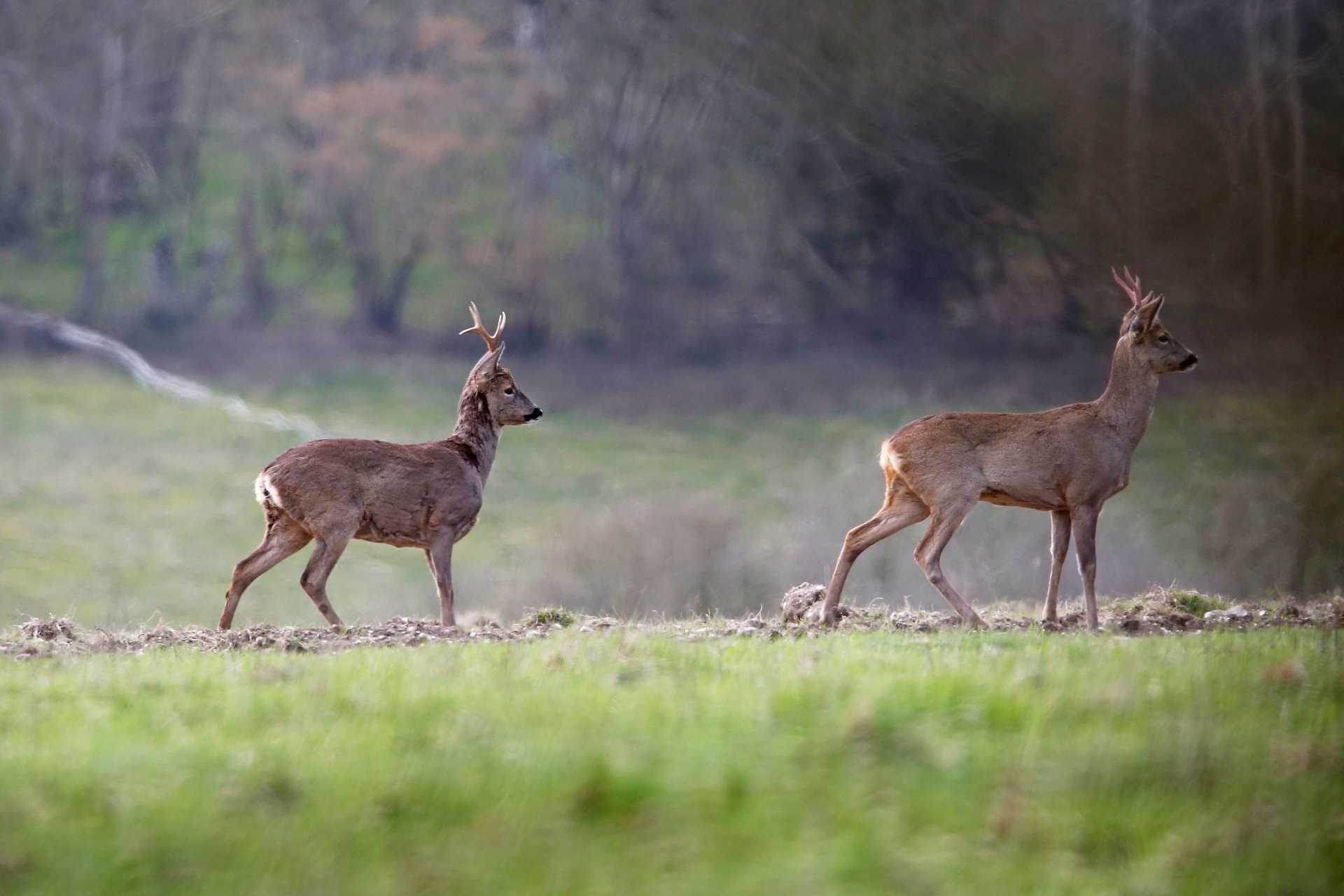
Roe deer
Raptors
The rolling hills and patchwork countryside of the Cotswolds support a variety of birds of prey. Peregrine falcons nest on cliffs, quarries and tall buildings, while kestrels hover above fields in search of small mammals.
Red kites may circle overhead, recognizable by their long wings and deeply forked tails. Common buzzards are also frequently seen soaring above woodland and farmland or perched on fence posts.
Guests on Nat Hab’s Cotswolds adventure also join a local falconer for a private interactive experience. The visit typically includes hawks, owls, falcons and an eagle, offering a closer look at the birds and the traditional techniques used to train and fly them.
Guests on our Nat Hab Cotswolds adventure can meet and watch birds of prey during a private falconry experience

Guests on our Nat Hab Cotswolds adventure can watch a falconry demonstration featuring birds of prey like this peregrine falcon
Where Will I Go in the Cotswolds?
Westonbirt National Arboretum
Westonbirt National Arboretum holds one of the world’s most important tree collections, with more than 2,500 species from Britain and around the globe.
The collection began in the 19th century, when landowner Robert Holford financed plant-collecting expeditions and began shaping the estate around his interest in trees and botany. Today, Westonbirt remains a center for plant conservation, research and education.
A private guided tour reveals both the scale of the collection and the details within it. Mature trees provide habitat for woodland birds, insects and small mammals, while bark, leaves, seeds and seasonal color reward slower observation.
The arboretum is also a fitting place to consider how historic collecting practices evolved into modern conservation. Many of the trees represent species now threatened in their native habitats, making the collection valuable for research as well as for visitors.
Slad Valley
The Slad Valley offers a more intimate view of the Cotswold landscape. The walk begins near the village of Slad, where novelist and poet Laurie Lee grew up, and continues through a valley that remains largely untouched by modern development.
Four small nature reserves protect parts of the valley, including grassland, woodland and streamside habitat. Hedgerows shelter birds and small mammals, while wildflowers and grasses support butterflies and other insects, including species such as the Adonis blue (the rarest blue butterfly in the UK) and Duke of Burgundy butterflies.
The valley is a good place to watch for roe deer, foxes and birds moving between field edges and woods. Yet its appeal lies as much in the landscape itself: stone walls, sloping meadows, patches of forest and the narrow valley that inspired some of Lee’s best-known writing.
Sapperton Valley
Sapperton Valley Nature Reserve is a narrow, steep-sided landscape of woodland, marsh and wet meadow along the River Frome.
A disused section of the Thames and Severn Canal runs through the reserve, creating a corridor of water, old stonework and dense vegetation. Tall trees and wetland plants provide habitat for birds, insects and small mammals, while seasonal wildflowers attract butterflies and other pollinators.
The walk also offers a glimpse of local conservation work aimed at restoring butterfly habitat. Rather than focusing only on rare species, the experience shows how careful management of meadows, woodland edges and waterways can benefit a wider community of wildlife.
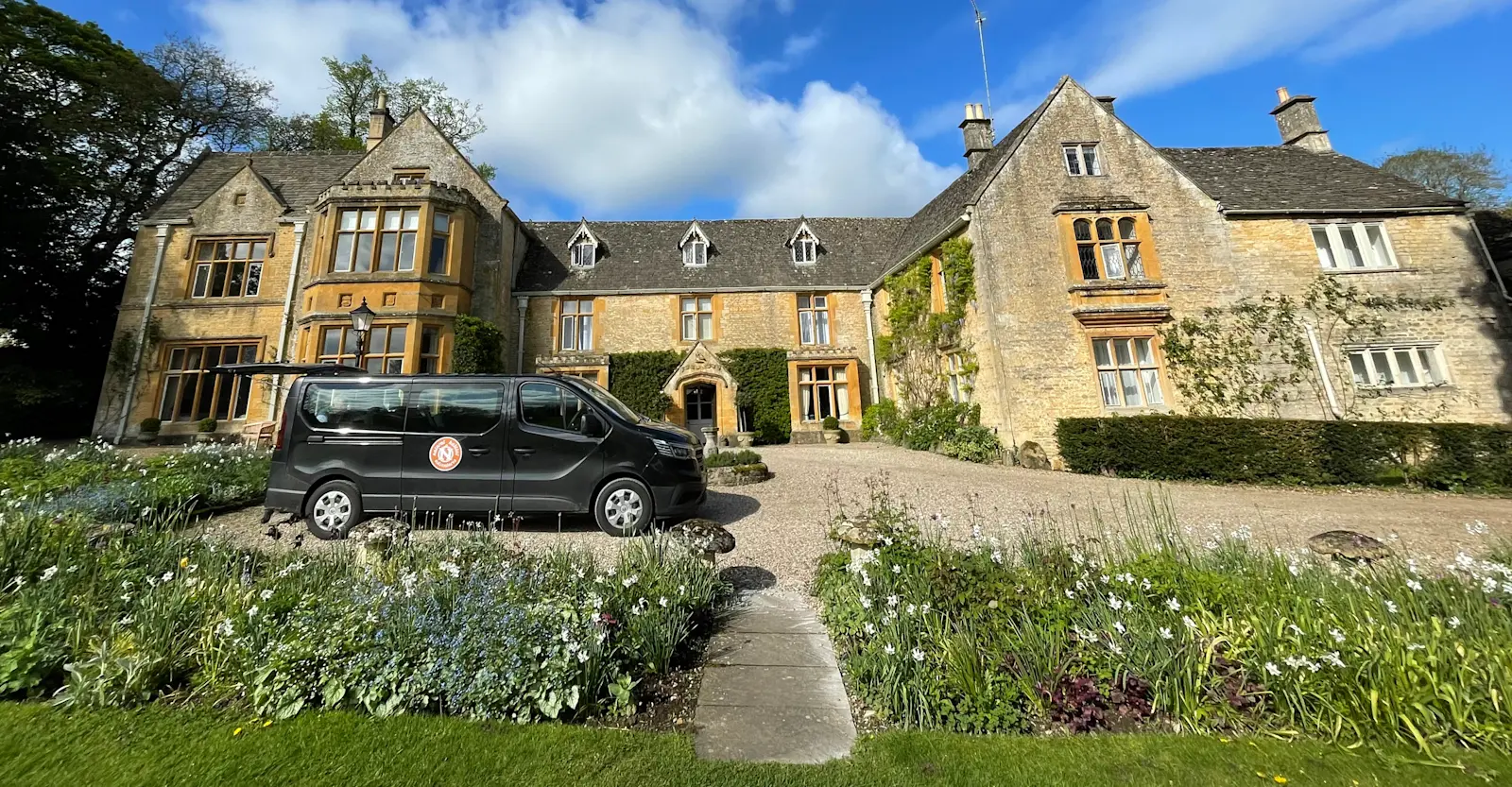
Lords of the Manor Hotel, Upper Slaughter, England.
Upper and Lower Slaughter
The River Eye connects the villages of Upper and Lower Slaughter, winding between stone cottages, churches, gardens and an old mill.
A walk along the riverbank passes hedgerows, pasture and quiet stretches of water where ducks, songbirds and other wildlife may appear. The stream’s name is gentler than the villages’ dramatic names suggest: “Slaughter” derives from an old word for a wet or marshy place.
This is the Cotswolds at its most recognizable, but it is also a lived-in landscape where gardens, farms, waterways and wildlife exist close together.
Cotswold Villages and Farmland
The villages of Stanway, Stanton and Snowshill reveal how closely the Cotswold landscape is tied to farming.
Stone houses and churches sit among pastures, orchards, hedgerows and country lanes. Sheep graze in fields that have been managed for generations, while woodland strips and field margins provide cover and feeding habitat for birds and mammals.
An early morning walk with a local naturalist focuses on the dawn chorus. Depending on season and habitat, the soundscape may include blackbirds, robins, wrens, tits, thrushes and other resident or migratory songbirds.
These walks are a reminder that wildlife encounters do not always require distant wilderness. Sometimes they begin with learning to distinguish one call from another before breakfast.
Honeydale Farm
At Honeydale Farm, agriculture and conservation come together on a working landscape.
The farm’s educational program explores regenerative agriculture, natural flood management, soil health and the relationships among crops, livestock and wildlife. A private guided tour includes the heritage orchard, kitchen garden, woodland and meadows, as well as the farm’s micro dairy and heritage wheat fields.
Wildlife-friendly farming practices can support pollinators, birds, bats and small mammals by maintaining diverse vegetation and reducing pressure on soil and waterways.
The experience also provides a more complete picture of the Cotswolds. Farming has shaped these hills for centuries, and the region’s future depends in part on finding ways to produce food while restoring ecological health.
Througham Court
The private gardens at Througham Court reveal another side of conservation and landscape design.
The six-acre estate includes historic Arts and Crafts elements alongside contemporary gardens inspired by scientific ideas. Designer Christine Facer Hoffman has used the property as a personal laboratory, exploring patterns drawn from mathematics, astronomy and the natural world.
The result is not a wildlife reserve but a carefully considered landscape where plant selection, structure and seasonal change encourage close observation. Pollinators, birds and other garden wildlife move through spaces designed around both beauty and scientific curiosity.
Painswick Rococo Garden and Hidcote
The Cotswolds’ gardens add another dimension to the region’s nature story.
Painswick Rococo Garden, designed in the 18th century and later restored, includes ornamental plantings, heritage roses and a wildflower meadow with a focus on butterfly conservation.
At Hidcote, a series of garden rooms contains plants gathered from around the world. Hedges, borders and paths create changing views while also providing food and shelter for insects and birds.
These gardens are designed landscapes, but they still demonstrate how thoughtful planting can support wildlife and connect people more closely with the natural world.

Farm Animals of the Cotswolds
As you search for British wildlife, don’t overlook the domestic animals that have helped shape the Cotswolds.
Sheep are inseparable from the region’s history. The wealth generated by the medieval wool trade helped build many of its churches, manor houses and market towns. Today, sheep continue to graze the hills and maintain the open character of the landscape.
During the journey, guests watch trained sheepdogs respond to a handler’s commands as they move a flock. The demonstration reveals the communication among dogs, people and livestock that remains central to rural work.
Across the Cotswolds, farms also raise dairy cows, poultry and heritage breeds. Though not wild, these animals are part of the region’s agricultural traditions, connecting the food on the table with the surrounding land.
Think nature adventures have to be rugged and distant? Think again. The pastoral Cotswolds offer a quieter way to experience Britain’s wildlife, conservation and rural traditions.
From ancient trees and butterfly meadows to dawn birdsong and hedgerow mammals, the region rewards travelers who slow down and look closely. Explore our The Cotswolds: Exploring English’s Classic Countryside Cultural Journey.