Good Nature Travel Blog

  • Nature & Wildlife

    Extreme Weather Effects

    Nov 3, 2026 · Candice Gaukel Andrews

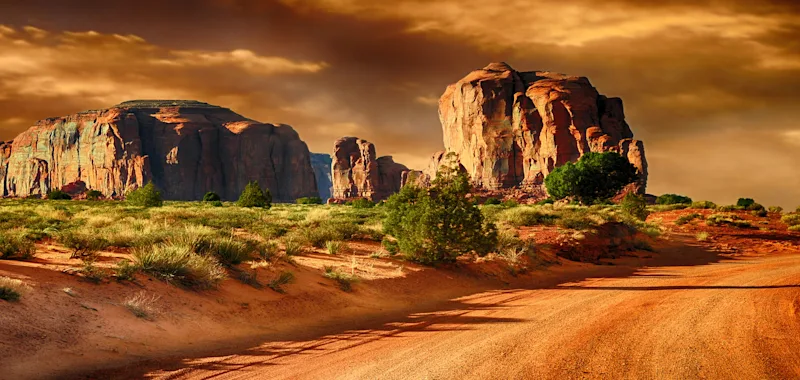
    The continental United States and many global regions experienced their hottest summer on record in 2026, driven by human-caused climate change and an intensifying El Nino, according to the National Oceanic and Atmospheric Administration’s National Climate Report published on September 9, 2026. Average temperatures were roughly 3 degrees Fahrenheit above the 20th-century baseline.
  • Europe

    Why the Cotswolds Is an English Area of Outstanding Natural Beauty

    Sep 3, 2026 · Cathy Brown

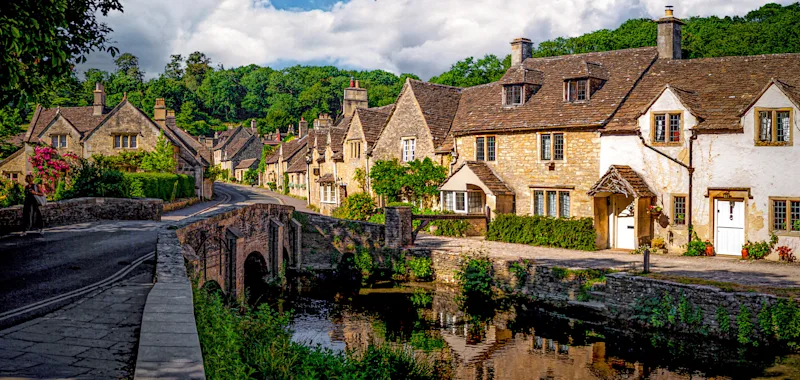
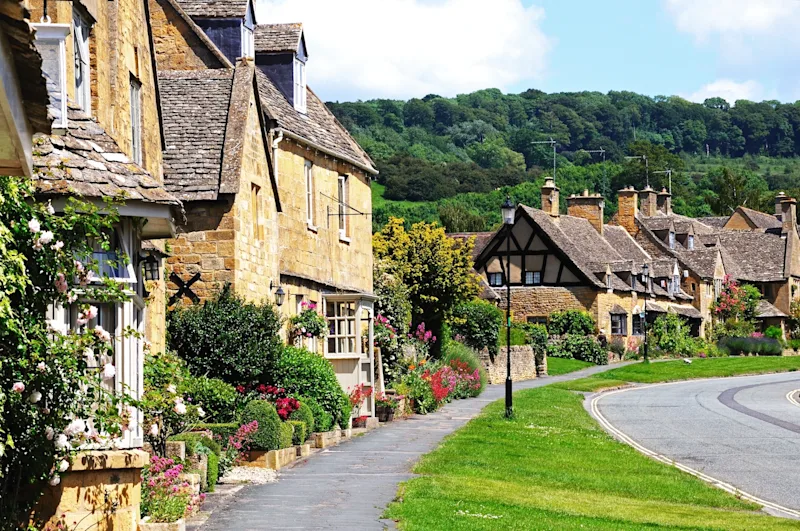
    Daydreaming of a trip to England quickly conjures the image of sheep grazing on rolling green hills, villages with quiet lanes dotted with thatched cottages and local pubs, medieval churches, and lazy, winding rivers. Nowhere does the word “bucolic” apply more than in the Cotswolds.

  • Europe

    English Wildlife: Intriguing Animals of Great Britain & The Cotswolds

    Aug 15, 2026 · Michelle Peters

    Sometimes, the most pastoral landscapes can reveal some of nature’s wildest secrets. Case in point: the refined Cotswold Hills in England. Amid tidy country homes and winding lanes, grand estates and traditional pubs, the region’s quieter natural beauty offers a different sort of adventure than we might expect in Iceland or the Arctic.

  • Nature & Wildlife

    Aliens on the Rise and Invaders on the Run

    Jun 30, 2026 · Candice Gaukel Andrews

    Aliens are certainly in our midst, and invaders are running rampant across the planet. What I mean is, plants are spreading across the globe faster than ever, and the very same traits that make them thrive in their native lands also drive them to their successes abroad. Who are these aliens and invaders?

  • News & More

    2025 Is the Earth’s Third Hottest Year: Glaciers, Mountains and Oceans

    May 12, 2026 · Candice Gaukel Andrews

    The year 2025 finished as the third hottest globally (behind 2024 and 2023), according to reports from NASA (National Aeronautics and Space Administration), NOAA (National Oceanic and Atmospheric Administration) and WMO (World Meteorological Organization).

  • Conservation

    Arbor Day 2026: Honoring the Damaged, Logged and Old Trees

    Apr 21, 2026 · Candice Gaukel Andrews

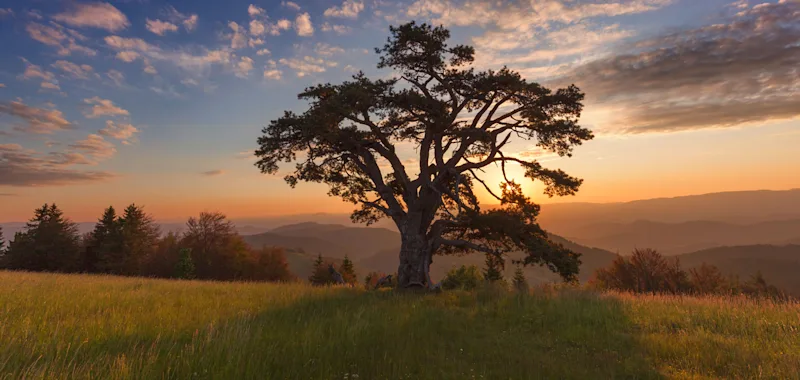
    On National Arbor Day—which this year is on April 24—we typically recognize forests and trees for their essential roles in conserving soils, providing oxygen, reducing energy consumption through shade and serving as wildlife habitats.

  • Nature & Wildlife

    Valentine’s Day: Loving Animals

    Feb 10, 2026 · Candice Gaukel Andrews

    Every February 14th, we celebrate Valentine’s Day, a time that has become synonymous with emotional connections and loving relationships. It’s often marked by romantic gestures, such as giving chocolates or flowers, writing a love letter, preparing a candlelight dinner, holding hands—or kissing.

  • Nature & Wildlife

    The Eyes of Animals

    Feb 3, 2026 · Candice Gaukel Andrews

    Eyes are our primary sensory organs, allowing us to perceive about 80% of incoming information, to navigate safely and to perform daily tasks like reading and work, while also acting as vital indicators for our overall physical health. They’re also central to our nonverbal communication.

  • News & More

    Europe’s New Laws for Restoring Nature

    Mar 4, 2025 · Candice Gaukel Andrews

    While in recent years environmental laws in the United States have faced some of their most severe challenges and rollbacks, it’s encouraging to hear that Europe is now successfully passing several groundbreaking rules to restore nature.

  • Nature & Wildlife

    The Climate Change Complexities of Bird Migrations

    Nov 5, 2024 · Candice Gaukel Andrews

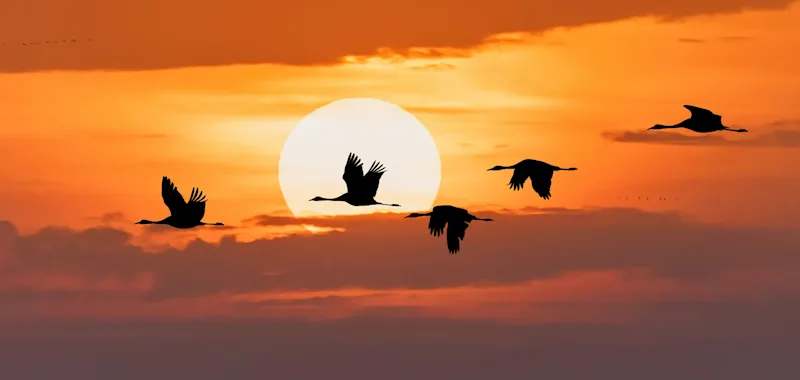
    The beginning of November always makes me think of the fall migrations of birds. In the United States, this annual ritual typically begins around August 1 and lasts through November 30; although, some birds may migrate earlier or later, and migration can start as early as mid-June and last until early January.