

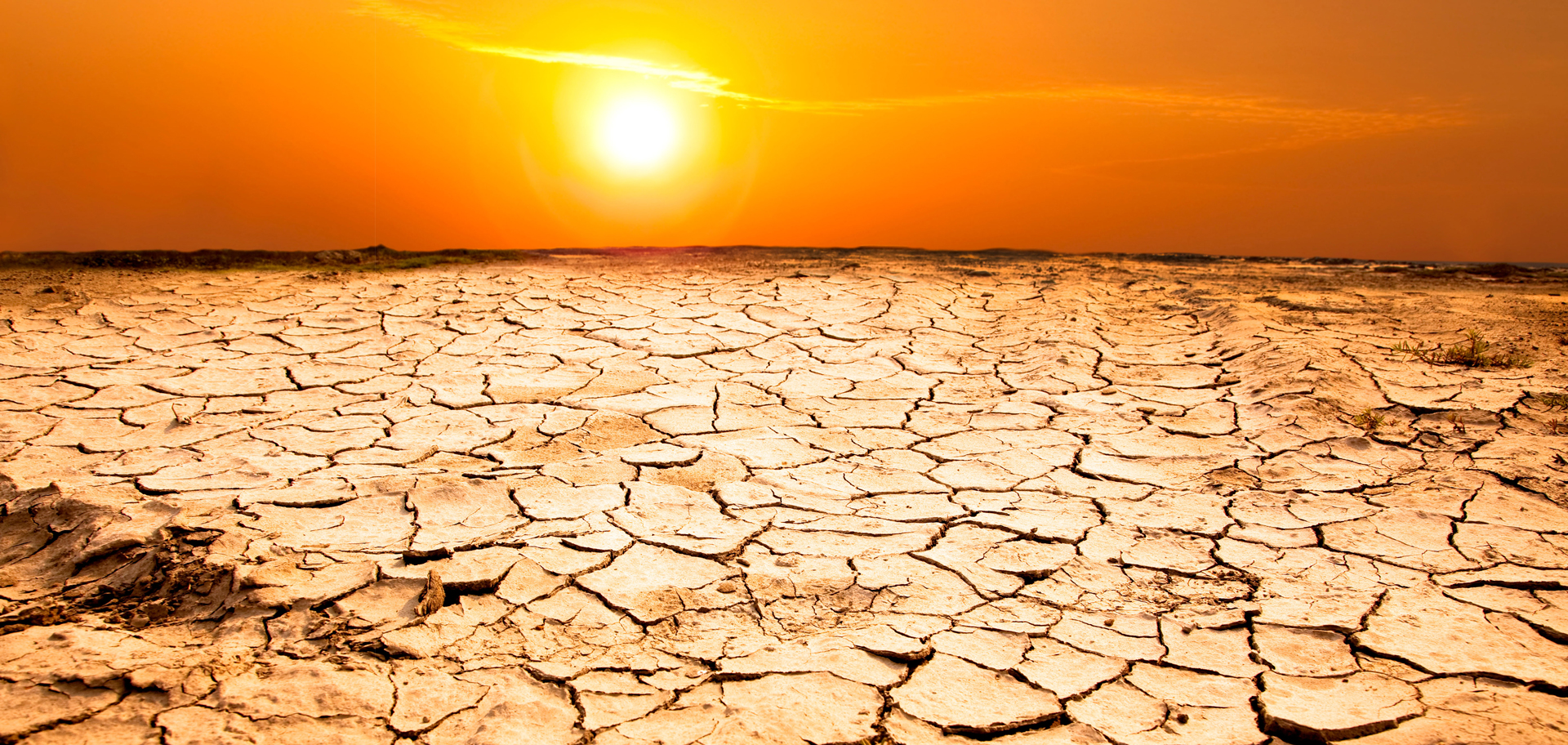
Officially, 2025 is the third hottest year globally (behind 2024 and 2023). Now, with the past three years forming the hottest period in recorded history, it’s clear that global warming is accelerating due to human-driven emissions.
The year 2025 finished as the third hottest globally (behind 2024 and 2023), according to reports from NASA (National Aeronautics and Space Administration), NOAA (National Oceanic and Atmospheric Administration) and WMO (World Meteorological Organization). The fact that the past three years formed the hottest period in recorded history signals that global warming is accelerating due to human-driven emissions.
The pace of global warming has picked up, too. By removing short-term natural influences such as El Ninos, solar cycles and volcanic eruptions from temperature records, the Potsdam Institute for Climate Impact Research (PIK) has uncovered a clear, strong and statistically significant acceleration in the planet’s long-term warming trend beginning around 2015.
If we zoom in on this picture, we can specifically look at what’s happening to Earth’s oceans, mountains and glaciers. Our oceans reached their highest heat levels on record in 2025, absorbing vast amounts of excess energy from the atmosphere. This buildup is now driving heavier rainfall, rising sea levels and stronger storms.
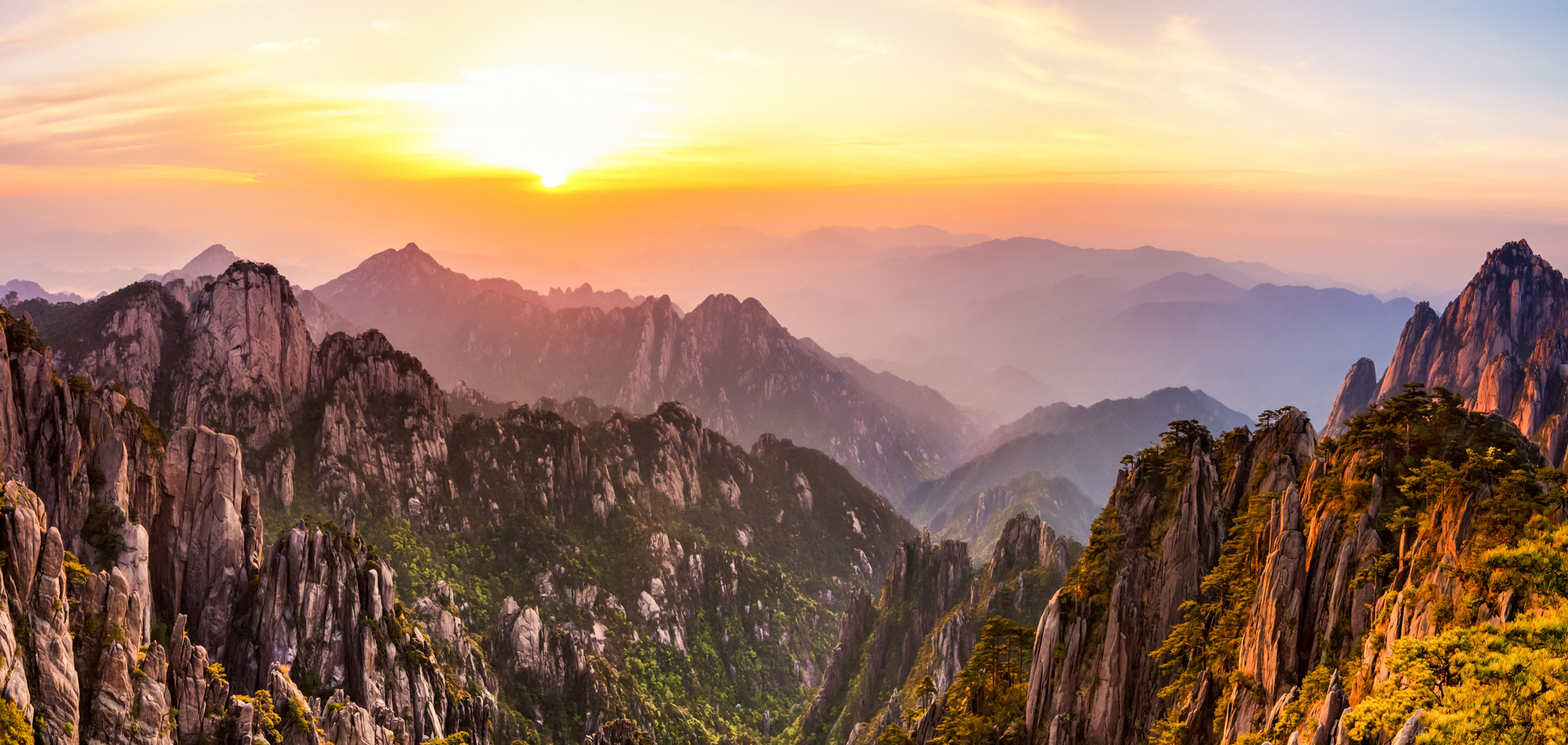
Mountain regions around the world—such as the Huangshan Mountains in China—are heating up faster than the lands below them, triggering dramatic shifts in rain, snow and the water supply that could affect more than a billion people.
Mountain regions around the world are now heating up faster than the lands below them, triggering dramatic shifts in rain, snow and the water supply that could affect more than a billion people. And it’s estimated that shrinking glaciers across the globe will not recover for centuries—even if human intervention cools the planet back to the 2.7-degrees-Fahrenheit-rise limit set by the Paris Agreement.
Global warming is suddenly accelerating
Since about 2015, global warming has been increasing at a faster pace, according to a study conducted by PIK, the results of which were published in the scientific journal Geophysical Research Letters in March 2026. By adjusting global temperature records to remove known, natural influences so that the “noise” is reduced, researchers were able to identify a statistically significant rise in the rate of warming for the first time.
From 1970 through 2015, the average global temperature increase was just under 0.36 degrees Fahrenheit per decade. From 2010 to 2019, however, global temperatures have climbed at an estimated rate of about 0.63 degrees Fahrenheit. That represents the fastest warming observed in any decade since instrumental temperature records began in 1880.
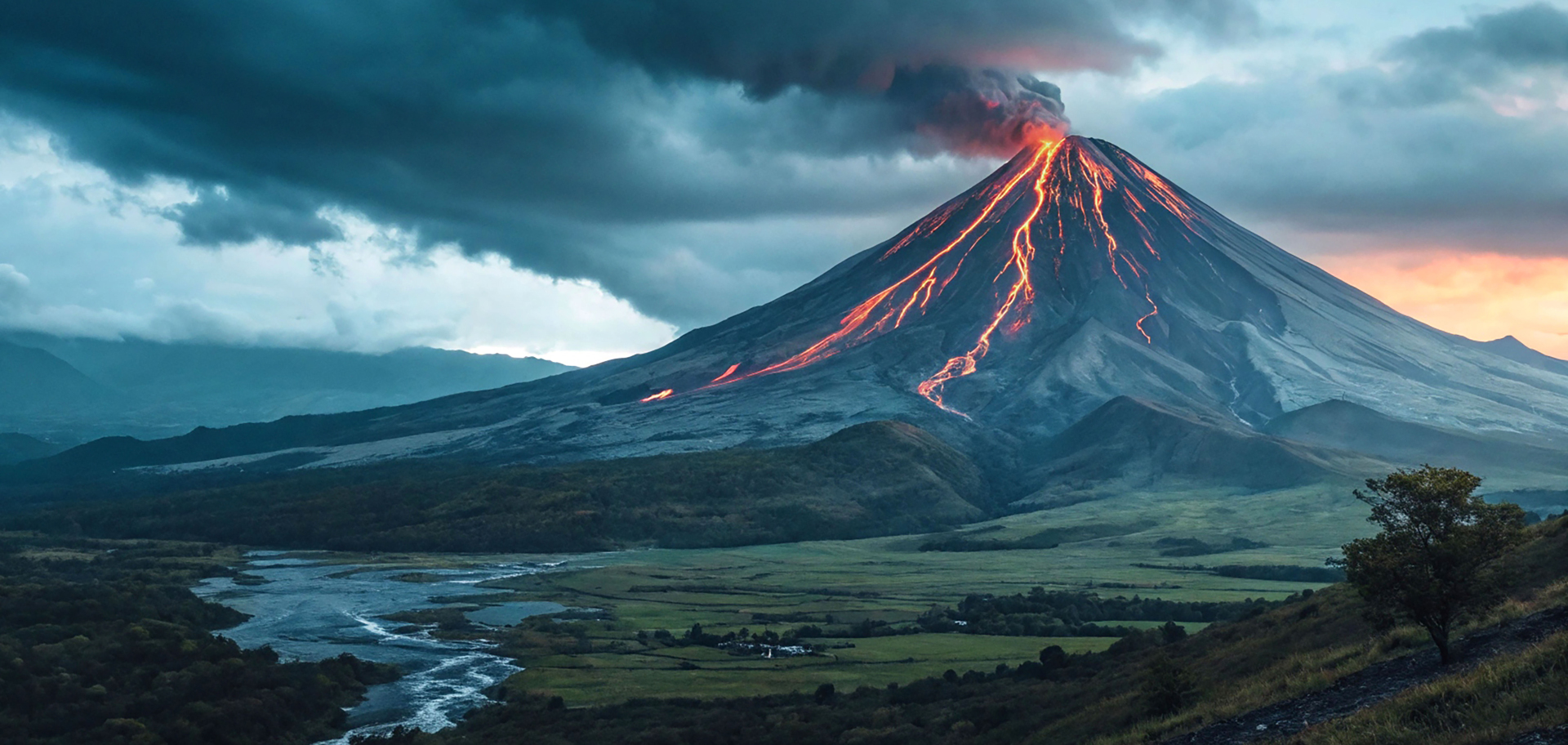
Short-term natural events, including volcanic eruptions, can temporarily raise or lower global temperatures and make it harder to detect changes in long-term climate trends.
Short-term natural events can temporarily raise or lower global temperatures and make it harder to detect changes in long-term climate trends. These influences include El Nino events, variations in solar activity and volcanic eruptions. To address this challenge, the researchers analyzed measurement data from five, widely used global temperature datasets: Berkeley Earth, HadCRUT (Hadley Center/Climatic Research Unit Temperature), ERA5, NASA and NOAA. By adjusting the data to account for these natural factors, the team was able to isolate the underlying warming trend more clearly. The adjusted data show an acceleration of global warming since 2015 with a statistical certainty of over 98%, consistent across all datasets examined and independent of the analysis method chosen.
The researchers state that if the warming rate of the past 10 years continues, it will lead to a long-term exceedance of the 2.7-degrees-Fahrenheit limit of the Paris Agreement before 2030. How quickly the Earth continues to warm ultimately depends on how rapidly we reduce global CO2 emissions from fossil fuels to zero.
Oceans are absorbing a stunning amount of heat
In 2025, Earth’s oceans had a noteworthy year. A large, international research team has found that they absorbed more heat than in any other year since modern measurements began. The analysis, published in the journal Advances in Atmospheric Sciences in January 2026, demonstrates that ocean heat storage continues to climb to new extremes.

The world’s oceans absorbed more heat in 2025 than ever measured, storing energy equivalent to decades of human power use. That growing heat reservoir is intensifying extreme weather and pushing climate impacts to new extremes.
In 2025 alone, the ocean gained 23 zettajoules (23,000,000,000,000,000,000,000 joules of energy) of heat. That amount of energy is roughly equal to about 37 years of total global primary energy use at 2023 levels (about 620 exajoules [1 quintillion joules] per year). The findings are based on work done by more than 50 scientists representing 31 research institutions across the globe.
The ocean acts as Earth’s primary heat sink. More than 90% of the extra heat trapped by greenhouse gases ends up in the ocean rather than in the atmosphere or in land. Because of this, ocean heat content (OHC) provides one of the clearest and most reliable measures of long-term climate change, reflecting how much heat the planet has accumulated over time.
To evaluate ocean warming, the scientists brought together multiple independent datasets from major international science centers. These included three observational products from the Institute of Atmospheric Physics at the Chinese Academy of Sciences, the European Union’s Copernicus Marine Service and NOAA/NCEI (National Centers for Environmental Information) in the United States, along with an ocean reanalysis known as CIGAR-RT. The data span three continents: Asia, Europe and North America. All of these sources point to the same conclusion: OHC in 2025 reached the highest level ever observed, confirming that the oceans continue to steadily gain heat, continuing a streak that has now lasted nine consecutive years.
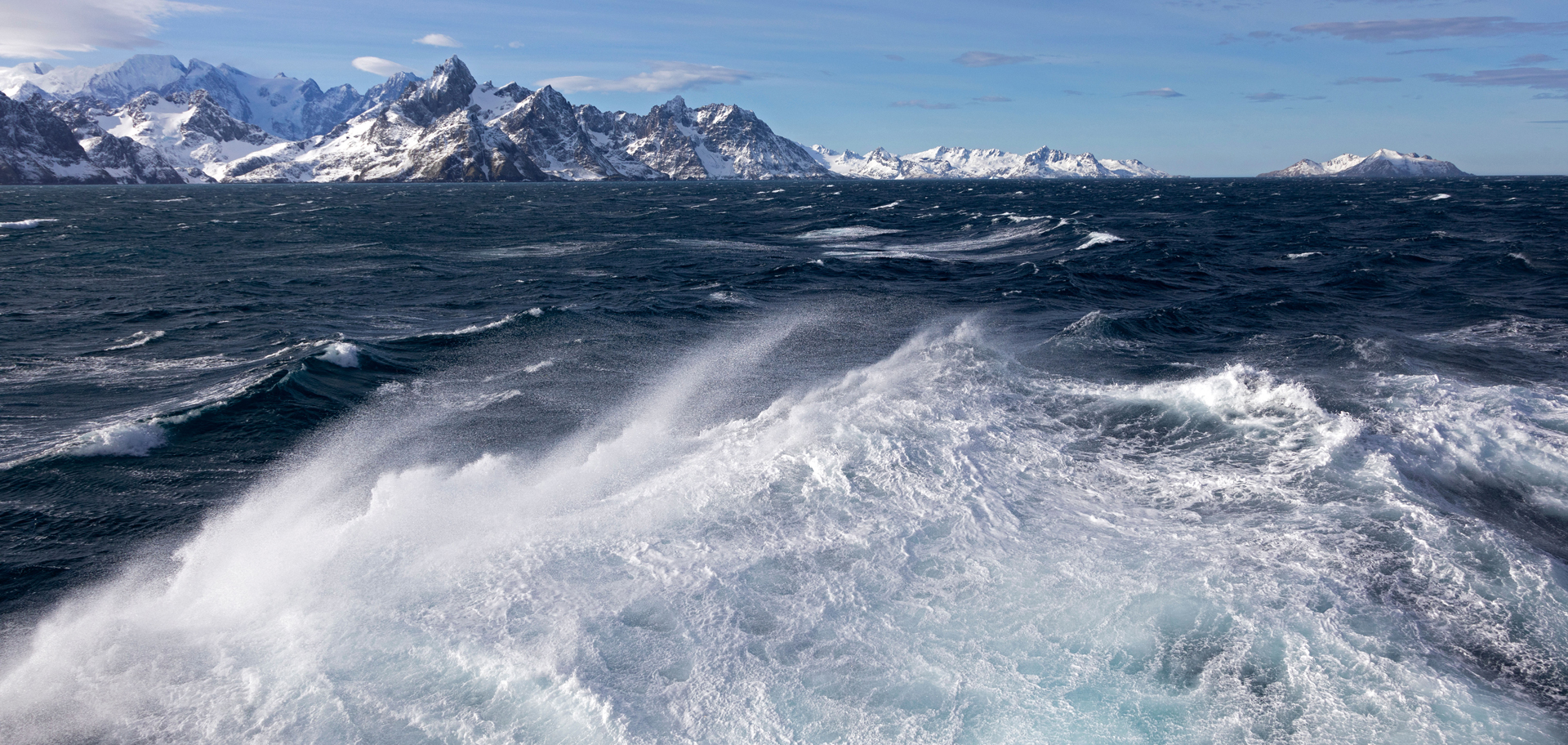
Ocean warming does not occur evenly across the globe. Some regions are heating up much faster than others. In 2025, one of the places where the most pronounced warming was observed was in the Southern Ocean (also known as the Antarctic Ocean).
Ocean warming does not occur evenly across the globe. Some regions are heating much faster than others. In 2025, about 16% of the global ocean area reached record-high heat content, while roughly 33% ranked among the three warmest years on record for their regions. The most pronounced warming was observed in the North Pacific, the South Atlantic, the Southern Ocean and the tropical oceans.
Heat accumulation in the upper 6,500 feet of the ocean has increased steadily over recent decades. In 2025, the global annual average sea-surface temperature ranked as the third warmest year in the instrumental record. Temperatures remained about 1 degree Fahrenheit above the 1981 to 2010 average. Sea-surface temperatures were slightly lower than in 2023 and 2024, largely because conditions shifted from El Nino to La Nina in the tropical Pacific.
Sea-surface temperatures matter because they strongly influence weather around the world. Warmer ocean surfaces increase evaporation and rainfall, making storms more intense and extreme weather events more likely. In 2025, these effects contributed to severe flooding and disruption across much of Southeast Asia, prolonged drought in the Middle East, and flooding in Mexico and the Pacific Northwest.
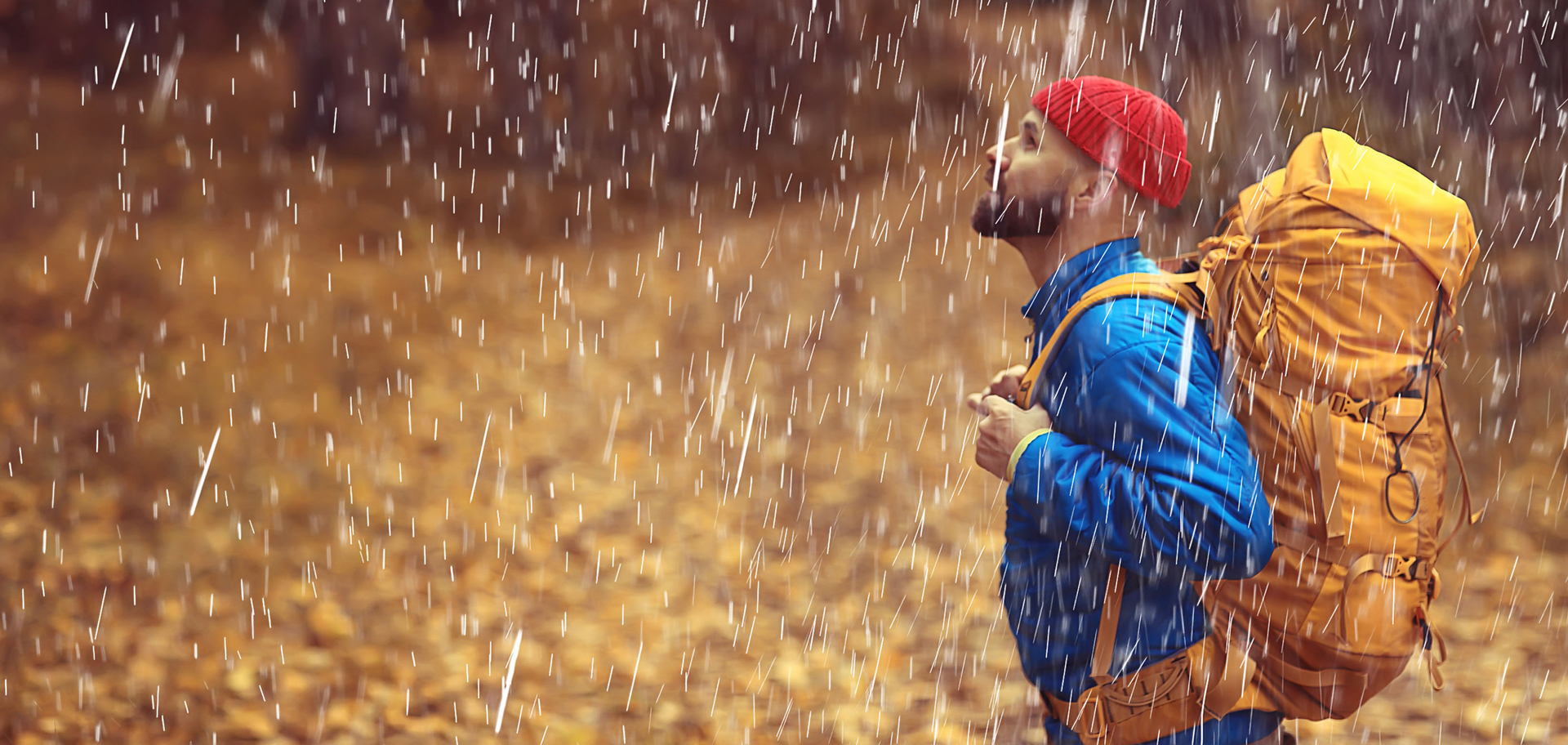
Warmer ocean surfaces increase evaporation and rainfall, making storms more intense and extreme weather events more likely.
As ocean heat continues to increase, the consequences extend across the climate system. Warmer oceans contribute to rising sea levels through thermal expansion, intensify and prolong heat waves, and strengthen extreme weather by adding heat and moisture to the atmosphere. If Earth continues to absorb more energy than it releases, ocean heat content will keep rising and new records will continue to be set.
Mountains are warming faster than expected
Much like the planet’s oceans, mountains around the world are warming quickly—more rapidly than nearby lowland areas—and the impacts could be severe for billions of people who live in or rely on these regions. Researchers who conducted a recent international review warn that climate shifts at higher elevations are unfolding faster and with greater intensity, raising risks for ecosystems, human safety and water supplies.
This major global effort, published in the journal Nature Reviews Earth and Environment in November 2025, focuses on a process scientists call “elevation-dependent climate change,” which describes how environmental changes can speed up as altitude increases. The review brings together the most comprehensive evidence so far showing how mountain climates are changing worldwide.
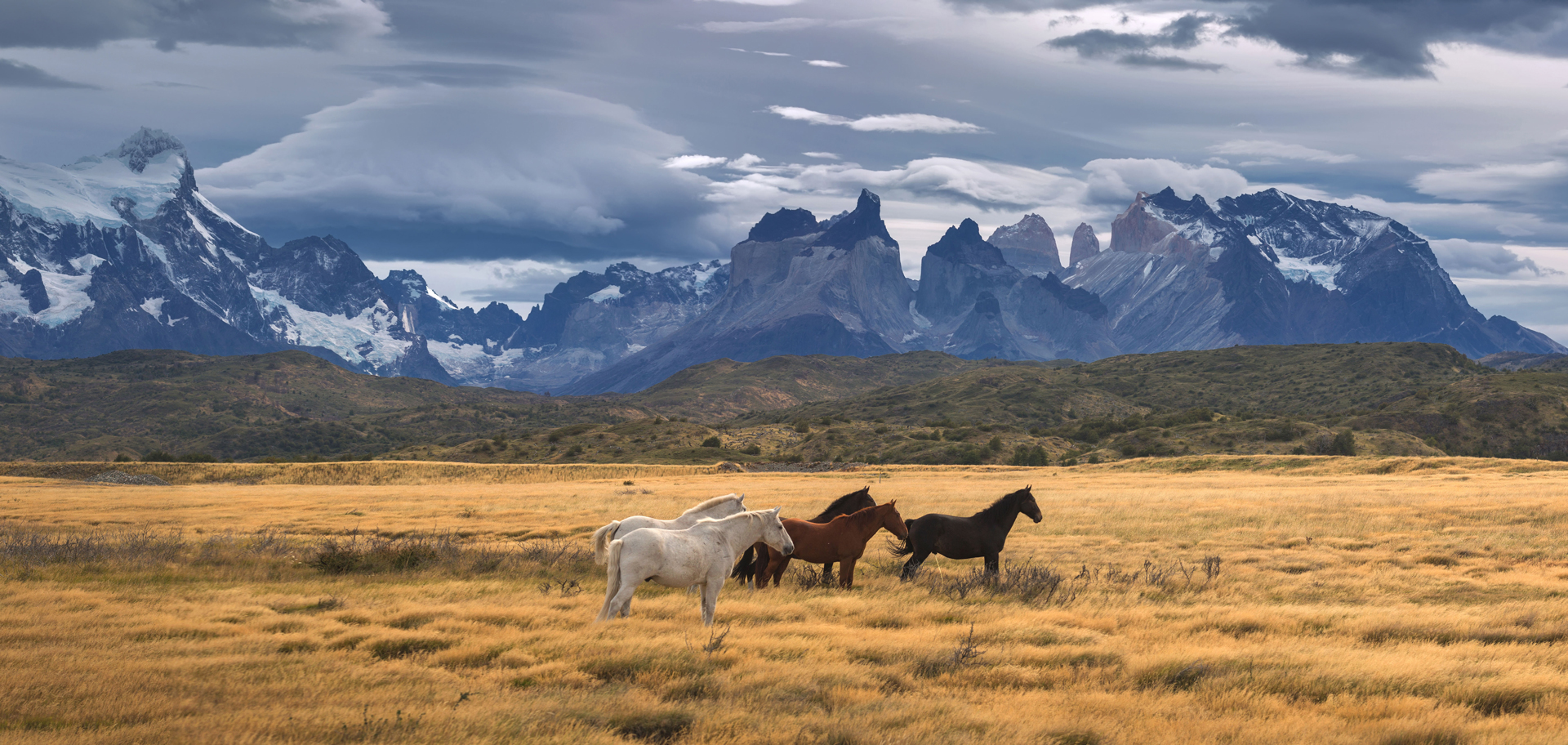
As altitude increases, environmental changes can speed up. Mountainous regions (such as South America’s Andes Mountains) are warming on average 0.37 degrees Fahrenheit per century faster than the surrounding lowlands.
The research team analyzed information from global climate datasets along with detailed case studies from major mountain regions. These included the Alps, the Andes, the Rocky Mountains and the Tibetan Plateau, offering a broad picture of how conditions are evolving across different continents. Their analysis reveals troubling trends between 1980 and 2020:
• temperature: mountain regions are warming on average 0.37 degrees Fahrenheit per century faster than surrounding lowlands;
• precipitation and snow: rainfall patterns are becoming more erratic, and snowfall is increasingly being replaced by rain.
The scientists explain that mountains share many characteristics with Arctic regions and are experiencing similar speedy changes. This is because both environments are losing ice and snow rapidly. What’s less well known, though, they add, is that as you go higher into the mountains, the rate of climate change can become even more dramatic.
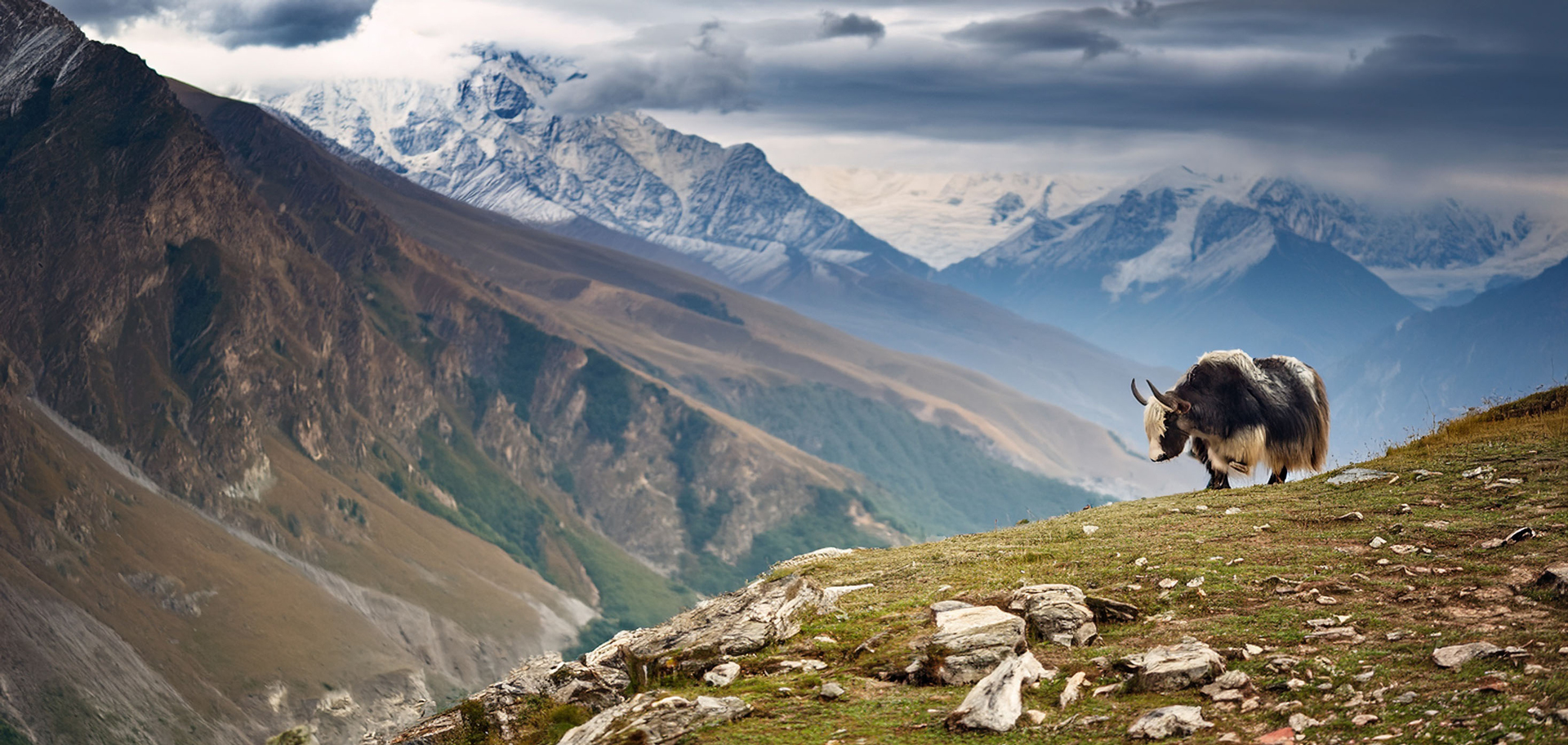
In the Himalayas, a massive mountain range that separates the plains of India from the Tibetan Plateau, ice is decreasing more rapidly than thought. When warmer temperatures cause a transition from snowfall to rain, devastating floods are more likely.
In addition, the consequences of these changes extend far beyond high-altitude communities. More than 1 billion people depend on mountain glaciers and snow as a critical source of fresh water. This includes large populations in China and in India—the world’s two largest countries by population—which receive much of their water from the Himalayas. The Himalayan ice is decreasing more swiftly than thought; when warmer temperatures cause a transition from snowfall to rain, devastating floods are more likely. Hazardous events also become more extreme.
Rising temperatures are also forcing plants and animals to move higher up mountain slopes in search of cooler conditions. But eventually, in some cases, they’ll run out of mountain. With nowhere left to go, species may be lost and ecosystems fundamentally changed.
Recent disasters highlight how urgent the situation has become. For example, in Pakistan last summer, intense monsoon storms combined with extreme mountain rainfall. These cloudbursts led to deadly flooding that killed more than 1,000 people, underscoring how rapidly changing mountain weather can amplify natural hazards.

Rising temperatures are forcing animals to move higher up mountain slopes in search of cooler conditions. But eventually, at the top, they’ll run out of mountain.
The new review builds on the research team’s 2015 paper in the journal Nature Climate Change, which first provided strong evidence that warming increases with elevation. That earlier study identified several key drivers, including shrinking ice and snow cover, rising atmospheric moisture and the influence of aerosol pollutants. Ten years later, scientists have a better understanding of the mechanisms behind these changes and their consequences. Still, the core challenge of climate change remains.
One of their biggest research challenges, say the scientists, is the lack of reliable weather observations in mountain regions. Because these harsh environments are remote and hard to get to, maintaining climate and weather stations in these locations is difficult. Due to these gaps, scientists may be underestimating how quickly mountain temperatures are rising and how fast ice and snow could disappear. The reviewers also call for improved climate models with much finer spatial detail. Many current models track changes only every few thousand miles, even though conditions can markedly vary between slopes just miles apart.
The good news, conclude the researchers, is that computer models are improving. But they warn that better technology alone isn’t enough. We need urgent action on climate commitments and significantly improved monitoring infrastructure in vulnerable mountain regions.
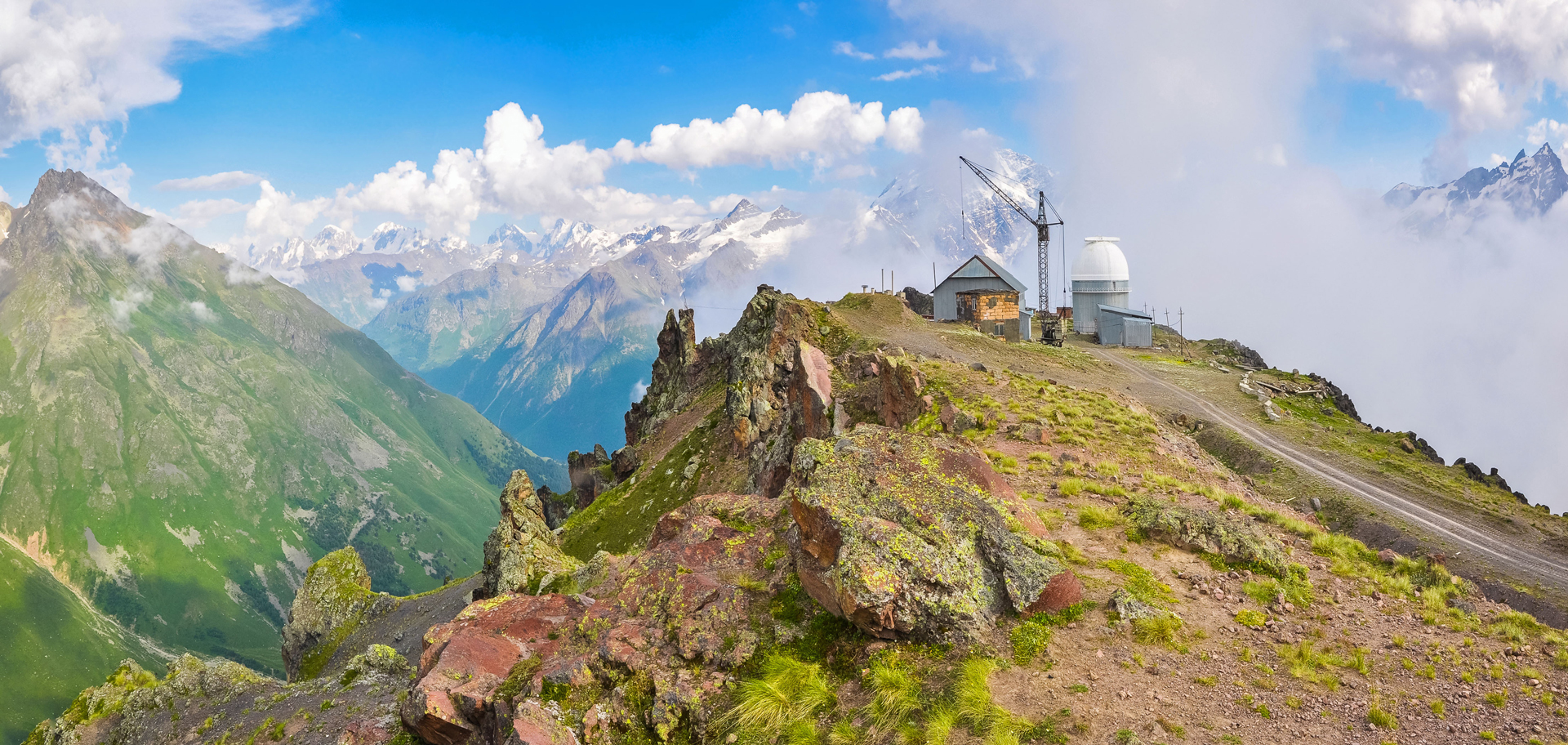
Getting reliable weather observations in mountain terrains is a huge research challenge. Because these harsh environments are remote and hard to get to, maintaining stations in these locations is difficult.
Glacier recovery will take centuries even if global warming is reversed
The first global simulations of glacier change up to the year 2500 under “overshoot” scenarios—when the planet temporarily exceeds the 2.7-degrees-Fahrenheit limit up to 5.4 degrees Fahrenheit before cooling back down—have recently been achieved by scientists at Austria’s University of Innsbruck and the United Kingdom’s University of Bristol. The results, published in the journal Nature Climate Change in May 2025, show that under such scenarios glaciers could lose up to 16% more of their mass compared to a world where we never cross the 2.7-degrees-Fahrenheit threshold.
Rising global temperatures even now indicate a good chance of overshooting the Paris Agreement limits adopted a decade ago. For example, last year was the hottest year ever recorded on Earth and the first calendar year to exceed the 2.7-degrees-Fahrenheit mark. The climate scientists assessed future glacier evolution under a strong overshoot case in which global temperatures continue rising to 5.4 degrees Fahrenheit by around 2150, before falling back to 2.7 degrees Fahrenheit by 2300 and stabilizing. This scenario reflects a delayed net-zero future, in which negative emission technologies like carbon capture are only deployed after critical warming thresholds have been exceeded.
The results show glaciers would fare much worse than in a world where temperatures stabilize at 2.7 degrees Fahrenheit without overshooting, with an additional 16% of glacier mass being lost by 2200 and 11% more by 2500—on top of the 35% already committed to melting even at 2.7 degrees Fahrenheit. This extra meltwater eventually reaches the ocean, contributing to even greater sea-level rise.
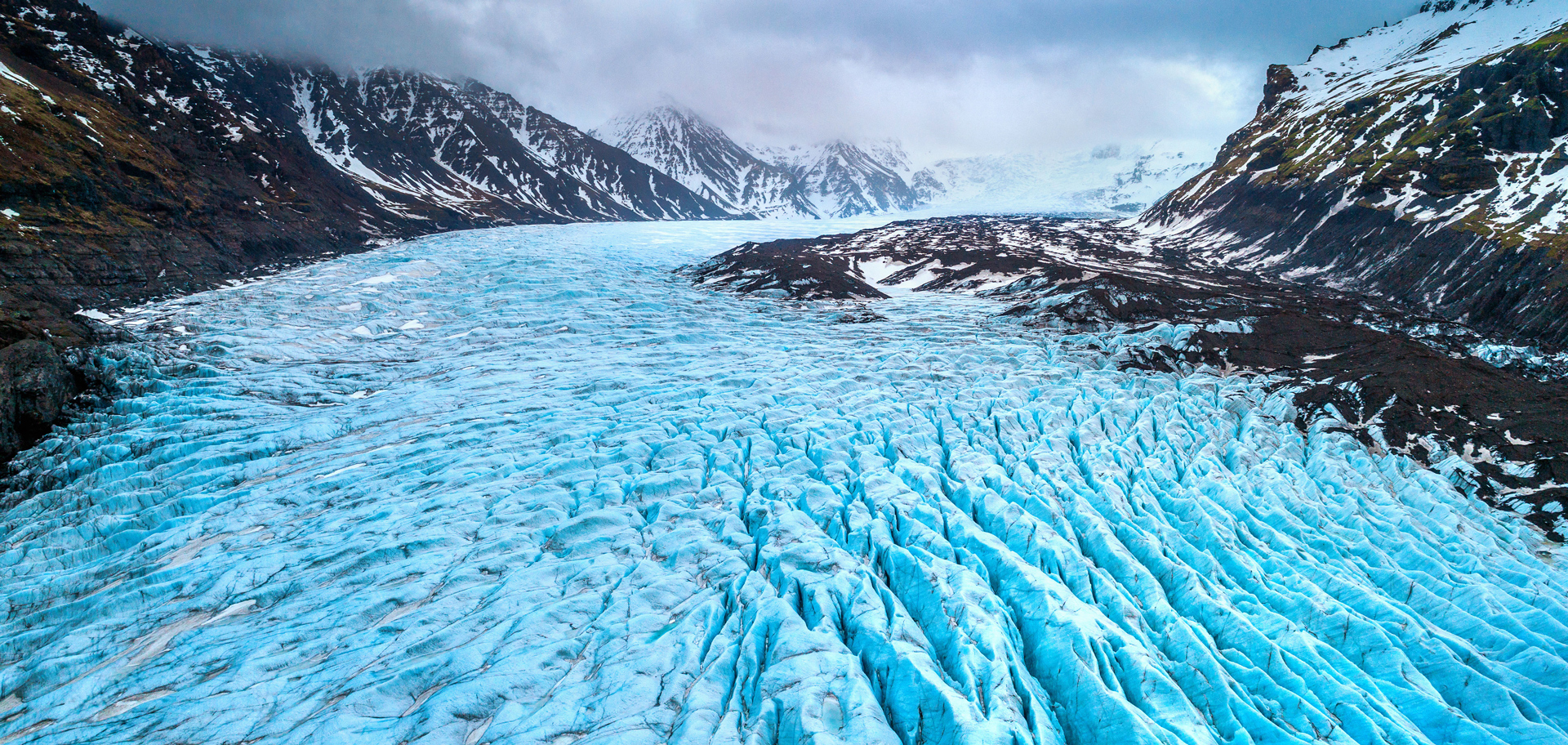
Current climate policies are putting Earth on a path that leads to a rise in temperatures of 5.4 degrees Fahrenheit. It’s clear that such a world is far worse for glaciers than one where the 2.7-degrees-Fahrenheit limit of the Paris Agreement is adhered to.
A pioneering, open-source model developed at the University of Bristol and partner institutions was used in the study. It simulates past and future changes in all of the world’s glaciers, excluding the two polar ice sheets. It was combined with novel, global climate projections produced by the University of Bern in Switzerland. The models showed that it would take many centuries, if not millennia, for the large polar glaciers to recover from a 5.4-degrees-Fahrenheit overshoot. For smaller glaciers, such as those in the Alps, the Himalayas and the tropical Andes, recovery wouldn’t be seen by the next generations but is possible by 2500.
Glacier meltwater in these mountain regions is vital to downstream communities—especially during dry seasons. When glaciers melt, they temporarily release more water, a phenomenon known as glacier “peak water.” If glaciers regrow, they start storing water again as ice, and that means less water flows downstream. This effect is called “trough water” in contrast to peak water. Approximately half of the basins studied will experience some form of trough water beyond 2100. While it’s too early to say how much impact this will have, state the scientists, this study is a first step toward understanding the many and complex consequences of climate overshoots for glacier-fed water systems and sea-level rise.
In conclusion, the researchers write, “We aimed to discover whether glaciers can recover if the planet cools again. It’s a question many people ask: will glaciers regrow in our lifetime, or that of our children? Our findings indicate, sadly, not.”
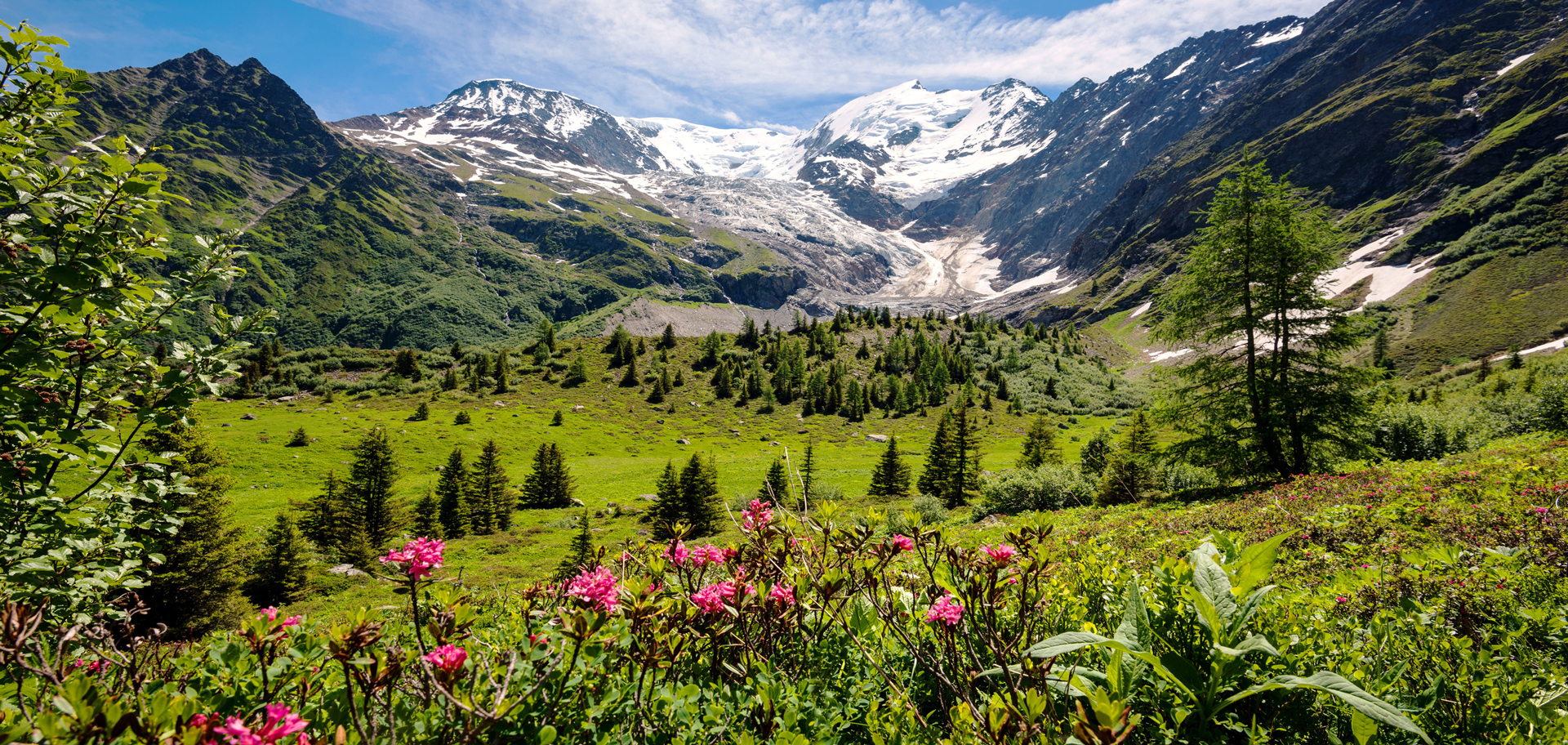
It will take many centuries, if not millennia, for the large polar glaciers to recover from a 5.4-degrees-Fahrenheit overshoot. For smaller glaciers—such as those in the Alps, as shown here—recovery wouldn’t be even possible until 2500.
Climate apathy breakthrough
Unfortunately, slowing human-caused climate change requires decisive action, but the slow upward creep of global temperatures contributes to apathy among people who don’t experience regular climate-driven disasters, psychologists say. Luckily, there is a way to address this.
In a new study from New Jersey’s Princeton University and the University of California, Los Angeles, researchers examined ways to communicate the true impact of climate change and found a solution. Showing people continuous data, such as temperature increases in a town, left people with a vague impression of gradual change; but showing binary data for the same town, specifically whether a lake froze or not each winter, brought home the striking shift.
The researchers noted that people are adjusting to worsening environmental conditions, like multiple fire seasons per year, disturbingly fast. But when they used the same temperature data for a location but presented it in a starker way, it broke through people’s climate apathy.
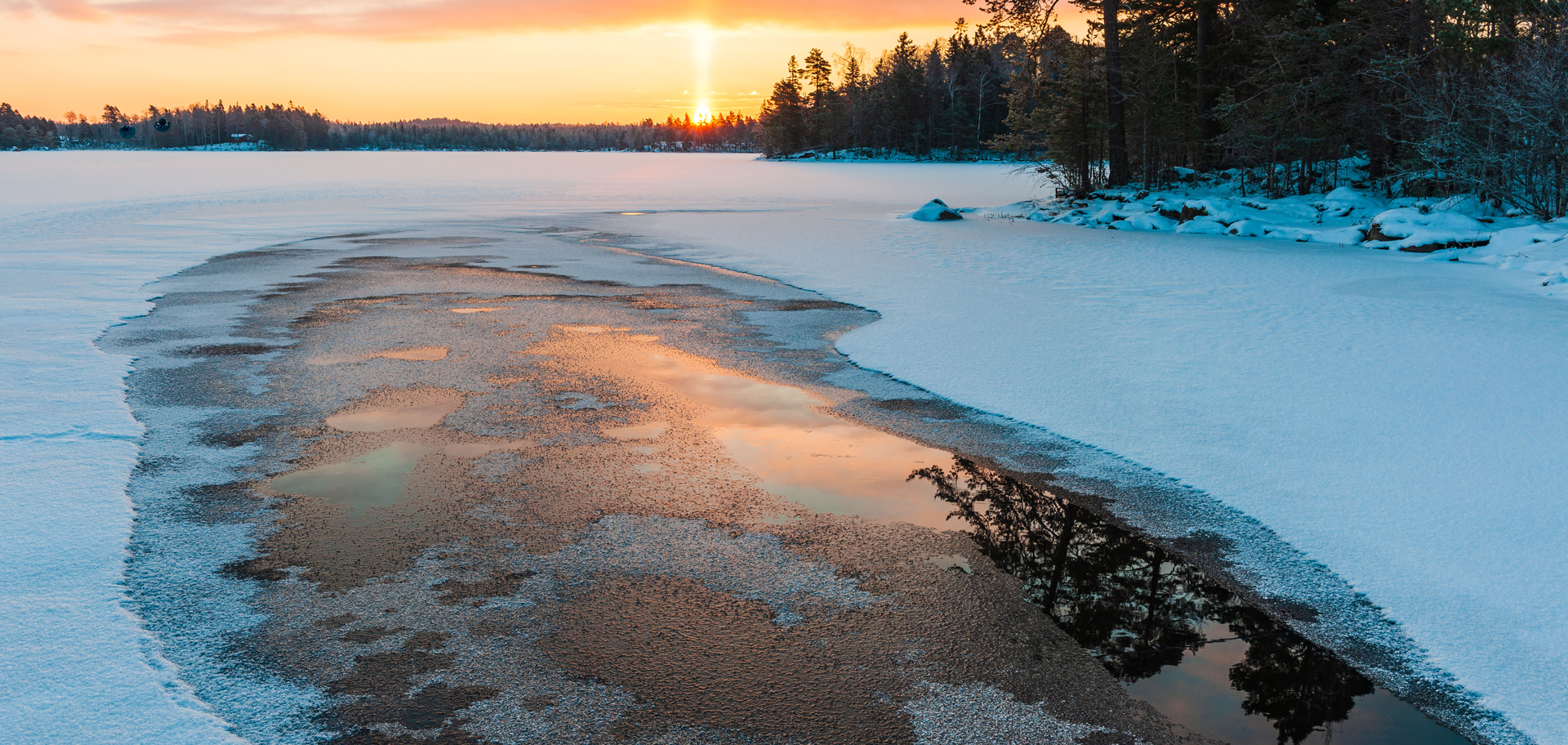
Presenting climate data, such as incremental changes in temperature, in binary form (for example, whether a lake did or didn’t freeze in the winter) significantly increases a person’s ability to see the impact of climate change.
Humans tend to adjust to change, even as science has proven that our greenhouse gas emissions are causing climate change and increasing disasters like droughts, floods, hurricanes, sea-level rise and wildfires. For years, say the scientists, we assumed that if the climate worsened enough, people would act; but instead, we saw the “boiling frog” effect, where humans continuously reset their perception of “normal” every few years.
In the study, published in the journal Nature Human Behavior in April 2025, the researchers first asked the participants about the climate in a fictional city they named Townsville; and later asked a second group about five real lakeside cities around the world, including Traverse City in Michigan and Lake George in New York. In both versions of the experiment, the scientists showed half of the study participants a graph of temperature increases from 1940 to 2020, and the other half a graph showing whether temperatures caused the lake to freeze each winter. Whether charting temperatures or lake freezes, each pair of charts drew from the same slowly warming weather information. As temperatures gradually climbed, the lakes stopped freezing as often. For the real towns, study participants hearing about the lake also learned about the decline of activities like ice fishing and ice-skating.
When the researchers asked participants to rate from 1 to 10 how much climate change impacted the town, people who learned about a range of temperatures responded lower than people who learned whether the lake froze: on average, 6.6, compared to 7.5, or 12% higher. Making the emotional connection to local traditions, whether ice-skating in the winter or freedom from wildfire smoke in the summer, may also contribute to overcoming apathy.

People adjust to worsening environmental conditions disturbingly fast. Discussing climate change not just in gradual temperature terms but in concrete, either-or phrases showing how life has changed is important. Don’t just talk about hotter summers; mention the disappearance of a favorite fishing pond or swimming hole.
This study drives home the importance of discussing climate change not just in gradual temperature terms, but in concrete, either-or terms, showing how life has changed. It’s not just warmer winters; it’s also a loss of ice hockey and white Christmases. It’s not just hotter summers; it’s the disappearance of a swimming hole due to drought or soccer practice being canceled because it’s dangerously hot.
By focusing on the increasing rate of once-rare events, like extreme heat days or thousand-year floods, or the slow loss of seasonal joys like skiing or outdoor ice-skating, it’s hoped that the same temperature data that once led to public apathy can instead help communities care more about the climate emergency.
Here’s to finding your true places and natural habitats,
Candy