

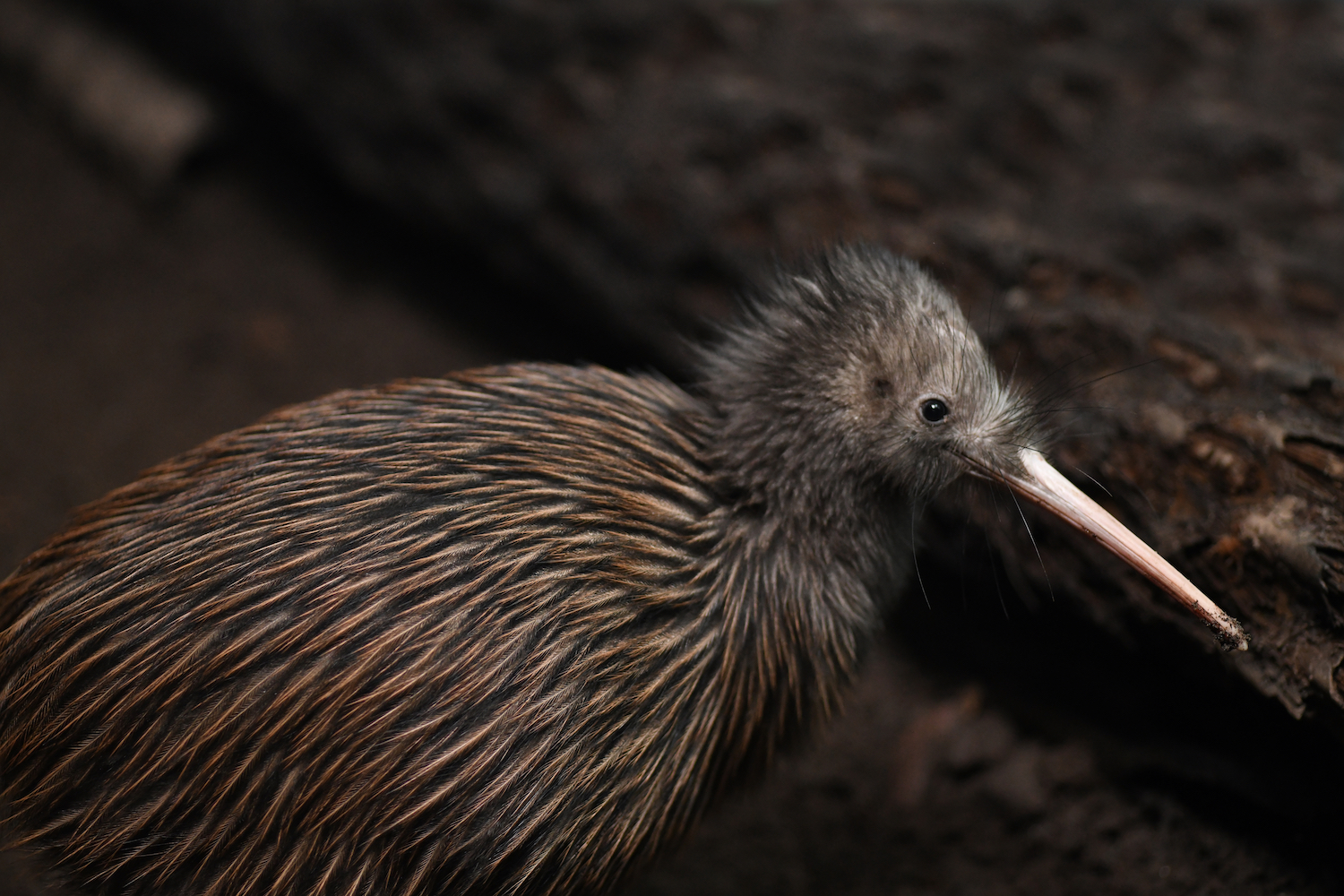
Long before people around the world began referring to New Zealanders as “kiwis,” the indigenous Maori held the kiwi bird in high regard. They called this elusive, flightless bird—found burrowing through forests, scrublands and grasslands—the hidden bird of Tane, the god of the forest: te manu huna a Tane. Once abundant across New Zealand, kiwi populations have declined dramatically due to habitat loss and introduced predators. Today, fewer than 70,000 are estimated to remain in the wild, making conservation efforts critical to the species’ survival.
Kiwi Anatomy and Behavior
It’s easy to understand why kiwi captivate wildlife travelers. These unusual birds belong to a group of mostly flightless birds known as ratites, which includes ostriches, emus, cassowaries and the extinct moa of New Zealand. Of the five kiwi species—the brown kiwi, great spotted kiwi, little spotted kiwi, rowi and tokoeka—the kiwi is among the smallest, standing roughly 14–18 inches tall and weighing about four pounds.
Nearly everything about the kiwi is distinctive. Unlike most birds, kiwi rely heavily on smell, hearing and touch rather than sight. They are the only birds in the world with nostrils at the tip of their beaks, allowing them to sniff out insects and worms beneath the forest floor. Sensitive whisker-like feathers around the face help them navigate at night, while their shaggy feathers resemble coarse fur more than plumage.
Kiwi also lay remarkably large eggs relative to their body size. A kiwi egg can weigh up to 20% of the female’s body weight—one of the largest egg-to-body-size ratios of any bird species. Chicks hatch fully feathered and largely independent from birth.
Their powerful legs account for nearly a third of their body weight, allowing them to move quietly through dense vegetation despite their size. Though flightless, kiwi are surprisingly agile and well adapted to life on the forest floor.
A National Symbol of New Zealand
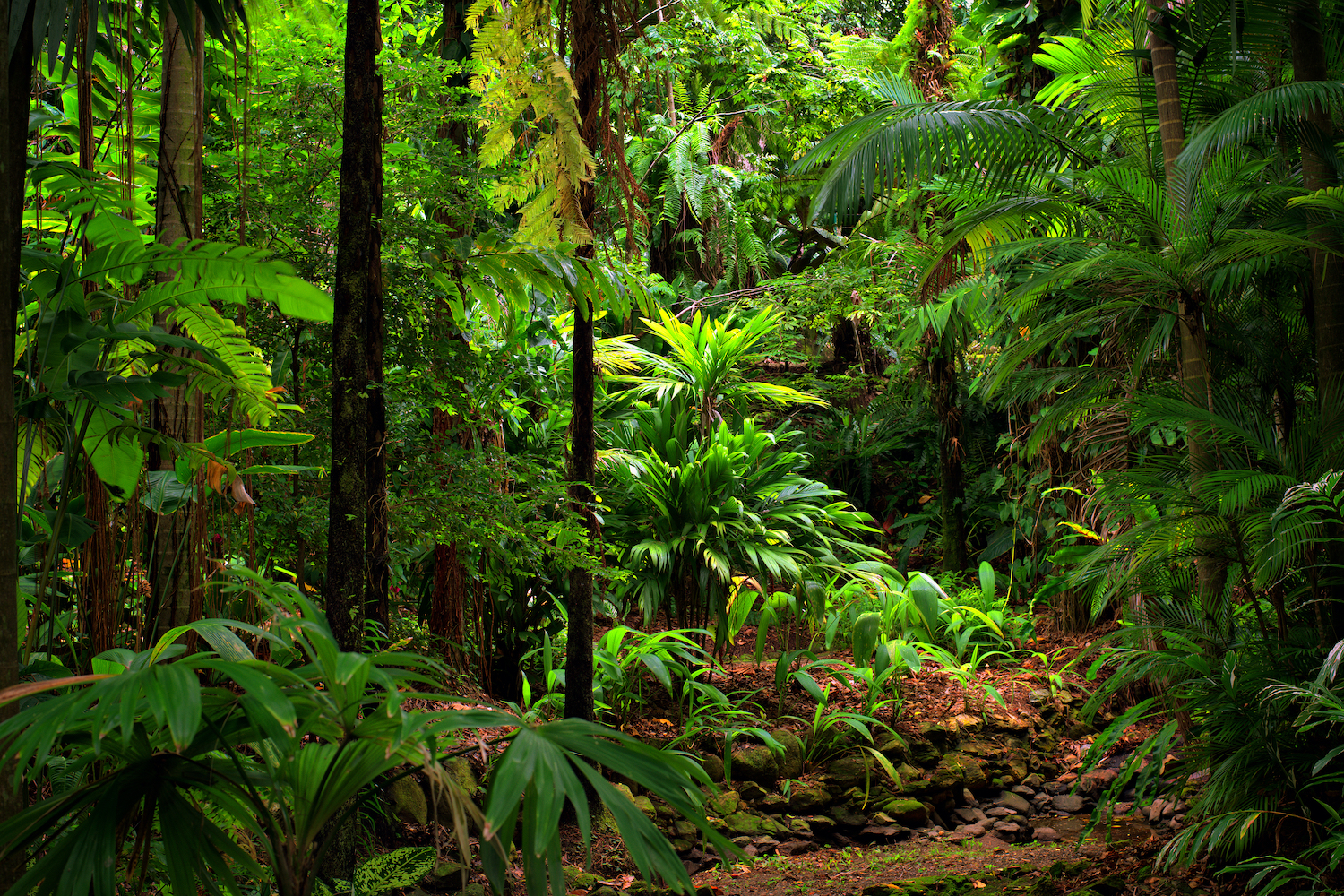
The kiwi has long represented New Zealand identity and resilience. Early uses of the kiwi as a national emblem date back to the late 19th century, and by the early 1900s the bird had become closely associated with New Zealand culture and military history. Today, “Kiwi” is recognized worldwide as a nickname for New Zealanders themselves.
Yet despite this deep cultural connection, kiwi remain vulnerable in the wild.
Threats and Kiwi Conservation
Introduced predators—including stoats, ferrets, cats and dogs—pose the greatest threat to kiwi survival. In unmanaged habitats, very few chicks survive to adulthood. Conservation programs across New Zealand are working to reverse these declines through predator control, habitat restoration and captive rearing initiatives.
Organizations such as Save the Kiwi help protect nesting areas, train dog owners to reduce accidental kiwi attacks and support programs that raise young kiwi in protected environments before releasing them back into the wild. In areas with active predator management, kiwi survival rates improve dramatically.
These conservation efforts are helping stabilize some kiwi populations, but continued protection remains essential.
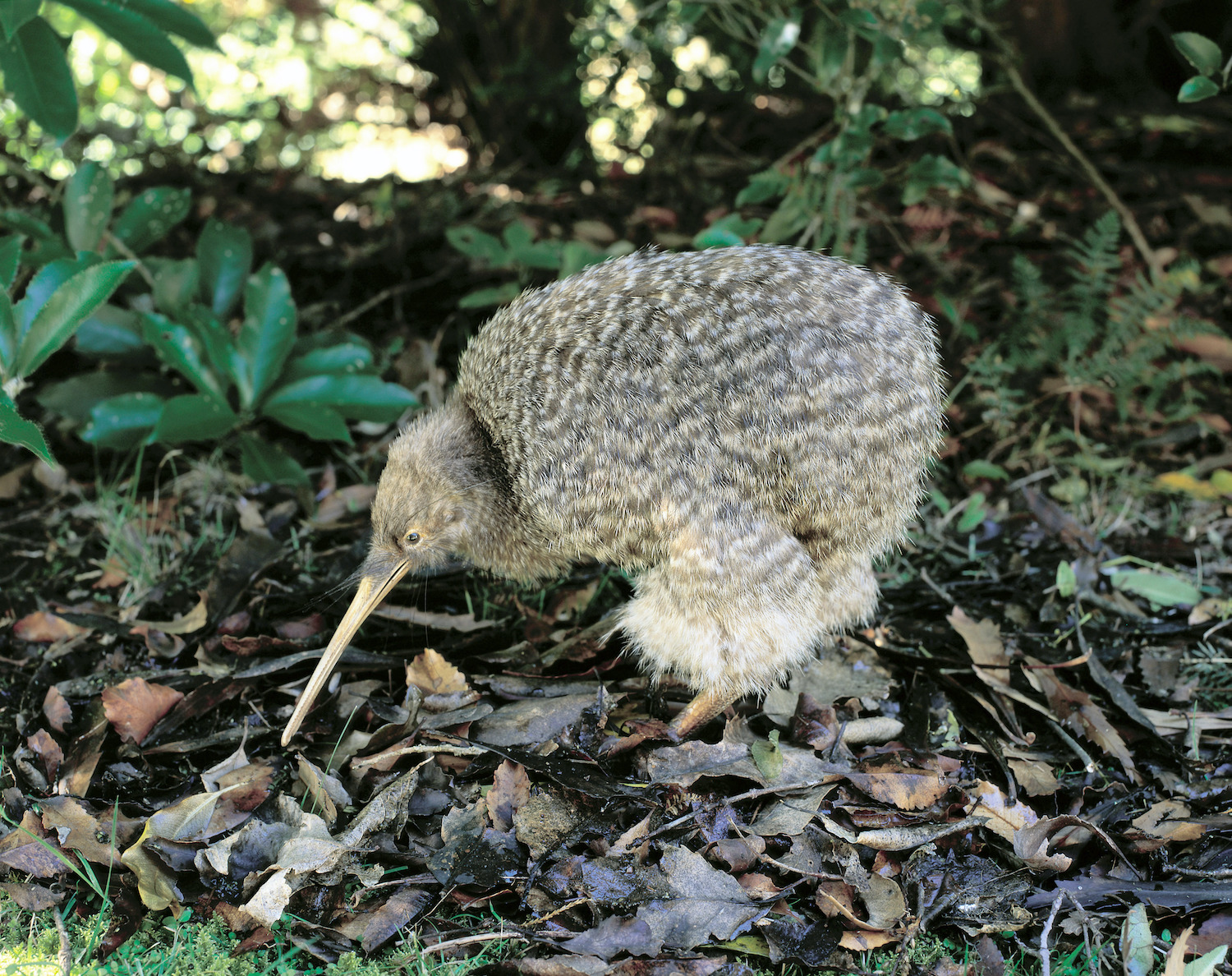
Little spotted kiwi
Journey to the Land of Glowing Skies
For many wildlife travelers, spotting a kiwi in the wild is one of New Zealand’s most memorable experiences. Stewart Island, located 19 miles off the southern coast of the South Island, is widely regarded as one of the best places in the country to search for the southern brown kiwi in its natural habitat.
Much of the island lies within Rakiura National Park. Its Maori name, Rakiura, translates to “Land of Glowing Skies,” a reference to the southern lights that occasionally shimmer overhead.
Despite an estimated population of roughly 20,000 kiwi on Stewart Island, sightings are never guaranteed. Kiwi are nocturnal and exceptionally quiet, moving through the forest on padded feet that make little sound. Experienced local guides play an important role in helping travelers respectfully search for these elusive birds on nighttime walks through the island’s forests and coastlines.
While kiwi can occasionally be spotted independently, guided excursions offer the best opportunity to observe them responsibly in the wild. Nat Hab’s South Island nature adventure includes a guided night walk on Stewart Island, where guests may have the chance to encounter kiwi beneath the forest canopy.
A Rare Wildlife Encounter Worth Protecting
Seeing a kiwi in the wild is more than a wildlife sighting—it’s an opportunity to connect with one of New Zealand’s most distinctive native species and better understand the conservation work helping protect its future.
By supporting responsible ecotourism and conservation initiatives, travelers help contribute to the preservation of New Zealand’s remaining wild habitats and the remarkable species that depend on them.