

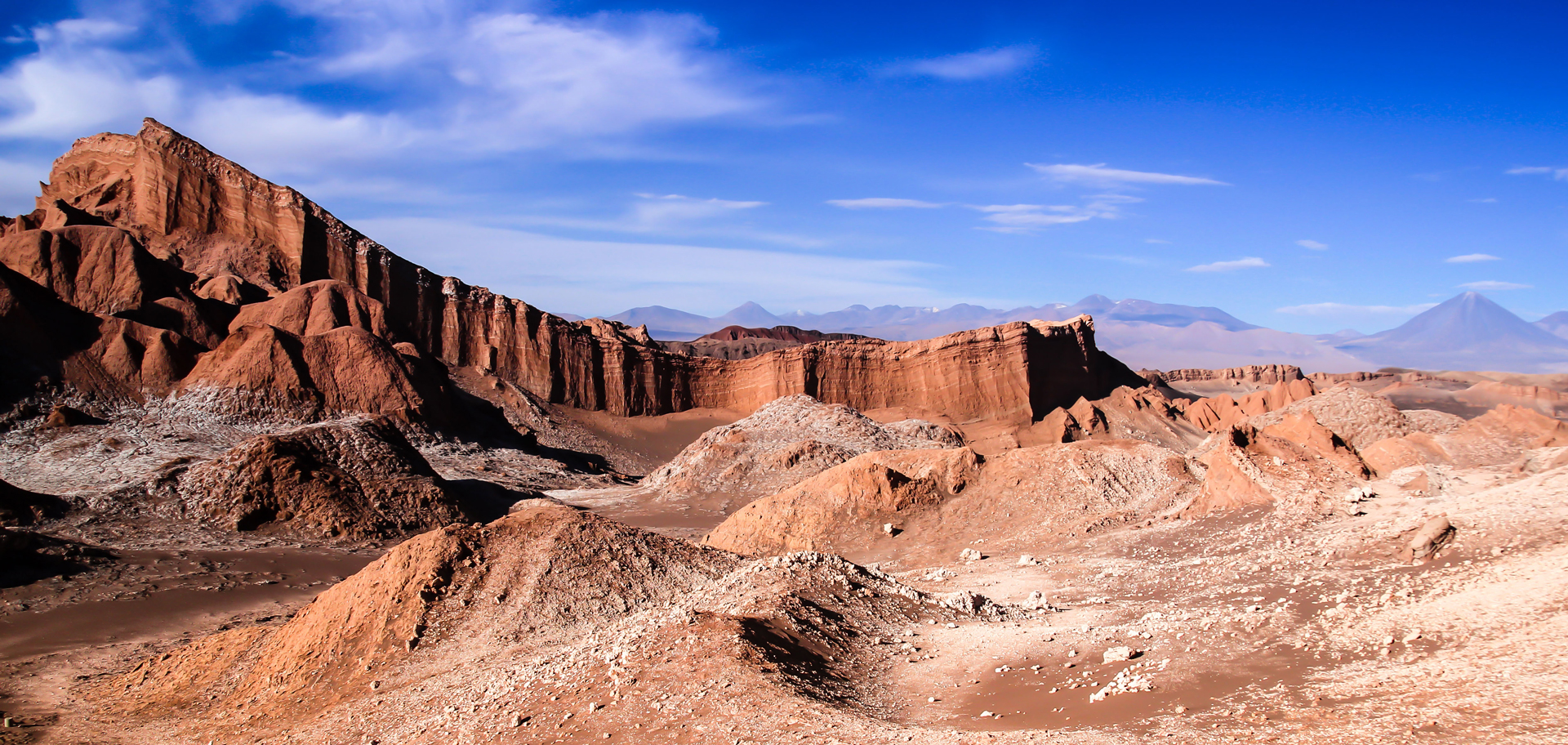
Positioned between the Andes Mountains and the Pacific Ocean, the Atacama Desert spans roughly 1,000 miles. It is the oldest and driest nonpolar desert on Earth. Because this high-altitude plateau is extremely arid and features an unpolluted sky, it has become a global center for astronomy.
Deserts are far from the lifeless, slow-growing and always arid places they’re often depicted to be. For example, even in Chile’s ultradry Atacama Desert, tiny soil-dwelling nematodes (roundworms) are thriving in surprising diversity. And in the relentless heat of California’s Death Valley, a resilient, perennial, native plant, Arizona honeysweet (Tidestromia oblongifolia), doesn’t just survive—it prospers by quickly adjusting its photosynthetic machinery to endure extreme temperatures that would halt most other species. Its cells reorganize, its genes switch on protective functions, and it even reshapes its chloroplasts to keep producing energy. That animated process could one day guide the creation of crops capable of withstanding future heat waves.
Deserts are also surprisingly dynamic ecosystems where evolution is happening fast, and a wetter environment could become the norm. Cacti may look like slow, stubborn, desert survivors, but they’re actually evolving at lightning speed. By the end of this century, the Sahara Desert in Africa might see up to 75% more rain due to rising global temperatures. That could rebalance the continent’s climate.
Deserts certainly aren’t standing still. They are lively, robust and energetic ecosystems whose futures could affect us all.
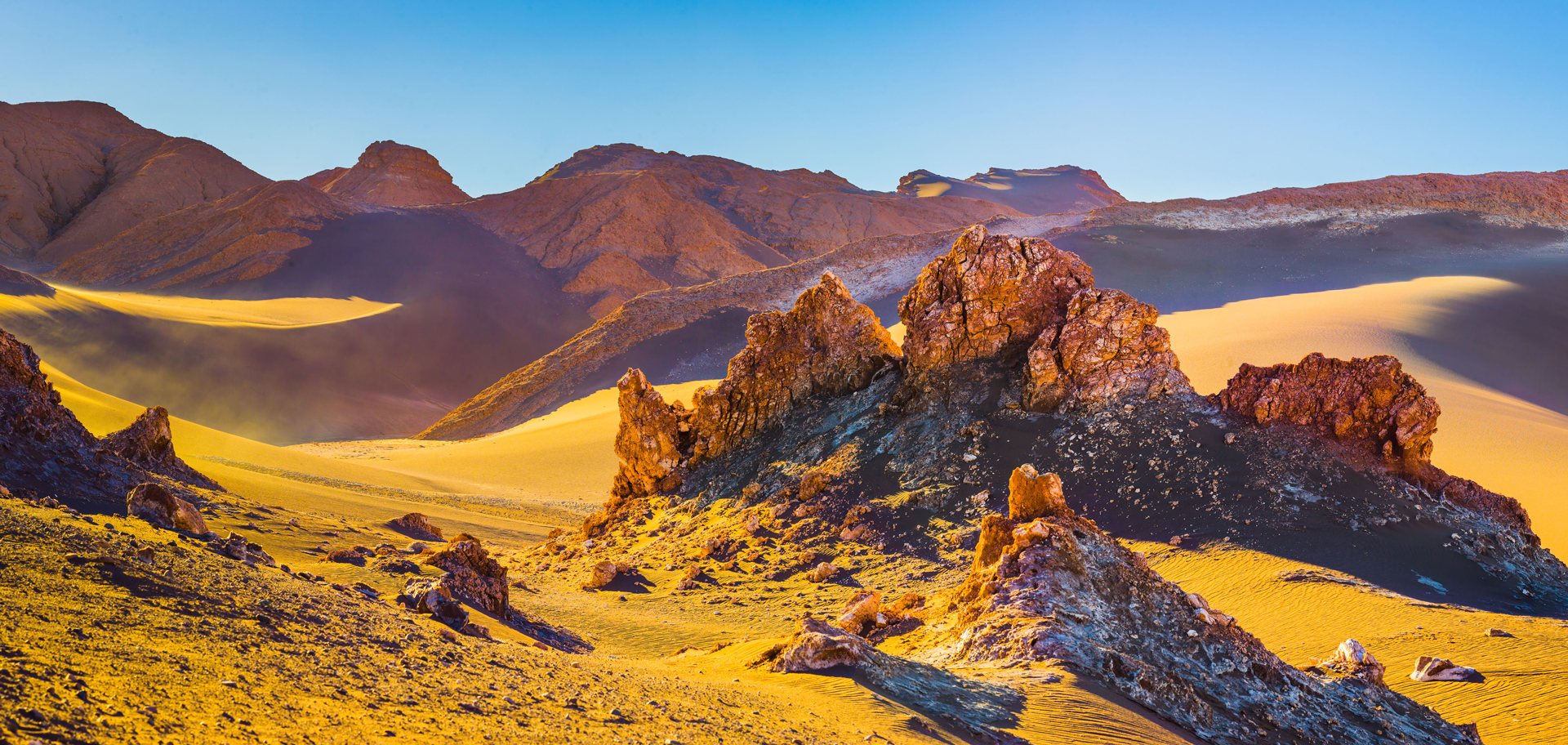
Because of its Mars-like mineralogy and extreme hostility to traditional life, the Atacama’s hyperarid core serves as a key testing ground for NASA and other space agencies. Studying the conditions here helps scientists calibrate rovers and understand whether life could potentially exist in the extreme, salty soils of the Red Planet.
Atacama: the world’s driest desert is teeming with hidden life
Life beneath the surface of one of the driest places on Earth is far more resilient and diverse than many scientists had once thought. That place is Chile’s Atacama Desert. Often compared to polar deserts, the Atacama is considered one of the most arid regions in the world. With almost no rainfall, high salt levels in the soil and dramatic temperature swings, it ranks among the planet’s most extreme environments.
Despite these punishing conditions, an international team of scientists led by researchers at Germany’s University of Cologne found thriving communities of nematodes. Nematodes are among the most widespread and numerous animals in soil ecosystems. With countless species worldwide, they play a vital role in maintaining ecological balance by helping to control bacterial populations, supporting nutrient cycling and serving as indicators of soil health.
They are also remarkably adaptable. Nematodes can be found in deep ocean sediments, Arctic environments and even highly saline soils. Their ability to endure such extremes makes them ideal organisms for studying how life persists under environmental stress.
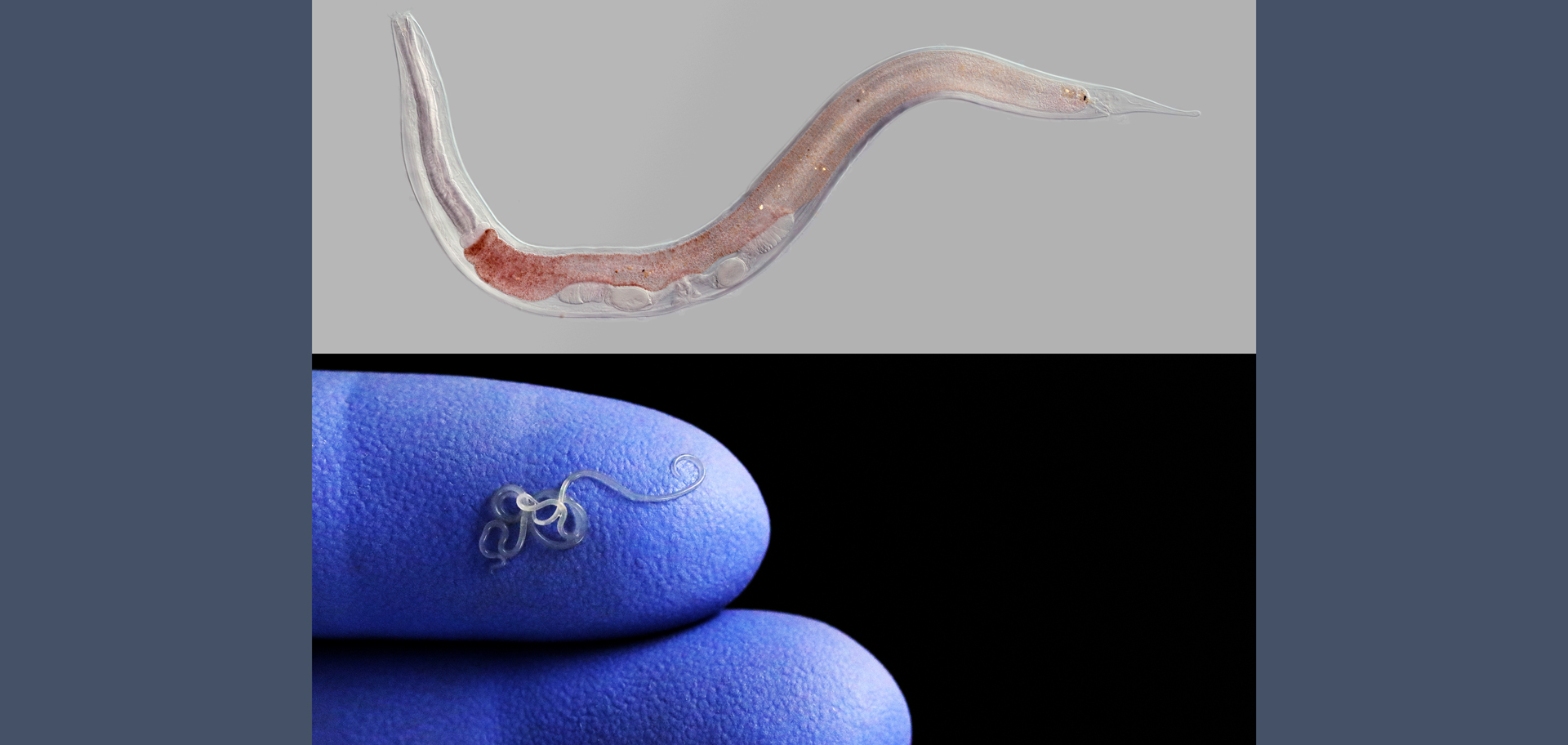
Nematodes are tiny, unsegmented worms that are among the most abundant animals on Earth. They live in almost every ecosystem—from deep ocean trenches and soils to the tissues of animals and plants. Even in the ultradry Atacama Desert, nematodes thrive in surprising diversity.
Soils are important for the performance of an ecosystem, for example for carbon storage and nutrient supply. This is why understanding the organisms—not just microbes, but multicellular animals—that live there is so important, state the researchers. Data on soils in extreme ecosystems such as the Atacama Desert is still scarce. So, University of Cologne specialists in botany, ecology and zoology worked together to uncover how different species manage to survive there.
The team has conducted long-term research in the Atacama and is part of the Collaborative Research Center 1211 “Earth—Evolution at the Dry Limit” project. Six distinct regions, each with different environmental conditions, have been examined for this research; including higher elevation areas with more moisture and vegetation, highly saline zones exposed to intense UV radiation and fog-fed oases where plant life flourishes against the odds. Soil samples were collected from mountainous terrain, riverbeds, salt flats and sand dunes. Biodiversity, population structures and reproductive strategies among the nematodes living in each environment were also analyzed.
Clear differences emerged across locations. At higher elevations, many nematode species reproduce asexually. This finding lends support to a long-standing but previously unconfirmed idea that asexual reproduction may offer advantages in extreme environments. Biodiversity followed moisture patterns. Areas that received more precipitation supported a greater variety of species. Temperature differences further influenced which nematode communities could survive in specific regions.
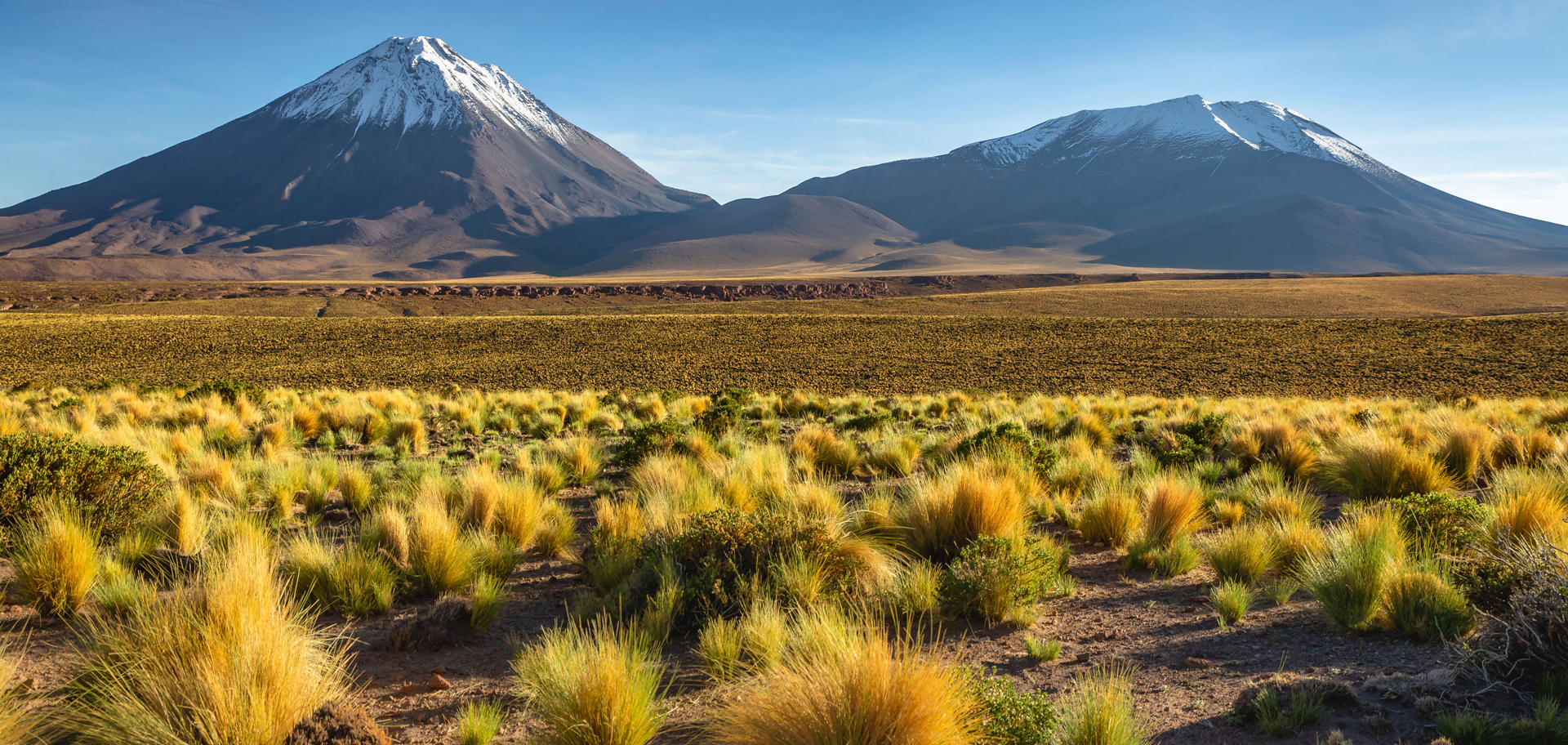
Despite the harsh conditions in the Atacama Desert, the soil is not completely sterile. It harbors resilient, highly adapted microbial communities and multicellular animals, such as nematodes, that can survive high UV exposure and extreme temperature fluctuations.
The results, published in the journal Nature Communications in January 2026, provide new insight into how biodiversity patterns are shaped by environmental factors across a landscape. They demonstrate that stable and resilient soil ecosystems can exist even in remote and severely dry landscapes. This suggests that other arid regions around the world may harbor more biodiversity than previously recognized.
While that’s much-needed good news, at the same time, the research highlights potential risks. In some of the examined regions, simplified food webs indicate that these ecosystems are already damaged and may therefore be more susceptible to disruptions. Fragile systems with fewer ecological connections may struggle to withstand additional environmental stress. In light of increasing global aridity, which is affecting more and more regions worldwide, these results become increasingly relevant. Understanding how organisms adapt in extreme environments and which environmental parameters cause them to spread can help to improve the estimation of the ecological consequences of climate change.
The findings also show that broad ecological patterns—such as the influence of altitude and precipitation gradients—remain detectable even under extreme conditions and can be observed at the genetic level. Overall, conclude the University of Cologne scientists, this study marks an important step toward understanding how soil organisms respond to environmental change on a global scale.
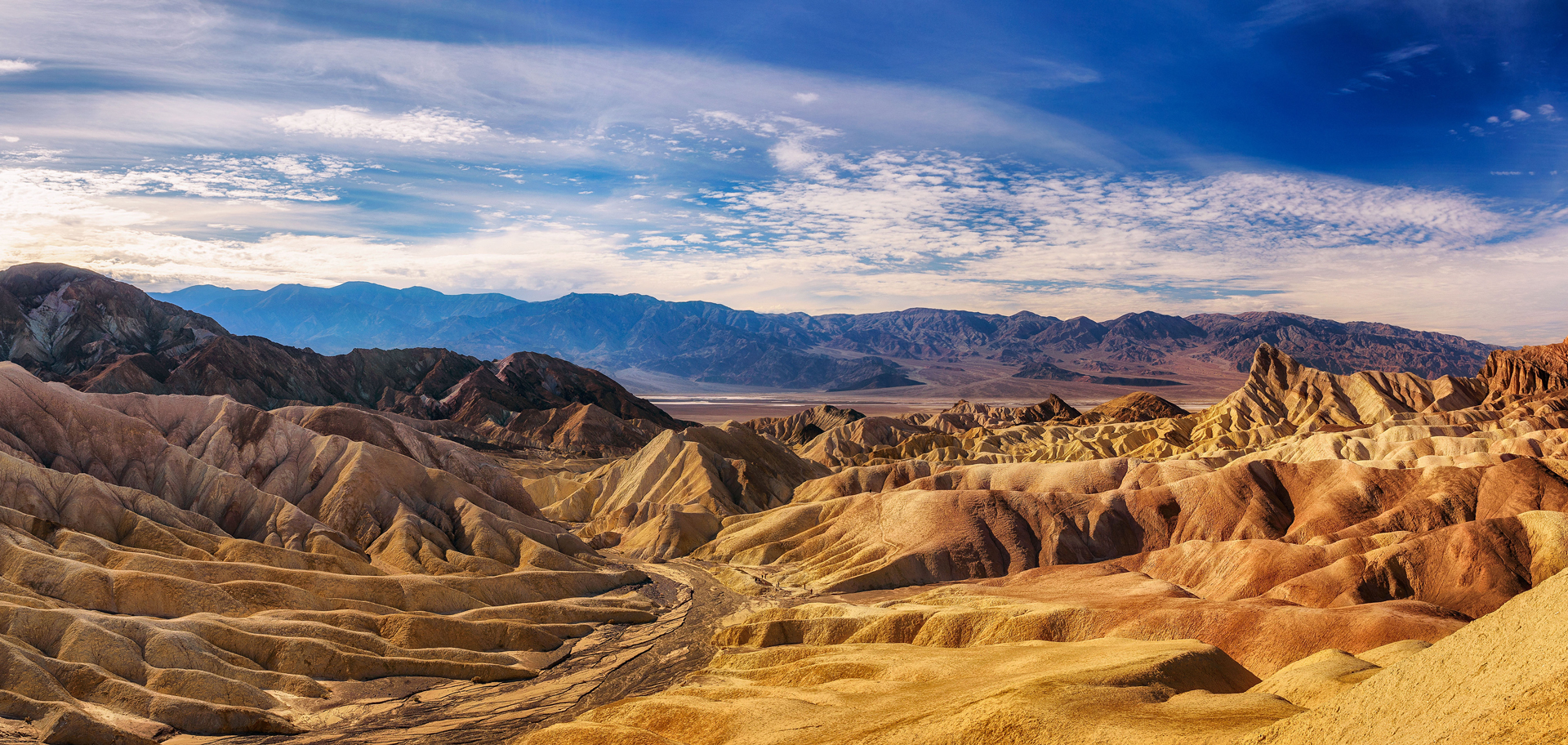
Renowned for its extreme heat, Death Valley contains the lowest point in North America (Badwater Basin, at -282 feet). According to the National Park Service, despite its searing environment, the 3.4-million-acre Death Valley National Park features striking badlands, salt flats and sand dunes, making it a popular destination for scenic drives.
Death Valley: a desert survivor that grows faster the hotter it gets
Not only is there unexpected life in desert soils, but there’s fast-paced vitality pushing up through it. In California’s Death Valley, where summer heat often surpasses 120 degrees Fahrenheit, survival appears almost impossible. Yet, on the cracked dirt and under intense sunlight, one native plant not only endures but excels.
That plant, Arizona honeysweet (Tidestromia oblongifolia), has helped scientists at Michigan State University (MSU) reveal how life can persist in such extreme conditions. Their findings, published in the journal Current Biology in November 2025, offer a potential guide for developing crops that can survive in an increasingly hot climate.
The project began when MSU scientists asked a simple question: how can this particular plant remain green and healthy when most others would wither within hours? When they first brought the plant’s seeds back to the lab, the researchers fought just to get them to grow. But once they managed to mimic Death Valley’s environmental conditions in their growth chambers, the plants took off. In fact, T. oblongifolia grows more quickly under Death Valley’s summer conditions. The plant accomplishes this by fine-tuning its photosynthetic system to resist the damaging effects of heat.
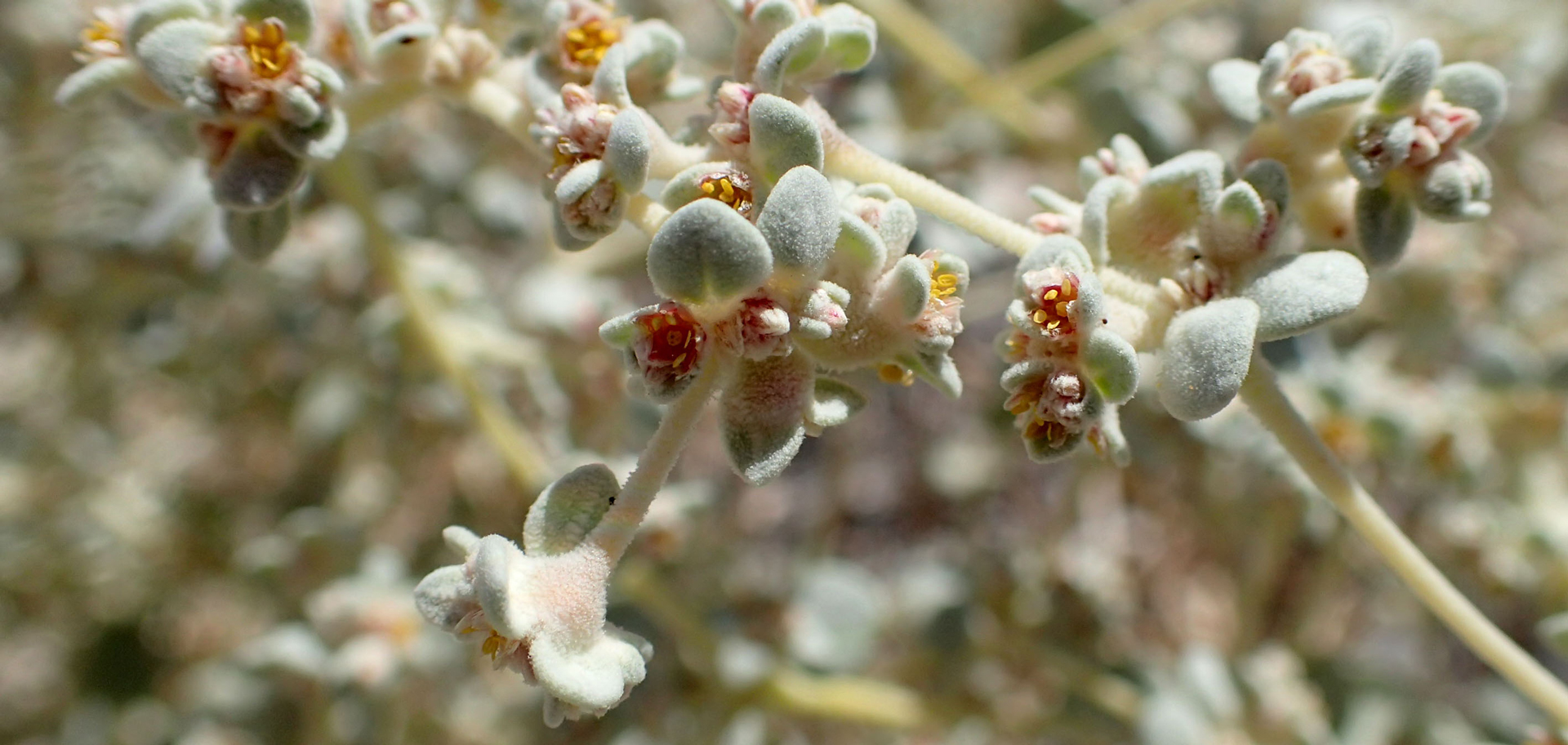
Arizona honeysweet (“Tidestromia oblongifolia”) thrives in blistering temperatures above 120 degrees Fahrenheit by uniquely altering its cellular structure and rapidly adjusting its photosynthetic system for exponential growth. ©Krzysztof Ziarnek, Kenraiz, Wikimedia Commons
Working with colleagues at the university’s Plant Resilience Institute, the researchers custom-built growth chambers to reproduce the desert’s harsh light and extreme daily temperature shifts. The results were astonishing. In just 10 days, T. oblongifolia tripled its biomass. Meanwhile, other related species known for their heat tolerance stopped growing entirely. After only two days in extreme heat, T. oblongifolia expanded its photosynthetic comfort zone, allowing it to keep producing energy efficiently. Within two weeks, its optimal photosynthetic temperature rose to 113 degrees Fahrenheit—higher than that of any major crop on record.
Understanding how T. oblongifolia acclimates to heat could give us new strategies to help crops adapt to a warming planet. So, using a combination of genomic analysis, live imaging and physiological tests, the research team uncovered how the plant coordinates multiple biological systems to survive.
Under Death Valley-level heat, the plant’s mitochondria—the structures that generate energy—move closer to the chloroplasts, where photosynthesis occurs. At the same time, the chloroplasts reshape into distinctive cuplike forms that have never before been observed in higher plants. These adaptations may help the plant capture and recycle carbon dioxide more efficiently, maintaining energy production even under stress. Within 24 hours of heat exposure, thousands of genes adjust their activity. Many are involved in shielding membranes, proteins and photosynthetic machinery from damage. The plant also increases production of an enzyme known as “Rubisco activase,” which helps keep photosynthesis functioning smoothly at high temperatures.
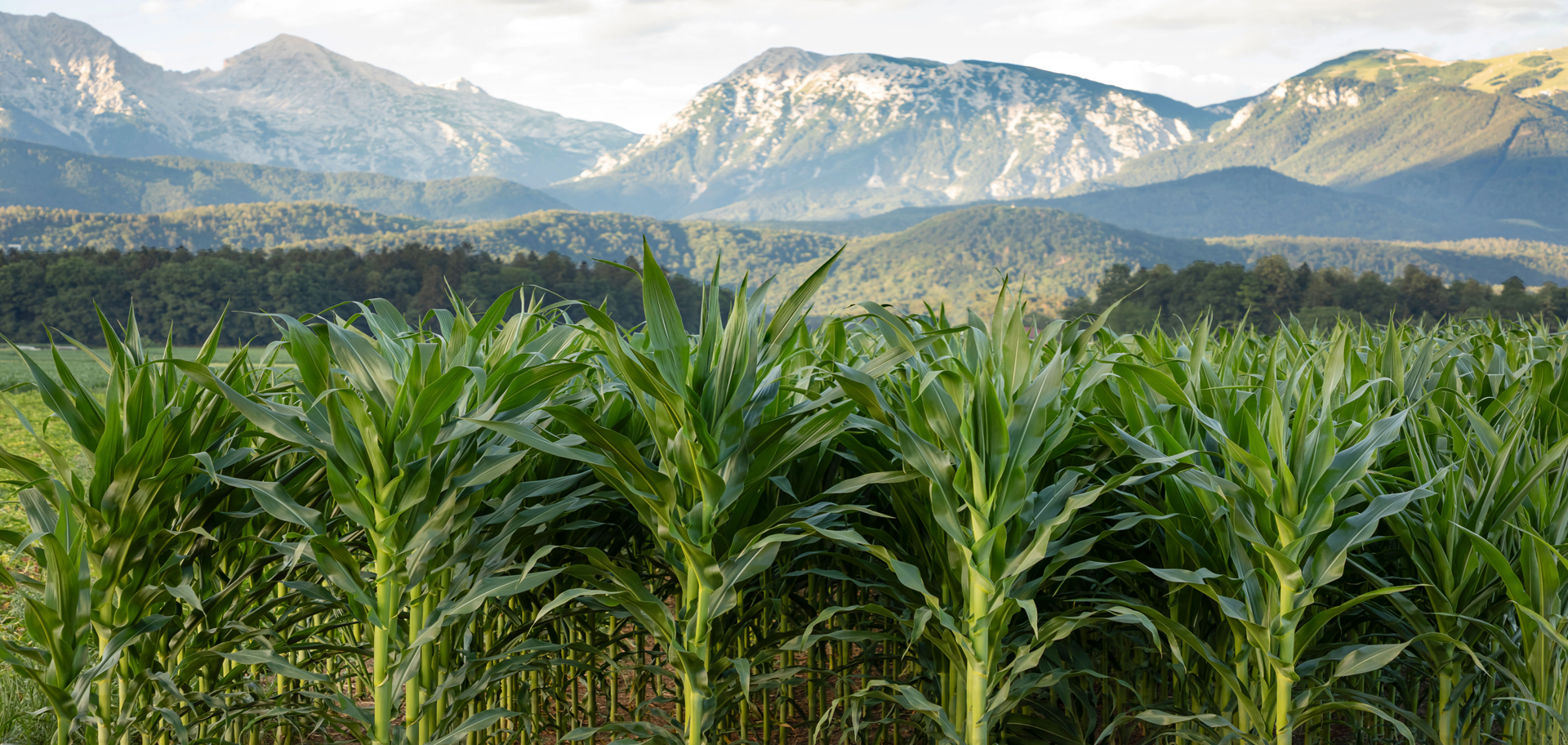
Extreme heat is already reducing yields for essential crops like maize (shown here). Arizona honeysweet may hold the key to learning how to breed crops that will flourish in a warming climate.
With global temperatures expected to rise by as much as 9 degrees Fahrenheit by the end of the century, extreme heat is already reducing yields for essential crops like maize, soybeans and wheat. As the global population grows, scientists are racing to find ways to sustain food production. T. oblongifolia demonstrates that plants have the capacity to adapt to extreme temperatures. If we can learn how to replicate those mechanisms in crops, it could transform agriculture in a hotter world.
Deserts worldwide: cacti are evolving shockingly fast
In addition to growing quickly in the heat, some desert plants are evolving faster.
Cacti are famous for growing slowly, but scientists have discovered that these succulents are evolving at an impressive pace. Researchers have just discovered that cacti are remarkably quick at forming entirely new species, revealing, again, that deserts are far more dynamic than they may seem at first glance.
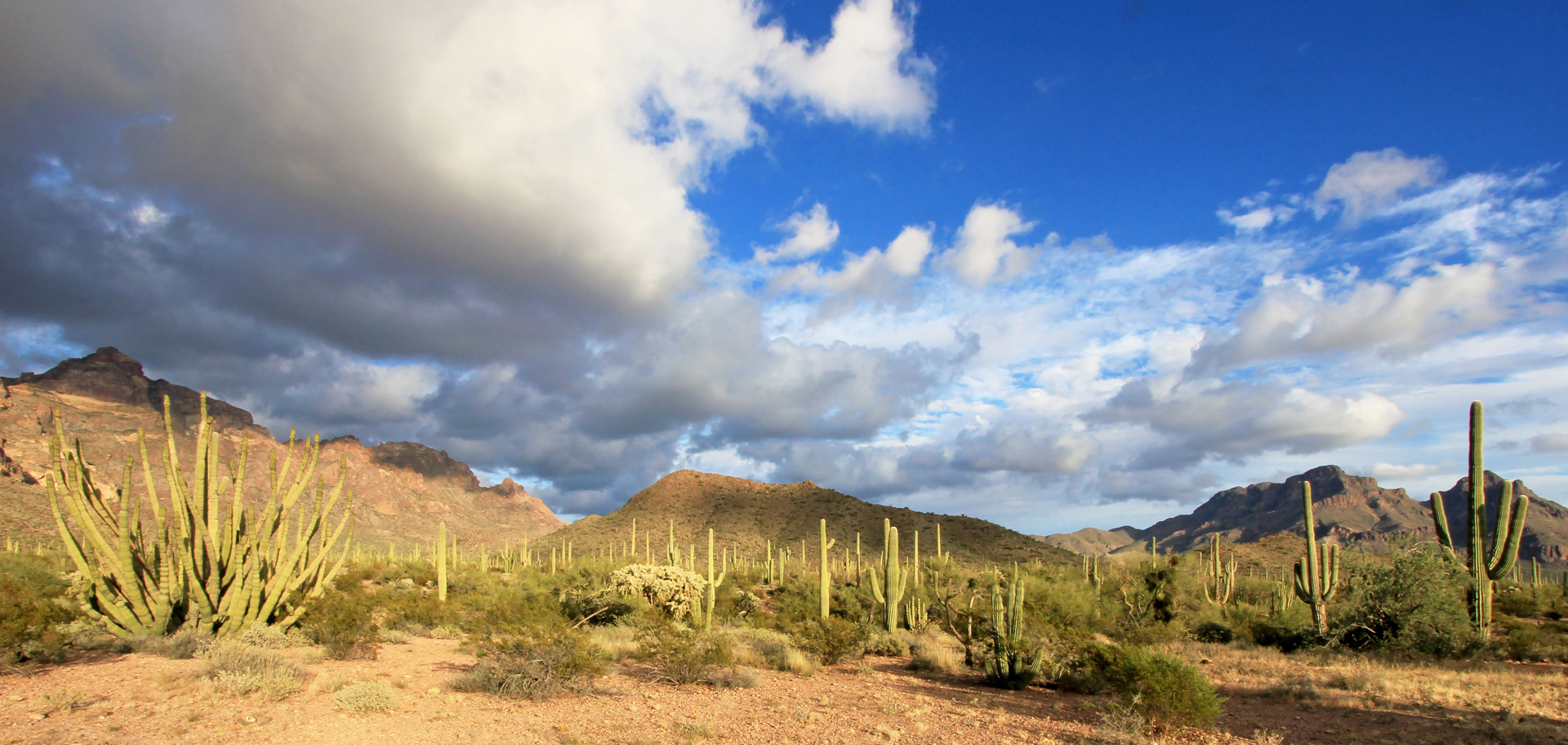
Cacti include roughly 1,850 known species, some of which are shown here, in Organ Pipe Cactus National Monument in Arizona. Over the last 20 to 35 million years, they have spread widely throughout the Americas. Nearly one-third of cactus species are currently threatened with extinction.
For decades, biologists believed that pollinators and highly specialized flowers were the main forces behind the development of new plant species. However, researchers at England’s University of Reading found that cacti follow a different pattern. Instead of flower size or pollinator type driving diversification, the key factor appears to be how rapidly cactus flowers change shape over time.
The research team analyzed flower-length data from more than 750 cactus species. Flower sizes varied dramatically, ranging from tiny blooms measuring just 0.07 inches to giant flowers reaching 14.5 inches, representing a 200-fold difference in size. It was expected that cacti with longer, more specialized flowers would be the ones creating the most new species.
Even with such enormous variation, however, flower length showed almost no connection to how quickly new cactus species emerged. What did stand out was the speed of floral evolution. Cactus species whose flowers changed shape most rapidly were also far more likely to branch off into new species. Researchers consistently found this pattern across both recent and ancient evolutionary history. This finding, published in the journal Biology Letters in March 2026, challenges ideas that date back to Charles Darwin. Darwin’s work on orchids suggested that highly specialized flower structures played a major role in the formation of new species.
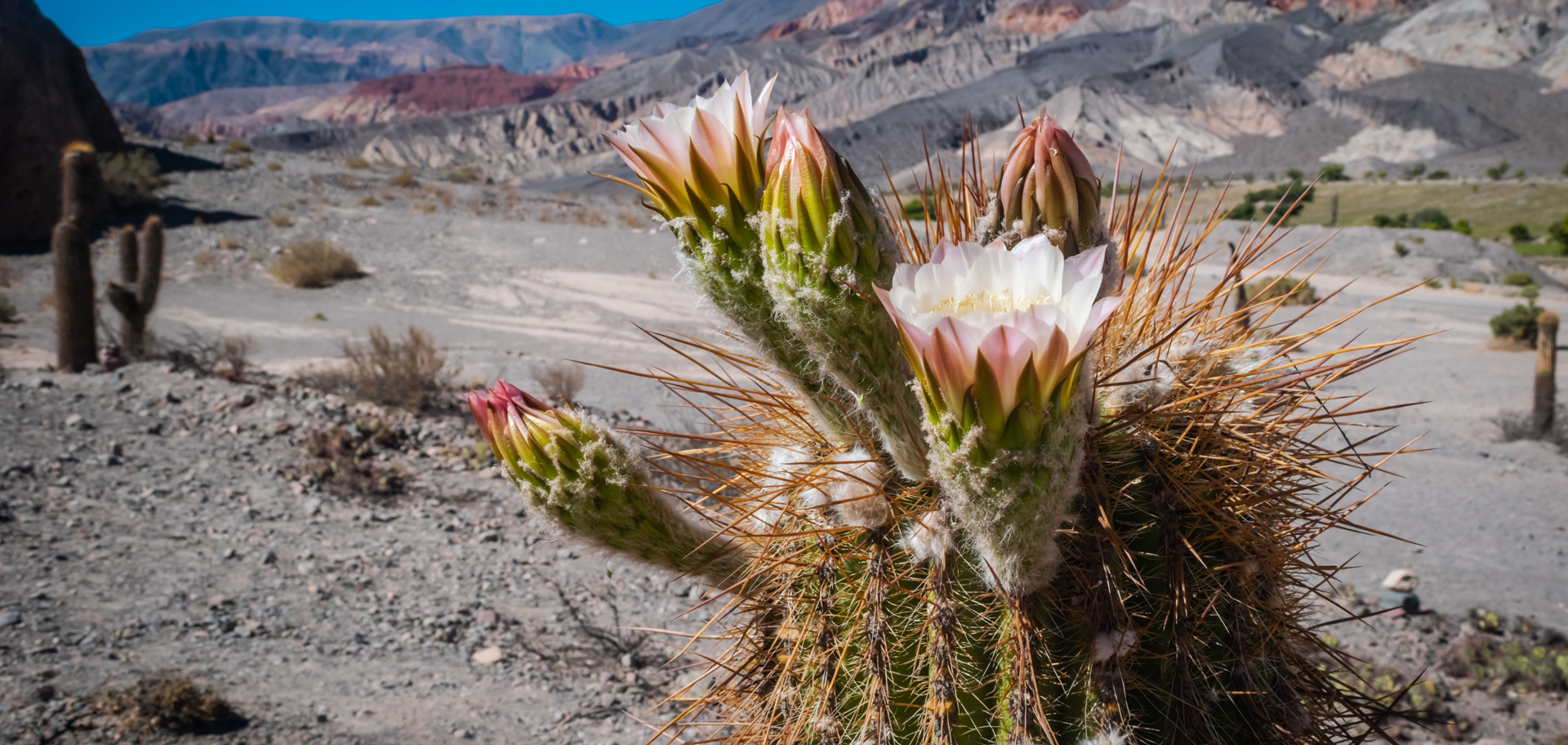
Cacti create new species quickly, despite their slow-growing reputation. The secret isn’t flower size, but how rapidly their flowers change shape over time.
While people may think of cacti as tough, slow-growing plants, state the scientists, their work shows that the cactus family is one of the fastest-evolving plant groups on Earth. Knowing how fast cacti evolve reveals that deserts, often seen as brutal and unchanging, are hotbeds of rapid natural change. And this has implications for conservation. Since flower evolution has helped generate cactus species over millions of years, evolutionary pace should become part of conservation efforts. Although being able to rapidly evolve does not guarantee resilience—especially as the planet is changing faster than most cacti can keep up—it could help predict which species need the most help. Rather than searching for a single trait that predicts which cacti are most at risk, conservationists may also need to look at how fast a species is evolving.
Sahara: a wetter, greener future
The Sahara Desert is known as one of the driest places on Earth, receiving only about three inches of precipitation each year—roughly one-tenth of what falls in Chicago. However, new research from the University of Illinois Chicago (UIC) suggests that this could change dramatically within the next few decades. By the latter half of the 21st century, rising global temperatures may bring much more rain to the region: in fact, up to 75% more precipitation than the Sahara’s historical average. Similar increases are also projected for parts of southeastern and south-central Africa under extreme climate scenarios.
Because changing rainfall patterns will affect billions of people, both in and outside Africa, understanding how temperature increases influence rainfall is vital for developing adaptation strategies. The UIC researchers say that it’s imperative that we start planning to face these changes, from creating flood-management strategies to developing drought-resistant crops.
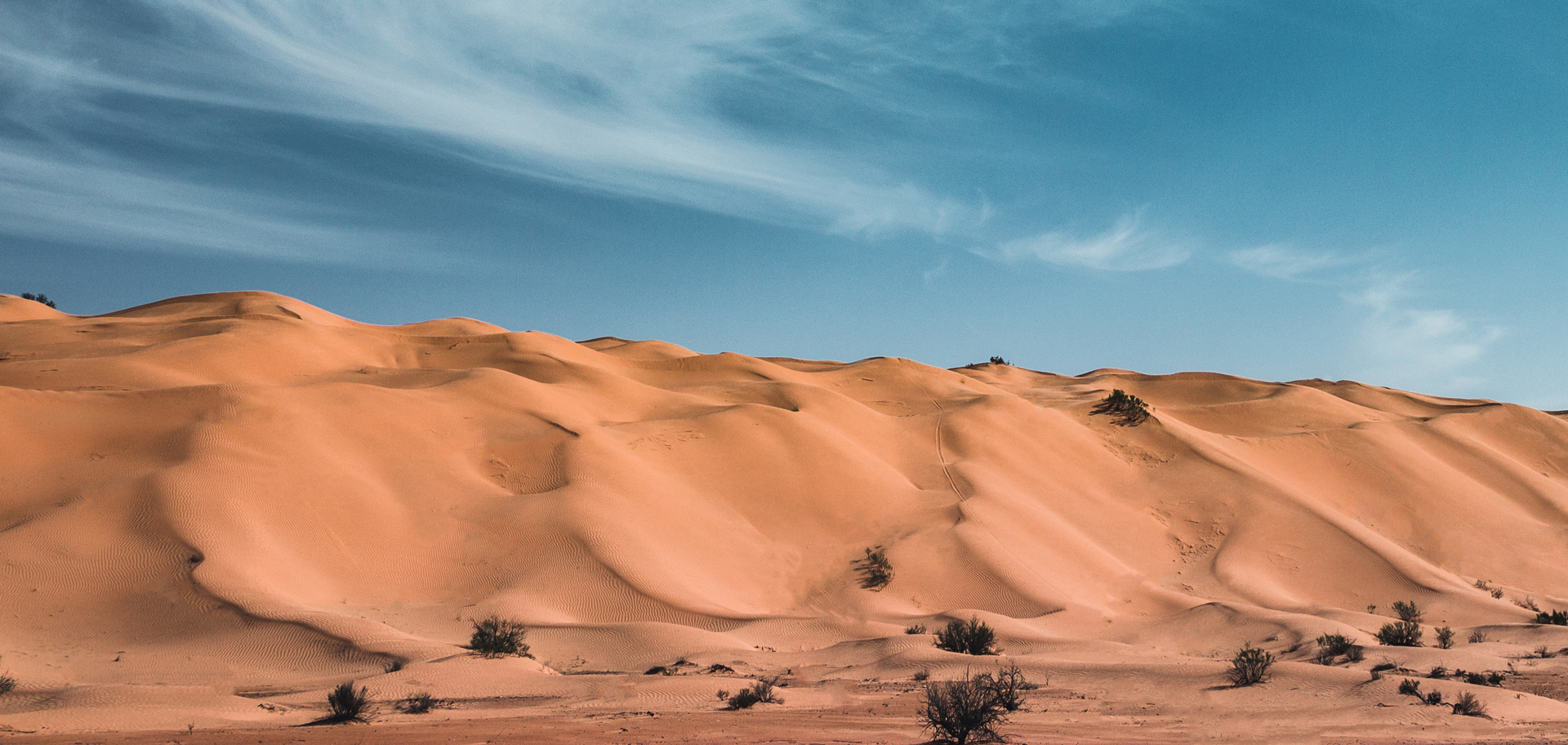
Climate models suggest that global warming could dramatically increase rainfall in the Sahara Desert—to almost double its historical precipitation levels—and in other parts of Africa. This will be a major rebalancing of the continent’s climate, and adaptation planning will be essential.
The scientists involved in the study used an ensemble of 40 climate models to simulate African summer rainfall during the latter half of the 21st century (2050–2099) and compared the results with data from the historical period (1965–2014). Two climate possibilities were examined: one assuming moderate greenhouse gas emissions and another assuming very high emissions.
In both cases, rainfall across most of Africa was projected to rise by the end of the century, although the changes vary by region. The Sahara Desert showed the largest increase at 75%, while southeastern Africa could see about 25% more rainfall and south-central Africa about 17% more. In contrast, the southwestern part of the continent is expected to become drier, with precipitation decreasing by around 5%.
The increase in precipitation is largely linked to the warming atmosphere. Higher temperatures allow the air to hold more moisture, which contributes to heavier rainfall in some areas. Shifts in atmospheric circulation patterns also affect how and where rain falls, sometimes leading to both wetter and drier regions across the continent.
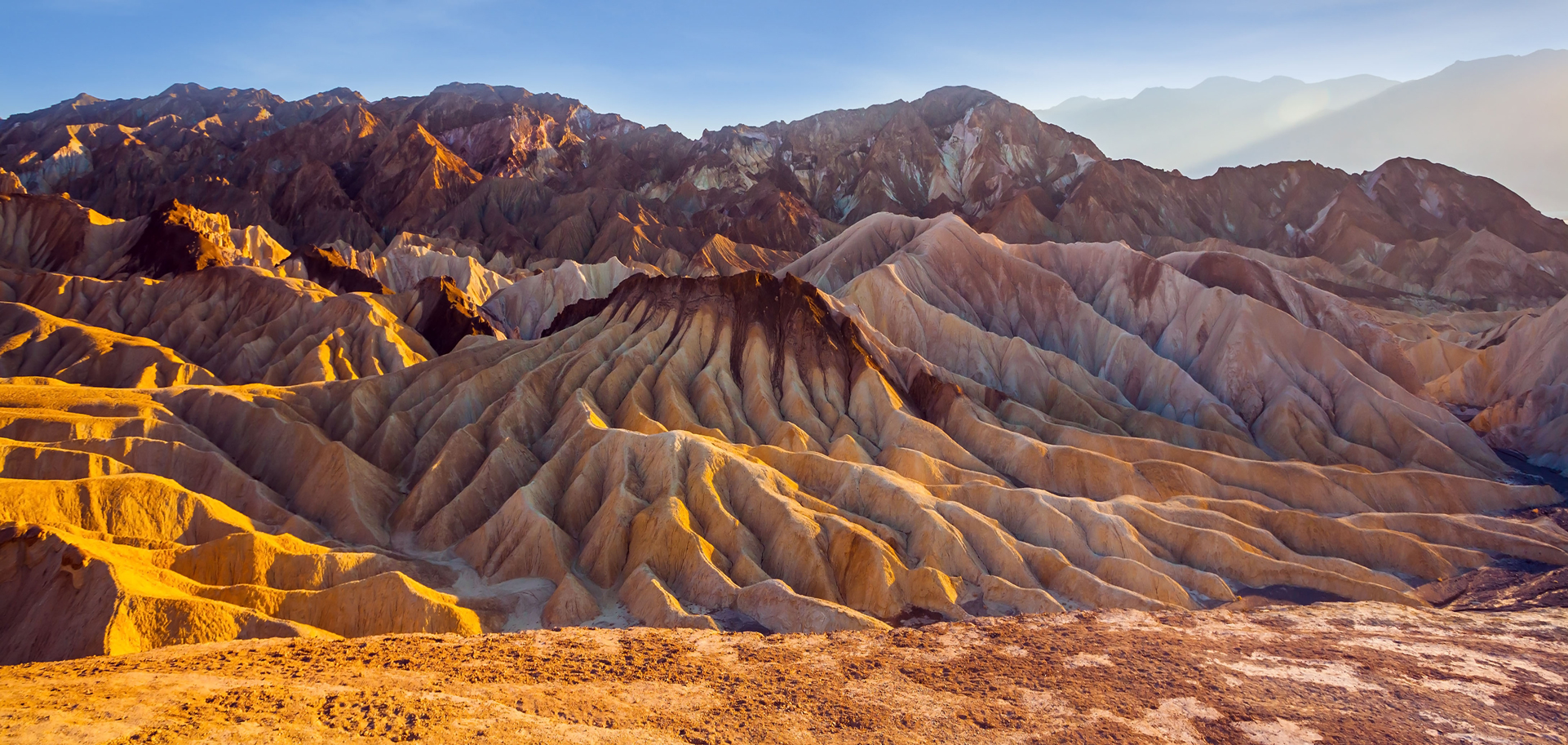
Far from being barren places, deserts are rightly celebrated for their dramatic, luminous landscapes and spectacular, shifting colors.
In their study, published in the journal npj Climate and Atmospheric Science in June 2025, the UIC scientists write that understanding the physical mechanisms driving precipitation is essential for developing adaptation strategies that can withstand both drier and wetter futures. The team continues to investigate how changing atmospheric conditions could reshape Africa’s agriculture, environment and long-term sustainability.
Deserts worldwide: past the surface
On the opposite end of the “lifeless” stereotype of deserts is the depiction of their austere, otherworldly beauty, defined by dramatic geological formations, vast expanses and quiet solitude. In this scenario, they are celebrated for their spectacular, shifting colors and dramatic landscapes.
When you take a cursory look at deserts, you could say that both characterizations seem to be true. But dig your toe in just a little deeper, and you’ll find abundant, evolving and ever-changing strength, spirit and “sand”—in both the physical way and in the “firm resolution” meaning of the word.
Here’s to finding your true places and natural habitats,
Candy