

Nature & Wildlife
5 Apex Predators and Where to Find Them
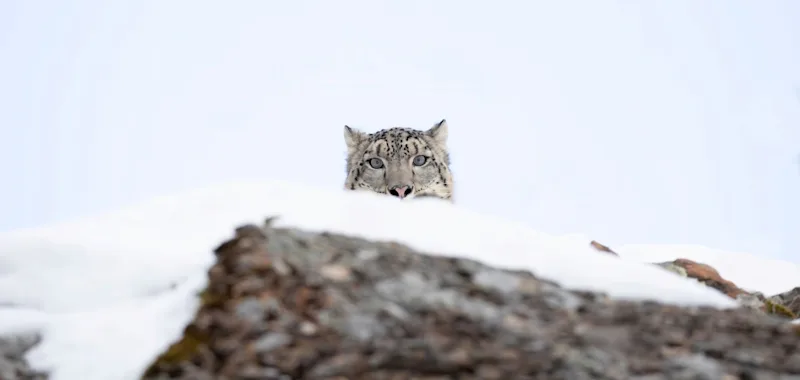
An apex predator is the hardcore animal at the top of its food chain, the baddest of the bad, with few or no natural predators in its ecosystem.
Nature & Wildlife
An apex predator is the hardcore animal at the top of its food chain, the baddest of the bad, with few or no natural predators in its ecosystem.
Conservation
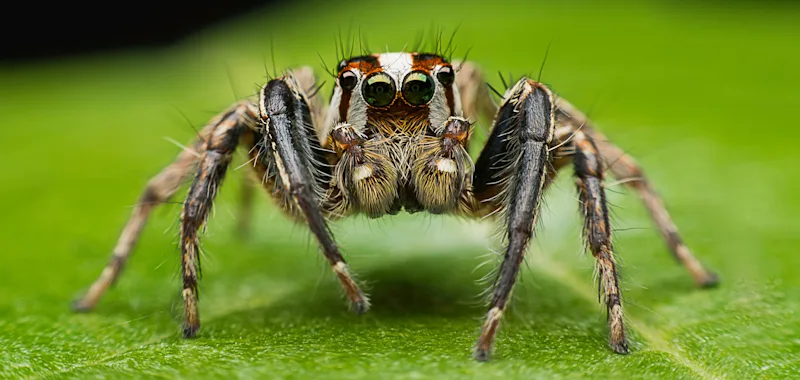
Arachnids—such as scorpions, harvestmen (daddy longlegs) and spiders—often trigger feelings of fear or disgust. Despite such reactions, these animals play an essential role in maintaining healthy ecosystems. They act as vital food sources, master pest controllers and drivers of human and soil health.
African Safaris
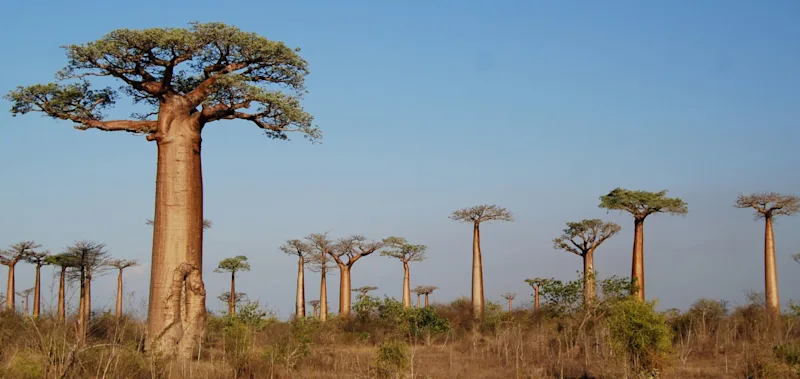
With its bulbous shape and canopy resembling an upside-down root system, the baobab tree symbolizes the African continent. Its origins are also the stuff of legend…literally.
African Safaris
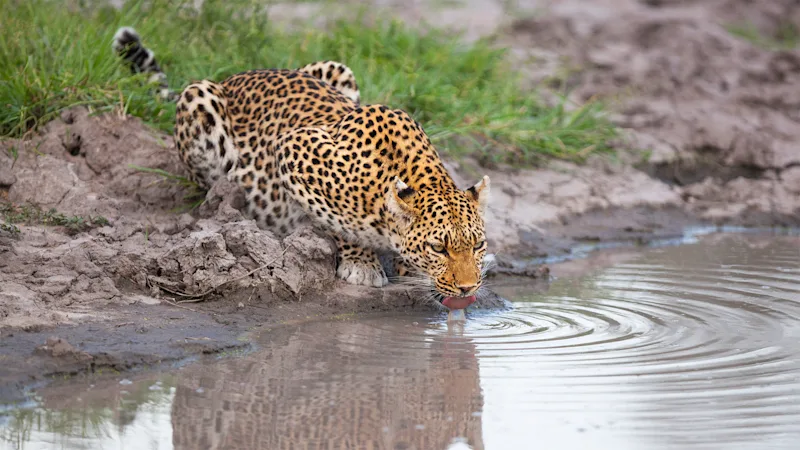
It was our second day out driving in our open-air jeep in Botswana’s Kalahari Game Reserve when the raindrops started to fall. As we’d headed out that afternoon, the sky above us looked bright and sunny, but in the distance we could see dark clouds forming and the occasional lightning bolt.
African Safaris
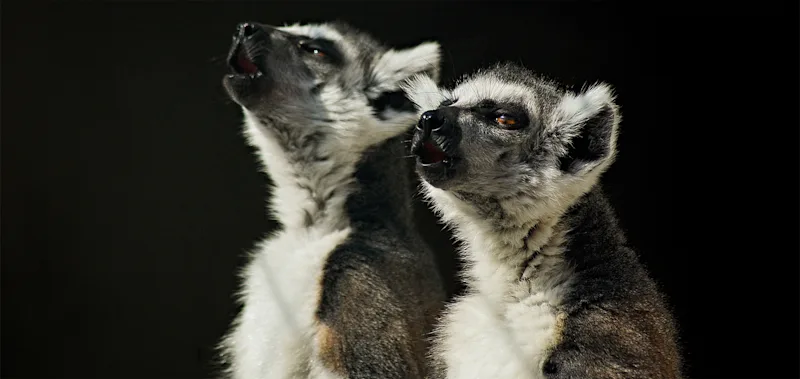
Often referred to as the “eighth continent,” the island nation of Madagascar has developed its own distinct ecosystems and extraordinary wildlife since it split from the African continent an estimated 160 million years ago. Approximately 95% of Madagascar’s reptiles, 89% of its plant life and 92% of its mammals exist nowhere else on Earth.
Nature & Wildlife
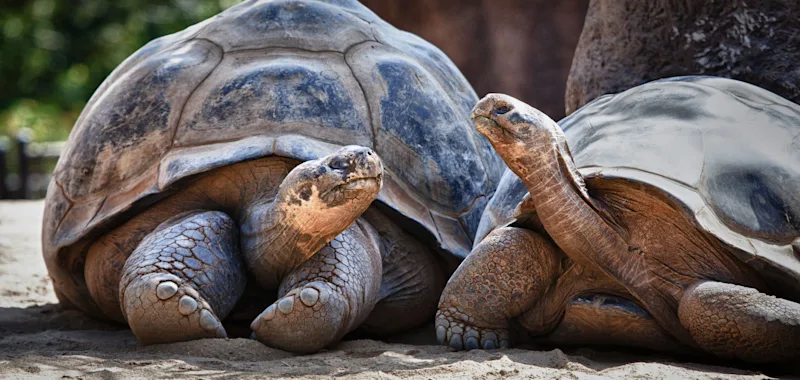
The Encyclopedia Britannica currently defines language as “a system of conventional spoken, manual (signed) or written symbols by means of which human beings, as members of a social group and participants in its culture, express themselves. The functions of language include communication, the expression of identity, play, imaginative expression and emotional release.”
Nature & Wildlife
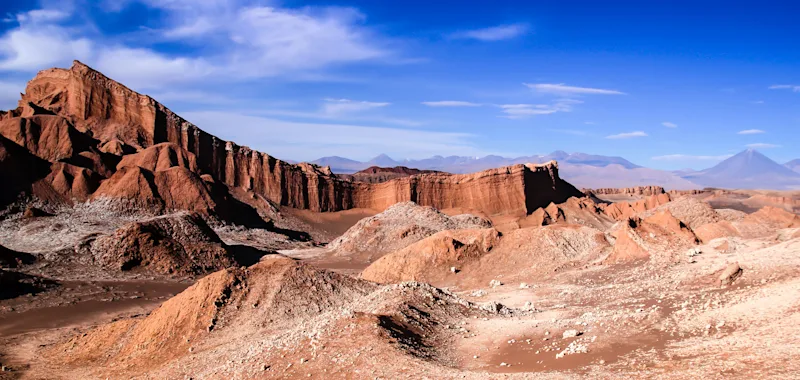
Deserts are far from the lifeless, slow-growing and always arid places they’re often depicted to be. For example, even in Chile’s ultradry Atacama Desert, tiny soil-dwelling nematodes (roundworms) are thriving in surprising diversity.
African Safaris
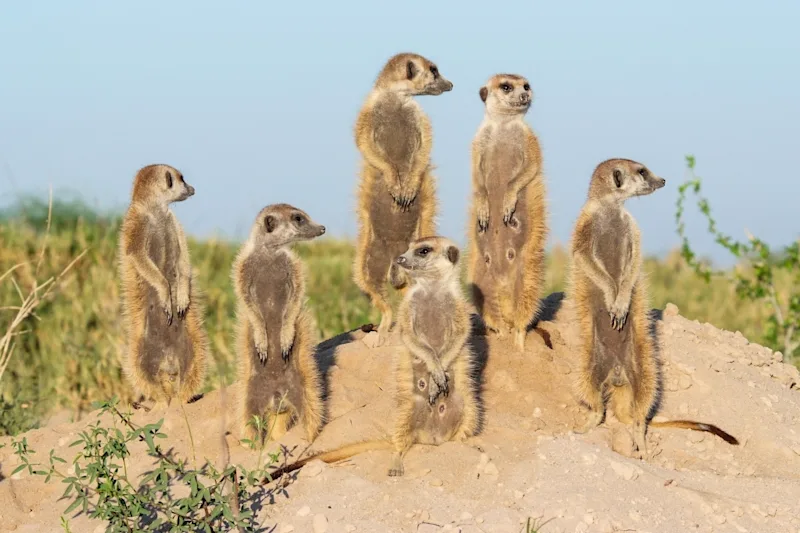
Botswana encompasses a wide range of ecosystems, from the seemingly barren Makgadikgadi Pans to the Okavango Delta’s intricate network of wetlands and waterways. This part of Africa supports a wide array of wildlife. As I traveled through Botswana with a friend, I witnessed wildlife interactions that continue to fuel my passion for conservation.
Nature & Wildlife
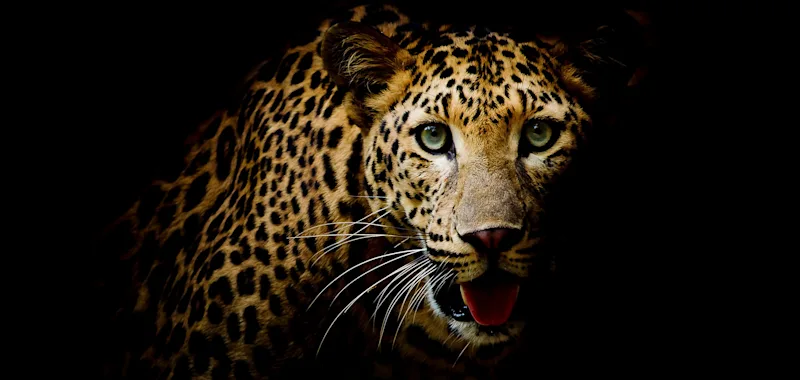
Some tiny birds on remote Scottish islands are undergoing a dramatic evolutionary transformation. Four isolated populations of British wrens have grown astonishingly large. At the other end of the scale, however, leopards in South Africa’s Cape Floristic Region have become much smaller than most African leopards.
Nature & Wildlife
In the United States, we celebrate the annual Friendship Day on the first Sunday in August, which this year is August 2. (The globally recognized date established by the United Nations is July 30.) This designated day is meant to honor the bonds that enrich our lives and to promote peace, solidarity and cross-cultural understanding.
Nature & Wildlife
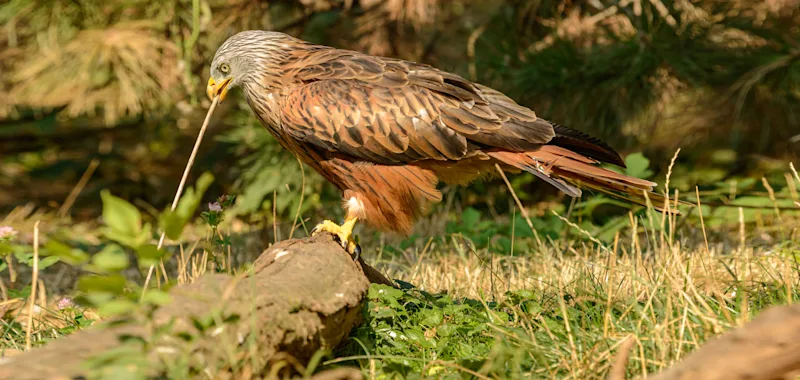
Tool use isn’t unique to humans. Various species across the animal kingdom, including birds, insects and mammals, exhibit the behavior. For example, sea otters use stones to crack open shellfish, while crows modify twigs to probe for hidden prey—and even have been observed using cars to crack open nuts.
Nature & Wildlife
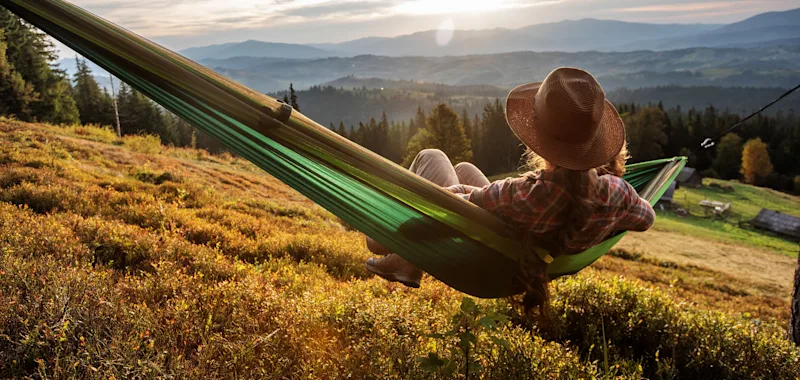
July is truly the quintessential summer month. Positioned perfectly at the center of summer in the Northern Hemisphere, it features peak sunshine and warm weather, making it the prime time for carefree vacations and outdoor activities. But July is also at the height of mosquito season across most of North America.