


Climatologically and historically, July is the peak of summer and the hottest month of the year for most of the United States. It’s the prime time for carefree vacations and outdoor activities.
July is truly the quintessential summer month. Positioned perfectly at the center of summer in the Northern Hemisphere, it features peak sunshine and warm weather, making it the prime time for carefree vacations and outdoor activities.
But July is also at the height of mosquito season across most of North America. The ideal combination of sustained heat (above 70 degrees Fahrenheit) and humidity, allows mosquitoes to breed rapidly and thrive. And it’s undeniable that mosquito bites are annoying and can be vectors for diseases.
Luckily, there are scientists on the case. Recently, they’ve been able to crack how mosquitoes decide where to fly—and it’s not by following each other. In the Atlantic Forest along Brazil’s coastline, we’re learning that as deforestation continues and human settlements expand into forested areas, mosquitoes are being forced to seek new, alternative blood sources: us. But even small-scale tree cover (as shown in Costa Rica) can boost biodiversity while limiting dangerous mosquito species. And a new, innovative, floral-scented fungus has been developed that acts as a biological control, crucial as mosquitoes proliferate with climate change.
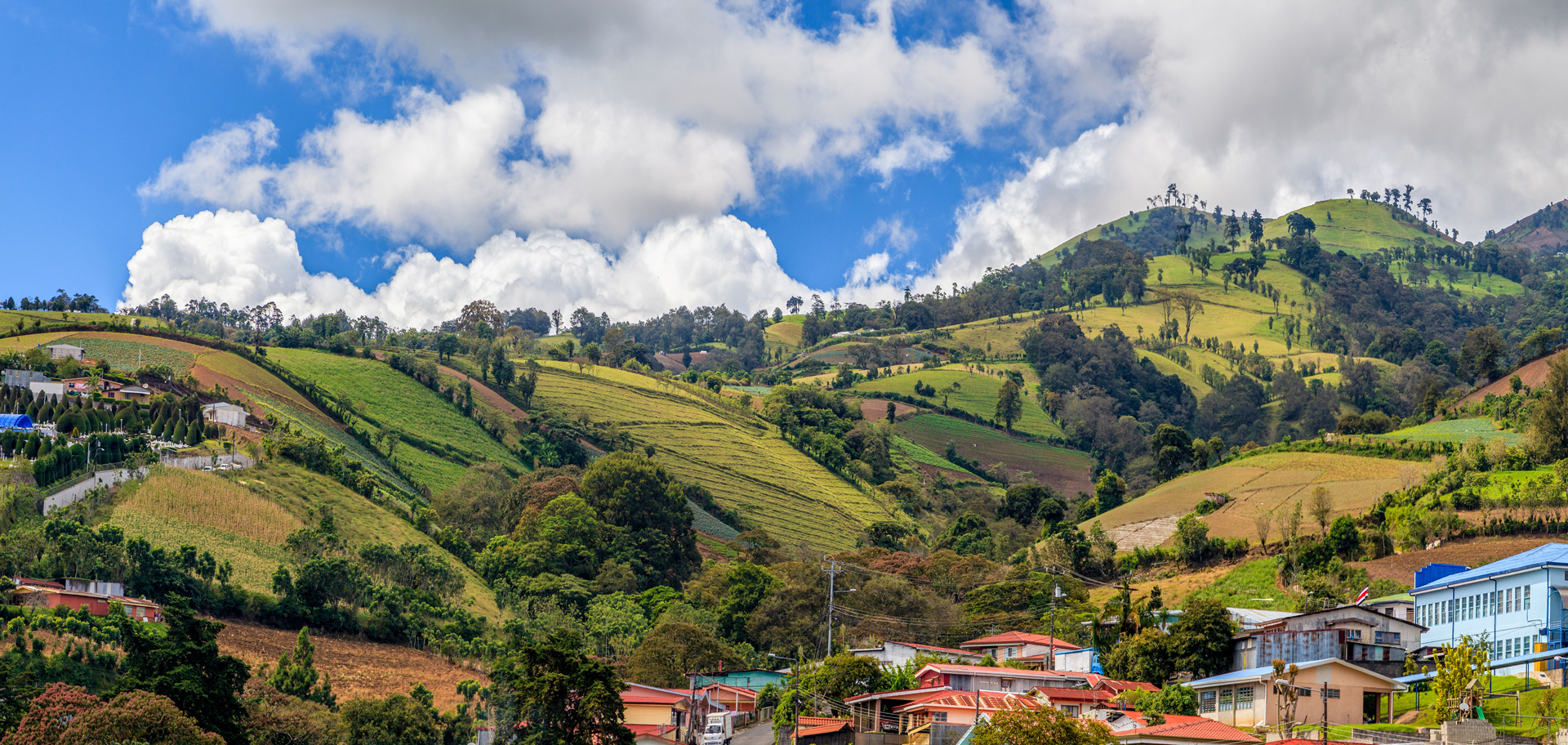
Even small-scale tree cover (as shown here, in Costa Rica) can boost biodiversity while limiting dangerous mosquito species.
Why mosquitoes always find you
Beyond being irritating, mosquitoes spread dangerous diseases such as malaria, yellow fever and Zika, which together cause more than 700,000 deaths each year. So, to understand how mosquitoes navigate, scientists from the Georgia Institute of Technology in Atlanta and the Massachusetts Institute of Technology (MIT) used 3D, infrared cameras; carbon dioxide; and visual signals to observe how the insects move around objects. They then introduced a person into a controlled chamber, changed his clothing colors and recorded how mosquitoes flew around him. They focused on female Aedes aegypti mosquitoes (also called yellow fever mosquitoes), a species common in California, the southeastern United States and many regions worldwide.
The researchers ran three experiments. In the first test, a black sphere drew mosquitoes in, but only when they were already flying toward it. After reaching the object, they usually did not stay and quickly moved on. When the team replaced the black object with a white one and added carbon dioxide in the second test, the mosquitoes were able to locate the source, but only at close range. The researchers observed the insects pausing briefly, almost as if doing a double take, before gathering nearby. In the third test, when both a black object and CO2 were present together, the effect was the strongest. Mosquitoes swarmed the area, lingered and attempted to feed.
While previous studies had shown that visual cues and carbon dioxide attract mosquitoes, it wasn’t known how they put those cues together to determine where to fly. After identifying the importance of the still visual cues, one of the scientists tested mosquito behavior again by entering a chamber wearing a long-sleeved sweatshirt, pants and a head covering in all black, in all white and in mixed clothing. Standing with his arms extended, he allowed dozens of mosquitoes to fly around him while cameras recorded their paths.
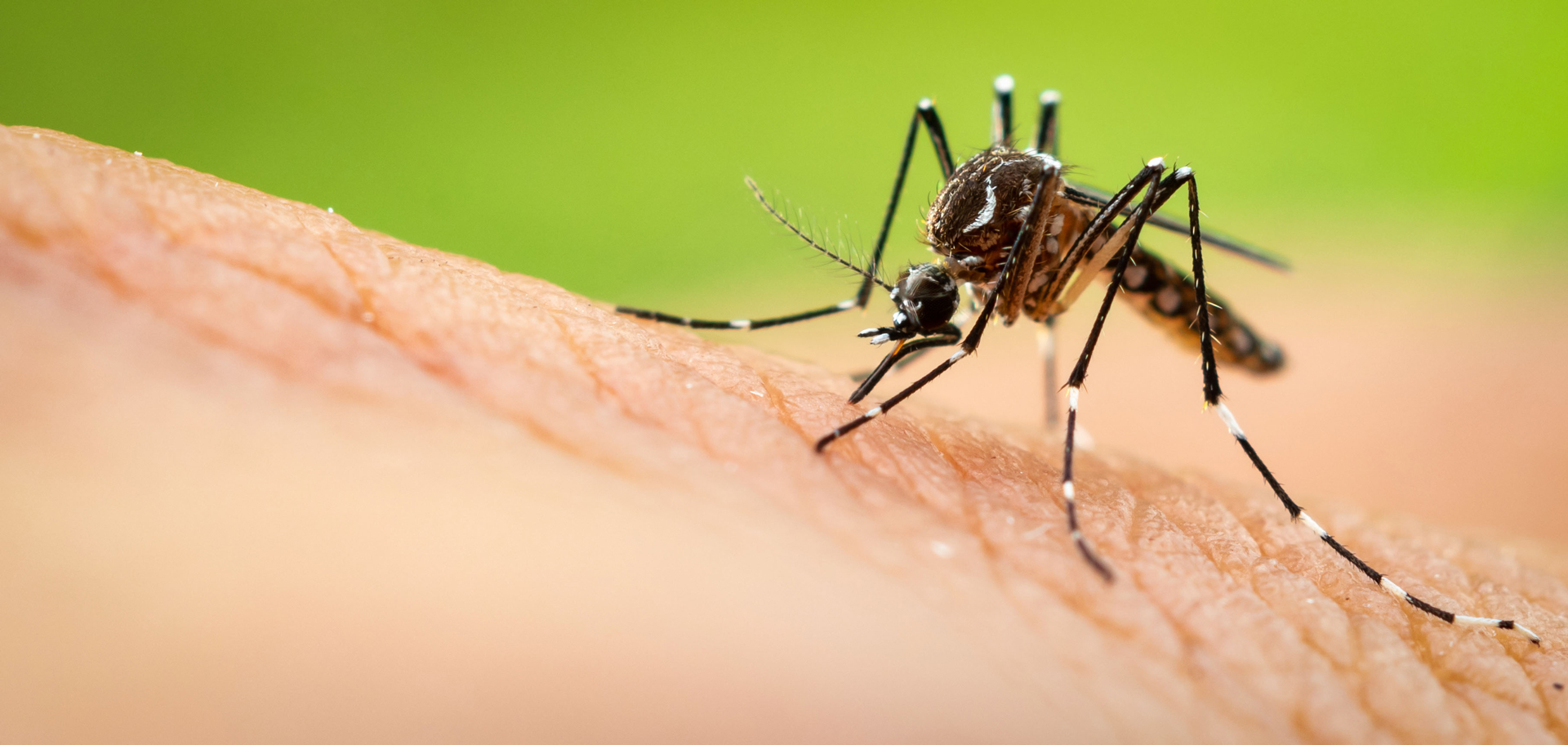
The “Aedes aegypti” mosquito is one of the world’s most dangerous insects; it can transmit more than 50 viral diseases. Already common in tropical and subtropical regions, “Aedes aegypti” is spreading in temperate areas due to climate change, putting the health of almost 4 billion people at risk.
The mosquitoes behaved as if the scientist were simply another object. The largest clusters formed around his head and shoulders, which are the areas the species most commonly targets, but he wasn’t bitten very often. The data was later analyzed at MIT to determine the most likely rules guiding the mosquitoes’ movements.
The data suggests mosquitoes do not gather because they follow one another. Instead, each insect responds independently to environmental cues, yet they end up clustering in the same place at the same time. It’s like a crowded bar, note the scientists. Customers aren’t there because they followed each other into the bar. They’re attracted by the same cues: drinks, music and the atmosphere.
This research, the findings of which were published in the journal Science Advances in March 2026, offers the first detailed visualization of mosquito flight behavior and provides measurable data that could improve trapping and control methods. One tactic is using suction traps that rely on steady cues, such as continuous CO2 release or constant light sources, to attract mosquitoes. The team also launched an interactive public website that lets users explore mosquito behaviors and movements. It illustrates how mosquitoes accelerate, change direction and slow down based on CO2 and visual signals. Users can switch between different conditions, including carbon dioxide, color, both or neither, and observe how up to 20 mosquitoes respond. The platform also allows users to upload custom images as targets.
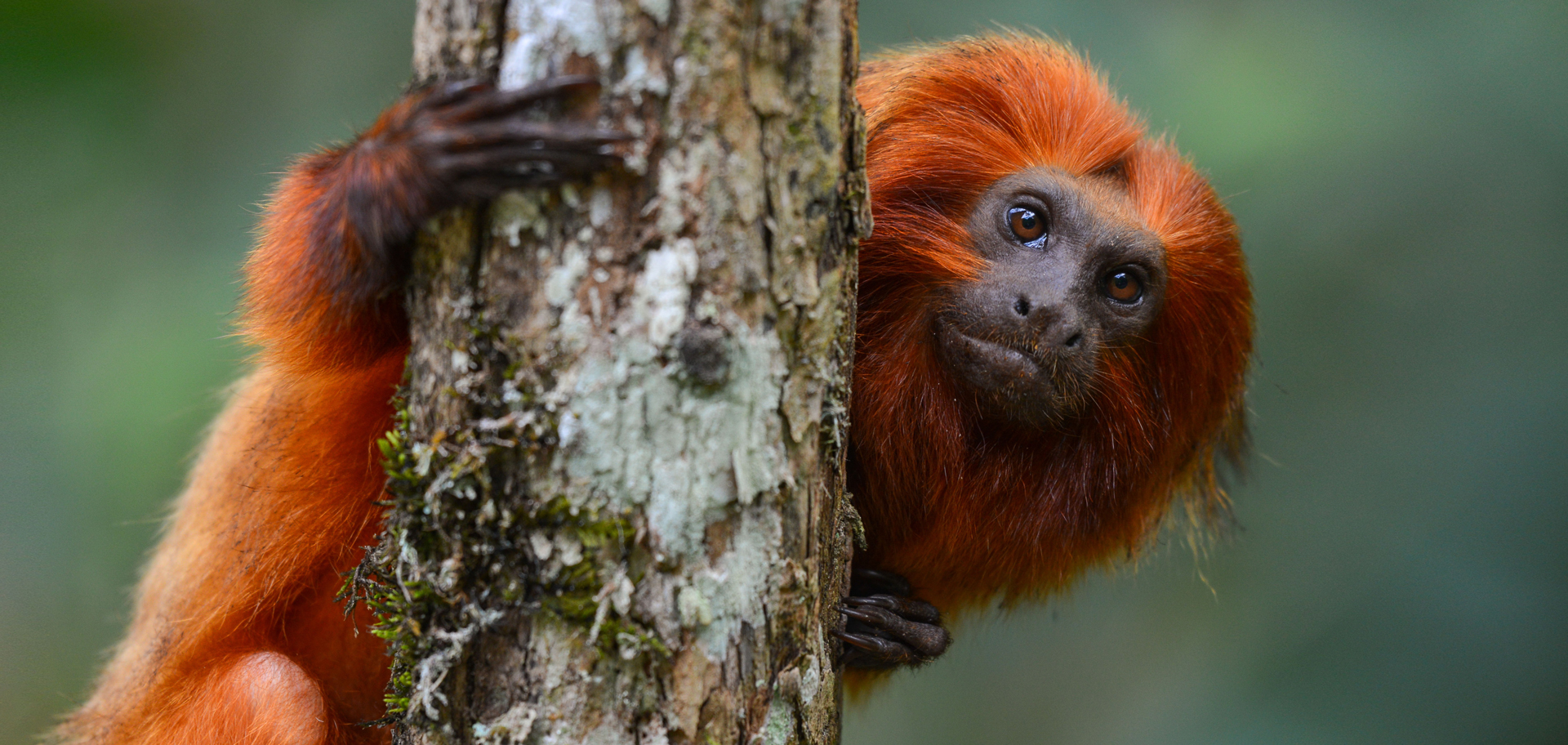
Famous for their fiery manes and cooperative family groups, golden lion tamarins are small, vibrant primates endemic to Brazil’s coastal Atlantic Forest. This forest supports an extraordinary range of life, including hundreds of species of amphibians, birds, fish, mammals and reptiles.
How the loss of forests is driving mosquitoes’ thirst for human blood
Running along Brazil’s coastline, the Atlantic Forest supports an extraordinary range of life, including hundreds of species of amphibians, birds, fish, mammals and reptiles. However, human development has reduced the forest to roughly one-third of its original size. As people move deeper into once intact habitats, wildlife is pushed out; and mosquitoes that used to feed on many different animals appear to be shifting their attention toward humans, according to a study published in the journal Frontiers in Ecology and Evolution in January 2026. This is crucial because, in an environment like the Atlantic Forest with a great diversity of potential vertebrate hosts, a preference for humans significantly enhances the risk of pathogen transmission.
To understand what exactly the mosquitoes were feeding on in the forest, a research team composed of biologists from Rio de Janeiro’s Oswaldo Cruz Institute and microbiologists and immunologists from the Federal University of Rio de Janeiro set light traps at the Reserva Ecologica de Guapiacu and the Sitio Recanto Preservar (two natural reserves in the state of Rio de Janeiro). Female mosquitoes that had recently taken a blood meal were separated and studied in the lab.
Scientists extracted DNA from the mosquitoes’ blood and sequenced a specific gene that works like a biological barcode. Each vertebrate species has its own version of this genetic marker. By matching the barcodes to reference databases, the team could identify the animals that had been bitten.

Human settlements are already expanding into the Atlantic Forest. The mosquitoes there are turning to humans as their primary blood source. This shift could accelerate the spread of mosquito-borne diseases and make forest-edge communities more vulnerable to outbreaks.
The traps collected 1,714 mosquitoes from 52 different species (there are more than 3,500 species of mosquitoes in the world). Among them, 145 females were found to be carrying blood. Researchers were able to identify the blood meals of 24 individuals. Those meals came from 18 humans, one amphibian, six birds, one canid and one mouse; some mosquitoes had fed on more than one host. One mosquito identified as Coquillettidia venezuelensis had taken blood from both an amphibian and a human. Mosquitoes from the species Coquillettidia fasciolata showed mixed meals, as well; including combinations of bird and rodent, and bird and human. The researchers believe several factors may explain this pattern. Although some mosquito species may have innate preferences, host availability and proximity are extremely influential factors.
As deforestation continues and human settlements expand into forested areas, many animal and plant species disappear. With fewer natural options available, mosquitoes are forced to seek new, alternative blood sources. They alter where they live and how they find food, often moving closer to people and feeding on them out of convenience, as we are the most prevalent hosts in these areas.
Mosquito bites are not just a nuisance. In the regions studied, mosquitoes spread viruses such as dengue, chikungunya, Mayaro, yellow fever and Zika. These infections can pose serious health risks and may lead to long-term complications. In their report, the researchers emphasized that understanding mosquito feeding behavior is essential for grasping how diseases circulate through ecosystems and human populations. Their findings, they say, can help guide mosquito control efforts and improve early warning systems for disease outbreaks. Just knowing that mosquitoes in an area have a strong preference for humans serves as an alert for transmission risk. This allows for targeted surveillance and prevention actions, and could lead to control strategies that consider ecosystem balance.
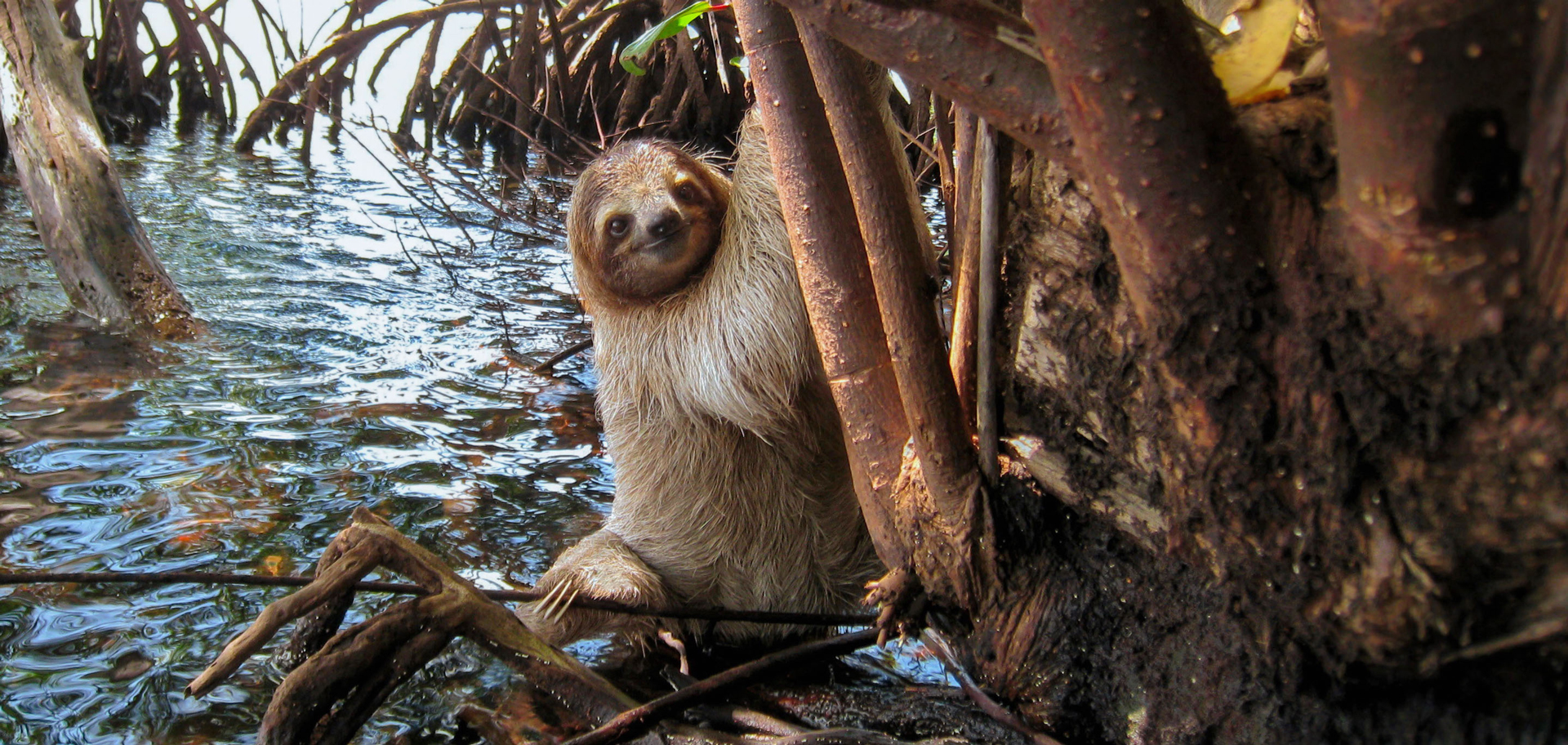
In Costa Rica, even modest patches of tree cover—such as small mangrove forests—are vital for the country’s ecology. These small-scale canopies significantly support biodiversity and wildlife, like this three-toed sloth, and naturally reduce the presence of invasive, disease-carrying mosquitos.
What tree cover can do to reduce the mosquito-borne health risk
In Costa Rica, it’s much the same. Here, however, it has been shown that even modest patches of tree cover can reduce the presence of invasive mosquito species known to transmit diseases.
We already know that small patches of tree cover support biodiversity for a wide range of animals and plants. That’s true for mosquitoes, too—and it has the upside of keeping out a disease-carrying invasive species. It may sound counterintuitive to suggest that we should protect habitat for mosquitoes. But making sure that the many native mosquito species that do not spread disease can stick around can help prevent dangerous invasive species from moving in.
In a Stanford University-led study published in the journal Landscape Ecology in May 2025, researchers explain how they used field observations and satellite data on land cover for an assortment of farms, forests and residential areas in southern Costa Rica. They found the presence of the Aedes albopictus mosquito, a dengue vector, decreased in areas with more tree cover while the total number of mosquito species increased. That’s because more species leads to more competition, making it harder for an invasive species to find resources or unoccupied space, such as food or breeding sites. Also, more diverse environments are often more stable and resilient to disturbance, making them less hospitable to fast-spreading, opportunistic invaders like Aedes albopictus.
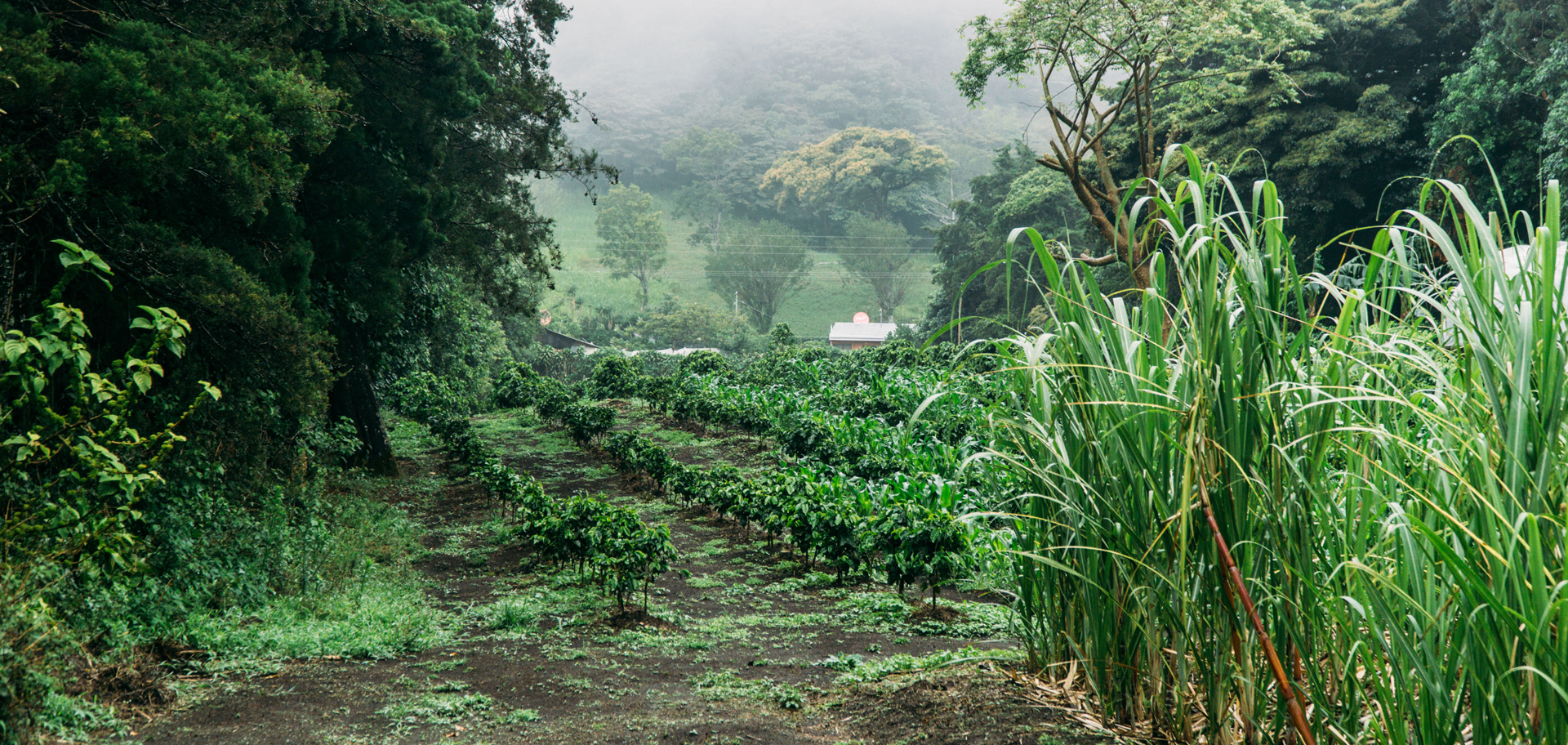
In rural areas throughout the world, natural habitats exist alongside agriculture. These areas, such as this coffee farm in Costa Rica, can provide pathways to conserving biodiversity. As temperatures warm and human activities enable the spread of mosquito-borne illnesses, that’s good news.
Costa Rica has numerous mosquito-borne diseases and two invasive mosquito species serving as vectors. The forests surveyed in the study hosted a high diversity of mosquito species, none of which were the dengue vector Aedes albopictus. Residential areas, by contrast, had lower overall diversity and were far more likely to harbor the invasive, disease-spreading species. Agricultural areas fell somewhere in between, with outcomes seemingly tied to the intensity and type of land use.
Natural habitats exist alongside agriculture and development in rural areas throughout the world. In Costa Rica and beyond, these areas can provide pathways to conserving biodiversity. The study’s findings offer a potential win-win strategy: protecting trees can help conserve biodiversity while also reducing the likelihood of disease transmission. That’s good news in the face of warmer temperatures, changes in rainfall and human activity that are enabling the spread of mosquito-borne illnesses to new places often unprepared to deal with them.
Although there’s a need to do more research to understand how other vector species respond to increased tree cover and what factors beyond tree cover contribute to dengue transmission, this study underscores the continued importance of forest reserves, which remain critical biodiversity strongholds and natural buffers against disease. Still, the researchers caution that planting trees outside of forests should be viewed as a complement—not a replacement—for conserving larger natural areas.
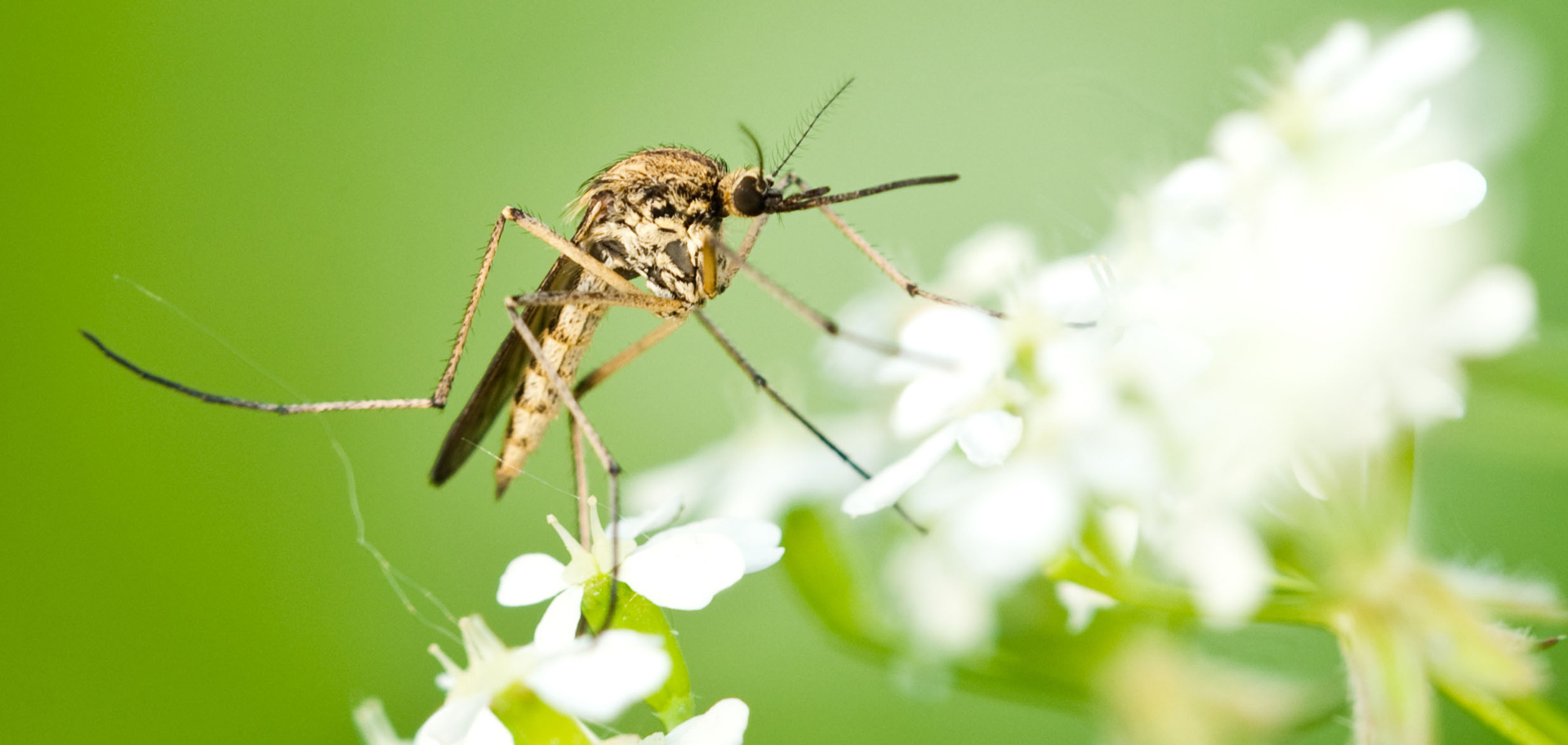
Mosquitoes are highly attracted to the scent of flowers. In fact, flower nectar is their primary source of energy and food. Now, scientists have enlisted a fungus that gives off a floral scent to control mosquitoes, especially as the warming climate expands the insects’ reach.
When scientists turn a flower fragrance into a mosquito eliminator
By exploiting mosquitoes’ attraction to flowers, an international team of researchers engineered a new strain of Metarhizium fungus that releases a sweet aroma similar to real blooms. The modified fungus draws in the insects and infects them, ultimately killing them.
Scientists at the University of Maryland were inspired by natural fungi that emit a pleasant chemical known as longifolene—a sweet-smelling compound that’s common in nature—which they discovered could attract mosquitoes. Mosquitoes need flowers because they provide nectar, a crucial food source; and they are drawn to flowers through their scents. After observing that some types of fungi could trick mosquitoes into thinking that they were flowers, scientists realized they could turbocharge the attraction by engineering fungi to produce more longifolene.
The floral-scented fungus provides an easy and accessible method for controlling mosquito populations. The spores can simply be placed in containers indoors or outdoors, where they gradually release longifolene over several months. When mosquitoes come into contact with the fungus, they become infected and die within a few days. In laboratory tests, the fungus wiped out 90% to 100% of mosquitoes, even in environments filled with competing scents from people and real flowers. Despite its potency, the fungus is completely harmless to humans. It’s already commonly used in perfumes and has a long safety record.

Longifolene is frequently used in the perfume industry. It is a naturally occurring, oily, liquid hydrocarbon found primarily in the resin of pine trees. It imparts an earthy, piney, pleasant and woody aroma to fragrances.
This makes it much safer than many chemical pesticides. The fungus and its containers have also been designed to target mosquitoes specifically rather than any other insects, and longifolene breaks down naturally in the environment. In addition, unlike chemical alternatives that mosquitoes have gradually become resistant to, this biological approach may be nearly impossible for mosquitoes to outsmart or avoid. Too, there’s the option of engineering the fungus to produce additional floral odors if they evolve to specifically avoid longifolene.
Particularly promising is that this new fungal technology is practical and affordable to produce. Other forms of Metarhizium are already commonly cultivated around the world on cheap materials like chicken droppings, rice husks and wheat scraps that are readily available after harvest. The affordability and simplicity of the fungus could be key to reducing mosquito disease-related deaths in many parts of the world, especially in poorer countries in the Global South.
Finding effective new weapons against mosquitoes could be more important than ever, say the researchers in their report published in the journal Nature Microbiology in October 2025. In the future, mosquito-borne diseases currently limited to tropical regions in Africa, Asia and South America could threaten new targets, including the United States. With rising global temperatures and the growing unpredictability of weather, disease-carrying mosquitoes have begun to spread to new areas beyond their usual habitats.
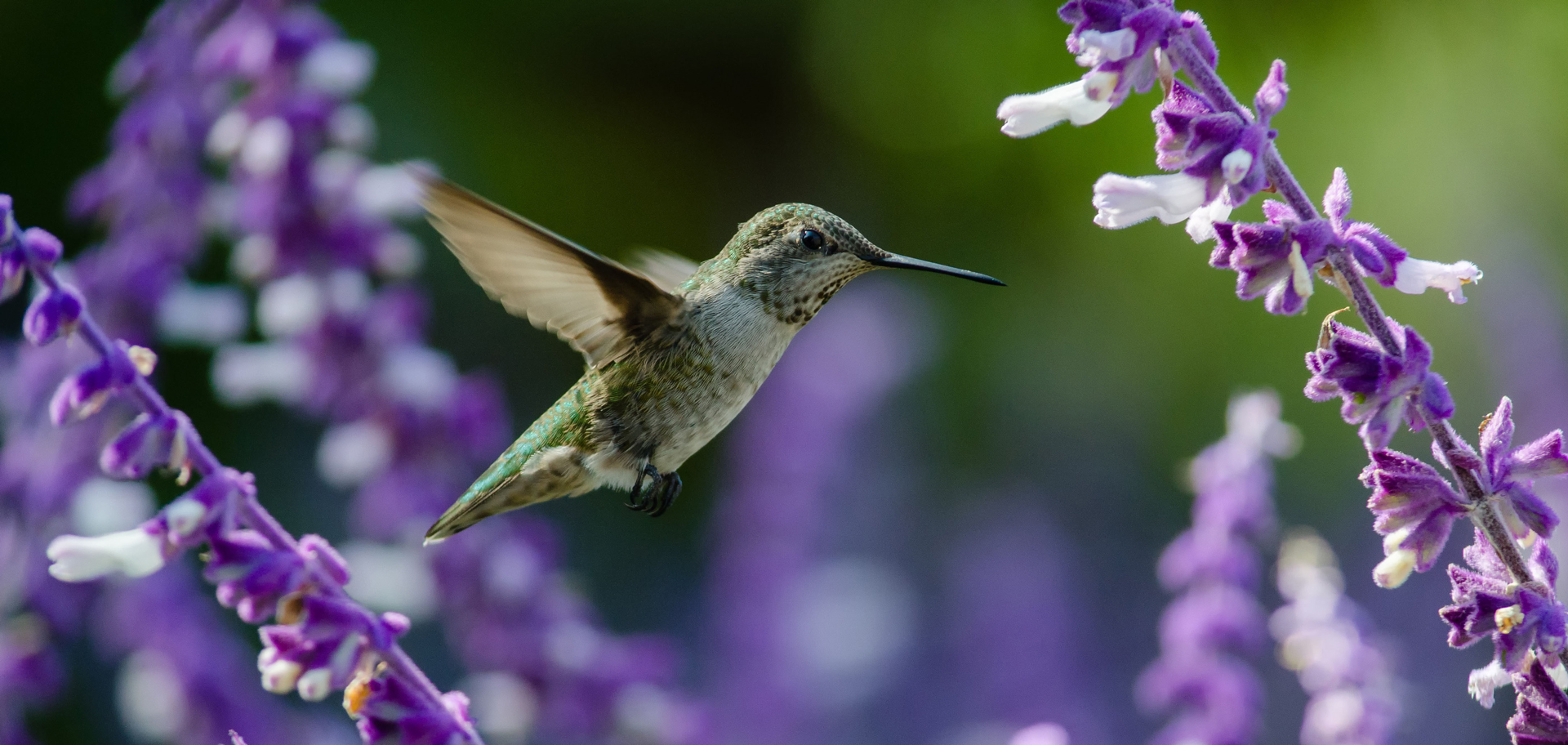
Adult mosquitoes are hunted by a wide variety of birds (such as hummingbirds). In fact, up to 80% of a hummingbird’s diet can consist of insects and spiders.
Where the mosquito sweet spot lies
Although, of course, we want to avoid those irritating mosquito bites, it’s worth remembering that mosquitoes play surprisingly vital roles in the environment. For example:
1. Mosquitoes are essential pollinators. In fact, mosquitoes’ primary food source is flower nectar, not blood. Just like bees or butterflies, mosquitoes transfer pollen from flower to flower as they feed on nectar, fertilizing plants and allowing them to form seeds and reproduce. It’s only when a female mosquito lays eggs that she seeks a blood meal for the protein. Males feed only on flower nectar and never bite.
2. Mosquitoes are a foundational food source for many species and are a critical source of biomass in the food chain. Their larvae feed amphibians, fish and other insects, while adult mosquitoes are hunted by bats, birds (such as hummingbirds) and dragonflies.
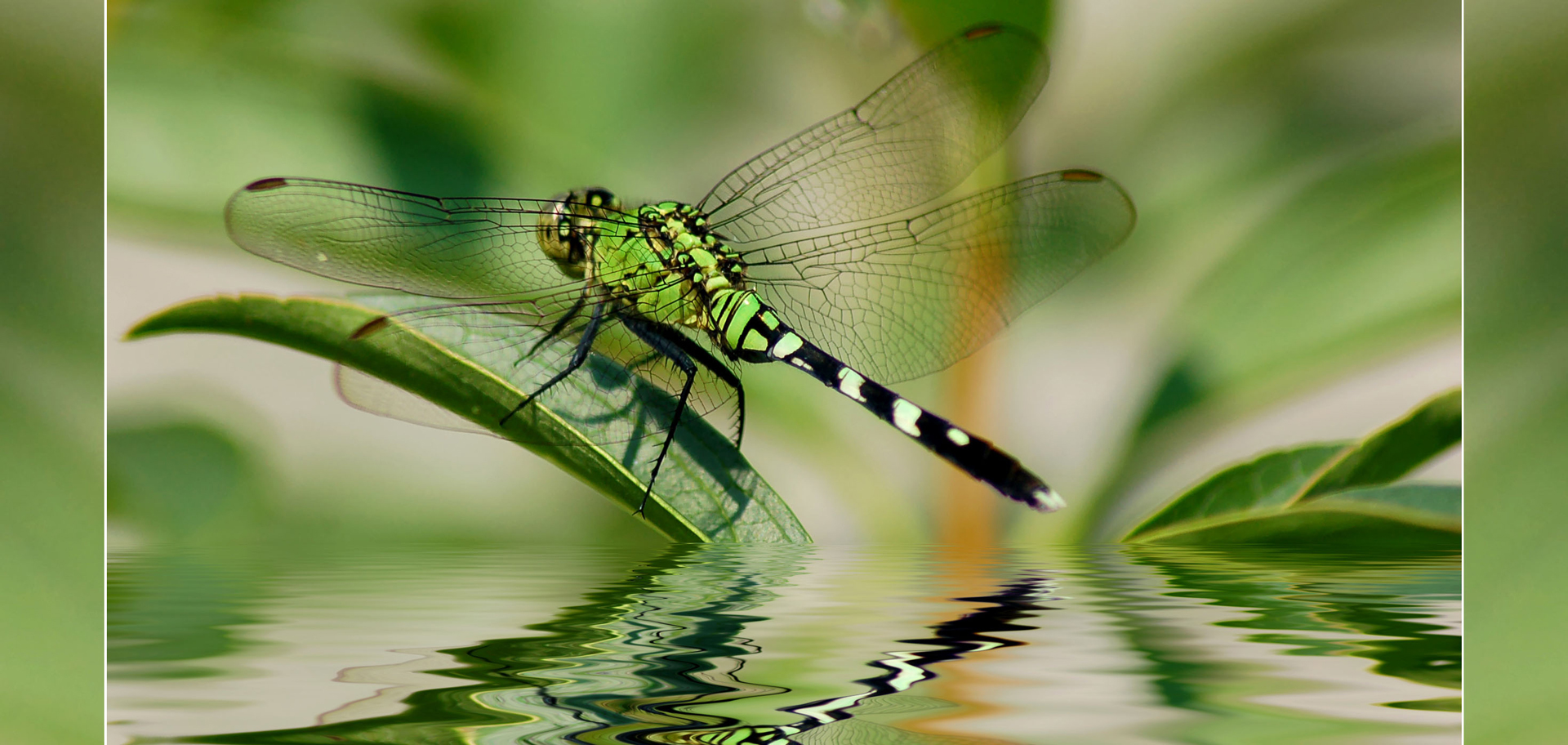
Dragonflies are highly effective, natural predators that consume hundreds of mosquitoes daily. To naturally manage mosquito populations in your backyard, build a dragonfly-welcoming habitat by placing plants and trees that attract these beneficial insects around your yard’s perimeter.
3. Mosquitoes are aquatic recyclers. In their larval stages, mosquitoes filter standing water by eating decaying leaves and organic matter. They then excrete nitrogen and other nutrients, acting as a natural fertilizer for wetland plants.
4. Mosquitoes are natural population controls. Some specific species of mosquitoes (such as the Toxorhynchites rutilus, or “the elephant mosquito”) have predatory larvae that feed on the larvae of disease-carrying mosquito species.
However, there are few plant species that are totally dependent on mosquitoes for pollination, and there are few if any animal species that feed exclusively on mosquitoes. So, it’s okay to take measures to reduce the mosquito population around your home or where you are. Just be careful in how you go about doing it. Avoid spraying pesticides. Instead, follow these three natural ways to reduce mosquito bites so you can enjoy the outdoors without having a negative impact on other wildlife.
Have a bite-free summer, and here’s to finding your true places and natural habitats,
Candy