

Written by Ariana Bowman, WWF’s Gift Planning Senior Development Officer
As we navigated through the lush forest landscape on horseback and then on foot, a sense of excitement built, an anticipation for the breathtaking sights that awaited. We were on Nat Hab’s Kingdom of the Monarchs adventure in Mexico’s Central Highlands, about to enter the butterflies’ magical realm.
Meeting the Monarchs
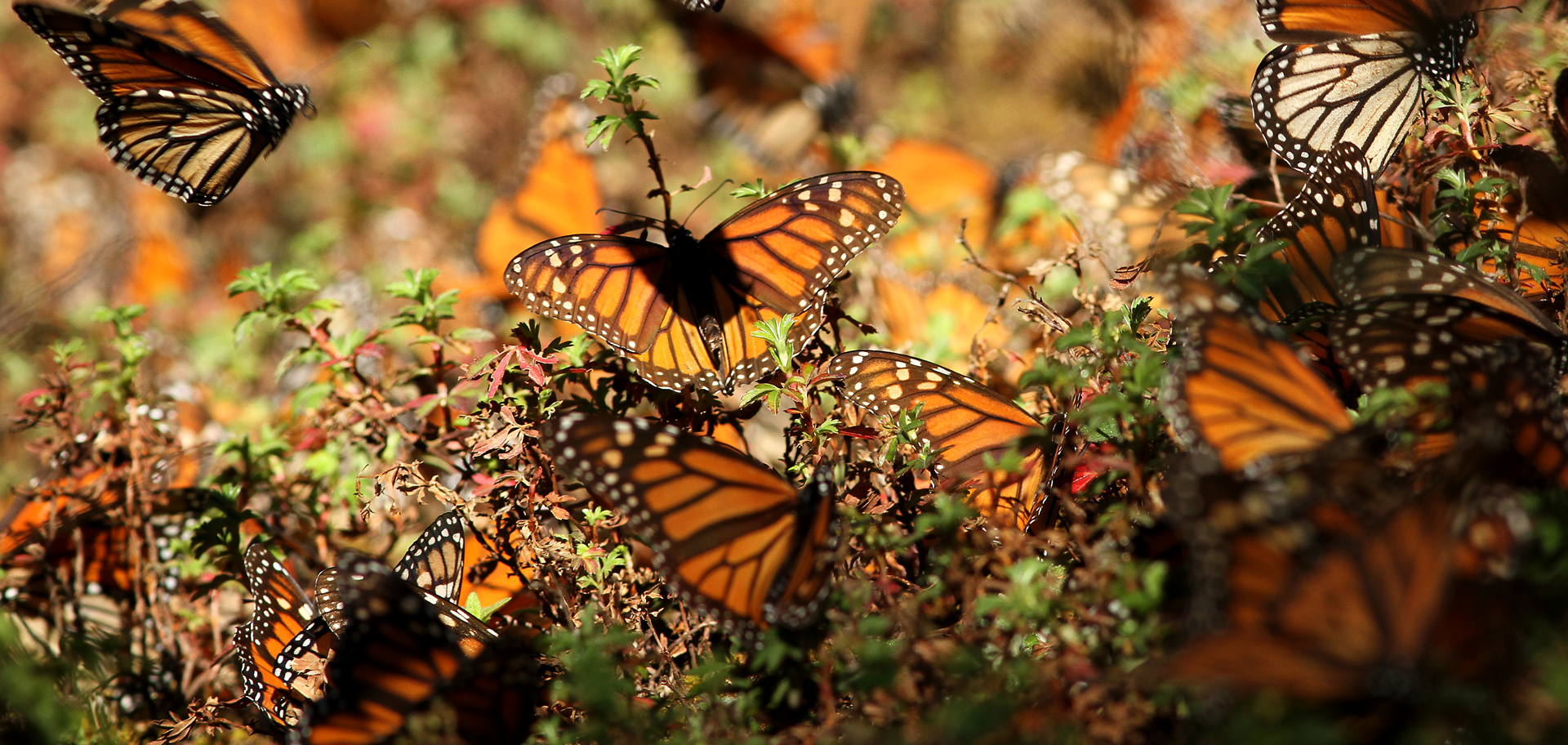
El Rosario Sanctuary promised a mesmerizing experience: trees blanketed with countless monarch butterflies, like living, fluttering tapestries. Despite an overcast sky, moments of sunlight pierced through, casting a radiant glow upon the wings of millions of monarchs. The air was alive with the gentle rustle of their delicate movements, creating a symphony of innumerable beating wings. It was an immersive encounter that deepened my connection to our natural world.
At the Chincua Sanctuary, we were fortunate to witness the monarchs’ flight path unfold before us, like a busy airport runway in a serene open field. The weather was ideal, with just enough sunlight to prompt the monarchs to venture from their clusters on the Oyamel Fir trees in search of shade, conserving energy for the imminent migration north in early spring. Witnessing this delicate dance in the forest underscored the monarchs’ crucial need to preserve energy as they prepared for their journey.
On our third day, we headed back to El Rosario, arriving early to watch the monarchs wake up with the morning sun. It was another enchanting day and made even more meaningful by the role of local communities. The efforts of community members who help maintain the sanctuaries, care for the horses and improve the paths to make them more accessible to tourists overall help uphold and foster sustainable livelihoods.
Culture, Community and Conservation
Monarchs hold profound cultural significance in these highlands, and it was heartening to see communities benefiting from conservation efforts. Supported by organizations like World Wildlife Fund and Natural Habitat Adventures, initiatives to reforest oyamel fir trees and promote sustainable tourism have enriched both the environment and the local economy.

© Ariana Bowman / WWF-US
The town of Angangueo is steeped in rich history and captivating beauty; with its historic cobblestone streets and colorful architecture, it exudes an old-world charm that harks back to its mining heritage. The town boasts a vibrant culinary scene that reflects Mexico’s diverse culinary heritage. As we traversed between monarch sanctuaries and indulged in delicious meals within the most charming accommodations, we witnessed the interplay of tradition, culture and natural beauty.
Shortly after returning from our journey, monarch colony numbers were announced, and, unfortunately, the news was bleak: a 59.3% annual decline. The decline highlights the urgent threats they face, including the lack of milkweed plants as food sources for larvae in their summer breeding habitat in the US, and the need to increase and preserve feeding sites for nectar-rich flowers along the Mexican Flyway, compounded by climate change.
Despite these challenges, our dedicated team in WWF-Mexico is working tirelessly to protect these fragile creatures and their habitat. On this trip, we traveled alongside experts such as Adriana Valera, WWF-Mexico’s Pollinator Officer, and Nat Hab’s Court Whelan and Diana Lopez, who provided invaluable insights into the monarchs’ plight and the importance of conservation efforts. For instance, 20.2 million trees are produced in community-based nurseries, and 20,572 hectares (50,834 acres) are reforested with them.
Marvelous Migration
Standing amid the monarchs in their ancient hibernation grounds, I could not help but marvel at their resilience and determination. Their epic migration, spanning over three thousand miles for an almost weightless species, symbolizes the triumph of endurance over adversity, inspiring awe and reverence for the wonders of nature. The pilgrimage to the oyamel forests served as a poignant reminder of the interconnectedness of all living beings and the profound impact of our small actions.
For me, the journey to the volcanic mountains of central Mexico marked a poignant turning point. It began with a simple endeavor in the spring of 2020: I created a monarch butterfly garden filled with milkweed and other pollinator-friendly flowers. At the time, it served as a welcome escape from the relentless cycle of pandemic news. As I tended to the native milkweed garden, aiming to provide a waystation for monarchs and hands-on learning for my three young boys, I had no inkling of the profound connection it would foster.
By late summer, our garden had transformed us into amateur naturalists. We delighted in discovering tiny white eggs and eagerly observed as the caterpillars underwent their remarkable metamorphosis, growing from small larvae to robust creatures within a couple of weeks. The sight of vibrant orange and black butterflies emerging from their emerald, jewel-like chrysalises was a moment of pure joy. Watching them unfurl their delicate wings, dry them and take flight into the balmy summer breeze was pure magic.
How You Can Help: Milkweed for Monarchs
Having dedicated nearly two decades to WWF, this conservation issue resonates with hope and practicality unlike any other. Experiencing the meticulously tended and communal sanctuaries in Mexico served as a powerful catalyst for action. It’s time for the U.S. and Canada to do our part and plant more milkweed.

Monarch butterfly on top of milkweed plant. © WWF-US / Clay Bolt
According to the Court, we need 1.8 billion more milkweed stalks to start seeing monarch numbers rebound, as milkweed is the monarch’s host plant and crucial to their survival. By planting native milkweed species suited to our regions, we can provide vital breeding habitat for monarchs and help reverse their decline. Visit our website to find the right milkweed for your area: Milkweed Finder – WWF.
However, it’s crucial to choose the right milkweed variety, and not all nurseries stock the correct species, underscoring the importance of informed decision-making in conservation efforts.
Visiting the monarch butterfly sanctuaries is more than a tourist excursion; it’s a transformative journey in the heart of nature’s grandeur. The awe-inspiring beauty touches the soul and instills a deep appreciation for the delicate balance of our planet. And you’ll be traveling alongside kindred spirits who share in your passion, forging meaningful connections and creating memories that bind you together long after the journey has ended.
Whether you make this memorable trip or not, consider your role in protecting these sanctuaries and the monarch migration. Support local conservation efforts in your own backyard by planting the right milkweed, raising awareness, and becoming a steward of this fragile species and its migration.
Learn more about Nat Hab and WWF’s Kingdom of the Monarchs trip to Mexico.