

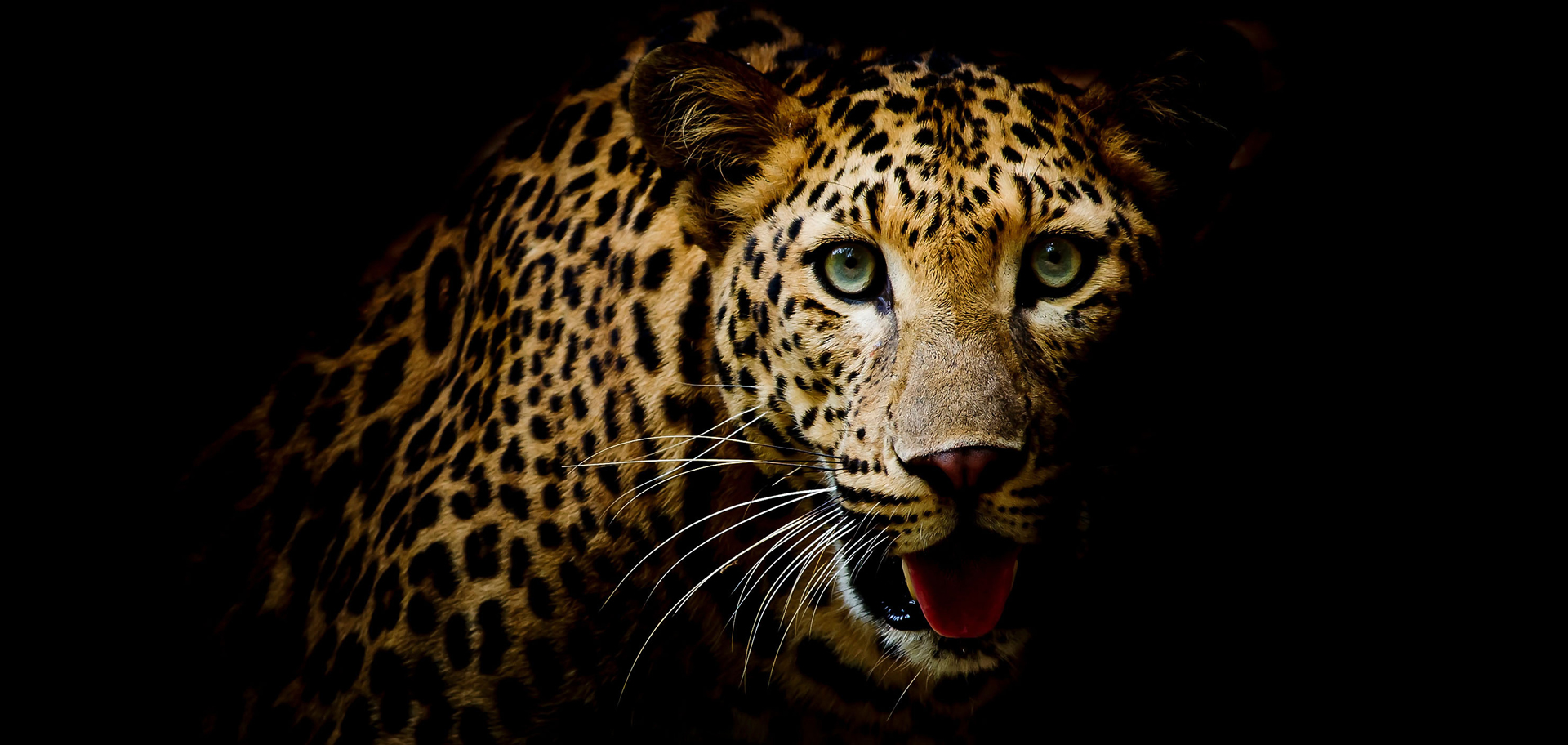
African leopards are elusive, solitary predators widely distributed across South Africa. They are incredibly adaptable, ranging in size from 45 pounds to 159 pounds, depending on their environments. Notably, leopards in the rugged Cape Floristic Region are a distinct, smaller genetic group that split off during the last Ice Age.
Some tiny birds on remote Scottish islands are undergoing a dramatic evolutionary transformation. Four isolated populations of British wrens have grown astonishingly large.
At the other end of the scale, however, leopards in South Africa’s Cape Floristic Region have become much smaller than most African leopards. What’s happening, though, with the sizes of the parts on any one animal? Are they changing in any significant way? Here’s a fun question on that theme: why did the colossally sized Tyrannosaurus rex have such tiny arms? Scientists now think it’s because its giant head became the ultimate hunting tool. Across multiple dinosaur groups, stronger skulls and crushing jaws evolved alongside shrinking forelimbs, especially in predators hunting enormous prey. In other words, once the bite became deadly enough, the arms may have stopped mattering.
Let’s take a look at how and why animal sizes metamorphose in nature; how the statures of some animals are being transformed in our own time—and how they shape-shifted long ago.
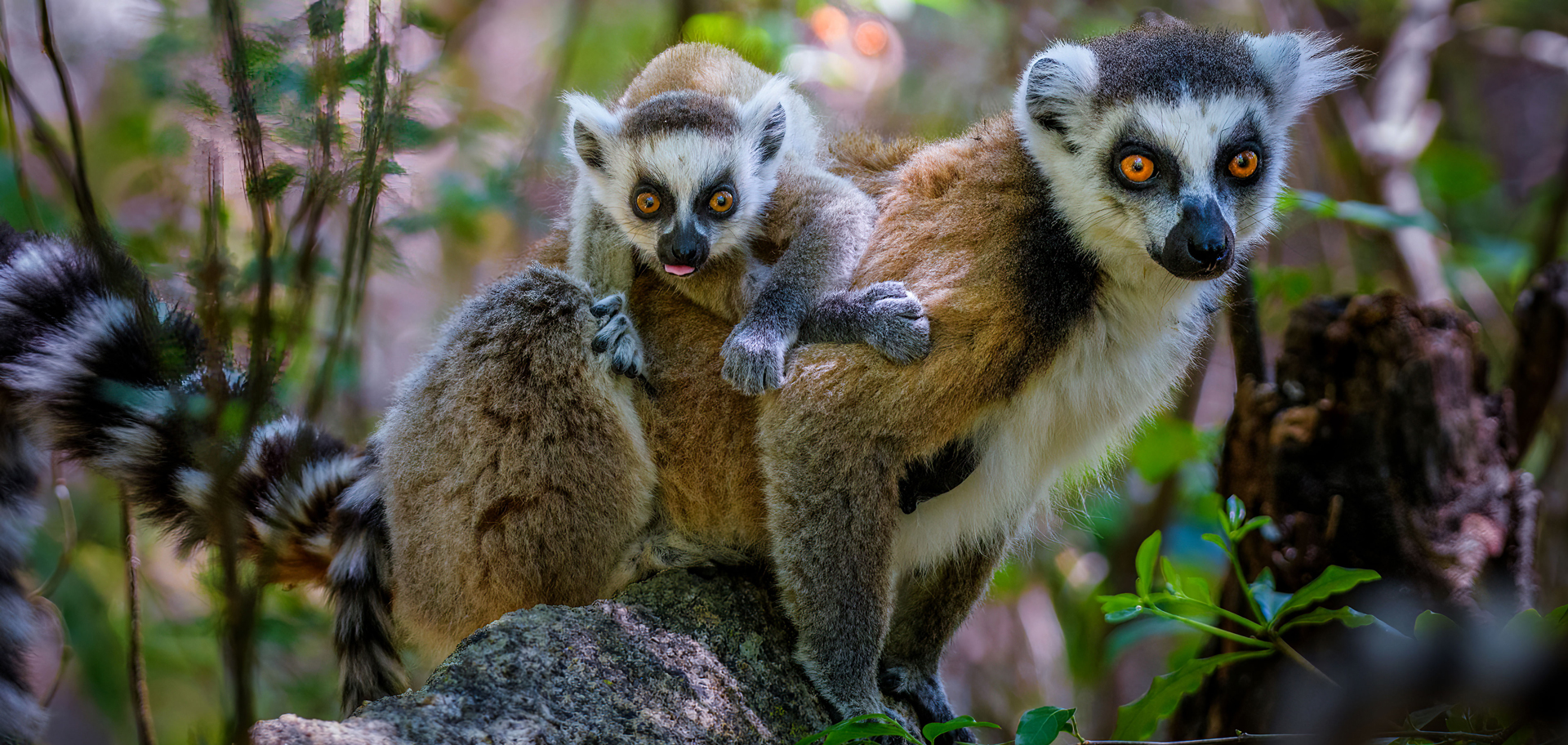
Lemurs are primates who are endemic only to the island of Madagascar. Believed to have rafted there from mainland Africa more than 65 million years ago, they evolved into more than 100 species—ranging from the tiny Madame Berthe’s mouse lemur to the largest living lemur, the indri. Ring-tailed lemurs, shown here, are medium-sized.
Big in Scotland: wrens are evolving into new species through island gigantism
Islands are home to an estimated 20% to 30% of Earth’s species and are well known for unusual wildlife, including Madagascan lemurs and Indonesian Komodo dragons. Scientists believe island isolation, along with lower levels of competition and predators, creates conditions that can push evolution in unusual directions. For instance, “island gigantism” occurs when animals isolated on islands become much larger than related species on the mainland. Famous examples include the giant tortoises of the Galapagos Islands and the extinct dodo of Mauritius.
To better understand how island evolution works, researchers at the University of Alabama at Birmingham compared four subspecies of tiny wrens living on remote Scottish islands—Fair Isle, the Outer Hebrides, St Kilda and Shetland—with wrens from mainland Britain using body measurements, song recordings and whole genome sequencing. They discovered especially striking examples of island gigantism in wrens from St Kilda and Shetland. Wrens from mainland Britain typically weigh between 0.24 ounces and 0.35 ounces. On St Kilda, however, the birds weighed between 0.45 ounces and 0.56 ounces. The largest St Kilda wrens were more than twice the size of the smallest wrens found on mainland Great Britain. That places them among the top 25% of known cases of island gigantism in birds around the world. Wrens from Fair Isle and the Outer Hebrides remained more genetically similar to mainland birds, showing that evolution can vary significantly even across nearby islands.
Scientists also found little evidence that wrens from St Kilda and Shetland regularly interbreed with mainland populations. Their long isolation appears to have allowed them to develop unique genetics, physical traits (such as differences in body proportions and plumage) and songs. All four Scottish wren subspecies were genetically distinct from the wrens of mainland Britain; with the wrens of Shetland and St Kilda being especially distinct in both appearance and song. Their genetic distinctiveness is so high, in fact, that it is likely they are on their way to becoming new species, state the researchers.

Tiny wrens living on remote Scottish islands are giving scientists a rare look at evolution in action. These birds are evolving into island giants—and scientists think they may be becoming a new species on St Kilda and Shetland.
Genome analysis revealed that each island population is also genetically distinct and largely isolated from the others. Even though wrens from St Kilda and Shetland look physically similar, the genetic changes linked to their evolution are mostly different. This means that their island gigantism is a case of “parallel evolution,” where a similar original population (probably colonists from the British mainland) made it to each island archipelago, and then independently evolved to become island giants. In the process, their songs also became very different from those of mainland British birds.
The study, the results of which were published in the journal Evolutionary Journal of the Linnean Society in May 2026, provided one of the most detailed investigations yet into the biological processes behind “island syndromes”—the idea that island environments consistently shape evolution in predictable ways. These evolutionary patterns are seen in many island species around the world and often include larger body sizes, longer lifespans, slower reproduction and, in birds, reduced flight abilities.
Even so, the researchers say that they still do not fully understand why island syndromes happen or how these traits help species adapt to island ecosystems. The University of Alabama at Birmingham team believes the Scottish wrens could become an important model for future research into the forces driving evolution on islands around the world.

Although Scottish wrens from Fair Isle, the Outer Hebrides, St Kilda and Shetland live in similar environments, each population has followed its own evolutionary path. St Kilda wrens typically weigh 13 to 16 grams, making them more than twice the size of mainland wrens.
Small in South Africa: leopards are shrinking to half their normal size
Animals of the same species don’t always look the same. From birds with different beak shapes to mammals that vary in color or size, populations living in different places can often look very different. What’s much harder to pin down is why these differences arise. Are they shaped by local environments? Could they be driven by natural or sexual selection? Or are they simply the result of the random loss of gene variants as populations become isolated and slowly diverge over time?
Leopard conservationists and researchers set out to answer some of these questions by investigating a population of less than 1,000 leopards in South Africa’s Cape Floristic Region, a biodiverse area rich in plants found nowhere else in the world and that covers the country’s Western Cape and parts of the Eastern Cape and Northern Cape. These leopards are much smaller than leopards elsewhere on the continent; and, in some cases, they have only half the body mass. For decades, experts have debated whether the leopards of this region are truly a separate population in terms of their genes; and, if so, what might be driving that difference.
Previous genetic studies offered only limited answers. Most relied on a small number of genetic markers: specific spots in the DNA where mutations tend to happen. This is useful in learning about large-scale patterns, but it misses the finer details needed to understand how populations evolve. To fill this gap in the research, whole-genome data was analyzed. This means that instead of looking for small regions of the DNA where variation was expected, the full sequence of paired DNA bases that make up the leopard genome (2.57 billion base pairs, or roughly 19,000 genes in total) were examined. Then, evolutionary biologists and local leopard experts collected muscle or skin tissue from the big cats and compared the Cape leopards’ genomes with that of leopards from other parts of Africa.
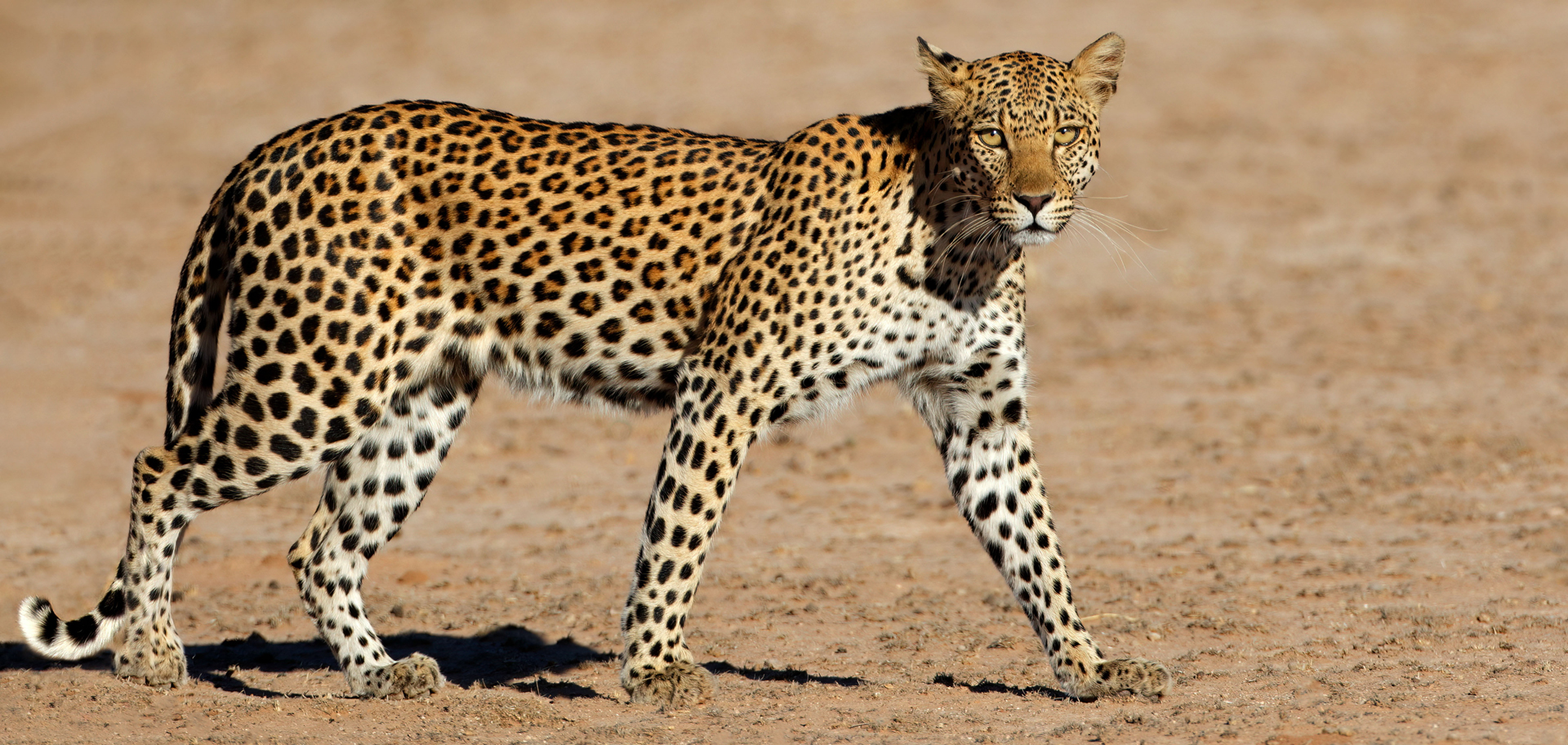
Leopards are among the most widespread large carnivores in the world, found across Africa and parts of Asia. Eight subspecies are currently recognized, including the African leopard (“Panthera pardus pardus”), pictured above. These animals show extraordinary variation in body sizes, coat colors and skull shapes.
The results of this study, published in the journal Heredity in June 2026, showed that the leopards of the Cape are not just smaller than other African leopards, they’ve also formed their own genetic group, clearly separated from leopards elsewhere in eastern and southern Africa. A similar pattern emerged for leopards from Ghana in West Africa. In both cases, there was little evidence of recent genetic mixing with neighboring populations.
Leopards occur and move all along the length of the Cape Fold Belt mountain chain, which serves as a refuge for the cats. Beyond the northern and eastern edge of this mountain range, it appears that leopard movement stops; the apparent barriers being the very dry semidesert in the north and high human activity in much of the Eastern Cape. Analysis of the whole-genome DNA data demonstrated that these leopards began diverging from populations further east around 20,000 to 24,000 years ago, during the last glacial maximum (the coldest phase of the last Ice Age).
During this time, southern Africa became cooler and drier, with fewer grasslands and less food, making it harder for animals to move and survive, and causing populations to become separated. More recently, leopard numbers fell sharply in the 1800s and 1900s, likely due to habitat loss, human hunting and bounty systems that encouraged farmers to kill leopards. In 1968, the leopard bounty ended, and the leopard population began to recover as conservation efforts grew.
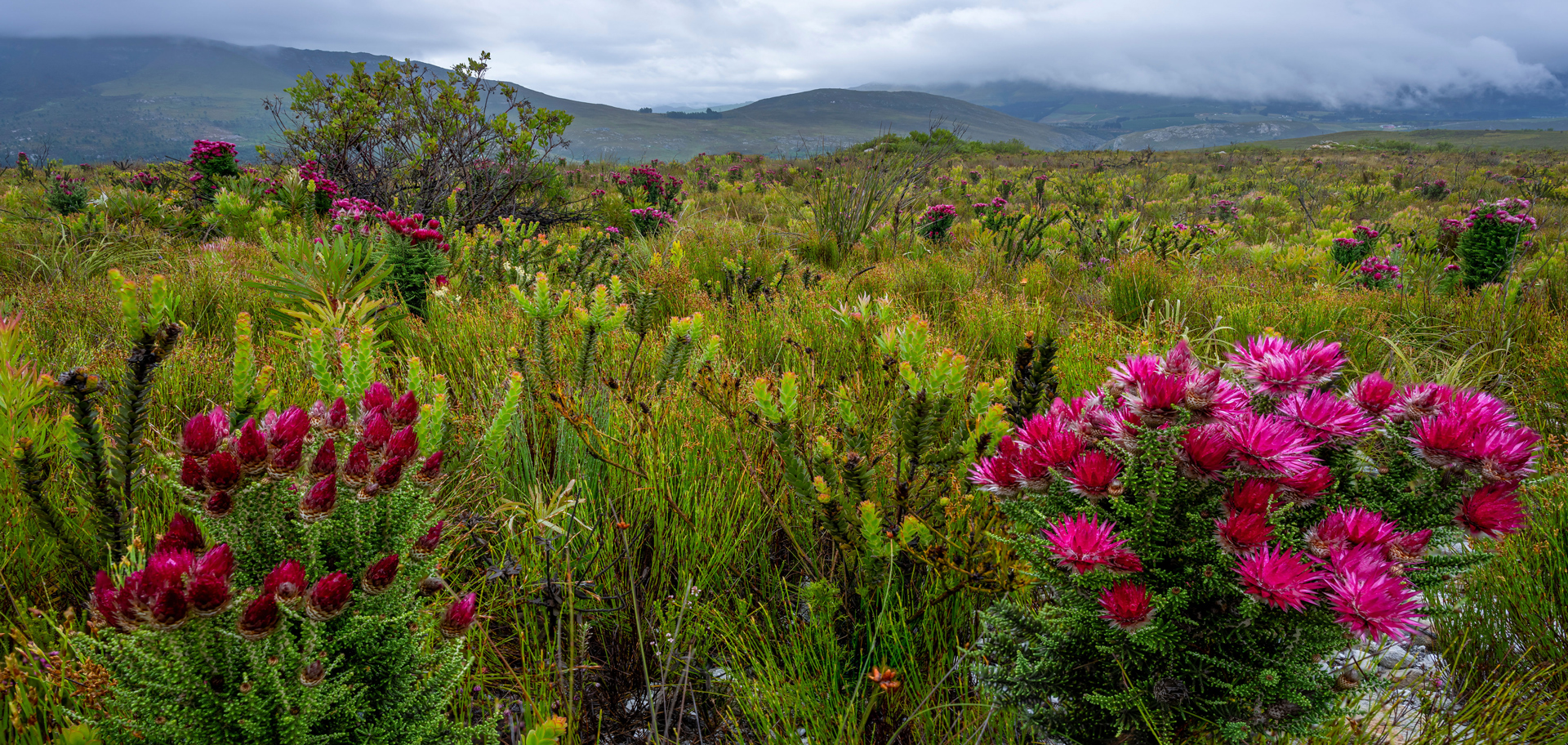
South Africa’s Cape Floristic Region is a hot spot of biodiversity, containing thousands of plant species found nowhere else on the planet. It occupies less than 0.5% of the area of Africa but supports approximately 20% of its plant life.
Because they’d been isolated from other leopards and hunted, the researchers expected that the leopards of the Cape would be genetically depleted (when small populations inbreed and lose genetic diversity). Low genetic diversity makes it harder for populations to adapt to new threats like climate change, disease and human pressures. However, the Cape leopards had only slightly lower genetic diversity than other African populations, which is good news.
To find out why the leopards of the Cape are smaller in size, the scientists identified about 90 genes that were more common in these leopards, linked to body size, bones, energy use and muscles. These differences made sense given that the environment they live in has much smaller, more sparsely distributed prey than other leopard habitats. Leopards in the Cape feed mostly on species like Cape grysbok (Raphicerus melanotis), klipspringer (Oreotragus oreotragus) and rock hyrax (Procavia capensis). Together, these genomic signals suggest that these leopards are small because they’ve adapted that way and not only because of isolation or genetic drift.
Populations that are genetically distinct and locally adapted are often described as evolutionarily significant units. This means they represent a unique branch of a species’ evolutionary history and need specific protection so that they can continue to adapt to future change. Leopards in the Cape Floristic Region occupy a landscape unlike any other in southern Africa, shaped by low prey availability, unique vegetation and rapidly expanding human populations. Large, fenced reserves are rare; and leopards frequently move through agricultural and urban-edge landscapes, where conflict with people is common.
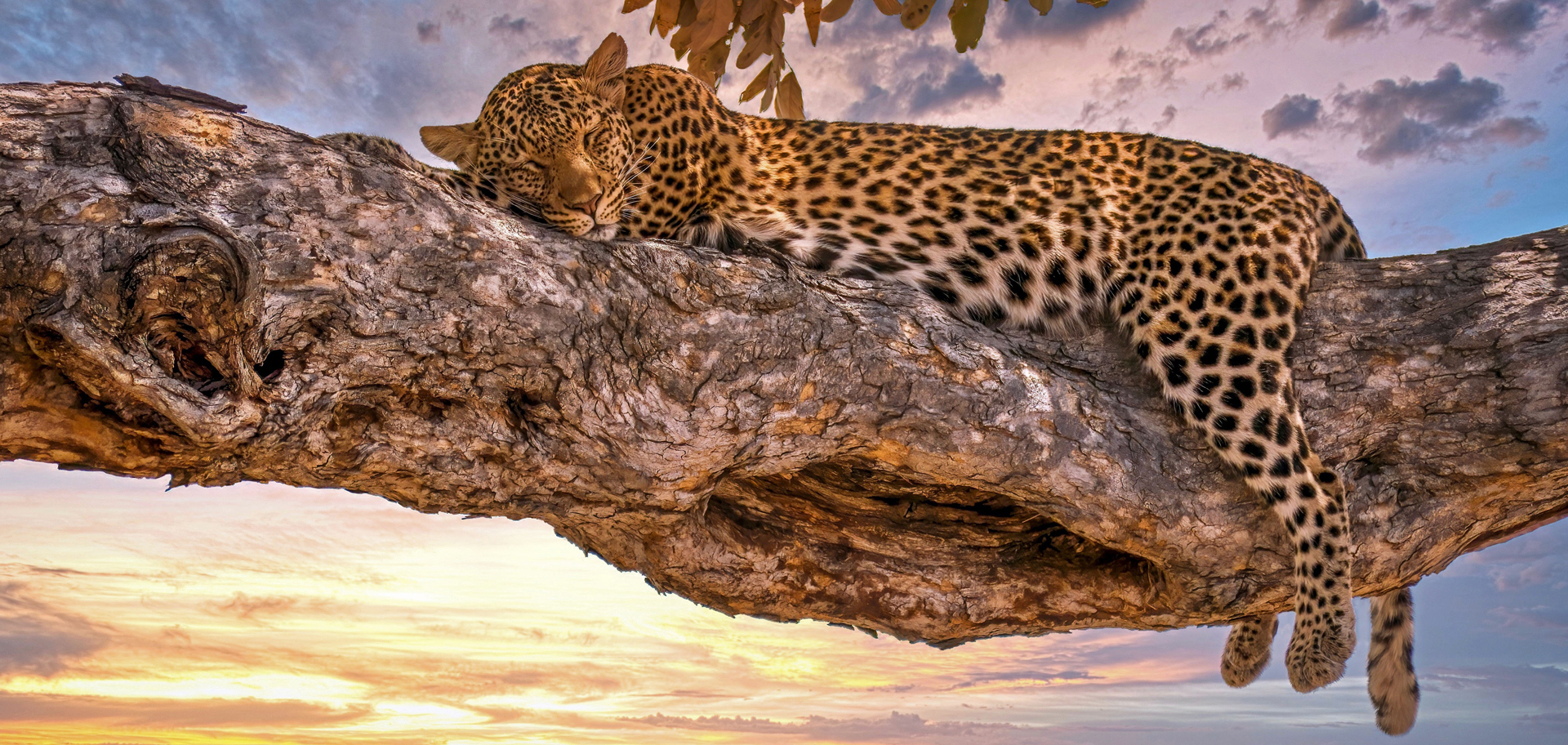
Leopards from South Africa’s Cape Floristic Region are genetically different from other African leopards. It’s believed that this is because they’ve been isolated from other leopards for a long time and have adapted to one region.
To conserve these leopards, their habitats need to be connected so that they can move around unrestricted and be safe from persecution, conclude the researchers. Poaching and road mortalities are two further threats that need to be addressed to ensure the persistence of leopards. Working in partnership with landowners and communities, they say, is essential to protect the big cats. By conserving them, we not only save an iconic predator but also preserve an evolutionary legacy shaped over thousands of years by one of the most distinctive landscapes on the African continent.
Shrinking and growing: a new evolutionary theory
So, what’s the reason why some species gradually get smaller over time? New theoretical research proposes that changes in animal sizes depend on two key ecological factors: the intensity of direct competition for resources between species and the risk of extinction from the environment.
Using computer models simulating evolution, ecosystem modelers from England’s University of Reading write, in an article published in the journal Communications Biology in January 2024, that just like how we try to adapt to cold or hot weather depending on where we live, animal sizes can get bigger or smaller over long periods depending on the habitat or environment.
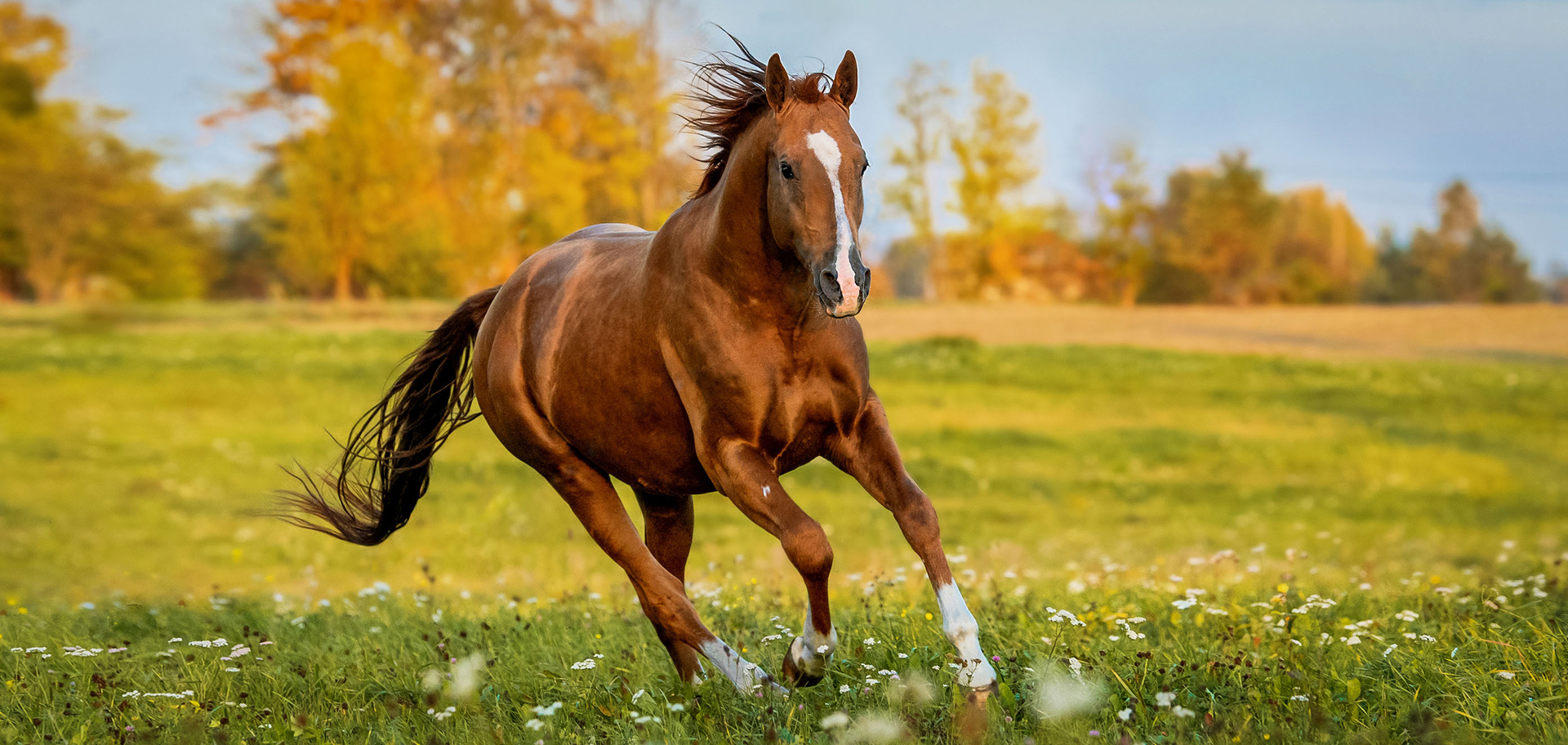
Early horse ancestors like “Eohippus” were small, dog-sized animals that lived in forests. Over 55 million years, driven by environmental shifts from wooded areas to open grasslands, they developed larger bodies and high-crowned teeth for grazing. The progression from “Eohippus” to the modern “Equus” is a well-documented evolutionary sequence.
In places and times where there is a lot of competition between different species for food and shelter, sizes often get smaller as the animals spread out and adapt to the distribution of competitors and resources. Where direct competition is less, sizes tend to get bigger, even though being huge and few in number can make animals more vulnerable to dying out, such as what happened with the dinosaurs. Changes in ecological factors help explain why fossil records show such confusing mixes of size evolution patterns, with some lineages shrinking over time and others growing.
The research team carried out their study by challenging the contradictions fossil evidence posed to Cope’s Rule, the tendency for certain animal groups to evolve larger body sizes over thousands and millions of years. The rule is named after Edward Cope, a 19th-century paleontologist who was credited to have first noticed this pattern in the fossil record. For example, early horse ancestors were small, dog-sized animals that increased in size over evolutionary time, ultimately producing the modern horse. However, fossil evidence shows remarkably conflicting trends, with increased size in some groups but decreased size in others.
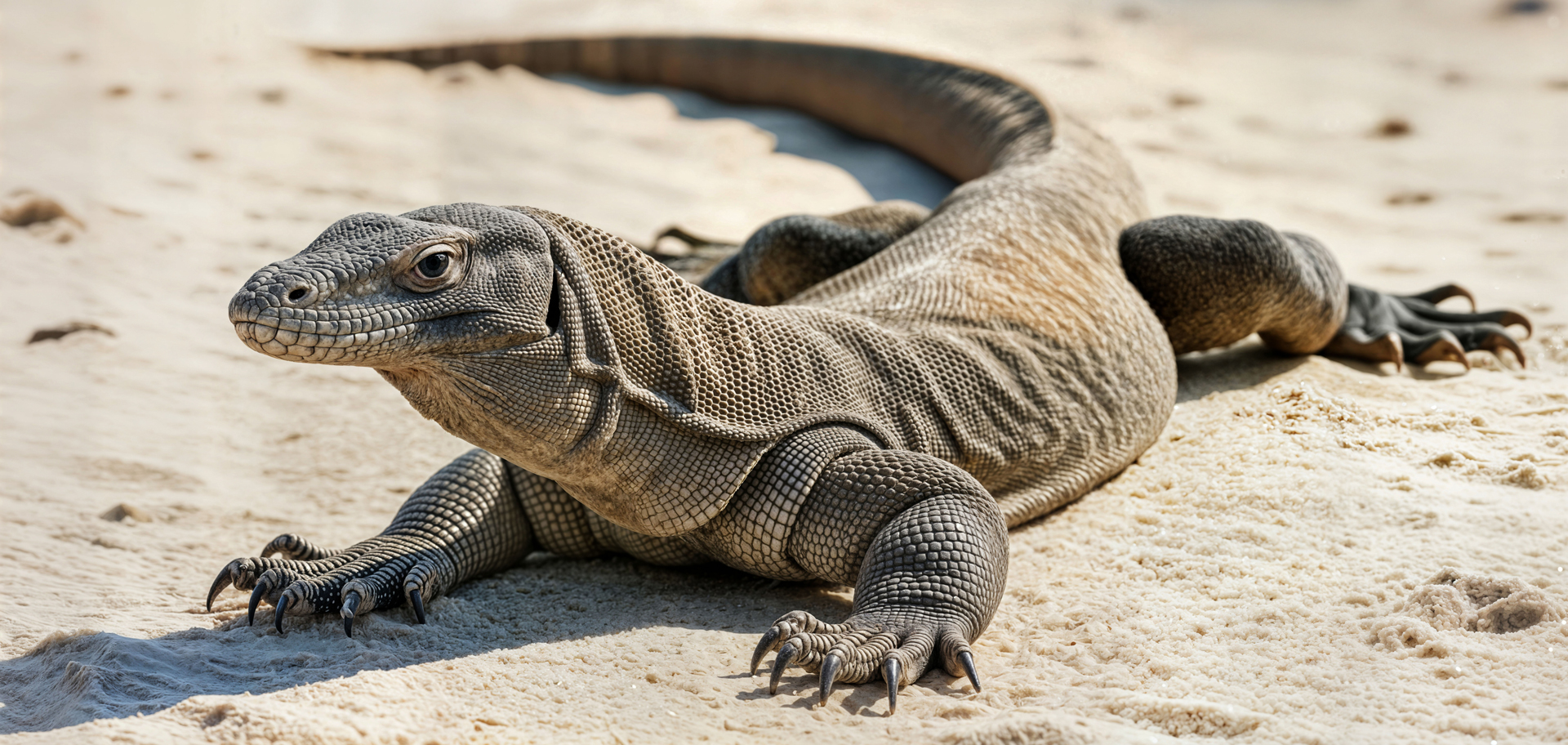
Indonesia’s Komodo dragons are a classic example of the evolutionary phenomenon known as the Island Rule. When mainland species become isolated on islands, large species tend to evolve smaller bodies to survive in resource-limited environments. Komodo dragons are dwarf descendants of an extinct Australian megamonitor.
Using computer models simulating evolution, the University of Reading scientists identified three distinct patterns of body-size change emerging under different conditions:
• Gradual size increase over time: This happens when competition between species is determined mostly by their relative body sizes rather than niche differences. For example, several genera of marine animal species (like invertebrates) gradually increased in size over millions of years.
• Size increase followed by extinctions: Here, the largest animals recurrently go extinct, opening opportunities for other species to take their places and evolve even bigger bodies, continuing the cycle. Mass extinctions hit large-bodied apex predators the hardest. Dinosaurs and giant flying reptiles are examples.
• Gradual size decrease over time: The simulations also predicted the opposite of Cope’s Rule: species shrinking over time. This happens when competition is high, and there is a degree of overlap in habitats and resource use. As species evolve apart into distinct niches, they face evolutionary pressure to reduce in size. Decline in size was previously reported for Alaskan Pleistocene horses, bony fish, cryptodiran (“hidden-necked”) turtles, island lizards and vertebrates.
Tiny T. rex arms: evolution for a brutal reason
I couldn’t leave this topic of large and small animal bodies without mentioning the famously tiny arms of the largest land predator of all time: the giant Tyrannosaurus rex. It turns out they may have been the result of a major shift in how giant meat-eating dinosaurs hunted.
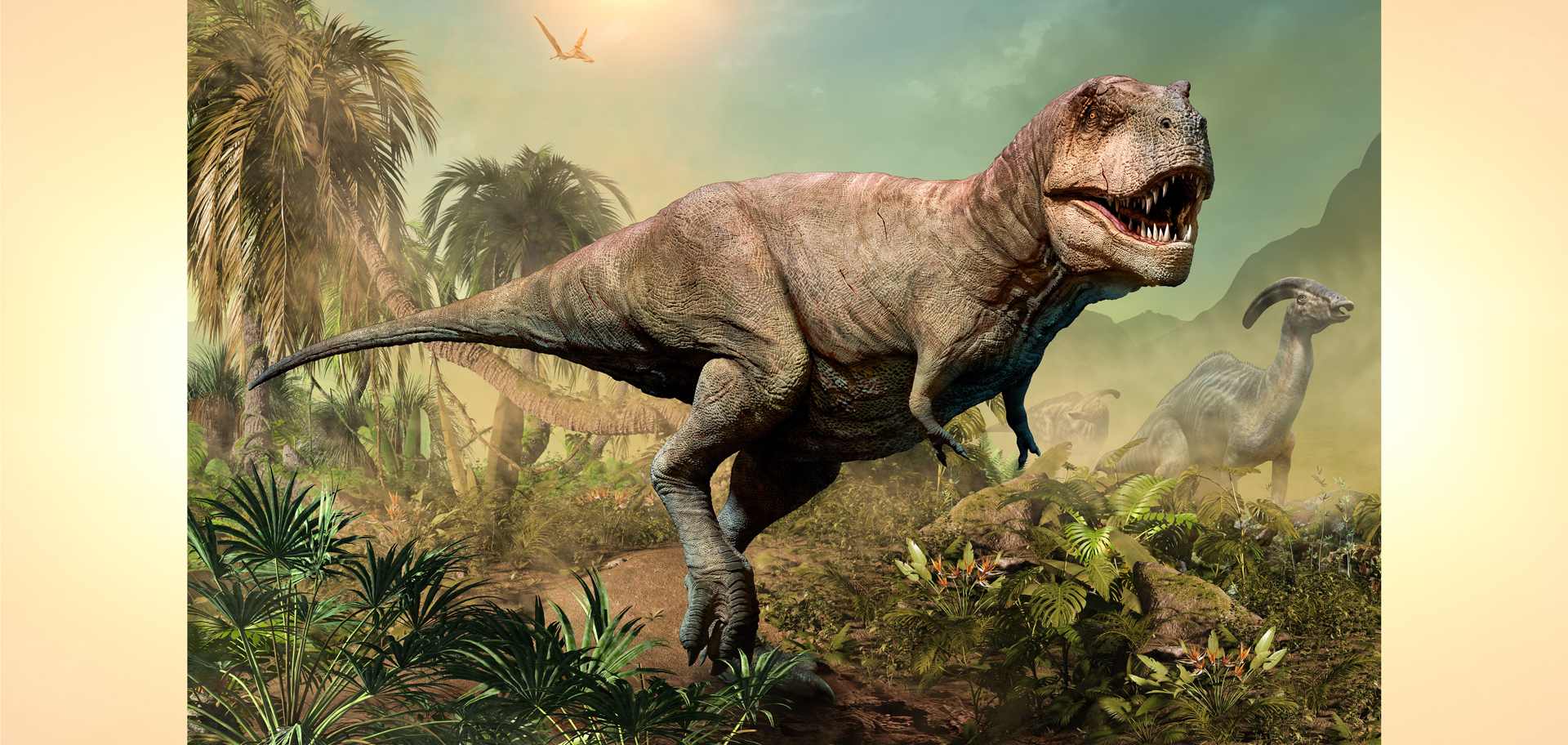
In dinosaurs, there’s a strong relationship between short arms and large, powerfully built heads. The head took over from the arms as the method of attack. It’s a case of “use it or lose it”; the arms are no longer useful and reduce in size over time. ©Warpaint/Shutterstock.com
Recently, researchers from England’s University of Cambridge and the University College London (UCL) examined 82 species of theropods, a group of mostly carnivorous, two-legged dinosaurs. The scientists found that reduced forelimbs evolved independently in at least five dinosaur lineages: tyrannosaurids, the group that includes T. rex; abelisaurids; carcharodontosaurids; ceratosaurids; and megalosaurids. Rather than simply being a side effect of growing larger bodies, shrinking arms were closely connected to the evolution of massive, powerful jaws and skulls.
That connection turned out to be stronger than the link between tiny arms and overall body size. According to the scientists, this may reflect a major evolutionary shift in hunting strategy. As giant plant-eating dinosaurs—such as sauropods—became more common, predators may have relied less on grasping prey with claws and more on delivering devastating bites. Trying to pull and grab at a 100-foot-long sauropod with your claws is not ideal. Attacking and holding on with the jaws might have been more effective.
The researchers add that the evidence points to skulls becoming stronger before the arms began shrinking. It would not make evolutionary sense for it to occur the other way around, they say in in their study published in Proceedings of the Royal Society B in May 2026, for these predators to give up their attack mechanism without having a backup.
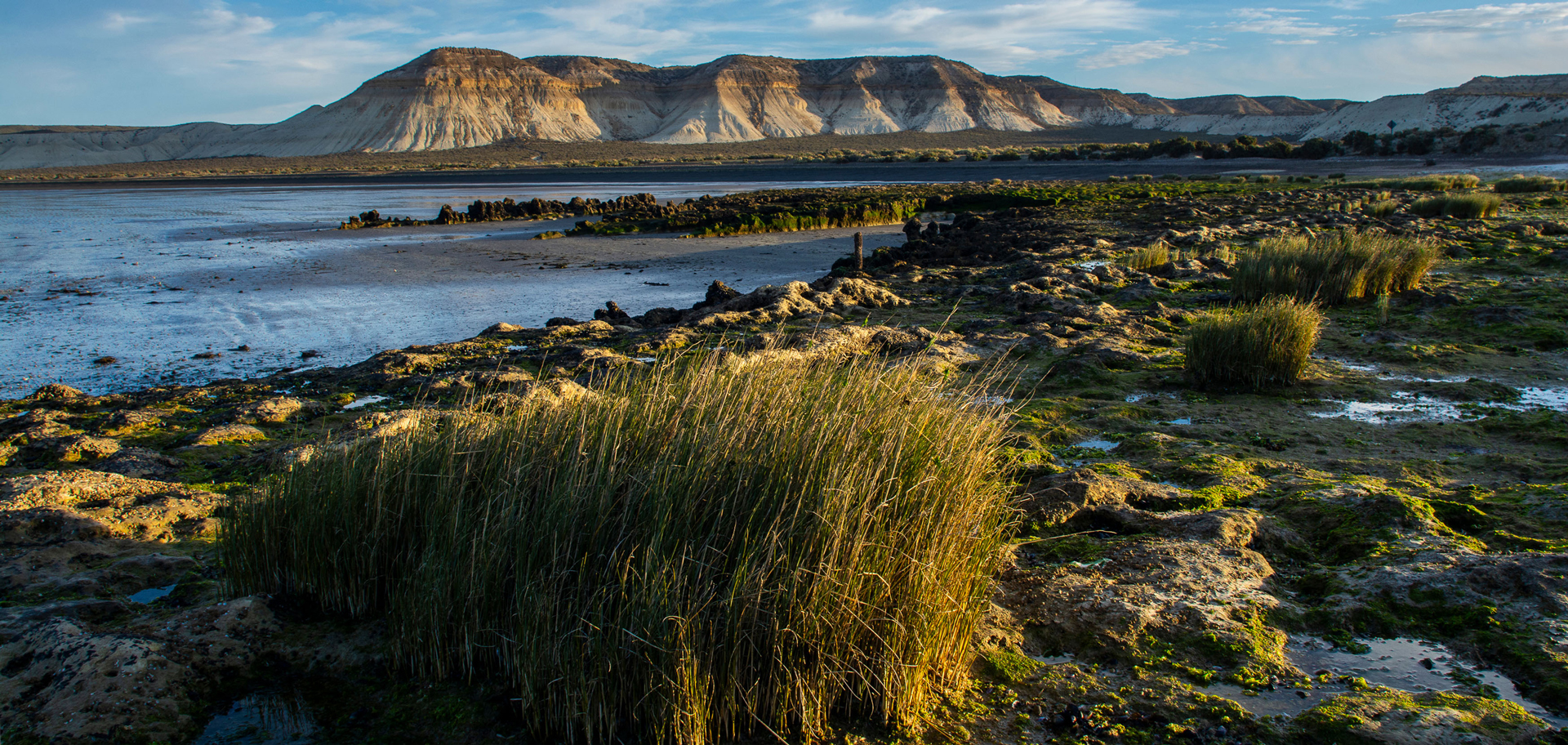
“Tyrannotitan” lived in the Patagonia region of Argentina, specifically within the Chubut Province, more than 30 million years before “T. rex” during the Early Cretaceous Period (145 to 100.5 million years ago). Its fossils were discovered at the La Jaunita farm, located about 17 miles northwest of the town of Paso de Indios.
To investigate the relationship between arm size and skull power, the University of Cambridge and the UCL researchers developed a new method for measuring skull robustness. Their approach considered several factors, including bite force, skull shape and how tightly the bones of the skull were connected. Compact skulls were considered stronger than longer, narrower ones.
Using this system, T. rex ranked as the most robust skull in the study. Close behind was Tyrannotitan, another enormous theropod that lived in what is now Argentina more than 30 million years before T. rex during the Early Cretaceous Period.
Not all of these predators were gigantic, however. Majungasaurus, for example, had a heavily built skull and extremely small arms despite weighing only about 1.6 tons, roughly one-fifth the weight of T. rex. However, Majungasaurus, who lived in Madagascar around 70 million years ago, was still considered an apex predator.
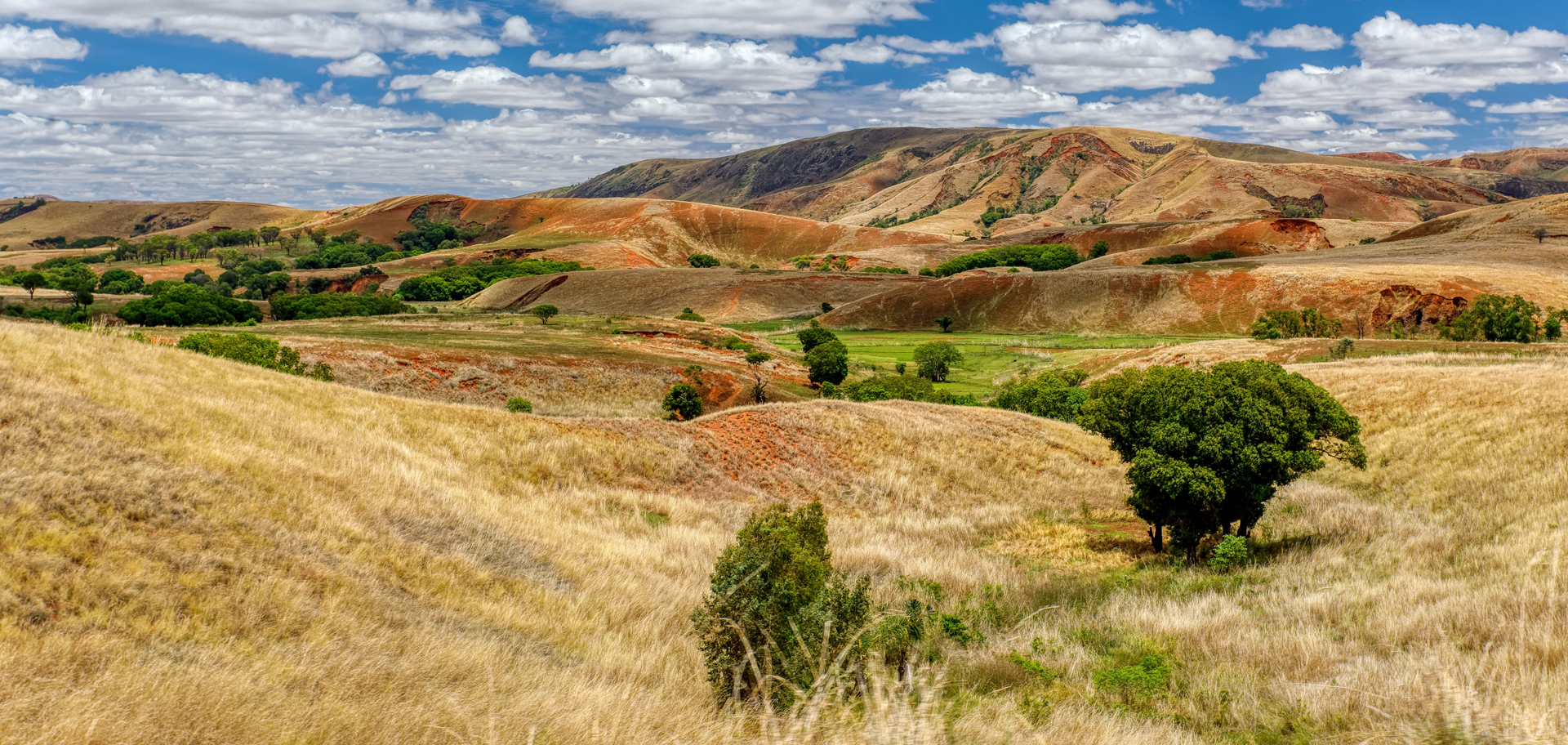
“Majungasaurus” lived in the Mahajanga Basin of northwestern Madagascar. During the Late Cretaceous Period (about 70 to 66 million years ago), this area featured expansive, semiarid coastal floodplains cut by sandy river channels. Most fossils have been unearthed just inland from the modern port city of Mahajanga.
The scientists also found that dinosaur groups reduced their forelimbs in different ways over time. Among abelisaurids, the hands and lower sections of the arms beyond the elbow became dramatically smaller, with later species such as Majungasaurus developing exceptionally tiny hands. Tyrannosaurids, however, showed a more balanced reduction across the entire forelimb. The researchers concluded that separate dinosaur lineages likely reached the same outcome through different evolutionary and developmental pathways.
Size: a negotiation with the world
Many theories have been put forward for the variance in the sizes of animals. Those that are based in temperature postulate that in warmer regions, some shrink to dissipate heat and survive on less food. As global temperatures rise, some are evolving smaller bodies and larger extremities (like bigger beaks) to stay cool. In colder climes, animals might grow larger to conserve energy, deter predators or to survive the cold. Being larger is often highly energy-efficient; larger animals can travel farther, endure harsher winters and dive for longer periods without using as much relative energy as smaller animals.
The theories for place-based reasons include the Island Rule, which goes that in isolated ecosystems with limited predators, large animals often shrink (island dwarfism), while small animals like (like insects and rodents) grow significantly larger (island gigantism) due to the abundance of unchecked food. Other models indicate that when habitats get crowded and food is scarce, species shrink over time to divide up limited resources and find distinct niches.
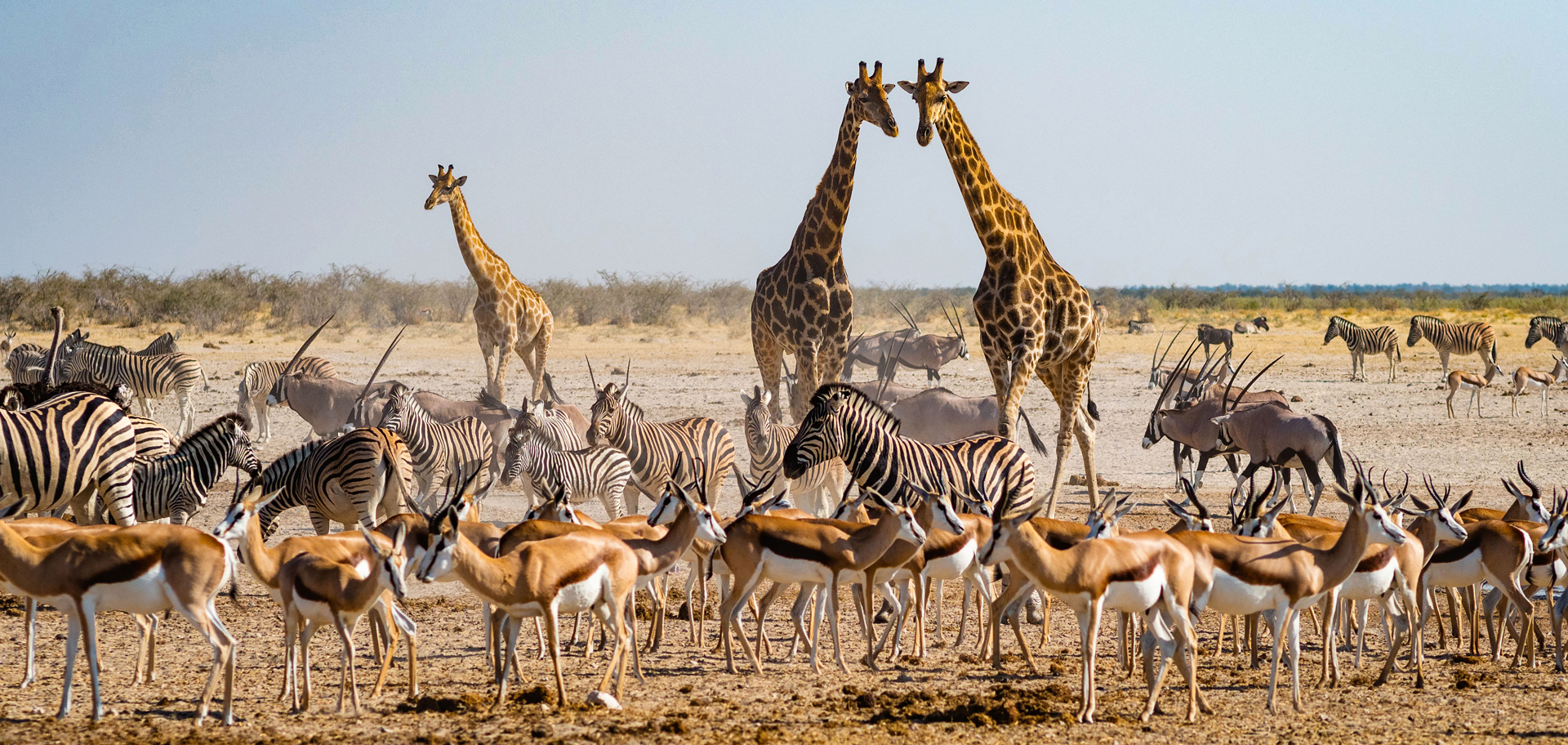
Animals—both large and small—must balance resource availability, climate and the drive to survive to come up with the perfect size for themselves.
Human hypotheses about animal sizes propose that wild animals are shrinking due to our activities, such as hunting and trophy fishing, which disproportionately target the largest animals and leave only the smaller ones to reproduce. At the same time, we have selectively bred livestock over thousands of years to grow progressively larger to maximize meat and milk production.
Ultimately, though, body size appears to be a constant trade-off—like so much in life—where resource availability, climate and the drive to survive must all be balanced.
Here’s to finding your true places and natural habitats,
Candy