

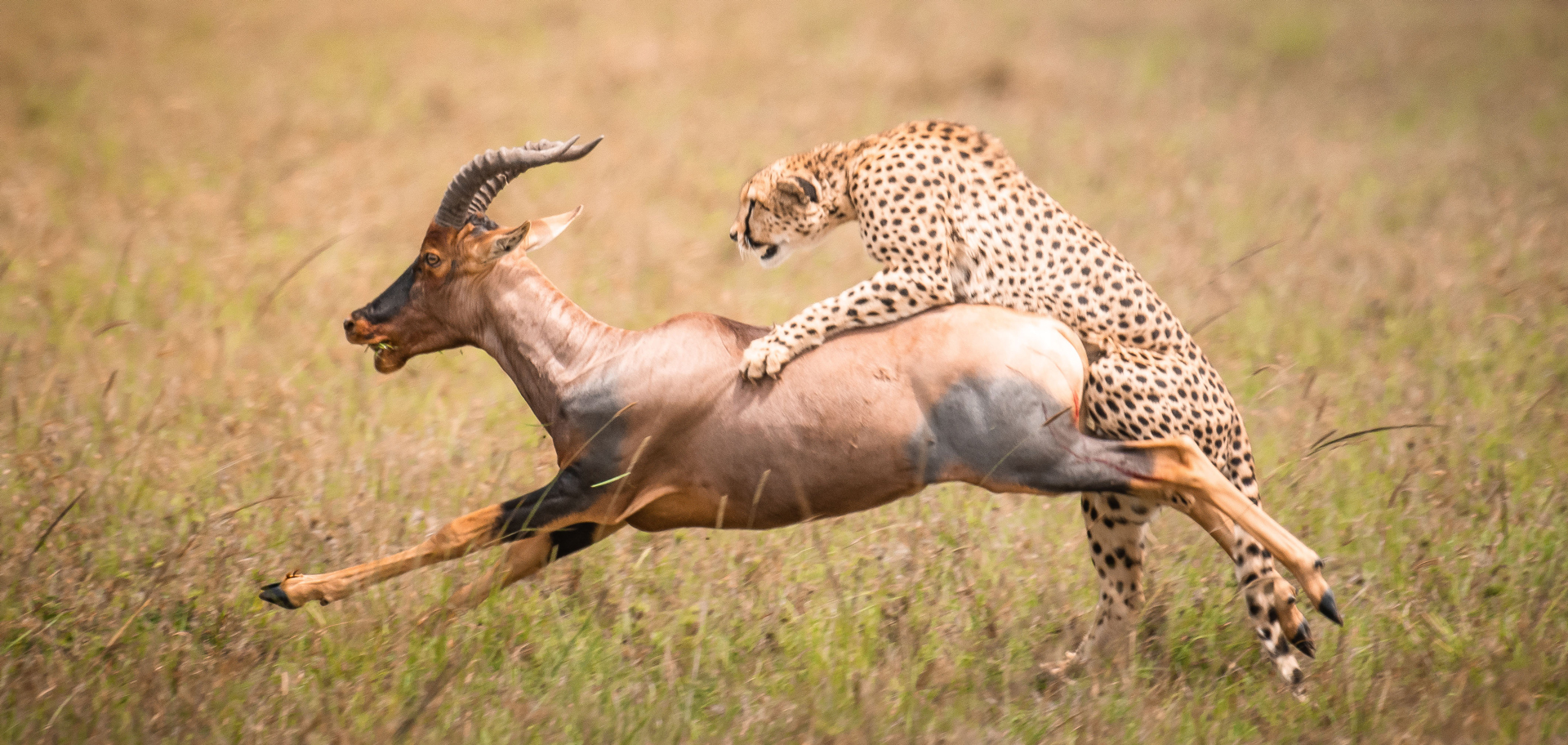
The mysteries of predator/prey relationships imply that the balance of nature is not just a straightforward, automatic or purely instinctive system, but rather a dynamic, evolving and intricate set of interactions.
The predator/prey relationship is an age-old association. Despite that longevity, it can still mystify us. For example, on a remote Alaskan island, gray wolves are rewriting the rule book by hunting sea otters—a behavior few scientists ever expected to see. And astonishingly, the human hunting of coyotes may not be decreasing their numbers but contributing to their increase.
The prey side of this equation has some unforeseen tricks up its sleeves, too. Scientists have recently described a nocturnal moth’s unique evolutionary ruse in replicating the appearance of a 3D leaf, with potential applications for the development of advanced camouflage materials and technologies. In Aotearoa New Zealand, a flightless parrot evolved two, different color types to potentially help it avoid detection by now-extinct, apex predators. Could there be any current need for such a characteristic? And when a cavity-nesting bird drapes its nest with a snake’s skin, it isn’t just making an interesting decor choice. It knows that the practice is a successful ploy to keep predators at bay.
This continuous dance between predator and prey is a natural cycle of interaction that maintains ecosystem balance and health through fluctuating populations, where predator numbers follow prey availability. It’s a dynamic driven by a “coevolutionary arms race” of adaptations—predator speed/strategy versus prey camouflage/defense—and the fundamental need for survival.
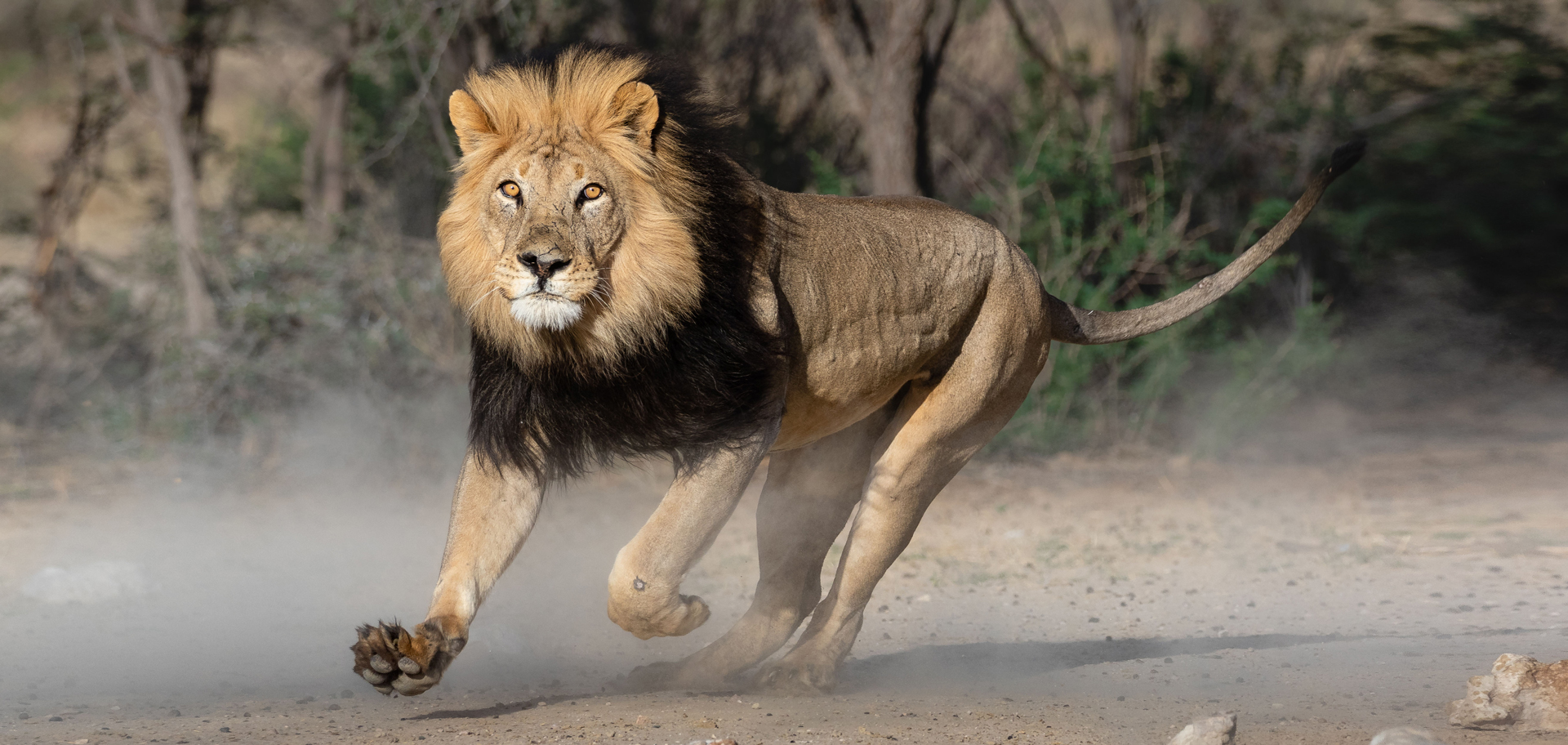
In their fundamental need for survival, predators and prey engage in a “coevolutionary arms race” of adaptations, such as predator speed/strategy versus prey camouflage/defense.
Gray wolves are hunting sea otters, and no one knows how
On Prince of Wales Island, Alaska, gray wolves are showing an unusual behavior: they’re hunting sea otters. Wolves are well known for their powerful influence on land-based food webs, where they help regulate prey populations and shape ecosystems. Could they be having a similar impact on aquatic environments? Scientists think it’s quite possible.
However, very little is known about how these predators manage to catch prey in marine habitats. So, researchers at the University of Rhode Island are using a creative mix of approaches—including examining samples of gray wolf teeth from museum collections and analyzing trail-camera footage—to investigate how coastal gray wolves are managing to survive on marine food sources, what this reveals about their hunting strategies and how these wolves differ from inland populations.
Like tree rings, teeth grow in layers that record changes over time. If large enough, each of these growth rings can be sampled to track an individual’s feeding patterns over the years. When enough samples across individuals are gathered, how prevalent these dietary trends are throughout a population can be determined.
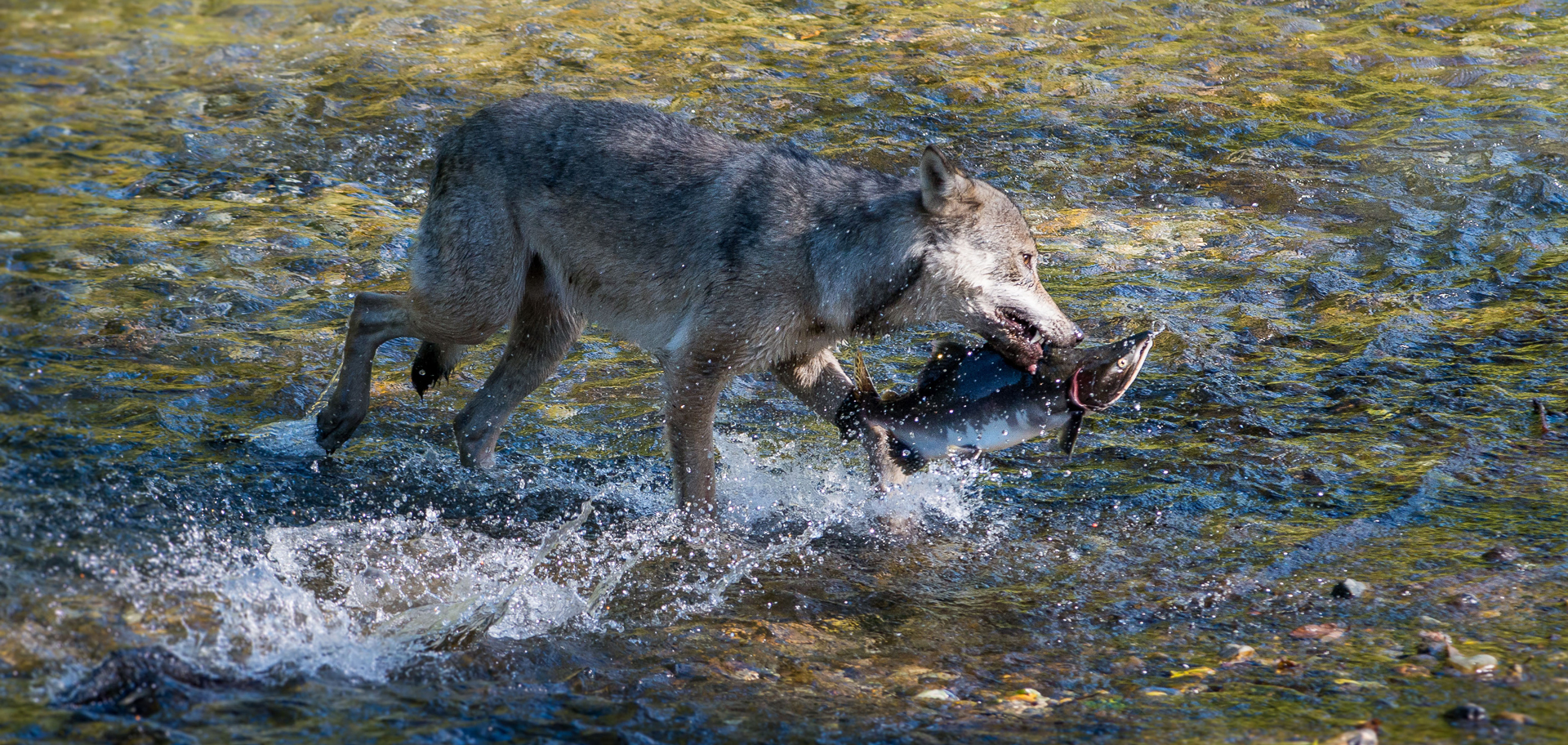
Coastal gray wolves in Alaska and British Columbia have a unique, marine-based diet, with up to 85% of their food coming from the ocean. They primarily consume salmon, barnacles, clams, crabs, herring eggs and mussels. Some are even hunting sea otters.
Sea otters, now classified as an endangered species, once thrived along the Pacific Coast before the fur trade during westward colonial expansion drastically reduced their numbers. As sea otter populations slowly recover, wolves may be reviving a predator/prey relationship that existed in the past, possibly influencing the rate of sea otter recovery.
Hunting in the ocean, of course, presents very different challenges than hunting on land. Although there have been official reports of wolves eating aquatic prey for more than 20 years, many details remain unknown. The scientists are curious to see if these coastal wolves have behavioral adaptations that are different from those of inland wolves and to find out exactly how wolves are able to capture sea otters.
Earlier video footage of wolf hunts near marine habitats lacked the clarity needed for close study, but newly installed trail cameras may finally provide answers. A team of seven University of Rhode Island students has been trained to help review more than 250,000 images of wolves and sea otters collected since December 2025.
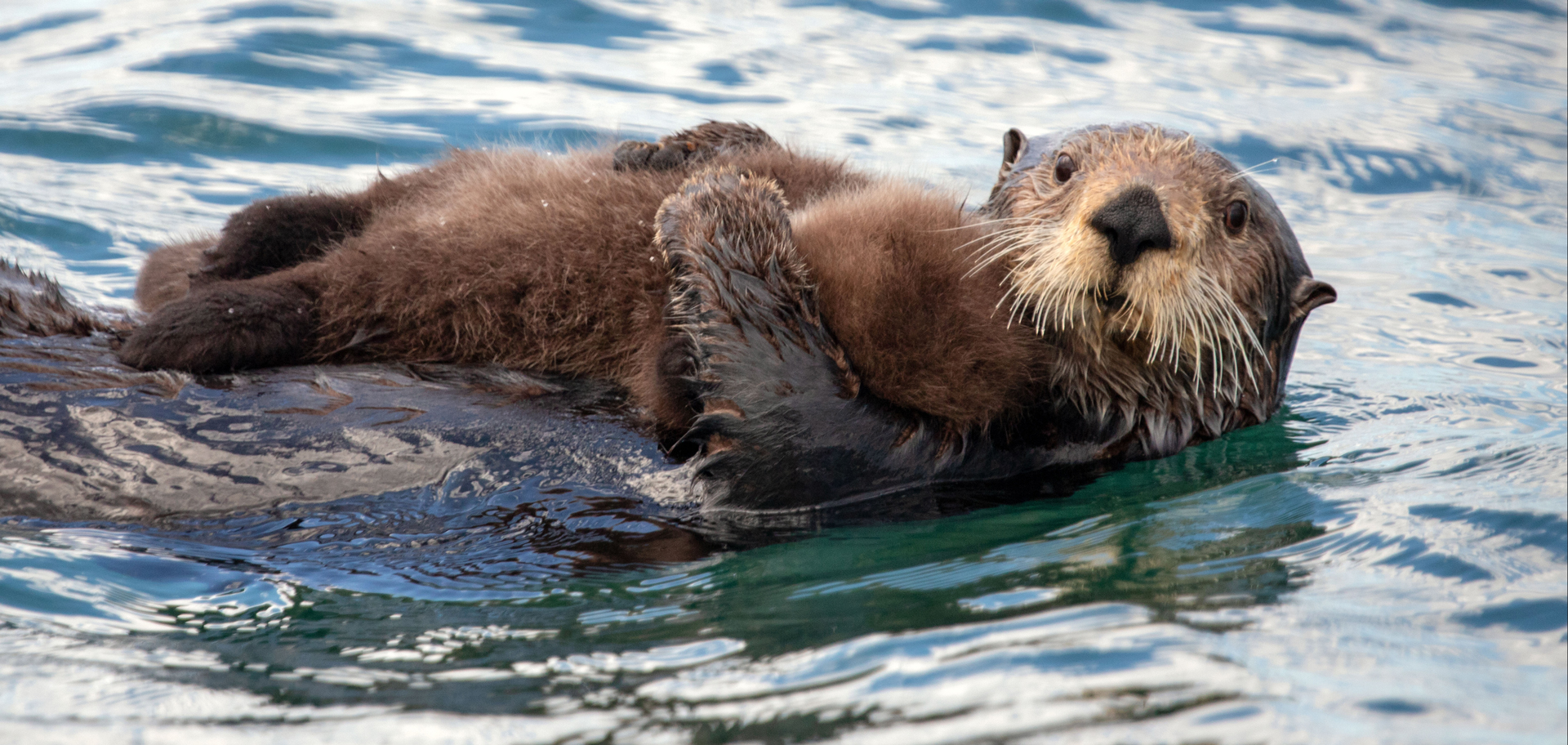
Sea otters once thrived along the Pacific Coast before the fur trade during the 1770s to the 1810s drastically reduced their numbers. Now classified as an endangered species, sea otters are slowly recovering. Coastal wolves, however, may be reviving a predator-prey relationship that existed in the past.
Studying wolves in such conditions is no easy task. Their intelligence and elusive natures make them difficult subjects, especially in a remote landscape. But a partnership with the Alaska Department of Fish and Game has helped the research team understand the island’s ecology and terrain, demonstrating how important working with locals is for gaining knowledge and perspectives that outside researchers simply don’t have.
Unfortunately, the wolves’ marine hunting raises concerns about another consequence of such a behavior. Sea otters can accumulate high levels of methylmercury, a toxic form of mercury. Wolves feeding on otters may also be exposed. Liver samples from coastal gray wolves show mercury concentrations far higher than those found in inland wolves—up to 278 times greater—which could pose serious long-term health risks related to behavioral abnormalities, body condition and reproduction.
Although the current focus is on Alaska, the scientists hope to broaden this research in the future to include East Coast wolves, comparing skull morphology between coastal and inland populations. Skull specimens from parts of Canada, including Labrador and Newfoundland, have been provided by the Harvard University Museum of Comparative Zoology.
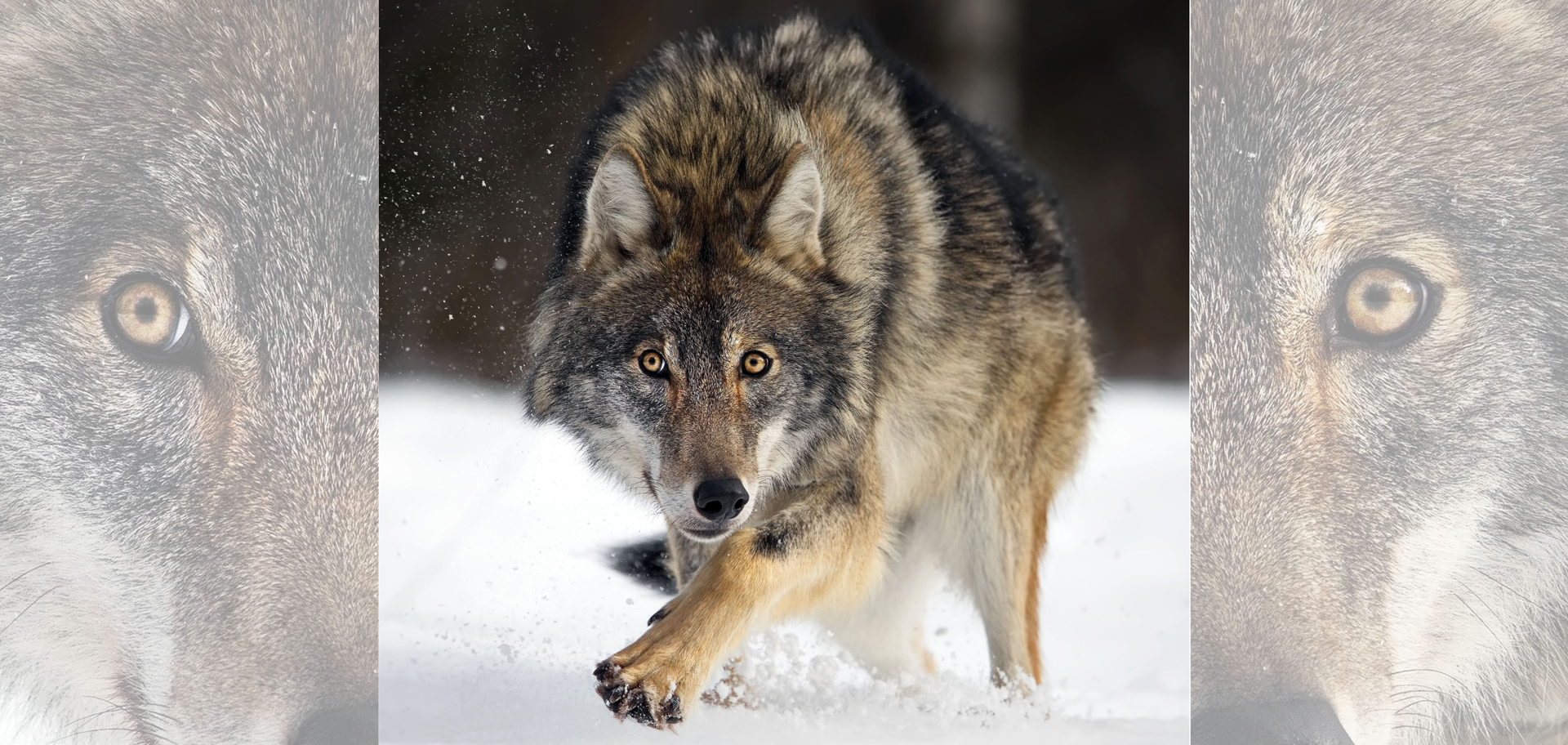
Wolves’ intelligence and their elusive natures make them difficult study subjects, especially in remote landscapes. Partnering with residents in such areas helps researchers understand the ecologies and terrains of wolves’ various habitats.
Humans and other animals are preying on coyotes, and the coyotes are thriving
Coyotes are the most successful carnivores on the North American continent. Having spread throughout the eastern United States, coyotes come into regular contact with humans. However, until now, the factors influencing the number of coyotes across suburban, rural and wild landscapes have remained largely unclear.
In a study published in the journal Ecography in November 2024, scientists at the University of New Hampshire state that intensive coyote removal can obviously reduce populations in the short term, but it can also result in younger coyote populations with higher reproduction and immigration rates. In fact, the scientists detected more coyotes in places where hunting was allowed. This trend occurred over several years, suggesting that, on average, hunting did not reduce coyote abundance and perhaps increased it locally in certain areas.
This study, one of the largest-scale studies of coyote populations to date, used data from more than 4,500 cameras set up across the country by the Snapshot USA project, a national endeavor that collects wildlife data from coordinated camera arrays across the contiguous United States. The data was combined with satellite-derived habitat metrics and analyzed using various advanced modeling techniques, which allowed the University of New Hampshire team to evaluate the effects of competition with larger carnivores, habitat type, hunting practices and suburban expansion on coyote populations, providing a clearer understanding of how coyotes respond to varying environmental pressures.
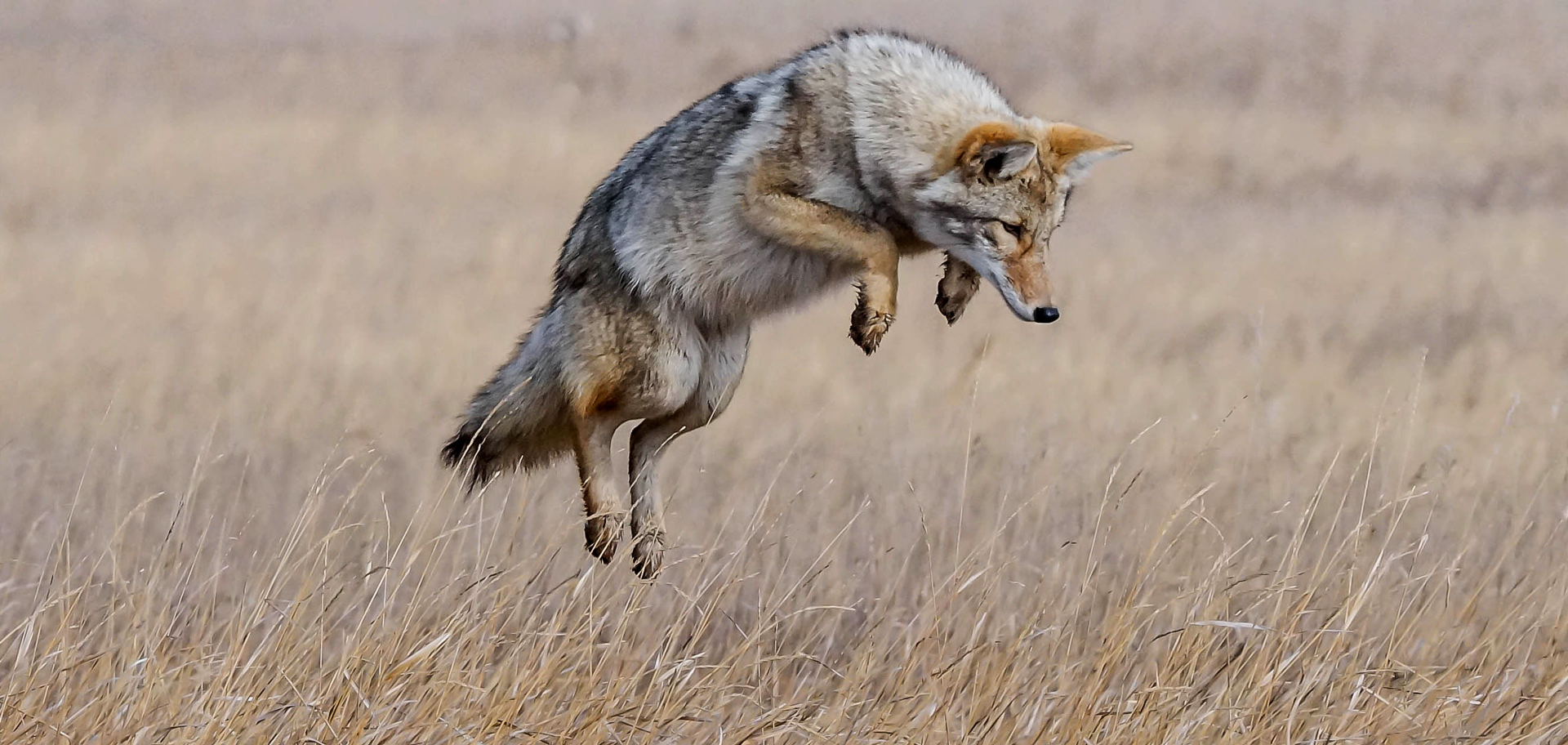
Coyotes, the most successful carnivores on the North American continent, come into regular contact with humans. Intensive removal of them often results in younger coyote populations with higher reproduction and immigration rates. In fact, there are often more coyotes in places where hunting is allowed.
The findings show that promoting the recovery of large carnivores—such as black bears and cougars—especially in certain habitats, is more likely to reduce coyote numbers than humans directly hunting them. Other key findings include that the presence of such larger carnivores influenced coyote numbers in a habitat-dependent manner. For example, black bears had a stronger limiting effect on coyotes in forested areas, whereas cougars exerted a similar influence in more open environments. Coyote abundance was highest in agricultural landscapes and grasslands—regions that provide ample prey and shelter.
In addition, the impact of urbanization on coyote populations varied by scale: at smaller, local scales, urban development tended to reduce coyote numbers due to habitat fragmentation and increased human presence. However, at larger, suburban scales, coyote populations thrived, benefiting from the fragmented habitats and edges that offer access to both human-modified and natural resources.
The study also highlighted significant regional variations in coyote populations across the United States, with particularly high numbers in the Southwest and lower populations in the Northeast, reflecting the diverse ecological and geographical factors at play.
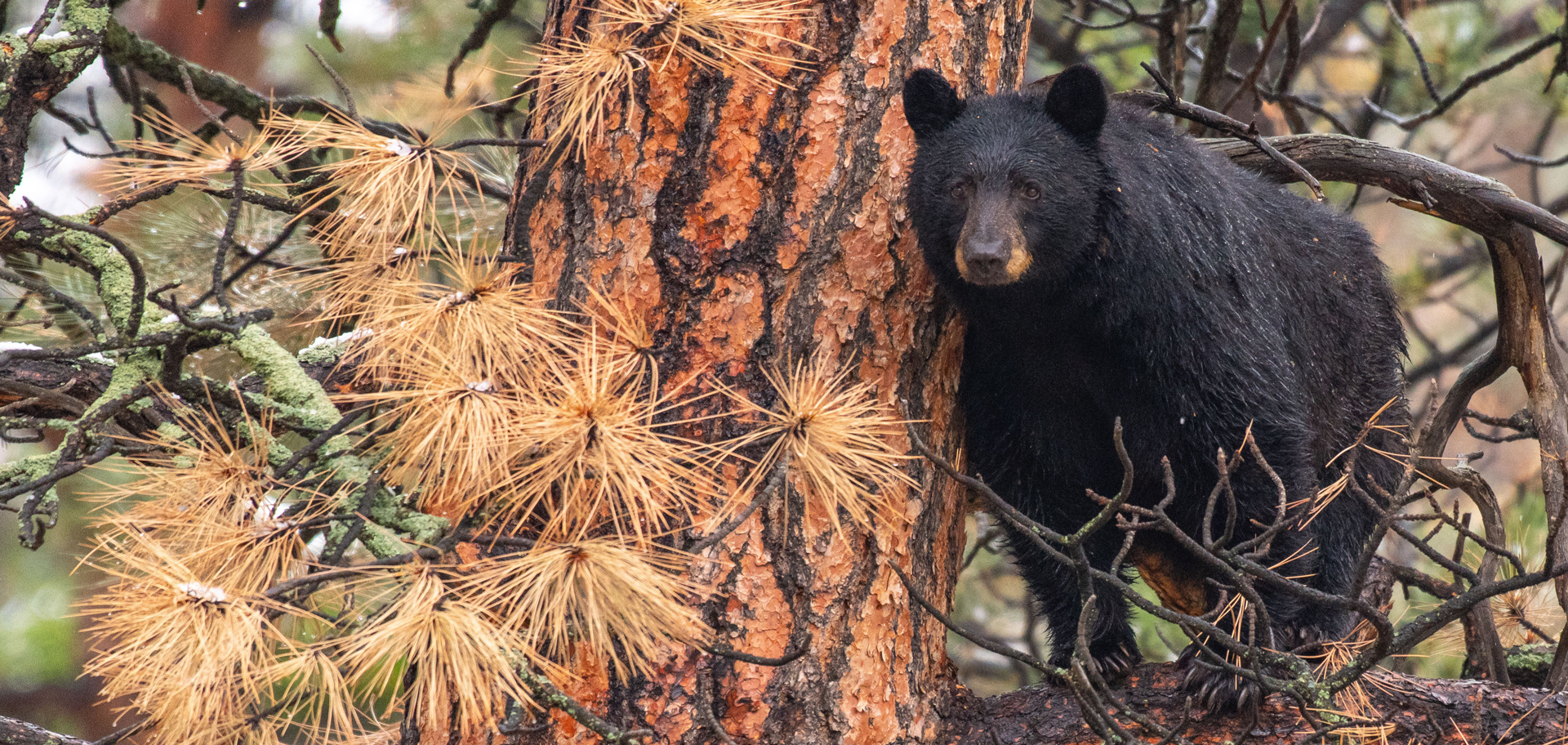
Promoting the recovery of large carnivores—such as black bears—especially in certain habitats, is more likely to reduce coyote numbers than people directly hunting them.
Masquerading moths are evading predators, by deploying optical tricks
Equally as interesting as how predation is changing is how prey are employing tricks to evade predators—new and old.
The fruit-sucking moth (Eudocima aurantia) is native to North Queensland, Australia, and southeastern Asia. Recently, researchers from Australia’s Murdoch University and The University of Western Australian found that the forewings of the fruit-sucking moth have the appearance of a crumpled leaf but are, in fact, flat.
Publishing their findings in the journal Current Biology in March 2025, the scientists say that they found that the moth mimics the 3D shape and coloration of a leaf using specialized nanostructures. These nanostructures create a shiny wing surface that mimics the highlights found on a curved, smooth leaf surface. Structural and pigmentary coloration produces a leaf-like, brown hue, with the moth exploiting thin-film reflectors to produce directional reflections, producing the illusion of a 3D leaf shape.
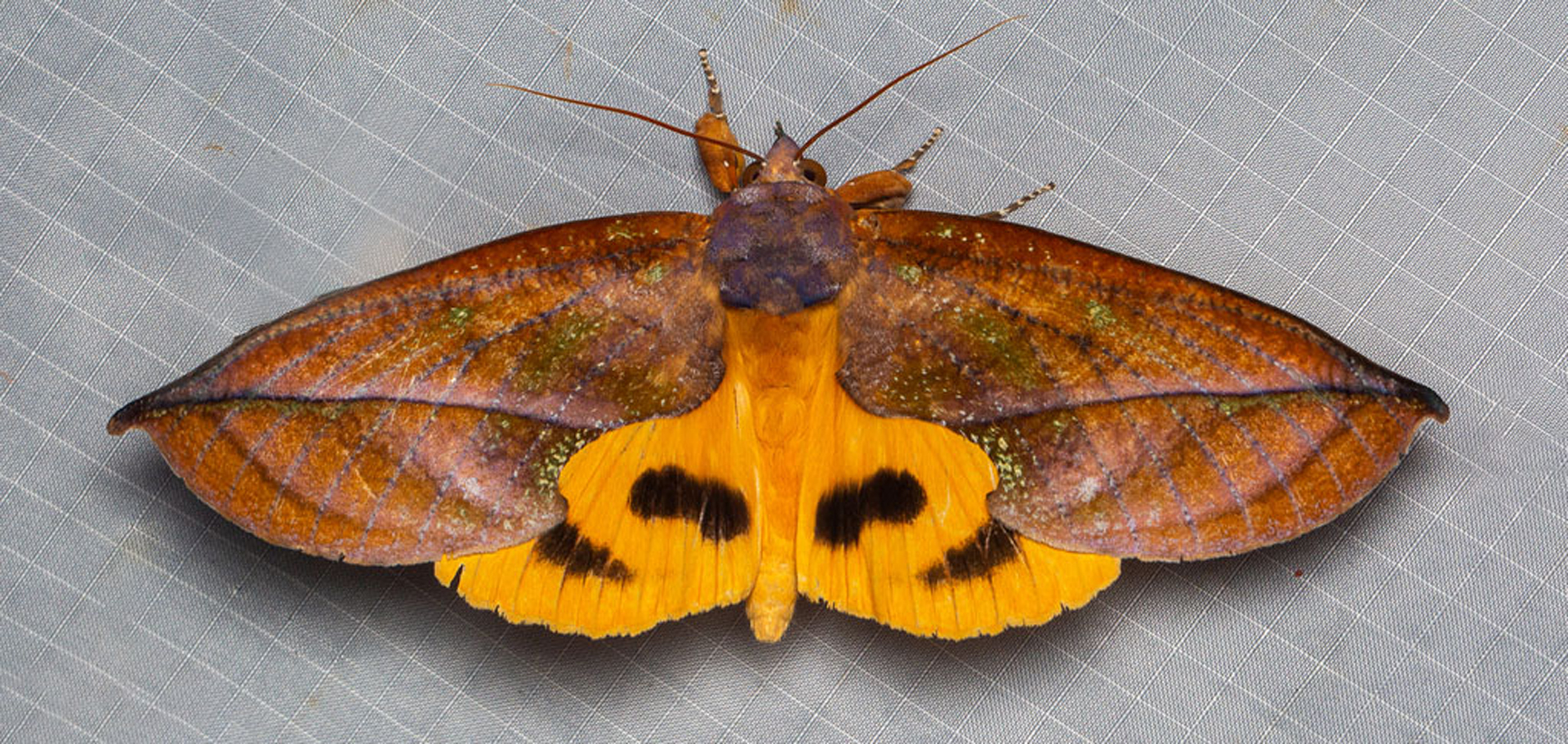
Fruit-sucking moths are renowned for their remarkable leaf-mimicking camouflage. Native to southeastern Asia and northern Australia, their brown forewings are patterned to resemble crumpled leaves. ©dhfischer/Wikimedia Commons
The researchers made their discovery while visiting the London Natural History Museum, which holds one of the world’s largest collections of this group of moths. That the nanostructures which produce shininess only occur on the parts of the wing that would be curved if the wing was a leaf is intriguing. It suggests that moths are exploiting the way that predators perceive 3D shapes to improve their camouflage, which is very impressive, state the scientists.
While there are many examples of animals and insects masquerading as uninteresting objects—from butterfly pupae that look like bird droppings to stonefish that resemble rocks—what’s remarkable about this moth is that it is creating the appearance of a three-dimensional object despite being almost completely flat. This mimicry likely serves as a camouflage strategy, fooling predators into misidentifying the moth as an inedible object.
Flightless parrots are dodging extinct predators, by developing different feather colors
The kakapo (Strigops habroptilus) is a flightless, nocturnal parrot endemic to New Zealand. After European settlers introduced new predators, the bird experienced severe population declines. By 1995 there were just 51 individuals left, but intense conservation efforts have helped the species rebound to around 250 birds. Kakapo come in one of two colors—green or olive—which occur in roughly equal proportions.
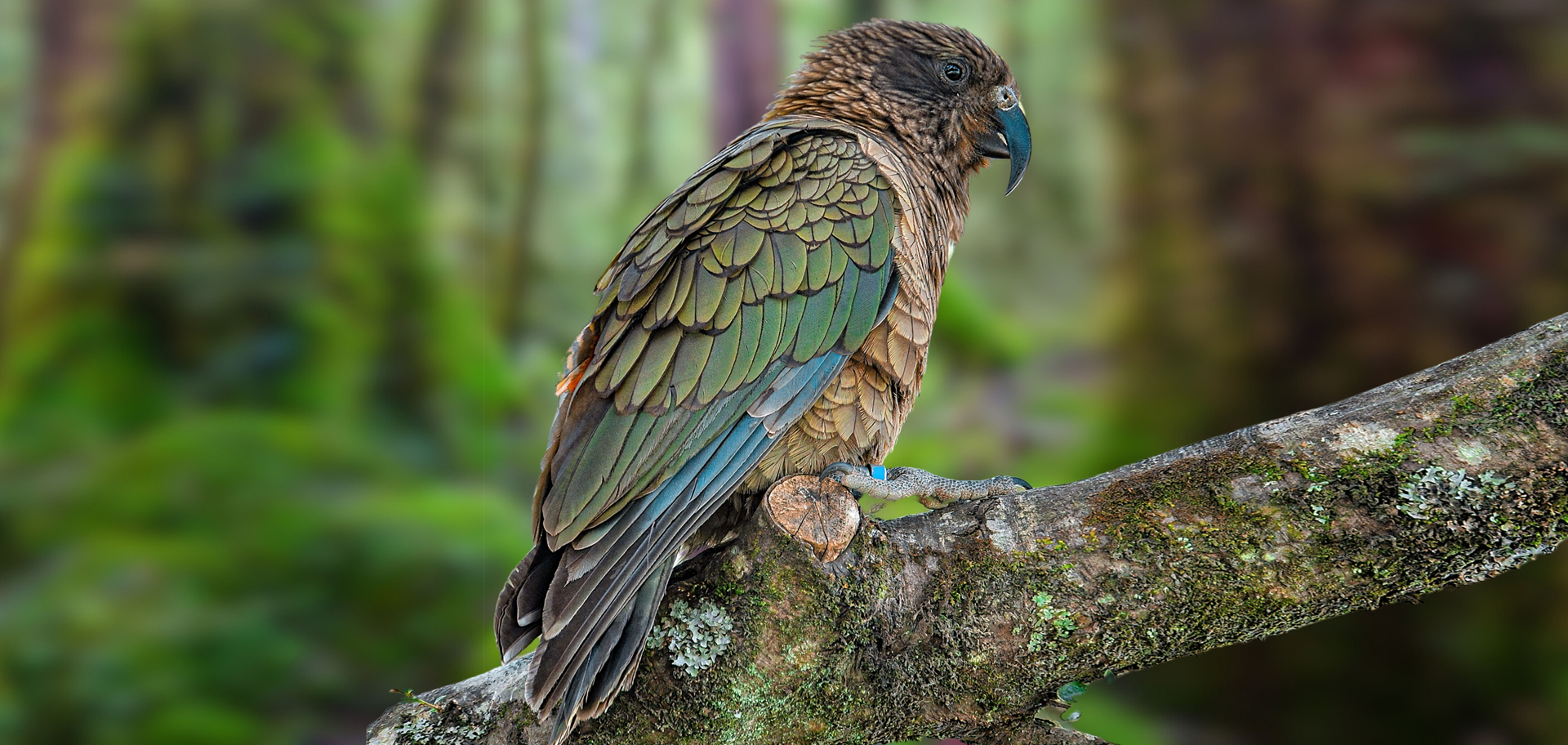
Aotearoa New Zealand’s flightless parrot, the kakapo, evolved two different color types to help avoid detection by now-extinct, apex predators. The concern is that this “legacy adaptation” could fail against new, more evolved predators, causing rapid declines even when environmental conditions seem favorable.
To understand how this color variation evolved and why it was maintained despite population declines, researchers from Helmholtz AI in Germany and colleagues from the Aotearoa New Zealand Department of Conservation and the Maori iwi Ngai Tahu analyzed genome sequence data for 168 individuals, representing nearly all living kakapo at the time of sequencing. They identified two genetic variants that together explain color variation across all the kakapo they studied. Scanning electron microscopy showed that green and olive feathers reflect slightly different wavelengths of light because of differences in their microscopic structures. The researchers estimate that olive coloration first appeared around 1.93 million years ago, coinciding with the evolution of two predatory birds: Eyles’ harriers and Haast’s eagles. Computer simulations indicate that whichever color was rarer would have been less likely to be detected by predators, explaining why both colors persisted.
The results, published in the journal PLOS Biology in September 2024, suggest that kakapo coloration evolved due to pressure from apex predators that hunted by sight. This variation has remained even after the predators went extinct, around 600 years ago. The authors argue that understanding the origins of kakapo coloration might have relevance for the conservation of this critically endangered species. They conclude that without intervention, kakapo color variation could be lost within just 30 generations, so understanding the current significance of such a characteristic is important for restoring the mauri (life force) of kakapo by reducing intensive management and returning them to their former habitats.
Cavity-nesting birds are warning predators, by decorating with snake skin
For centuries, bird-watchers have documented the use of snake skins in nests and speculated that it occurs more in cavity nests, which are covered with small openings. However, no one had tested this theory. In response, researchers from New York’s Cornell University recently combined new and historical data to demonstrate that birds that nest in cavities are, indeed, more likely to use shed snake skins in their construction than birds that build open-cup nests.
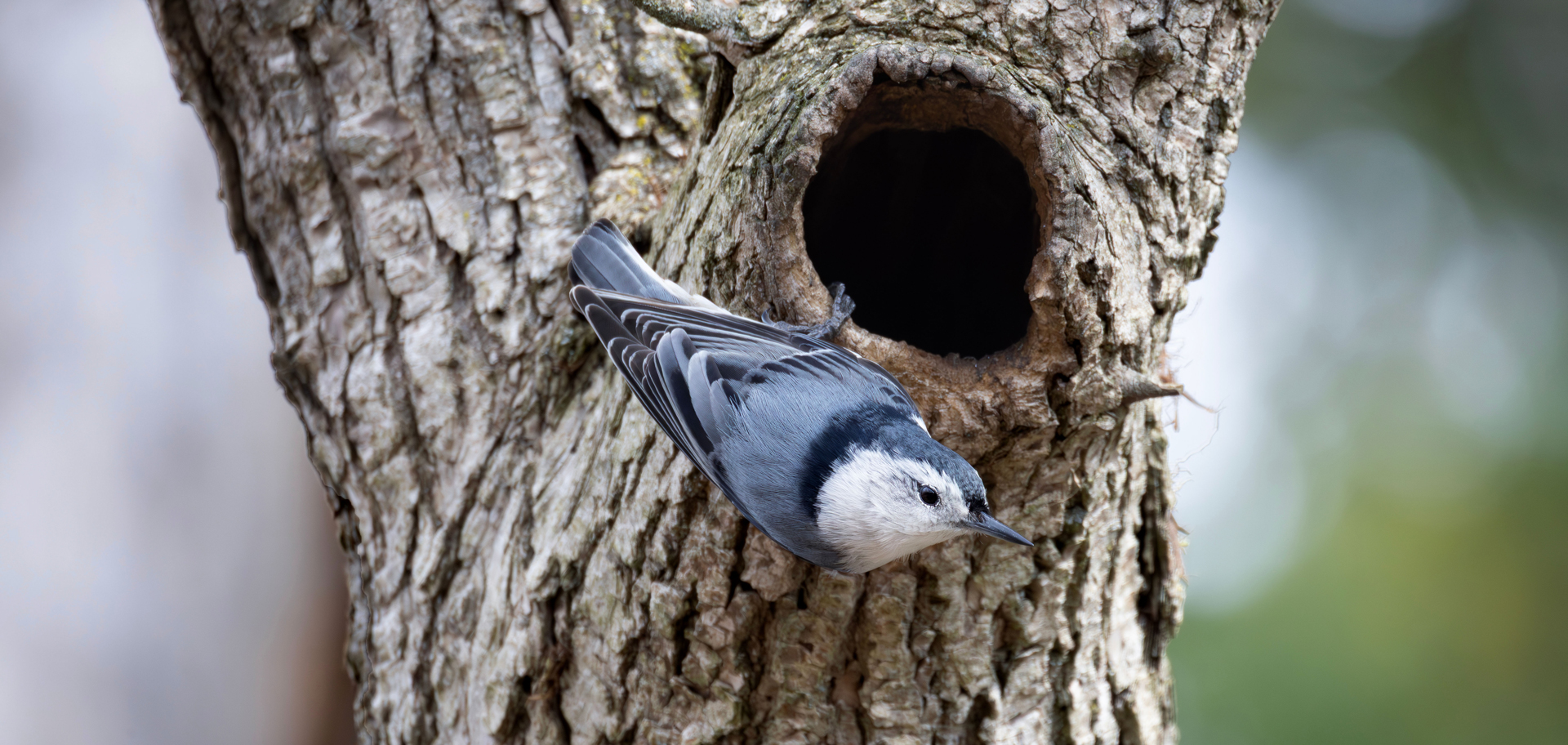
Cavity nests provide superior safety from environmental hazards and predators compared to open-cup nests, with higher nesting success rates (60%–80% versus 20%–40%). While cavity nesters spend more time finding or excavating secure holes, they generally enjoy longer, more protected nesting periods. Open-cup nesters build faster but face higher risks.
To test what benefit birds might be getting out of the snake skin, the Cornell University researchers looked at whether snake skin could decrease harmful nest ectoparasites, change microbial communities in ways that benefit birds, reduce nest predation or function as a signal of parental quality and thus increase the effort parents make in raising their young.
For this experiment, the researchers placed two quail eggs inside more than 60 nest boxes and 80 inactive American robin nests placed around the Monkey Run Natural Area in Ithaca to simulate cavity and open-cup nests. Some nests received snake skins collected from a local snake breeder, and others did not.
Every three days for two weeks, researchers carried a ladder through Monkey Run to climb up to the nests and check on the eggs. Trail cameras revealed that small mammals and avian nest predators visited open-cup nests, while only small mammals—namely flying squirrels, a regular prey for snakes—visited the nest boxes. In other words, if you were in one of those nest boxes and you had snake skin, you had a much higher chance of surviving that 14-day period.
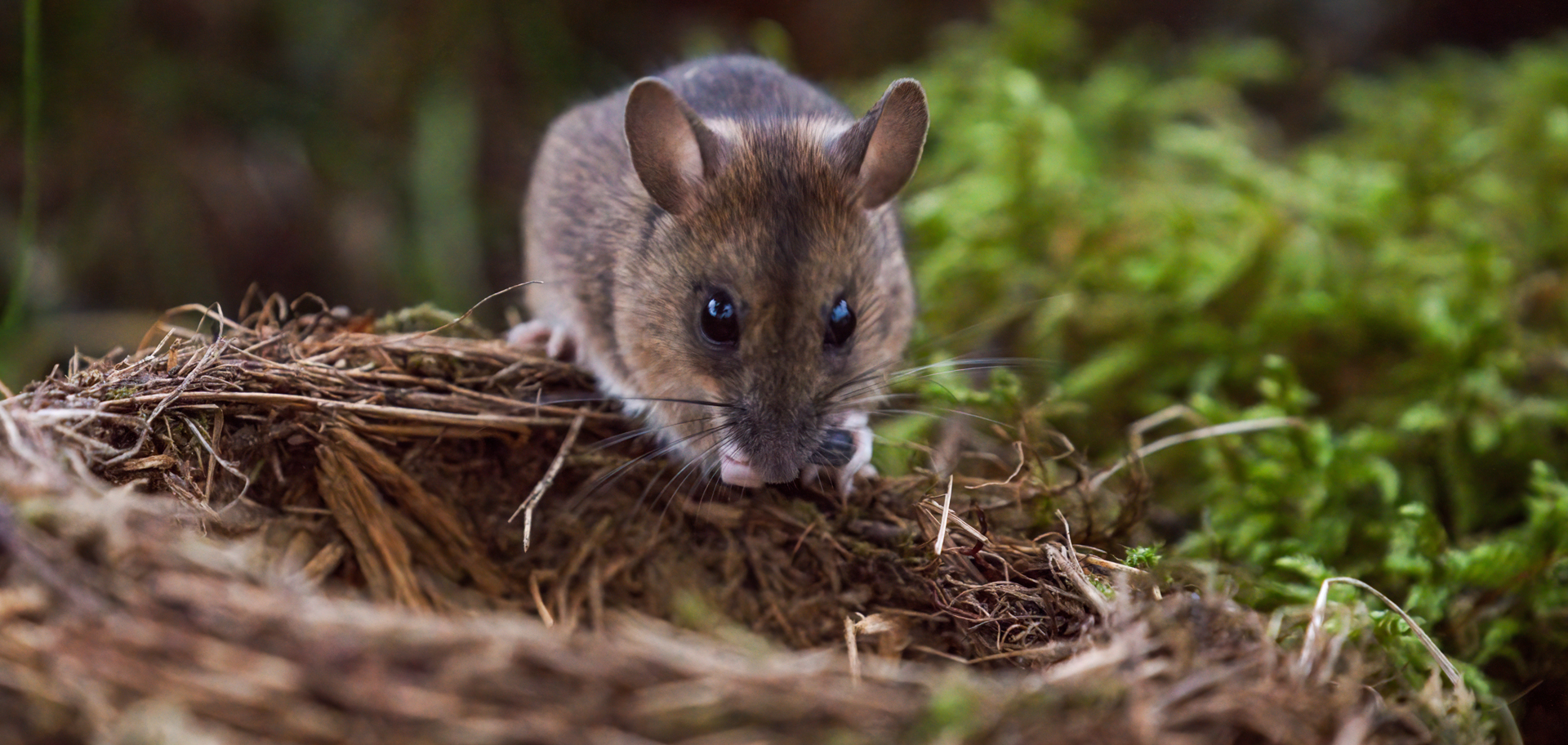
Small-bodied predators that eat the eggs of birds, such as flying squirrels and mice, are frequently eaten by snakes. That’s why some birds use shed snake skins in their nests to exploit their nest-robbers’ instinctive fear.
In their paper published in the journal The American Naturalist in February 2025, the researchers say that they think that an evolutionary history of harmful interactions between small-bodied predators of bird eggs and snakes should make the bird-egg predators wary of a nest that contains snake skin. The skin’s presence might be changing the egg-snatchers’ decisions about the soundness of invading a nest that is so adorned.
Predator and prey are counterbalancing each other, in a beautiful bond
The predator/prey relationship consists of the interactions between two species and their consequent effects on each other. It’s a fundamental ecological interaction where one organism (the predator) hunts, kills and consumes another (the prey) for energy. This dynamic controls population sizes, with predator numbers often lagging prey availability in cyclical patterns. It drives evolution, forcing predators to evolve more efficient hunting techniques while prey develop defensive adaptations. For example, the cheetah’s powerful body can outrace its impala prey. But the nimble impala can make a hard swerve that leaves the cheetah behind.
It’s more than that, however. I like to think of predators and prey as the crux of nature; two forces with an inescapable bond—and a beautiful balance—between them.
Here’s to finding your true places and natural habitats,
Candy