

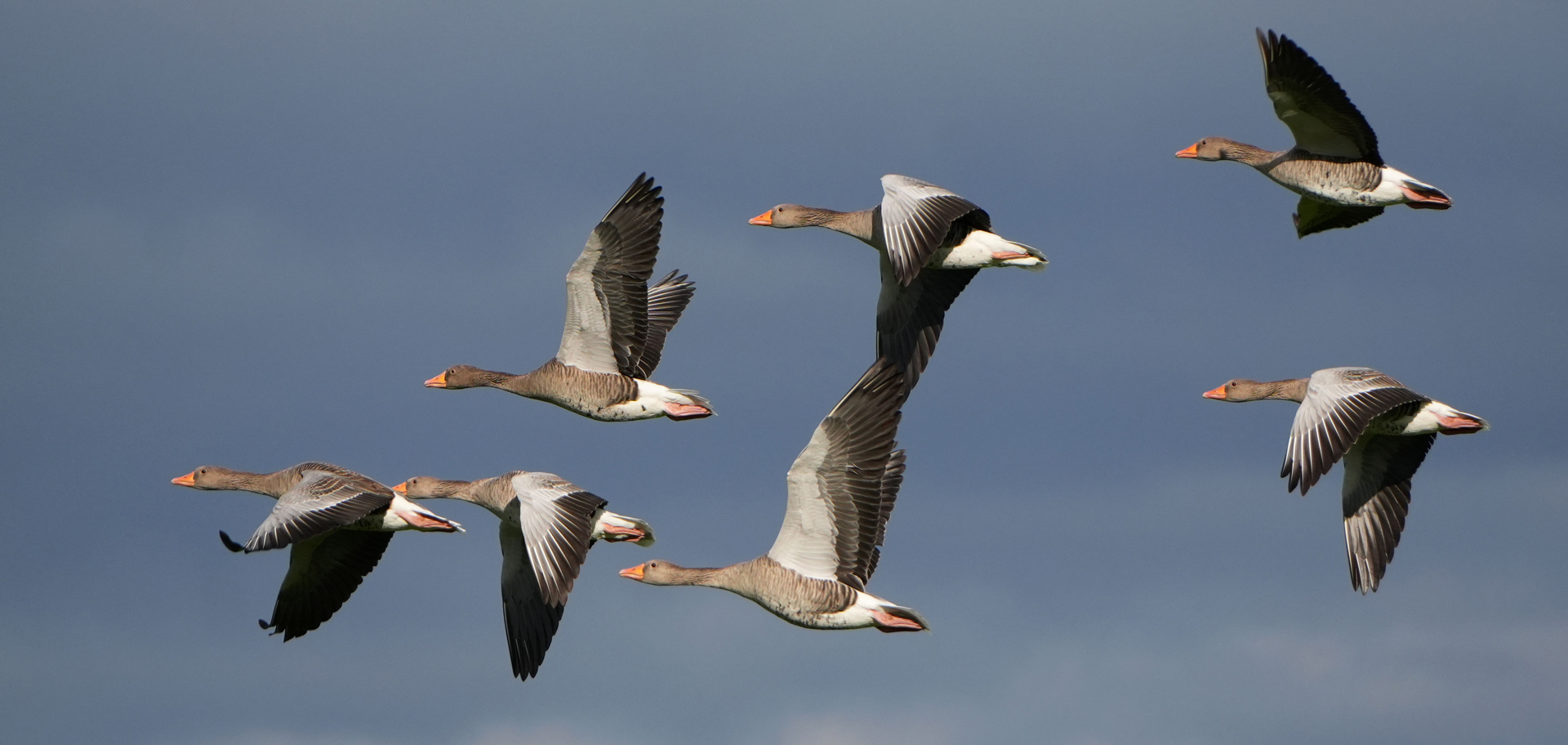
Birds, such as geese—like these graylag geese over Iceland—are the main agents of plant colonization, rather than ocean currents or wind. Birds carry seeds in their digestive systems or droppings, thus transporting a surprising diversity of plants to new places.
When the island of Surtsey erupted from the sea near Iceland in 1963, it became a living experiment in how life begins anew. Decades later, scientists discovered that the plants colonizing this young island weren’t carried there by ocean currents or by the wind, but by birds, who served as winged gardeners. This might portend how plants will move to new locations in our rapidly warming world.
Climate change is also affecting the birds themselves. In Texas, biologists have documented an extraordinary bird: the natural hybrid offspring of a blue jay and a green jay. Once separated by millions of years of evolution and distinct ranges, the two species were brought together as climate change expanded their territories.
The importance of birds in our new reality means we must take a good look at where they live and if their habitats are healthy. Migratory birds that fill North American forests with spring songs depend on Central America’s Five Great Forests—El Darien, Indio Maiz-Tortuguero, La Amistad, La Moskitia and the Selva Maya—far more than most people realize. Yet these forests are disappearing at an alarming pace due to climate change and illegal cattle ranching, placing both birds and local communities at risk.
Luckily, a new study using the largest network of microphones to track birds in the Sierra Nevada region of the United States is providing crucial insights for managing and restoring fire-prone forests. It has the potential to help save forests elsewhere.

When the volcanic island of Surtsey emerged from the North Atlantic Ocean in 1963, it presented scientists with a rare opportunity: a chance to watch life begin on untouched land. ©DanielFreyr/Shutterstock.com
Birds will be the architects of life in a changing climate
Surtsey, an uninhabited volcanic island that lies in the Vestmannaeyjar archipelago off the southern coast of Iceland, emerged through explosive volcanic activity in the early 1960s. Its birth offered scientists a rare natural experiment: a chance to watch life begin on untouched land.
Ecologists have long assumed that plants reached remote islands mainly through special traits that allowed long-distance travel, such as fruits that attract hungry birds, who later disperse their seeds. Species with these traits were thought to hold a clear advantage in colonizing new and isolated environments. But a study published in the journal Ecology Letters in October 2025 has upended this once-accepted theory.
Researchers from Hungary, Iceland and Spain discovered that most of the 78 vascular plant species found on Surtsey since 1965 lack any of the typical features linked to long-distance seed dispersal. Instead, the main agents of colonization appear to be geese, gulls and shorebirds, which carried seeds in their digestive systems or droppings. Through their movements, these birds transported a surprising diversity of plants to the island, helping form the basis of its young and growing ecosystem.
These results overturn traditional assumptions about plant colonization, state the study’s authors, and show that to understand how life spreads and responds to environmental changes, we must look at the interactions between animals and plants. Life does not move in isolation: it follows life, they say.

In 1965, Surtsey was placed under formal protection by the government. That same year, the first plant was spotted: a clump of sea rocket. Today, only researchers and journalists—under strict supervision—are allowed to visit. No sheep will ever be allowed to graze there.
These findings also have wide-reaching implications for ecology and conservation. Animals—especially birds—are the proven key drivers of plant dispersal and colonization. As migration routes shift under a warming climate, birds will play a vital role in helping plants move and adapt to new environments.
New, hybrid birds will emerge as the world warms
In the 1950s, the range of green jays, a tropical bird found across Central America, extended just barely up from Mexico into southern Texas. The range of blue jays, a temperate bird living across the Eastern U.S., only reached about as far west as Houston. They almost never came into contact with each other. But since then, as green jays have pushed north and blue jays have pushed west, their territories have converged around San Antonio, Texas.
Recently, a researcher—who was in the habit of monitoring several social-media sites where birders share photos of their sightings—was studying green jays in Texas. It was one of several ways that he located the best places to trap birds, take blood samples for genetic analysis and then release them unharmed back into the wild. One day, he saw a grainy photo of an odd-looking blue bird with a black mask and white chest posted by a woman in a suburb northeast of San Antonio. It was vaguely like a blue jay, but clearly different. The backyard bird photographer invited him to her house to see it firsthand.
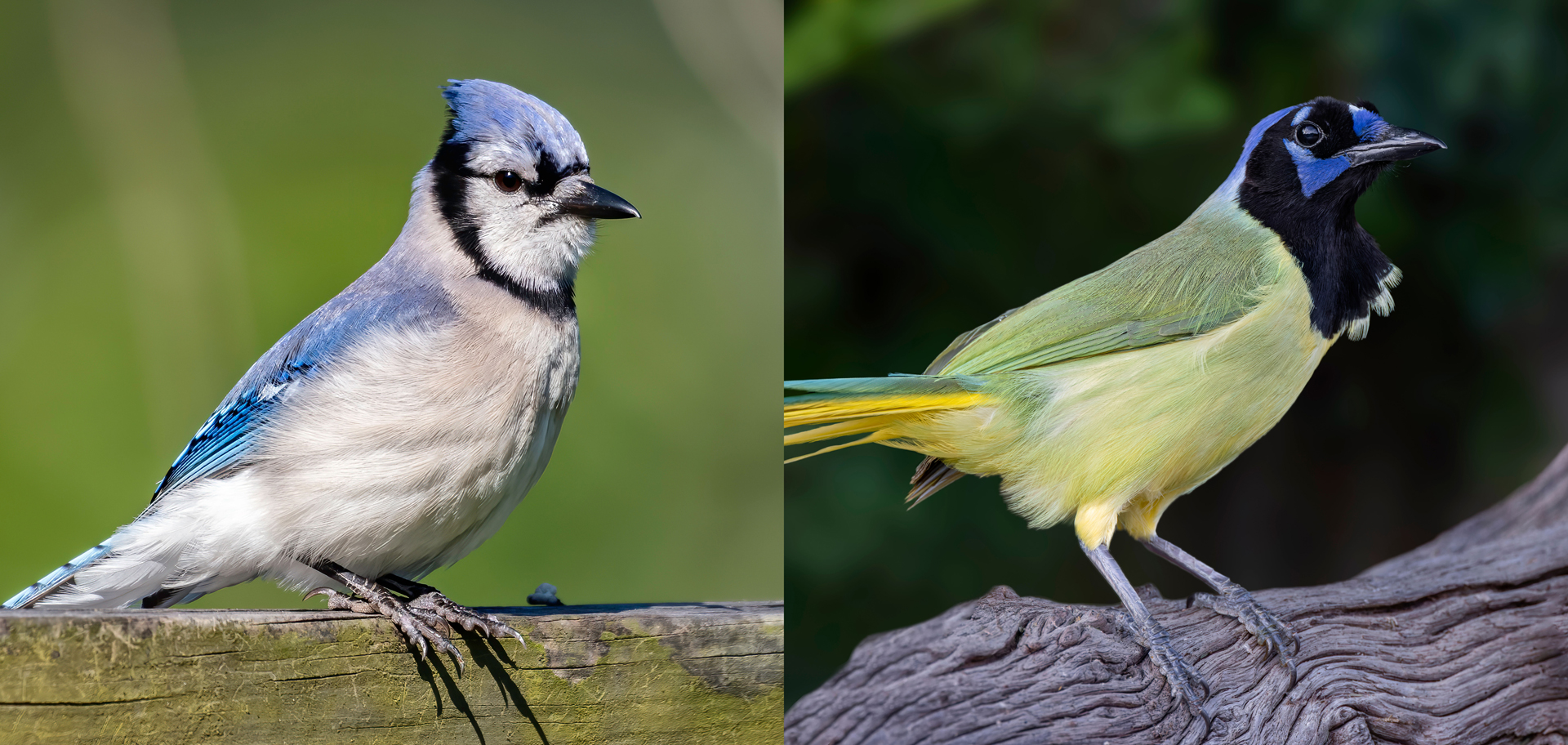
The natural result of mating between a blue jay (left) and a green jay (right) may be among the first examples of a hybrid animal that exists because of recent changing patterns in the climate. The two different parent species are separated by 7 million years of evolution, and their ranges didn’t overlap until just a few decades ago.
The first day, they tried to catch the unique bird but couldn’t. The next day, the bird got tangled in a mist net, a long, rectangular mesh of black nylon threads stretched between two poles that is easy for a flying bird to overlook as it soars through the air, focused on some destination beyond. The researcher took a quick blood sample of this strange bird, banded its leg to help relocate it in the future and let it go.
Interestingly, the bird disappeared for a few years and then returned to the woman’s yard in June 2025. It’s not clear what was so special about her yard, but if the bird had gone even two houses down, it probably would never have been reported.
According to an analysis published in the journal Ecology and Evolution in September 2025, the bird is a male, hybrid offspring of a green jay mother and a blue jay father. It looks like another hybrid that researchers in the 1970s brought into being by crossing a green jay and a blue jay in captivity. That taxidermically preserved bird is in the collections of the Fort Worth Museum of Science and History.
Biologists at The University of Texas at Austin think this new hybrid bird is the first observed vertebrate that’s hybridized as a result of two species both expanding their ranges due, at least in part, to climate change. Past vertebrate hybrids have resulted from human activity, like the introduction of invasive species or the recent expansion of one species’ range into another’s—such as the offspring of polar bears and grizzlies, often called “grolar bears” or “pizzlies”—but this case appears to have occurred when shifts in weather patterns spurred the expansion of both parent species.
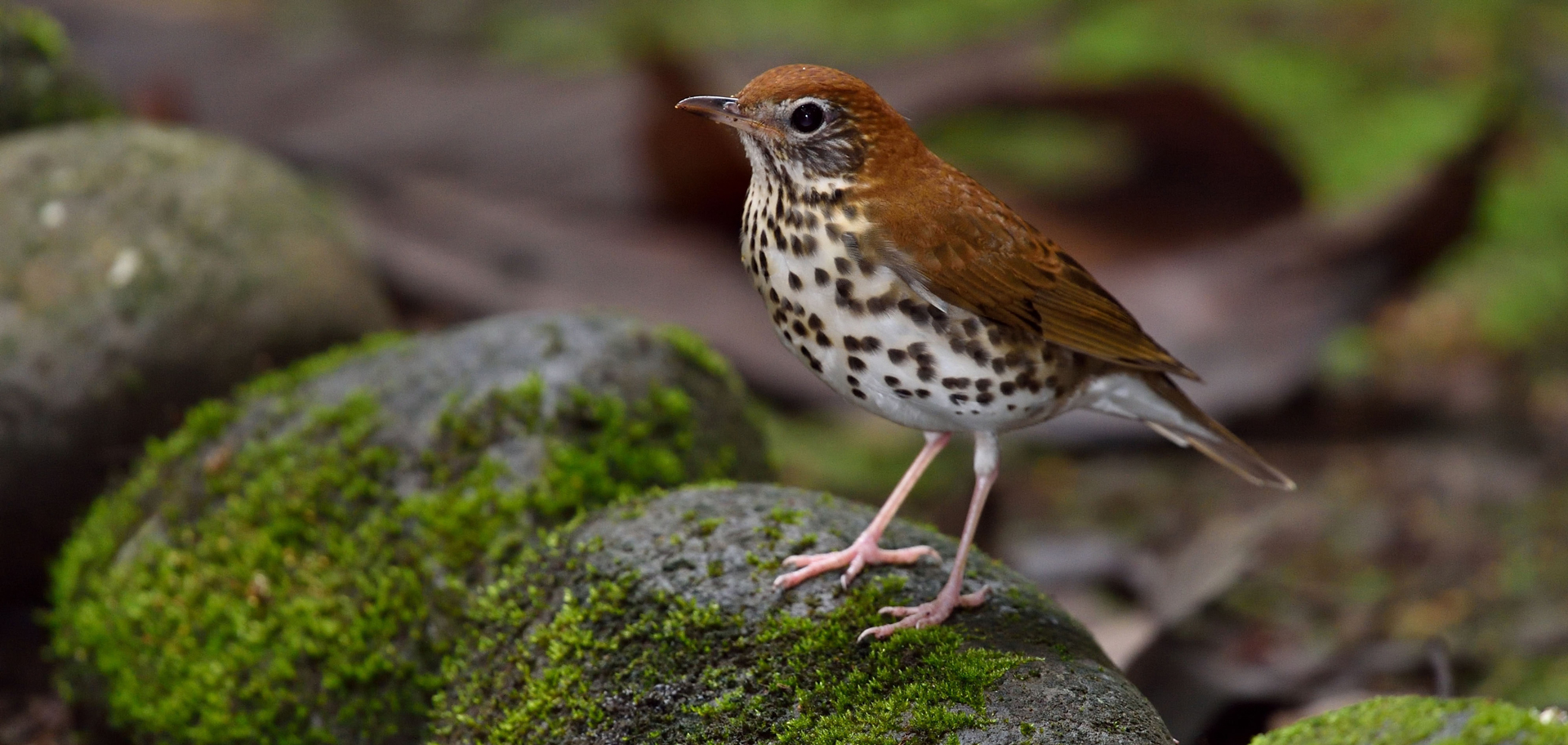
Every spring, the familiar songs of wood thrushes drift back into neighborhoods and parks across eastern North America. Few people realize that these birds spend most of their lives much farther south, relying on the lush and often remote forests of Central America to survive the rest of the year.
Five great forests will keep North America’s birds alive through planetary heating
Every spring, the familiar songs of warblers and wood thrushes drift back into neighborhoods and parks across eastern North America. However, you may not realize that these birds spend most of their lives much farther south, relying on the lush and often remote forests of Central America to survive the rest of the year.
But a recent study from scientists at the Cornell Lab of Ornithology (Cornell Lab) and the Wildlife Conservation Society (WCS), published in the journal Biological Conservation in January 2026, shows that the Five Great Forests of Central America that stretch from southern Mexico to northern Colombia are essential for many migratory bird species that connect the two continents.
Using detailed information on weekly bird distribution—made possible by millions of sightings submitted to the Cornell Lab’s global eBird platform—researchers discovered that these forests collectively provide habitat for between one-10th and nearly one-half of the global populations of 40 migratory species. Many of these birds are among the fastest declining in North America.
Among the study’s most notable results:
• More than one-third of the world’s Kentucky warblers and nearly one-quarter of all golden-winged warblers and wood thrushes spend the winter in these forests.
• More than 40% of the global cerulean warbler population, a species that has declined by more than 70% since 1970, passes through these forests during spring migration.
• The Selva Maya (spanning Mexico, Belize and Guatemala) and La Moskitia (in Honduras and Nicaragua) are the most important forest regions for these species; yet they are losing habitat rapidly, with a quarter of their area cleared in just 15 years, largely due to illegal cattle ranching.
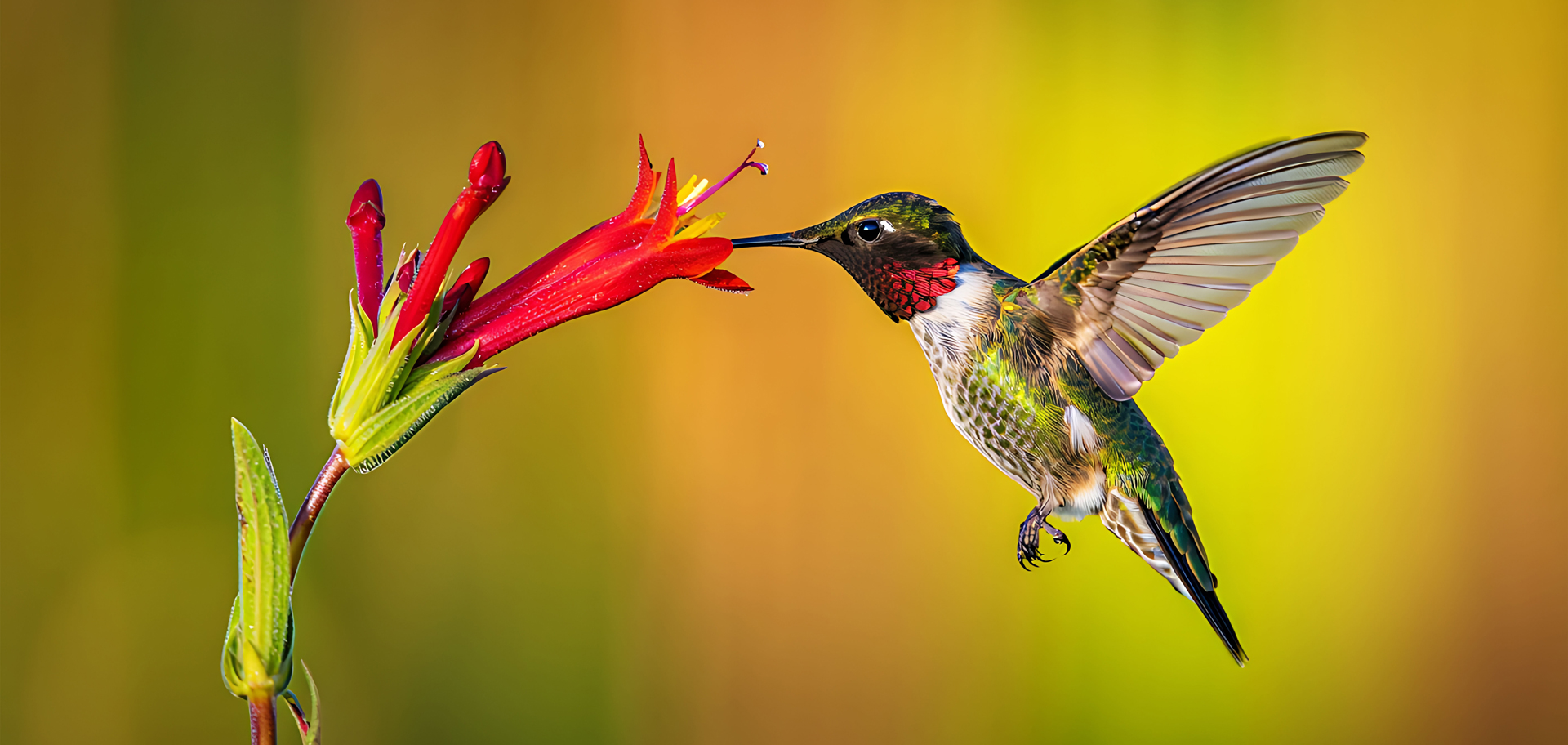
Billions of migratory birds crowd into the Five Great Forests of Central America every year. Ruby-throated hummingbirds wintering in Central America, including in areas near La Amistad, begin migrating north to the United States and Canada in late February to early March.
Together, the Five Great Forests of Central America form a contiguous ecological corridor roughly the size of Virginia. This region shelters not only billions of migratory songbirds but also jaguars, scarlet macaws and tapirs. For birds migrating thousands of miles each year, these forests serve as essential resting and wintering grounds.
Unfortunately, these forests are disappearing at an alarming pace. Illegal cattle ranching has already destroyed millions of acres. In La Moskitia alone, almost one-third of the forest has vanished in only 20 years. Climate change is playing an outsize role here, too, by accelerating habitat destruction through intensified droughts, fires and stronger tropical storms.
However, across Central America, Indigenous and local communities are working to prevent forest fires, restore damaged lands and revive traditional, bird-friendly livelihoods, such as sustainable allspice and cacao production.
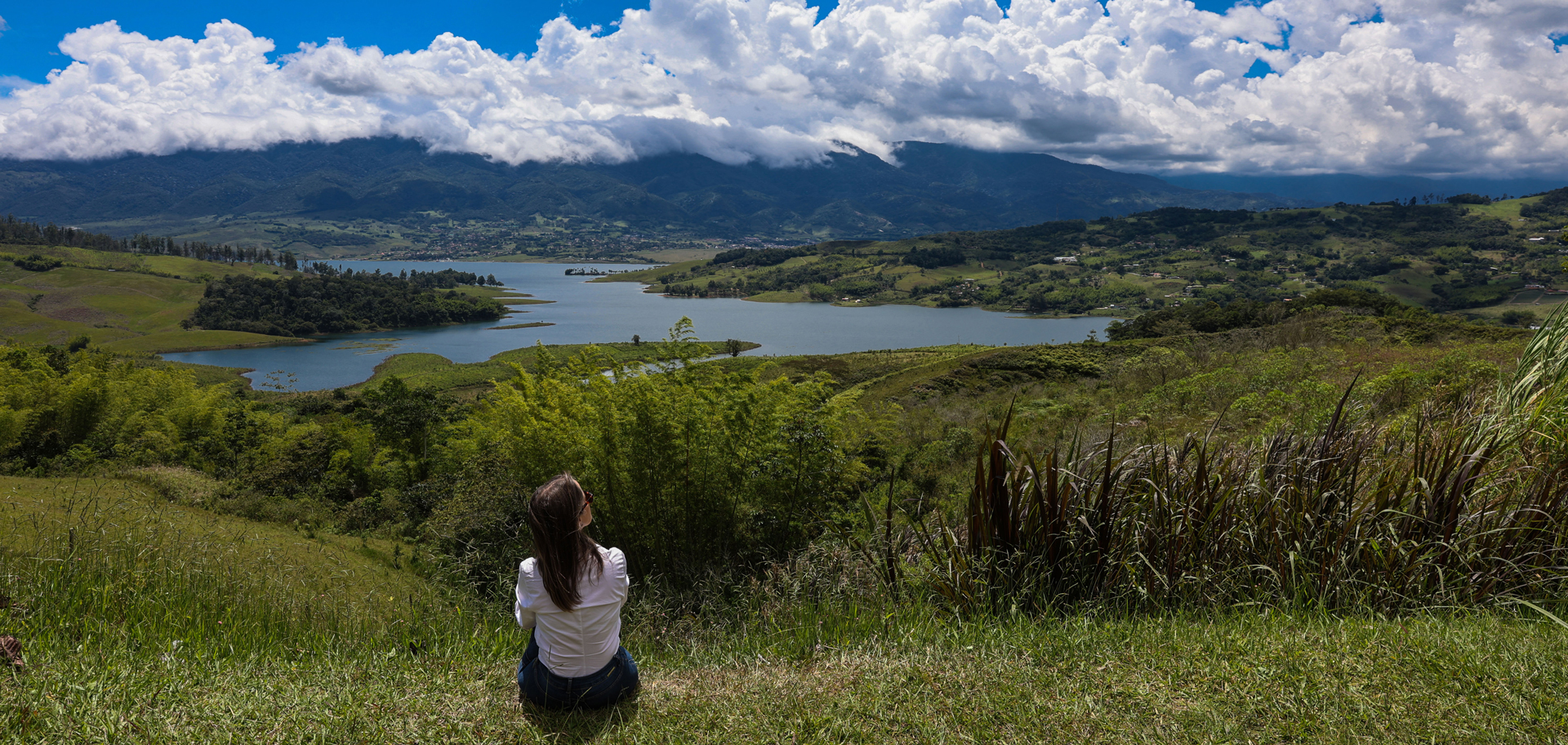
El Darien is another of the Five Great Forests of Central America. If we should lose the last of them, we’ll lose the birds that define the eastern forests in North America. But by supporting conservation partners, governments and rural communities, we can stem the tide of threats against them.
To support such cross-border conservation efforts, the Cornell Lab and WCS researchers mapped “stewardship connections”—regions in North America where species dependent on the Five Great Forests of Central America gather to breed. The results show that the Five Great Forests are closely tied to forest regions in the Appalachians, the Great Lakes, the Mississippi Delta, New England and the landscapes surrounding New York City.
These paired regions are referred to as “sister landscapes” because they are linked by the same bird species at different points in the annual cycle. Therefore, safeguarding the wintering and stopover habitats is essential for ensuring that these birds continue to return north to the U.S. each spring.
Acoustic monitoring will advance forest management through global warming challenges
In California’s Sierra Nevada mountains, scientists have just found a new way to track forest birds using thousands of microphones, helping them better protect both wildlife and the forests. The research, published in the journal Frontiers in Ecology and the Environment in March 2025, demonstrates how emerging bioacoustic technology can enhance wildlife monitoring and forest management.
Researchers at the Cornell Lab of Ornithology’s K. Lisa Yang Center for Conservation Bioacoustics analyzed more than 700,000 hours of bird sounds recorded across the Sierra Nevadas. The team deployed microphones at 1,600 sites spanning approximately 6 million acres of forests to track 10 important bird species, including owls and woodpeckers, to determine the health of the forests.
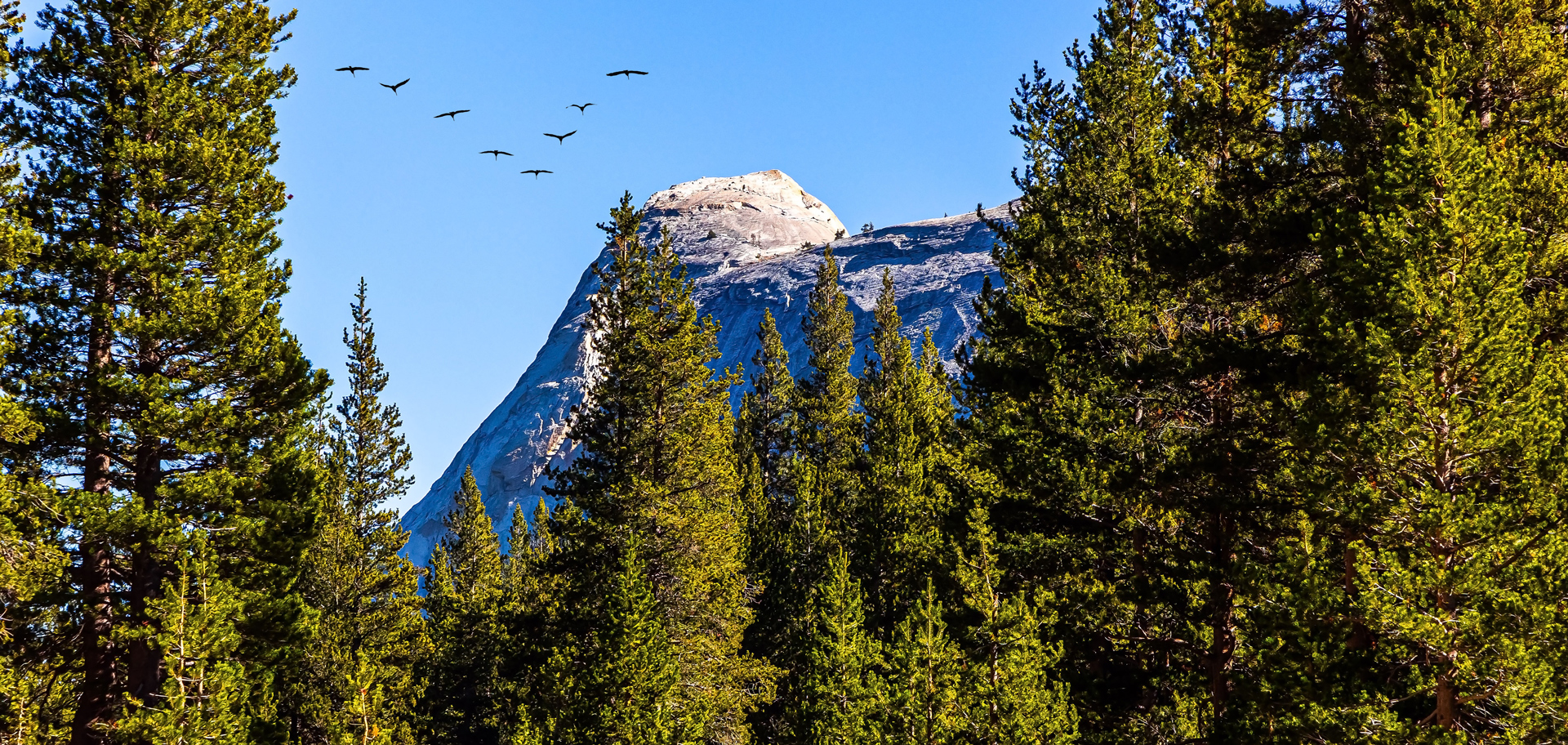
Scientists have just found a new way to track forest birds in California’s Sierra Nevada mountains by using thousands of microphones, helping to better protect both the forests and the wildlife within them.
Using automatic microphone recording units and BirdNET, a machine-learning algorithm, they analyzed the recordings to identify different bird calls and studied how these birds relate to various forest conditions, such as how many trees are in an area or how dense the forest canopy is—variables that managers commonly use in their planning processes.
This information is particularly valuable now, say the scientists, as forest managers face tough decisions about preventing destructive wildfires while protecting wildlife. Climate change directly causes more destructive, frequent and intense wildfires by creating hotter, drier conditions that dehydrate forests and vegetation. Increased temperatures and early snowmelt enhance fuel dryness, extending fire seasons and allowing fires to spread faster and burn larger areas.
This study creates detailed maps showing where different birds are likely to live, helping managers make better-informed decisions about where to thin forests or conduct controlled burns.
This approach for understanding bird populations in the context of the forest conditions that are going to be actively manipulated by managers proves remarkably cost-effective compared to traditional wildlife surveys. To get the same amount of information by having biologists collect data across the landscape would cost significantly more.
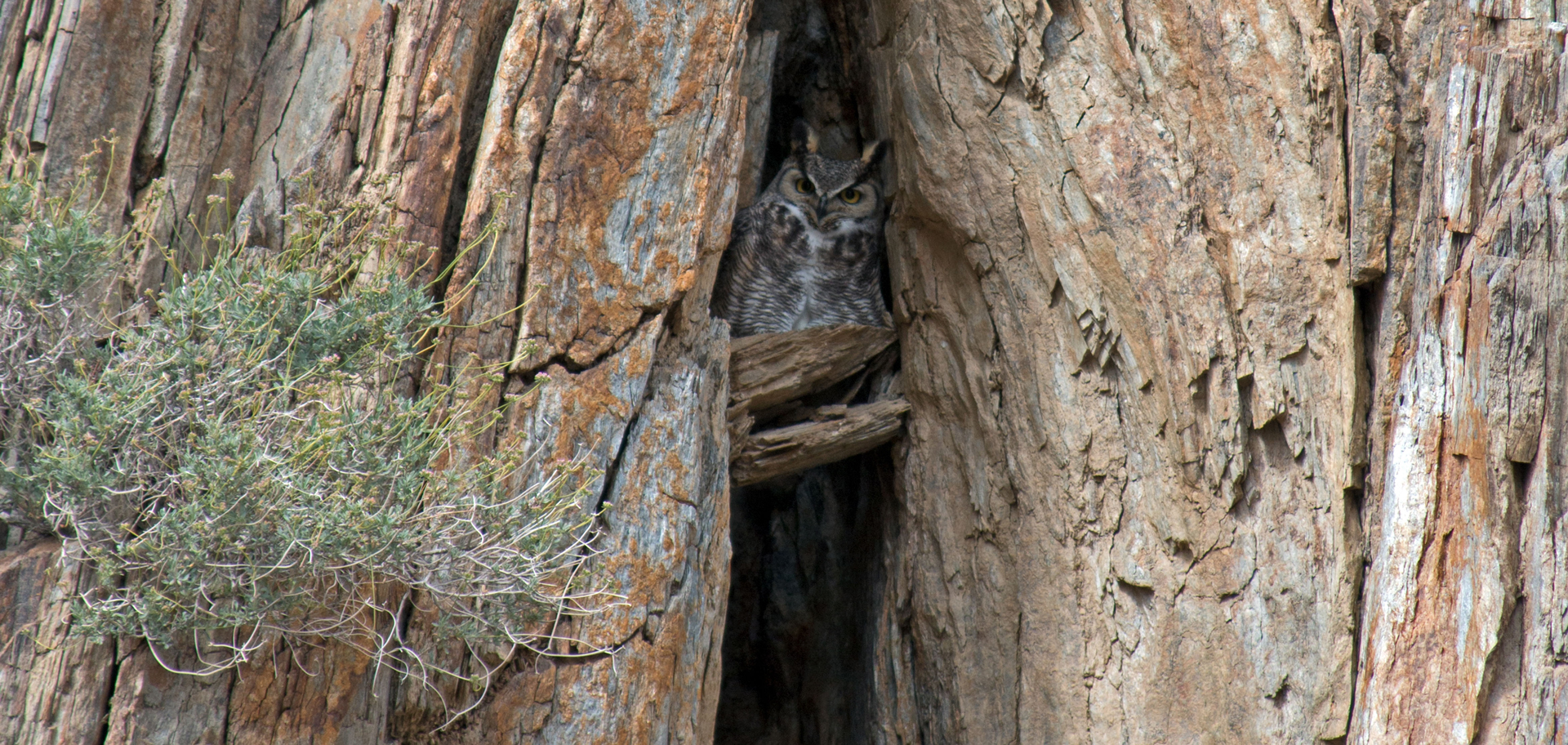
New, detailed maps showing where different birds are likely to live in the Sierra Nevada mountains are helping managers make better-informed decisions about where to thin trees or conduct controlled burns.
The researchers state that combining new technologies, such as acoustic monitoring, with practical management needs creates a way to help protect both forests and wildlife during a time of rapid environmental change.
We will keep birds and forests top of mind during global heating
As naturalist John Muir’s famous quote goes, “When we try to pick out anything by itself, we find it hitched to everything else in the universe.” What is occurring in Central America directly affects the birds we love in Canada and in the United States. Such forests aren’t just tropical wildernesses—they’re at the heart of migration, sustaining many of our birds for more than half the year. They provide the food and shelter that allow warblers, wood thrushes and so many others to return north to fill our springs with color and song.
Birds are vital for so many reasons; as pest controllers, pollinators, seed spreaders and landscape transformers. And as our world continues to heat up, they and their forest habitats should be paramount in our conservation premeditations.
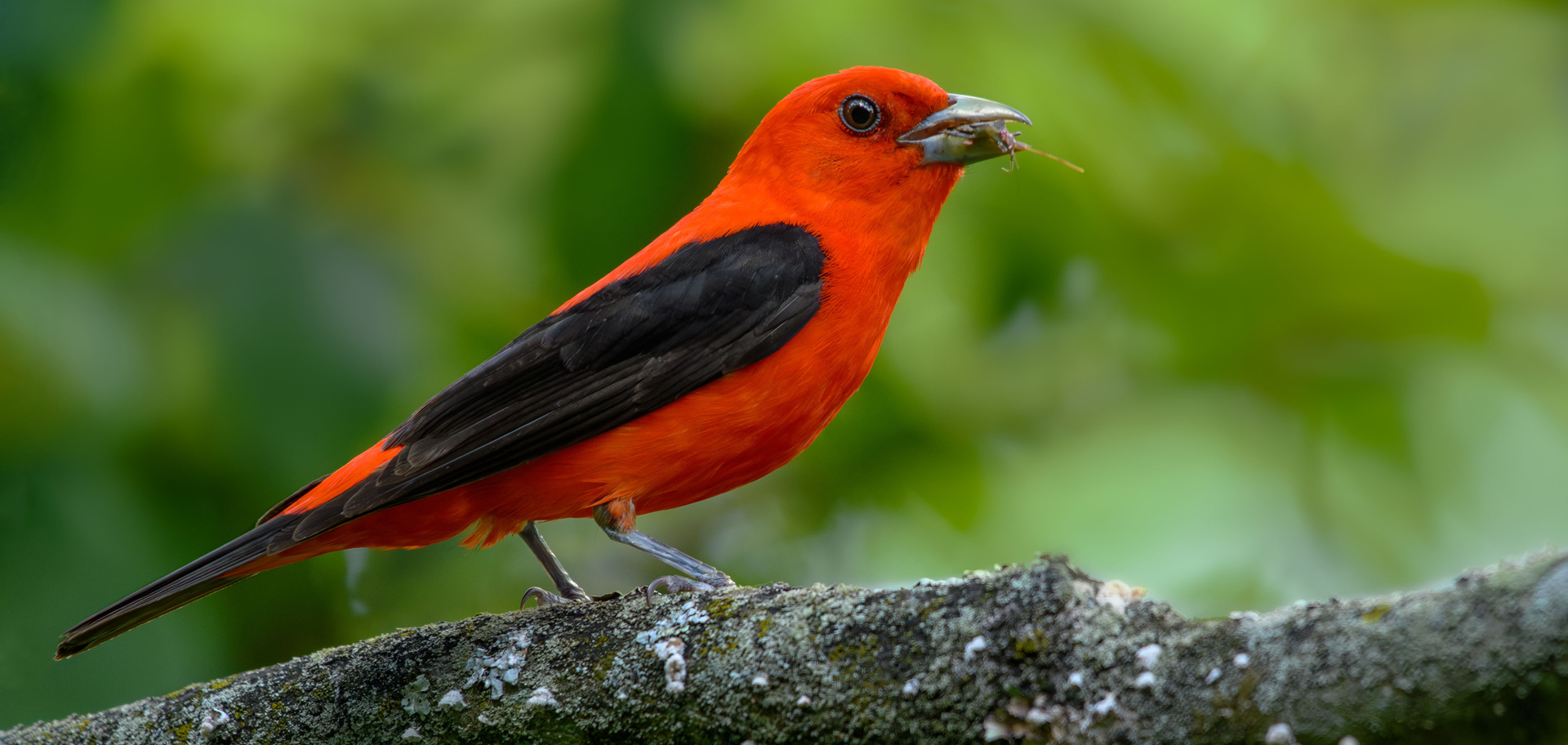
Many bird species, such as scarlet tanagers, breed in the Eastern U.S. during the summer and spend the winter in Central America. As John Muir observed, “When we try to pick out anything by itself, we find it hitched to everything else in the universe.” Every acre we protect in Central America has ripple effects for birds and people across the hemisphere.
Watch the video below, titled The Five Great Forests of Mesoamerica: Protecting Our Shared Birds, from the Wildlife Conservation Society.
Here’s to finding your true places and natural habitats,
Candy