

In 2013, UNESCO listed Washoku, the traditional food culture of Japan, on the Representative List of the Intangible Cultural Heritage of Humanity. The lists aim to protect and promote living traditions, such as performing arts, rituals and craftsmanship. For now, French and Mexican cuisines are the only other culinary cultures to have earned this honor.
What is Washoku? More than a regional cuisine or a set of classic dishes, Washoku refers to social practices that have lasted for centuries—the skills, knowledge and traditions connected to producing, processing, preparing and eating Japanese food. The UNESCO designation refers specifically to New Year’s celebrations, but Washoku shapes how Japanese food is grown, prepared, presented and enjoyed year-round.
And UNESCO isn’t the only global organization recognizing exceptional Japanese culinary tradition—Tokyo has had the highest number of Michelin-starred restaurants in the world since 2008; Kyoto and Osaka both make the top five-starred cities, too.
What makes Japanese culinary tradition exemplary? The Soul of Japan explores both Japan’s Washoku ancient heritage and living traditions in its markets, tea fields, local inns and urban Michelin-starred restaurants, where culinary rituals and techniques flourish.
What is Washoku, and why does UNESCO consider it living heritage?
Literally meaning “food of Japan” or “harmonious food,” washoku combines two characters:
—wa, which literally means harmony, and is often used for all things Japanese
—shoku, meaning food or to eat
Hallmarks of washoku include:
—Seasonality: shun—seasonal timing, dishes that evoke changing seasons
—Harmony: ichiju-sansai—balanced meals and flavors
—Presentation: omotenashi—impeccable service, artful plating, visual expression of the seasons
—Use of Fresh, Local Ingredients: chisan-chisho—natural, locally sourced foods, respect for the local environment
How do the seasons shape Japanese cuisine?
A core pillar of Washoku is seasonality—eating foods at their best moment, described as shun. Shun is the Japanese culinary philosophy of eating ingredients (particularly seafood, vegetables and fruit) at the peak of flavor, freshness and nutritional value. It represents honoring nature by consuming produce when it is most vibrant.
Key aspects of shun include:
—Three Phases of Seasonality: Shun occurs in a progression: Hashiri (slightly tart, early season), Shun (peak, most delicious phase) and Nagori (lingering, nostalgic end of the season).
—Seasonal Eating: Shun ingredients change with the four seasons—bamboo shoots in spring, ayu (sweetfish) in summer, matsutake mushrooms in autumn and root vegetables in winter.
—Cultural Significance: Shun reflects a deep respect for nature and appreciation for the value and impermanence of the present moment.
—Deaimono (Seasonal Encounters): Chefs often pair ingredients that are in their hashiri (early) stage with those in their nagori (late) stage to create a unique harmony of flavors.
What does ichiju-sansai reveal about daily Japanese Washoku meals?
The structure of a typical, traditional Japanese meal is referred to as ichiju-sansai “one soup, three sides.” It’s a practical format that supports variety and harmonious balance while allowing for regional and seasonal variations. It emphasizes seasonal ingredients, balanced nutrition and flavors, and a variety of cooking methods.
Core Components of a traditional Japanese Washoku Meal include:
—Staple (Shushoku): Steamed short-grain white rice or mixed rice dishes
—Soup (Shiru): Miso soup or dashi stock, often containing tofu, seaweed or vegetables
—Main Dish (Shusai): Grilled fish, sashimi or simmered dishes. Meat options include chicken, pork or beef, such as ginger pork
—Side Dishes (Kōno-mono/Fukusai): One to two side dishes, such as vegetables or salad
—Pickles (Tsukemono): Salty or pickled vegetables cleanse the palate
Can you expect omotenashi—impeccable service—at a ryokan dinner?
Yes! Japanese hospitality is rooted in the concept of omotenashi or “selfless service.” In a ryokan, dinner often functions as a regional portrait served at a restful pace. A well-crafted ryokan meal typically uses local sourcing and seasonal timing to shape a sequence of small courses that feel calm, deliberate and place based.
Common elements that define the experience:
—A progression of small courses, rather than a single centerpiece
—Precision without heaviness, emphasizing clarity over intensity
For many travelers, this is the moment Japanese cuisine becomes less about tasting iconic dishes and more about the experience and understanding how cuisine expresses local ecosystems and craft traditions.
How Are Fresh, Local Ingredients Central to Japanese cooking?
Washoku is associated with an essential respect for nature and is closely related to the sustainable use of Japan’s natural resources, embodying the concept Chisan-chisho, “local production and local consumption.” As a result, Washoku favors the consumption of natural, locally sourced ingredients including rice, fish, vegetables and edible wild plants.
On The Soul of Japan, chisan-chisho becomes tangible: sourcing begins at Tokyo’s Tsukiji Outer Market and continues in a restaurant kitchen where technique depends on ingredient integrity; it deepens in the countryside on a ryokan-style stay where seasonal menus reflect the region, a sake brewery sources mountain water and local rice, and in the Wazuka tea fields where harvest timing is everything.
Why does Japan have so many Michelin-starred restaurants?
Quality and exquisite attention to detail go together with Washoku. As a result, Japan has one of the highest densities of Michelin-starred restaurants in the world:
—Tokyo is the most starred city globally, consistently earning over 200 stars.
—Japan has the second largest number of three-starred Michelin restaurants in the world.
—Kyoto is often ranked as having the highest concentration of Michelin stars per capita, boasting roughly 100 Michelin-starred restaurants for 1.4 million people, or one for every 14,000 residents!
Factors in Japan’s high Michelin star count include:
—Perfectionist Culture: Japanese chefs often dedicate their entire lives to mastering a single dish or culinary style, demonstrating extreme attention to detail and consistency.
—Quality of Ingredients: Japan has access to exceptionally high-quality fish and seasonal produce, along with a strong focus on Umami flavors (dashi-based cuisine).
—High Culinary Concentration: Tokyo specifically has a massive, diverse culinary scene, with many chefs specializing in either traditional Japanese cuisine (such as Kaiseki, featuring numerous meticulously prepared, small seasonal dishes) or international techniques (Yoshoku).
—Shokunin Spirit: The traditional Japanese mindset of shokunin (craftsman) means taking pride in repetitive, meticulous work to achieve continuous improvement.
Where can you witness Washoku, Japanese food culture, today?
Many memorable food experiences in Japan are not performances, but contemporary practices and places deeply rooted in tradition: working markets, professional kitchens, family meals, tea fields and breweries.
The Soul of Japan itinerary takes you into each of those:
—Discover Tokyo’s bustling Tsukiji Outer Market, Japan’s “Food Town,” with a professional sushi chef whose day typically begins here before dawn. It’s a foodie mecca for culinary pros and the public alike, with wholesale and retail shops, restaurants and food stalls.
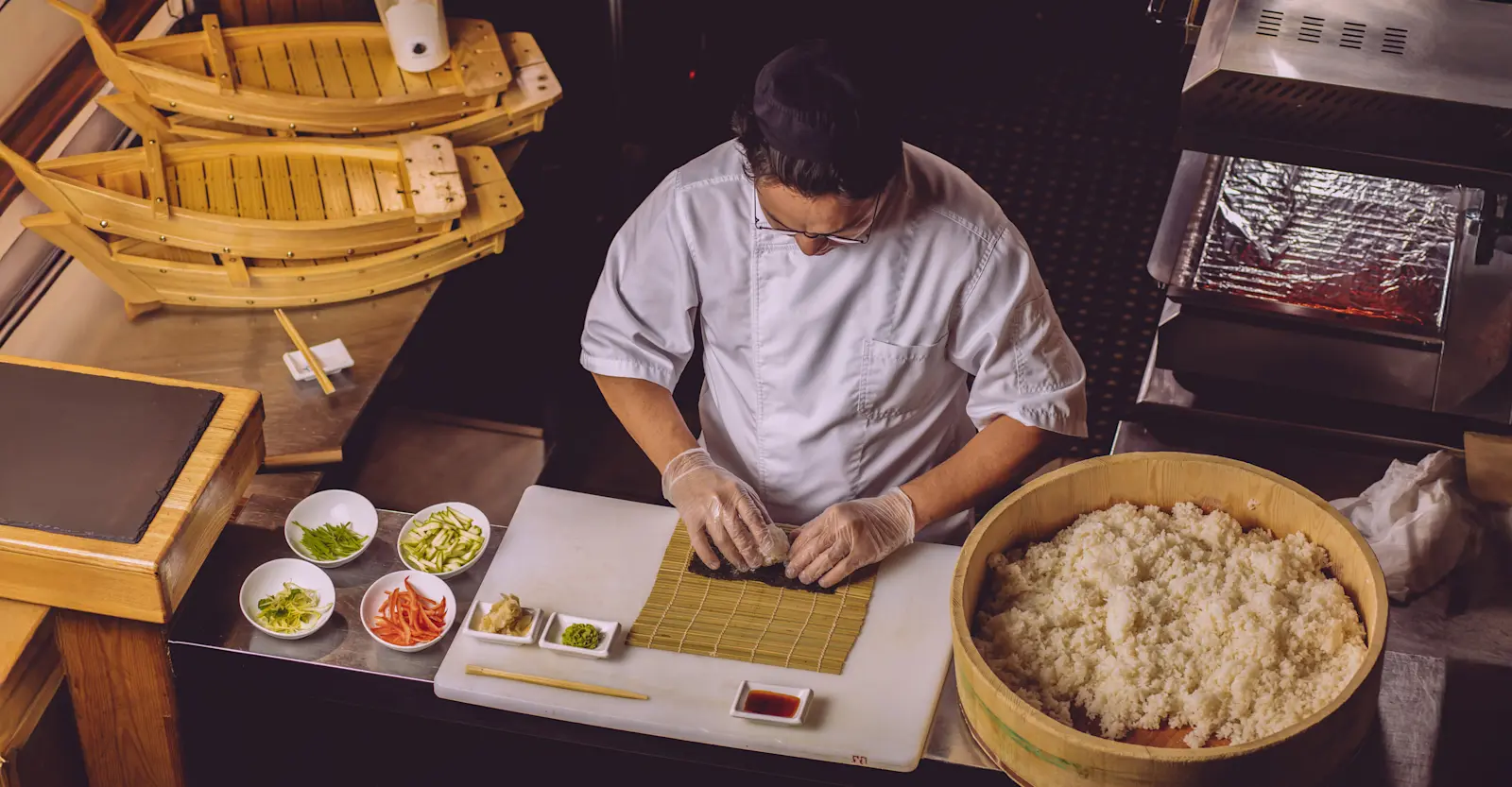
—Learn the fundamentals of sushi-making in a restaurant kitchen. The chef demonstrates the techniques that reveal a culinary craft shaped by precision and discipline.
—Enjoy a ryokan-style stay at River Retreat Garaku (Toyama area)—a clear example of place-based dining, with menus built around seasonal ingredients.
—Visit a sake brewery in the Tateyama foothills, where mountain water and locally grown rice explicitly flavor regional identity.
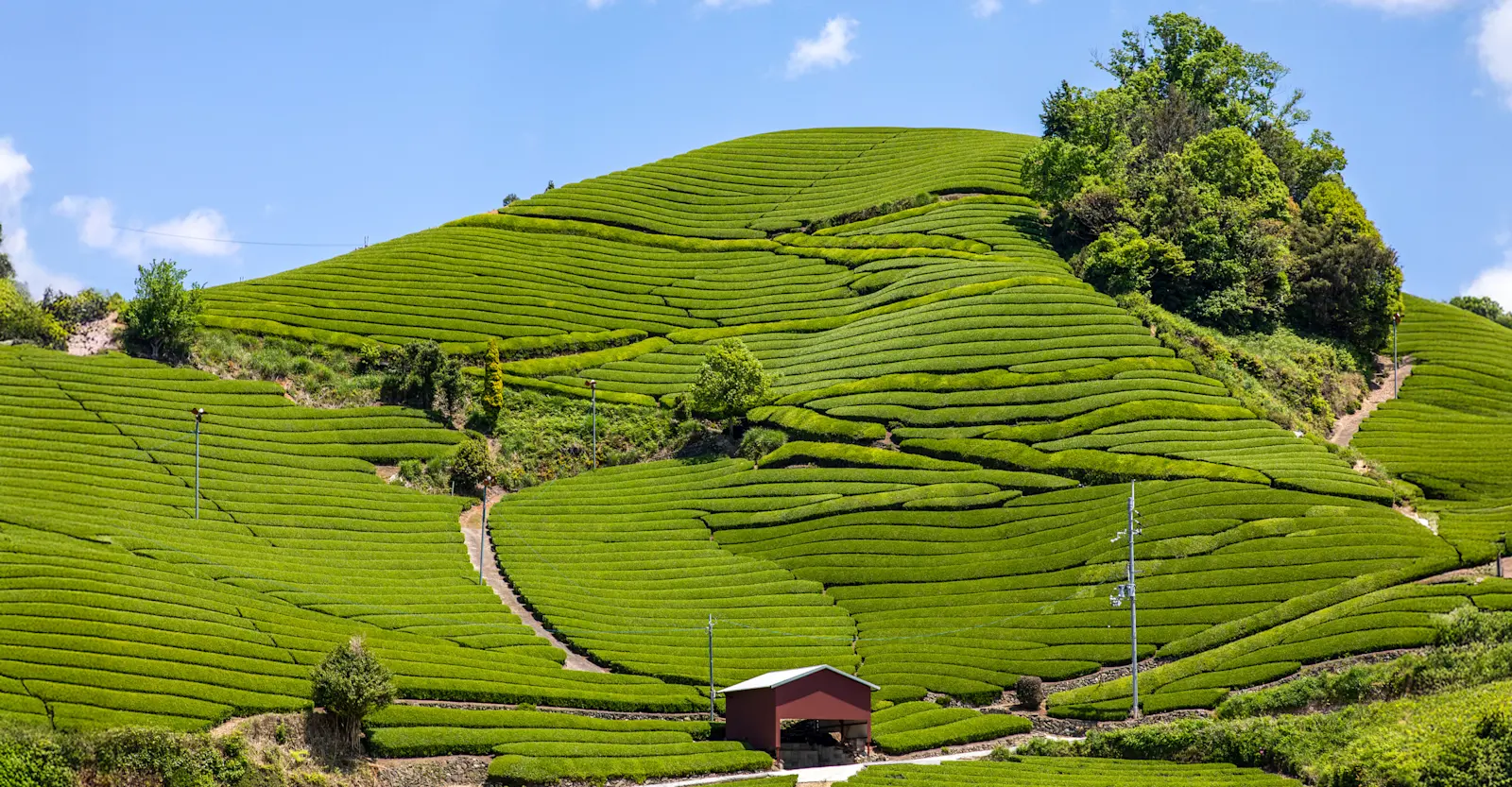
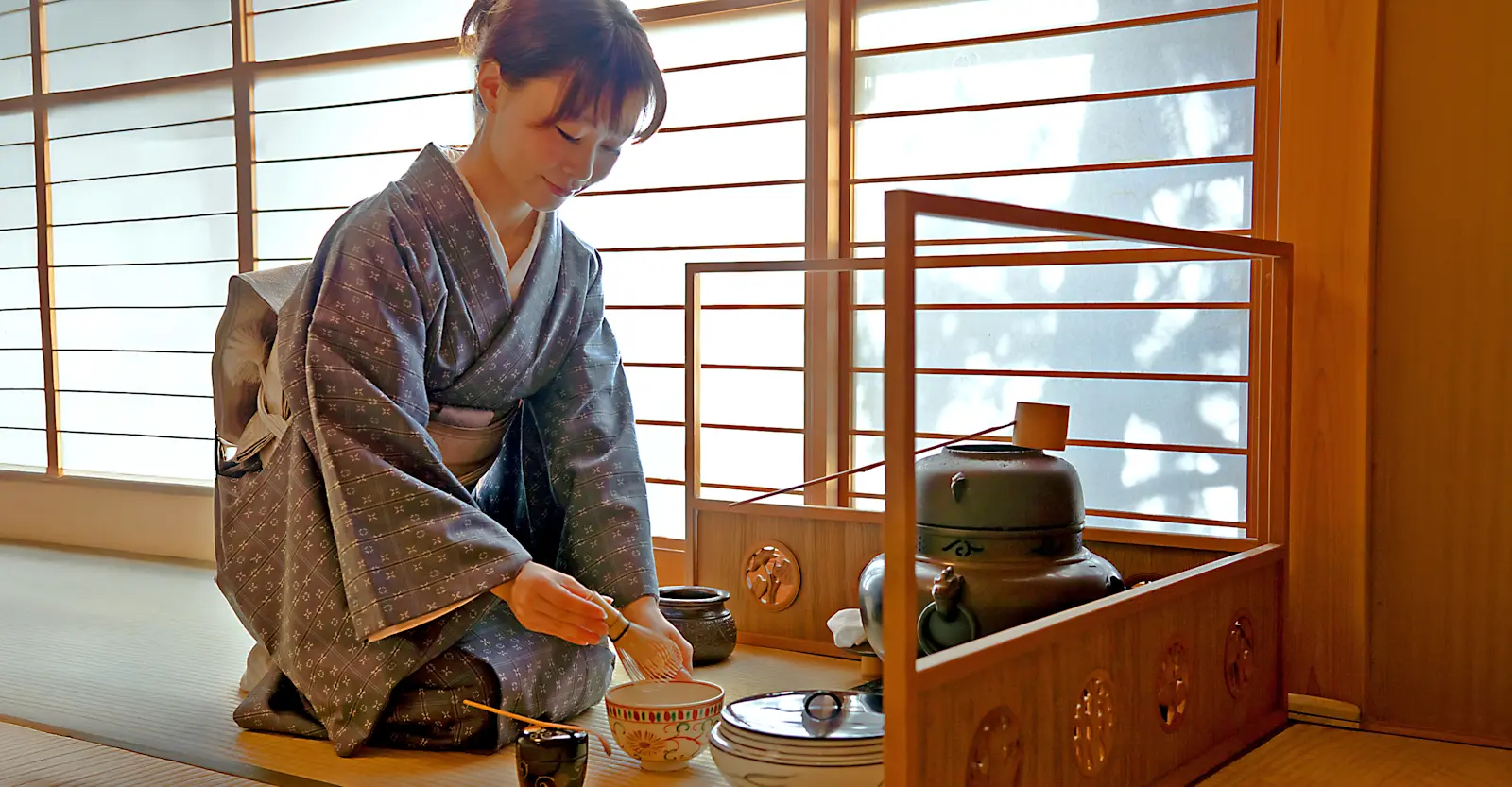
—Tour Wazuka tea fields and experience a tea ceremony, connecting terroir (weather, terrain, timing) to taste, with local literally underfoot.
Washoku is not preserved behind glass; it lives in markets before dawn, in the quiet discipline of a sushi counter, in tea fields shaped by weather and timing, and in regional kitchens where seasonality still guides the menu. On The Soul of Japan, these traditions are not observed from a distance—they are tasted, shared and understood in the places that sustain them. In Japan, food is not simply cuisine; it is a daily expression of harmony between land, sea and craft.