


Climate change affects the U.S. in different ways depending on the region. The West, for example, is experiencing unprecedented heat. March 2026 temperatures soared 20 to 40 degrees above average, with 110-degree heat hitting the Arizona desert—a new record for the highest temperature ever recorded in the U.S. during March.
More-than-human animals predate humans on Earth by approximately 500 million to more than 800 million years. While modern humans (Homo sapiens) have existed for only about 300,000 years, the first animal life (likely sponges) appeared in the ocean hundreds of millions of years prior to the human lineage.
Once we did arrive on the scene, though, we didn’t just adapt to the planet: we learned how to reshape it. From early fire use to today’s global supply chains, our cultural and social innovations have unlocked an extraordinary power to transform Earth and improve human life. But that progress, of course, has come with serious costs, including climate change, mass extinction and pollution. Instead of framing this era—the Anthropocene—as pure crisis, at least one scientist argues it’s also proof of something hopeful: when people work together, they can drive massive positive change.
But first, what is climate change? It’s probably quite different from what you think. Warming across the U.S. is far more uneven than it looks at first glance. While only about half of all states show rising average temperatures, most are heating up in specific ways, such as hotter highs or warmer lows. These hidden shifts vary by region, with the West seeing more extreme heat and the North losing cold extremes. Climate change isn’t “one-size-fits-all”; it plays out differently depending on where you live.

In the North, climate change is altering the winters in and near Maine’s Acadia National Park. They are now characterized by rising temperatures, less snow and more intense coastal storms that damage infrastructure. Winter rains and freeze-thaw cycles now routinely threaten biodiversity, such as red spruces, and alter ecological timing.
We do have, however, at least two new ways to put our planet back on a positive path. A new study lays out a scientific framework for holding individual fossil-fuel companies liable for the costs of climate change by tracing specific damages back to their emissions. Carbon dioxide and methane output from just 111 companies cost the world economy $28 trillion from 1991 to 2020, with the five top-emitting firms linked to $9 trillion of those losses. By providing the first causal estimate of economic losses due to extreme heat driven by emissions, this novel framework tool offers us a material means to recoup the costs of climate change.
Not only are new monetary measures promising positive environmental changes but nature-based solutions are now being proven to be economically effective methods for mitigating risks from a range of disasters—from floods and hurricanes to heat waves and landslides—which are only expected to intensify as Earth continues to warm.
Most U.S. states are warming, but not in the way you think
Although climate change is a global problem, its impacts are not evenly distributed. Local conditions shape how warming is experienced, which means policies and adaptation strategies must be tailored to specific areas. Compared to topics like economic inequality or public health, these regional climate differences have not been studied in as much detail.

Mangroves are highly effective, nature-based solutions for climate change, acting as powerful carbon sinks that store up to four times more carbon per acre than tropical rain forests. They protect coastlines from storms, reduce erosion and provide wildlife habitats. Restoring them offers a high-return investment for disaster risk reduction.
To address this gap, researchers from Spain’s University Carlos III of Madrid and the University of Zaragoza developed a technique for examining temperature changes across the contiguous 48 states in the U.S., allowing for a more precise comparison of how warming unfolds in different locations. They analyzed average temperatures from 1950 to 2021, along with more than 26,000 daily temperature readings per state. This approach captured not just average changes, but the full range of temperatures experienced locally.
The findings, published in the journal PLOS Climate in February 2026, present a more complex picture than simple averages suggest. Only 27 states (55%) recorded a rise in average temperatures. However, 41 states (84%) showed increases in at least part of their temperature range. In some places, this means hotter peak temperatures, while in others it reflects milder lows. For instance, states along the West Coast are seeing higher annual temperature extremes, while many northern states are experiencing warmer minimum temperatures.
These differences could have significant consequences. Shifts in temperature extremes can affect crop growth, influence how communities perceive climate risks and strain public health systems. All of these factors play an important role in shaping local climate policies and responses.
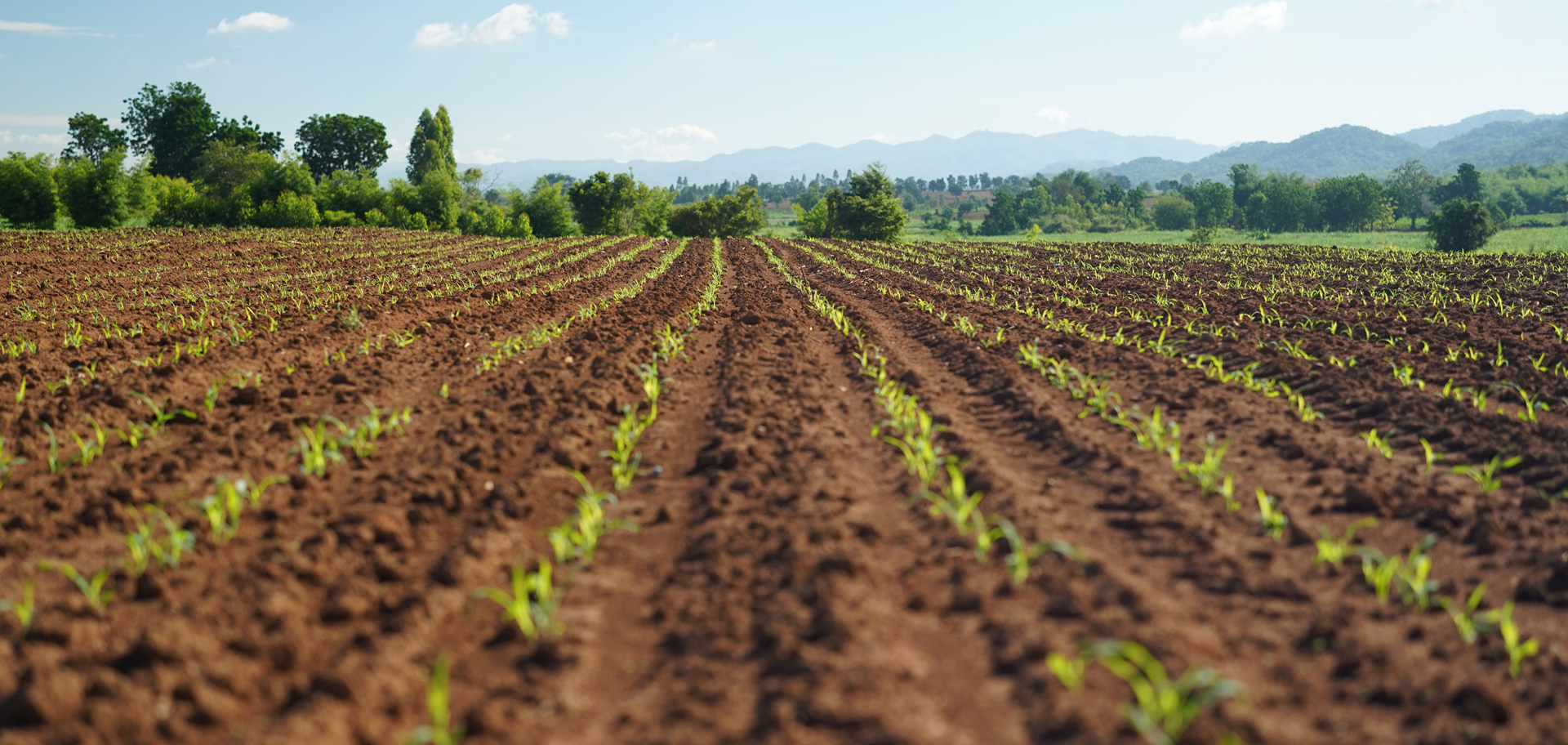
Climate change affects U.S. crop growth with altered precipitation, increased extreme weather and shifting temperatures that threaten to decrease yields for staples like corn and soybeans. Warmer temperatures may benefit northern regions with longer growing seasons, but they also cause heat stress, reduce water availability and accelerate pest pressures.
Summarizing their findings, the authors state, “Looking beyond average temperatures, we show that most U.S. states are warming in specific parts of the temperature distribution, even when average warming is not statistically significant. This reveals strong regional inequalities in how climate change is experienced across the United States.” They also note that their method could additionally be used to study other climate-related changes, including shifts in precipitation patterns and rising sea levels.
We’re reshaping the planet, but that can be beneficial
As we’ve seen, human-caused climate change is not as straightforward as we once might have thought. And, we’re learning, so is the way in which we humans have transformed the natural world.
In an opinion piece published in the January 2024 issue of the science journal Philosophical Transactions of the Royal Society B, Erle Ellis, a professor of environmental systems and geography at the University of Maryland, Baltimore County, explains how cultural practices have evolved to give humans extraordinary influence over the ecosystems that sustain them. From early uses of fire to cook food and shape landscapes to modern systems like industrial agriculture, global trade and rapidly growing cities, societies have developed powerful tools and institutions. These social and cultural advances have allowed humans to reshape the planet on a massive scale while improving their ability to survive and thrive.
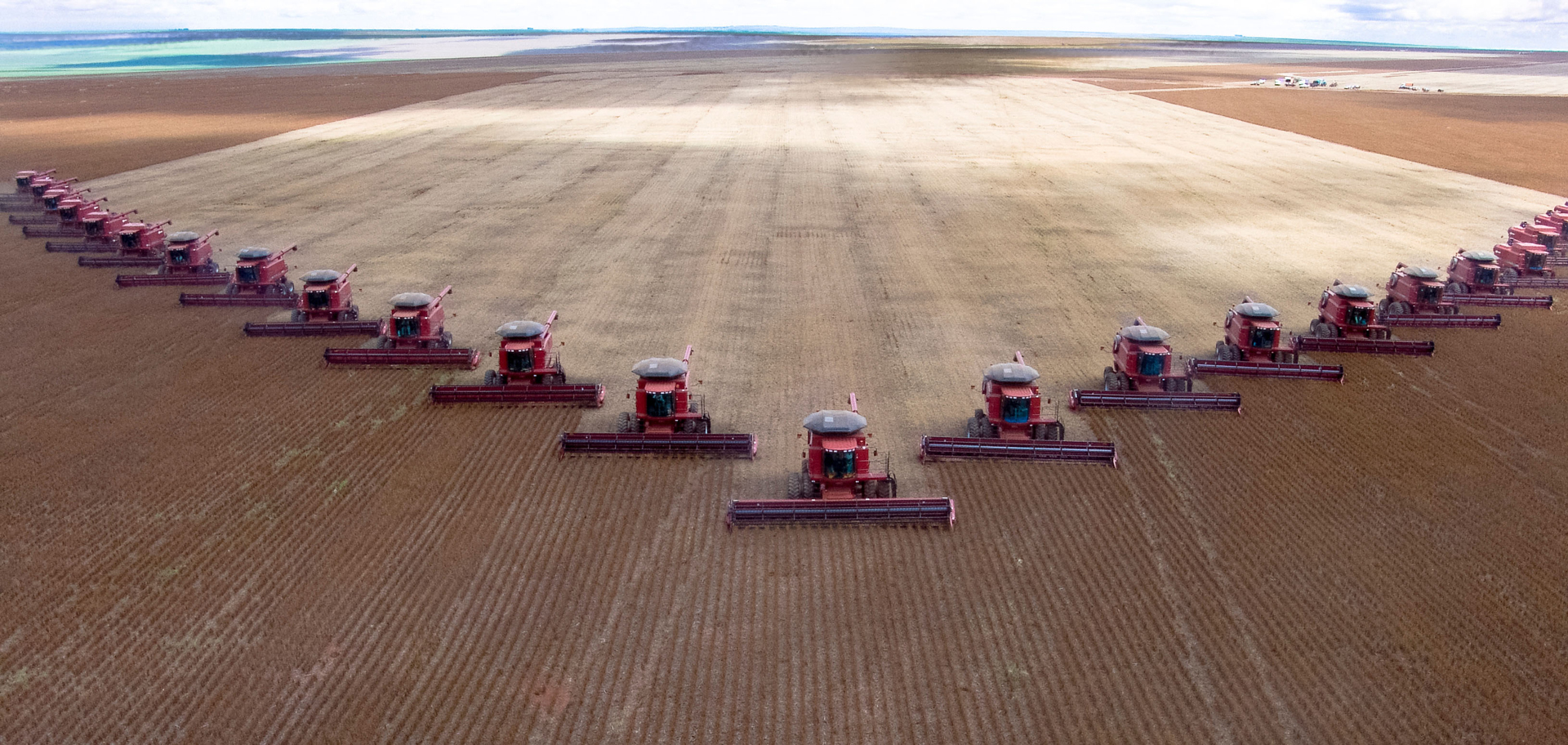
Human societies have not just adapted to the natural world; they have steadily learned how to transform it. Cultural advances, such as industrial agriculture—shown here in Brazil during a soybean harvest—have allowed humans to reshape the planet on a massive scale while improving their welfare.
Ellis is a leading researcher studying the Anthropocene, the current geological age defined by the large-scale impact of human activity on Earth. He leads the Anthroecology Lab, which examines how human societies interact with ecosystems at every level, from local environments to the entire planet. Drawing on research from anthropology, archaeology, ecology and evolutionary theory, Ellis focuses on how these relationships can be guided toward more sustainable outcomes.
Human innovation has brought major gains in health, longevity and quality of life. At the same time, these advances have come with serious environmental costs. Climate change, species extinctions and widespread pollution are all linked to the ways human societies have expanded and intensified their use of natural resources. These challenges highlight the need for action. A better future depends on addressing environmental damage while maintaining the benefits that human progress has made possible.
Ellis also highlights the limits of relying only on natural sciences to predict and manage the rapid changes seen in the Anthropocene. While scientific data is critical, it is cultural and social systems that have consistently enabled societies to adapt and succeed. Collective decision-making, institutions and shared values play a central role in shaping outcomes. These same systems will be crucial in building more sustainable relationships with the natural world.
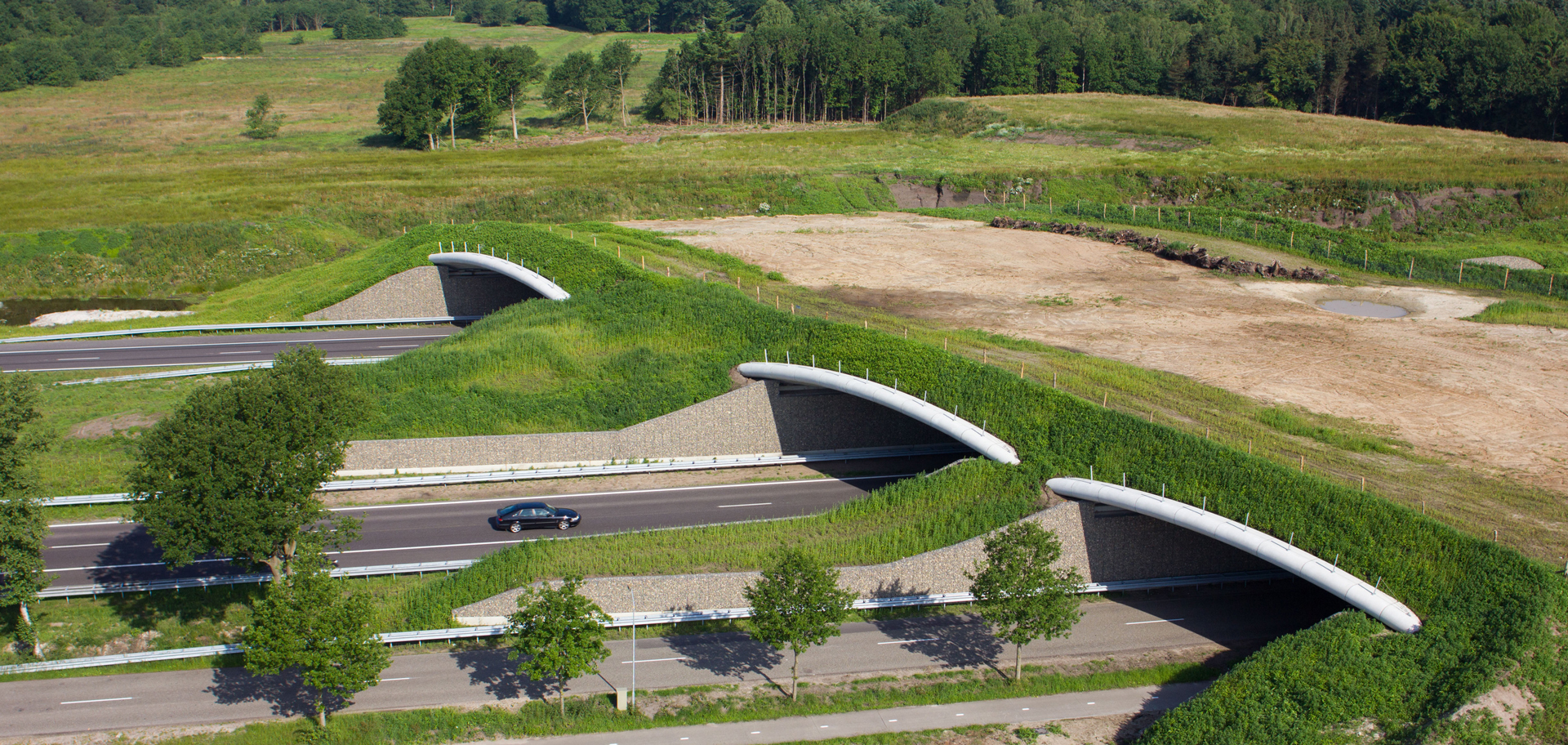
Reemphasizing the kinship among all living beings—our common evolutionary ancestry—is a way to connect people and nature. Wildlife corridors constructed as part of our own infrastructure says that we value the more-than-humans among us.
If a better future is to be achieved, says Ellis, these capabilities must extend beyond human societies to include the broader web of life. Reemphasizing the kinship relationships among all living beings—our common evolutionary ancestry—is a start, combined with new ways to connect people and nature, from community conservation reserves to corridor networks, from ecotourism to nature apps, and from remote sensing to webcams. Aspirations for a better future must also make peace with the past through restoration of Indigenous and traditional sovereignty over lands and waters.
This perspective aligns with growing global efforts to restore ecosystems, support Indigenous stewardship and use technology to strengthen connections between people and nature.
Ellis stresses that the knowledge, social systems and tools needed to drive change have existed for decades. But what’s often missing is widespread recognition and motivation to act. The challenge is to turn awareness into action. By recognizing the scale of human influence and embracing shared goals for a better world, societies can begin to use their collective power to shape a more positive future for both people and the planet.

There are growing global efforts to use technology to strengthen connections between people and nature. Wildlife webcams and nest cams are some of those endeavors.
The costs of climate change are astronomical, but we can recoup them
Drought-fueled wildfires in Southern California, a devastating hurricane in the southern Appalachian Mountains and catastrophic floods in New England are among the most recent disasters to bring to center stage the increasingly astronomical costs of climate change.
As a growing number of local and national governments struggle to recover from—and protect against—more frequent and destructive climate disasters, some have directly sought compensation from fossil-fuel companies through civil cases and “polluters pay laws.” But many of these actions are being challenged or slowed in court, partly due to the difficulty in showing that specific climate impacts occurred because of any one company’s greenhouse gas emissions.
A new study published in the science journal Nature in April 2025, however, supplies us with a tool for potentially recouping the costs of extreme weather amplified by climate change. Researchers from Dartmouth College in New Hampshire have created a blueprint for tracing specific climate damages back to emissions from individual fossil-fuel companies.

Drought-fueled wildfires in Southern California bring the increasingly astronomical costs of climate change into focus. A growing number of local governments have sought compensation from fossil-fuel companies through civil cases and “polluters pay laws.”
The plan combines climate modeling with publicly available emissions data to contrast the current climate and its impacts to what it would be like without the heat-trapping gases a company’s activities released into the atmosphere. This causal link is known as a “but for” standard; as in, a climate catastrophe likely would not have occurred but for an individual firm’s actions.
The study answers a question first posed in 2003 of whether science could ever link an individual firm’s emissions to climate change. Just over 20 years later, the answer is yes. Now we can robustly attribute emissions-based damages at the corporate scale. This should help courts better evaluate liability claims for the losses and disruptions resulting from human-caused climate change.
The framework was first deployed to deliver the first causal estimates of regional economic losses due to extreme heat resulting from the emissions of individual fossil-fuel companies. Extreme heat linked to carbon dioxide and methane from just 111 companies cost the world economy $28 trillion from 1991 to 2020, with $9 trillion of those losses attributable to the five top-emitting firms, according to the study. The highest-emitting investor-owned firm that was examined may be responsible for $791 billion to $3.6 trillion in heat-related losses over that period. The researchers report that their study’s findings show that it is, in fact, possible to compare the world as it is to a world absent individual emitters. The affluence of the Western economy has been based on fossil fuels, they say, but just as a pharmaceutical company would not be absolved from the negative effects of a drug by the benefits of that drug, fossil-fuel companies should not be excused for the damages they’ve caused by the prosperity their products have generated.
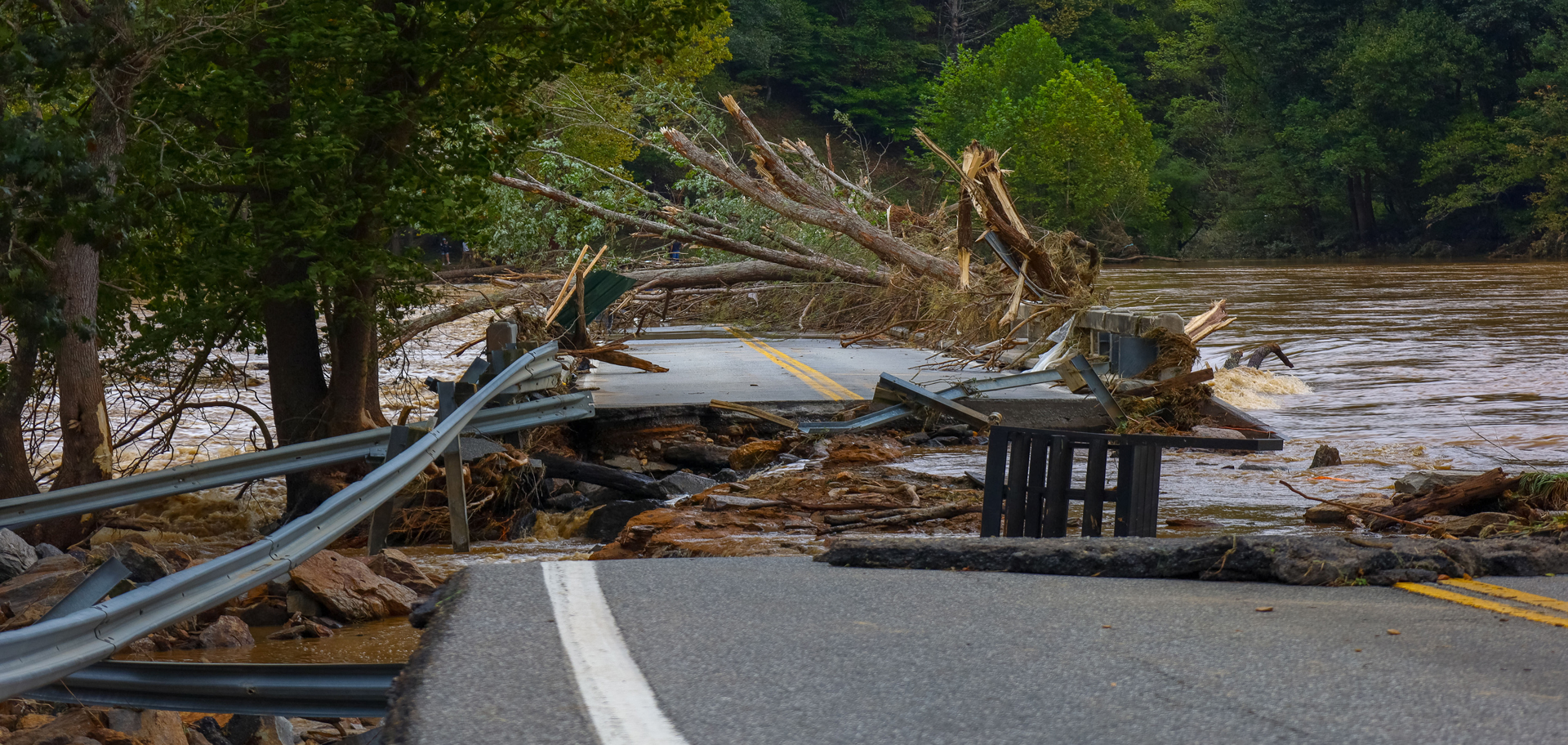
On September 27, 2024, Hurricane Helene brought devastation to the Appalachian Mountains. As a result of excessive rains from the remnants of Hurricane Helene, the Nolichucky River flooded its banks, leaving communities scrambling to seek shelter from swift floodwaters.
The attribution framework reported in Nature incorporates established, peer-reviewed scientific methods for identifying the effect of specific emission levels on extreme weather. It builds on advances in the physical and social sciences that have drawn clearer connections between local climate change, economic losses and greenhouse gases. Critically, the model goes a step further than existing research by removing total emissions—measured in billions of tons—from the equation to identify a company’s specific greenhouse gas footprint. Previous attribution models have hinged on concentrations of greenhouse gases in the atmosphere, which are measured in parts per million that are harder to assign to specific sources.
We live in a world that has warmed considerably over the past 20 years. Extreme heat is indelibly linked to climate change itself, and the losses from it have been an instigator for legal claims. This analysis, conclude the researchers, is not a predictive exercise where it’s asked what the future holds. Instead, it’s a documentary effort where what has already happened and the reason why is demonstrated.
Disaster risk from climate change is expensive, but nature-based solutions are cost-effective
Nature-based solutions (NbS) are interventions where an ecosystem is either preserved, sustainably managed or restored to provide benefits to society and to nature. For instance, they can facilitate climate mitigation and adaptation or mitigate risk from a natural disaster. NbS have emerged in combination with or as an alternative to engineering-based solutions. A classic example is restoring wetlands to address coastal flooding rather than constructing a seawall.
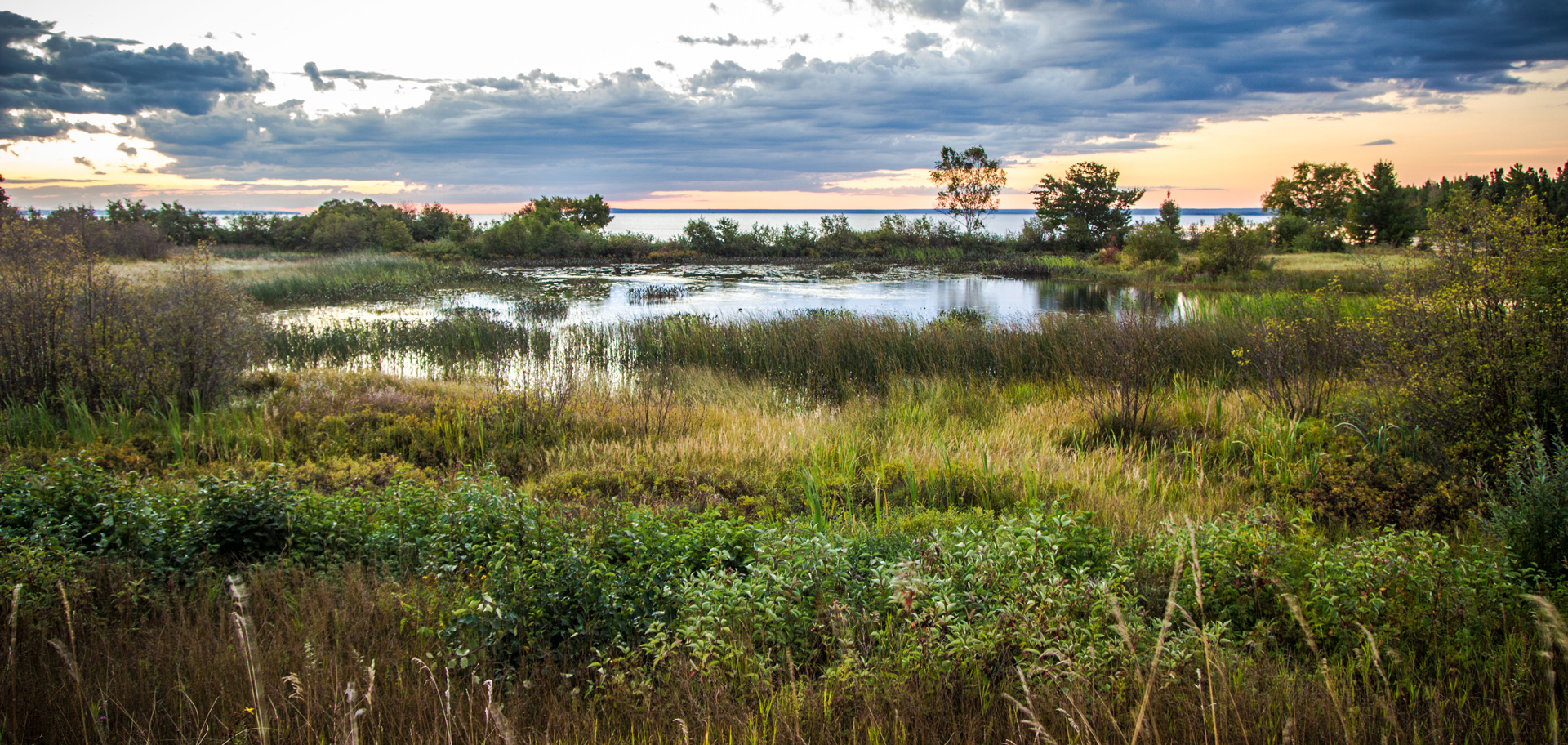
Nature-based solutions for environmental hazards have emerged in combination with or as an alternative to engineering-based solutions. A classic example is restoring wetlands to address coastal flooding rather than constructing a seawall.
While nature-based solutions are now recognized by major national policies and international global agreements to combat climate change—including those drafted by the United Nations—there has been limited scientific knowledge about the cost-effectiveness and equity outcomes of NbS. Now, however, a new global assessment of scientific literature led by researchers at the University of Massachusetts Amherst indicates that not only are NbS economically effective in mitigating hazards, but that their benefits are still underestimated.
NbS were proven to be a consistently cost-effective approach to mitigating hazards in 71% of the more than 20,000 English-language, peer-reviewed studies that researchers examined for the assessment, which was published in the journal Science of the Total Environment in October 2024. Another 24% of the studies found NbS to be cost-effective under certain conditions. The ecosystem-based interventions most frequently found effective in mitigating hazards are associated with mangroves (80%), forests (77%) and coastal ecosystems (73%).
Of the studies that compared NbS with engineering-based solutions, 65% found the former always to be more effective at mitigating hazards and 24% partially more effective. No study found NbS consistently less effective than engineering solutions. While every study reviewed for the assessment examined the hazard-mitigation benefits of NbS, many did not consider added environmental and socioeconomic benefits, such as maintaining biodiversity, climate mitigation and supporting underserved communities. These other benefits of NbS are vastly minimized because they are difficult to quantify, explain the researchers. How should we value improvements in air quality or in soil quality? How should we rate the protection of an endangered species or the overall increase in biodiversity after the implementation of an NbS? And how about estimating the cultural or even spiritual worth of an environmental asset? These appraisals require complex and potentially expensive valuation techniques, and that’s why the additional benefits of NbS are often underestimated and understudied.
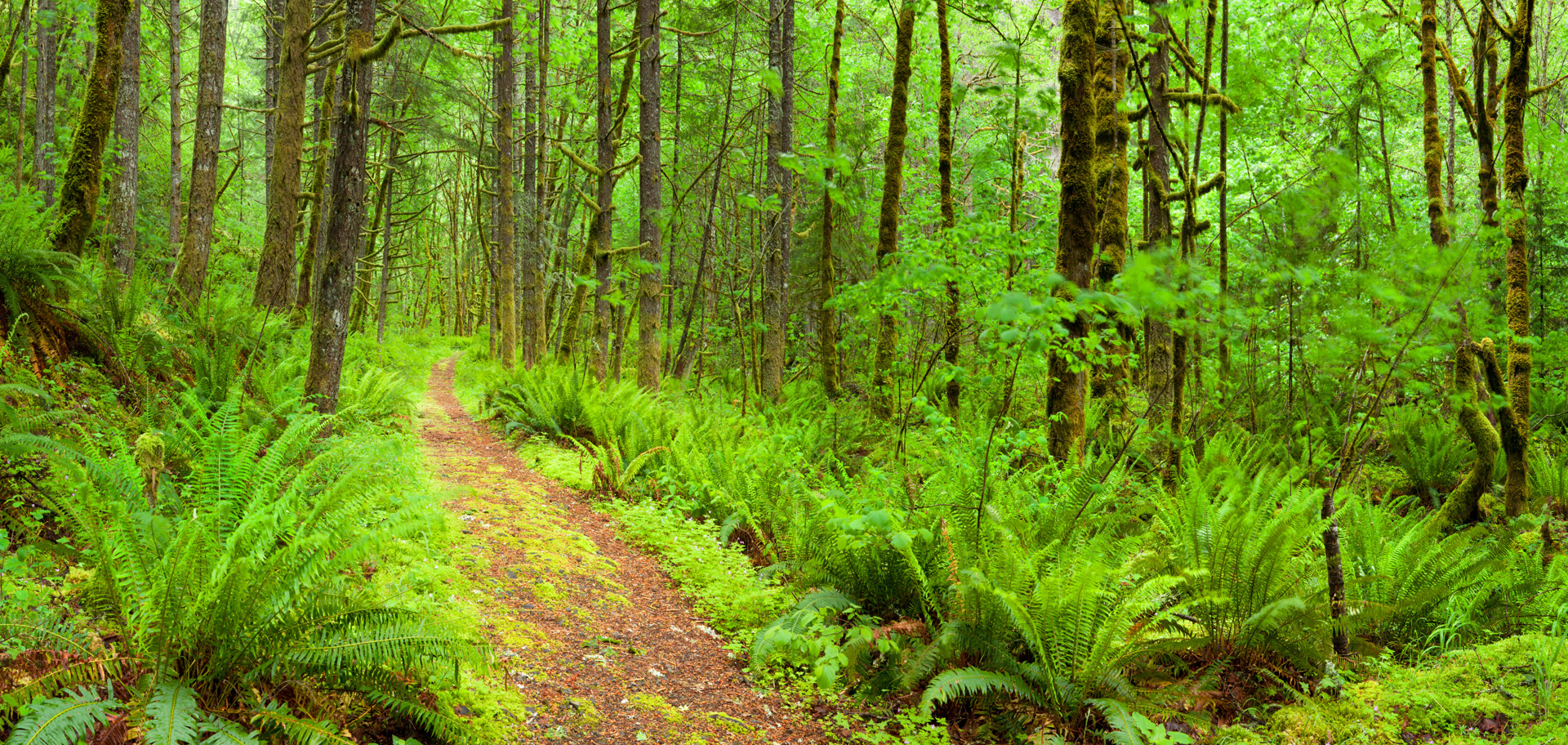
There’s no doubt that we humans have changed the planet—now, can make its future better? According to World Wildlife Fund, forests—as a nature-based solution—can play a crucial role in climate change: they are second only to oceans as the largest global stores of carbon.
Another key finding of the research is that NbS have been financed mainly by the public sector, even when the interventions involve private property. For these solutions to have a truly global impact, say the University of Massachusetts Amherst researchers, a transformative upscaling with both public and private financing is required.
We can make massive positive change, but we must work together
According to the United Nations, nature-based solutions are capable of protecting, sustainably managing and restoring ecosystems to address societal challenges like biodiversity loss, climate change and disasters. To stem biodiversity loss, we should align with the Kunming-Montreal Global Biodiversity Framework; and to reduce disaster risk, we can utilize forests, mangroves and wetlands as natural barriers against coastal floods, erosion and fires. Sustainable infrastructure remedies include agroecological farming, the implementation of green roofs and rain gardens, reforestation, and wetland restoration to manage stormwater in cities.
When we work together, we can drive massive positive change. I believe that’s an accurate and powerful sentiment. Collaborative, collective action has often been the catalyst for the largest, most sustainable and positive changes in business, environmental movements and society. And it still can be.
Here’s to finding your true places and natural habitats,
Candy