

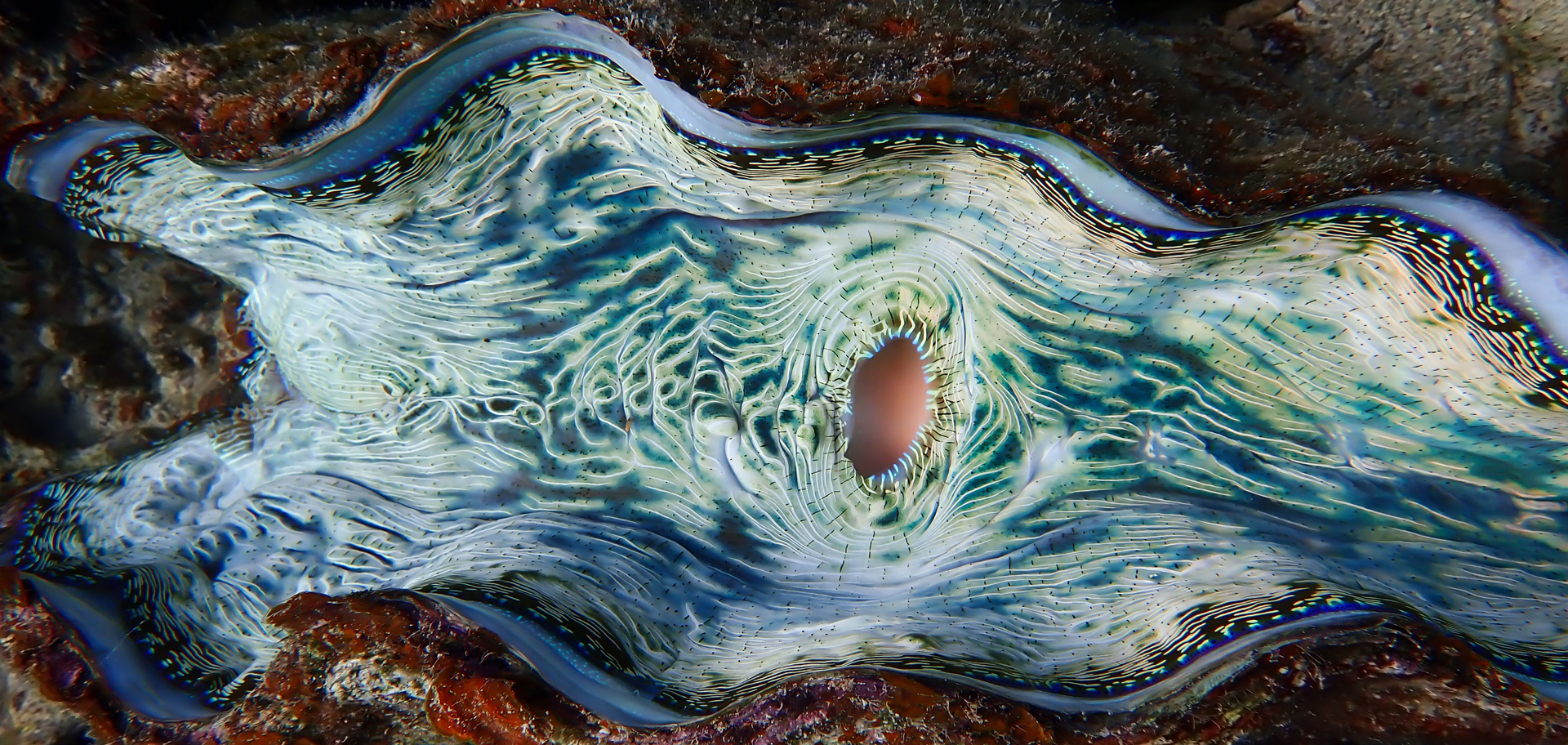
Giant clams are mammoth mollusks; they can be up to four feet long and 550 pounds. They have a symbiotic relationship with algae that live in their tissues, providing them with food through photosynthesis. Giant clams are easily identified by their large, fluted shells and brightly colored, iridescent mantles, which have “windows” to let in light for their algae.
If you were asked to name a giant that now lives among us, you might immediately think of an African elephant, a blue whale, a mountain gorilla, a polar bear or a rhinoceros. There are, however, some other, lesser-known—but fascinating—leviathans in our midst.
For example, a critically endangered giant turtle—thought to be nothing more than a ghost of the past—was recently documented in India. And in the mist-shrouded mountains of New Guinea, a researcher has achieved a world-first: capturing photos, video and data of the elusive, giant subalpine woolly rat. Once known only from museum specimens, this shaggy rodent has been rediscovered after three decades, revealing a hidden ecosystem of biodiversity. On the opposite side of the Earth, in the remote Amazon, scientists traveling with a film crew uncovered a previously undocumented species of giant anaconda.
Another living giant—one not quite as rare or unheard of—is the giant clam of the Western Pacific. But its story, too, is intriguing: it just may be the most efficient solar energy system on the planet.
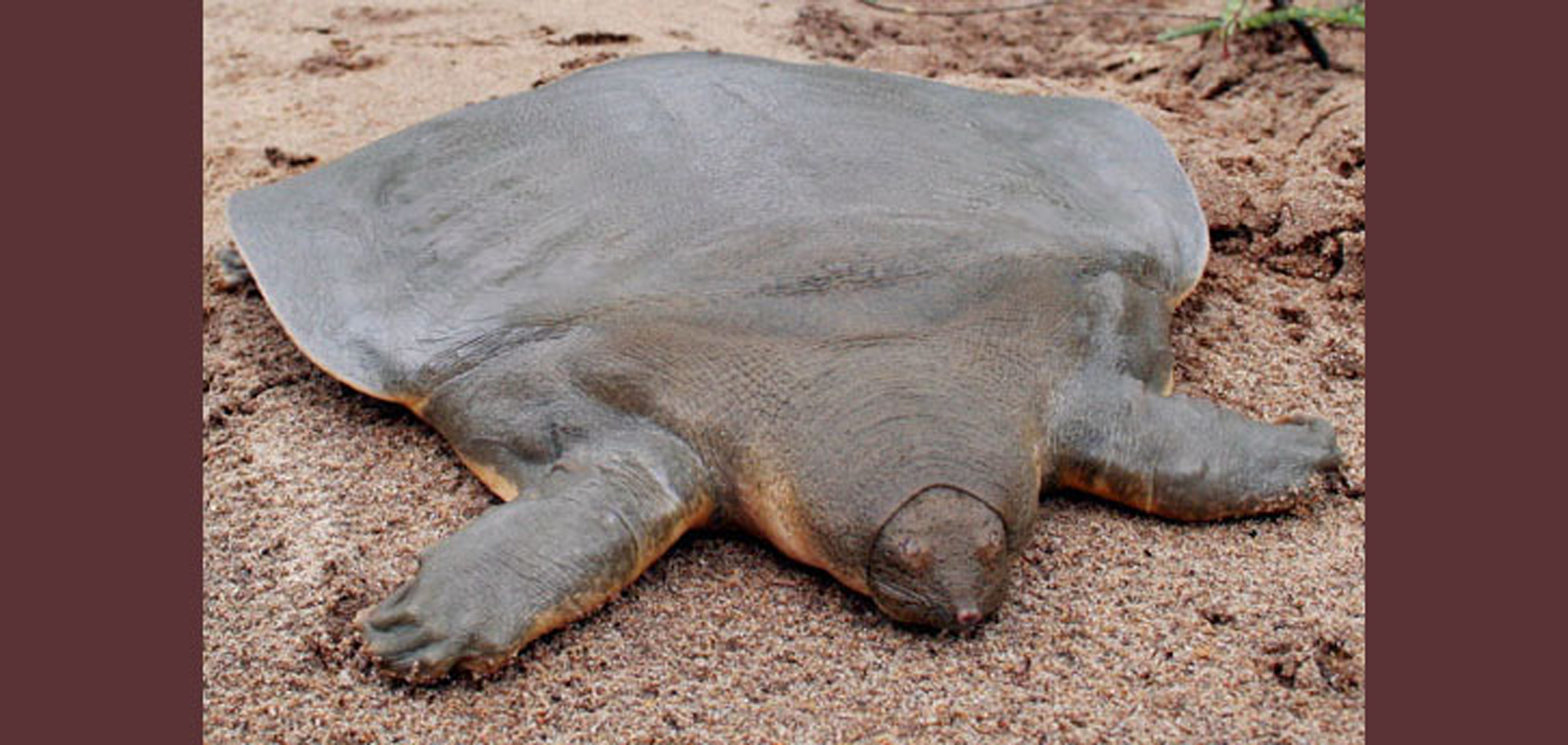
Cantor’s giant softshell turtles have long been a subject of fascination and concern among conservationists. Knowledge from local communities in India resulted in the first-ever nesting evidence and the discovery of a breeding population of this incredibly rare and giant animal. ©Dementia, Wikimedia Commons
First-ever report of a rare, giant turtle’s nesting
The Cantor’s giant softshell turtle (Pelochelys cantorii) is native to the rivers of Southeast Asia. Unfortunately, habitat destruction has made it disappear from much of its environment. The turtles are also heavily harvested by locals for meat and are often killed by fishermen when caught in fishing gear. Currently, this freshwater reptile is classified as critically endangered on the International Union for Conservation of Nature’s Red List of Threatened Species, and its numbers today are decreasing.
With sightings scarce, for years the existence of the Cantor’s giant softshell turtle has barely been a murmur against the backdrop of India’s bustling biodiversity. Following several unsuccessful attempts to track down one of the turtles using conventional survey methods, a team of conservationists from England’s University of Portsmouth and Zoological Society of London, Germany’s Museum of Zoology at the Senckenberg Society for Nature Research, the Wildlife Institute of India, and the U.S.A.’s Florida Museum of Natural History and University of Miami took a different approach by tapping into local knowledge.
This journey took the science team to the verdant banks of India’s Chandragiri River in Kerala. They talked to local villagers and heard tales of historical sightings, were provided leads on current occurrences and were even asked to aid in the live release of individuals accidentally caught as bycatch. By these methods, the researchers were able to systematically record sightings of the Cantor’s giant softshell turtle and engage communities in conservation efforts, resulting in the first documentation of a female nesting and the rescue of eggs from flooded nests. The hatchlings were later released into the river.
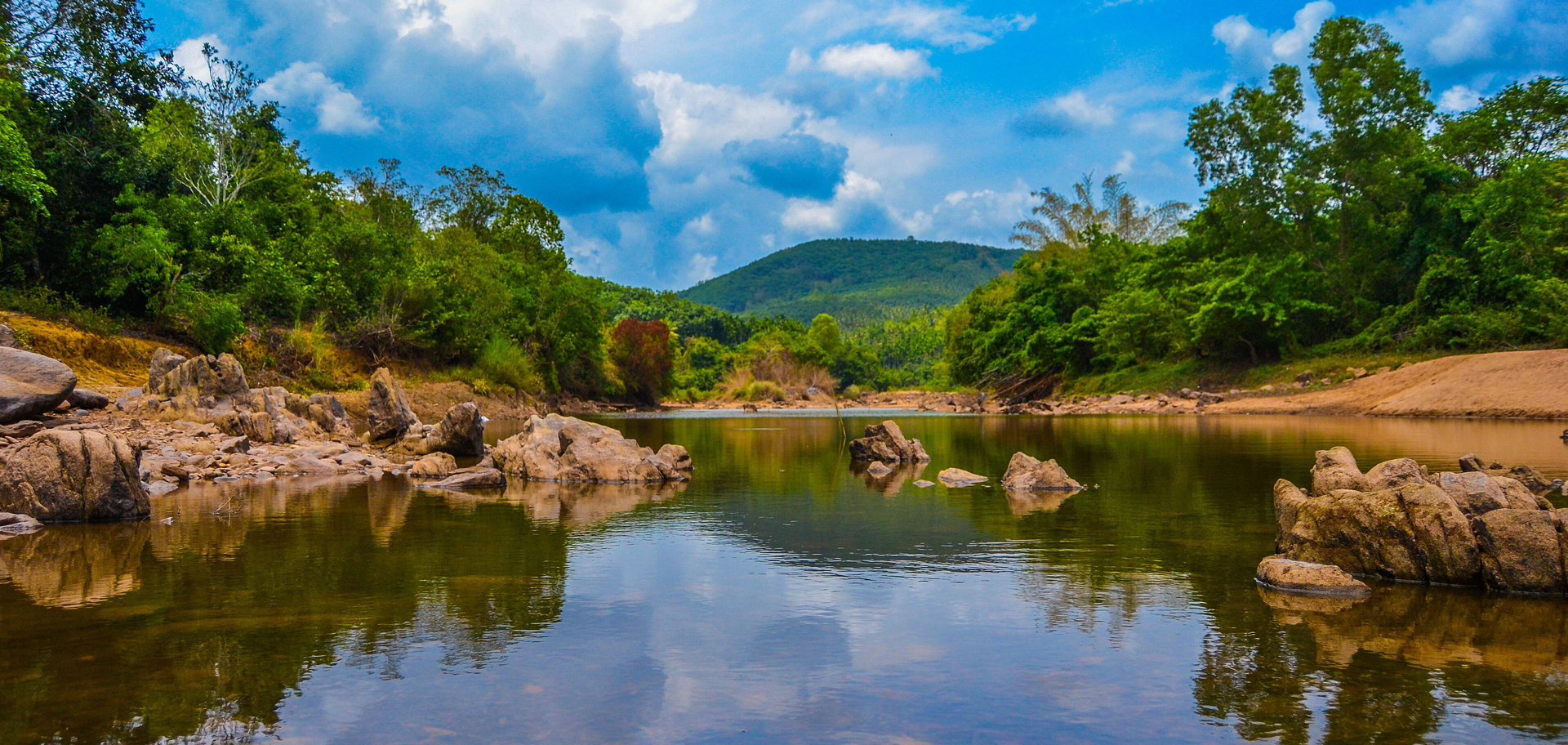
The traditional boundary between Karnataka state and Tulu Nadu in India, the Chandragiri River is also known as the Payaswini River. This waterway is the major source for agricultural and domestic purposes. Local residents told scientists tales of Cantor’s giant softshell turtles living here. ©Anikatipalla, Wikimedia Commons
The scientists state that the community’s willingness to engage with them formed the backbone of their project, allowing them to record not just fleeting glimpses of the turtles but evidence of a reproductive population, a discovery that rewrites the narrative of a species thought to be vanishing from India’s waters. Through household interviews and the establishment of a local alert network, they state in their paper—published in the journal Oryx in February 2024—that they didn’t just listen; they learned.
The implications of the findings in this study underscore the invaluable role of local knowledge in conservation science—a tool as critical as any camera trap or satellite tag in the quest to understand and protect our planet’s biodiversity.
“Lost” giant rat found alive in Papua New Guinea
After spending six months exploring the rugged landscapes of New Guinea, a young doctoral student from the Biology Center of the Czech Academy of Sciences and the University of South Bohemia in the Czech Republic has made an extraordinary find. Frantisek Vejmelka is the first researcher to observe and scientifically document the subalpine woolly rat (Mallomys istapantap) in its natural habitat.
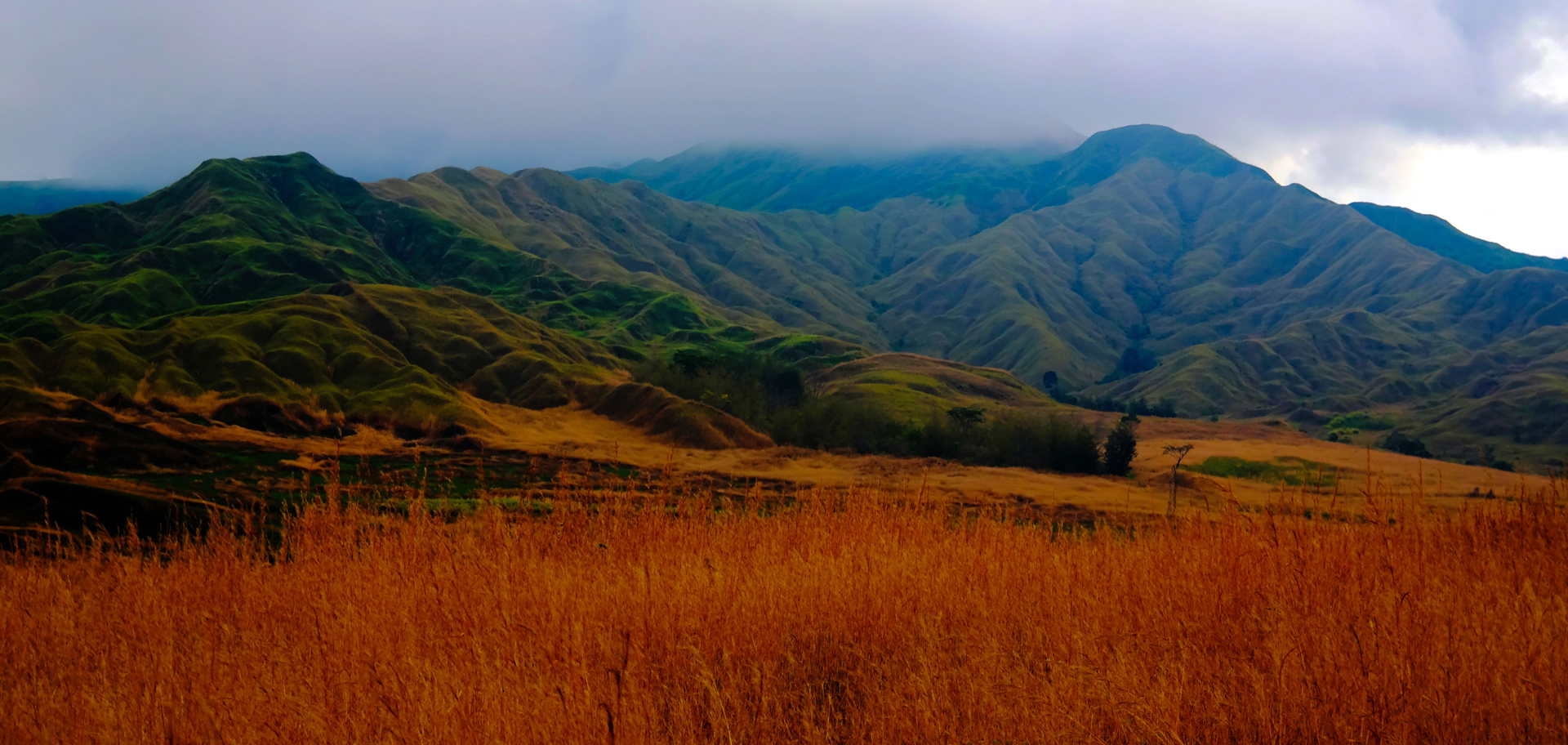
New Guinea’s remote highlands are the natural habitat of the giant subalpine woolly rat. The animal spends its nights searching for plants to eat and its days hiding in underground burrows or tree canopies. This furry rodent is massive, measuring more than 2.5 feet from nose to tail and tipping the scales at more than four pounds.
This nocturnal rodent, one of the largest in the world, lives high in the cool, mist-covered forests and grasslands of Papua New Guinea at around 12,000 feet above sea level. First identified in 1989 from a few preserved museum samples, the rat had not been recorded in the wild for three decades. Now, however, photographs and video footage reveal that the animal is alive in its native mountain environment, providing crucial insights into this rarely seen species and shedding light on the extraordinary mammalian biodiversity of Papua New Guinea’s remote highlands.
Alongside the groundbreaking photos and videos, published in the scientific journal Mammalia in April 2025, Vejmelka obtained the first biometric measurements of male specimens and documented details about the animal’s daily behavior, diet, movements and parasites. Thick-furred, Mallomys istapantap leads a secretive life in isolated, high-altitude regions. Active at night, the rat climbs trees in search of food and takes shelter during the day in burrows or among tree branches. Feeding exclusively on plant material, it has sharp incisors, three-inch-long paws and a total body length (including tail) of about 34 inches. Weighing up to 4.5 pounds, the subalpine woolly rat is both elusive and imposing.
The rat’s nocturnal behavior and inaccessible habitat have made direct observations extremely rare. Vejmelka states that if it weren’t for the Indigenous hunters who accompanied him in the mountains and helped locate the animals, he would never have been able to collect this data. During his six-month expedition, he worked closely with several local tribes while surveying the mammalian diversity of Mount Wilhelm, the highest peak in Papua New Guinea at 14,793 feet from base to summit. He also documented and genetically identified 61 species of nonflying mammals (marsupials and rodents) found in the mountainous terrain.

At 14,793 feet from base to summit, Mount Wilhelm is the highest peak in Papua New Guinea. A trail takes hikers to the top (shown here), past lakes, moss forests, waterfalls and the vestiges of a World War II, American fighter-bomber.
This fieldwork deepens the scientific knowledge of the still underexplored wildlife of Papua New Guinea’s tropical mountains. While similar habitats in regions such as Africa, the Americas and Southeast Asia have been studied extensively, the Australasian highlands remain far less known. Vejmelka believes it’s astonishing that such a large and striking animal has remained so poorly investigated, highlighting the need for collaboration with local communities as a vital part of this progress. How much more is there to discover about the biodiversity of tropical mountains?
Giant new snake species is identified in the Amazon
While filming with National Geographic for a Disney+ series titled Pole to Pole with Will Smith, National Geographic Explorer and Professor Bryan Fry from Australia’s University of Queensland found a new anaconda species. His 10-day, canoe journey into the heart of the Amazon was facilitated by a rare invitation from Waorani Chief Penti Baihua. Describing this as a “true cross-cultural endeavor,” Fry and his science team captured and studied several specimens of the newly named northern green anaconda (Eunectes akayima), located in the Baihuaeri Waorani Territory in the Ecuadorian Amazon. The snake is now considered to be the heaviest and largest in existence.
Waorani community members paddled the movie crew down the Amazon River and were lucky enough to find several anacondas—who they consider sacred—lurking in the shallows, lying in wait for prey. The size of these creatures was incredible: one female anaconda measured an astounding 21 feet long. There are anecdotal reports from the Waorani people of other anacondas in the area that are more than 24 feet long and weigh about 1,100 pounds.
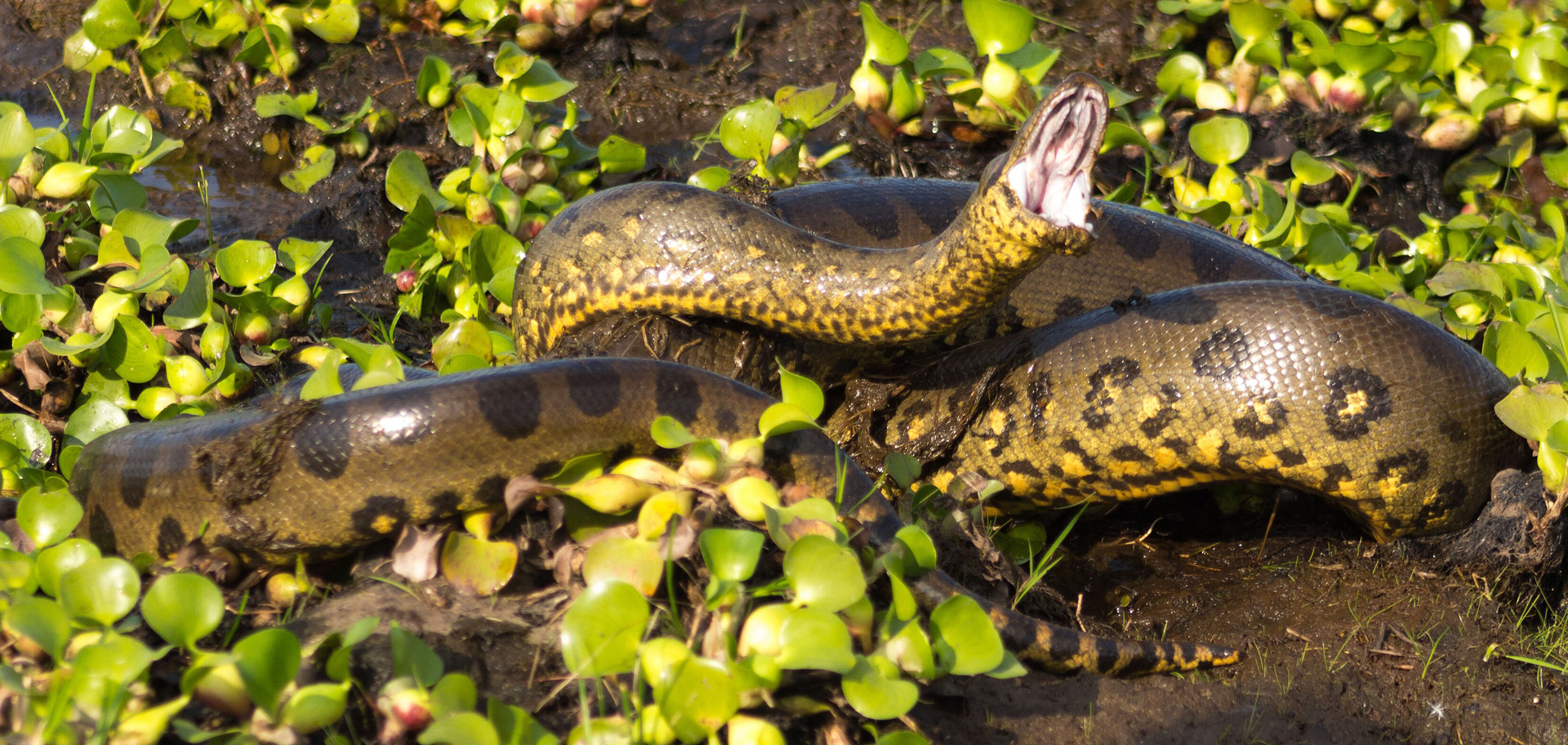
The newly named northern green anaconda (“Eunectes akayima”) was found in the Baihuaeri Waorani Territory in the Ecuadorian Amazon. It’s one of the longest and heaviest known living snake species. Like all boas, it is a nonvenomous constrictor. ©Fernando Flores, Wikimedia Commons
Professor Fry says that the northern green anaconda species diverged from the southern green anaconda almost 10 million years ago, and they differ genetically by 5.5%. That’s significant; to put it in perspective, humans differ from chimpanzees by only about 2%.
Fry also endeavored to compare the genetics of the northern green anaconda with anacondas collected elsewhere and use them as an indicator species for ecosystem health. The Amazon continues to face alarming ecological threats, with deforestation for agricultural expansion resulting in an estimated 20% to 31% habitat loss, which may impact up to 40% of its forests by 2050.
Another increasing problem is habitat degradation from land fragmentation, led by industrialized agriculture, and heavy metal pollution associated with spills from oil extraction activities. Research into how petrochemicals from oil spills are affecting the fertility and reproductive biology of these rare snakes and other keystone species in the Amazon is urgently needed. Climate change, drought and forest fires are also noted as threats in the paper that was published in the journal MDPI Diversity in February 2024.
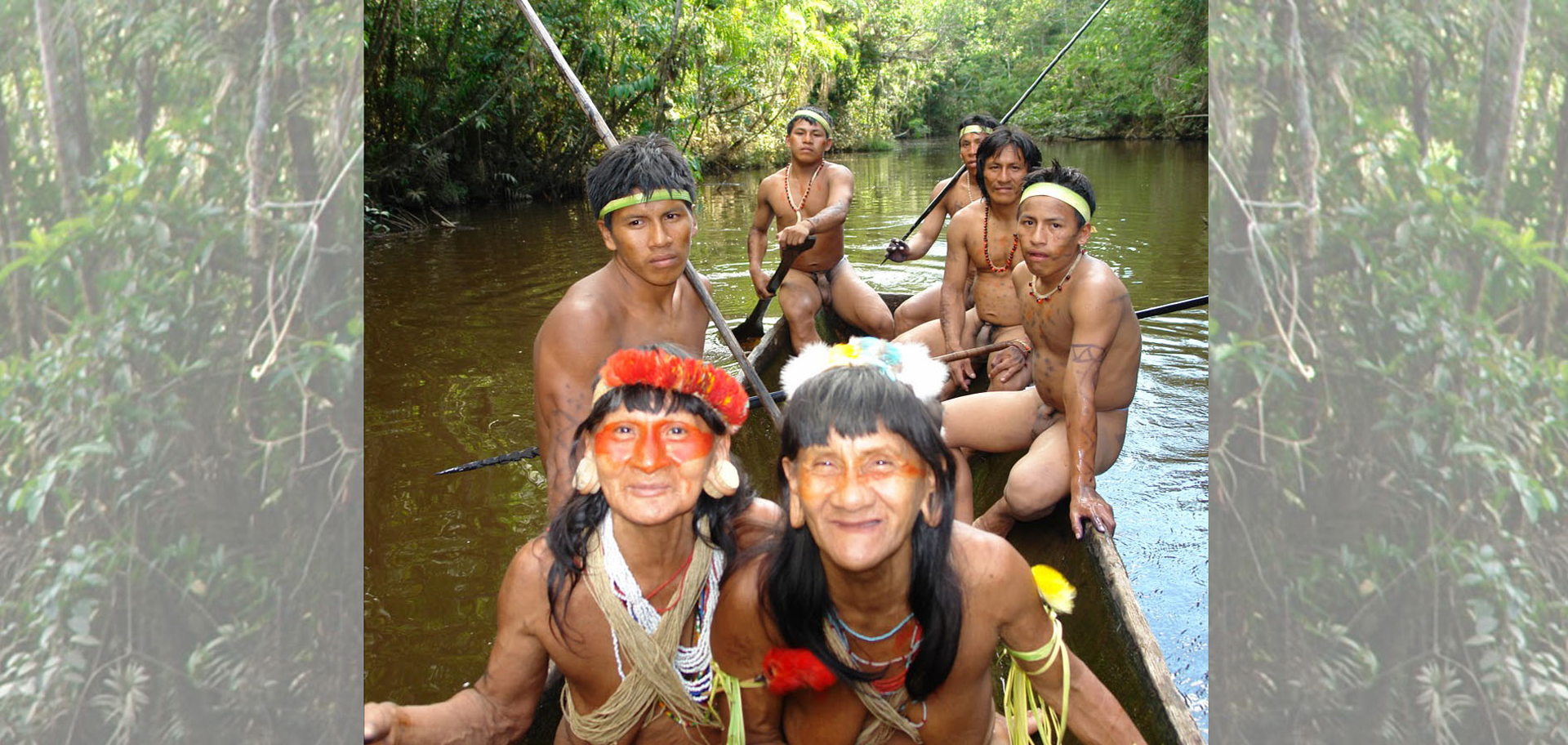
The Waorani, who currently number around 2,000, once maintained one of the largest territories of all Indigenous Amazonians in Ecuador. Traditionally nomadic hunter-gatherers, they are the most recently contacted of all Ecuadorian Indigenous peoples, first reached in 1958. ©Kleverenrique, Wikimedia Commons
Giant clams could show us how to create more efficient solar energy
Solar panel and biorefinery designers could learn a thing or two from iridescent giant clams living near tropical coral reefs, according to a new, Yale University-led study. This is because giant clams have precise geometries—dynamic, vertical columns of photosynthetic receptors covered by a thin, light-scattering layer—that just may make them the most efficient solar-energy systems on Earth.
In a study published in the journal PRX: Energy in June 2024, an investigative team of scientists presented an analytical model for determining the maximum efficiency of photosynthetic systems based on the geometry, movement and light-scattering characteristics of giant clams. It’s the latest in a series of research studies that highlight biological mechanisms from the natural world that could inspire new sustainable designs and materials, which is known as “biomimicry.”
In this case, the researchers looked specifically at the impressive solar-energy potential of iridescent giant clams in the shallow waters of Palau in the Western Pacific. The clams are photosymbiotic, with vertical cylinders of single-celled algae growing on their surface. The algae absorb sunlight—after the light has been scattered by a layer of cells called iridocytes.
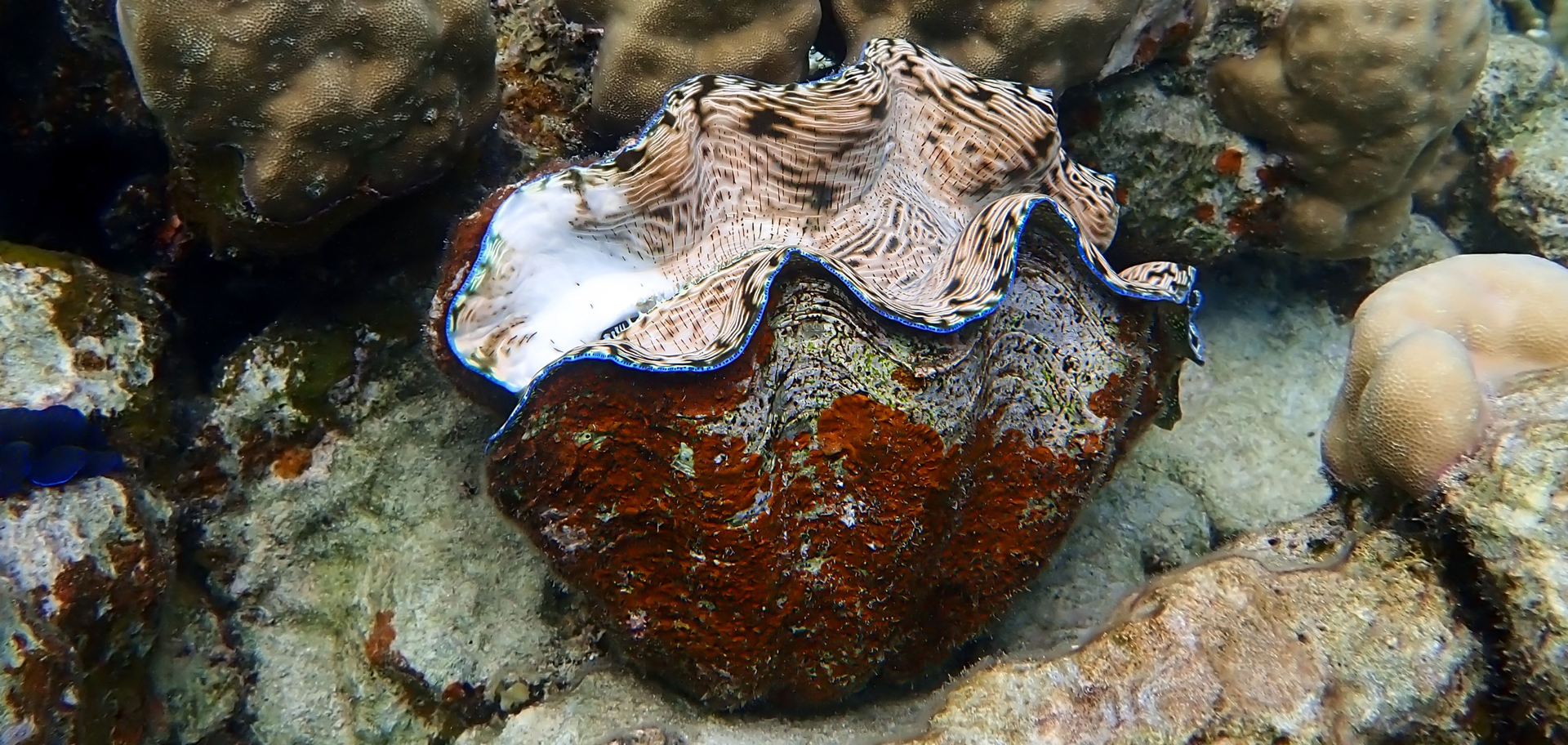
Palau is home to eight of the 12 known species of giant clams, making it one of the world’s epicenters for giant clam diversity.
Both the geometry of the algae and the light scattering of the iridocytes are important, the researchers say. The algae’s arrangement in vertical columns—which makes them parallel to the incoming light—enables the algae to absorb sunlight at the most efficient rate. This is because the sunlight has been filtered and scattered by the layer of iridocytes, and the light then wraps uniformly around each vertical algae cylinder.
Based on the giant clams’ geometry, a model was developed to calculate quantum efficiency, the ability to convert photons into electrons. The researchers also factored in fluctuations in sunlight, based on a typical day in the tropics with a sunrise, midday sun intensity and a sunset. The quantum efficiency was 42%. But then the researchers added a new wrinkle: the way giant clams stretch themselves in reaction to changes in sunlight. Clams like to move throughout the day, and this stretching moves the vertical columns farther apart, effectively making them shorter and wider.
With this new information, the clam model’s quantum efficiency jumped to 67%. By comparison, a green-leaf system’s quantum efficiency in a tropical environment is only about 14%. An interesting comparison, according to the researchers, would be northern spruce forests. Boreal spruce forests, surrounded by fluctuating layers of clouds and fog, share similar geometries and light-scattering mechanisms with giant clams, but on a much larger scale. And their quantum efficiency is nearly identical.
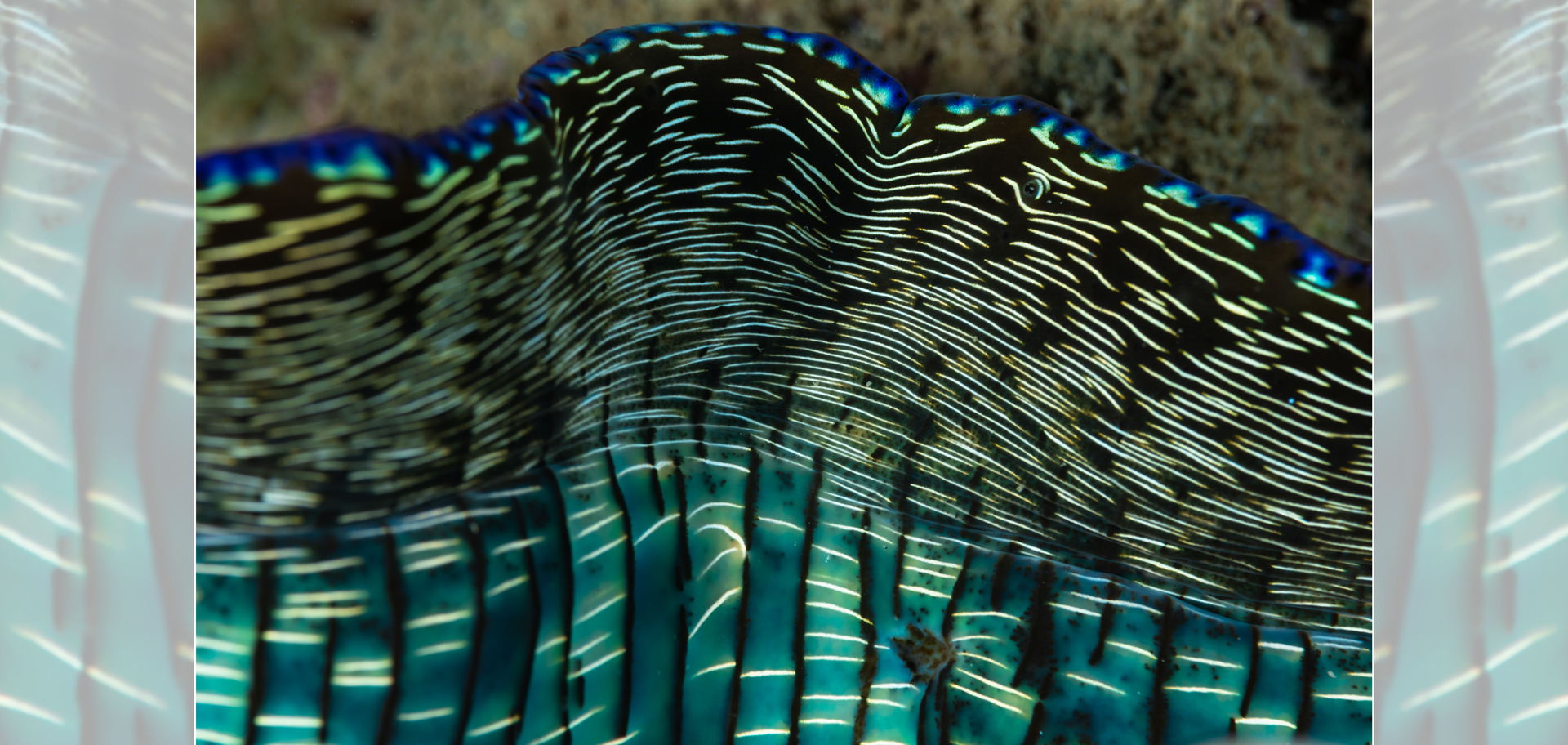
Clams are more efficient at solar energy conversion than any existing solar panel technology. This is because giant clams have precise geometries—dynamic, vertical columns of photosynthetic receptors covered by a thin, light-scattering layer.
One lesson from this, say the scientists, is how important it is to consider biodiversity, writ large. We need to consider where else on Earth this level of solar efficiency might happen. It is also important to recognize that we can only study biodiversity in places where it is maintained. We owe a major debt to Palauans, who put vital cultural value on their clams and reefs and work to keep them in pristine health.
Such examples may offer inspiration and insights for more efficient, sustainable energy technology. It’s possible to envision a new generation of solar panels that grow algae or inexpensive plastic solar panels that are made out of a stretchy material, concludes the Yale-led scientific team.
The talents of giant animals
While it’s true that small animals have many powers and potentials, some of the lesser-known giants have hidden talents, too. Endangered giant turtles can come back from oblivion, a giant rodent can show us how much more there is to discover about the planet’s biodiversity, a giant anaconda can demonstrate the vital need for incorporating Indigenous knowledge into scientific efforts, and a giant clam can help us create more efficient clean energy.
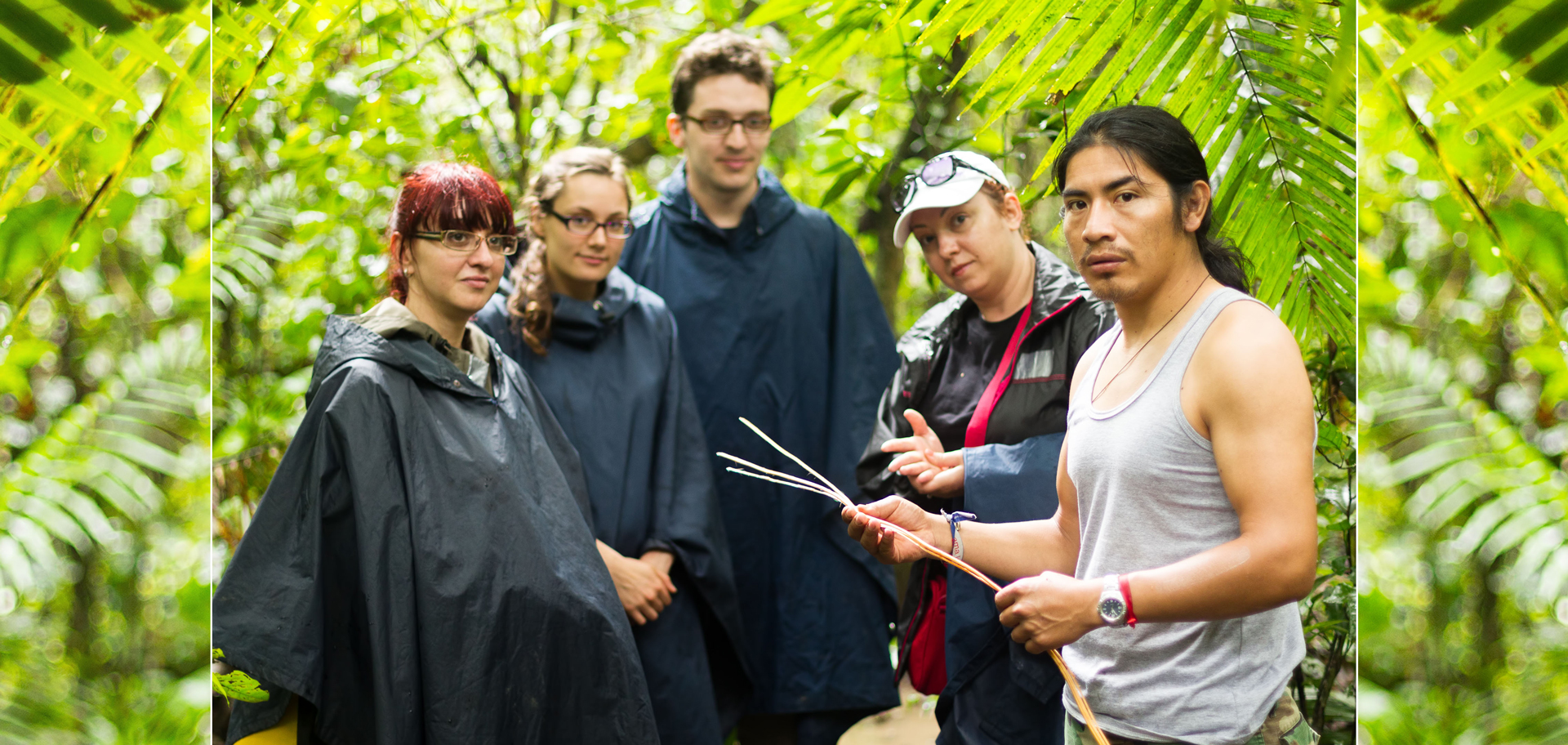
Indigenous knowledge encompasses agriculture, ecology and medicine, playing a crucial role in biodiversity conservation and sustainable resource management. Western science and Indigenous knowledge work best together.
The phrase “good things come in small packages” is certainly true. But we just learned that large is marvelous, as well. In addition to the aforementioned capabilities, large animals remind us of our place in nature and can invoke a sense of wonder that encourages respect for the environment and all living beings.
Here’s to finding your true places and natural habitats,
Candy