

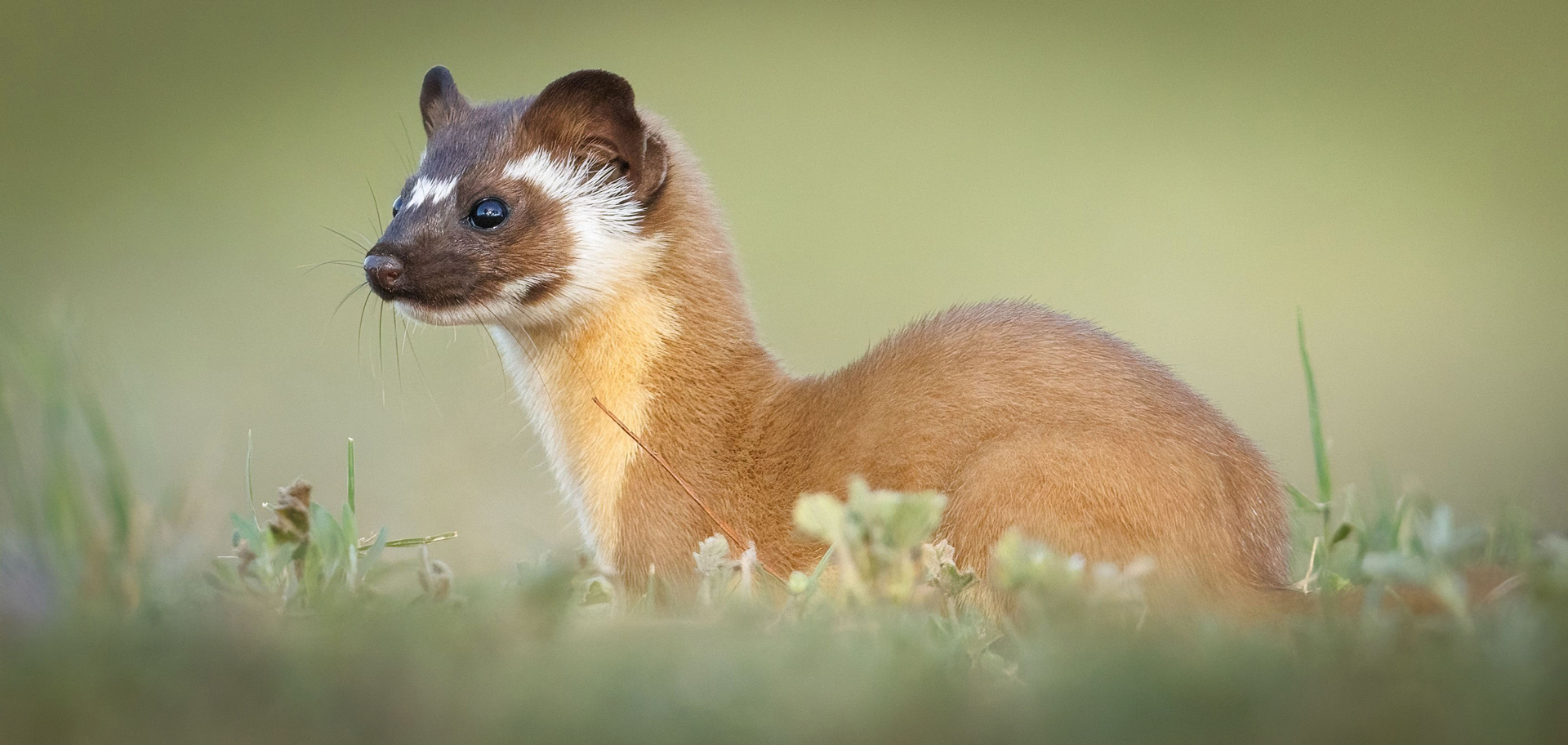
Small mammals—generally defined as weighing less than 4.5 pounds—exist in almost every habitat on the planet. They function as crucial ecological indicators and ecosystem engineers. This diverse group includes bats, hedgehogs, moles, rodents, shrews and weasels.
The decline of charismatic and large animals like lions and pandas often captures global attention, but a quieter and perhaps more damaging crisis is unfolding among those that are smaller. These bitty beings are disappearing at alarming rates, and their loss can have outsize consequences for biodiversity.
But don’t count these small bodies out yet. They have some powerful attributes and potentials. Although small mammals are early warning systems for environmental damages, many of these species look almost identical, making them hard to track. Now, scientists have developed a new, footprint-based method that can tell apart nearly indistinguishable species with remarkable accuracy. Tested on two types of sengis, the technique correctly identified them up to 96% of the time. This development offers a simple, ethical way to monitor ecosystems before they quietly unravel.
Little fringe-lipped bats (Trachops cirrhosus) from Panama may be diminutive, but when it comes to capturing large, energy-rich prey, they have a success rate of around 50%, outperforming even apex predators like lions and polar bears. And the older bats become even more efficient, showing that experience sharpens their deadly precision. Pint-size hedgehogs, too, have a superpower: they can hear ultrasound, a surprising ability that could help protect them from the threat of cars and roads.
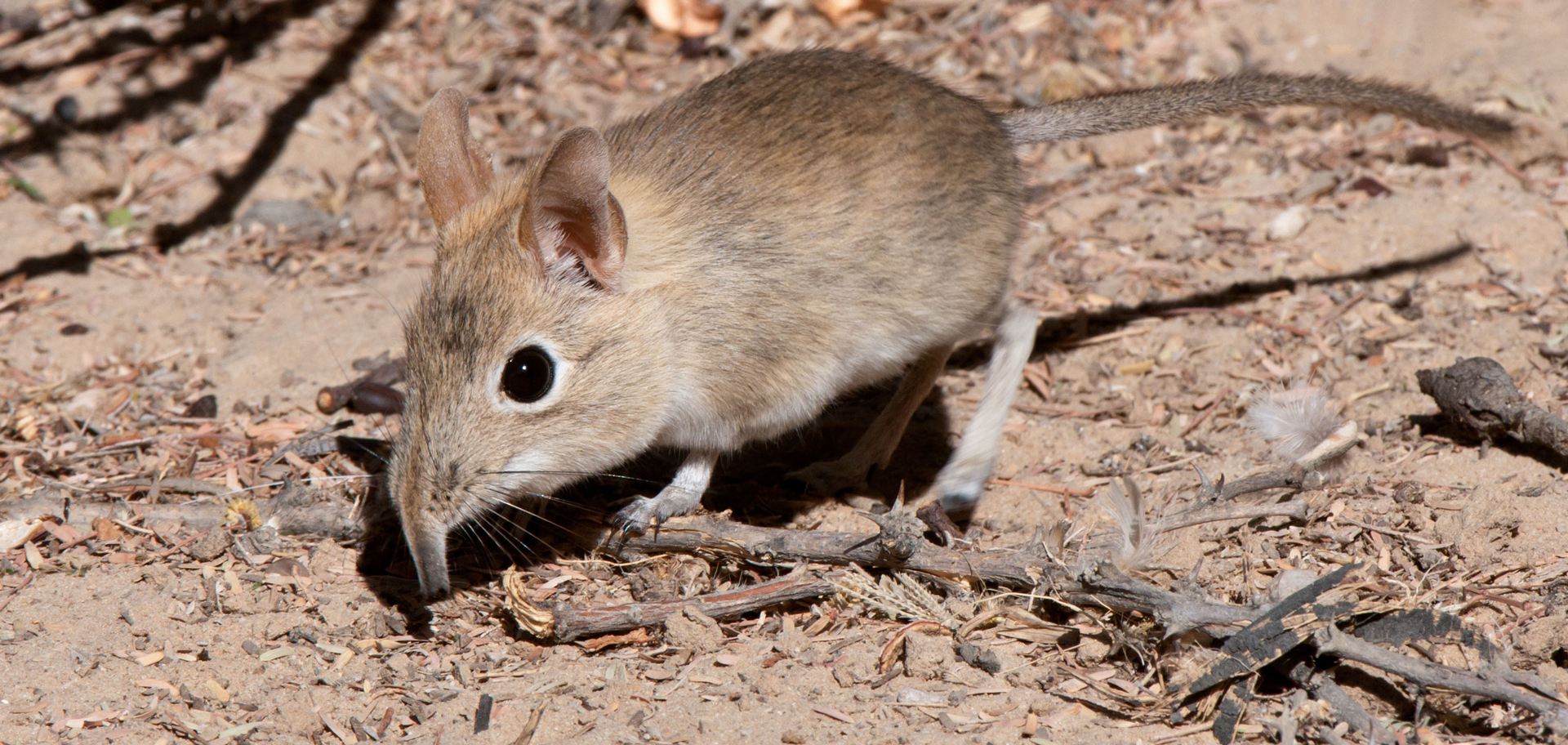
Primarily insectivorous, bushveld sengis are endemic to southwest Africa, ranging from southwestern Angola to the extreme northeastern region of Transvaal, South Africa, including Namibia and most of Botswana. Now, we can identify and monitor sengis by analyzing their footprints.
Small mammals help develop an ethical monitoring system
Despite their size, small mammals play essential roles in ecosystems and respond quickly to environmental changes. Because of this sensitivity, shifts in their populations can serve as early warning signs of ecological disruptions. Monitoring them accurately, however, is difficult. Many are what scientists call “cryptic species,” meaning they are visually almost impossible to tell apart. Unfortunately, it’s often only possible to distinguish between cryptic species using DNA, which can be costly, invasive and slow.
This challenge is illustrated by two species: bushveld sengis (Elephantulus intufi) and eastern rock sengis (Elephantulus myurus). Although they appear nearly identical, they live in different habitats, play different roles in their environments and face different environmental pressures. For example, bushveld sengis live on sandy soils, while eastern rock sengis live exclusively in rocky habitats.
But while the two sengi species look alike, their feet are not the same. Subtle differences in foot shape leave distinct patterns in the tracks they make. So, a research team from North Carolina’s Duke University Nicholas School of the Environment focused on capturing and analyzing these differences, training a computer model to recognize which footprints belonged to which species. By treating footprint identification like a digital tracking problem, the scientists aimed to replace expensive and invasive monitoring methods with a faster and more practical alternative.
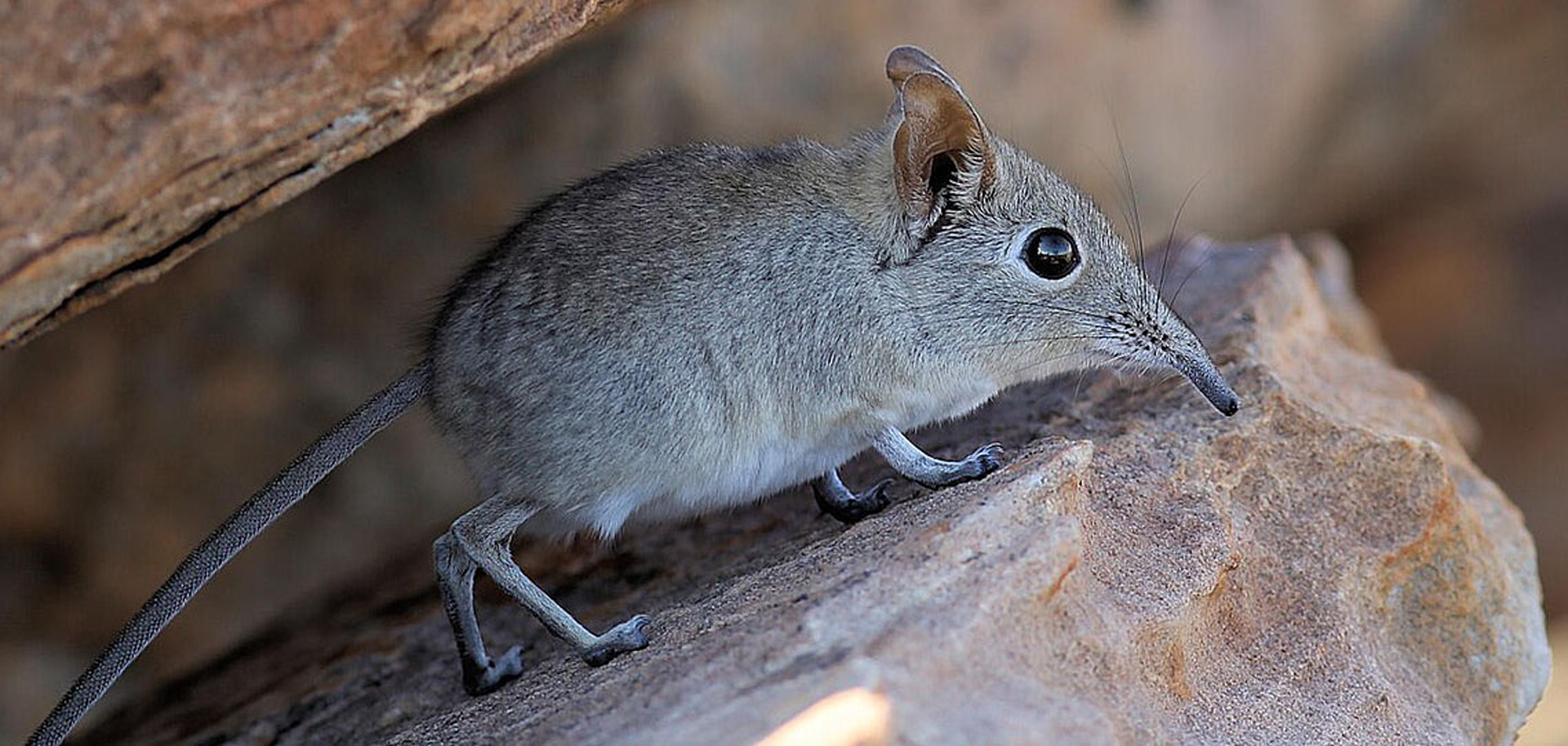
Eastern rock sengis are found in Botswana, Mozambique, South Africa and Zimbabwe. Their natural habitats are rocky outcroppings with cracks and crevices in hilly terrain. They eat insects and some plant material. ©John Barkla, Wikimedia Commons
The researchers collected sengis from two locations in South Africa: Telperion Nature Reserve and Tswalu Kalahari Reserve. All of the 18 bushveld sengis were found at Tswalu, while 19 eastern rock sengis were found across both sites. Some of the eastern rock sengis were living very close to bushveld sengis, a surprising result since Tswalu Kalahari Reserve lies outside the species’ expected range. This unforeseen overlap underscored the importance of better monitoring tools, as species may be expanding or shifting their ranges without being detected.
The animals were caught by using specially-designed traps filled with soft bedding and food, including oats, peanut butter and Marmite, a salty, umami-flavored spread made from yeast extract, a byproduct of beer brewing—which the sengis find particularly delicious. They were then transferred to footprint collection boxes, where clear tracks were recorded when they walked across special papers and charcoal dust. Each sengi was then released unharmed at its original capture site.
High-resolution images of the footprints were analyzed using morphometry software that measured shape and size characteristics. The researchers focused on front footprints, which consistently provided the most distinctive and readable features. More than 100 potential measurements were initially identified. Statistical testing was then used to determine which combination of features most effectively separated the two species.
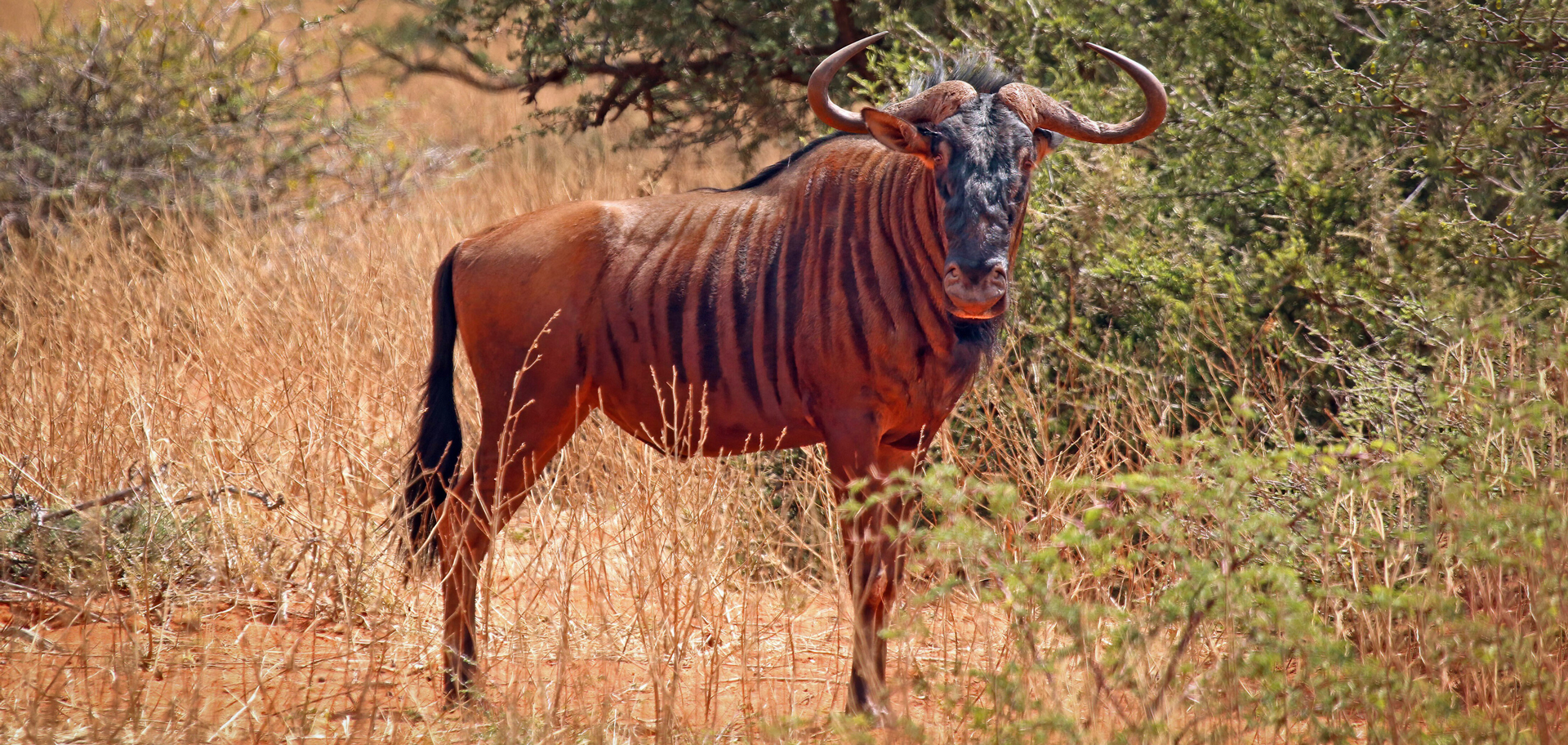
Tswalu Kalahari Reserve is the largest private reserve in South Africa, covering more than 460 square miles. Located on the edge of the southern Kalahari, it’s home to African wild dogs, black-maned lions, brown hyenas, cheetahs, giraffes, kudu, oryx, rhinos, zebras and blue wildebeests, such as this one. ©Charles J. Sharp, Wikimedia Commons
From this analysis, nine key footprint features were selected and tested against previously unseen images and sets of tracks. Across all trials, the system correctly identified the species 94% to 96% of the time.
The results show that footprint analysis can, indeed, offer an affordable, noninvasive and simple way to confirm species presence and track changes in a population’s geographic range and size. The research team plans to expand the approach to other species by training new models with additional datasets. They also hope to compare footprint analysis with other noninvasive monitoring techniques to see how different tools can work together.
Small mammals exist in almost every ecosystem on the planet, and this technology is flexible enough to adapt to all of them, state the researchers in their study, which was published in the journal Frontiers in Ecology and Evolution in January 2026. Their two goals for the research were achieved: to find a better, more ethical and more scientifically robust way to monitor even the tiniest species and to provide a broad and reliable metric for ecosystem integrity that can be applied regularly and routinely. This, they say, is a new pulse on the planet.
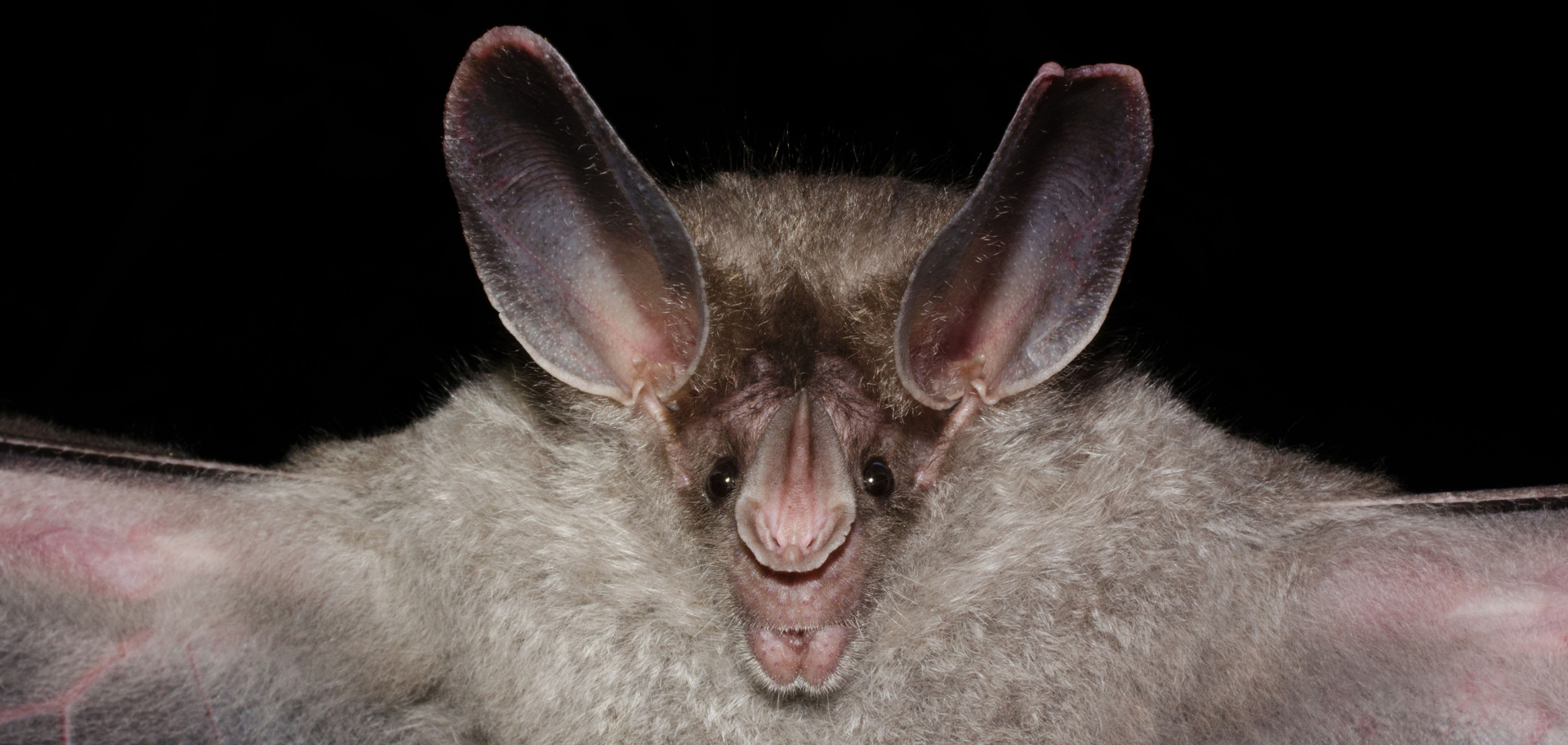
Out of nearly 1,500 bat species, only nine are considered true carnivores—such as this big-eared woolly bat (“Chrotopterus auritus”)—who meet more than half of their energy needs by eating vertebrates such as birds, frogs or even small mammals.
Tiny mammals hunt better than big predators
In most animals, size determines how they hunt. Big predators like lions and polar bears can afford to pursue large, energy-rich prey because their greater energy stores and slower metabolisms let them endure repeated failed hunts. Small predators, in contrast, burn energy quickly and must eat often, so they typically focus on smaller, plentiful prey that are easier to catch.
Yet a handful of bat species break this rule. Nine known types of bats are true carnivores, meeting more than half of their energy needs by eating vertebrates, such as birds, frogs or even small mammals. This raises an important question: how can such small creatures with limited energy reserves survive by hunting relatively large and rare prey, a tactic that usually requires tremendous effort and frequent failure?
To explore this mystery, researchers from Denmark’s Aarhus University and the Smithsonian Tropical Research Institute studied fringe-lipped bats, tiny meat-eaters native to Panama’s forests that are known to favor tungara frogs. To observe how these bats hunt in their natural environments, scientists fitted 20 individuals with miniature “backpacks.” These biologging devices tracked all their moves and captured in high-resolution the sounds around them, offering detailed views of their nocturnal behaviors and reconstructions of their entire hunting sequences in the wild.
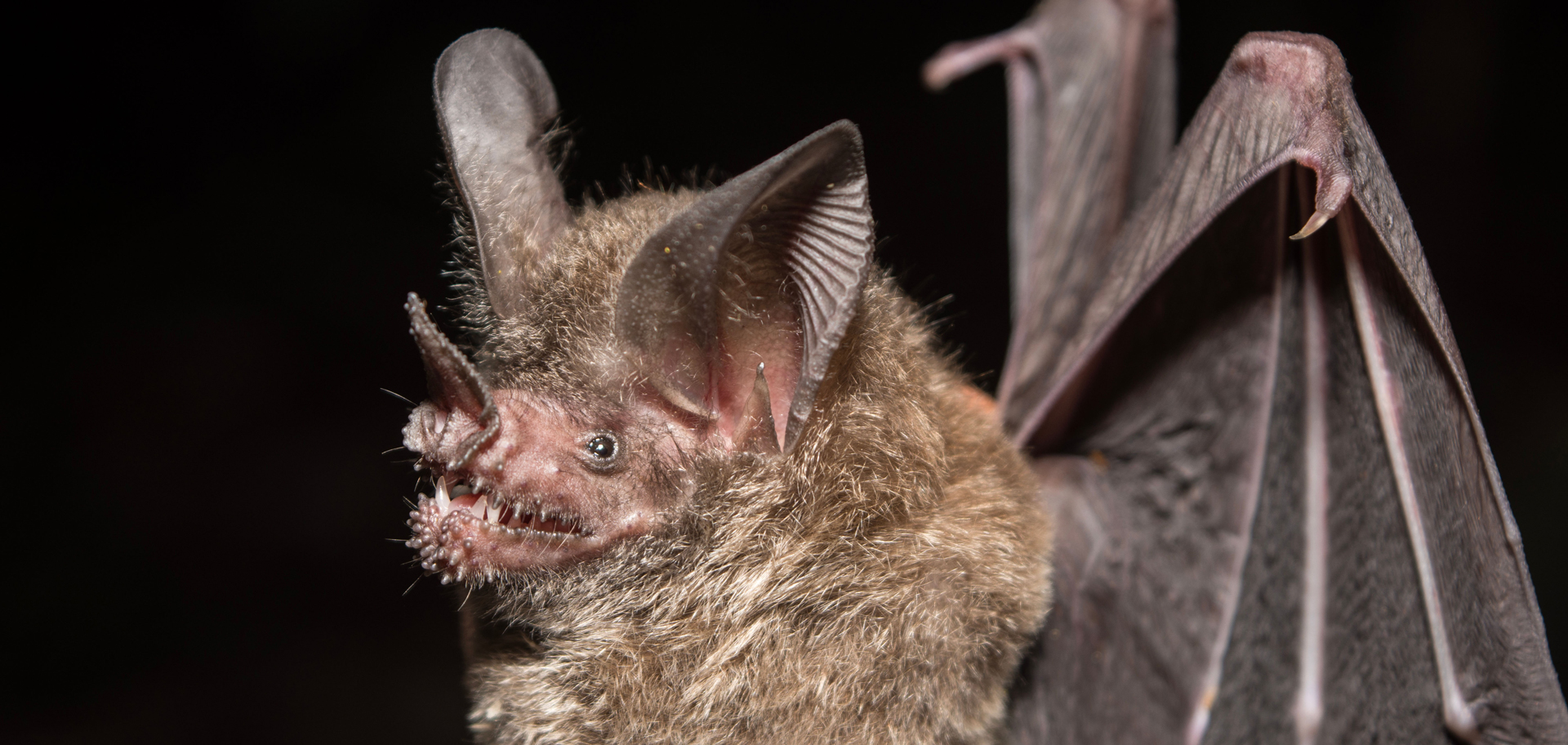
Fringe-lipped bats can rival lions in hunting efficiency—and sometimes even surpass them. Instead of spending the night constantly on the wing, they wait patiently, strike with high precision and sometimes end up catching enormous, energy-rich prey, turning scientists’ assumptions upside down.
The scientists expected the recordings to show many quick captures of the frogs. Instead, they revealed a surprising finding: the fringe-lipped bats behaved more like big cats than other bats. They used a patient “hang-and-wait” strategy; they remained motionless for long periods, waiting to ambush unsuspecting prey. When they struck, their attacks were precise and swift.
Movement and sound data showed that the bats used a combination of an exceptionally acute sense of hearing, echolocation and sight. Their ability to detect low-frequency sounds helps them eavesdrop on the mating calls of frogs. This sensory mix lets them locate and capture large prey with remarkable accuracy. According to the study, published in the journal Current Biology in November 2025, a single bat can consume nearly its own body weight (one ounce) in one meal, placing it among the most energy-efficient predators known.
After a successful hunt, the bats often rested for much of the night, just as leopards and lions do after a big meal. During the study, the bats spent about 89% of their time resting to conserve energy. When they did take flight, their attacks were brief—most lasted under three minutes, and the average hunting flight was just eight seconds. Their success rate was extraordinary: they prevailed in roughly 50% of their hunts, far exceeding the success rates of large mammals such as lions (about 14%) or polar bears (as low as 2%).
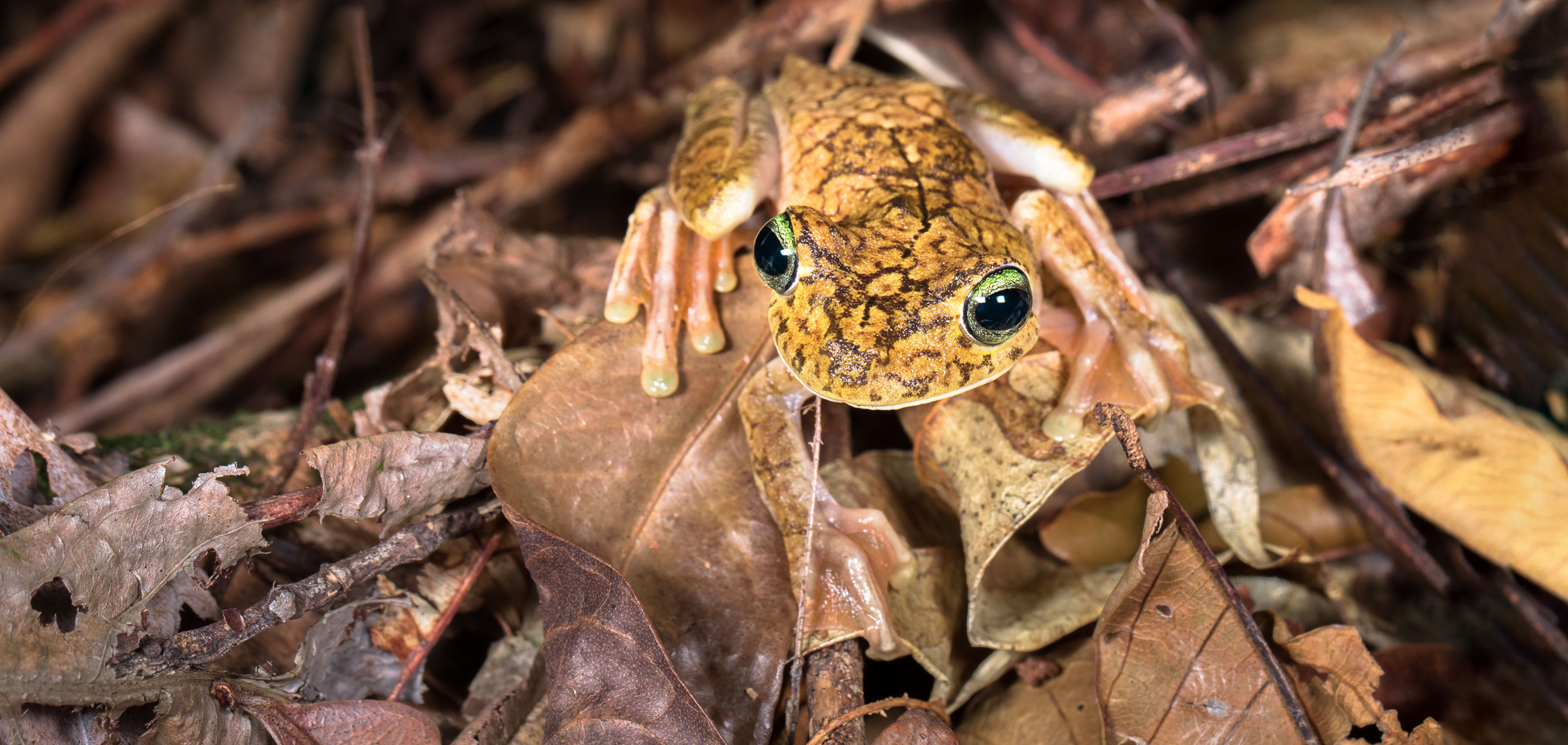
Rosenberg’s gladiator tree frog is one of Panama’s largest amphibians, measuring 2.7 to 3.5 inches in length. The “gladiator” in the frog’s name comes from the sharp spikes on its front feet and combative behavior during reproduction.
The prey these bats caught were larger than scientists anticipated, averaging about 7% of the bat’s own body weight. That’s like a 154-pound person eating an 11-pound meal. Some even captured prey nearly their own size, including the huge Rosenberg’s gladiator tree frog, which can weigh up to 0.7 ounces. The researchers estimated prey size by measuring how long the bats spent chewing on it; the longest meal recorded lasted 84 minutes.
Older bats proved especially adept at handling bigger prey, suggesting that hunting skills improve with practice. These bats are already known for their long memories of specific frog calls and their abilities to learn new tactics by watching others. Now, the bats are revealing a hidden world of patience, precision and survival in the dark.
Pint-size hedgehogs hear ultrasound
The European hedgehog (Erinaceus europaeus) is one of Europe’s most familiar wild mammals, yet its numbers have been falling sharply. In 2024, the International Union for Conservation of Nature reclassified the species as “near threatened.” Road traffic is a major contributor to these losses, with vehicle collisions estimated to kill as many as one in three hedgehogs in some local populations.
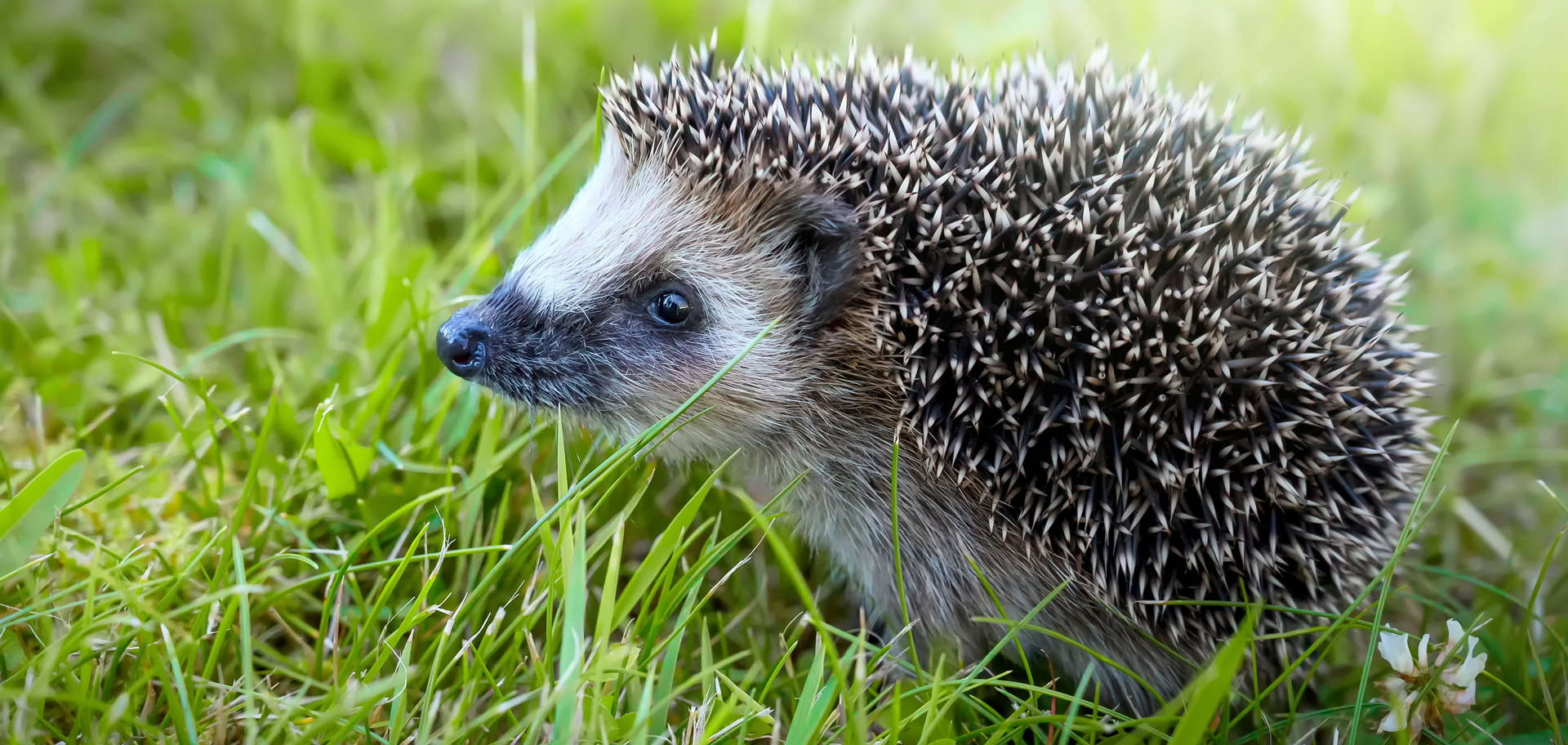
The hedgehog is one of Europe’s most familiar wild mammals, yet its numbers have been falling sharply. In 2024, the International Union for the Conservation of Nature reclassified the species as “near threatened.” Vehicle collisions are a major contributor to these losses, with estimates as high as one in three hedgehogs in some locales.
Now, scientists at England’s University of Oxford say that ultrasonic sound devices might one day help reduce the number of hedgehogs killed by cars. Their idea stems from their new research, published in March 2026 in the journal Biology Letters, that shows for the first time that hedgehogs are capable of hearing high-frequency ultrasound.
To investigate hedgehog hearing, the University of Oxford team worked with collaborators in Denmark to measure the auditory brain-stem responses of 20 rehabilitated hedgehogs from Danish wildlife rescue centers. This technique records electrical activity between the inner ear and the brain using small electrodes placed on the animals, while short bursts of sound are played through a small loudspeaker. The measurements showed that the hedgehogs’ brain stems responded to sounds ranging from four to 85 kilohertz (kHz), with their strongest sensitivity around 40 kHz. This confirms that hedgehogs can detect ultrasonic sounds (which start at frequencies greater than 20 kHz) and can hear frequencies up to at least 85 kHz. After the experiments, a veterinarian checked the animals, and they were returned to the wild the following night.
The researchers also used high-resolution, micro-CT scans to examine the ear of a deceased hedgehog (which had been euthanized after being critically injured by a rat trap). Using these scans, the team created a detailed, interactive, 3D model of the hedgehog ear that revealed previously unknown features.
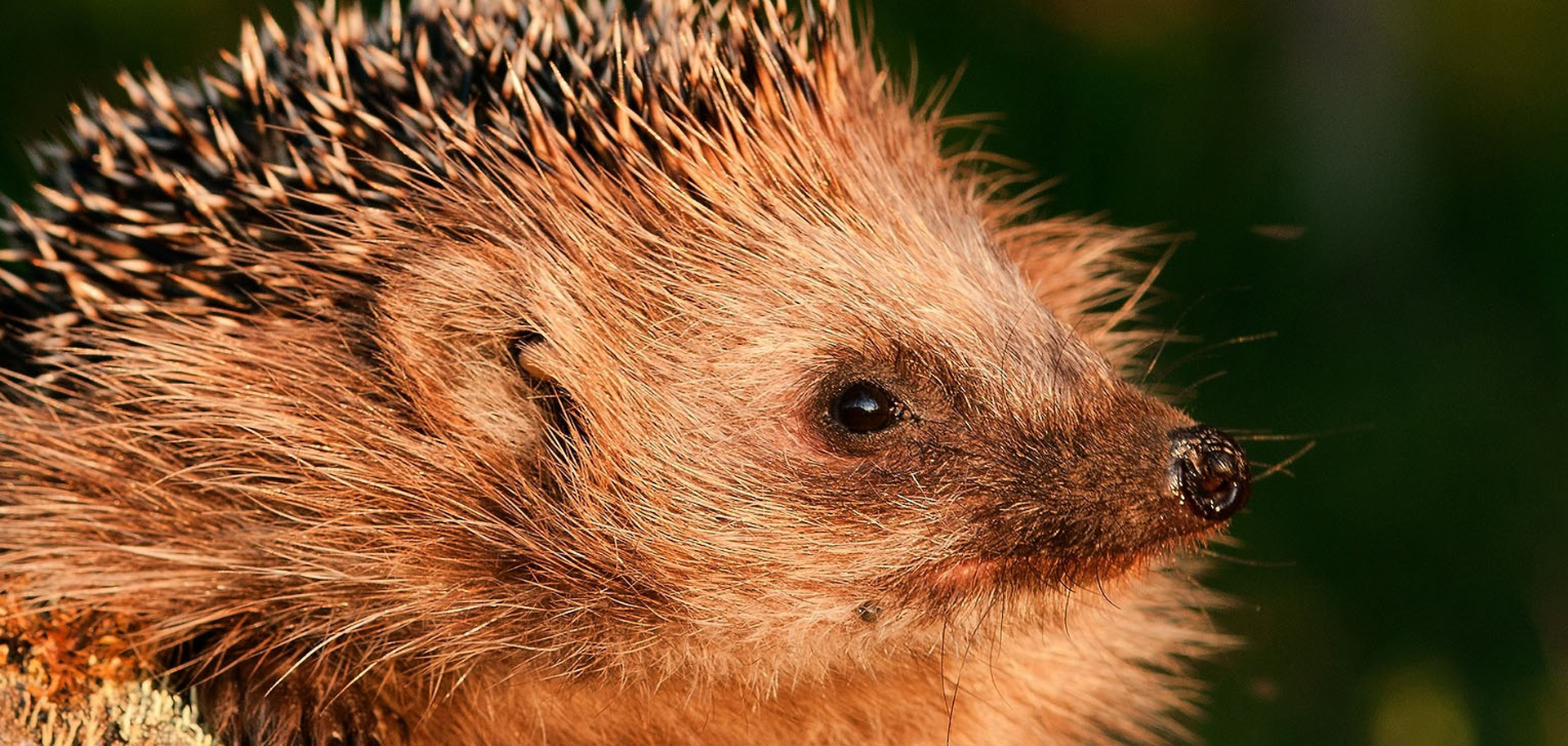
European hedgehogs have short, stubby ears that are typically concealed under their fur, which provides protection when the animals are navigating through undergrowth. It was recently discovered that European hedgehogs can hear ultrasound, which starts at frequencies above 20 kHz.
The model showed that hedgehogs possess very small, dense, middle-ear bones along with a partially fused joint between the eardrum and the first of these bones. This arrangement stiffens the chain of bones and allows it to transmit very high-pitched sounds more efficiently, a characteristic often seen in animals such as echolocating bats that can detect ultrasound.
The scans also showed that hedgehogs have a small stapes (the smallest middle-ear bone that connects the chain of ear bones to the inner ear’s fluid-filled cochlea). Because a smaller and lighter stapes can vibrate more rapidly, it can transfer high-frequency sound waves more effectively. Researchers also found that the cochlea itself was relatively short and compact, which helps it process ultrasonic vibrations.
Taken together, these findings indicate that ultrasonic repellents could potentially be designed so hedgehogs can hear them while humans and pets cannot. (Humans hear in the range of 0.02 to 20 kHz, dogs in the range of 0.06 to 45 kHz and cats in the range of 0.04 to 65 kHz.) If future research confirms that such devices are effective, they could be used to keep hedgehogs away from roads, as well as other dangers like robotic lawn mowers and garden trimmers.
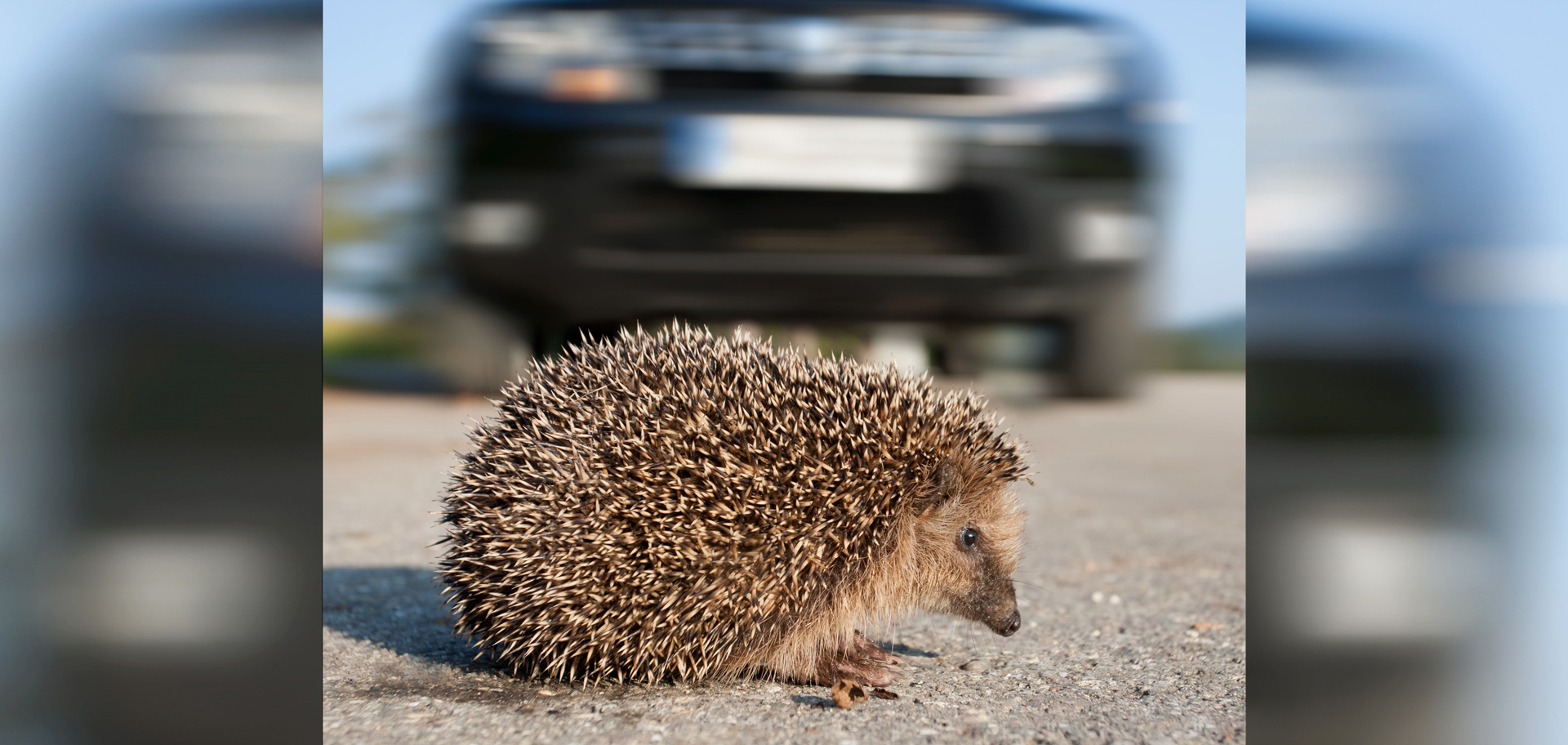
Since hedgehogs can hear ultrasound, the next stage will be to find car industry collaborators who can design and fund automobile sound repellents. If it proves possible to manufacture effective devices that keep hedgehogs away from cars, it could make a significant impact in turning around the declining numbers of European hedgehogs.
These novel results, conclude the researchers, reveal that European hedgehogs are designed to perceive a broad ultrasonic range. It’s especially exciting, they state, when research motivated by conservation leads to a fundamental new discovery about an animal’s biology which, in turn, offers a new avenue for conservation. A fascinating question now is whether the hedgehogs use ultrasound to communicate with each other or to detect prey—something that’s already under investigation.
Meetings of the minuscule make great things
Small mammals, including little herbivores, rodents and shrews, are crucial ecosystem engineers and ecological indicators. They play a vital role by aerating soil through burrowing, dispersing seeds, pollinating plants and serving as a fundamental food source for predators. Their rapid response to environmental shifts makes them valuable indicators of habitat health.
In a big way, though, they also help scientists develop a more ethical way to monitor species; have just as much moxie as charismatic, iconic and large mammals; and can teach us much about how to safeguard them, enhancing the planet’s biodiversity and health. And although I’m pretty sure he didn’t mean it in this context, the 19th-century, Dutch artist Vincent Van Gogh’s words are apropos: “Great things are done by a series of small things brought together.”
Here’s to finding your true places and natural habitats,
Candy