

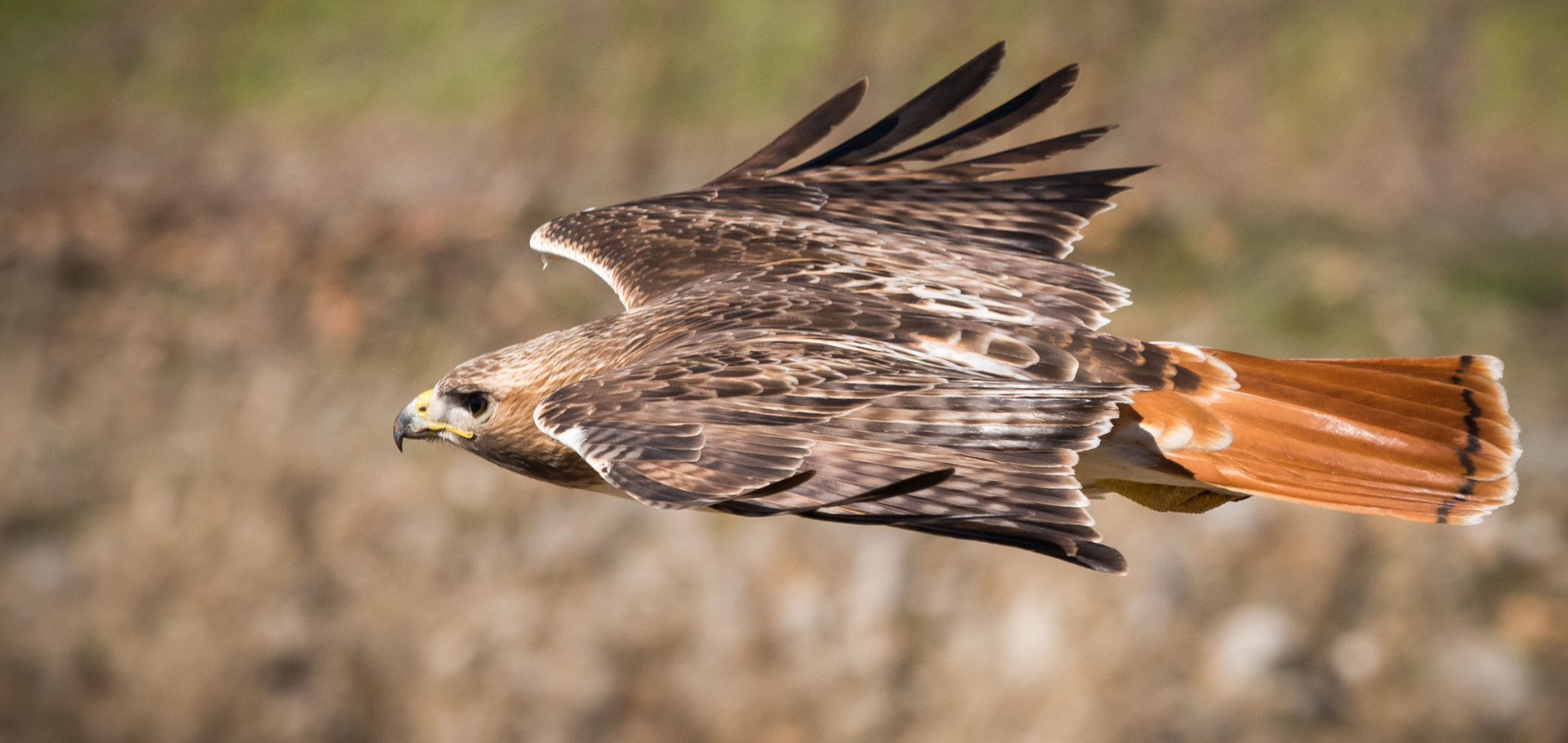
Biodiversity is not evenly distributed; rather, it is highly concentrated in groups that rapidly expanded, often sparked by innovations such as flight.
From birds to flowers, the majority of the Earth’s species stem from a few evolutionary “explosions,” where new habitats or traits sparked rapid diversification. These bursts, in fact, explain most of the planet’s biodiversity.
Some of those new habitats were ignited by glaciers. Massive, ancient glaciers acted like giant bulldozers, reshaping Earth’s surface and paving the way for complex life to flourish. Recently, by chemically analyzing crystals in ancient rocks, researchers discovered that as the glaciers carved through the landscape, they scraped deep into the Earth’s crust, releasing key minerals that altered ocean chemistry. This process had a profound impact on our planet’s composition, creating conditions that allowed complex life to evolve.
Today, glaciers continue to shape life on Earth. NASA-backed simulations reveal that meltwater from Greenland’s Jakobshavn Glacier lifts deep-ocean nutrients to the surface, sparking large, summer blooms of phytoplankton that feed the Arctic food web. Oceanographers are keen to understand what drives the tiny, plantlike organisms, which take up carbon dioxide and power the world’s fisheries.

Flowering plants (angiosperms) make up about 85% of all plant species on Earth. Flowers, grasses, trees and most of our food crops are flowering plants.
Explosive bursts of evolution: how most of Earth’s species came about
The British evolutionary biologist J.B.S. Haldane is rumored to have quipped that any divine being evidently had “an inordinate fondness for beetles.” This witticism conveyed an important truth: the “tree of life”—the family tree of all species, living or extinct—is very uneven. In places, it resembles a dense thicket of short twigs; elsewhere, it has only sparse but long branches. A few groups tend to predominate; as Haldane pointed out, more than 40% of living insects are beetles, 60% of birds are passerines and more than 85% of plants are flowering ones.
But is such a concentration of species within a few exceptionally large groups a universal phenomenon of life on Earth? This question, important for our understanding of ecology and evolution, has long been the subject of controversy among biologists. But until recently, it was difficult to answer due to our poor knowledge about the number of species in existence, their evolutionary relationships and the age of each group. Now, however, scientists at the University of Arizona and the University of California, Riverside have finally provided an answer, which was published in the journal Frontiers in Ecology and Evolution in August 2025. Most living species do, indeed, belong to a limited number of “rapid radiations”; that is, they form groups with many species which evolved in a relatively short period of time.
Specifically, say the researchers, when analyzing the distribution of species richness and diversification rates across clades—groups of species that each evolved from a single ancestor, such as a family, class or phylum—they found that in each case more than 80% of known species belonged to the minority of groups with exceptionally high rates of species diversification.

Sixty percent of all birds are passerines, also known as perching birds. They’re characterized by their three forward-pointing and one backward-pointing toes, which allow them to grasp branches. This diverse group includes crows, robins, sparrows, starlings, warblers, wrens—and jays, like this blue jay.
They focused on 10 phyla, 140 orders and 678 families of land plants, jointly spanning more than 300,000 species; 31 orders and 870 families of insects, encompassing more than 1 million known species; 12 classes of vertebrates, encompassing more than 66,000 species; and 28 phyla and 1,710 families of animals with more than 1.5 million species. Finally, they analyzed 17 kingdoms and 2,545 families across all of life, including more than 2 million species. They examined the data on each clade’s species age, richness and estimated diversification rate, or the accumulation of new species over time.
The results were clear and consistent: irrespective of hierarchical level or group of organisms, most existing species proved to be restricted to a few disproportionately large clades with higher-than-average diversification rates. Rapid radiations of species are thought to occur when a new ecological niche opens up: for example, when a flock of grassquit birds dispersed from Central America to the virgin territory of the Galapagos Islands approximately 2.5 million years ago to diversify into the famous Darwin’s finches or when an evolutionary innovation like powered flight prompted the radiation of bats 50 million years ago.
The scientists state that their results imply that most of life’s diversity is explained by such relatively rapid radiations. The key traits that might explain these rapid radiations include multicellularity in animals, fungi and plants across the kingdoms of life; the invasion of land and the adoption of a plant-based diet in arthropods among animal phyla; and the emergence of flowers and insect pollination in flowering plants among plant phyla.
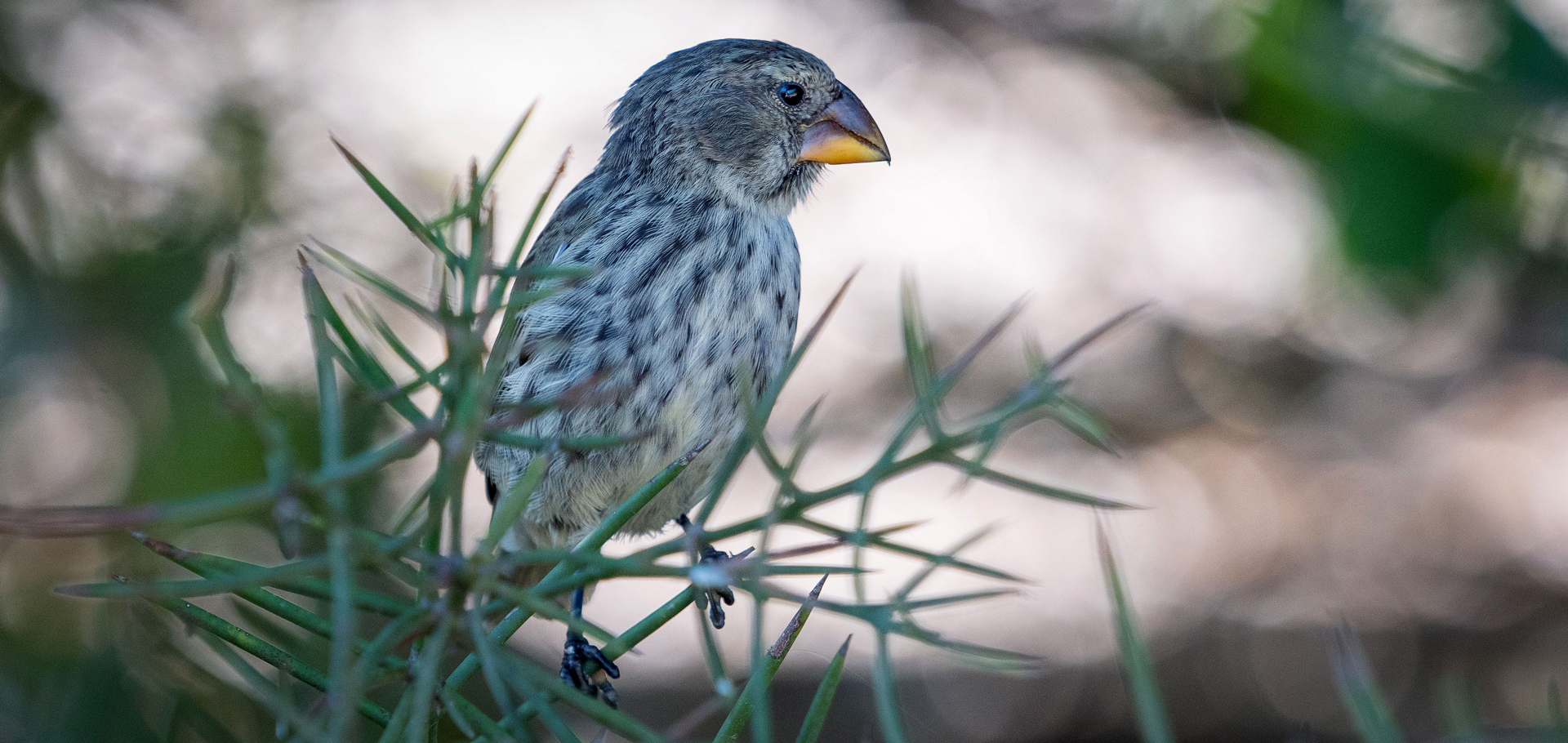
Approximately 2.5 million years ago in a “rapid radiation,” a flock of grassquits dispersed from Central America to the Galapagos Islands to diversify into the famous Darwin’s finches, such as this one.
However, one “known unknown” remains: the distribution of species within the bacteria kingdom. Approximately 10,000 species of bacteria are known, but current estimates for the true number range from millions to trillions. However, the origin of bacteria dates to 3.5 billion years ago, and so the overall diversification rate among them is actually quite low.
If true bacterial richness is much higher than the described richness for other groups, then a clade with low diversification rates (namely, bacteria) would contain the majority of species across life, and this would be in stark contrast to these results. Therefore, the results apply primarily to known species diversity, conclude the study’s authors.
Giant ice bulldozers: how ancient glaciers helped life explode
Glaciers most likely had a hand in the explosive bursts that caused huge leaps in evolution. The ice giants acted like gargantuan bulldozers, giving the Earth’s surface a new form and rolling out the way for complex life to thrive, according to researchers at Australia’s Curtain University, England’s University of Portsmouth and St. Francis Xavier University in Nova Scotia, Canada.
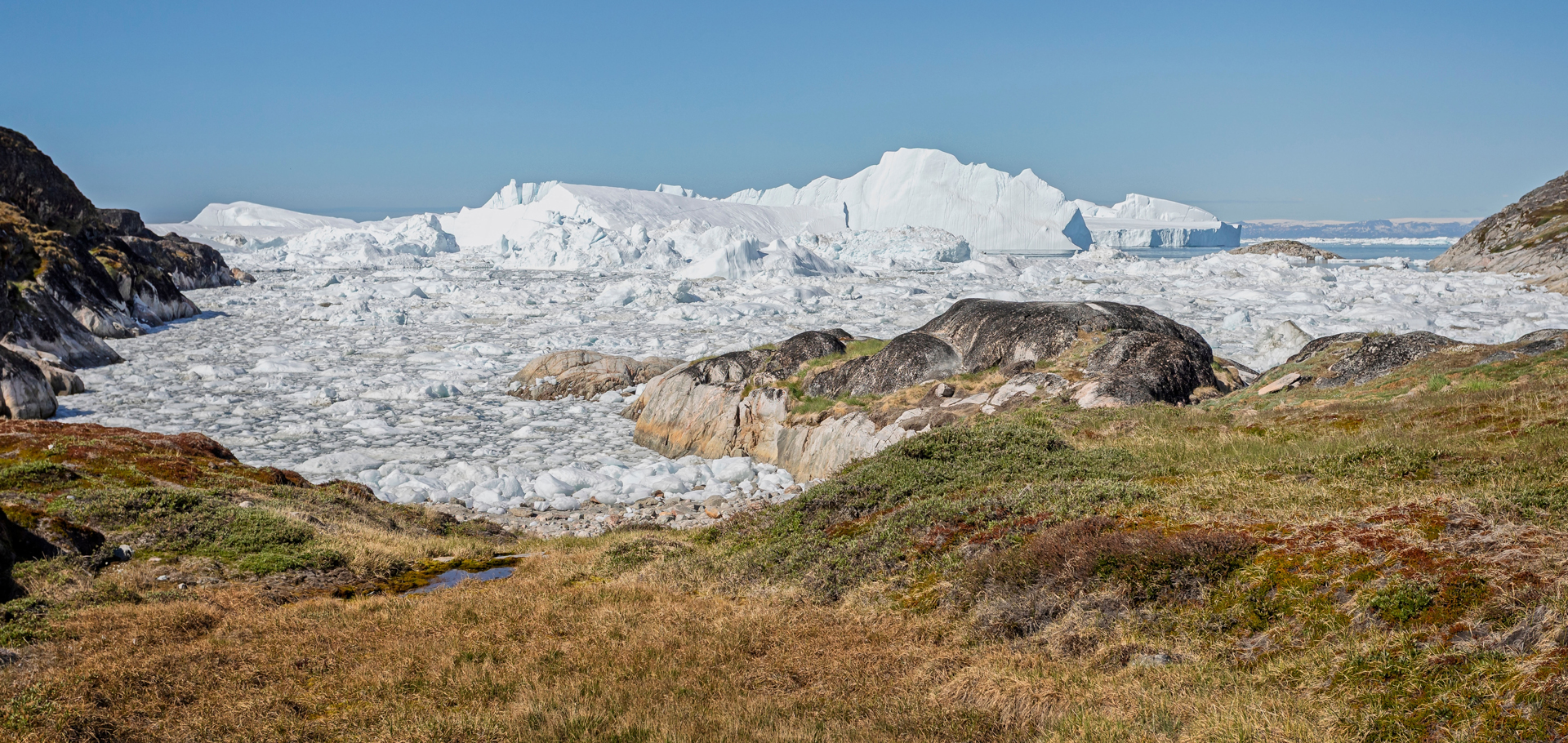
Ancient glaciers acted like giant bulldozers, breaking down rocks and releasing minerals into the oceans, altering the water’s chemistry and setting the stage for more complex life to evolve.
As glaciers pressed their way across the landscape, they ground into the Earth’s crust, releasing key minerals. When the enormous ice sheets melted, they resulted in huge floods that washed the minerals and their chemicals—including uranium—into the oceans. That changed ocean chemistry, creating new conditions that encouraged the formation of complex life.
This study highlights how Earth’s atmosphere, climate, lands and oceans are intimately connected—where even ancient glacial activity set off chemical chain reactions that reshaped the planet—and offers a new perspective on modern climate change, showing how past shifts in Earth’s climate triggered large-scale environmental transformations. It’s also a stark reminder that while Earth itself will endure, the conditions that make it habitable can change dramatically.
Greenland’s glacial runoff: how eruptions of ocean life were powered
Greenland’s mile-thick ice sheet is shedding some 293 billion tons of ice per year. During peak summer melt, more than 300,000 gallons of fresh water drain into the sea every second from beneath the Jakobshavn Glacier, the most active glacier on the ice sheet. The waters meet and tumble hundreds of feet below the surface.
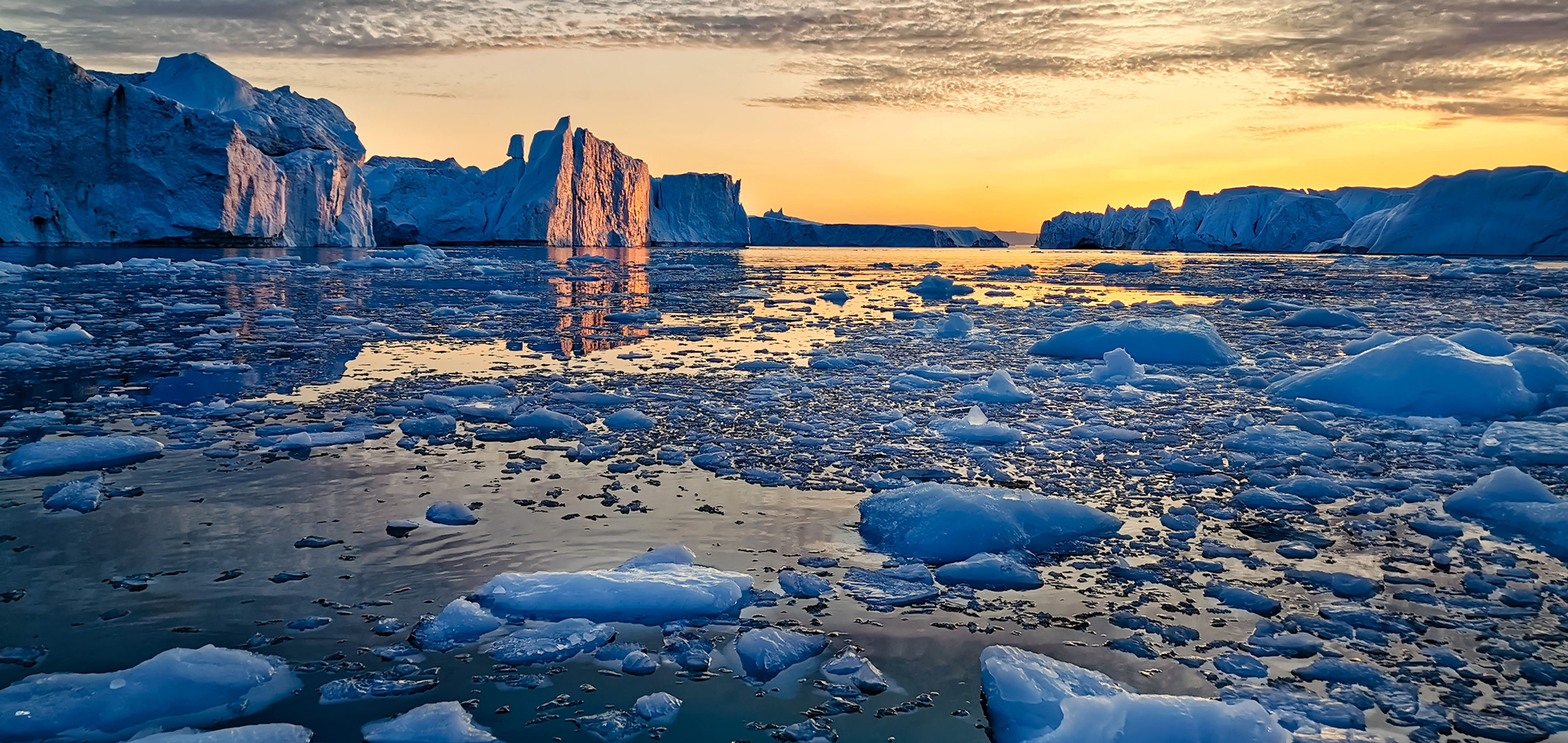
From beneath the most active glacier on the Greenland ice sheet—the Jakobshavn Glacier, also known as the Ilulissat Glacier (or in Greenlandic, “Sermeq Kujalleq”)—during the peak summer melt, more than 300,000 gallons of fresh water drain into the sea every second.
Because the meltwater plume is fresh, it’s more buoyant than the surrounding salt water. As it rises, scientists have hypothesized, it may be delivering nutrients like iron and nitrate—a key ingredient in fertilizer—to phytoplankton floating at the surface.
Researchers track these microscopic organisms because, though smaller by far than a pinhead, they’re titans of the ocean food web. Inhabiting every ocean from the tropics to the polar regions, they nourish krill and other grazers that, in turn, support larger animals, including fish and whales.
Previous work using NASA satellite data found that the rate of phytoplankton growth in Arctic waters surged 57% between 1998 and 2018 alone. An infusion of nitrate from the depths would be especially pivotal to Greenland’s phytoplankton in summer, after most nutrients have been consumed by prior spring blooms. But the hypothesis has been hard to test along the coast, where the remote terrain and icebergs as big as city blocks complicate long-term observations.
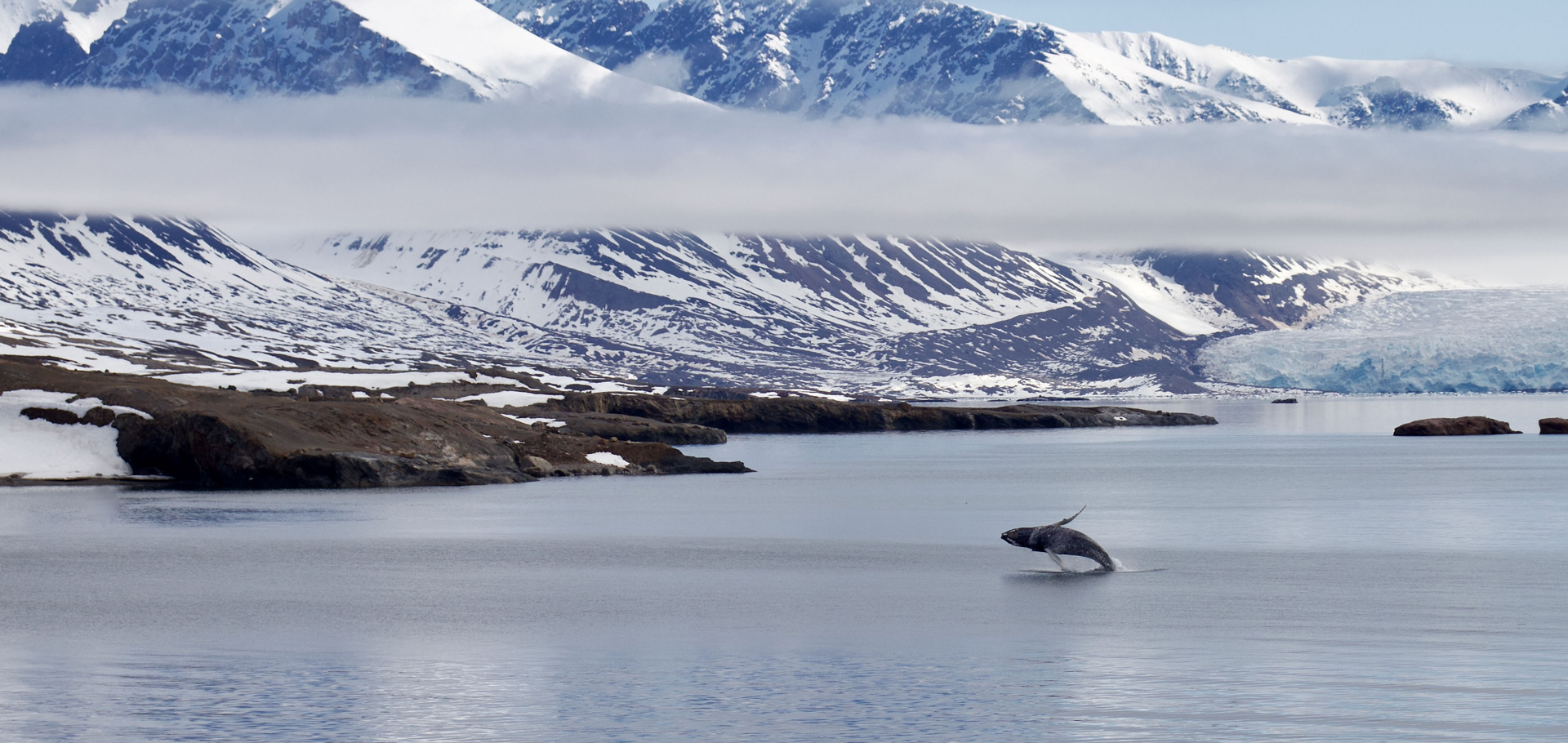
As Greenland’s ice retreats, it fuels tiny ocean organisms like phytoplankton, titans of the ocean food web. Phytoplankton nourish krill and other grazers that, in turn, support larger animals, such as whales.
Now, reporting in the journal Nature Communications: Earth and Environment in August 2025, scientists from California’s San Jose State University and NASA’s Jet Propulsion Laboratory (JPL) outline how they used state-of-the-art computers to simulate marine life and physics colliding in one turbulent fjord. To re-create what was happening in the waters around Greenland’s most active glacier, the team harnessed a model of the ocean developed at JPL and the Massachusetts Institute of Technology. The model ingests nearly all available ocean measurements collected by sea- and satellite-based instruments over the past three decades. That amounts to billions of data points, from water temperature and salinity to pressure at the seafloor.
But simulating biology, chemistry and physics coming together in even one pocket along Greenland’s 27,000 miles of coastline is a massive math problem. To break it down, the team built a “model within a model within a model” to zoom in on the details of the fjord at the foot of the glacier. Using supercomputers at NASA’s Ames Research Center in California’s Silicon Valley, they calculated that deepwater nutrients buoyed upward by glacial runoff would be sufficient to boost summertime phytoplankton growth by 15% to 40% in the study area.
Could increased phytoplankton be a boon for Greenland’s marine animals and fisheries? Unfortunately, untangling impacts to the ecosystem will take time. Melt on the Greenland ice sheet is projected to accelerate in coming decades, affecting everything from sea level and land vegetation to the saltiness of coastal waters. So, while what’s happening in one key system has been reconstructed, there’s more than 250 such glaciers around Greenland.
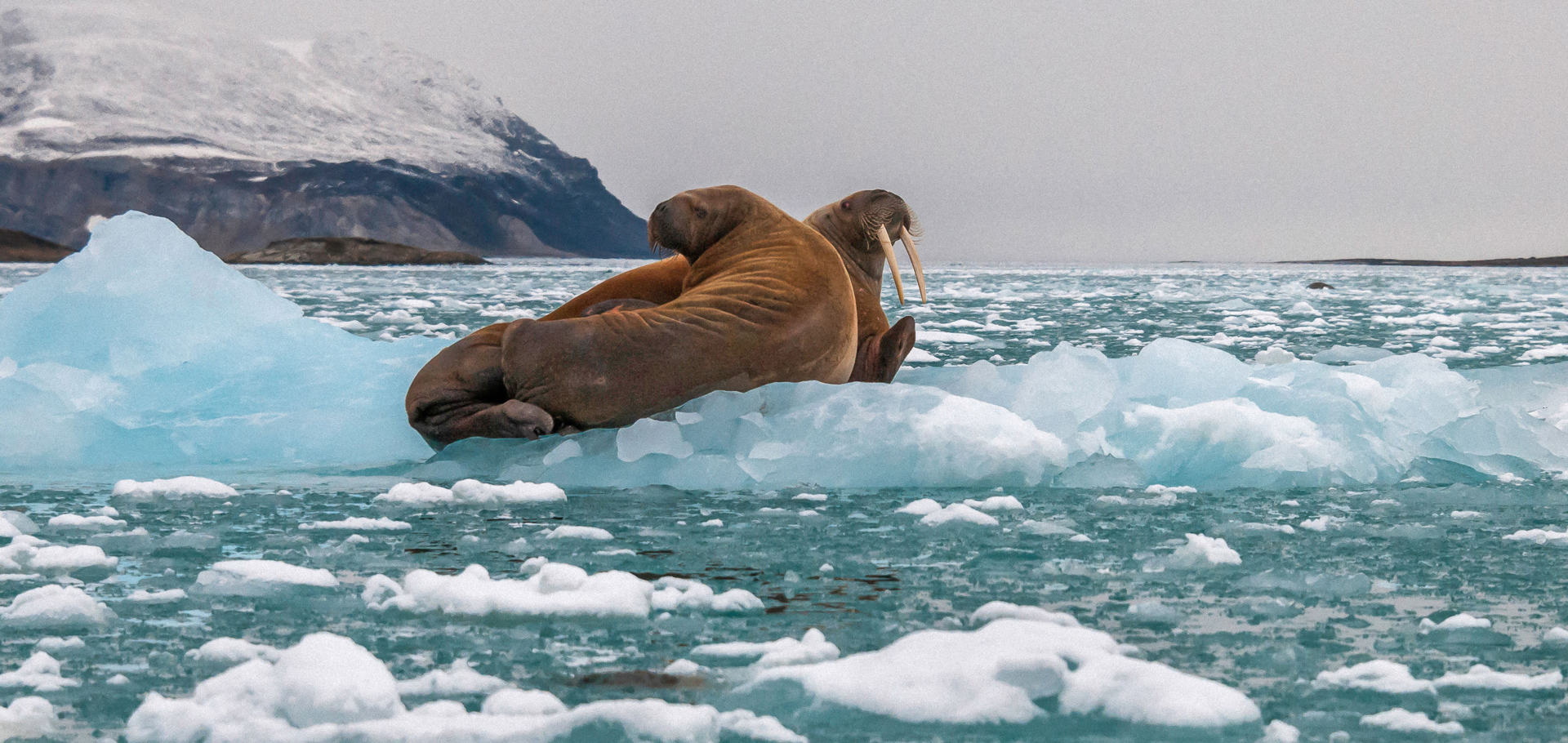
Greenland’s walruses also benefit from increased phytoplankton. Phytoplankton bloom, supporting zooplankton, which in turn are eaten by crustaceans, fish and other invertebrates that live on the seafloor. Walruses then consume these bottom-dwelling mollusks, such as clams and other shellfish.
Some changes appear to be impacting the carbon cycle both positively and negatively: the team calculated how runoff from the glacier alters the temperature and chemistry of seawater in the fjord, making it less able to dissolve carbon dioxide. That loss is canceled out, however, by the bigger blooms of phytoplankton taking up more carbon dioxide from the air as they photosynthesize.
The good news is that this approach is applicable to any region, from the Texas Gulf to Alaska. The researchers conclude that they plan to extend their simulations to the whole Greenland coast and beyond.
Punctuated equilibrium: how evolution’s gradualism got a partner
Life doesn’t pop up on the planet calmly and serenely, bit by bit. It explodes on the scene, in bursts. This theory, called “punctuated equilibrium,” was proposed back in 1972, when American evolutionary biologist, historian of science and paleontologist Stephen Jay Gould and American biologist and paleontologist Niles Eldredge argued that species remain largely unchanged for millions of years; and most changes occur in short, burst periods, often linked to environmental changes, mass extinctions or the creation of new habitats.
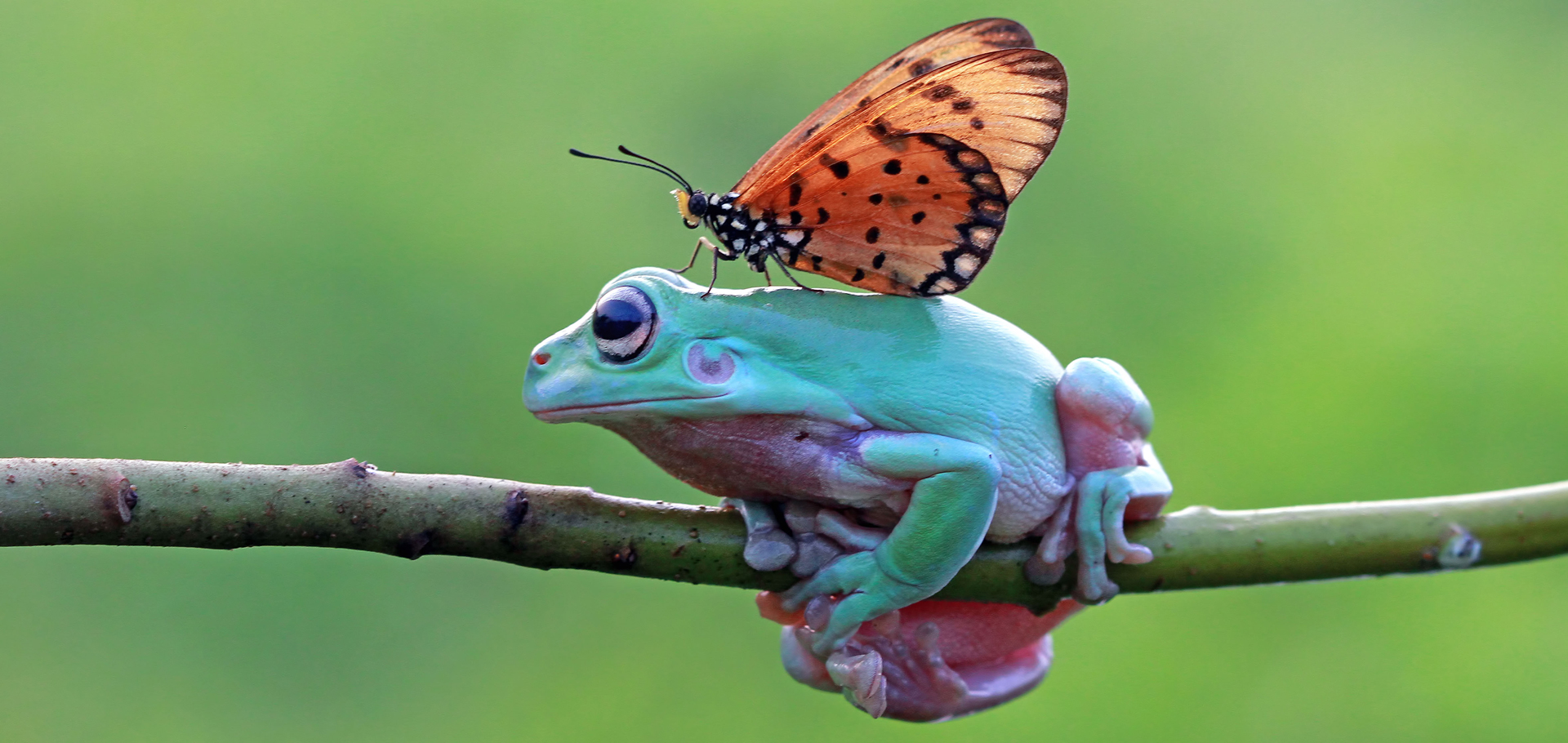
According to a theory called “punctuated equilibrium,” different forms of life don’t pop up on the planet calmly and serenely, bit by bit. They explode on the scene, in bursts. That could be a metaphor for human progress.
Punctuated equilibrium contrasts with “gradualism,” a model often associated with Charles Darwin’s initial view, which suggests that evolution proceeds slowly and continuously, with small changes accumulating over vast periods of time.
Both gradualism and punctuated equilibrium are valid, since the fossil record evidence indicates that both types of change have occurred throughout the history of life. And that could be seen as a metaphor for human experience, I think, as significant change and progress can happen in both ways: in sudden, intense moments and through quiet, incremental steps.
Here’s to finding your true places and natural habitats,
Candy