


Hearing is a crucial sensory system for humans and other animals, helping to locate food and enable communication—often over long distances. Hearing also allows animals to monitor their surroundings for danger, even when it’s behind them or in the dark. ©Martin Mecnarowski/Shutterstock.com
Because it’s so automatic, hearing is a sense that is often taken for granted. However, it’s a crucial sensory system for humans and other animals, acting as a primary tool for survival by detecting threats, locating food and enabling communication, often functioning even in darkness or over long distances. It allows for environmental awareness, social interaction and, in many species, is essential for finding mates. Hearing is, in essence, very often important for life.
So, how did we and other animals get our physical ears, and how did we start to hear? One recent study has uncovered the surprising evolutionary origin of the mammalian outer ear, linking it to the gills of ancient fish and marine invertebrates. Both structures are composed of elastic cartilage and share gene control elements that hint at their connection.
As for sensitive hearing, it may have evolved in mammal ancestors far earlier than scientists once believed. By modeling how sound moved through the skull of Thrinaxodon liorhinus, a 250-million-year-old mammal predecessor, researchers found that this animal likely used an early eardrum to hear airborne sounds. This challenges the long-held idea that mammal ancestors mainly “listened” through their bones or jaws.
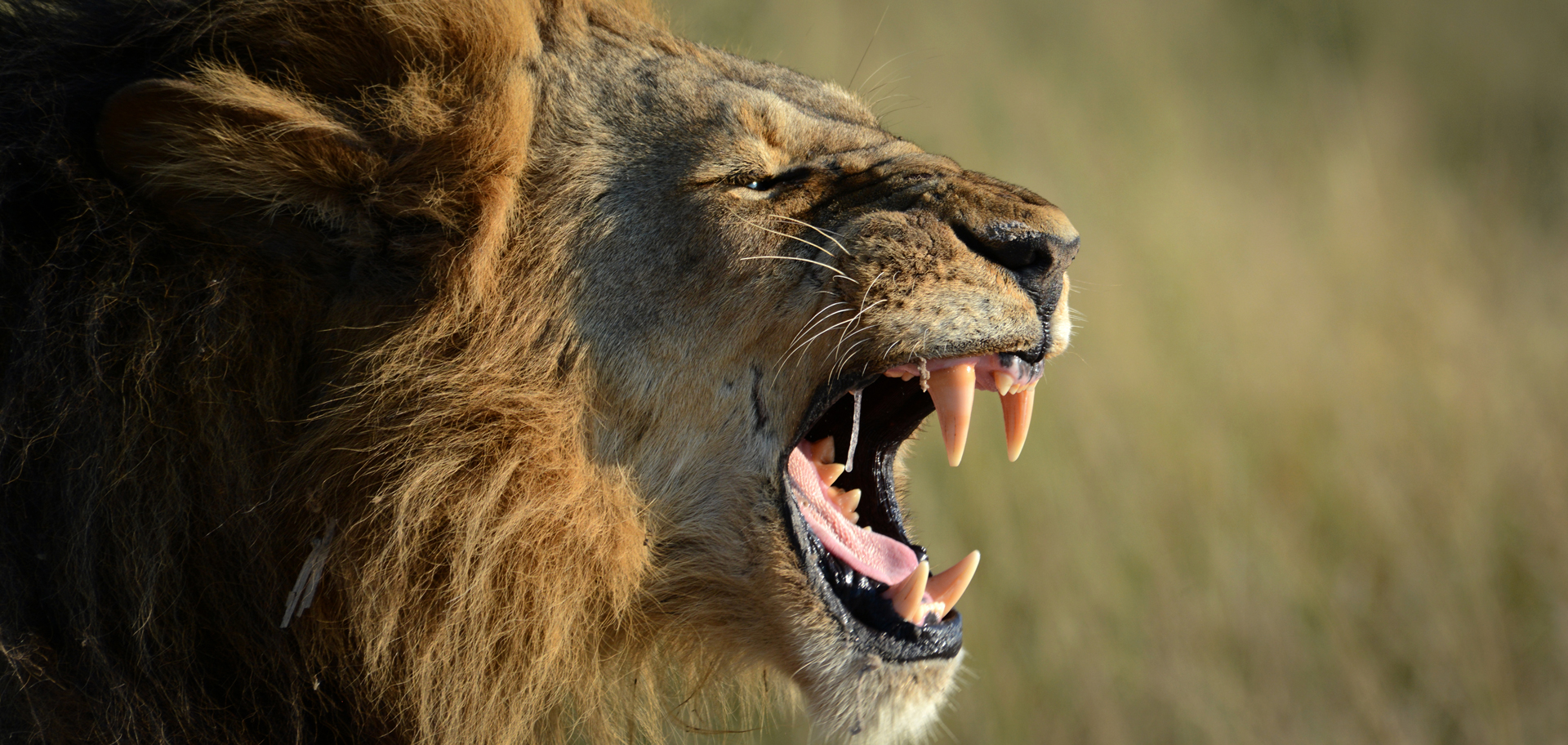
AI has revealed a new type of lion roar, offering a novel, powerful way to track individuals in the wild. This discovery could revolutionize wildlife monitoring as lion populations continue to decline. ©James Bloor Griffiths/Shutterstock.com
Today, one of the most iconic, natural sounds that we can hear is a lion’s full, throaty roar. Recently, however, scientists uncovered a surprising second type of lion roar by using the remarkable precision of artificial intelligence (AI) to decode vocal signatures. This breakthrough sheds new light on how lions communicate and offers a powerful new tool for conservationists racing to protect shrinking populations.
Fish gills: evolutionary origin of mammalian outer ears
Scientists have long known that outer ears are unique to mammals, but their evolutionary origin has remained a mystery. However, when studying the development and regeneration of the jawbones of fish, researchers at a stem-cell lab at the University of Southern California (USC) took inspiration from American paleontologist, evolutionary biologist and historian of science Stephen Jay Gould’s famous 1990 essay An Earful of Jaw, which laid out how fish jawbones transformed into the middle ear bones of mammals. This thesis made them wonder whether the cartilaginous outer ear may also have arisen from some ancestral fish structure.
The first clue toward cracking this mystery was the team’s discovery that gills and outer ears are both composed of a relatively rare tissue type: elastic cartilage. When the scientists had started the study, there was very little known about whether elastic cartilage existed outside of mammals or if fish had elastic cartilage or not. It turns out that they do.
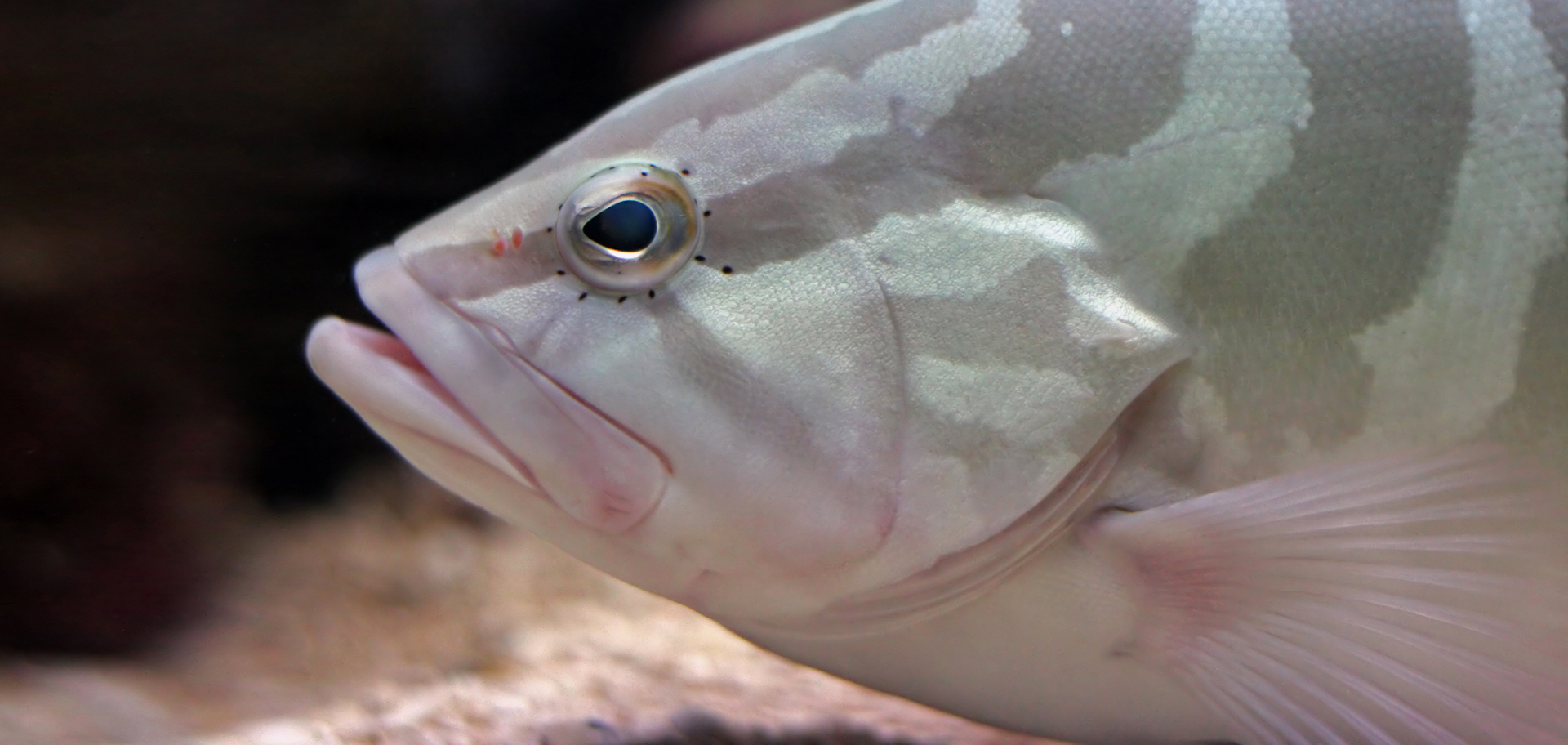
Recent research provides a new chapter in the evolution story of the mammalian ear. This intricate coil of cartilage has a surprisingly ancient origin in the gills of fish and marine invertebrates. ©Bill Kennedy/Shutterstock.com
Gills and outer ears look and function quite differently from one another. They also do not mineralize, which means they are rarely recovered in the fossil record. Therefore, a new type of approach was needed to determine if they were evolutionarily related. The USC team focused on gene control elements called “enhancers.” While the genes that these enhancers control are often involved in the development of many unrelated organs and tissues, enhancers tend to be much more tissue specific.
The scientists were able to incorporate enhancers that help form the elastic cartilage of the human outer ear into the genomes of zebrafish. Remarkably, the human outer ear enhancers were active specifically in the gills of the transgenic zebrafish. The scientists also succeeded in doing the experiment in reverse, creating transgenic mice with genomes incorporating zebrafish enhancers typically involved in the formation of the gills, and found them active in the outer ears of the mice. These enhancers were key in connecting structures that at first glance do not appear to be very similar.
With the help of some collaborators, the researchers then investigated whether the human outer ear and fish gill enhancers could be used to follow the evolution of gills into outer ears across intermediate species, such as amphibians and reptiles. They found that when either human ear or fish gill enhancers were incorporated into the genomes of tadpoles, the enhancers showed activity in their gills. However, when reptiles came on the scene, the elastic cartilage of gills moved to the ear canal, which the scientists demonstrated in a series of experiments with green anole lizards. This cartilage eventually became further elaborated to form the prominent outer ears of early mammals.

Green anole lizards are used in hearing research to study inner-ear regeneration, sound localization and to develop potential therapies for human deafness. These lizards use specific gene regulators to turn supporting cells into new sensory cells, a mechanism not active in mammals. ©Brad Boland/Shutterstock.com
An additional surprise was that the elastic cartilage of gills may have arisen much earlier than previously thought. Older reports had characterized cartilage-like tissue in the gills and tentacles of several marine invertebrates, including horseshoe crabs, which have changed very little since emerging close to 400 million years ago. The researchers performed DNA sequencing on individual cells of the horseshoe crab gills and discovered a crab enhancer that, when placed in the genome of zebrafish, had gill activity. This suggests that the very first elastic cartilage, similar to what is in our outer ears, may have first arisen in ancient marine invertebrates.
In the conclusion of their study, published in the journal Nature in January 2025, the researchers state that while the middle ear arose from fish jawbones, the outer ear arose from cartilaginous gills. By comparing how the same gene control elements can drive development of gills and outer ears, we now have a new method of revealing how structures can dramatically change during evolution to perform new and unexpected functions.
Ancient fossil: evolutionary origin of mammal hearing
One of the defining breakthroughs in mammal evolution was the rise of highly sensitive hearing. Modern mammals rely on a middle ear that includes an eardrum and several tiny bones, a system that makes it possible to detect a wide range of sounds at different volumes. This ability likely gave early mammals, many of which were active at night, a crucial edge as they navigated environments dominated by dinosaurs.
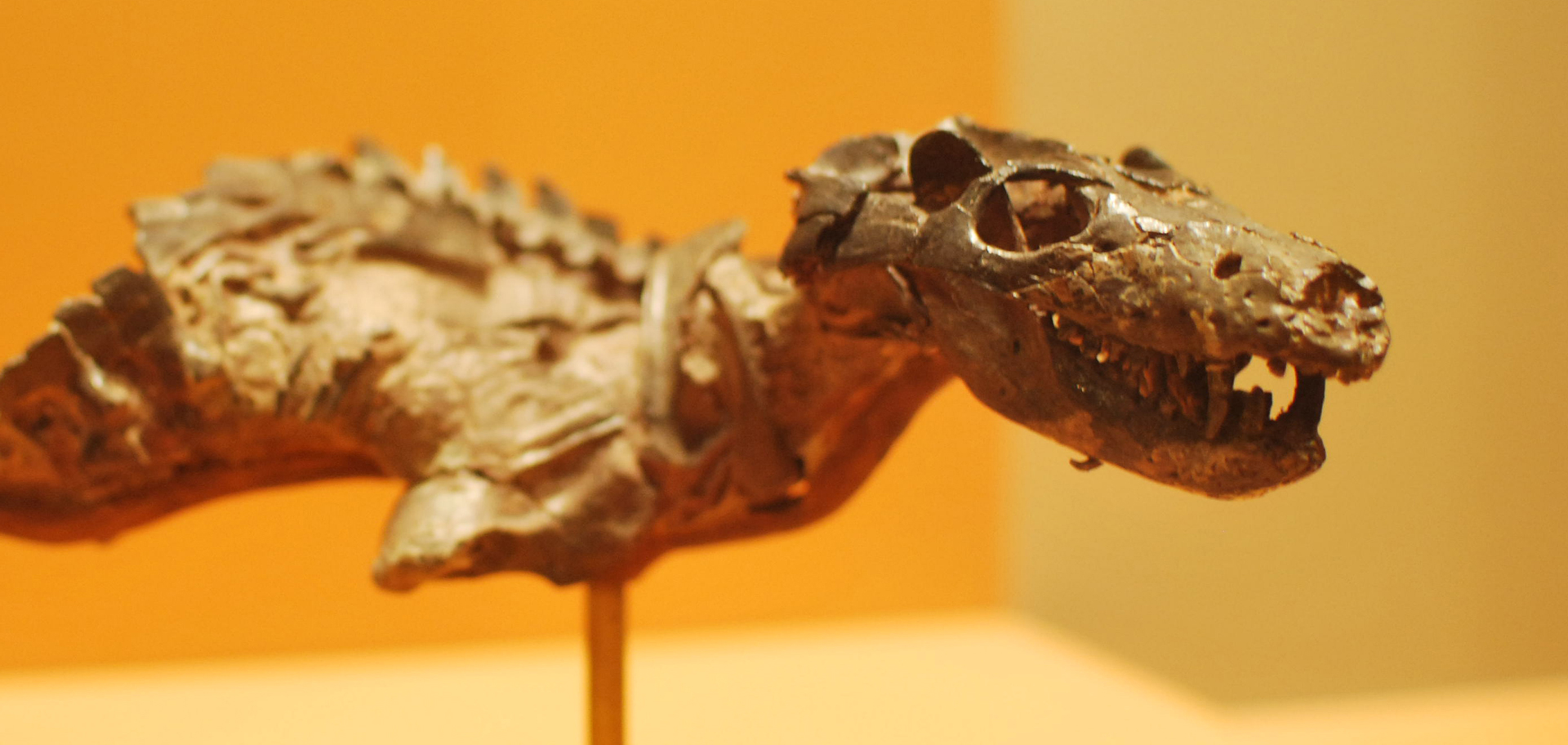
“Thrinaxodon liorhinus,” an animal from the early Triassic Period, shows a mix of reptile and mammal traits, and probably had an eardrum large enough to detect airborne sound efficiently. That pushes the origin of this trait back by nearly 50 million years. ©Karen Neoh, Wikimedia Commons
Now, paleontologists at The University of Chicago are suggesting that this advanced form of hearing appeared far earlier than scientists had thought. Using detailed CT scans of the skull and jaw of Thrinaxodon liorhinus, a mammal ancestor that lived about 250 million years ago, the researchers applied engineering-based simulations to test how sound would have traveled through its anatomy. Their results indicate that Thrinaxodon probably had an eardrum large enough to detect airborne sound efficiently, pushing the origin of this trait back by nearly 50 million years.
Thrinaxodon belonged to a group called cynodonts, animals from the early Triassic Period that show a mix of reptile and mammal traits. These included specialized teeth, changes in the diaphragm and palate that support more efficient breathing and metabolism, and likely features such as fur and warm-bloodedness. In early cynodonts, including Thrinaxodon, the ear bones (incus, malleus and stapes) were still connected to the jaw. Much later in evolution, these bones separated to form the distinct middle ear seen in modern mammals, a shift considered critical to improved hearing.
About 50 years ago, paleontologist Edgar Allin of the University of Illinois Chicago proposed that cynodonts like Thrinaxodon may have had a membrane stretched across a hooked part of the jawbone, serving as an early version of the mammalian eardrum. At the time, most researchers thought these animals primarily detected sound through bone conduction, called “jaw listening,” by placing their lower jaws against the ground to sense vibrations. Allin’s idea was intriguing, but there was no practical way to test whether such a membrane could actually transmit airborne sound.
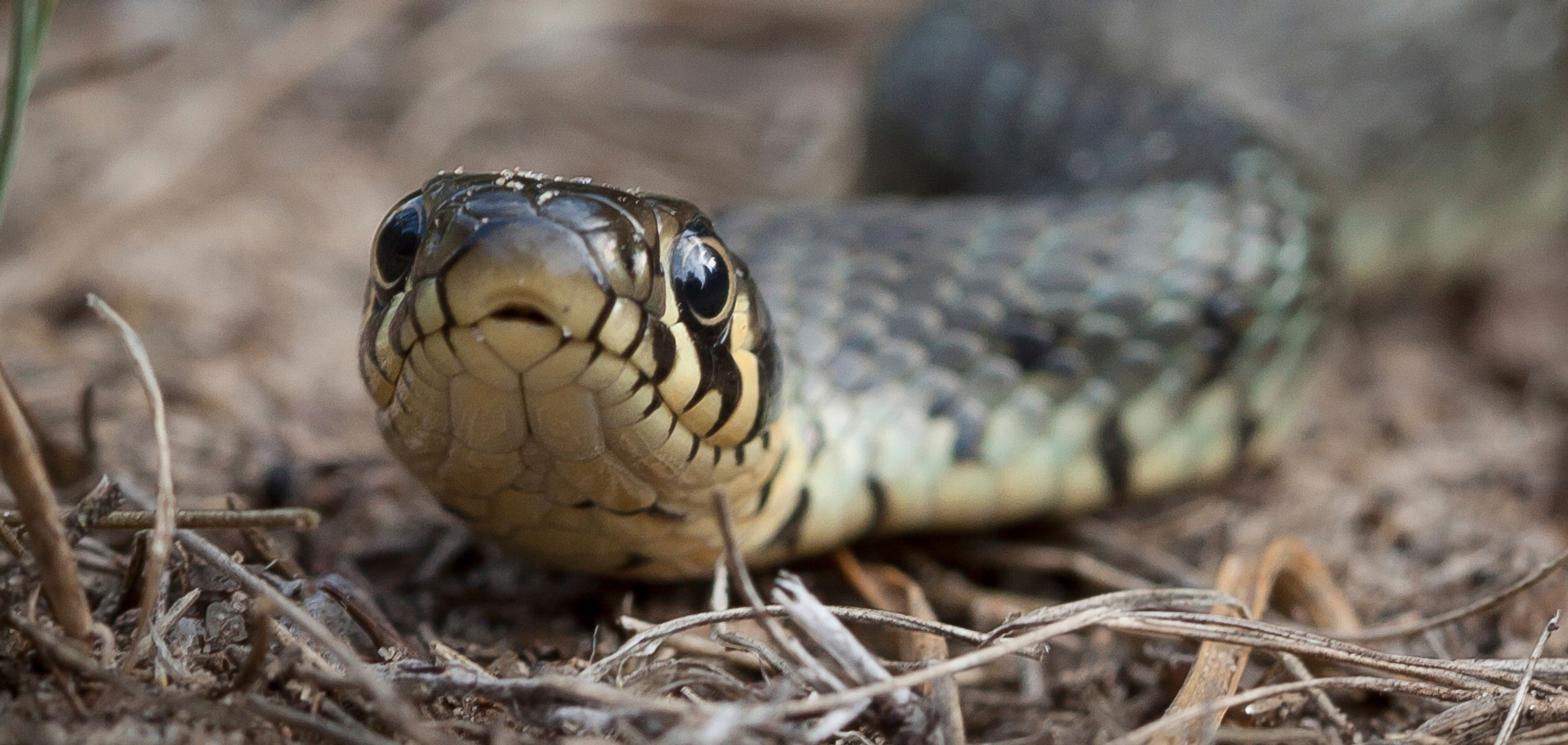
Snakes are an example of an animal that practices “jaw listening.” Snakes rest their lower jaws on the ground to detect vibrations from predators or prey, relying on this behavior for stereophonic hearing. ©Lima_84/Shutterstock.com
Since then, advances in imaging technology have transformed paleontology, allowing scientists to extract detailed information from fossils without damaging them. Recently, The University of Chicago scientists scanned a well-studied Thrinaxodon specimen from the University of California Museum of Paleontology at their UChicago PaleoCT lab. The scans produced a high-resolution, 3D model of the skull and jaw, capturing the precise angles, dimensions and shapes needed to evaluate how a potential eardrum might work.
The team then used engineering software called Strand7 to run a finite element analysis. This method divides a complex structure into many small components, each with specific physical properties. It is commonly used to study how aircraft handle stress, how bridges bear weight or how heat moves through engines. In this case, the researchers simulated how Thrinaxodon’s skull and jaw would respond to different sound pressures and frequencies, drawing on known data about the density, flexibility and thickness of bones, ligaments, muscles and skin in living animals.
The simulations produced a clear result. An eardrum positioned within a curved section of the jawbone would have allowed Thrinaxodon to hear airborne sounds far more effectively than relying on bone conduction alone. The modeled shape and size of the membrane generated vibrations strong enough to move the ear bones, stimulate auditory nerves and detect a range of sound frequencies. Although jaw-based vibration sensing likely still played a role, the eardrum would have handled most of the animal’s hearing.

Dolphins also use their jaws for hearing, utilizing bone conduction to detect vibrations. Specialized fat pads in their lower jaws receive underwater sound. Since their jaw fat is similar in density to water, the sound waves travel easily to their inner ears. ©Andriy Nekrasov/Shutterstock.com
In their study, published in the journal PNAS in December 2025, the scientists emphasize that modern tools, like advances in computational biomechanics, finally made it possible to test a decades-old question: how do ear bones wiggle in a 250-million-year-old fossil? It turns out in Thrinaxodon, by an eardrum that works just fine all by itself.
AI detection: a secret lion roar
If you’ve ever heard the sound of roaring lions—which can travel up to five miles away—you’ll never forget it. But such intimidating and powerful noises are more than just iconic: they are unique signatures that can be used to monitor individual animals and estimate population sizes.
Unfortunately, such sounds could one day be silenced. The International Union for Conservation of Nature Red List categorizes lions as vulnerable to extinction. Current estimates suggest Africa holds only 20,000 to 25,000 wild lions, and this population has dropped by about half over the last quarter century.
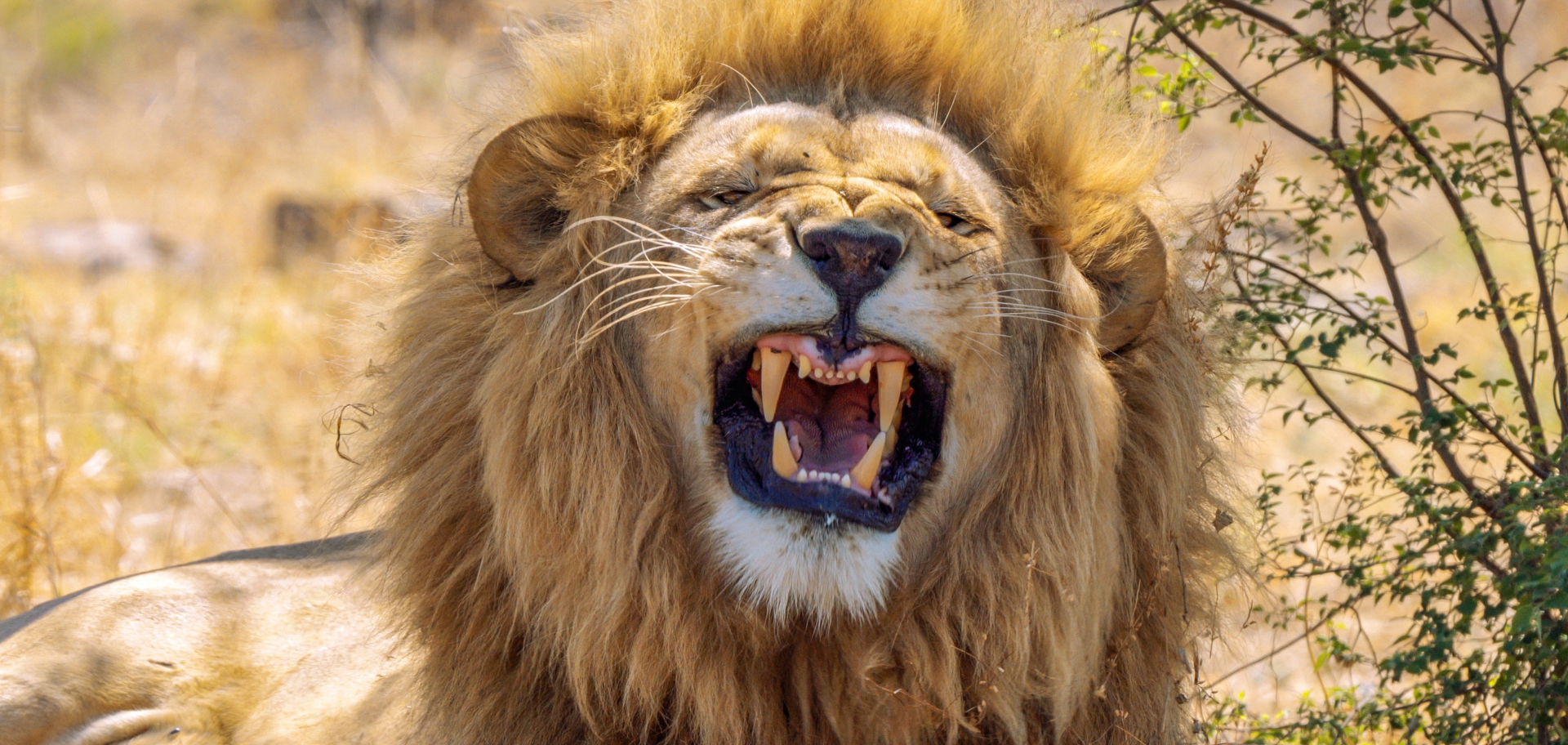
AI monitoring from Tanzania and Zimbabwe show that a lion’s lower-frequency, shorter, intermediary roar is part of a complex, four-part vocal sequence that includes grunts and moans. This discovery provides a new tool for identifying individual lions and surveilling population sizes. ©NICOLA MESSANA PHOTOS/Shutterstock.com
Until now, identifying these roars relied heavily on expert judgments, introducing potential human bias. But conservation groups just got help from AI in researching and tracking these big cats.
In a study that was the first to apply artificial intelligence to automatically sort lion roars into different types, scientists at England’s University of Exeter uncovered a previously unrecognized “intermediary roar” that appears alongside the well-known, full-throated version. The method reached a 95.4% accuracy rate and greatly reduced the influence of human interpretations, allowing for more consistent identification of individual lions.
This new report—the results of which were published in the journal Ecology and Evolution in November 2025—concludes that a lion’s roaring sequence includes both the established full-throated roar and the intermediary version, overturning the long-standing assumption that only one roar type existed. Similar developments have been reported in research on other large carnivores, including spotted hyenas, and reinforce the expanding value of bioacoustics in ecological science.
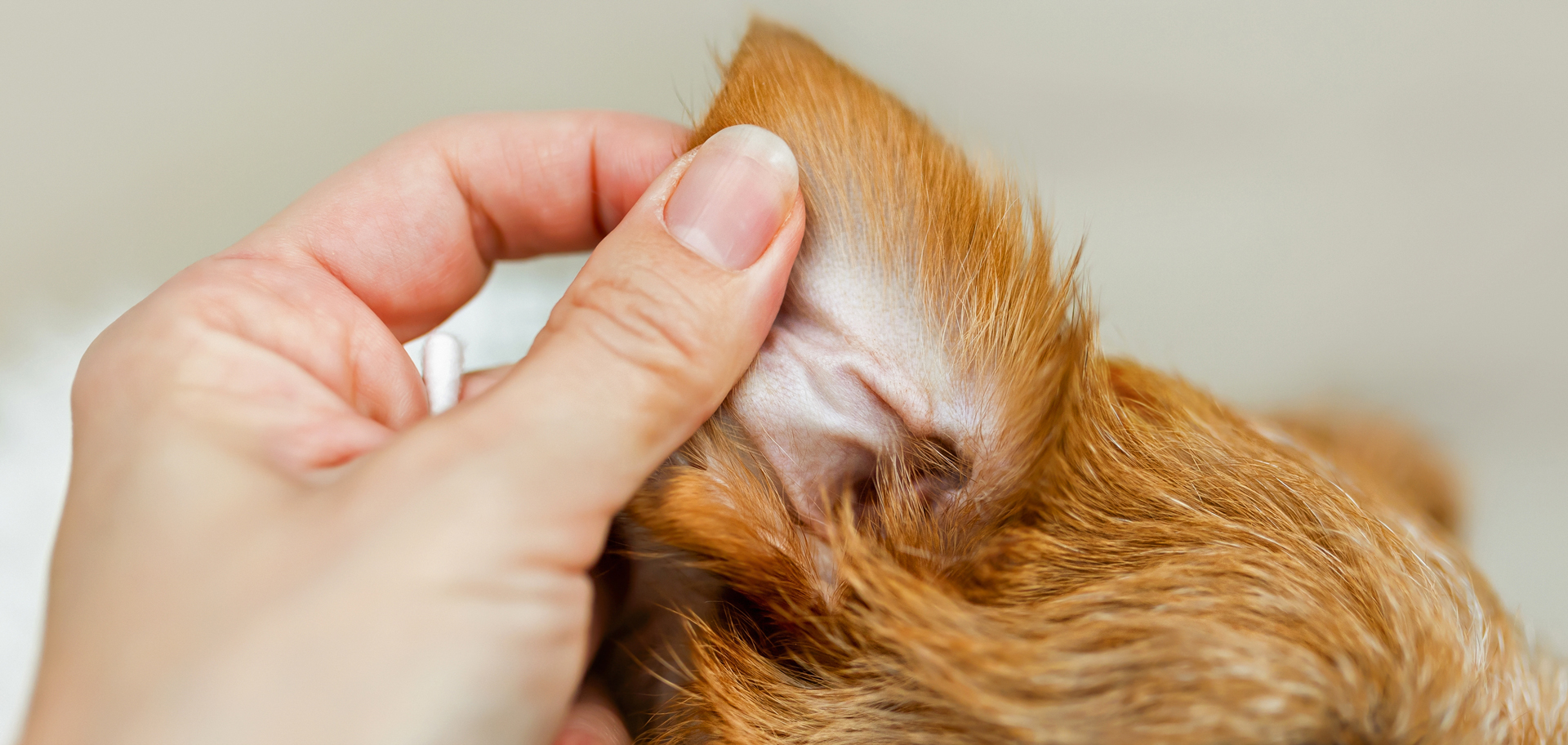
Beyond the conservation aspect, I like learning more about animal ears because it reveals our joint history, making us remember that we’re not all that different—or distant—from the more-than-humans with whom we share the Earth. ©Reddogs/Shutterstock.com
Commonality: evolutionary twins
By applying machine learning to classify roars, the University of Exeter research team advanced the ability to distinguish individual lions. The automated, data-focused method also streamlined passive acoustic monitoring, offering a more dependable and accessible option than common techniques, such camera-trapping or spoor surveys, a technique that involves tracking, identifying and counting footprints, scat or other signs (spoor) left by animals in sand, snow or soil to determine the presence, density and habitat use of a species. This could be a paradigm shift in wildlife monitoring. As the field of bioacoustics improves, it will be vital for the effective conservation of lions and other threatened species.
Beyond the conservation aspect, though, there’s something else I like about this trend. As with the recent breakthroughs on animal eyes, looking at animal hearing in a way that shows a joint evolutionary history and coming-into-being should make us feel not all that different—or distant—from the more-than-humans with whom we share the Earth.
And that shift in our feelings and thinking could help conservation efforts more than anything else.
Here’s to finding your true places and natural habitats,
Candy