

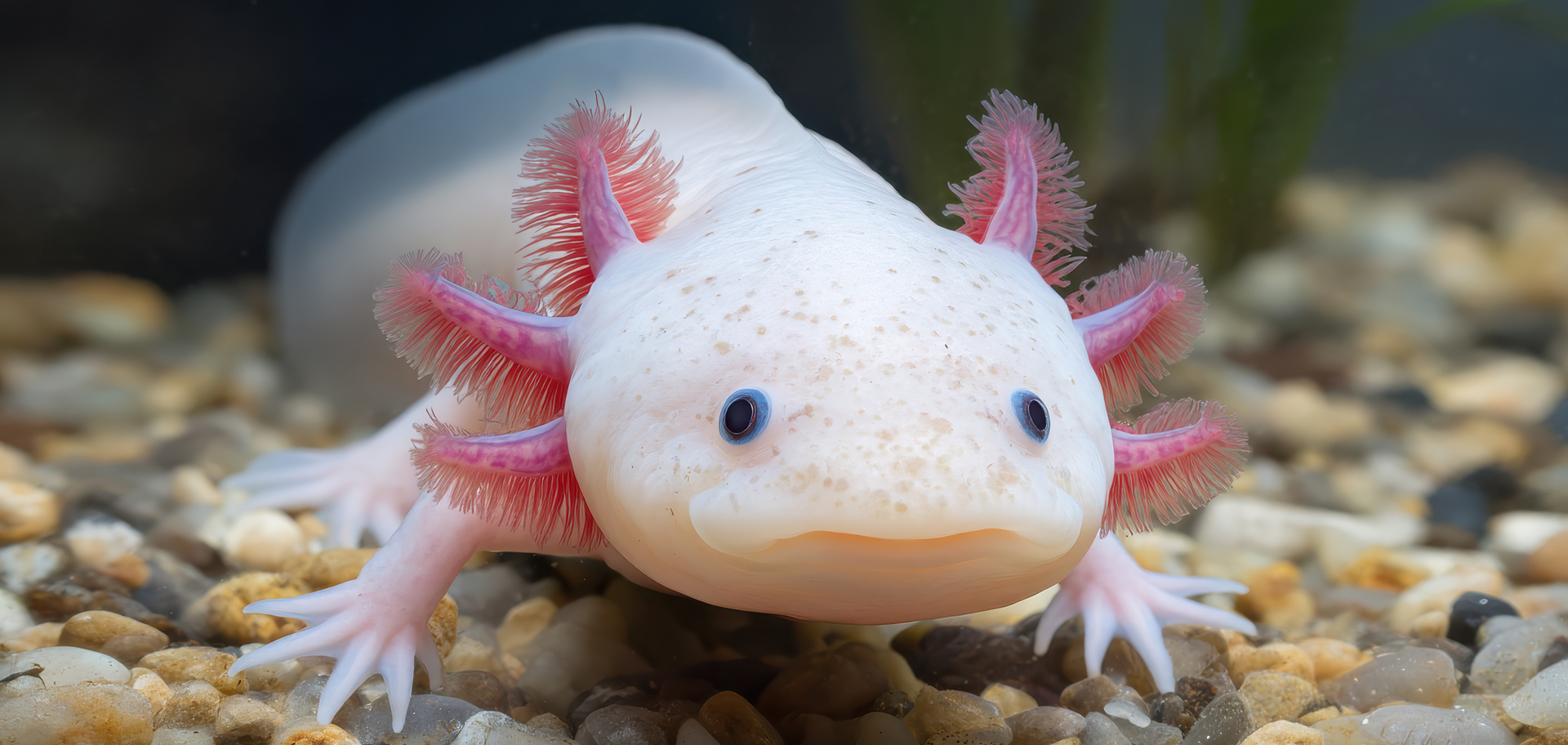
Axolotls possess remarkable, unrivaled regenerative abilities. Beyond limbs and tails, they can regenerate complex organs—including parts of the brain and heart—and even entire jaws.
Today, it might sound hyperbolic to say to the majority of us who are living in urban surroundings that nature’s animals and plants are essential for human survival. But it’s truly not over the top. Nature acts as a crucial life-support system that provides us with breathable oxygen, clean water, food and medicines. For example, a humble Brazilian coastal plant used in folk medicine is now backed by science as a potential natural fighter against arthritis and inflammation. This discovery could pave the way for new, plant-based, anti-inflammatory treatments. And natural compounds from another Brazilian plant—a tree—may fight COVID-19 on multiple fronts, making them a new, promising antiviral lead.
In the animal kingdom, coral reefs may hold a hidden “molecular gold mine”—and we’re only just discovering it. Beneath the beauty of coral reefs lies a secret universe of microbes unlike anything scientists expected. Each coral species supports its own specialized microbial partners, many of which have never been studied before. These microbes produce a stunning variety of chemical compounds with potential uses in biotech and medicine. The finding highlights just how much is at stake as coral reefs face growing threats. Another animal, a dragonfly, secretly shares a humanlike superpower—seeing deeper into red light. It could inspire next-gen medical tech. Researchers were able to enhance this dragonfly ability, paving the way for light-based medical tools that could work deep inside the body.
And in one of the most astounding explorations of nature for human health, scientists studying axolotls, mice and zebrafish have uncovered a shared set of genes that may one day help humans regrow lost limbs, marking a major step toward future treatments that could replace damaged appendages with living tissue instead of prosthetics.
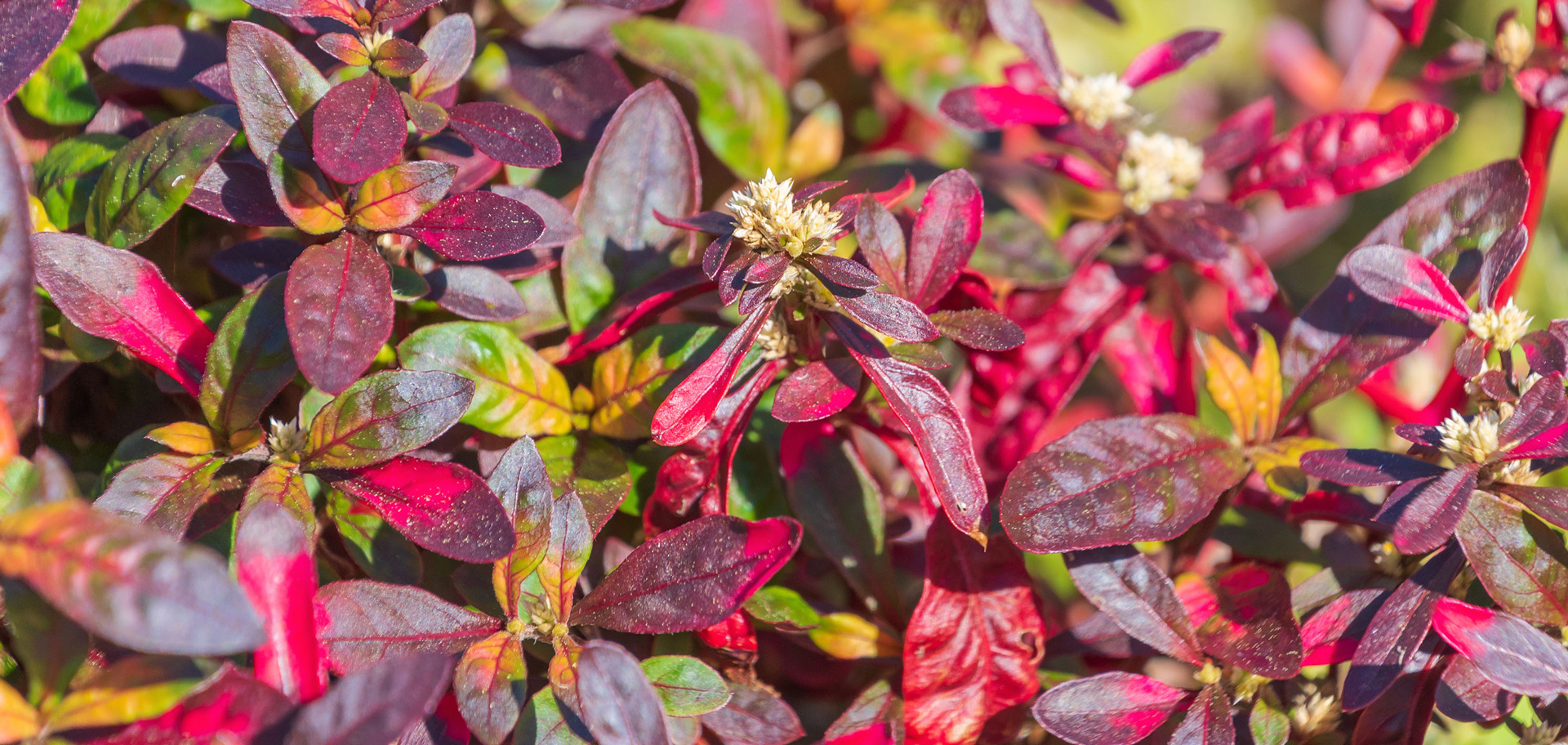
Joseph’s coat refers to a low-growing (six to 12 inches), tropical species known for its vibrant, variegated foliage in shades of orange, purple, red and yellow. Traditionally in Brazil, it was used to treat inflammation, microbial infections and parasitic diseases.
A Brazilian plant used in traditional medicine combats arthritis
Joseph’s coat (Alternanthera littoralis) is a plant that grows naturally along the coastline of Brazil and has long been used in traditional medicine to treat infections, inflammation and parasitic illnesses. Despite its widespread use, there had been little scientific research confirming whether these benefits were real or whether the plant was safe. Recently, however, a research team from Brazil’s Federal University of Grande Dourados, Sao Paulo State University and the State University of Campinas has found strong evidence that the plant is both effective at easing pain and safe, reducing inflammation and protecting against arthritis.
The researchers began with a detailed chemical analysis of the plant. They examined the ethanolic extract made from the plant’s aerial parts to determine which bioactive compounds it contained. After identifying the compounds, the team moved to biological testing. How well the extract reduced inflammation in experimental models of arthritis was evaluated. Toxicological testing followed to assess safety.
The experiments revealed that the ethanolic extract of Alternanthera littoralis significantly lowered inflammation in laboratory animals, reduced edema, improved joint parameters and modulated inflammatory mediators, suggesting antioxidant and tissue-protective actions. These findings, published in the Journal of Ethnopharmacology in January 2026, indicate that the plant does more than reduce swelling: it may help protect joint tissue and limit damage associated with inflammatory conditions like arthritis.
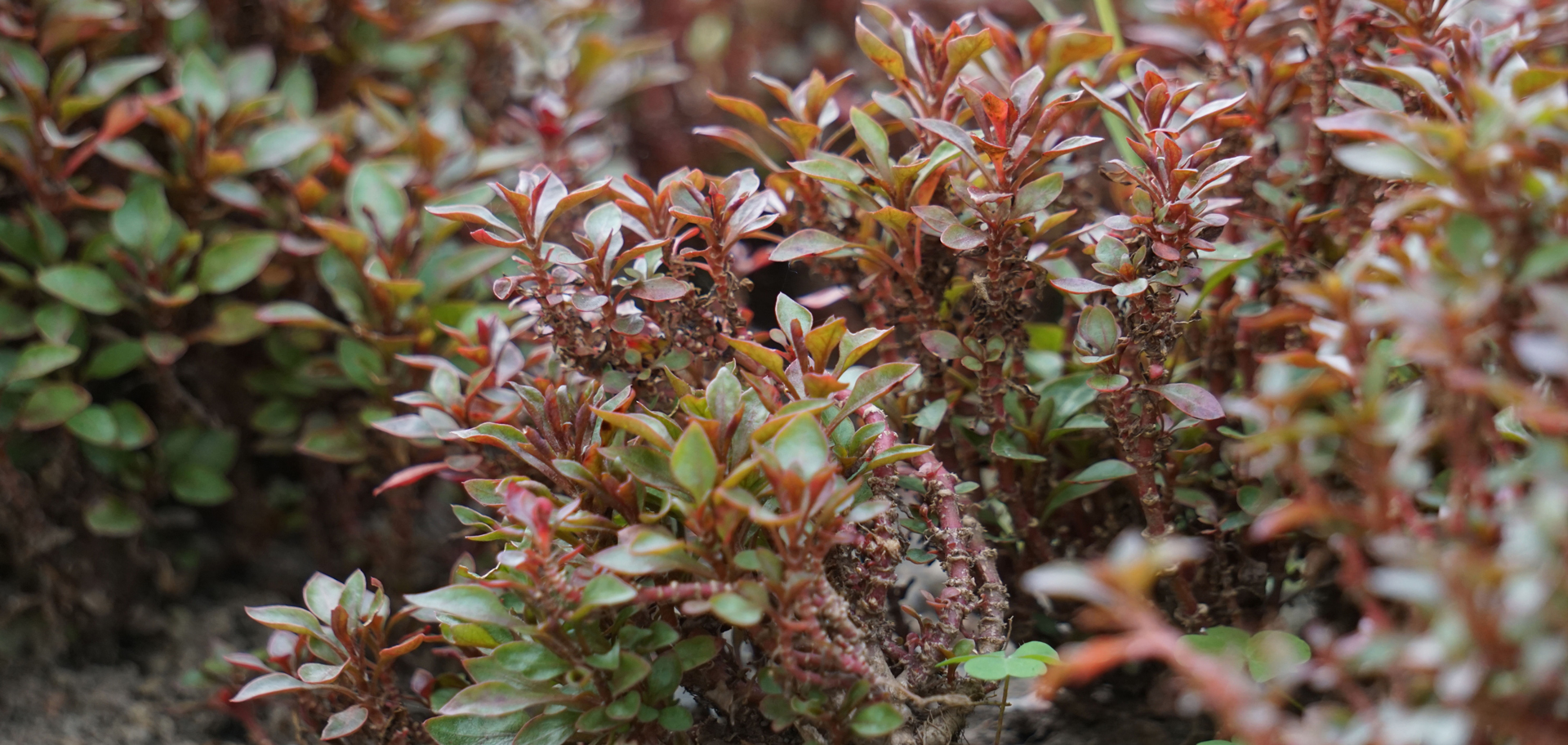
Researchers in Brazil found that Joseph’s coat reduces inflammation and arthritis symptoms in laboratory studies, while appearing to be safe. Healthier joints, less swelling and signs of tissue protection were observed. The results lend scientific credibility to folk remedies and hint at future natural therapies.
The researchers say these results strengthen the scientific case for the plant’s medicinal value and provide a foundation for future preclinical studies. They also point to a favorable safety profile at therapeutic doses, which could be encouraging for eventual human use. Right now, though, state the scientists, their purpose is to value Brazilian biodiversity and traditional knowledge alongside a rigorous scientific basis that promotes the safe and rational use of natural products.
An Atlantic Forest tree fights COVID-19
Another plant from Brazil may hold a surprising weapon against COVID-19. Researchers discovered that compounds called galloylquinic acids extracted from the leaves of a little-known tree—Copaifera lucens Dwyer—in Brazil’s Atlantic Forest can attack SARS-CoV-2 on multiple fronts: blocking the virus from entering cells, disrupting its replication and even dampening harmful inflammation. Unlike many antivirals that target just one part of the virus, these natural compounds act in several ways at once, offering a broader approach than many existing antiviral strategies.
Galloylquinic acids are not new to science. Earlier studies have linked them to a range of biological effects, including anticancer and antifungal activity observed both in vitro (outside the living body of an animal or plant and in an artificial environment) and in vivo (inside the living body of an animal or plant). They have also shown broad antiviral potential. In related research, similar compounds demonstrated strong inhibition of HIV-1 in laboratory and cell-based experiments, while producing lower toxicity compared to other tested substances.

Brazil’s Atlantic Forest is an incredibly biodiverse biome, stretching along the Atlantic Coast and into inland Argentina and Paraguay. Covering less than 12% to 20% of its original area due to agricultural and urban pressures, it is considered one of the world’s most threatened ecosystems.
A team of researchers from Brazil’s University of Sao Paulo first isolated and characterized extracts from the leaves of Copaifera lucens Dwyer that were rich in galloylquinic acids. They then evaluated whether these compounds were safe for cells using cytotoxicity tests, an important step before assessing antiviral effects. To measure how well the compounds could combat the virus, the researchers used plaque reduction assays. This method evaluates how effectively a substance can neutralize viral particles. The results showed clear activity against SARS-CoV-2.
The scientists also examined how the compounds interact with key parts of the virus. These included the receptor-binding domain of the spike protein, which enables the virus to enter human cells; as well as papain-like protease, an enzyme that helps the virus evade immune defenses; and RNA polymerase, which is essential for viral replication. In addition, they analyzed the impacts on viral protein production.
According to findings published in the journal Scientific Reports in February 2026, galloylquinic acids act on several stages of the viral life cycle. They can block the virus from entering cells, interfere with its replication process and reduce the production of viral proteins. The compounds also appear to have anti-inflammatory and immunomodulatory (affecting the functioning of the immune system) properties, which may help regulate the body’s immune response, particularly in more severe cases of COVID-19. Although the results are encouraging, additional research is required before these compounds can be developed into a treatment. Future steps include testing in living organisms and conducting clinical trials in humans.
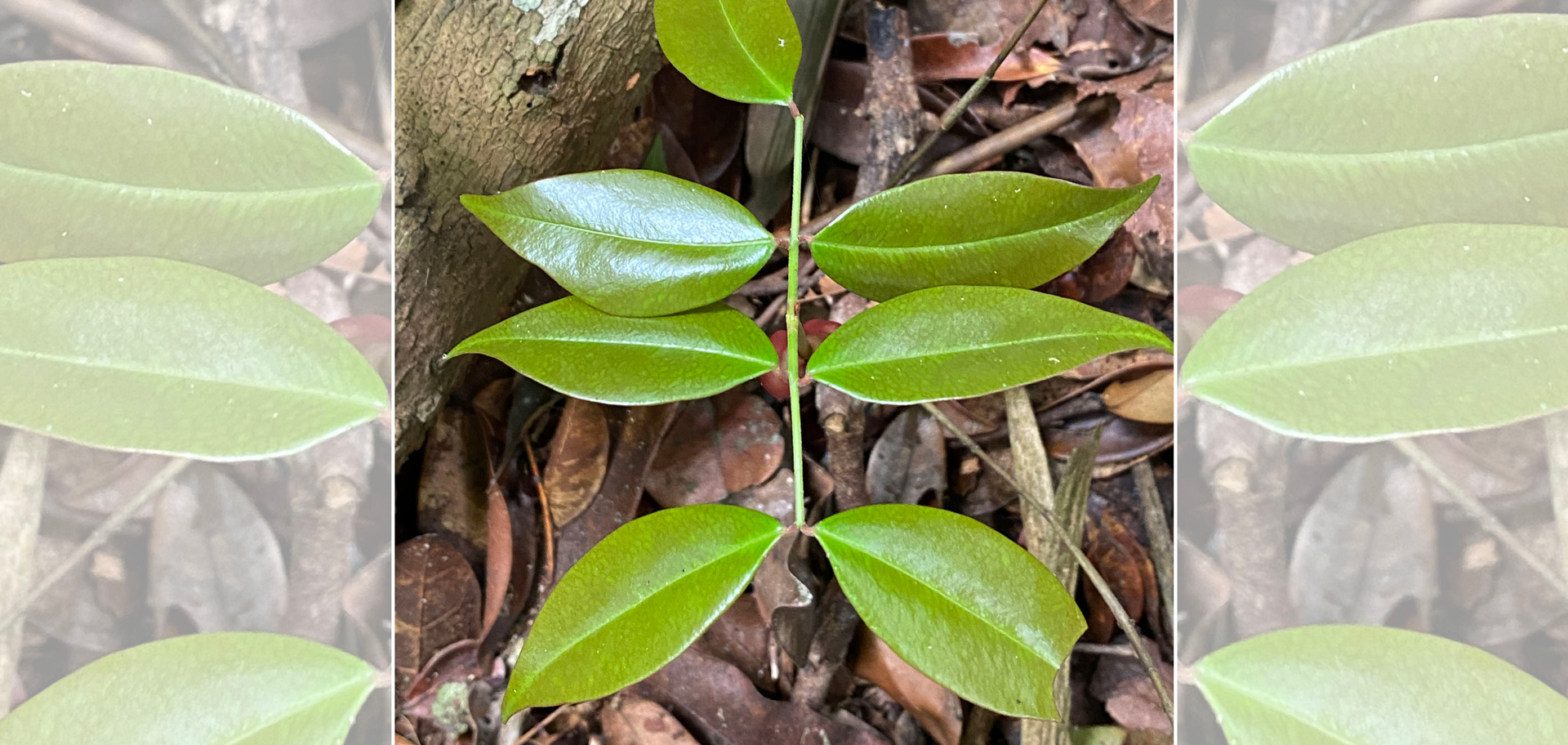
Galloylquinic acids extracted from the leaves of a “Copaifera lucens” Dwyer tree can attack SARS-CoV-2 on multiple fronts: blocking the virus from entering cells, disrupting its replication and dampening harmful inflammation. These natural compounds offer a broader approach than many existing antiviral strategies. ©Geovane Siqueira, iNaturalist
This study highlights the value of exploring natural sources for new medicines. It also reinforces the importance of biodiversity, pointing to Brazilian plant life as a rich and strategic resource for discovering novel therapeutic compounds.
Coral reefs transform medicine’s future
Often described as the rain forests of the sea, coral reefs support about one-third of all visible marine life. They are vital biodiversity hot spots and provide important services, such as helping cycle nutrients in ocean ecosystems and supporting tourism. However, scientists now say much of their true diversity exists at a microscopic level. This hidden world, known as the microbiome, cannot be seen with the naked eye but plays a central role in reef function and health.
Recently, an international team of scientists uncovered new details about coral ecosystems, showing that each coral species hosts its own unique community of microbes. Their discovery, published in the journal Nature in February 2026, reveals a previously unseen layer of diversity within coral reefs. The research, which included scientists from Ireland’s University of Galway, found that coral reefs are home to a wide range of microbes that produce chemicals with strong potential for use in biotechnology and medicine.
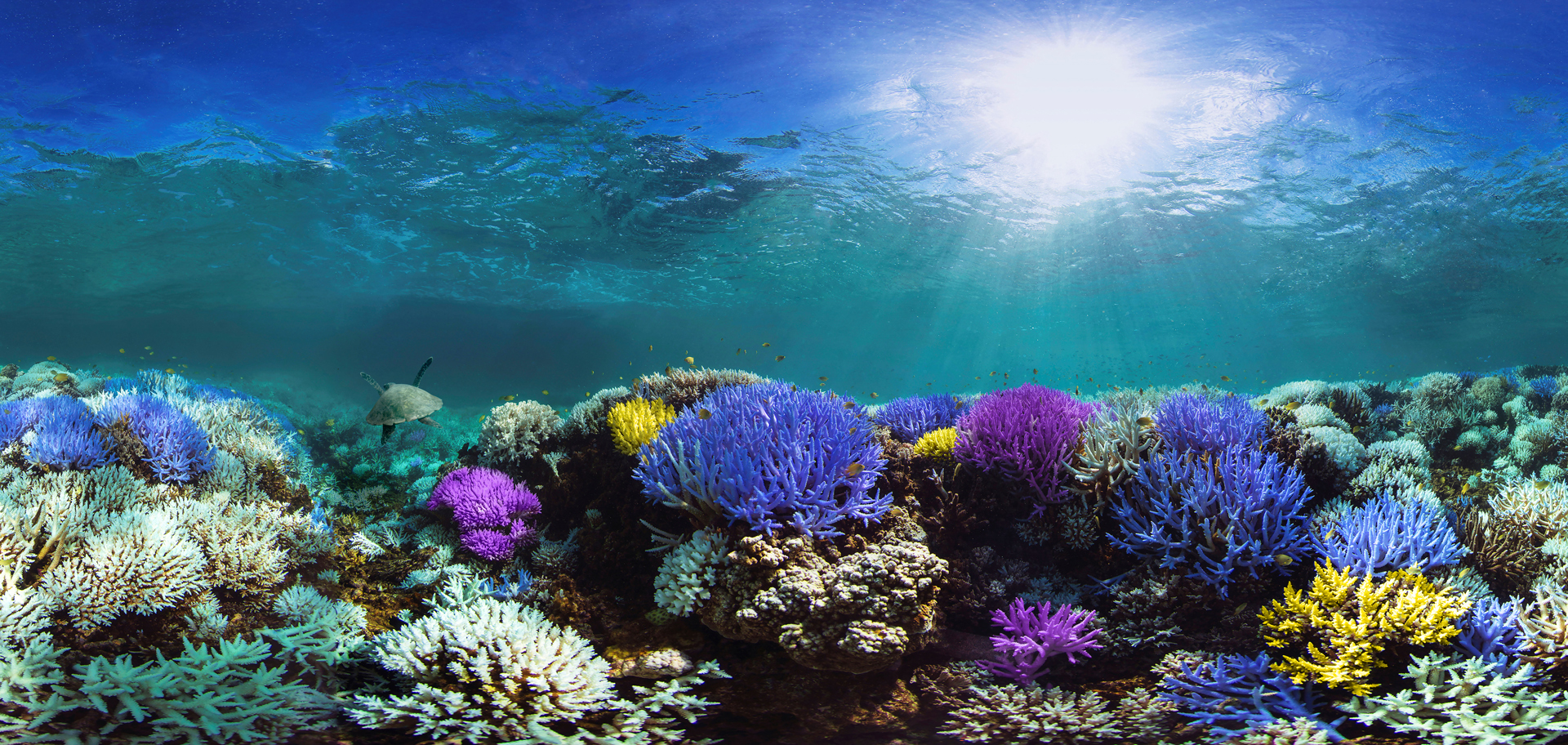
New research is a clear call to action to protect our coral reefs—not just because of their value as a unique ecosystem, but also to preserve the unique chemical diversity poised to enable future scientific breakthroughs.
With support from the Tara Pacific foundation—which provided coral samples collected during an expedition between 2016 and 2018 and created one of the most detailed maps yet of coral microbiomes across a region that contains about 40% of the world’s coral reefs—the researchers examined microbiome samples from 99 coral reefs across 32 Pacific Islands. From this work, they reconstructed the genomes of 645 microbial species. More than 99% of these had never been genetically described before. These microbes are highly specialized partners that live closely with coral hosts. Many act as producers of bioactive compounds, chemicals that can influence biological processes and may have medical or industrial value.
The study also found that these coral-associated bacteria contain a wider range of biosynthetic gene clusters (the genetic instructions for making natural compounds) than has been recorded anywhere else in the ocean. The scientists note that when they compared their findings with microbes found on other reef species, it became clear how little we know. Of more than 4,000 microbial species identified, only 10% have any genetic information available; and fewer than 1% of the species found only in the Tara Pacific samples have been studied at all. The researchers say that this shows a major gap in understanding and underlines the need for many more biodiversity surveys, especially in understudied regions.
Another often-overlooked aspect of conservation, state the scientists, is that when coral reefs are damaged or lost, the impact goes beyond visible marine life such as fish, seaweeds and sponges. It also means losing a vast “molecular library” tied to the microbes that live within them. The coral microbiome includes algae, archaea, bacteria, fungi and viruses that live on and inside coral tissue. Together, these organisms form a tightly connected system known as the holobiont, which is essential for coral survival and function. Further analysis of newly identified compounds and enzymes suggests there is enormous, untapped potential for advances in biotechnology and medicine.
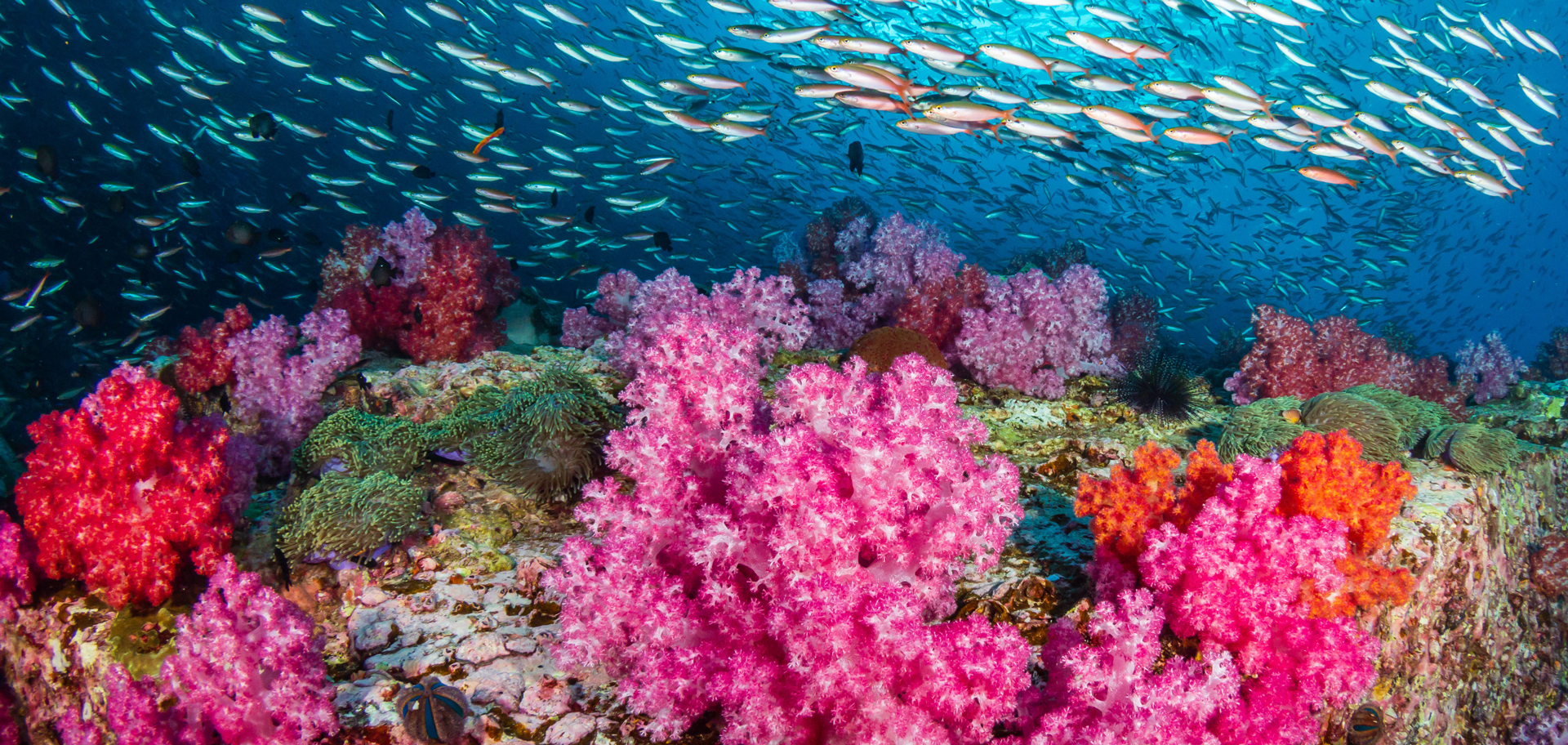
Among the biosynthetically rich bacteria in the reef microbiome, previously unknown microorganisms living with corals that produce new enzymes with exciting potential biotechnology uses were recently identified.
Dragonflies promise an unprecedented optogenetics tool
Different species sometimes arrive at the same biological solution on their own, a phenomenon known as “parallel evolution.” Researchers at Japan’s Osaka Metropolitan University (OMU) have now found that dragonflies detect red light in a way that closely mirrors how mammals, including humans, do. Because many medical technologies depend on red light, this could have implications far beyond insect biology.
Human vision relies on proteins in the eye called opsins. These proteins allow us to perceive different colors. We have three main types, each tuned to blue, green or red wavelengths, which together enable full-color vision. Dragonflies stand out among insects for their ability to detect red light. An OMU research team has now identified a specific opsin in dragonflies that responds to light at around 720 nanometers (a very deep red). This wavelength is located at the threshold of the visible light spectrum and infrared, and lies beyond the deepest red that humans can normally see.
The scientists proposed that this heightened sensitivity helps dragonflies find mates. To explore this idea, they examined reflectance, which refers to how much light a surface reflects. In dragonflies, reflected light plays a key role in how individuals appear to one another. Measurements revealed clear differences between females and males in how they reflect red to near-infrared light. This suggests that males may rely on these subtle visual cues to quickly identify females while flying.
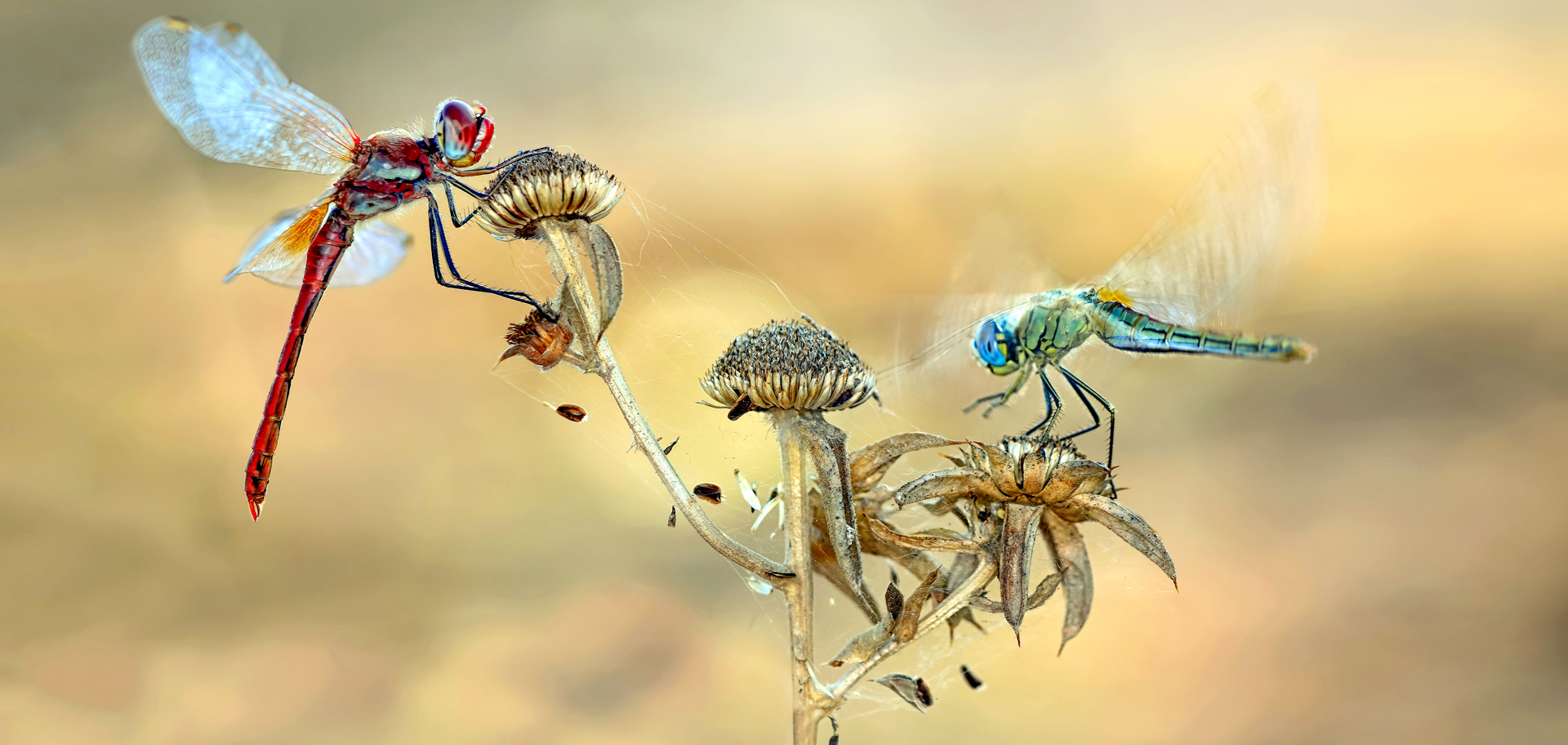
Dragonflies can see deeper into red light than almost any other insect—and they do it using the same biological mechanism humans evolved independently. Researchers enhanced this ability, paving the way for light-based medical tools that could work deep inside our bodies.
Surprisingly, though, the mechanism by which dragonfly red opsins detect red light is identical to that in mammals, including humans. The scientists say this is an unexpected result, suggesting that the same evolutionary process occurred independently in distantly related lineages. The team also uncovered a key detail that could make this discovery useful in medicine and technology. They identified a single position in the opsin protein that determines how it responds to light. By modifying this position, they were able to shift the protein’s sensitivity further toward longer wavelengths, bringing it closer to the infrared range. They then engineered a version of the protein that reacts to even longer wavelengths and demonstrated that cells containing this modified opsin can be activated by near-infrared light.
This work, published in the journal Cellular and Molecular Life Sciences in January 2026, could be especially valuable in optogenetics, a field that uses light-sensitive proteins to control and study cells in living tissue. Since longer wavelengths of light can penetrate deeper into the body, a protein that responds to near-infrared light could allow researchers to reach cells living far within organisms that are otherwise difficult to access.
Nonhuman animal genes could help humans regrow limbs
Around the world, more than 1 million amputations occur every year due to cancer, diabetes-related vascular disease, infections and traumatic injuries, according to Global Burden of Disease statistics. Researchers expect that number to climb as populations age and diabetes becomes more common.
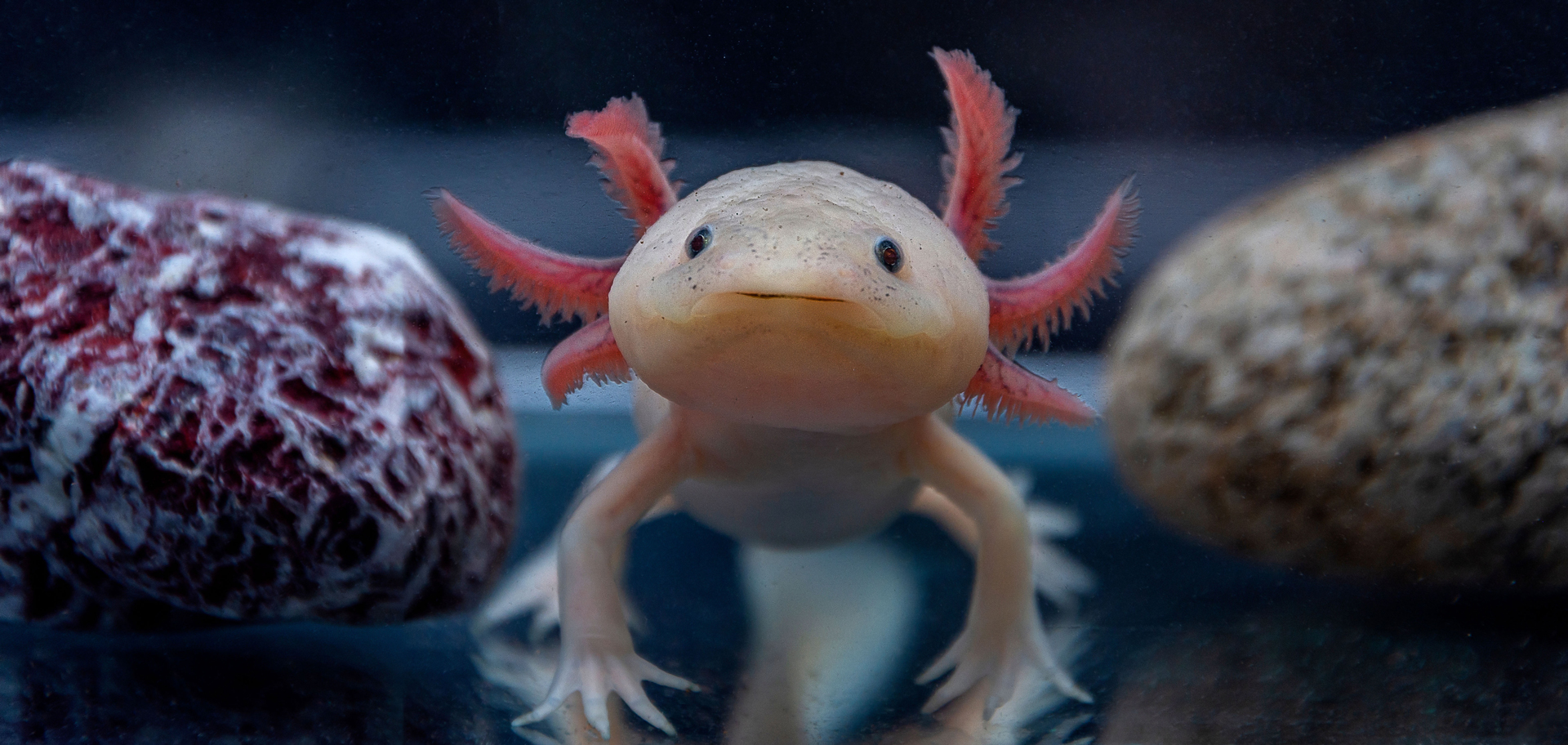
Scientists studying axolotls have uncovered a shared set of genes that could someday help researchers develop therapies for regrowing human limbs.
For years, scientists have searched for ways to move beyond prosthetic limbs and toward treatments capable of restoring natural function, movement and sensation. Because axolotls, mice and zebrafish offer unique insights into regeneration, researchers from the University of Wisconsin-Madison and North Carolina’s Duke University and Wake Forest University selected these species for study.
Axolotls are famous for their extraordinary ability to regrow entire limbs along with spinal cord tissue, tails and parts of organs, including the brain, heart, liver, lungs and jaws. Zebrafish are another powerful regeneration model because they can repeatedly regrow damaged tail fins. They are also capable of repairing the brain, heart, kidneys, pancreas, spinal cord and retinas. Mice were included because, like humans, they are mammals. Mice can regenerate the tips of their digits; and humans can sometimes regrow fingertips if the nail bed remains intact after injury, allowing bone, flesh and skin to regenerate. The research team members discovered that the regenerating epidermis, or skin tissue, in all three species activated two genes called SP6 and SP8. They then began investigating exactly how those genes contribute to regeneration.
It was found that SP8 is especially important for limb regeneration in salamanders. Using CRISPR gene-editing technology, the scientists removed SP8 from the axolotl genome. Without the gene, axolotls were unable to properly regenerate limb bones. Scientists observed similar problems in mice when SP6 and SP8 were missing from regenerating digits. Using those findings, a viral gene therapy based on a tissue regeneration enhancer previously identified in zebrafish was designed. The therapy delivered a signaling molecule called FGF8, which is normally activated by SP8. In mice, the treatment encouraged bone regrowth in damaged digits and partially restored some regenerative abilities lost when the SP genes were absent.
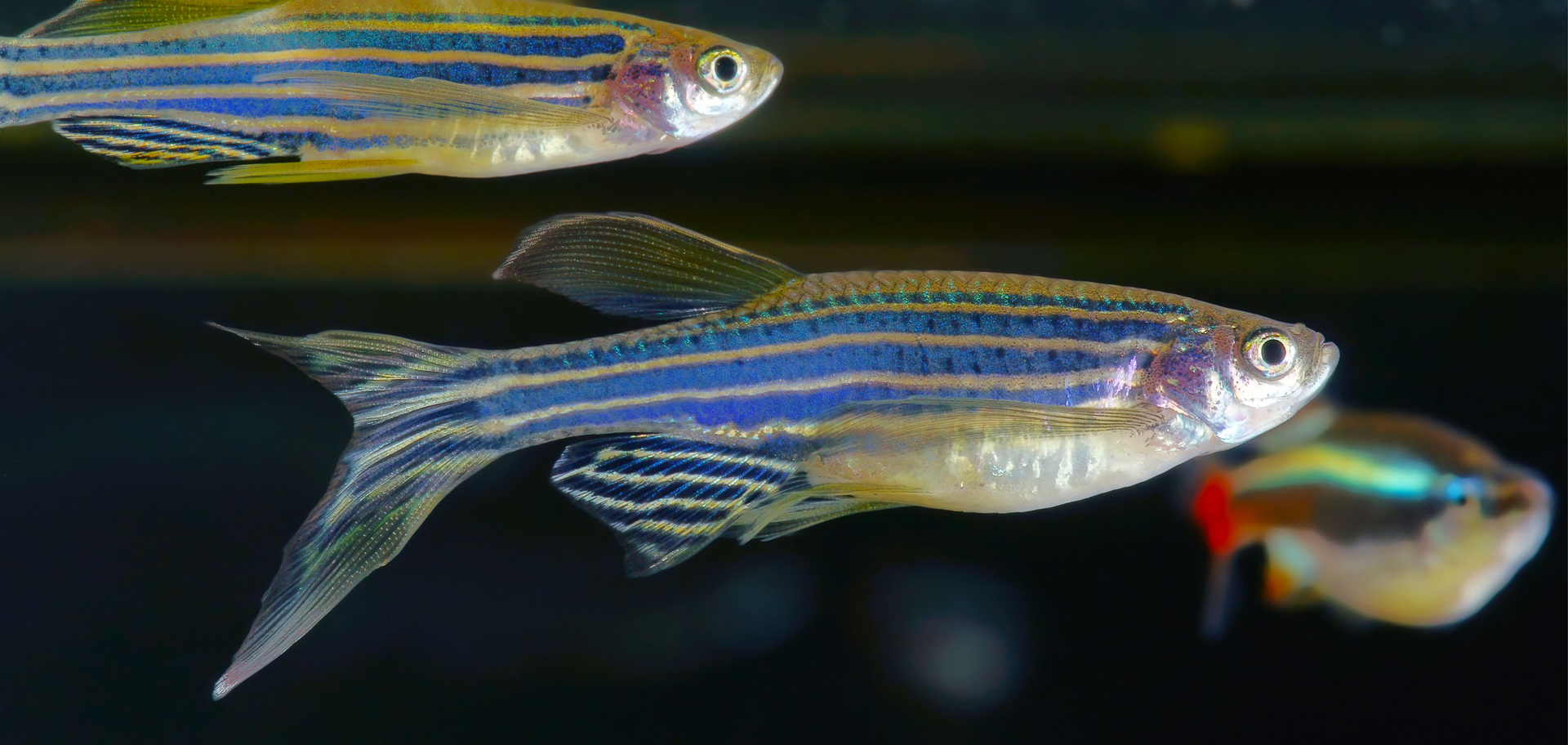
Zebrafish have an extraordinary ability to fully regenerate damaged organs, including the brain, heart, retinas and spinal cord, making them a premier model for regenerative medicine. Unlike humans, who form scar tissue, zebrafish use specialized immune responses and cell reprogramming to perfectly replace lost tissues.
Human limbs cannot naturally regenerate the way salamander limbs do, but researchers believe future therapies could potentially imitate some of the biological mechanisms controlled by SP genes.
This work, published in the journal Proceedings of the National Academy of Sciences in April 2026 is still at an early stage. Far more studies will be needed before discoveries in mice could translate into therapies for humans. Even so, the research is an important foundation for future regenerative treatments. Scientists are pursuing many solutions for replacing limbs, including bioengineered scaffolds and stem-cell therapies. The gene-therapy approach in this study is a new avenue that can complement and potentially augment what will surely be a multidisciplinary solution to regenerating human limbs one day, conclude the scientists.
Nature animates our imaginations
We know that nature provides us with the basic conditions for human health: breathable air and pure water, for example. But nature also functions for us as a lifesaving medicine cabinet, a pandemic preventer and an inspiration for medical advancements and breakthroughs.
Nature is also a lofty dream-bringer: just imagine being able to regrow your own arms or legs.
Here’s to finding your true places and natural habitats,
Candy