

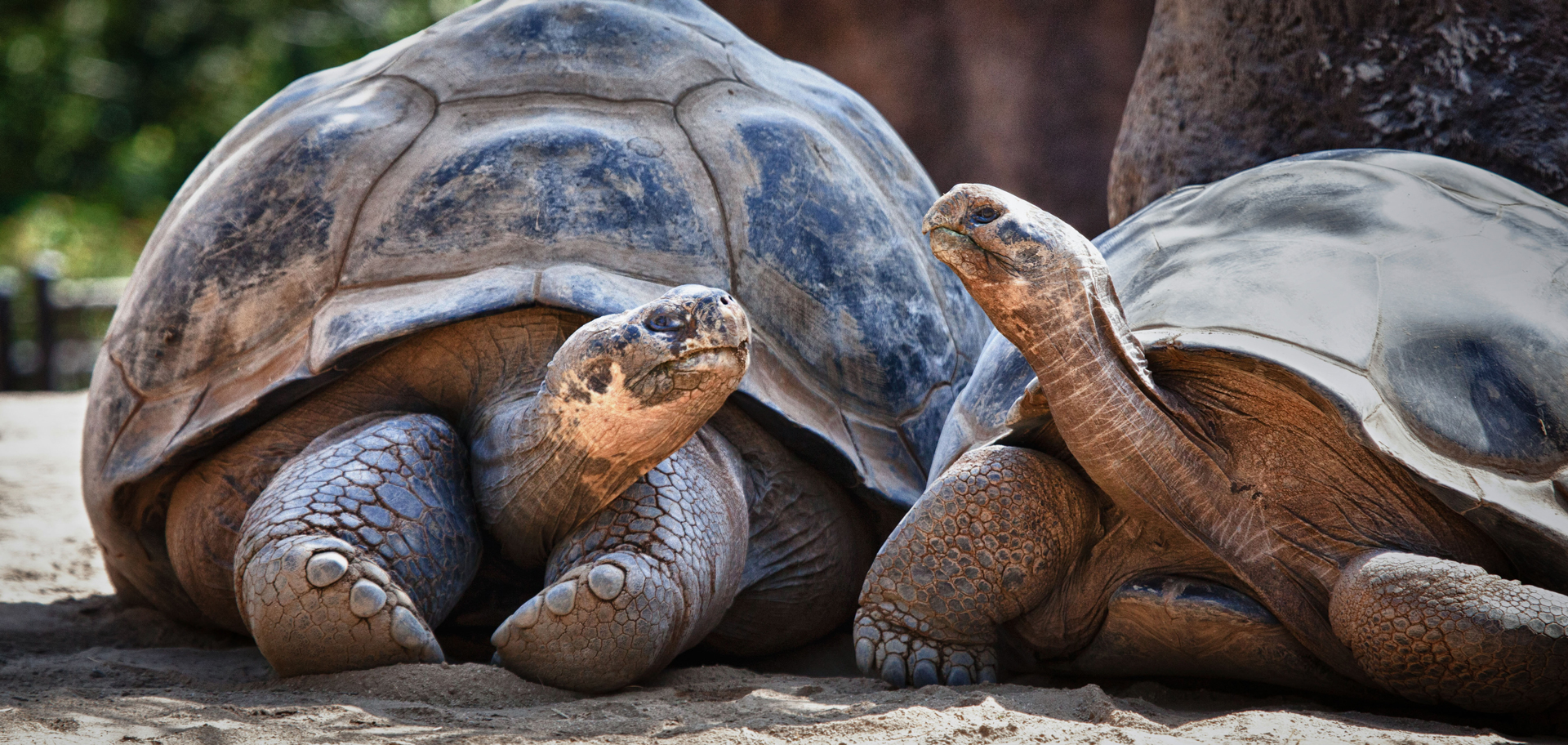
All living things communicate, but some say only humans use language. It’s likely that this thesis is incorrect; every day, we get closer to unraveling the secrets of nonhuman languages.
The Encyclopedia Britannica currently defines language as “a system of conventional spoken, manual (signed) or written symbols by means of which human beings, as members of a social group and participants in its culture, express themselves. The functions of language include communication, the expression of identity, play, imaginative expression and emotional release.” This definition goes on to explain that “language, as described above, is species-specific to human beings. Other members of the animal kingdom have the ability to communicate, through vocal noises or by other means, but the most important single feature characterizing human language (that is, every individual language) against every known mode of animal communication is its infinite productivity and creativity. Human beings are unrestricted in what they can communicate; no area of experience is accepted as necessarily incommunicable … animal communication systems are, by contrast, very tightly circumscribed in what may be communicated.”
I don’t agree. From our sharing of the roots of language development with other great apes to interspecies communications among the better-than-humans among us, true languages flourish throughout the animal kingdom. For example, it was previously believed that only human languages are composed of vowel and consonant sounds. Now, there’s proof that orangutans communicate with voiced vowel sounds and a rich variety of consonant sounds—just like humans. Even the rhythm of human laughter appears to have deep evolutionary roots shared with bonobos, chimpanzees, gorillas and orangutans; and recent evidence shows that young chimpanzees are capable of vocal functional flexibility, a known building block in human language development.
Birds, too, have something to teach us about our own language. Just like ChatGPT and other generative language models train on human texts to create grammatically correct sentences, a new modeling method trains on recordings of birds to create accurate birdsongs. The results could improve understanding of the structure of birdsong and its underlying neurobiology, which could lend insights into the neural mechanisms of human language. And animals from different species often rely on surprisingly sophisticated communications to work together, whether finding food, cleaning parasites or gaining protection. These interspecies “conversations” are flexible, evolved and far more important to life in nature than scientists once realized.
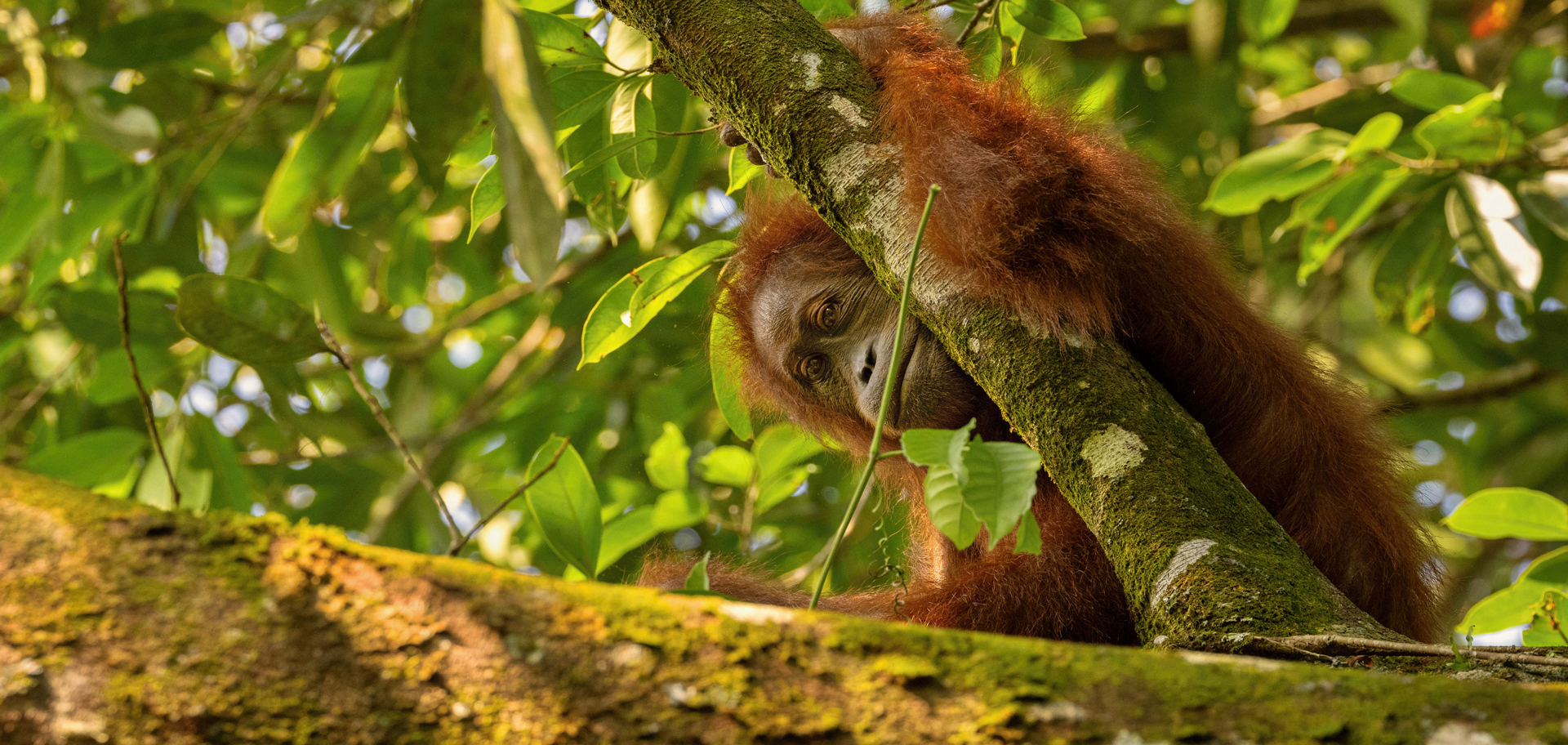
Orangutans, the most arboreal of the great apes, produce consonant-like calls more often and of greater variety than their African ground-dwelling cousins, such as gorillas.
Human speech origins: orangutan communication
Being closely related to humans, nonhuman primates have been studied for decades in search of clues about how language and speech evolved in our species. However, the calls of nonhuman primates are composed primarily or exclusively of voiced vowel-like sounds. Human spoken language, on the other hand, is universally composed of vowels that take the form of voiced sounds and voiceless sounds taking the form of consonants. (“Voiceless” consonants are produced without any vibration of the vocal cords. For these sounds, air flows freely through the vocal tract and is shaped only by your lips, mouth, teeth and tongue.) Consonants act like a frame for your voice; without them, vowel sounds would blend together into a blur. Listeners rely heavily on consonants to recognize what someone is saying, even in noisy places. So, this raises questions about how voiceless, consonant-like sounds became a fundamental component of every human language spoken around the globe. Existing theories of speech evolution have thus far focused exclusively on the connection between primate laryngeal anatomy and human use of vowels.
In order to understand the origins of human speech and the root cause of consonant sounds in the human lineage, researchers from England’s University of Warwick compared patterns of consonant-like vocal production in the vocal repertoire of four major great-ape lineages that survive today from a once-diverse family: bonobos, chimpanzees, gorillas and orangutans.
Unlike other primates, but similarly to any spoken human language, some great-ape call repertoires consist of both consonant-like and vowel-like calls. However, there are inconsistencies within great apes’ use of consonant sounds in nature. Wild bonobos, chimpanzees and gorillas don’t use a huge variety of consonant-like calls. Gorillas, for example, have been found to use a particular consonant-like call, but this is only prevalent in some gorilla populations and not others. Some chimpanzee populations produce one or two consonant-like calls associated with a single behavior, such as while they’re grooming, but these same grooming calls are uncommon in other chimpanzee populations.
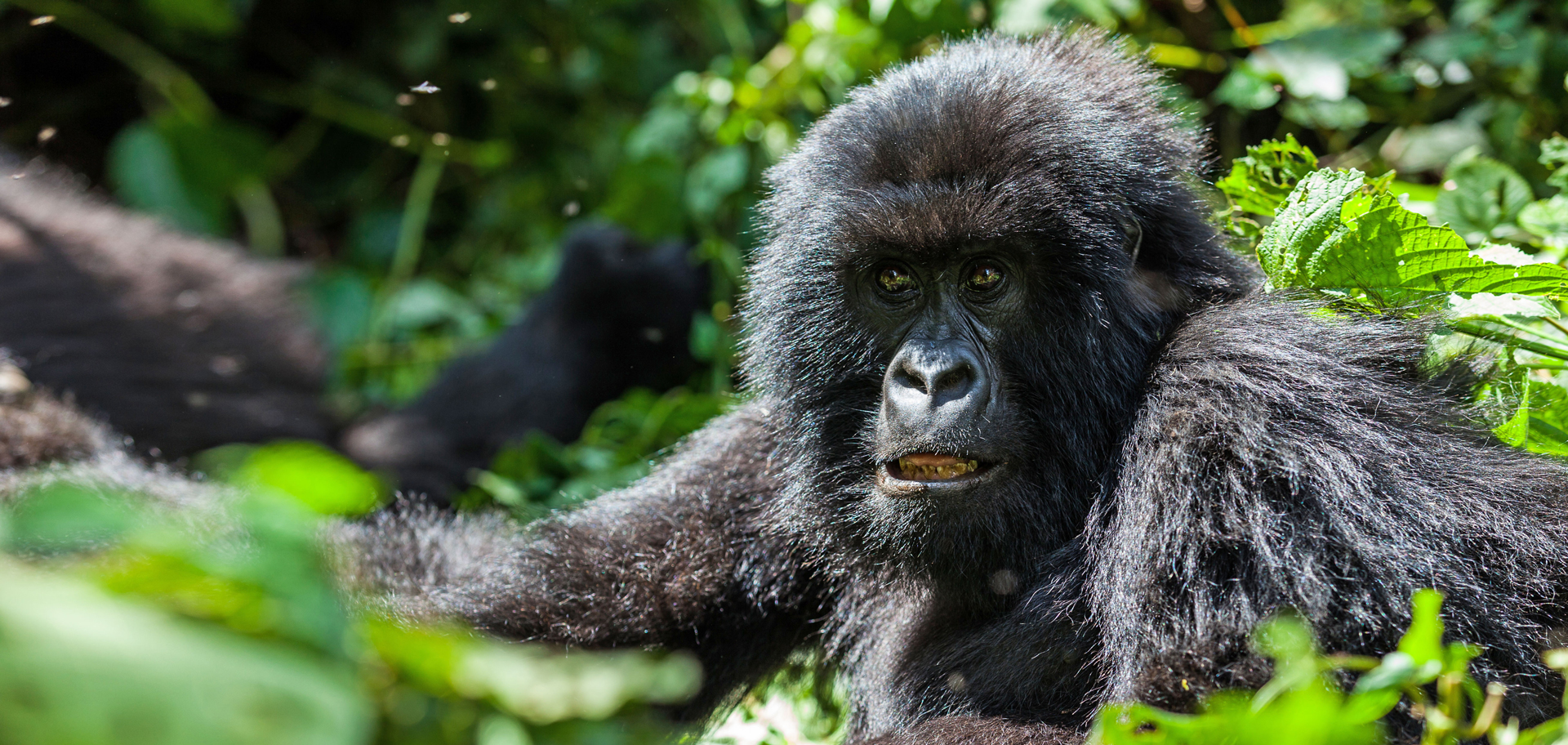
Scientists previously assumed that because they are closely related to humans, all African apes should have call repertoires that resemble human speech. But gorillas rely heavily on intentional physical gestures, which can carry group-specific variations, similar to regional dialects.
Wild orangutans, however, use consonant-like calls universally and consistently across different populations and for multiple behaviors, much like humans do with speech. Their vocal repertoire is a rich display of clicks, kiss sounds, raspberries and smacking. Based on 18 years of observing orangutans in their natural habitats, the University of Warwick researchers say that orangutans’ arboreal lifestyle and feeding habits could help to explain the complexity and sophistication of their consonant-like calls.
All apes are accomplished extractive foragers; and they have developed complex mechanisms to access hidden or protected foods like nuts or plant piths, which often require either meticulous use of hands or tools. Apes, such as chimpanzees and gorillas, need the stability of the ground in order to successfully handle these foods and use tools. Orangutans, however, are largely tree-dwelling and access their food up in the canopy, where at least one of their limbs is constantly employed to provide stability among the trees. It is because of this limitation that orangutans have developed greater control over their jaws, lips and tongues and can use their mouths as a fifth hand to hold food and maneuver tools. Orangutans are known for peeling an orange with just their lips. Their fine, oral, neuromotor control is far superior to that of African apes, and it has evolved to be an integral part of their biology.
The results of this research, published in the journal Trends in Cognitive Sciences in February 2023, suggest that living in trees could have been a preadaptation for the emergence of consonants and, by extension, for speech evolution in our human ancestors. It means that our own evolutionary ancestors might have lived a more tree-dwelling lifestyle than previously thought.
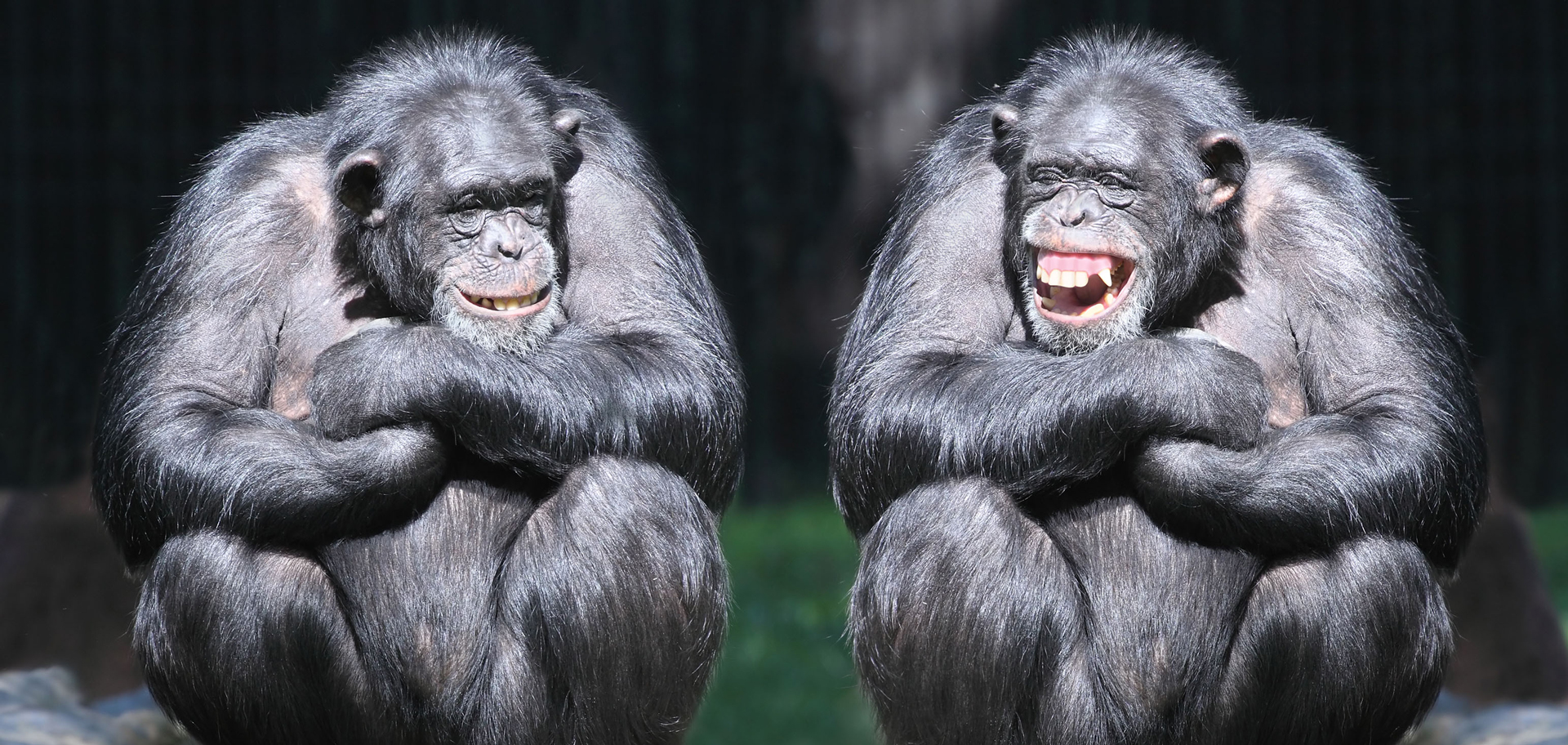
Your laugh may still carry the same ancient rhythm that great apes have shared for 15 million years. Researchers discovered that all living great apes laugh with the same underlying rhythm as humans, even though human laughter has become faster, more flexible and is shaped by social situations.
Hidden human speech origins: the rhythms of great-ape laughter
Humans are not the only primates that laugh. Chimpanzees, bonobos, gorillas and orangutans all produce laughter, but scientists have long wondered how those vocalizations have changed over millions of years and whether they could reveal anything about the origins of human language.
To investigate this idea, researchers from England’s University of Warwick analyzed laughter recordings from three bonobos, four chimpanzees, two gorillas, four orangutans and four humans. Their study, published in the journal Communications Biology in June 2026, examined 140 separate laughter sequences.
Despite the differences between species, the team found a striking similarity. Every species produced laughter with evenly spaced rhythmic intervals between successive sounds. The researchers believe this shared rhythmic pattern originated in a common ancestor that lived around 15 million years ago. The basic structure has remained remarkably stable throughout the evolution of all living great apes; and that, say the researchers, is extraordinary.
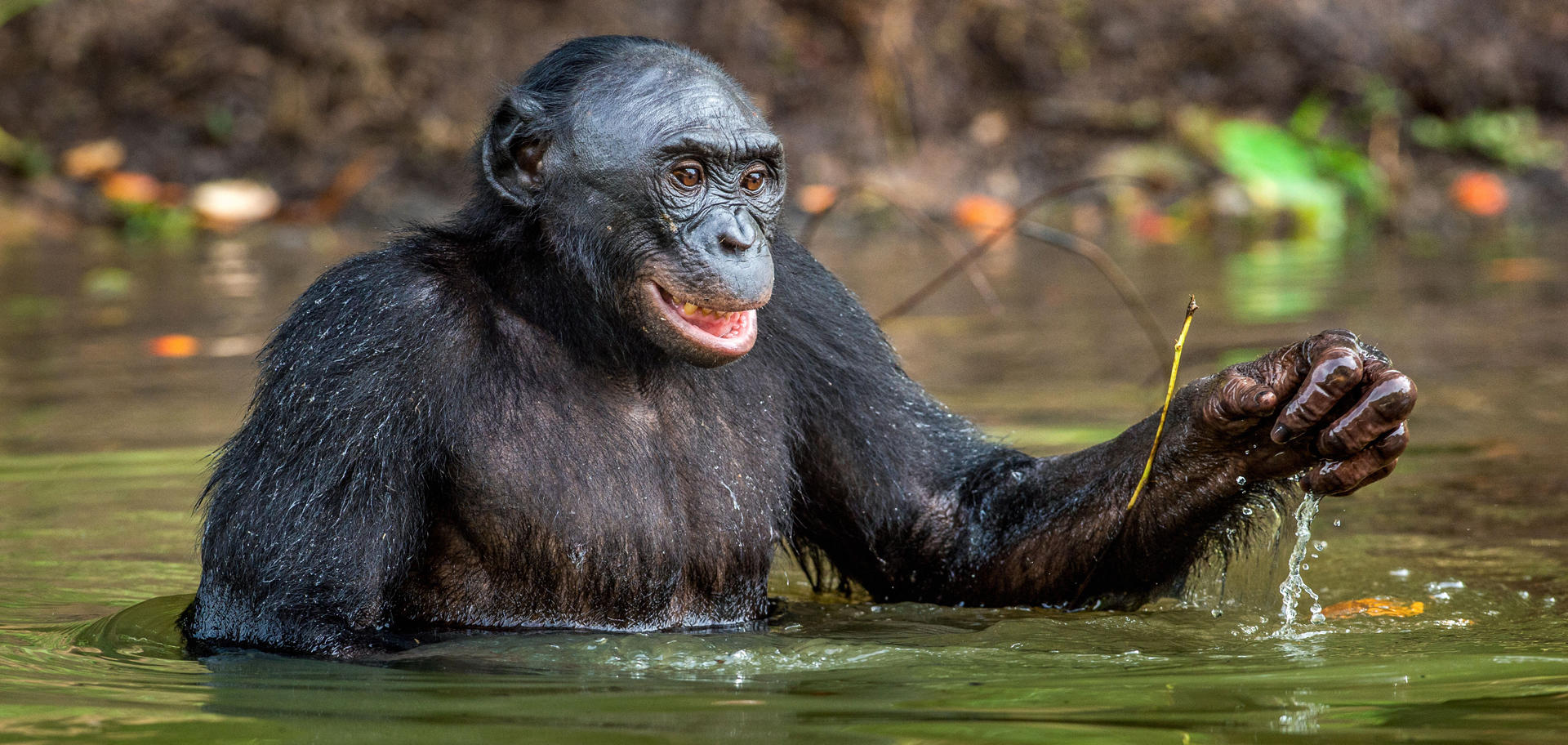
Unlike speech, laughter is shared by all living great apes. By comparing the laughter of humans with that of other great apes—such as this bonobo’s—researchers uncovered evidence that this ancient vocal pattern may offer valuable clues about how human speech gradually evolved.
But although the underlying rhythm appears to have stayed the same, human laughter has become faster, more varied and far more adaptable than that of other great apes. People can consciously adjust when and how they laugh depending on the situation. A spontaneous laugh triggered by tickling differs from a polite laugh during a meeting, a nervous laugh after making a mistake or contagious laughter shared among friends. While each serves a different social purpose, they all retain the same basic rhythmic foundation.
According to the researchers, this growing ability to control vocal timing likely developed gradually over the course of great-ape evolution. That increasing level of vocal control, including over laughter, may have provided one of the essential building blocks that eventually made human speech possible.
Because spoken language leaves no direct fossil evidence, scientists have few ways to trace its earliest origins. Laughter, however, is evolutionarily much older than speech and remains common to every living great ape, making it a rare opportunity to study how vocal communication unfolded across hominid evolution until the first humans appeared on the scene. Contrary to the classic notion that the first humans suddenly acquired vocal control capacities remarkably different from their predecessors, laughter evolution tells us that humans lay on a continuum, a prolongation of vocal control capacities that were already being cumulatively honed for 15 million years.

Human babies make noises that have specific purposes. Cries, laughs and screams, for instance, all have a rigid purpose and a clear emotion attached to them.
Human language development: similarities with young chimpanzees
The ability to produce sounds that can fulfill a variety of functions is fundamental to how we learn to speak, but it has long been believed that nonhuman primates don’t share this skill. For instance, human babies make noises that have specific purposes. Cries, laughs and screams, for instance all have a rigid purpose and clear emotion attached to them. But there are other free-speech sounds, like pre-babbling, that are more flexible in their functions. Now, we know that infant and juvenile chimps demonstrate a similar vocal flexibility, which again implies the foundations for speech are rooted in our primate evolutionary heritage.
A team from England’s University of Portsmouth, France’s Clermont Auvergne University and Switzerland’s University of Neuchatel filmed 768 vocalizations in 28 young chimpanzees at a sanctuary in Zambia. These included barks, grunts, hoos, laughter, pant hoots, screams, squeaks and whimpers. When reviewing and classifying the sounds, they discovered that similar to human infants, the chimps produced calls with different affective states—positive, negative or neutral—alongside a variety of facial expressions and movements.
These flexibly expressed call types, particularly grunts, also prompted distinct responses from social partners based on how they were expressed with certain behaviors. The findings, published in the journal iScience in October 2023, demonstrated a clear parallel with existing human infant research and is one of the first systematic studies of early chimp vocal production and function.
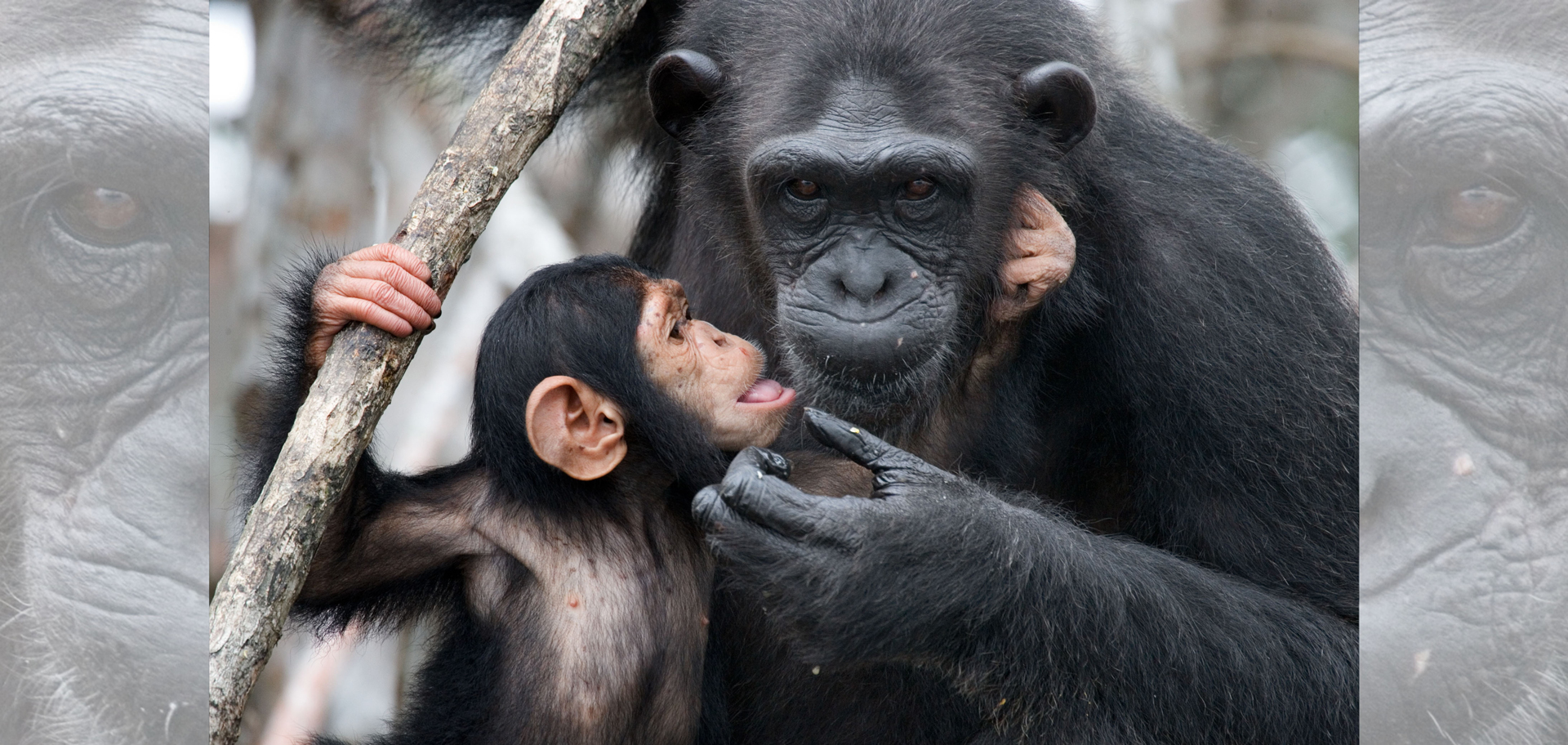
Similar to human infants, young chimpanzees produce calls with different affective states—positive, negative or neutral—alongside a variety of facial expressions and movements.
Many studies comparing apes with human children have tested them at different ages in order to discuss differences in language development between both species, conclude the researchers. Until now, though, we didn’t have evidence of vocal functional flexibility in nonhuman primates early on. This discovery holds profound implications for our understanding of the origins of human language.
Language wiring in the human brain: ChatGPT for birdsong
Much like how humans arrange words in a particular order to form a grammatically correct sentence, birds tend to sing sets of notes called “syllables” in a limited number of combinations. For both humans and birds, finishing a sentence or song sequence often depends on what has already been said. For example, the phrase “flies like” could be part of an analogy as in the phrase “time flies like an arrow” or an indication of enjoyment as in “fruit flies like bananas.” However, mixing and matching what comes after “flies like” results in “time flies like bananas” or “fruit flies like an arrow,” which don’t make sense. In this example, the phrase “flies like” has what researchers call context dependence.
Previous research has shown that the songs of Bengalese finches also have context dependence. But in a recent study conducted by researchers at The Pennsylvania State University, a new statistical method was developed to better quantify context dependence in individual birds and to start to understand how it is wired in the brain.
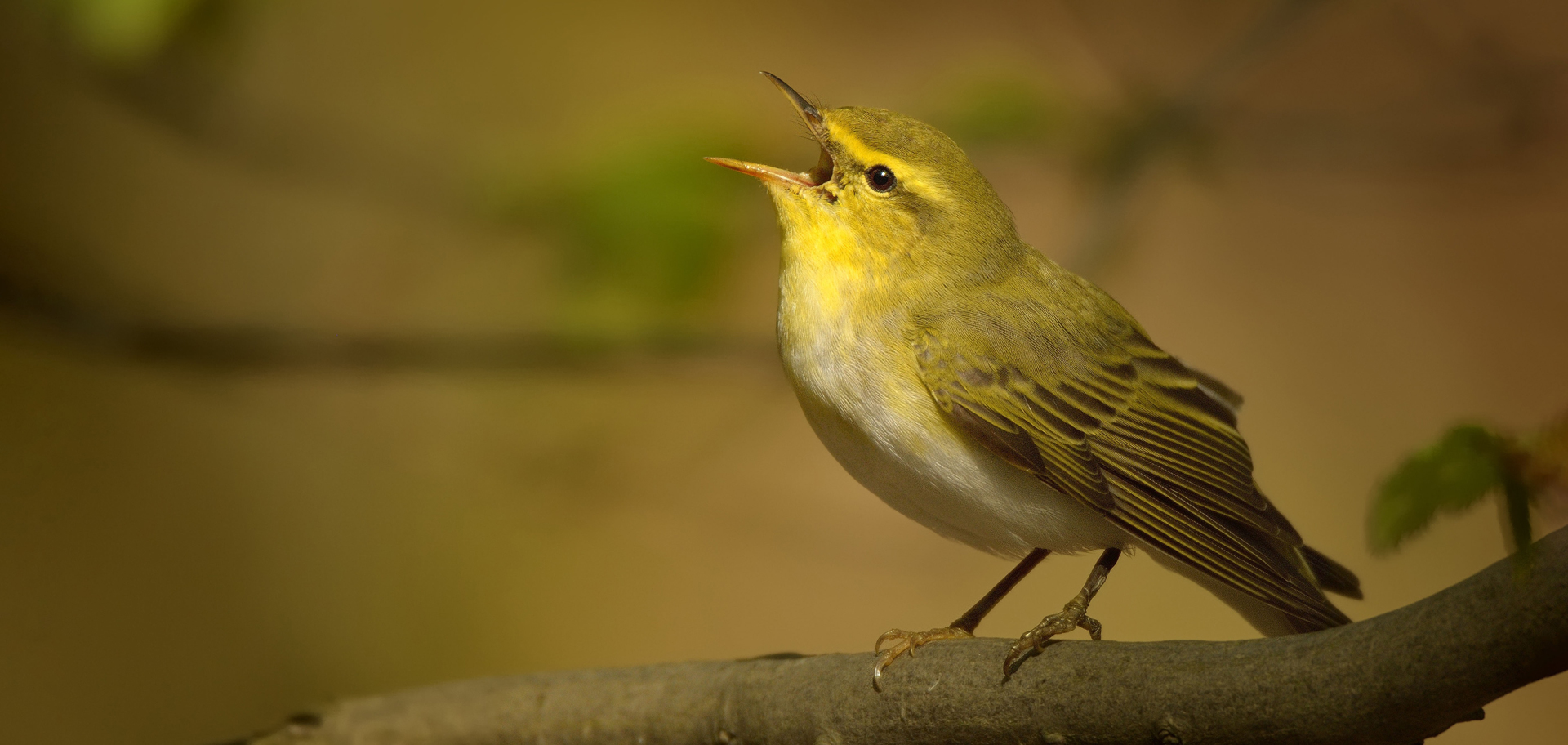
Although much simpler, the sequences of a bird’s song syllables are organized in a similar way to human language, so birds provide a good model for exploring the neurobiology of language.
The researchers analyzed previously recorded songs from six Bengalese finches, which sing about seven to 15 syllables in each sequence. Large language models were then used to depict probabilities of what words—or in this case, syllables—were likely to follow a particular syllable or word based on previously analyzed texts or song sequences. However, in their newly developed statistical method, the scientists incorporated context dependence, adding more connections to what syllables typically go together. This added complexity allowed for more accuracy.
Using the new method, then, the researchers created a series of potential models that could describe an individual bird’s song based on recorded sequences. They began with the simplest model, using a statistical test to see if a potential model was accurate or if it overgeneralized and produced sequences that do not actually exist. They then worked through more and more complex models until they determined the simplest model that accurately captures what the birds were singing. From this final model, the researchers could see which syllables have context dependence.
In their paper published in The Journal of Neuroscience in February 2025, the scientists report that they found that all six birds had context-dependent syllable transitions, suggesting this is an important aspect of birdsong. However, the number of syllables with context dependence varied among the individual birds. This could be due to several factors, including aspects of the birds’ brains or, because these songs are learned, this could be related to the amount of context dependence in their tutors’ songs.
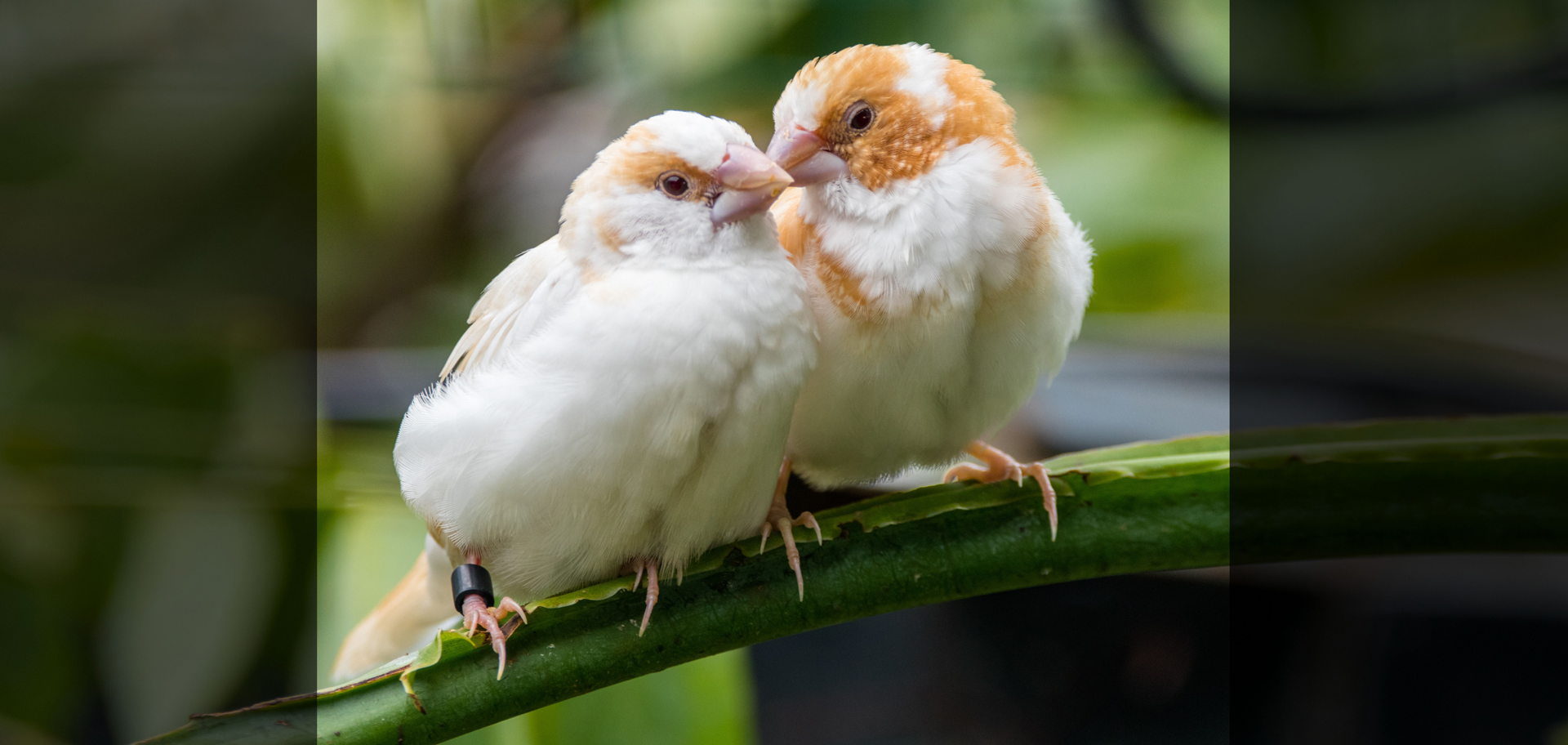
Many paintings and wall hangings from Asia show a variety of finches and songbirds; some wild, some caged. A few of these hangings, some many centuries old, depict a finch species apparently already domesticated. This highly sociable bird is still being commonly kept all over the world and is known as the “Bengalese finch” or the “society finch.”
To begin to understand the neurobiology behind context-dependent syllable transitions, the researchers also analyzed the songs of birds that could not hear. In these birds, they saw a dramatic decrease in context dependence, which suggests that auditory feedback plays a large role in creating context dependence in the brain. The birds are listening to themselves and adjusting their songs based on what they hear, and the related machinery in the brain likely plays a role in this context dependence. This new method, say the scientists, provides a more automated and robust way to analyze not only birdsong, but other animal vocalizations and even behavioral sequences.
In the future, the Penn State team would also like to map neuron states to specific syllables. This study indicates that even when a bird is singing the same syllable, different sets of neurons might be active. When using this method with the English language, they were able to generate text that was mostly grammatical and found it interesting that the same kind of model can handle both birdsong and human language. Perhaps the underlying neural mechanism is similar, too. The researchers state that many philosophers describe human language and especially grammar as exceptional, but if this model can create language-like sentences and if the neural mechanisms behind birdsong and human language are, indeed, similar, they can’t help but wonder if our language really is so unique.
Secret languages: animal cooperation
Different species can cooperate in surprisingly diverse situations. Some birds lead humans to bees’ nests in exchange for access to beeswax. Cleaner fish remove parasites from larger reef fish and receive a meal in return. Drawing on examples from birds, fish, insects and mammals, an international team of researchers, including some from England’s University of Oxford, have shown how communication helps these relationships function and endure.
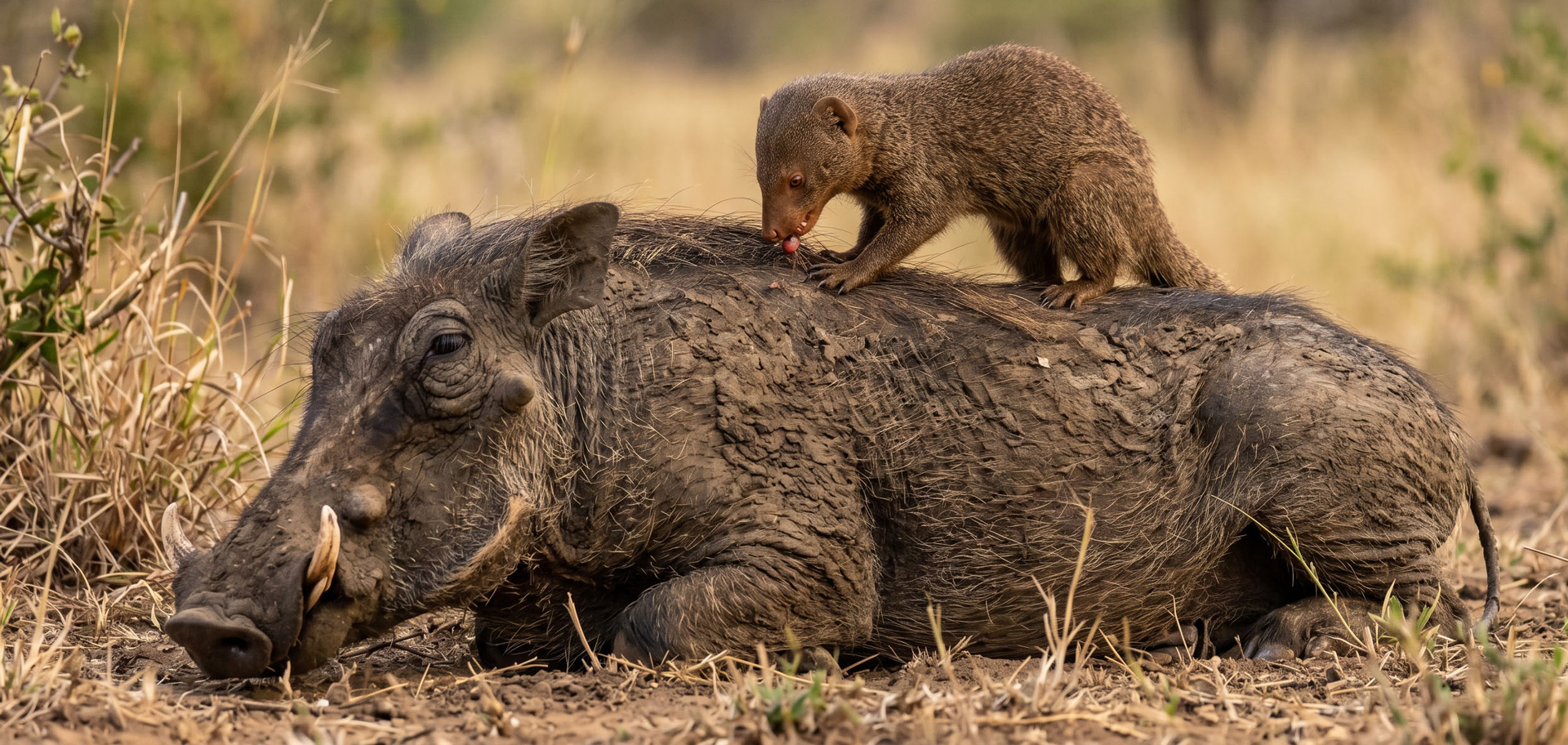
Animals don’t just converse with members of their own species; communication also plays a crucial role in helping different species work together. Mongooses cooperate with warthogs by cleaning them and removing ticks, while the warthogs provide access to food and safety from predators through their presence and vigilance.
For cooperation to succeed, animals must often match the timing of their actions to achieve a shared goal. This can be especially challenging when the species involved perceive the world in different ways. One example is the greater honeyguide bird, which uses specialized calls to attract humans and lead them to bees’ nests. The bird also responds to calls made by humans. In another case, warthogs use distinctive body postures to invite birds and mammals to clean them.
From such examples, the researchers knew that individuals coordinate their actions to access shared resources, like food, or to exchange resources for services, such as protection from predators. But behavioral cues and signals do more than initiate cooperation. They also help animals identify trustworthy partners and reduce the risk of being exploited. For instance, some cleaner fish (such as Labroides dimidiatus) and shrimp (like Urocaridella sp.) display bright colors and perform distinctive movements that signal their role to predatory fish, allowing cleaning interactions to occur safely. Likewise, Lycaenidae butterfly larvae use chemical and vibrational signals that encourage ants to protect them rather than eat them.
Not all cues are visual, however. In a review published in the journal Animal Behavior in July 2026, the team emphasizes that many species rely on information gathered through multiple senses, suggesting that scientists may overlook important forms of communication if they focus only on what animals can see.
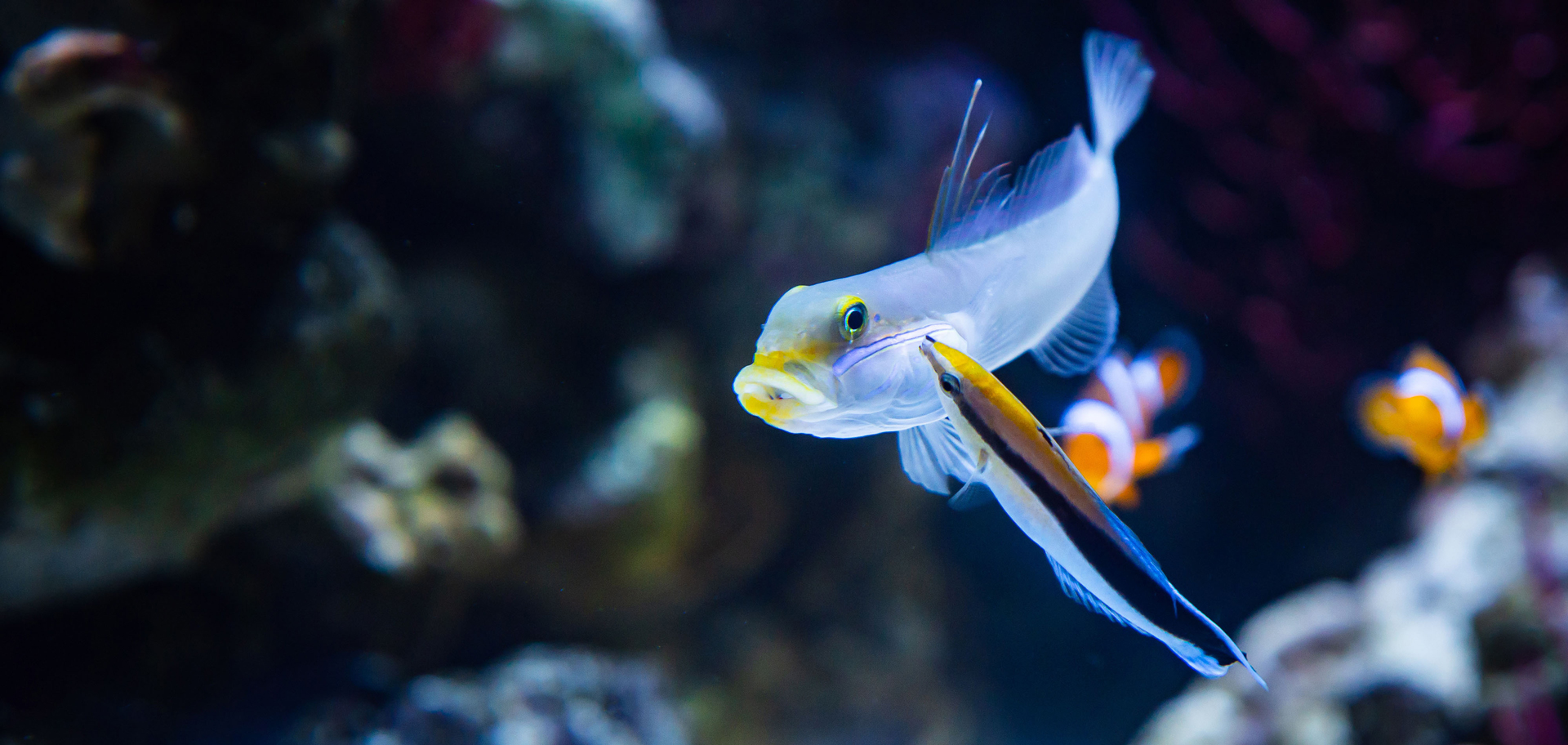
Interactions with other species can be beneficial, but they can also be dangerous. Communication allows animals to distinguish between partners that offer a genuine service and those that might take advantage of them. Cleaner fish—such as this striped wrasse—signal their roles to predatory fish, allowing cleaning interactions to occur safely.
It is also important to note, say the review’s authors, that not all communication systems are the same. Some remain highly consistent, while others vary depending on location and environmental conditions. Fish seeking cleaning services often use predictable postures, such as headstands or tail-stands. In contrast, fishermen working with dolphins may interpret different dolphin behaviors as cues for when to cast their nets, and those signals can vary from one region to another. This highlights just how flexible and adaptable interspecies communication can be.
The researchers also explored how communication systems between species may develop over time. Some signals may begin as simple cues, meaning behaviors or traits that influence another animal’s response even though they were not originally meant to communicate information. Over generations, those cues can become more specialized signals. Other communication signals may start out serving entirely different purposes, such as helping animals care for offspring or resolve conflicts. Eventually, those behaviors can be adapted for use in cooperative interactions between species.
Studying how information flows between species gives us a powerful window into how communication systems originate, change and sometimes coevolve; and how these interactions influence ecosystems, conclude the authors. They look forward to future research revealing both these interactions and other forms of interspecies cooperation yet to be discovered.

More than 8 million species share our planet, but we understand the language of only one. With exponential advances in AI and large language models, however, decoding animal communication is no longer a question of if—it’s when. And by listening more deeply, we can unlock a new relationship with the rest of nature.
Language learning: a relationship with nature
According to the Earth Species Project, more than 8 million species share our planet. We only understand the language of one.
But with exponential advances in AI and large language models, the Earth Species Project tells us, decoding animal communication is no longer a question of if—it’s when. And by listening more deeply, we can unlock a new relationship with the rest of nature.
I, for one, can’t wait. I have lots of questions about better ways of being for the better-than-humans among us.
Here’s to finding your true places and natural habitats,
Candy