

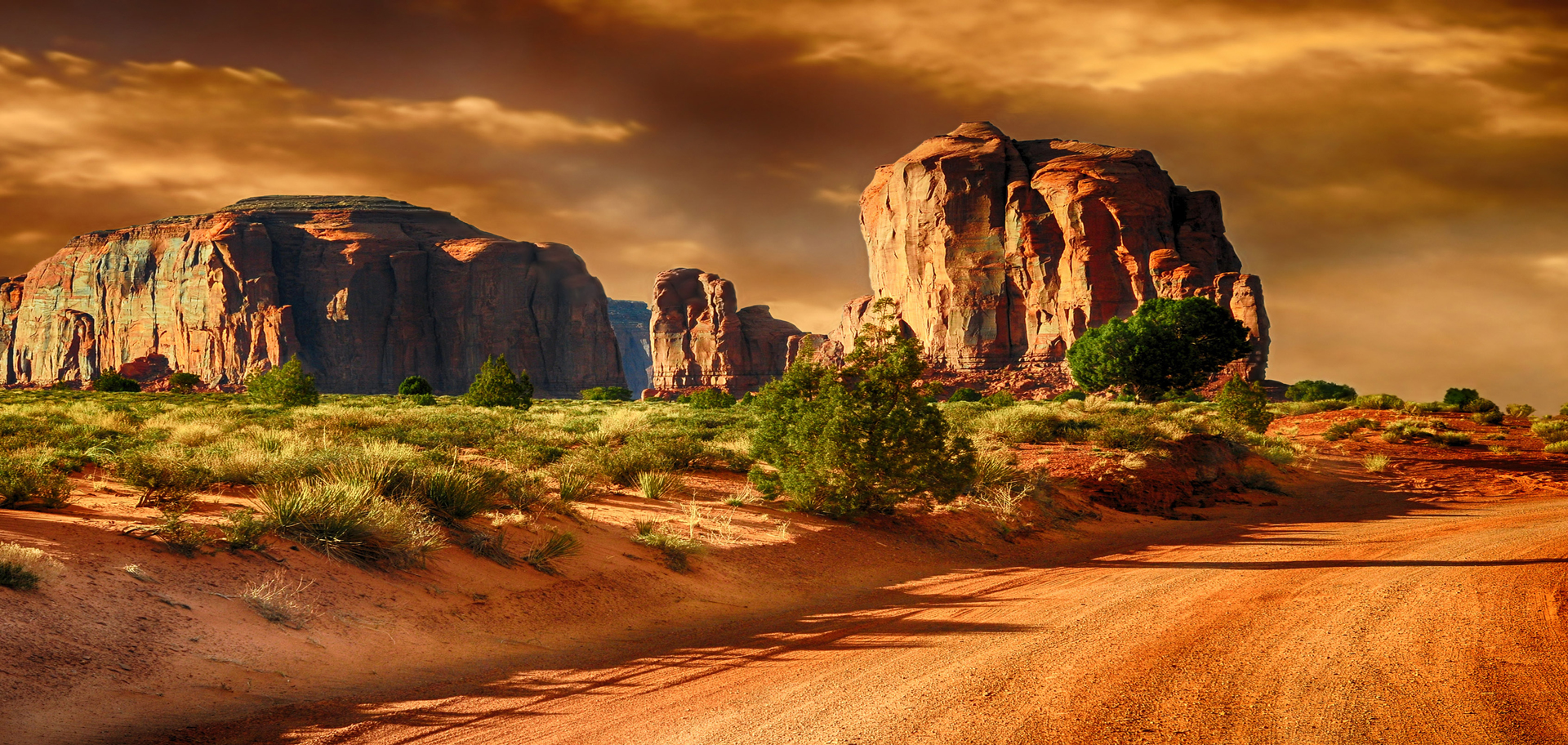
In 2026, heat domes across the U.S. West pushed regional ecosystems, emergency services and infrastructure to their limits. Extreme weather, such as when temperatures maintain a sustained range of 115 to 120 degrees Fahrenheit, creates critical challenges that require immediate, coordinated intervention.
The continental United States and many global regions experienced their hottest summer on record in 2026, driven by human-caused climate change and an intensifying El Nino, according to the National Oceanic and Atmospheric Administration’s National Climate Report published on September 9, 2026. Average temperatures were roughly 3 degrees Fahrenheit above the 20th-century baseline. Persistent heat domes triggered temperatures ranging from 115 to 120 degrees Fahrenheit across the Western U.S., while places like Atlantic City reached 106 degrees Fahrenheit and Los Angeles spiked to 103. August 2026 tied July 2023 as the hottest month ever recorded globally by the European Union’s climate agency, with an average air temperature of 62.5 degrees Fahrenheit. Western Europe experienced its hottest summer ever (with Barcelona reaching 105.3 degrees Fahrenheit), South Korea hit a record 108.5 degrees Fahrenheit and Canada faced severe heat warnings alongside intense wildfires. Organizations like Berkeley Earth warn that the strengthening El Nino pattern keeps 2026 in contention to challenge or surpass 2024 as the warmest year on record.
But humans aren’t the only ones feeling the heat. Frogs, salamanders and other amphibians are not just battling habitat loss and pollution, they’re now also contending with increasingly brutal droughts and heat waves. A sweeping 40-year study shows a direct link between the rise in extreme weather events and the growing number of species landing on the International Union for Conservation of Nature’s (IUCN) Red List of Threatened Species. The Amazon, Europe and Madagascar have become danger zones, with amphibians unable to adapt quickly enough. In the bird world, decades of data from more than 80,000 great tits reveal that extreme weather can shape the fate of baby birds. Cold snaps soon after hatching and heavy rain later in development shrink nestling body mass and reduce survival odds.
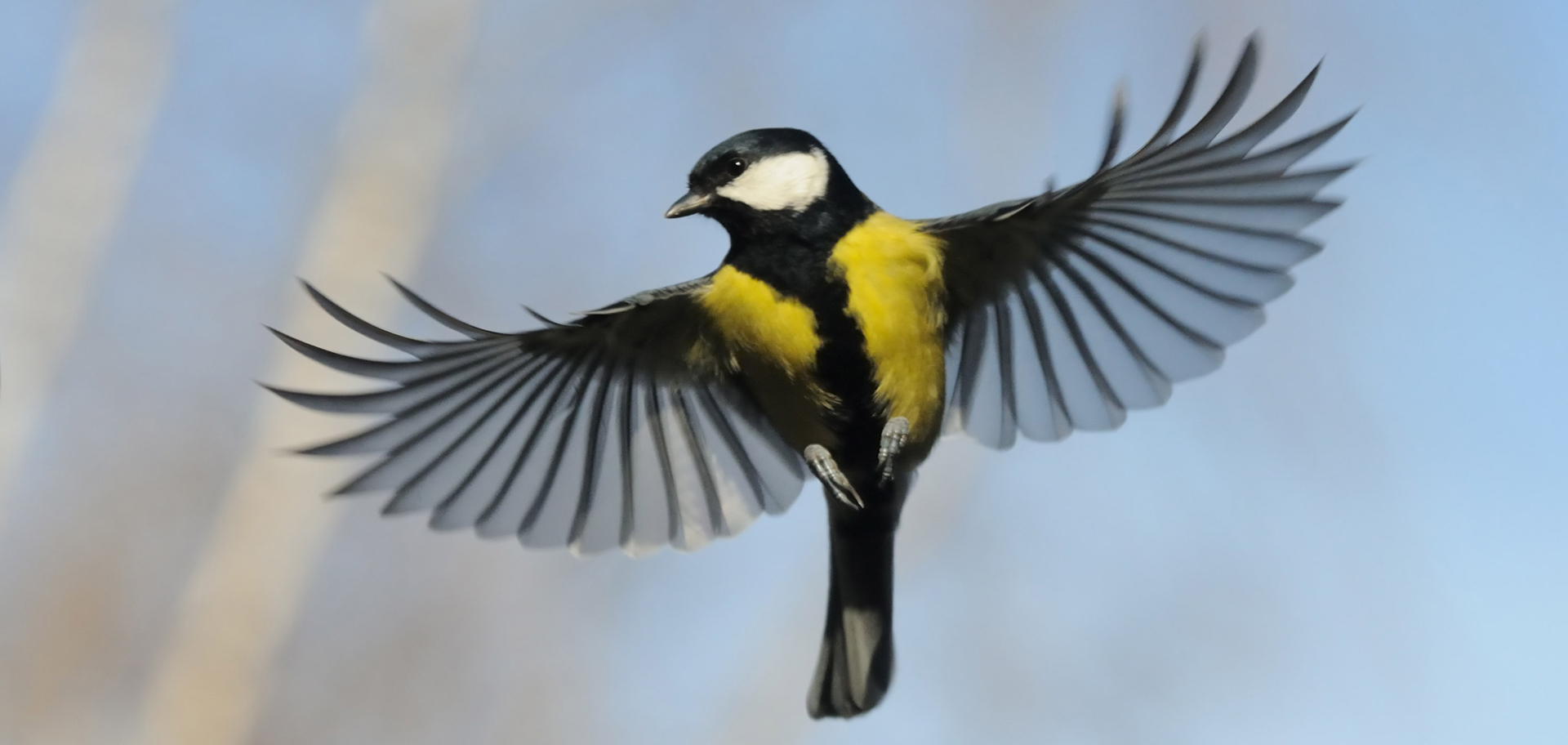
Great tits are widespread in the United Kingdom. They live in gardens, parks and woodlands. They are rotund birds with glossy, black crowns, napes and throats and pure-white cheeks. Their yellow breasts feature a dark-black, central stripe. The major difference between females and males is that males have slightly broader black stripes on their breasts.
But there is some hope: focused conservation efforts like habitat restoration and micro-refuges could help vulnerable amphibians survive. Moderate warm spells can actually help great tit chicks grow by boosting insect activity and feeding opportunities. And birds that breed earlier in the season receive better protection from weather shocks. Insects give us additional cause for optimism: snow flies in extreme cold weather have developed a surprising way of persisting.
There’s no doubt that extreme weather is now part of our everyday lives. In fact, nearly three out of four older Americans have experienced at least one extreme weather event in the last two years. And living through such an event changes how people view the potential impacts of climate change on their health. Luckily, a team of scientists has brought together methods—this time, based in nature—to see beyond the limitations of conventional weather records, which typically cover only the past century.
Extreme weather is wiping out amphibians
Diseases, habitat loss and pollution are already massively affecting amphibians native to tropical regions. But a recent study by researchers at Germany’s Institute for Ecology, Evolution and Diversity at Goethe University in Frankfurt shows that extreme weather events serve as an additional stress factor, further intensifying this crisis.
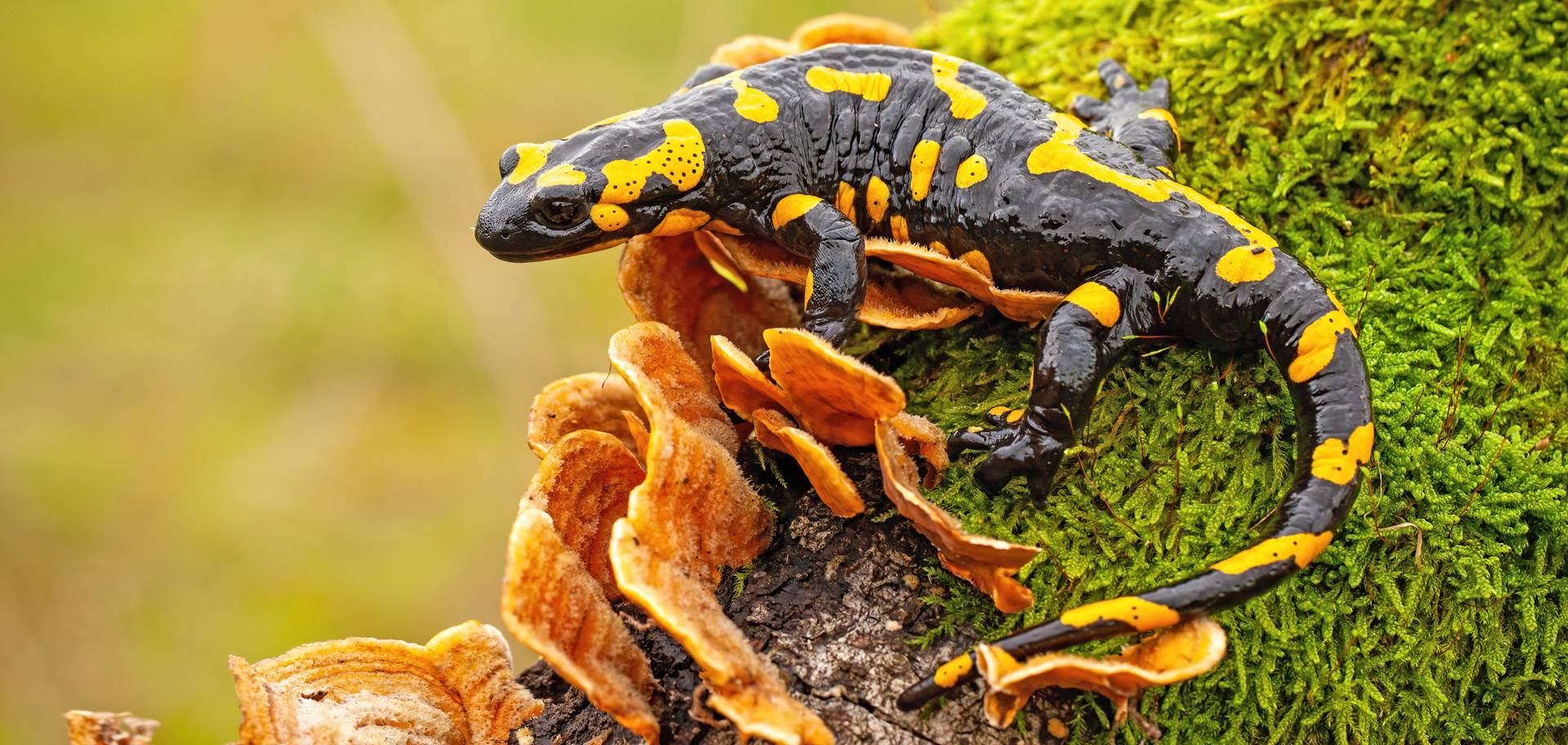
Amphibians—like Europe’s native fire salamander—depend on temporary wetlands for breeding, making them particularly vulnerable to droughts and temperature shifts that cause such sites to dry prematurely. Since 2004, as droughts and heat waves have increased, the threat status of amphibians on the IUCN Red List has significantly deteriorated.
The scientists analyzed global weather data from the past 40 years. They compared regions with significantly increased cold spells, droughts and heat waves with the geographical distribution of more than 7,000 amphibian species and their threat status on the IUCN Red List of Threatened Species.
The results, published in the journal Conservation Biology in October 2025, were clear: since 2004 where droughts and heat waves have increased, the threat status of amphibians on the Red List has significantly risen. Amphibians’ dependence on temporary wetlands for breeding makes them particularly vulnerable to droughts and temperature shifts that cause their breeding grounds to dry prematurely.
Three regions are especially affected: the Amazon, Europe and Madagascar. In South America, the majority of amphibians are exposed to increasing heat waves; in Europe, droughts cause most of problems for the animals. And unfortunately, future climate projections show that drought periods in Central Europe will likely increase in both duration and intensity. In fact, already half of the true salamanders native to Central Europe are exposed to increasing droughts.
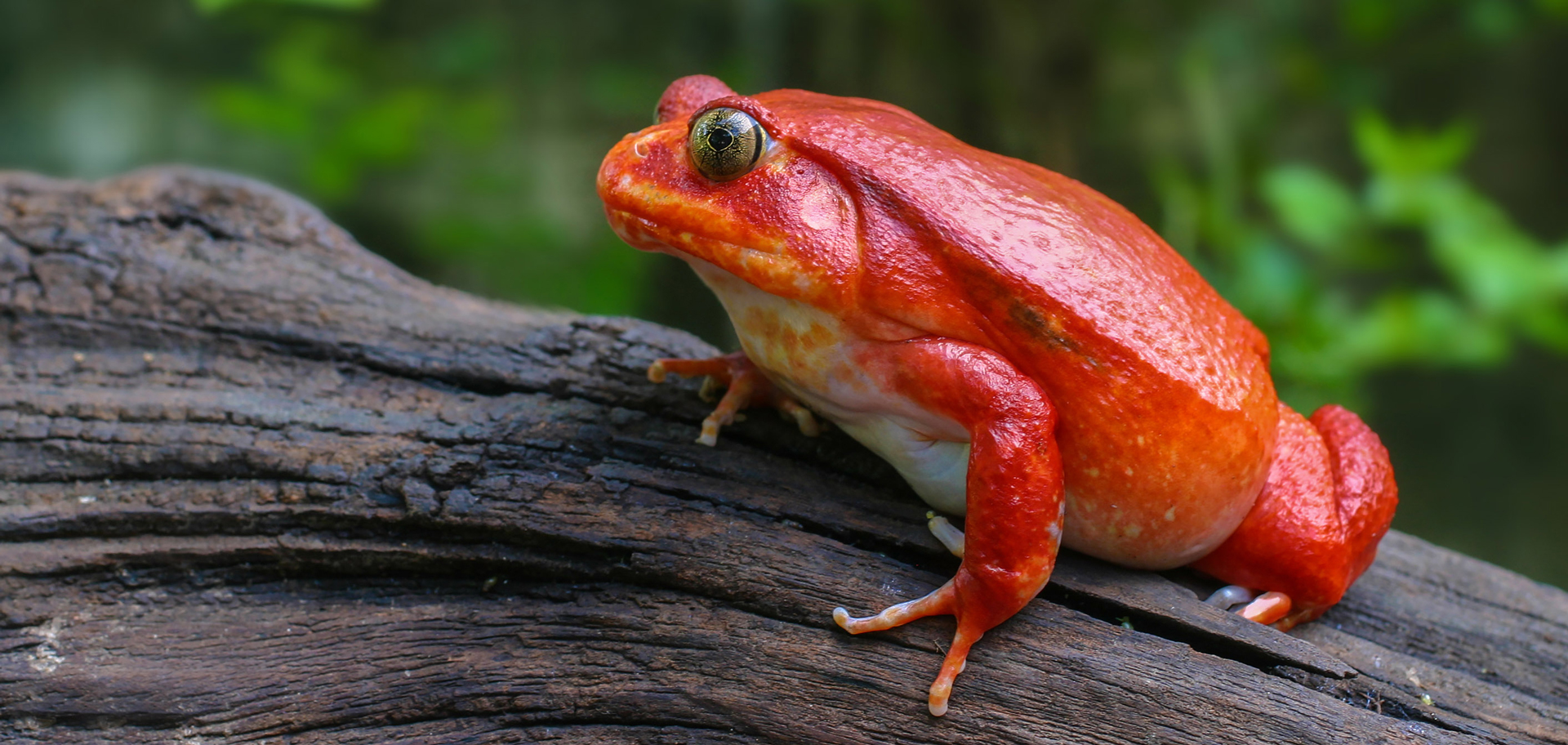
In Madagascar, intensifying heat waves and disrupted seasonal rainfall patterns directly stress amphibian biology. Premature drying of temporary breeding ponds causes catastrophic breeding failures and loss of entire frog cohorts.
The study results highlight the urgency of targeted conservation measures, such as the creation of small, protected areas where amphibians can find refuge, as well as the improvement of wetlands to ensure optimal living conditions. Creating moist retreat sites using boards or pipes would also provide amphibians with opportunities to withdraw during dry periods. Amphibians are considered indicators of ecosystem health, state the researchers in their study, so their protection is of paramount importance for preserving biodiversity.
Extreme weather is hitting baby birds hard
Birds, too, are suffering from today’s extreme weather. A study from England’s University of Oxford finds that sudden cold spells and heavy rainfall can slow growth and reduce survival chances for young great tits in the United Kingdom. The research also suggests that birds that begin breeding earlier in the season may avoid many of the harmful effects linked to these weather extremes.
The findings come from an unusually long dataset. Scientists analyzed 60 years of records covering more than 80,000 individual wild great tits in Oxford’s Wytham Woods. They paired this information with detailed daily weather records. By identifying the coldest, hottest and wettest days in each breeding season, researchers measured how often these extremes occurred during critical stages of chick development and how they influenced body mass when nestlings fledged, an important predictor of survival.

Wytham Woods is a mixed deciduous forest in southern England. It’s owned by the University of Oxford and is one of the most researched areas of woodlands in the world. It’s a site with a wealth of long-term biological data: badger data for more than 30 years, bird data dating back to 1947 and climate change data since 2005.
The study, published in the journal Global Change Biology in March 2026, demonstrated that severe cold during the first week after hatching is especially harmful. As chicks grow older, heavy rainfall becomes the greater threat. Both types of weather can reduce body mass at fledging by as much as 3%.
When intense heat occurs at the same time as heavy rain, the impact becomes much more severe. In those cases, fledging mass can drop by up to 27%, particularly for broods that hatch later in the breeding season. In the Wytham population, great tits have adjusted to warmer springs by breeding earlier to track peak abundance of their main prey, caterpillars. This overall earlier laying is beneficial, buffering them against many impacts of extreme weather; but it also exposes them to cold spells early in the season. Even small early-life deficits can have large implications for survival. The researchers say it will only get tougher for birds to keep up as extreme weather increases in frequency and intensity with climate change.
Newly hatched chicks have trouble regulating body temperature because they lack feathers. During cold spells, they must use much of their energy simply to stay warm rather than to grow. Bad weather also affects how much food they receive. Extreme cold and heavy rain can limit how often parents leave the nest to search for food. At the same time, rainfall can knock caterpillars off plants, reducing the main food source that growing chicks rely on to meet their very high energy demands.
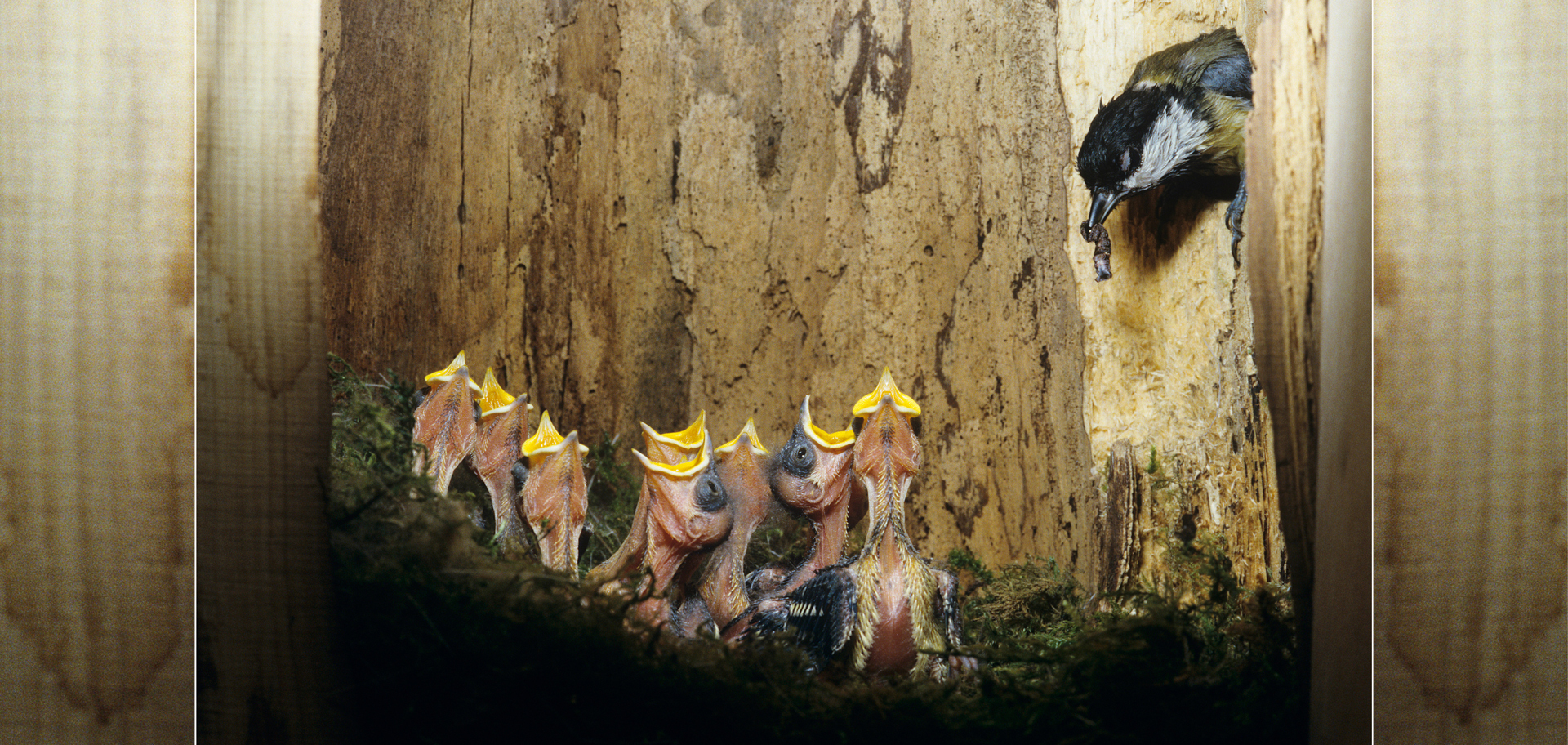
Extreme weather shrinks baby birds, but breeding earlier helps great tits stay one step ahead of the climate. In Wytham Woods, great tits adjust to warmer springs by breeding earlier to track peak abundance of caterpillars. While earlier laying buffers them against extreme weather impacts, it also exposes them to cold spells early in the season.
One unexpected finding was that warmer extremes in Oxfordshire were linked to heavier fledging weights during the nestling stage. High temperatures are often associated with heat stress; but in this case, the warmer periods were relatively mild compared with extreme heat events in southern Europe. That means that extreme weather is affecting wild bird populations in complex ways. The level of warmth in heat extremes in Oxfordshire might boost growth because it can increase insect activity and visibility—making caterpillars easier to find—while letting parents forage more and reducing nestlings’ thermoregulatory costs. The high water content in caterpillars also helps against dehydration. This contrasts sharply with hotter regions farther south, like the Mediterranean, where similar events can exceed 95 degrees Fahrenheit and harm nestlings.
Broods that hatch earlier in spring tend to benefit from occasional warm spells, when caterpillars are abundant and temperatures remain within safe limits. Birds that breed later in the season face tougher conditions. Their fledglings are about one third lighter, even though the warmest days they experience reach similar temperatures of about 60 to 62 degrees Fahrenheit.
Over longer periods, extreme cold and rainfall slightly reduce the odds that young birds will survive to adulthood. In contrast, warm extremes can have small positive effects. Overall, breeding earlier within a season shields many birds from the worst consequences of unpredictable weather.
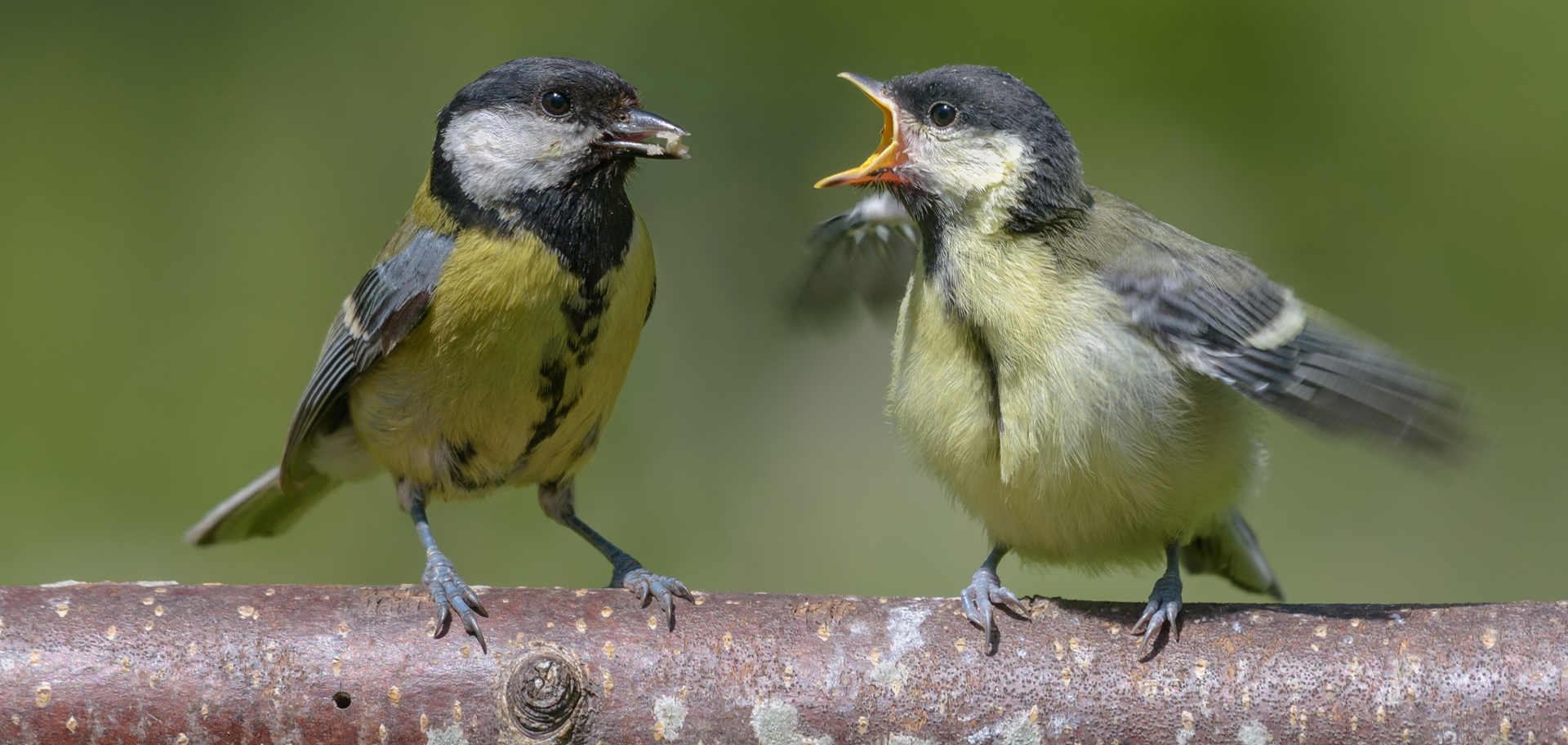
High temperatures are often associated with heat stress, but warmer periods in England’s Wytham Woods are relatively mild compared to the extreme heat in southern Europe—meaning that extreme weather is affecting wild bird populations in complex ways. The level of warmth in heat extremes in Wytham Woods might be boosting chick growth because it can reduce nestlings’ thermoregulatory costs and increase caterpillar visibility, letting parents forage more.
As climate change intensifies weather extremes, scientists say it will become increasingly important to monitor small-scale environmental conditions, such as habitat differences and microclimates. This type of research can guide conservation strategies, including nest box placement and woodland management, to better protect vulnerable chicks during key stages of development.
Extreme weather is revealing a bug that generates its own heat
Snow flies might seem like ordinary insects, but their survival strategy is anything but typical. In a study published in the journal Current Biology in April 2026, scientists at Northwestern University in Illinois investigated how these small, wingless insects—which move across snowy surfaces to find mates and lay eggs—stay alive in freezing conditions. They discovered that snow flies rely on an astonishing mix of biological tools. The insects can generate their own body heat like mammals and produce antifreeze proteins similar to those found in Arctic fish, which suggests evolution came to the same solution for a common problem.
While most insects cannot survive below freezing, snow flies remain active at temperatures as low as 21.2 degrees Fahrenheit. These findings provide new insights into how life adapts to extreme environments, helping researchers to develop new ways to protect cells, tissues and materials from damage caused by cold.
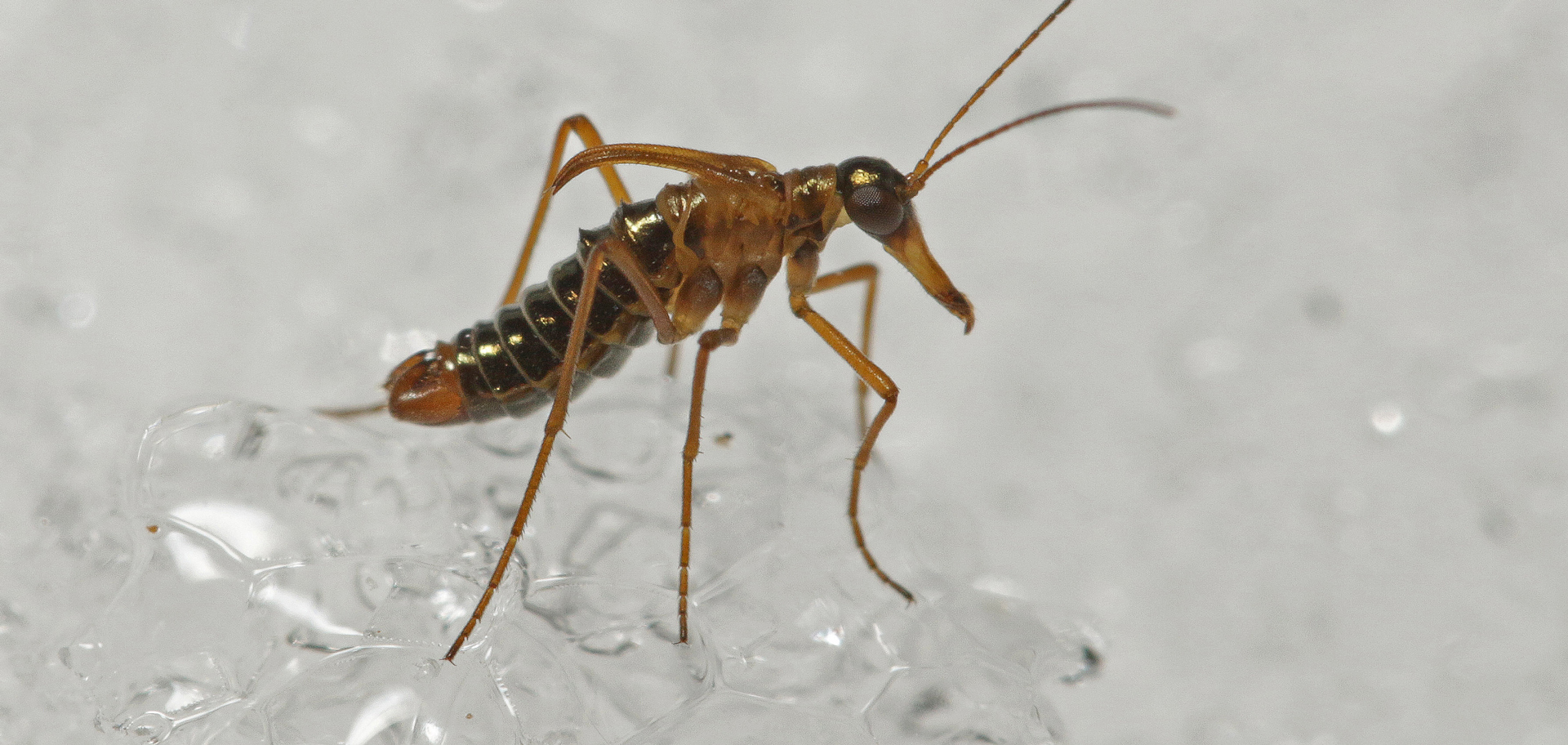
Insects, like bees and moths, shiver to increase their heat. Snow flies, however, do not shiver. Instead, they produce heat at the cellular level. They also produce antifreeze proteins. Snow fly genes are unusually unique; they feel less cold-related pain than other insects. These combined traits let them stay active in conditions that would freeze most species.
Insects are cold-blooded, so they are at the mercy of external temperatures. But they have a mind-boggling ability to adapt to extremes. When it gets cold, a common strategy is to find shelter and become dormant until conditions get better. But instead of slowing down, snow flies actually prefer freezing-cold, snowy conditions and hide away when the snow melts and it gets warm. They push the limits of what’s possible: snow flies aren’t just tolerating the cold, they have multiple ways to counteract it.
To understand how snow flies survive such harsh conditions, the Northwestern University researchers first sequenced the snow fly genome and compared it with related insects that are not adapted to cold environments. They also analyzed the RNA to identify which genes are actively used for survival in freezing temperatures. The results were startling: the researchers couldn’t find many of the genes within any database. It’s very rare for an active gene, which makes a protein, to not have a match. Further investigation showed that these unusual genes produce antifreeze proteins. Like those found in Arctic fish, these proteins attach to ice crystals and prevent them from growing. This process protects cells from damage during freezing.
The team also identified genes linked to energy use and cellular processes involved in producing heat. This suggested another unforeseen ability. Snow flies do not just resist freezing, they also generate their own heat. They have some of the same genes that in larger animals are associated with mitochondrial thermogenesis in brown adipose tissue, called “brown fat.” When some animals—such as marmots and polar bears—go into hibernation, they burn this stored, brown fat to produce heat rather than to produce chemical energy. So, in some ways, snow flies use a combination of the strategies used by Arctic fish and polar bears.
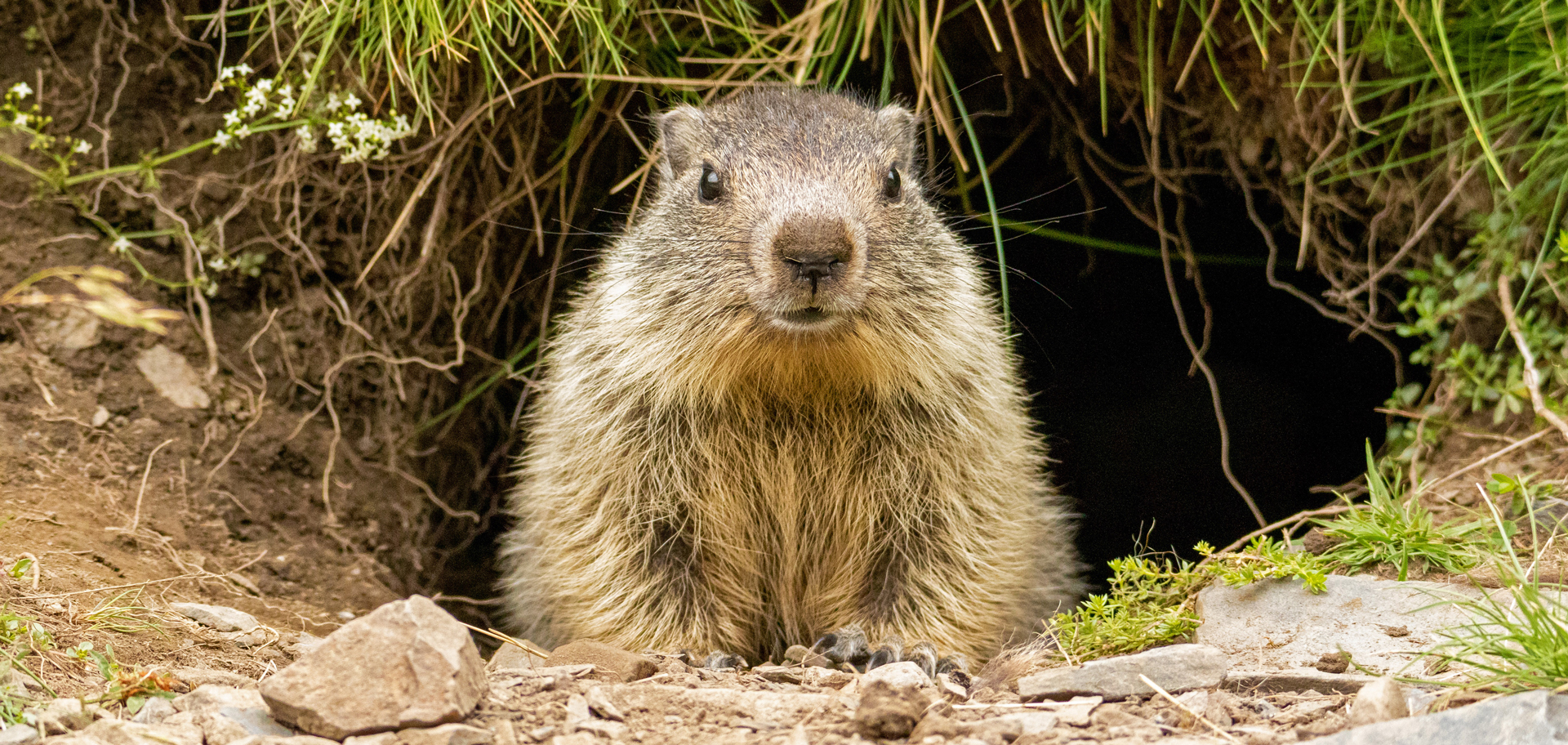
Marmots have brown fat, which plays a vital role in their survival during hibernation. Brown fat burns energy to create heat rather than storing it. When a marmot wakes up after hibernation, the sympathetic nervous system releases norepinephrine, activating a protein inside the brown fat cells near the chest and neck. That rapidly transfers heat to vital thoracic structures and the cervical spine, quickly warming up the marmot from deep torpor and freezing temperatures.
To test how the antifreeze proteins work, the researchers modified fruit flies to produce one of the snow fly proteins. They then exposed them to freezing temperatures in a lab freezer. The modified flies survived at much higher rates than normal fruit flies, confirming that the proteins act as barriers that stop ice from spreading. In another experiment, the researchers tested whether snow flies actually generate heat. They measured the insects’ internal temperatures while gradually lowering the surrounding temperature below freezing. During this process, snow flies consistently remained slightly warmer than expected by a couple of degrees compared to other insects. Even a small increase in temperature can be critical for survival in such extreme conditions. This brief warmth may give snow flies enough time to find shelter and avoid freezing when temperatures suddenly drop.
Snow flies also appear to be less sensitive to the painful effects of extreme cold. Most people recognize the sharp sting of touching ice or cold metal. This sensation is triggered by reactive molecules in cells that signal the body to avoid harm. In snow flies, this response is significantly reduced because a key sensory protein involved in detecting harmful stimuli is much less responsive—in fact, it is 30 times less sensitive—in snow flies than in other insects, like fruit flies and mosquitoes. As a result, these insects can tolerate higher levels of cold-related stress and continue functioning in conditions that would overwhelm most species.
Next, the researchers plan to explore in greater detail how snow flies generate heat at the cellular level and to identify the full range of antifreeze proteins they produce. This work could reveal whether other organisms use similar strategies to survive in extreme cold environments.
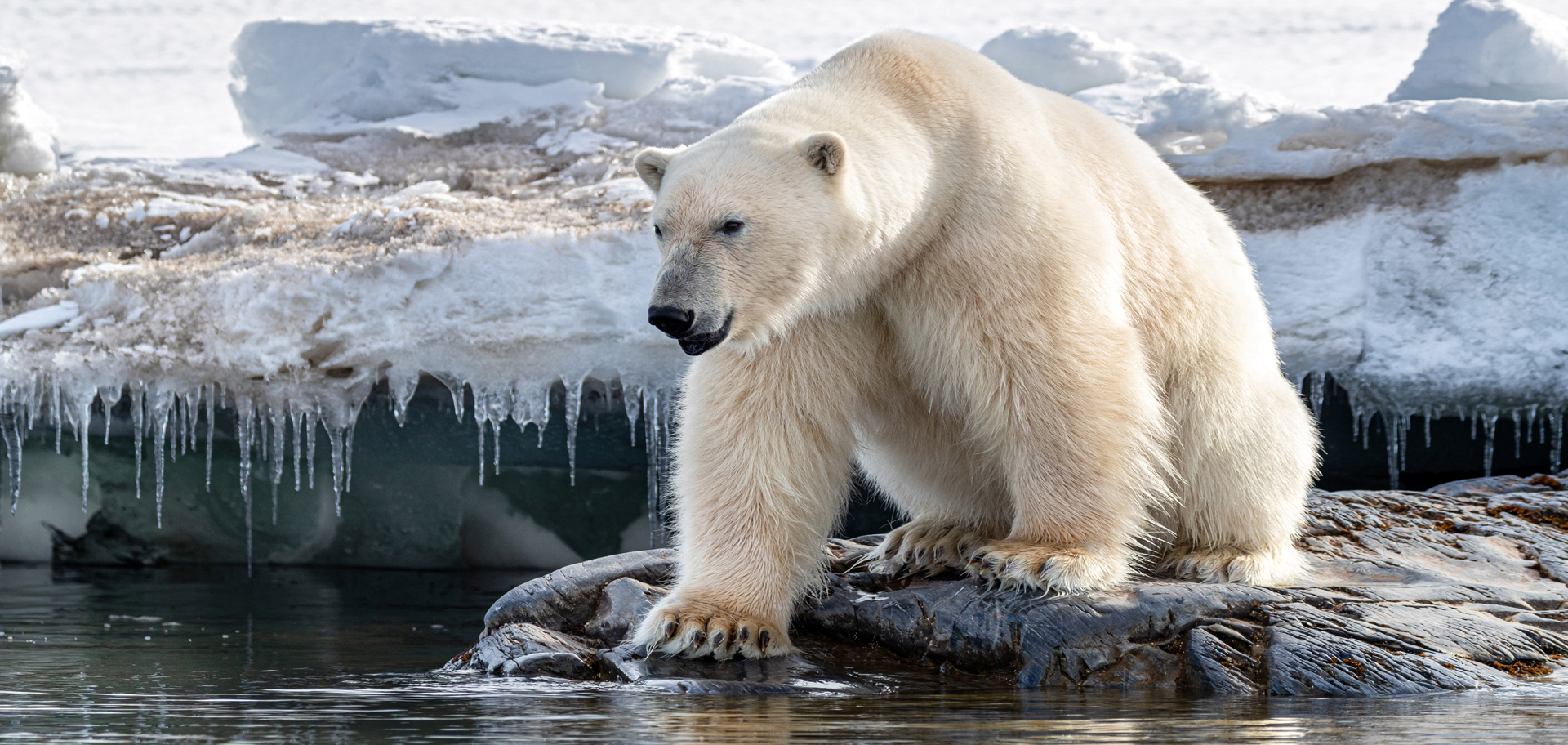
While polar bears rely heavily on thick layers of white fat—or blubber—for long-term energy storage and major insulation, their brown fat acts as a natural heater by burning calories and fat to generate body heat without shivering. So, a polar bear’s white fat stores excess energy, while its brown fat burns it to generate heat.
Extreme weather is a medical issue
Nearly three out of every four older Americans have experienced at least one extreme weather event in the last two years, according to the National Poll on Healthy Aging that was conducted by researchers at the University of Michigan and published in March 2025. And living through such an event makes a big difference in how they view the potential impact of climate change on their health.
The poll shows that 59% of people aged 50 and over are concerned about how climate change could affect their health. That percentage was even higher among those who had recently lived through a weather emergency, such as extreme heat, a power outage lasting more than a day, a severe storm or a wildfire. In all, 70% of those who had experienced at least one such event in the past two years expressed concern about climate change and their health, compared with 26% of those who had not lived through such an event.
Other groups of older adults were also more likely to say they are concerned about the effects of climate change on their health, including women, those reporting fair or poor mental health and those who live in urban areas. However, only 6% of people over 50 had talked with a health-care provider about how extreme weather might affect their well-being and how they could prepare or protect themselves.

Extreme weather can affect an older adult’s health directly; for instance, people with asthma and other lung diseases can have trouble breathing due to wildfire smoke, home medical equipment can be affected by power outages, and older adults can be more vulnerable to extreme heat and cold.
The scientists say these findings reveal a need to help more older adults understand and take steps to prepare for the impacts of extreme heat waves, hurricanes, tornadoes, winter storms, wildfires and more, especially when it comes to prolonged disruptions to their supply of medications or the electricity that powers their medical equipment, protecting their lungs from wildfire smoke or knowing where to find cooling centers, warming centers and emergency shelters in their communities. Poll respondents reporting a health problem or disability that limits their daily activities were slightly more likely than other older adults to say they had spoken with a health-care provider about how to prepare for a climate-related emergency, at 8% versus 5%. Among all older adults who had had such discussions, 64% had taken at least one action to prepare.
The poll was conducted in August 2024, before some of the most extreme climate-related emergencies of 2025, such as September’s Hurricane Helene—the deadliest hurricane to strike the U.S. since Hurricane Katrina in 2005—and the wildfires in the Los Angeles area in January of 2025. In all, 2023 and 2024 were nearly tied for the number of climate and weather disasters with costs of more than a billion dollars, and the number of disasters of such magnitude has grown over the lifetimes of today’s older adults.
In addition to concern for their own health, 74% of people aged 50 and over say they are concerned about the potential impact of climate change on the health of future generations; 43% say they are very concerned, and 31% say they are somewhat concerned. Those older adults who had lived through a weather emergency in the past two years were more likely to express concern about future generations, with 83% of them saying they’re concerned, compared with 45% of those who had not experienced a weather emergency.
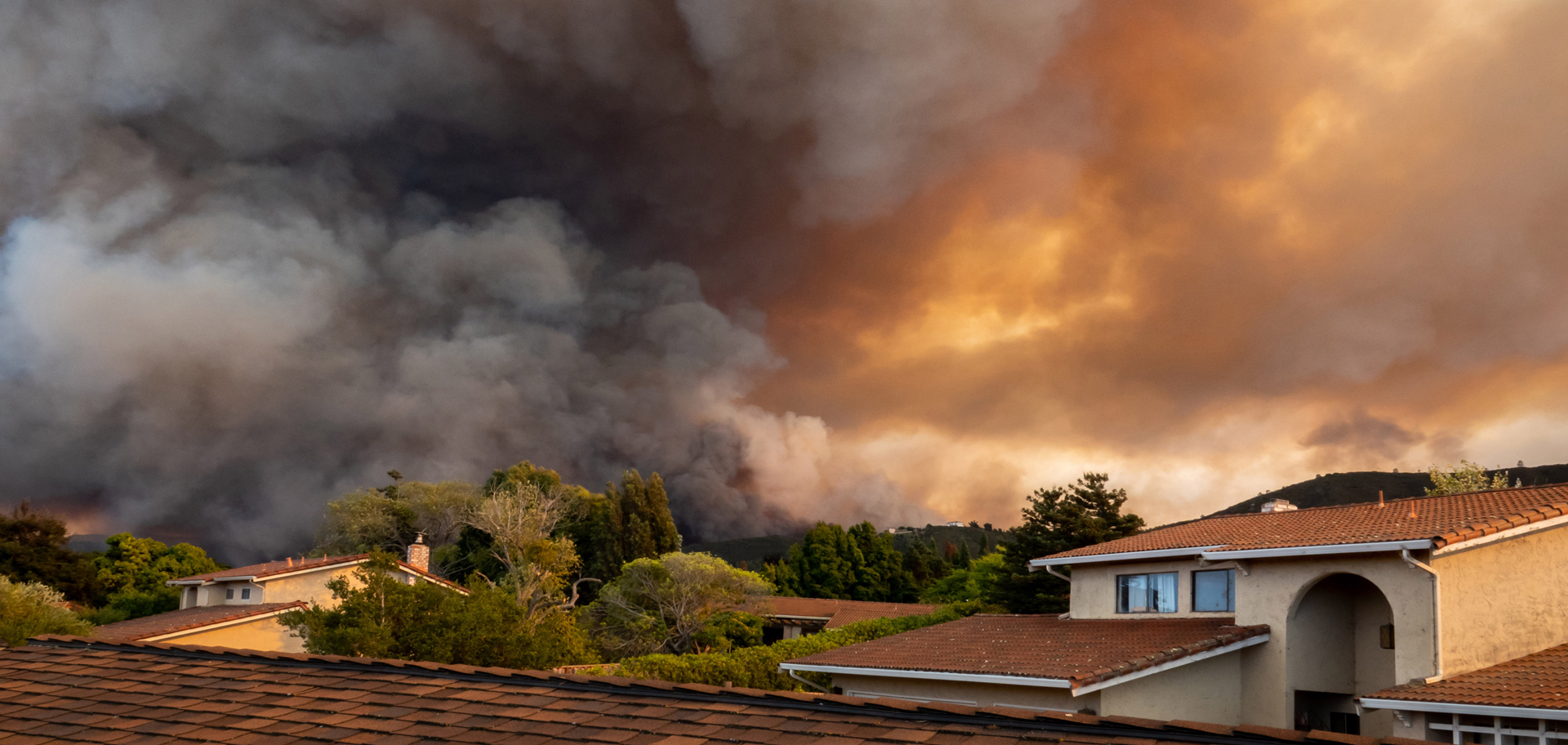
In a poll conducted with people over 50 years of age, intense heat was the most common extreme weather event they had experienced, with 63% saying they had lived through at least one major heat wave in the past two years. Poor air quality due to wildfire smoke came in second, at 35%.
Excessive heat was the most common extreme weather event experienced by poll respondents, with 63% saying they had experienced at least one major heat wave in the past two years. Poor air quality due to wildfire smoke was next most common, at 35%, and 31% had been in the path of a severe storm. Prolonged power outages (lasting more than one day) were next in line, at 13%.
Older adults were also asked which potential future effects of climate change concerned them the most. The most-cited potential future effect was more extreme heat events (70%), followed closely by air pollution and poor air quality (69%), loss of basic infrastructure like power and water (68%), more frequent severe storms (68%) and changes in infectious diseases (66%).
The authors of the report conclude that planning and preparing for emergencies is especially important for those with complex health conditions and disabilities. They should be sure to ask their regular health-care providers for advice, as well as seek information from their local and state emergency-preparedness authorities.
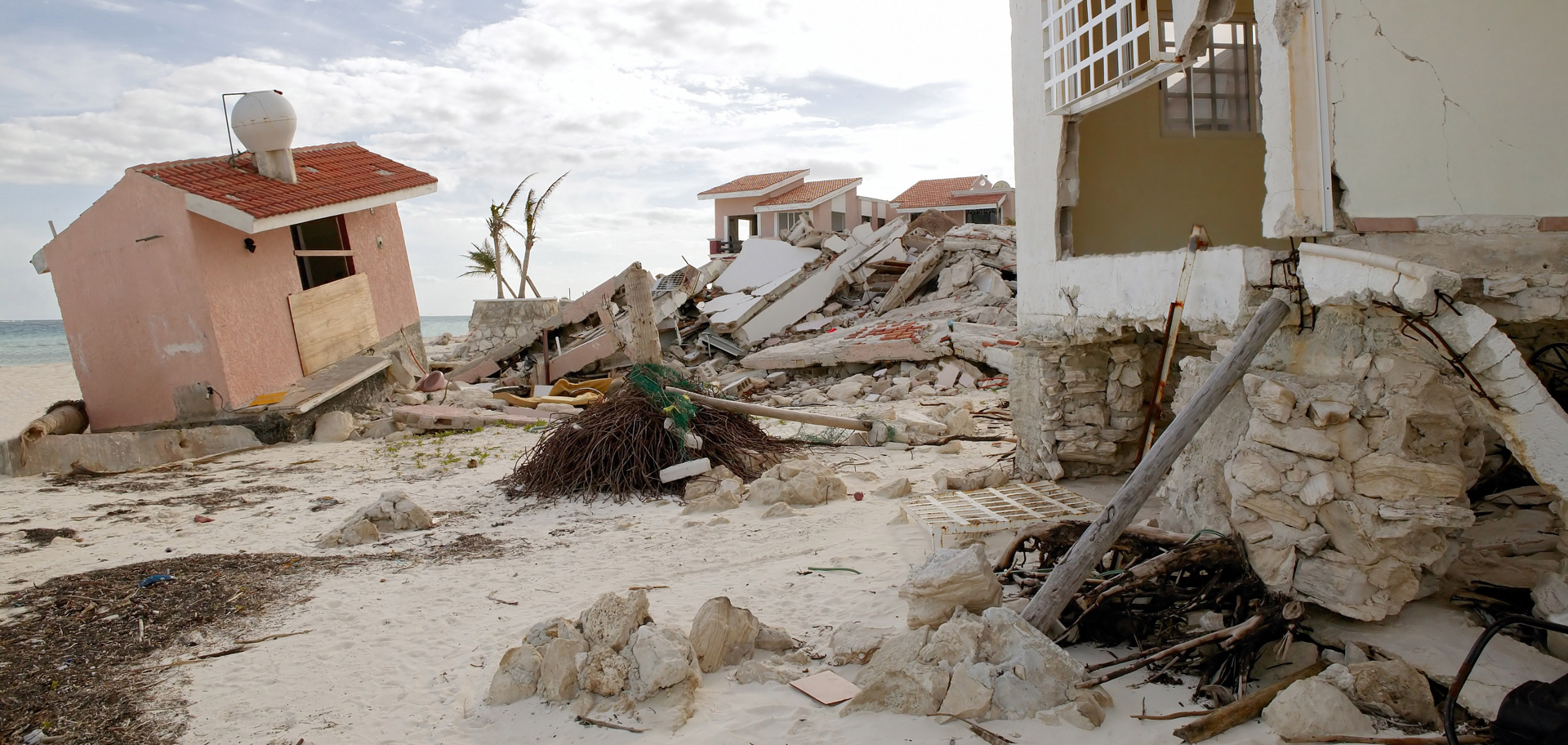
Hurricane Katrina made landfall along the southeast Florida coast on August 25, 2005. It was the costliest hurricane to ever hit the United States at $108 billion in damage. In addition, Katrina was responsible for 1,833 fatalities, making it one of the five deadliest hurricanes to ever strike the U.S.
Extreme weather in natural records is neutralizing weather shock
A team from England’s University of Reading, the Netherlands’ Climate Adaptation Services Foundation and other international institutions has brought together methods to see beyond the limitations of conventional weather records, which typically only cover the last century. For example, the study—published in the journal Nature Communications in March 2025—reveals how nature’s own archives, such as tree rings, combined with forgotten historical documents can unlock centuries of climate data that modern instruments have missed.
The researchers identified four approaches that together create a more complete picture of possible extreme weather:
• analyzing conventional records;
• studying historical and natural archives, such as tree rings;
• creating what-if scenarios based on past events; and
• using climate models to simulate physically possible extremes.

Researchers say we’ve been limited by thinking extreme weather is only as bad as what we’ve measured since weather stations were invented. Nature’s own archives, such as tree rings, combined with forgotten historical documents can unlock centuries of climate data that modern instruments have missed.
Tree rings proved especially valuable, with each ring preserving a year’s worth of climate history. Researchers used these natural time capsules to reconstruct 850 years of drought patterns in northwestern China, revealing extreme events that would have been invisible in modern records. The team also highlighted forgotten weather extremes by digging through historical archives. They found that June 1846 in Durham in the United Kingdom was significantly hotter than any modern June. Similarly, September 1774 in Oxford was wetter than any month recorded in the 250 years since.
With these methods for anticipating the unseen, communities can better prepare for extreme weather. By breaking free from the constraints of limited modern records, state the scientists, we can finally stop being surprised by “unprecedented” weather events.
Extreme weather is diminishable
Extreme weather doesn’t just break records; it harms wildlife and breaks communities, infrastructure and lives. Being unprepared is a disaster waiting to unfold. But science can help us to imagine the unimaginable, to uncover the risks and prepare. Our future depends on how quickly and thoroughly we adapt today.
Here’s to finding your true places and natural habitats,
Candy