

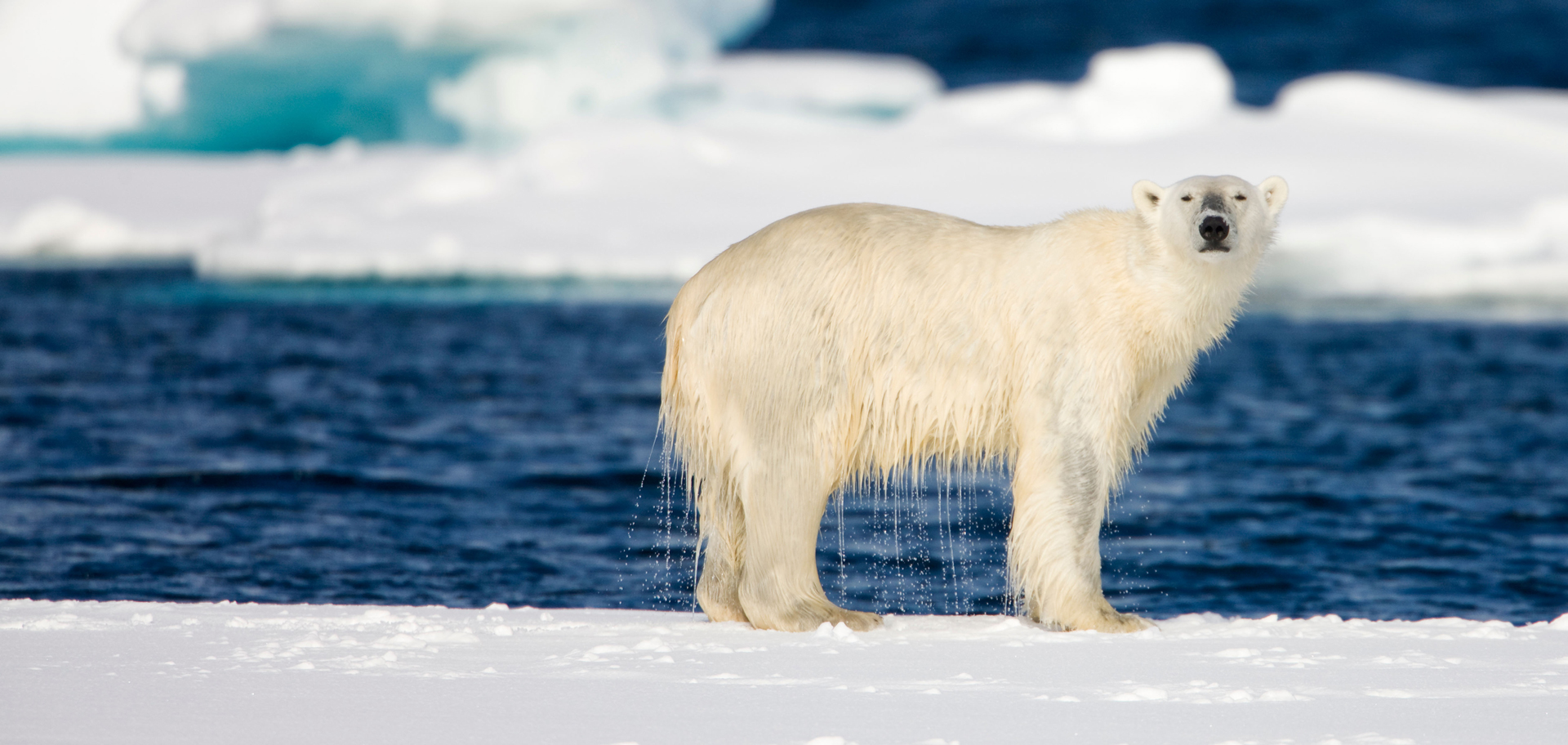
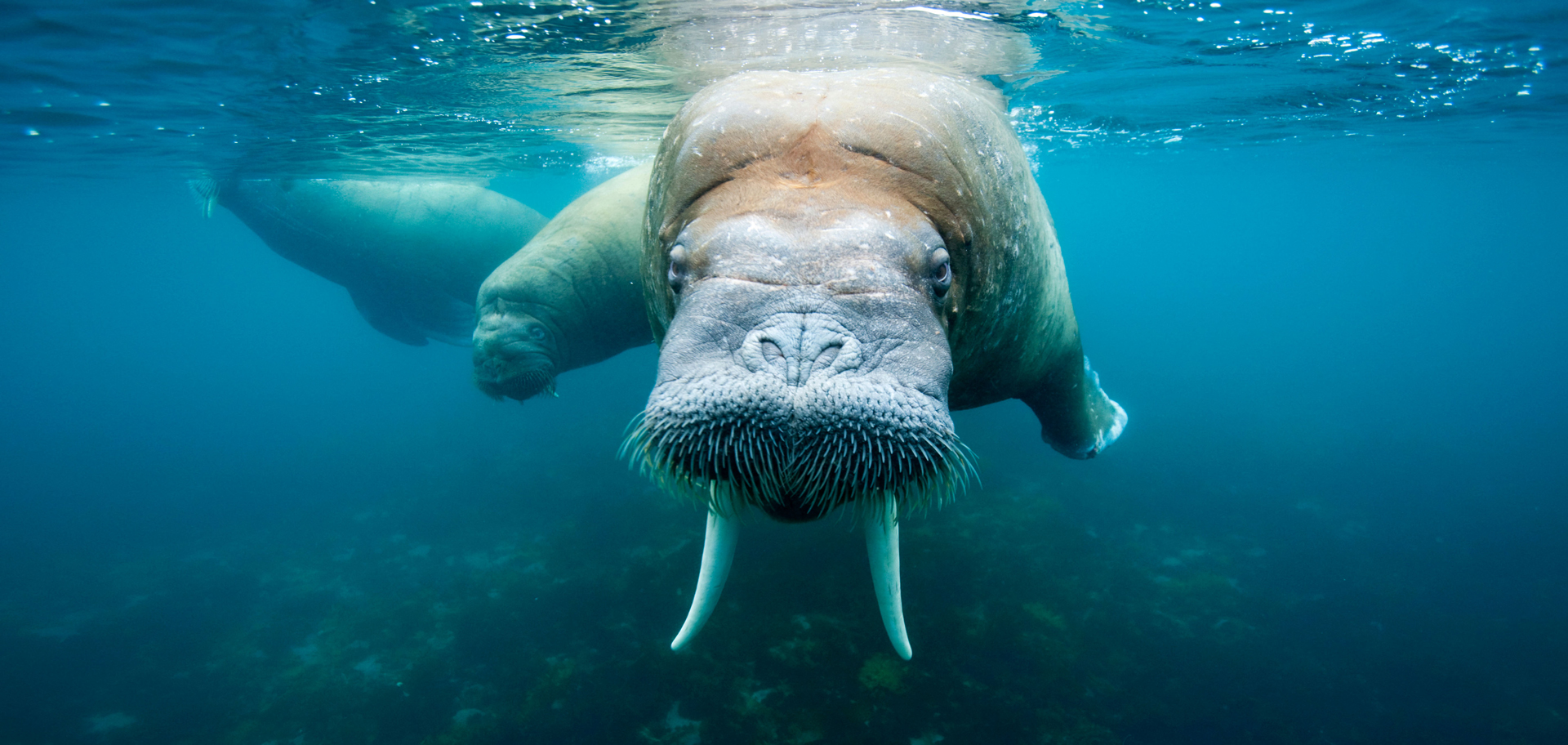
In the Arctic, microbes enrich the ocean with nitrogen, fueling algae growth that supports the entire marine food chain. Algae and phytoplankton are consumed by zooplankton and krill, feeding fish that support apex predators, such as beluga whales and polar bears.
“Life finds a way.” That’s a now-famous statement from Dr. Ian Malcolm, a fictional character played by actor Jeff Goldblum in the 1993 movie Jurassic Park.
This made-up Dr. Malcolm seems to have been onto something, because deep beneath the western Pacific Ocean, scientists have recently uncovered thriving, microbial life in one of Earth’s harshest environments. This discovery not only sheds light on deep-sea carbon cycling but also suggests that life may have originated in similar extreme conditions, offering a glimpse into both Earth’s past and the limits of life itself.
In another part of the world, the Arctic, melting ice is revealing a hidden world of nitrogen-fixing bacteria along ice edges. These microbes—not the usual cyanobacteria—enrich the ocean with nitrogen, fueling algae growth that supports the entire marine food chain. And to better understand all the familiar and peculiar forms of life on Earth, scientists are beginning to demonstrate that the planet’s biodiversity can be measured and monitored from space.

The temperature difference between day and night is widening, potentially affecting all life on Earth—including primarily nocturnal animals, like this barred owl.
However, while finding all these previously unknown forms of life around us is encouraging, life is being imperiled in new ways. Researchers have discovered a change in what scientists already knew about global warming dynamics. It had been widely accepted since the 1950s that global temperature rises were not consistent throughout the day and night, with greater nighttime warming being observed. But there’s been a shift: greater daytime warming has been taking place since the 1990s, meaning that the temperature difference between day and night is widening, potentially affecting all life on Earth. And an international coalition of climate scientists says that the Earth’s vital signs have worsened beyond anything humans have seen to date, to the point that life on the globe is endangered.
Life finds a place in the deep sea
Microbial life in the deep ocean plays an important role in the global carbon cycle, processing carbon and other elements far below the surface. Microbes that are known as “lipid biomarkers”—specialized fat molecules that reveal biological activity—draw their energy not from sunlight but from minerals in rocks and gases, such as carbon dioxide (CO2) and hydrogen, producing methane in the process, which is an important greenhouse gas. These biochemical reactions occur independently of the ocean above, meaning that these microbes operate in a self-contained ecosystem. The lipid molecules also help determine whether their microbes are alive or remnants from ancient communities. Intact biomolecules suggest active or recently living cells, while degraded ones indicate fossilized “geomolecules” from long ago.
Recently, a group of scientists from Germany’s University of Bremen sought to discover whether life could endure in one of the planet’s harshest underwater environments. They collected sediment cores from mud volcanoes in the Mariana Forearc Region, east of the Philippines and stretching northward from just south of Guam. The region is a site with a pH of 12, which makes it one of the most alkaline environments ever documented and one where it would be exceptionally difficult for life to endure.
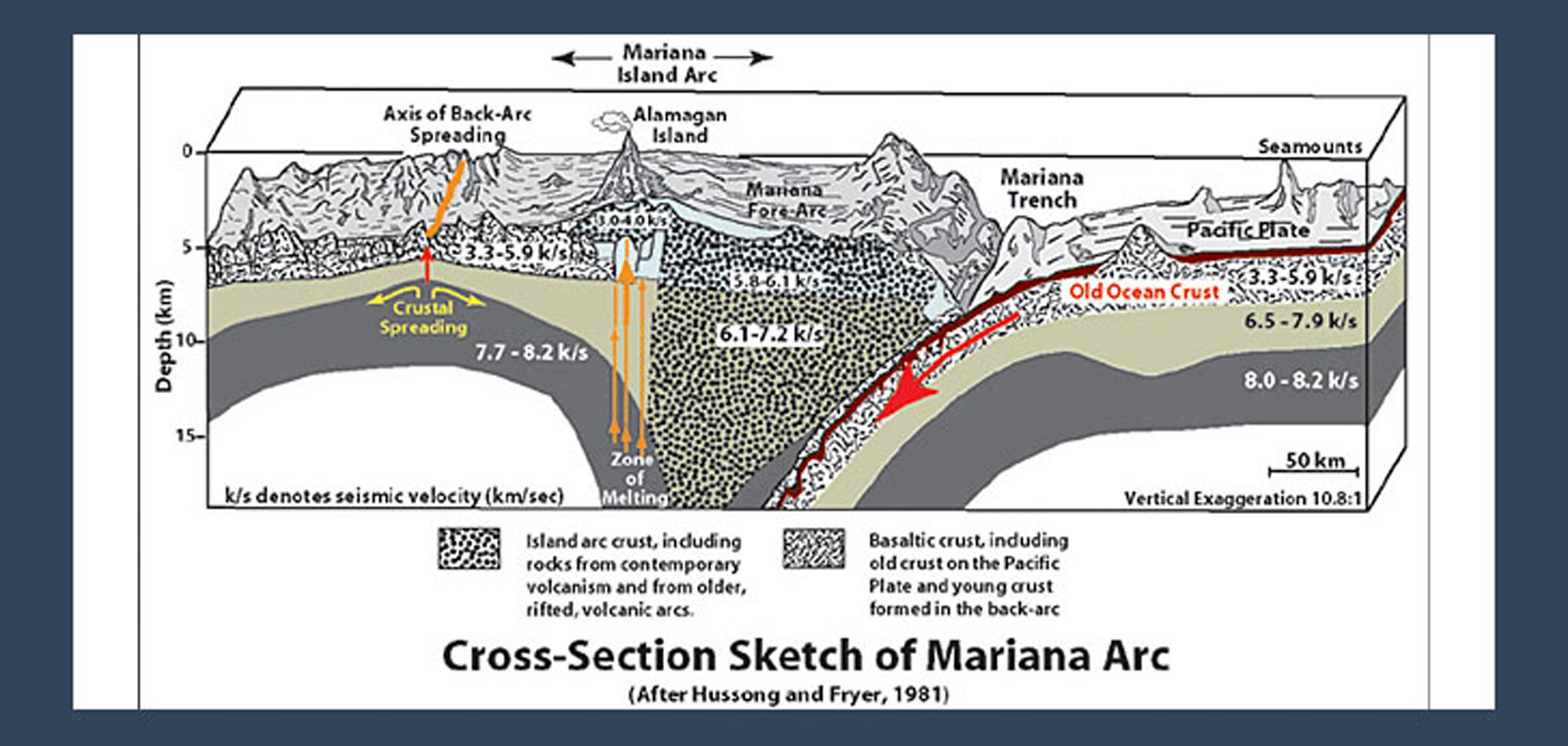
The Mariana Forearc Region of the Mariana Trench has a pH of 12, which makes it one of the most alkaline environments ever documented. Life would find it exceptionally difficult to endure here.
Because so few living cells exist there, detecting DNA is often impossible. Instead, the University of Bremen researchers used trace analysis techniques sensitive enough to identify even faint biochemical signals—such as lipid biomarkers—and detect fats. Combining those methods with isotope data, they discovered that both ancient and modern microbial populations inhabit this hostile environment.
The authors of the study, which was published in the journal Communications Earth and Environment in August 2025, say what’s fascinating about these findings is that life under these extreme conditions—high pH and low organic carbon concentrations—is even possible. Furthermore, it’s exciting to obtain insights into such a microbial habitat because it’s suspected that primordial life could have originated at precisely such spots.
Next, the researchers say they want to cultivate these microorganisms in controlled incubators to learn more about how they obtain nutrients and persist in such an inhospitable environment.
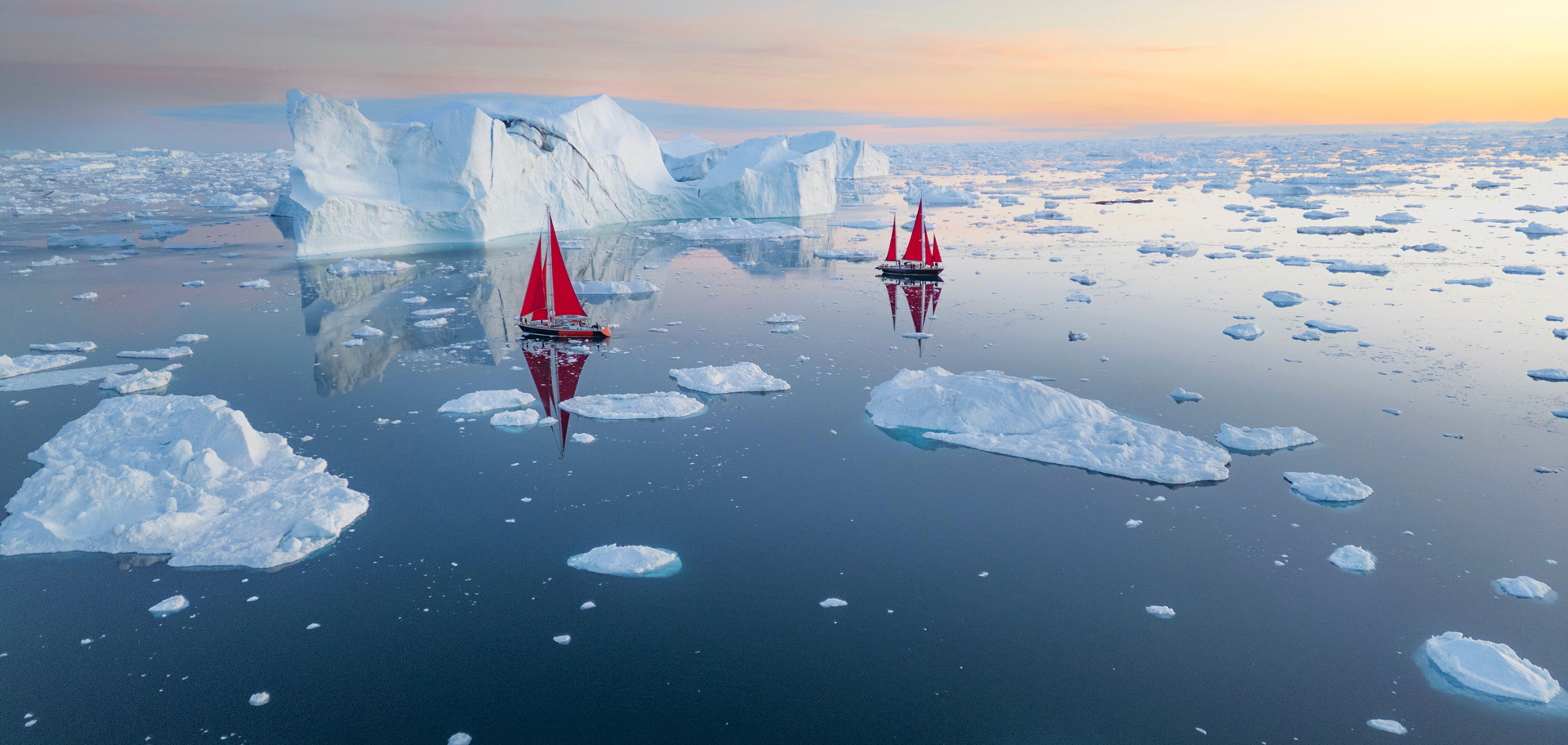
The Arctic Ocean’s rapid loss of sea ice is often seen as an environmental catastrophe. Yet researchers found that it could somewhat help sustain life in unexpected ways. Bacteria samples collected off northeast Greenland revealed microbes in the water that fuel the algae growth that supports the entire marine food chain.
Life thrives in the Arctic ice
We know that algae form the base of most ocean ecosystems. But they play another role as natural absorbers of CO2. As they grow, they pull carbon dioxide from the air, which can later sink to the ocean floor as part of their biomass. However, algae depend on nitrogen to grow. Unfortunately, nitrogen is scarce in Arctic waters. Now, however, an international team led by scientists from Denmark’s University of Copenhagen has discovered that more nitrogen could become available than scientists once believed. This shift could reshape the future of marine life in the region and influence how much carbon the ocean can absorb.
Unlike most other oceans where cyanobacteria dominate nitrogen fixation—a process in which certain bacteria transform nitrogen gas dissolved in seawater into ammonium, an ion that not only helps these bacteria thrive but also nourishes algae and the creatures that depend on them—the Arctic Ocean relies on an entirely different group of bacteria known as non-cyanobacteria. These microorganisms consume dissolved organic matter—often released by algae—and in turn, produce fixed nitrogen that promotes further algal growth. After collecting samples and taking measurements at 13 sites across the central Arctic Ocean, including regions off northeast Greenland and north of Svalbard, researchers found the highest nitrogen fixation rates along ice edges, where melting is most intense. While these bacteria can operate beneath the ice, they flourish along the melting boundary. As climate change accelerates ice retreat, this expanding melt zone could allow more nitrogen to enter the ecosystem.
In other words, the amount of available nitrogen in the Arctic Ocean has likely been underestimated, both today and for future projections. This could mean that the potential for algae production has also been underestimated as climate change continues to reduce the sea ice cover. Because algae are the primary food source for small animals, such as planktonic crustaceans, which in turn are eaten by small fish, more algae can end up affecting the entire food chain. This new nitrogen source could also influence how much carbon dioxide the Arctic Ocean takes in. More algae mean more photosynthesis, which enables the ocean to capture greater amounts of CO2.
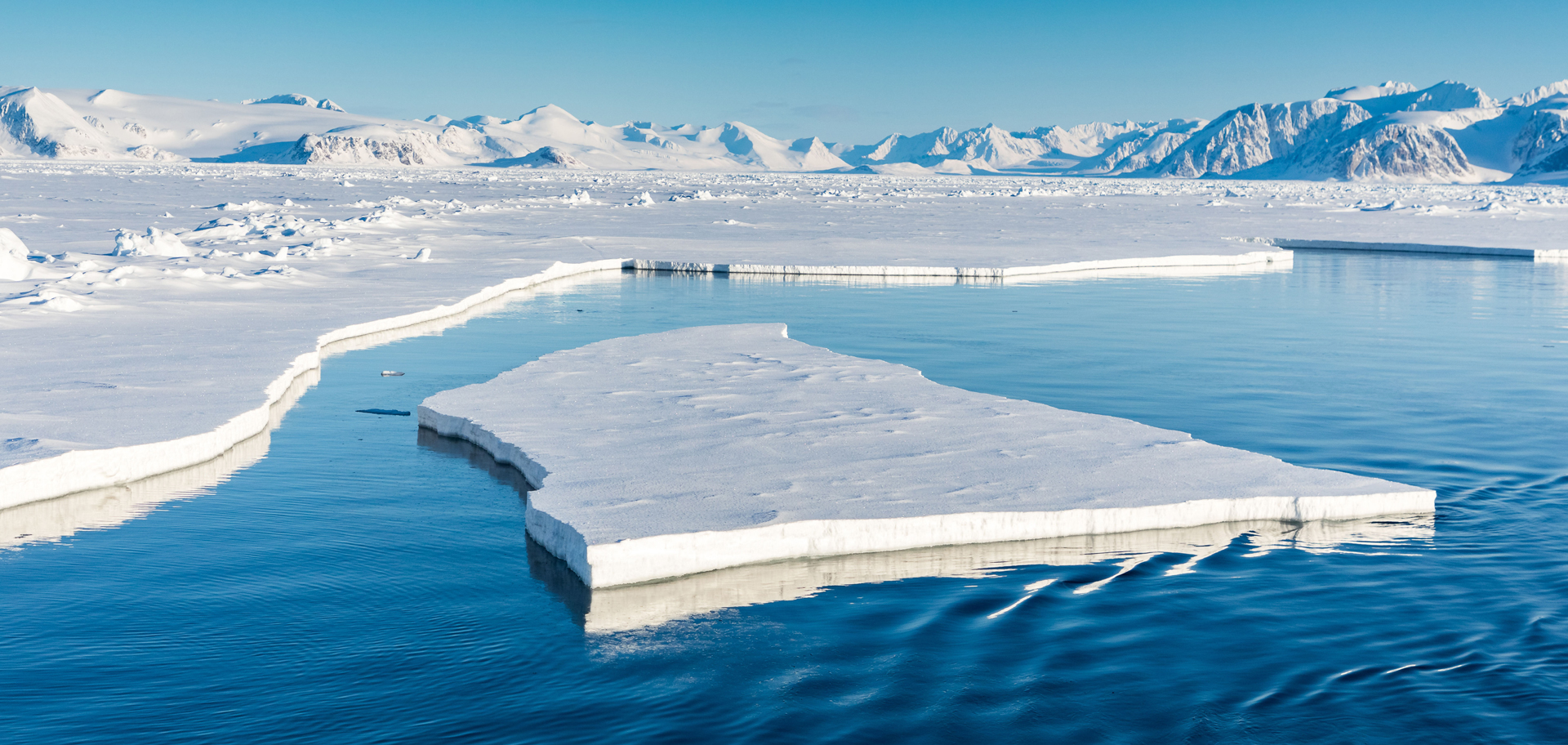
In the Arctic, the highest nitrogen fixation rates were found along ice edges, where melting is most intense. As climate change accelerates ice retreat, this expanding melt zone could allow more nitrogen to enter the ecosystem.
This is likely good news for the climate and the environment. But because biological systems are so complex, it’s hard to make firm predictions, say the researchers, as other mechanisms may pull in the opposite direction.
The study, published in the journal Communications Earth and Environment in October 2025, is the first to confirm that nitrogen fixation occurs beneath Arctic sea ice, even in its most remote and central areas. The scientists emphasize that nitrogen fixation should now be considered in models that try to predict what will happen to the Arctic Ocean in the coming decades as sea ice declines.
Life is measurable from space
Addressing biodiversity loss is a global priority, and there is a clear need to improve scientists’ ability to map and monitor change. That’s why more than 160 scientists from around the world came together over a period of six weeks in late 2024 to collect and analyze data across freshwater, marine and terrestrial ecosystems in one of the world’s biodiversity hot spots: South Africa’s Greater Cape Floristic Region. The team states that it chose this region because it’s home to “astonishing levels of biodiversity, wicked conservation challenges, and a well-developed and progressive biodiversity research and conservation community.”
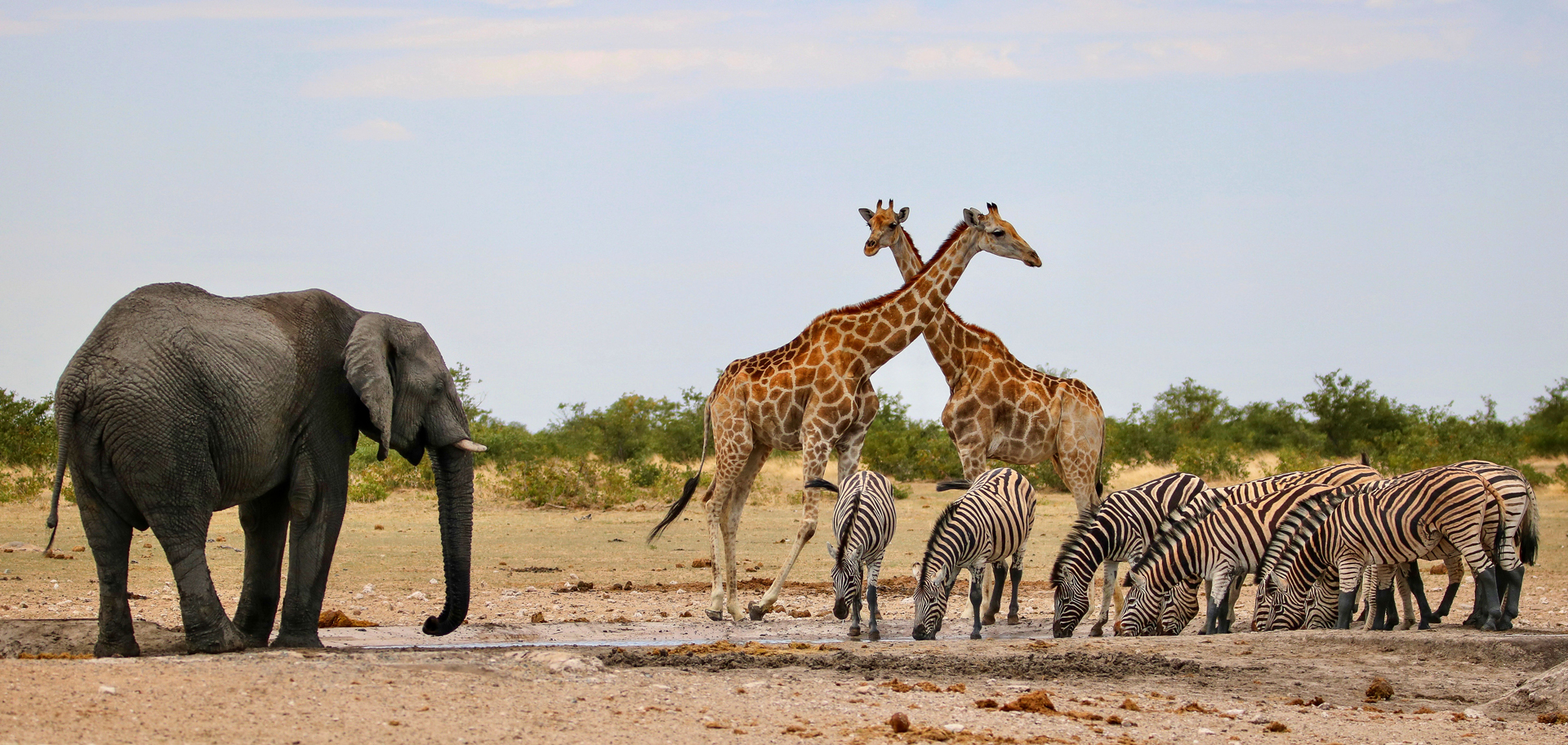
Earth’s biodiversity might one day be monitored and measured from space.
An ambitious research project funded by NASA and co-led by University of California, Merced, civil and environmental engineering scientists demonstrated that Earth’s biodiversity can be monitored and measured from space, leading to a better understanding of aquatic and terrestrial ecosystems. Two NASA aircraft and one South African plane flew over the Greater Cape Floristic Region to collect thermal, ultraviolet, visual and other images. That data, combined with fieldwork by a large team of scientists from South Africa and the United States, provided a comprehensive look at the area’s life systems.
In a paper published in the journal npj Biodiversity in February 2025, the researchers state that this was NASA’s first-ever biodiversity-focused campaign. The tools they developed helped them examine shifting community composition; ecosystem disturbance, resilience and recovery; ecosystem function; and nature’s contributions to people. They have already made that data freely available to the public and scientists around the world. Their hope is that the insights gained will help shape new, cutting-edge technologies for measuring life in Earth’s land and sea ecosystems from space and ultimately improving biodiversity conservation.
Life is affected by day-and-night temperature differences
The rise in the global average surface temperature is one of the key characteristics of human-induced climate change. However, the temperature increase is not uniform throughout the day and night, and nighttime temperatures have increased at a faster pace than daytime temperatures in the latter half of the 20th century. This warming pattern is termed asymmetric warming.
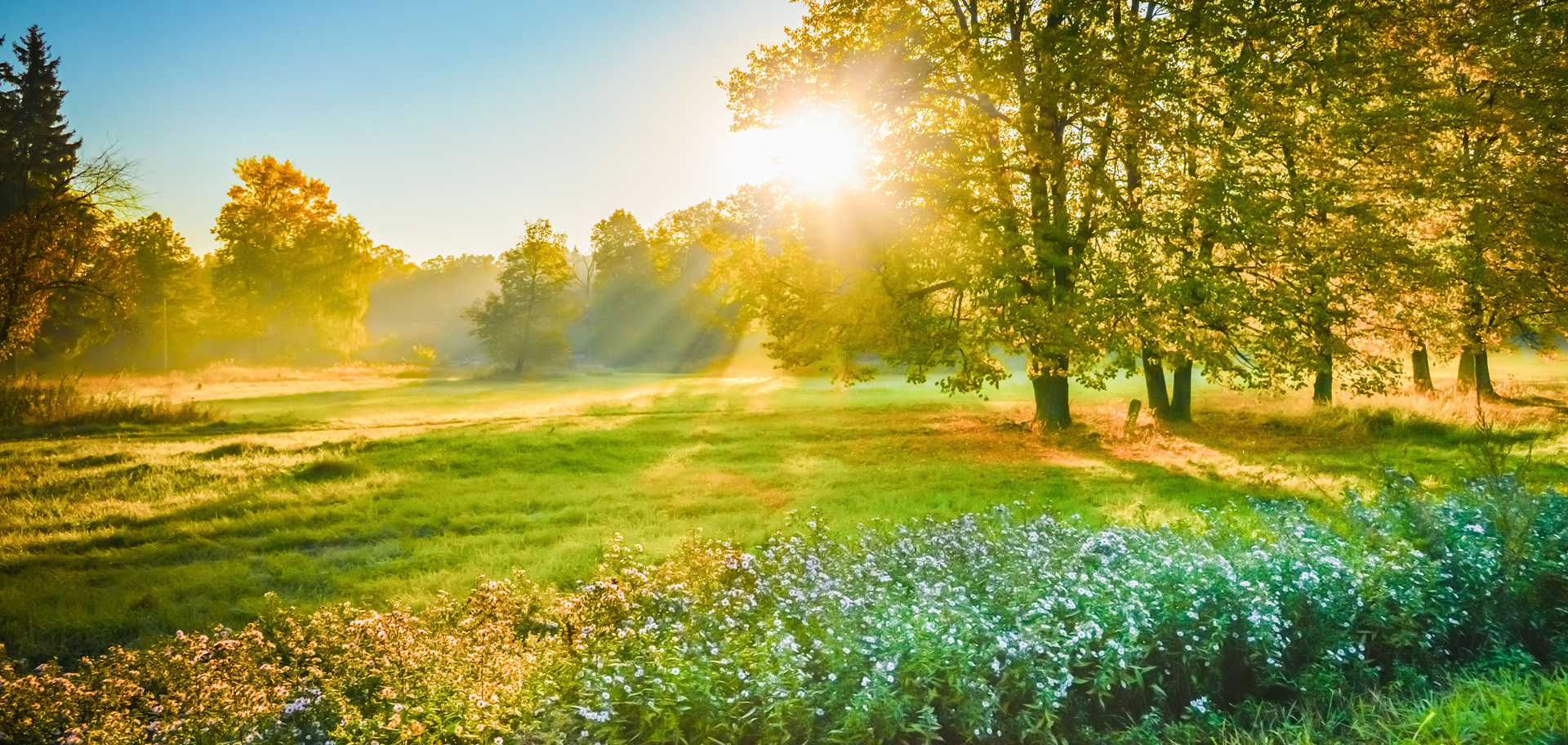
“Global brightening” is a result of less cloud cover, which causes more sunlight to reach the Earth’s surface, leading to higher daytime temperatures.
In a study published in the journal Nature Communications in November 2023, an international team of researchers led by scientists from Sweden’s Chalmers University of Technology reinvestigated the asymmetric warming phenomenon and found that the pattern has reversed. Between 1961 and 2020, global daytime warming has accelerated, while the warming rate of nighttime temperature has remained relatively constant. Specifically, 81% of the total land area experienced larger nighttime warming from 1961 to 1990. However, in the subsequent period from 1991 to 2020, a shift occurred, with 70% of the observed land areas experiencing larger daytime warming instead. This reversed trend in asymmetric warming has led to an increasing temperature difference between day and night.
A likely explanation for this change is a phenomenon called “global brightening,” which has been observed since the late 1980s. It’s a result of less cloud cover, which causes more sunlight to reach the Earth’s surface, leading to higher daytime temperatures and, thus, a broader difference between daytime and nighttime temperatures over recent decades.
Currently, there is significant uncertainty regarding the reasons behind the changes in cloud cover. Global brightening may be attributed to a complex interplay between cloud-free and cloudy skies, as well as the effect of small particles in the atmosphere, known as aerosols. These aerosols can be derived from natural processes, like sea spray and wildfires, and also from human activities, such as fossil-fuel burning; and they can have a profound effect on many aspects of the environment.
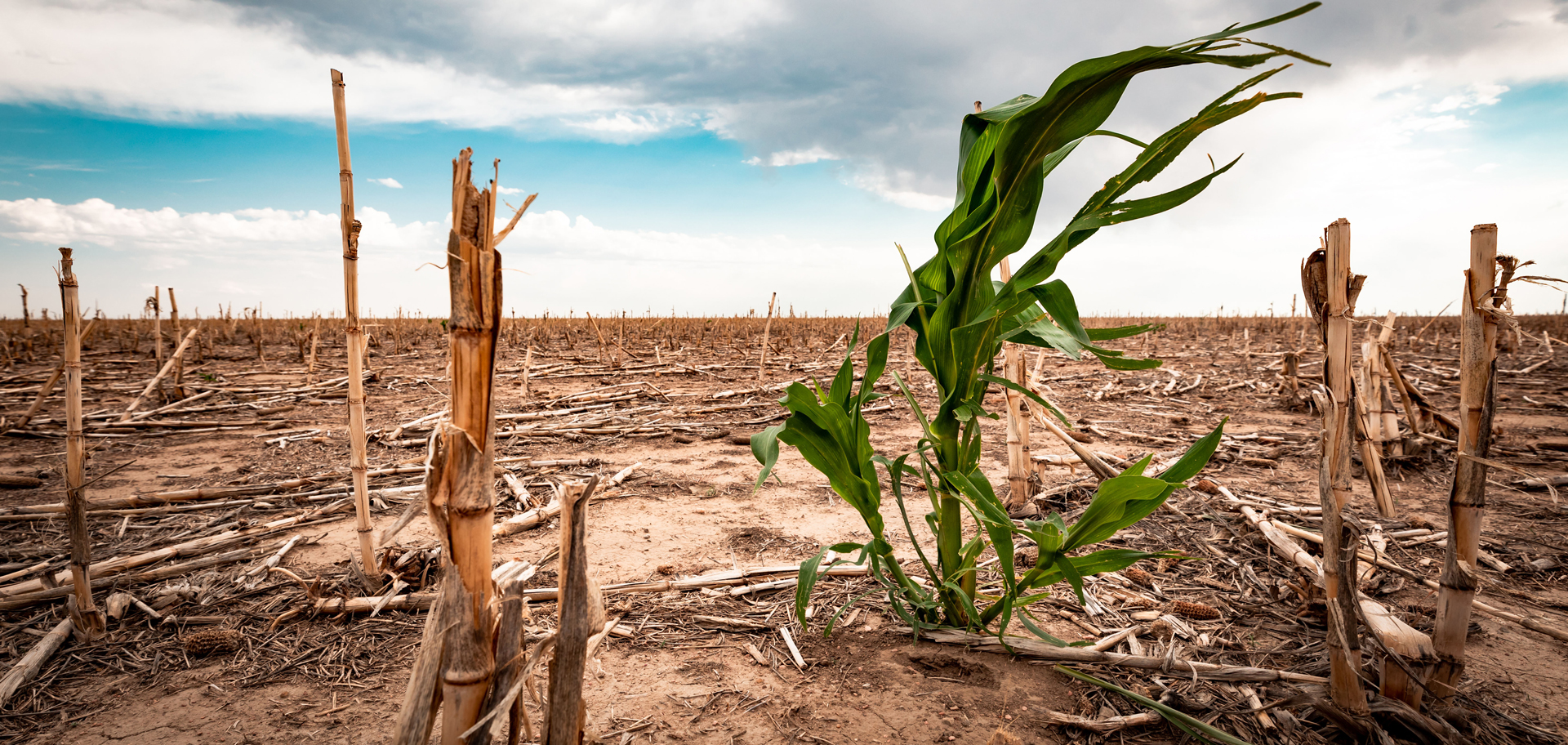
Droughts weaken the Earth’s natural cooling mechanisms, disrupting the cooling effects provided by vegetation and water evaporation, leading to increased land surface warming and a positive feedback loop that intensifies heat waves. A larger temperature difference between day and night could potentially affect crop yields.
Apart from from global brightening effects, the researchers suggest another reason for the reversed asymmetric warming. The increase in regional droughts and heat waves suggests a potential weakening of the cooling effect due to evaporation at the Earth’s surface, which would typically result in a faster increase in daytime temperatures.
This larger temperature difference between day and night could potentially affect animal well-being, crop yields, human health and plant growth. For example, an increased temperature difference between daytime and nighttime is recognized as one of the environmental stressors that could lead to elevated blood pressure and heart rate, consequently increasing cardiac workload and the mortality and morbidity of cardiovascular and respiratory diseases.
Strategies will need to be adjusted in different areas affected by temperature variations between day and night—such as agriculture, forestry management and public health—to address the challenges posed by this climate change, conclude the researchers. Certain tree species in humid areas might enhance their carbon sequestration capacity due to the increased temperature difference between daytime and nighttime; but it might prove disadvantageous for trees in dry regions, as higher daytime temperatures may increase evaporation, leading to deficiency of soil water and unfavorable conditions for tree growth.

An extraordinary 2023 Canadian wildfire season produced unprecedented CO2 emissions. Smoke from the fires drifted over Toronto, with a Special Air Quality Statement issued by Environment and Climate Change Canada.
Life is imperiled in “uncharted territory”
In a paper titled The 2023 State of the Climate Report: Entering Uncharted Territory that was published in the journal BioScience in December 2023, two Oregon State University College of Forestry researchers and 10 other U.S. and global scientists note that “without actions that address the root problem of humanity taking more from the Earth than it can safely give, we’re on our way to the potential collapse of natural and socioeconomic systems and a world with unbearable heat and shortages of food and fresh water.” In fact, they state, 20 of 35 planetary vital signs used to track climate change are at record extremes.
The authors share data illustrating that many climate-related records were broken by enormous margins in 2023, particularly those relating to ocean temperatures and sea ice. They also note an extraordinary Canadian wildfire season that produced unprecedented carbon dioxide emissions. Among the key numbers in the paper are:
• Fossil-fuel subsidies—actions by governments that artificially lower the cost of energy production, raise the price received by producers or lower the price paid by consumers—roughly doubled between 2021 and 2022, from $531 billion to just over $1 trillion.
• In 2023, wildfires in Canada pumped more than 1 gigaton of carbon dioxide into the atmosphere, greater than Canada’s total 2021 greenhouse gas emissions of 0.67 gigatons.
• By the time of the report’s publication in 2023, there had already been 38 days with global average temperatures more than 2.7 degrees Fahrenheit (1.5 degrees Celsius) above preindustrial levels. Until that year, such days were a rarity.
• The highest average Earth surface temperature ever recorded came in July 2023, and there’s reason to believe it was the highest surface temperature the planet has seen in the last 100,000 years.
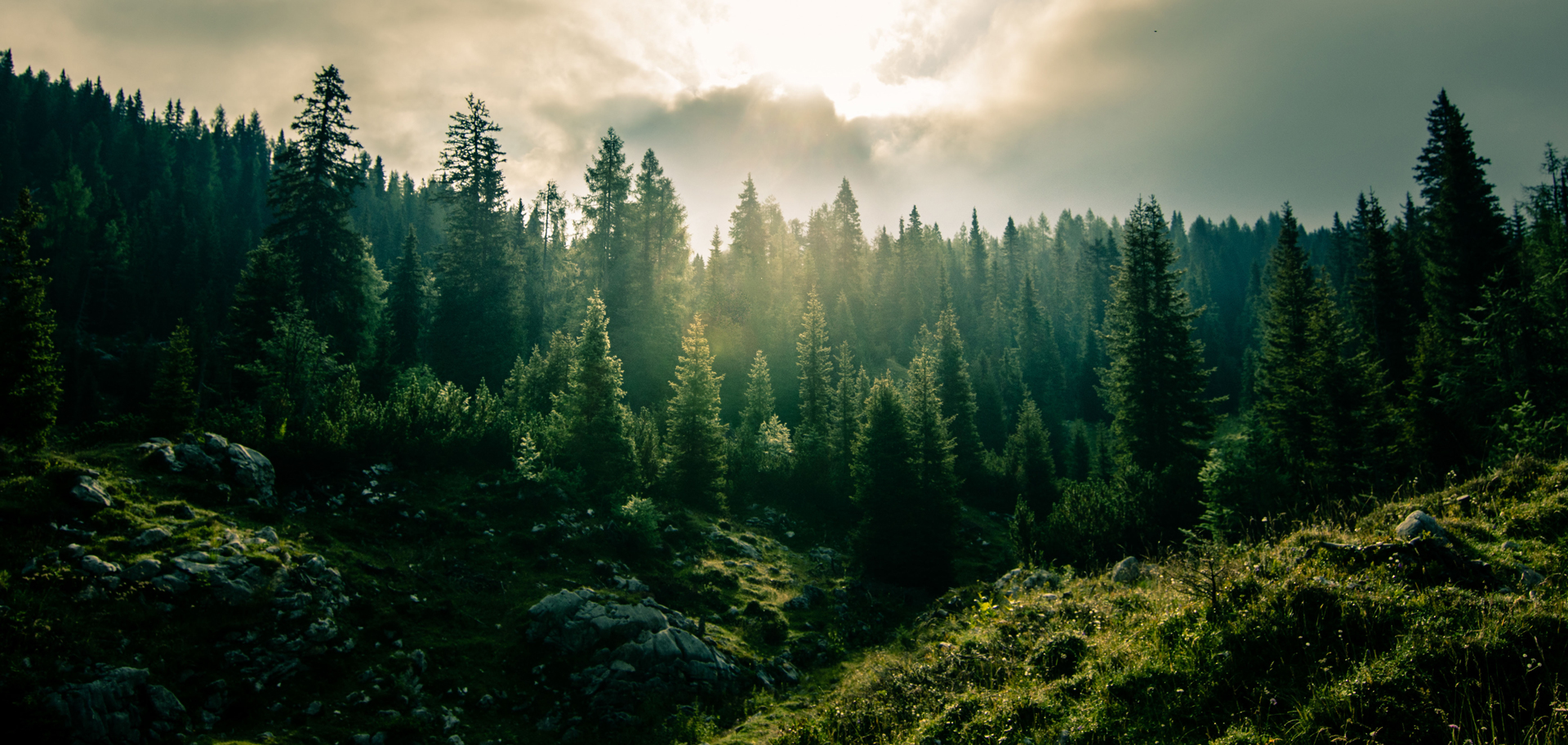
Scientists urge transitioning to a global economy that prioritizes human well-being and curtails overconsumption and excessive emissions. It’s recommended that we scale up forest protection efforts.
The paper’s authors say they are hugely troubled by the sudden increases in the frequency and severity of climate-related disasters. By the end of the 21st century, as many as 3 to 6 billion people may find themselves outside the Earth’s livable regions, meaning they will be encountering severe heat, limited food availability and elevated mortality rates. What’s needed are policies that take aim at the underlying issue of “ecological overshoot.” When human demand on the Earth’s resources is too large, the result is an array of environmental crises, including biodiversity decline. If humanity continues to put extreme pressure on the planet, any strategy that focuses only on carbon or climate will simply redistribute the pressure, they note.
Their goal, state the researchers, is to communicate climate facts and make policy recommendations. They believe it is a moral duty of scientists and our institutions to alert humanity of any potential existential threat and to show leadership in taking actions. They urge transitioning to a global economy that prioritizes human well-being and curtails overconsumption and excessive emissions by the rich. Specific recommendations include phasing out fossil-fuel subsidies, transitioning toward plant-based diets, scaling up forest protection efforts, and adopting international coal elimination and fossil-fuel nonproliferation treaties. They stress that all climate-related actions must be grounded in social equity, noting that extreme weather and other climate impacts are being disproportionately felt by the poorest people, who have contributed the least to climate change.
Life wants to shine through
Luckily for us, nature is inherently adaptive, resilient and impossible to fully control. Time and again, living organisms have shown us that they will adapt to harsh environments, overcome obstacles and reproduce, regardless of our attempts to contain or restrict them.
Life on our planet is clearly under siege. There’s little progress as far as humanity combating climate change. But time and again, living organisms have shown us that they will overcome obstacles, adapt to harsh environments and reproduce, regardless of our attempts to restrict them.
For the future of Earth, I do hope that life will always continue to find a way.
Here’s to finding your true places and natural habitats,
Candy