

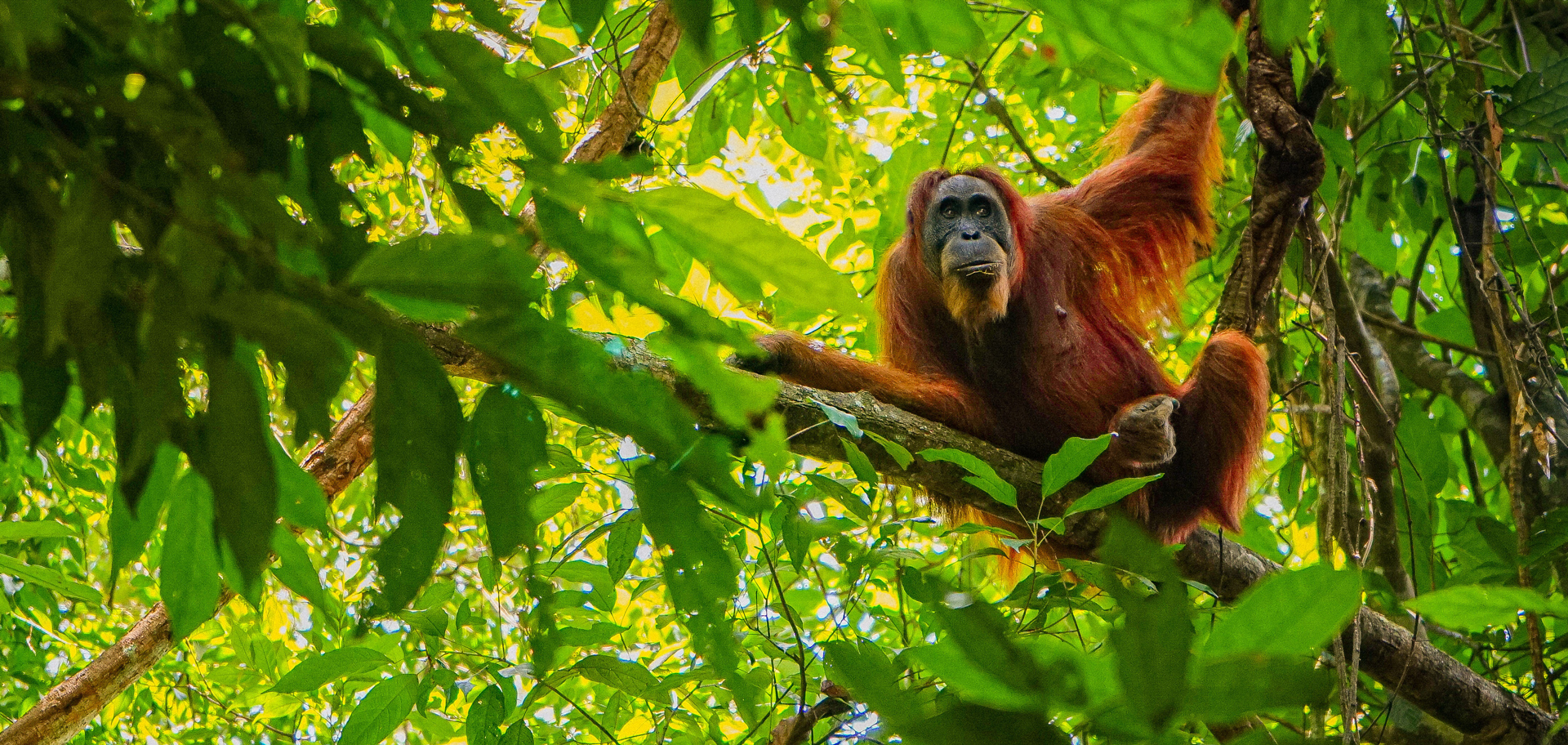
“Eating like an orangutan” means embracing a diverse, plant-based diet and learning about dietary flexibility, forest health and the value of natural foods. It’s also about appreciating and understanding our genetic link to these intelligent primates.
How are you progressing on your New Year’s resolutions? If you’re like most people, you gave up on them surprisingly fast, with the second Friday in January often called “Quitter’s Day,” because many abandon goals by then. By the second week of February, an estimated 80% of people have scrapped their ambitions. And a 2023 Forbes Health survey found the average resolution lasts just 3.74 months.
Eating better, or improving your diet, is consistently one of the most common New Year’s resolutions, often ranking in the top three, alongside exercising more and losing weight. Now, say scientists, orangutans, a close evolutionary relative to humans, could be showing us a better way to eat. The critically endangered primates have developed remarkable strategies to survive in the unpredictable rainforests of Borneo. They adjust their activity to match food availability and balance their protein intake, avoiding metabolic disease and obesity. Unlike humans, who often overeat processed foods without adjusting energy use, orangutans switch between fruits, leaves and even stored body fat depending on the season. Their ability to maintain protein levels and conserve energy during scarcity offers insights not only into their survival but also into healthier dietary habits for us.
In addition, what we put on our plates matters more for the climate than you probably realize. Researchers found that most people, especially in wealthy countries, are exceeding the “food emissions budget” that needs to be adhered to in order to keep global warming well below the Paris Agreement’s main goal of 3.6 degrees Fahrenheit above preindustrial levels (limiting warming to 2.7 degrees Fahrenheit above preindustrial levels will avoid the worst impacts of climate change). Small shifts—such as eating less beef, consuming smaller portions and creating less waste—could add up to a big climate win, which means better health for the planet and, in turn, for us.

For most people, the holidays often bring joyful indulgence, followed by regret and ambitious New Year’s resolutions to eat healthier.
Orangutans thrive in feast and famine without gaining weight
Orangutans are great apes that are native to the rainforests of Sumatra in Indonesia and of Borneo in Indonesia and Malaysia. We share a common ancestor, and this relationship means that humans and orangutans have similar behavioral adaptations, dietary needs, and metabolic and physiological processes. So, studying orangutans can provide insights into the evolutionary adaptations that might apply to us, as well.
Recently an international team of researchers led by scientists from New Jersey’s Rutgers University collected data on orangutans living at the Tuanan Orangutan Research Station in the Mawas Conservation Area in Central Kalimantan, Indonesia, on the island of Borneo. The conservation area, a peat swamp forest, protects about 764,000 acres, an area roughly the size of Rhode Island. Peat forests are richly biodiverse, ancient ecosystems with landscapes dominated by waterlogged trees that grow on layers of dead leaves and plant material.
To conduct the study, research colleagues, university students and a staff that mostly included field technicians indigenous to the island of Borneo collected data for more than a decade on what the orangutans ate daily and analyzed their urine to see how their bodies responded to any nutritional changes. This required staying in proximity to the apes in the equatorial, humid jungle from dawn until night.
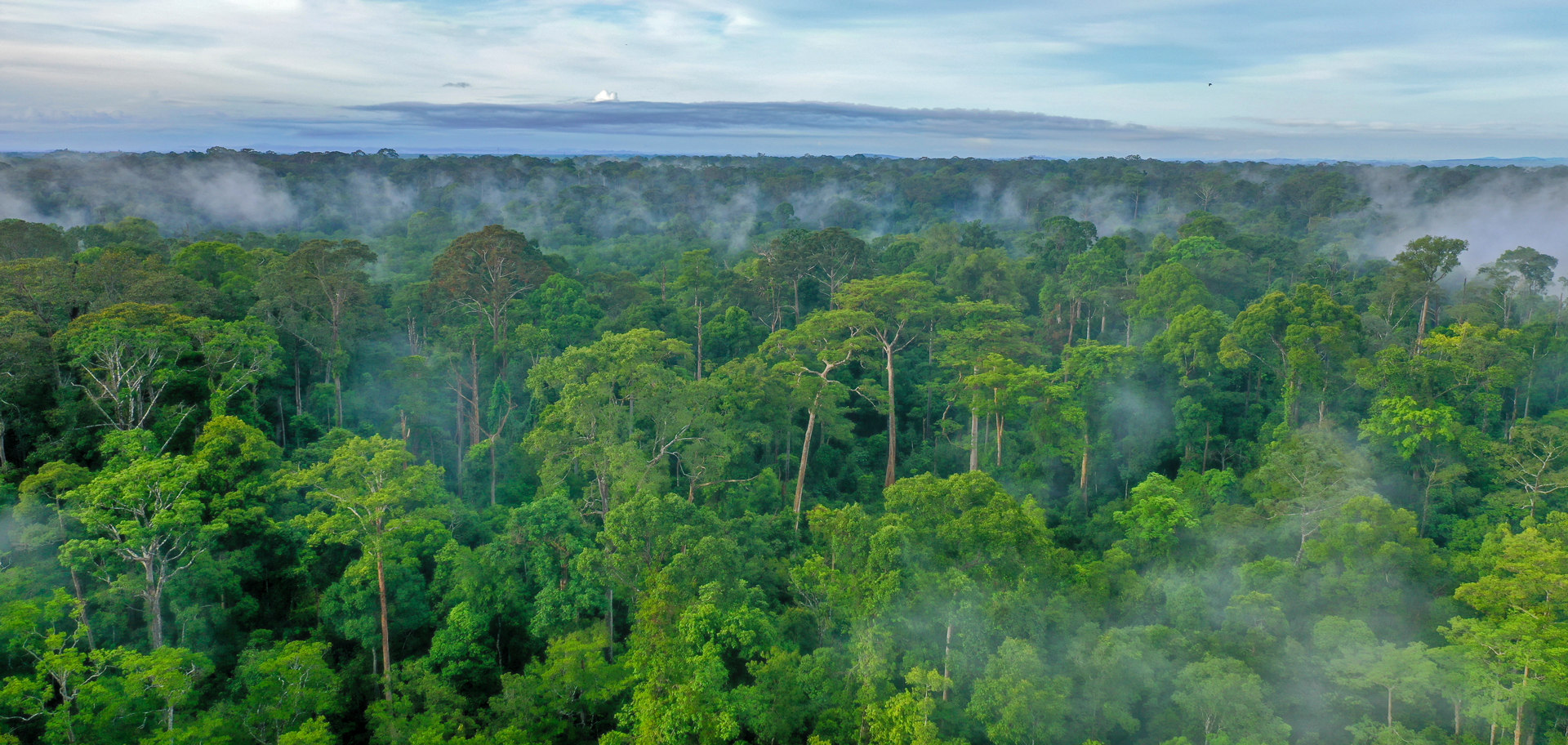
Borneo’s ancient rainforests are biodiverse, tropical ecosystems. However, they face threats, making ecotourism and rehabilitation centers key to protecting orangutans and their arboreal home.
In earlier studies, the patterns by which orangutans fed had been established. The great apes prefer to eat fruit because it is rich in carbohydrates; but when fruit is scarce, they switch to eating more bark, leaves and other foods that can provide more protein but fewer, sugary carbohydrates. In times of high fruit availability, orangutans still consume protein but get most of their energy from carbohydrates and fats in the fruit.
To find out how the orangutans handle these changes, researchers in the new study tested how the availability of fruit affects the apes’ diets and how their bodies adapt to avoid energy imbalances. The scientists looked at how orangutans switch between different types of fuel—like fats and proteins—when fruits are hard to come by.
Some of the study’s key findings, reported in the journal Science Advances in August 2025, are:
• Orangutans avoid obesity as part of a response to the significant fluctuations—in both duration and magnitude—in fruit availability in their natural habitats. Unlike humans in Western culture, who have constant access to high-calorie foods, orangutans experience periods of both abundance and scarcity. The periods of scarcity and resulting low-caloric intake, similar to humans’ intermittent fasting, may help maintain their health by reducing oxidative stress.
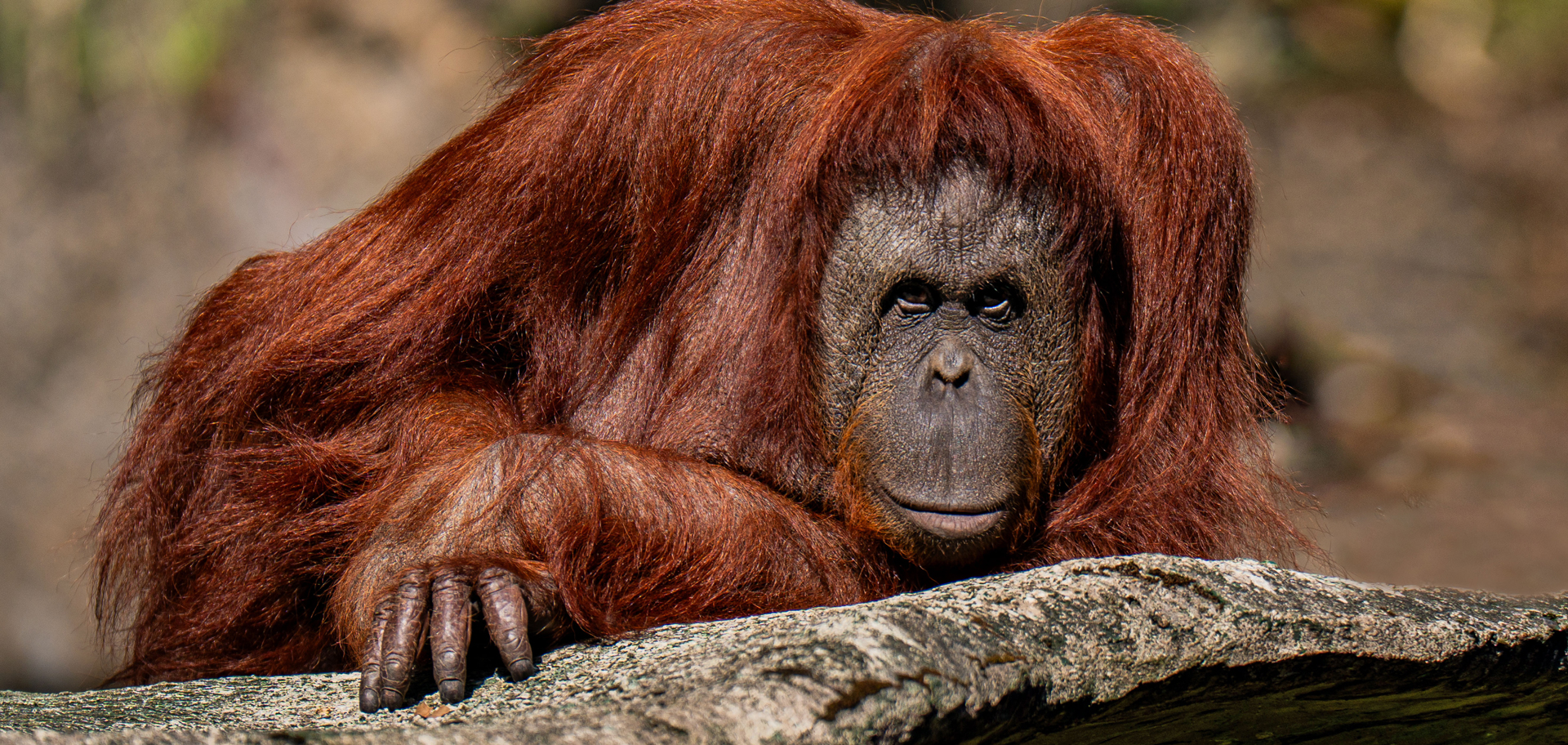
During periods of fruit scarcity, orangutans rest more, go to sleep earlier, travel less and spend less time with other orangutans. This flexibility enables them to use body fat and protein for fuel when needed.
• During periods of fruit scarcity, orangutans exhibit metabolic flexibility, switching to using stored body fat and muscle protein for energy. This allows them to survive when food is in short supply.
• Orangutans exhibit behavioral adaptability when they can’t find enough fruits, conserving energy by relying on reduced physical activity and stored energy. They rest more, go to sleep earlier, travel less and spend less time with other orangutans. This flexibility enables them to use body fat and protein for fuel when needed. They rebuild fat reserves and muscle when fruit availability is high.
• The orangutan diet also prioritizes a consistent level of protein, which contrasts with a modern Western diet, which often can be rich in low-cost, energy-dense, protein-poor foods. Those choices contribute to obesity and metabolic diseases in humans.

Research on orangutans underscores the importance of dietary balance and metabolic flexibility, crucial for maintaining health. Our modern eating habits, characterized by high consumption of processed foods rich in fats and sugars, can lead to metabolic imbalances and health issues.
Orangutans, then, outshine modern humans in avoiding obesity through their balanced choices of food and exercise. While orangutans reduce physical activity during low fruit periods to conserve energy, humans—especially those with sedentary lifestyles—may not adjust their energy expenditure to match their caloric intake, leading to weight gain and associated health issues. And although humans, too, exhibit metabolic flexibility, modern diets high in processed foods can disrupt this balance, leading to metabolic disorders such as diabetes.
Understanding the natural dietary strategies of orangutans can help us learn more about how humans can manage their diets and health, state the scientists. They also hope that their work highlights the importance of conserving orangutan habitats to ensure their survival.
What you eat could affect the planet’s future
Not only could a better diet help us become healthier, but it could determine the planet’s future.

Food is now one of the biggest drivers of climate change, and most people are eating beyond what the planet can handle. To keep global warming below 3.6 degrees Fahrenheit, moderation should be a long-term goal, we should eat only what we need, and we should repurpose what we don’t.
A recent study authored by researchers at Canada’s University of British Columbia suggests moderation should not be a seasonal goal but a long-term one. Results showed that 44% of the global population needs to change their eating habits—eating only what we need and repurposing what we don’t—to keep global warming below 3.6 degrees Fahrenheit.
The scientists looked at data from 112 countries, accounting for 99% of food-related greenhouse gas emissions globally, and divided each country’s population into 10 income groups. They then calculated a food emissions budget for each person by combining emissions from food consumption, global food production and supply chains, and compared these emissions to the total the world can afford if we want to stay below 3.6 degrees Fahrenheit of warming.
Globally, nearly half of us need to change our diets to prevent severe planetary warming, report the scientists in the journal Environmental Research: Food Systems in November 2025. And that’s a conservative number because 2012 data was used. Since then, emissions and the world’s population have both increased. Looking ahead to 2050, they say, 90% of us will need to be eating differently.

Cutting food waste could make a powerful difference in greenhouse gas emissions. Less wasted food also means less cooking and more easy, tasty leftovers.
The world’s food systems are responsible for more than one-third of all human greenhouse gas emissions. Fifteen percent of people who emitted the most account for 30% of total food emissions, equaling the contribution of the entire bottom 50%. This select group consists of the wealthiest people in high-emissions countries, including Australia, Brazil and the Central African Republic.
Even though this group is emitting a lot, there is a much higher number of people whose diets are above that cap. This is why nearly half, not just the richest, of the global population needs to modify their diets.
To bring positive changes to our food systems, conclude the scientists, we should eat only what we need and repurpose what we don’t. Less wasted food means fewer emissions, less cooking and more easy, tasty leftovers. We should eliminate or reduce our beef consumption, as well. Eating beef significantly adds to global greenhouse gas emissions, with livestock (especially cattle) contributing around 14% to 18% of the total, largely via methane. Per gram of protein, this makes beef a top greenhouse gas emitter, with some estimates showing beef production alone as high as 3 billion tons of CO2-equivalent annually (around 7% of the global total), impacting climate change more than the CO2 from other sectors.
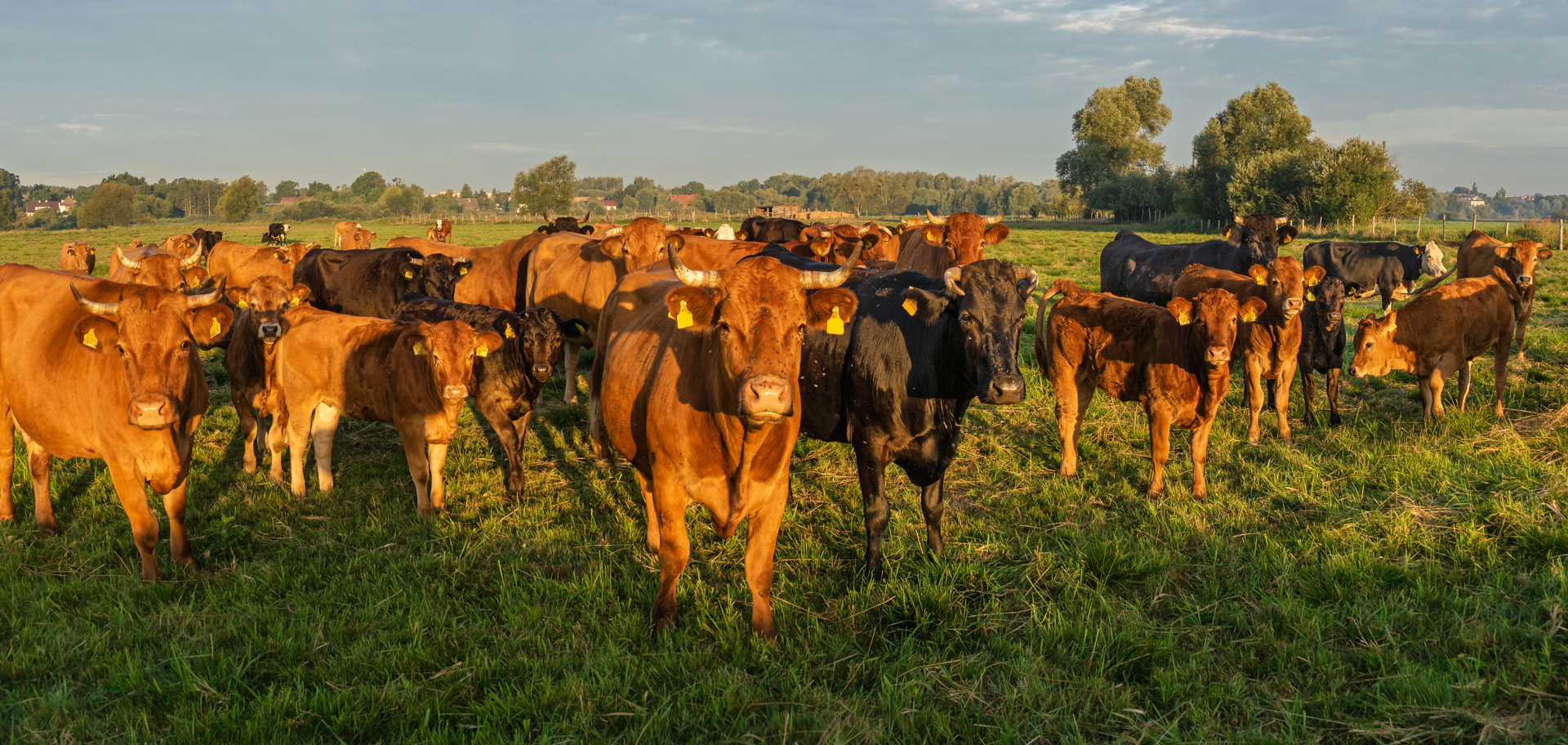
Beef consumption significantly adds to global greenhouse gas emissions, with livestock (especially cattle) contributing around 14% to 18% of the total, largely via methane.
A twist that means not all is lost
But here’s a twist on New Year’s resolutions: most people don’t fully quit. Research shows that only 13% of resolution-setters completely abandon all their goals by February. Most people abandon a few and keep others alive.
If eating better was included in your 2026 New Year’s resolutions, here are a few tips dietitians recommend. On every Friday in February:
• Revisit your goals. Do they still feel meaningful? Do they fit your actual life right now? If they don’t, reshape them into something clearer, smaller and easier to act on.
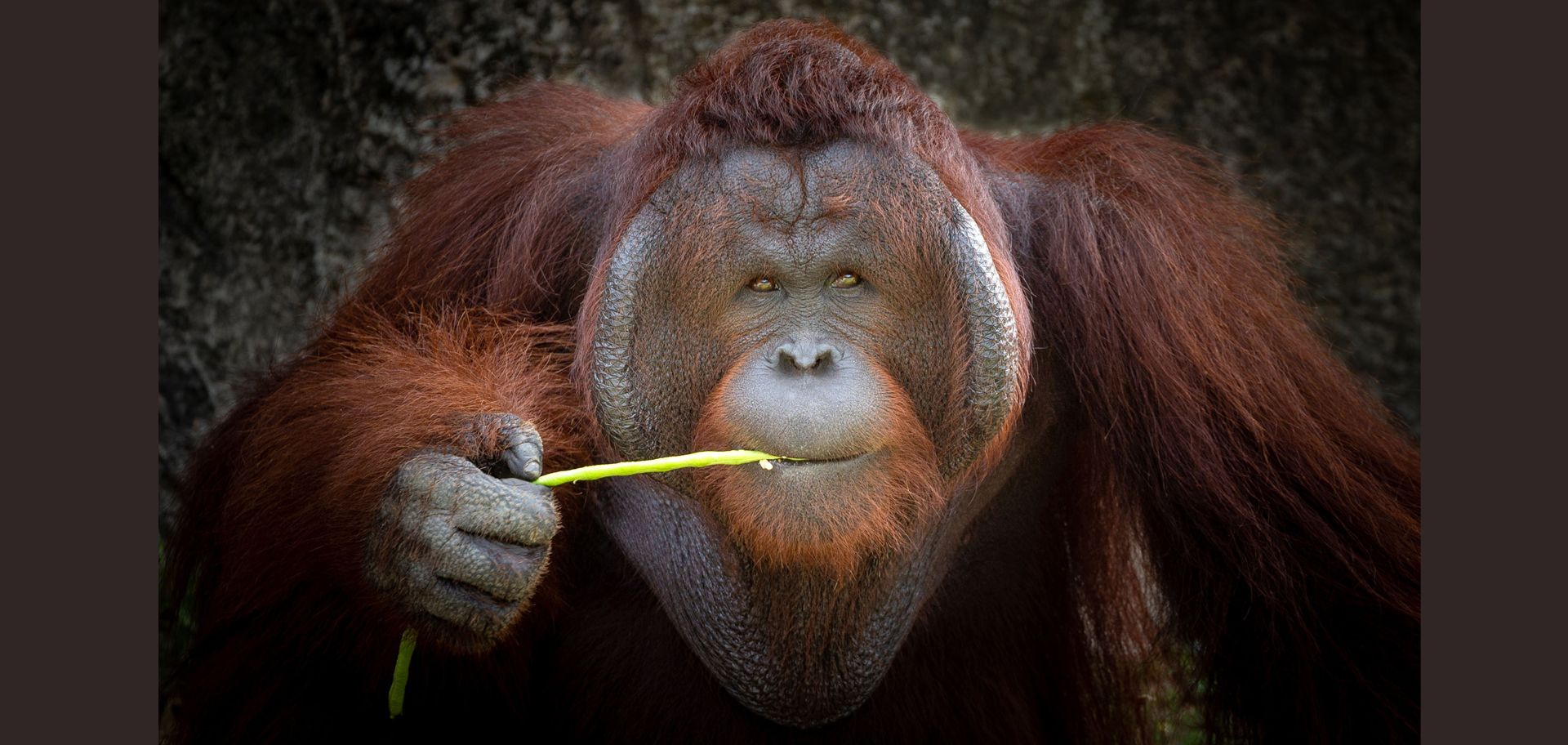
Orangutans are marvels of adaptation to the vagaries of food supplies in the wild. We can take our cue from them in our more domesticated lives.
• Evaluate your methods. Look at what’s been helping and what’s getting in the way. Swap out the tactics that aren’t working and test new ones until the routine feels natural.
• Make room for flexibility. Life rarely goes according to plan. Keep burnout at bay by building a little space for disruptions, interruptions and surprises into your weekly plans.
I’d also add to the list: eat like an orangutan. Adapt to the changes in your environment by adjusting your behavior, energy use and nutrient intake. After all, it’s worked for one of our closest relatives for centuries.
Here’s to finding your true places and natural habitats,
Candy