

The Animal Instinct for Picky Eating


We all know them: the picky eaters, the bane of cooks everywhere. Picky eaters often reject food based on appearance, smell or the mere mention of an ingredient name (like anchovies, mushrooms, onions or spinach) rather than how a dish actually tastes when prepared with skill.
However, humans aren’t the only picky eaters out there. New research suggests that male southern elephant seals are extremely fussy and only eat their favorite foods. Some butterflies and moths have very specific diets, too, feeding on only a few types of plants, while others are far less picky.
As for the picky-eating penchant of our own species, there’s more to it than just trying to be difficult or gaining attention. Long before humans became master hunters, our ancestors were already thriving by making the most of what nature left behind. New research suggests that scavenging animal carcasses wasn’t a desperate last resort but a smart, reliable survival strategy that shaped human evolution. Carrion provided calorie-rich food with far less effort than hunting, especially during hard times; and humans were uniquely suited to take advantage of it—from the ability to walk long distances and having strong stomach acid to fire, tools and teamwork. Childhood picky eating, too, has its roots in our ancestral history of foraging and scavenging for food.

Our eating choices—picky or not—have a strong power: they can even change our DNA. The rise of the potato in the Andes Mountains appears to have left a lasting mark on our genes. Indigenous Peruvians carry exceptionally high numbers of a starch-digestion gene, likely because people with more copies gained an evolutionary advantage once potatoes became a staple food. The change began thousands of years before European contact, providing unusually strong evidence that diet can shape human evolution—a phenomenon also seen in insect eating., opens in new tab
Male southern elephant seals are picky eaters
As one of the top predators roaming Antarctica, the sizeable southern elephant seal has its fair selection of the menu. But it turns out they don’t just want to eat anything and everything. According to new research led by Australia’s University of New South Wales in Sydney, male southern elephant seals have their own favorite foods, and they like to stick with them. In other words, they’re very fussy eaters.
Getting close enough to study the diet of male southern elephant seals in the wild can be challenging, given their aggressive temperaments and powerful statures; they can weigh up to four tons, dwarfing their more placid, smaller female counterparts. Instead, researchers analyzed the composition of smaller, hard tissues back in a lab that keeps detailed records of the animals’ activities. The eating habits of 31 male southern elephant seals from the Western Antarctic Peninsula were inferred by analyzing a whisker sample from each seal, which holds stable isotopes—chemical clues about the food they’ve eaten in the past. Each whisker contains up to a year’s worth of data about each seal’s culinary preferences, allowing the scientific team to assemble the most extensive picture of the male southern elephant seal diet to date.
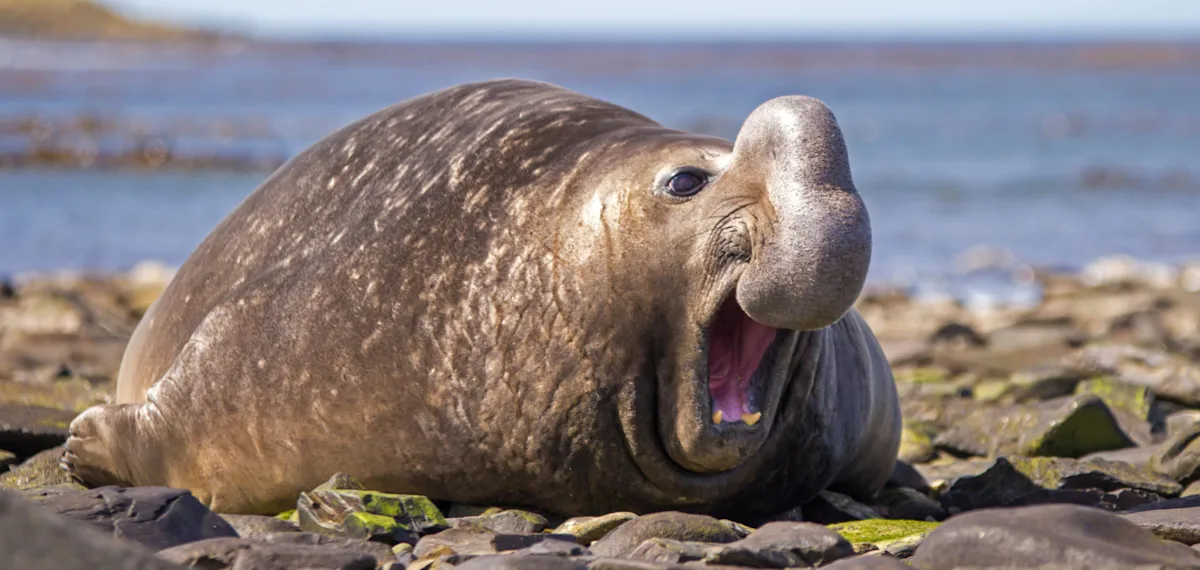
Despite the fact that the Antarctic ecosystem has a lot of variety, the researchers found that nearly all male southern elephant seals are specialists, with individuals consistently eating the same food items over time with little variation in diet. Most of those could be considered extreme specialists, feeding on less than 20% of their population’s range of food types. Meanwhile, only one seal in the sample was a generalist and chose to eat a broad diet of various food sources.
Variation between individuals strongly correlated with their body sizes. The heaviest seals ate farther up the food chain, consuming larger, energy-dense prey—such as big squid—leading up to the breeding season. But it wasn’t the size of the seal that determined specialization. Even seals on the smaller end that fed farther down the trophic scale on smaller fish were extreme specialists from early adult life.
Southern elephant seals can lose up to 50% of their body weight during the breeding season when they’re fasting on land, so what they choose to eat could be very important. Given that, why males have picky eating habits remains a mystery. The researchers say, in their report published in the journal Marine Ecology Progress Series, opens in new tab in December 2023, that they suspect it could be for many reasons, including gape size, which may dictate ideal prey size and feeding technique, to fluctuations in seasonal and yearly food availability.
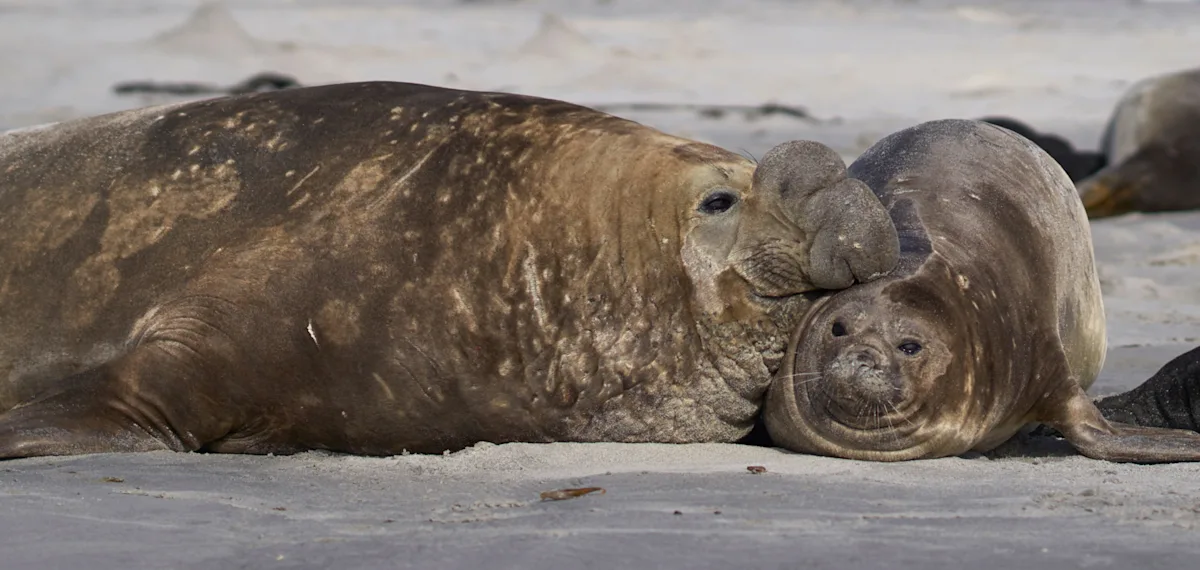
Specialization could also have several ramifications. Concentrating on different, but very particular food types—even a subpar option—could help improve foraging success rates between male seals and allow them to gain the weight needed to compete with other males for breeding rights. Researchers have demonstrated in previous studies that individuals will often return each year to the same feeding grounds in search of their favorite foods. But more studies are needed, state the scientists, to be confident about exactly what’s driving specialization and how it impacts breeding success.
Thanks to conservation efforts, the southern elephant seal population has bounced back after being hunted to near extinction and is no longer considered endangered. However, the risk of a new decline looms from the impact of climate change., opens in new tab For example, climate-driven shifts in the Southern Ocean can change krill availability, which impacts a seal’s ability to feed on its favorite foods farther up the food chain. Furthermore, emerging pathogens, like deadly avian flu strains, also threaten to wipe out populations.
In addition, the Western Antarctic Peninsula, where these seals reside, is one of the areas experiencing the greatest changes from ocean warming. The ice cliffs are almost completely gone, and the periods where new ice forms are getting shorter, changing the whole ecosystem. This could be problematic, with climate change affecting food resource availability across the Southern Ocean.
Butterflies and moths are picky eaters by day; buffet buffs by night
Even some butterflies and moths are picky eaters. In a study published in the journal Proceedings of the Royal Society B, opens in new tab in March 2025, an international team of researchers led by scientists at The Pennsylvania State University (Penn State) tested a new hypothesis for why some Lepidoptera, opens in new tab have very specific diets, feeding on only a few types of plants, while others are far less picky.
The new idea, called the “salient aroma hypothesis,” suggests that the smells plants release play a crucial role in determining how specialized a butterfly's or moth’s diet becomes. The researchers found that greater availability of plant aromas during the day provides more chemical information for day-active insects to use to locate and specialize on particular host plants, while the decrease in plant aromas at night means night-active Lepidoptera have to take what they can get and thus have a more varied diet.
To determine whether plant scent may have driven adaptation, the researchers looked at the insects’ primary organs for smelling—the antennae—and compared the antennal size of 582 specimens from 94 species of butterflies and moths. They found that female Lepidoptera that are active during the day tend to have larger antennae relative to their body size than those active at night. This might suggest that having better “smelling” equipment is more beneficial when there are more smells to detect. Similarly, specialist female Lepidoptera—those that feed from only a few types of plants—often have larger antennae than generalist females, possibly because they need to be very good at detecting the specific aromas of their host plants.
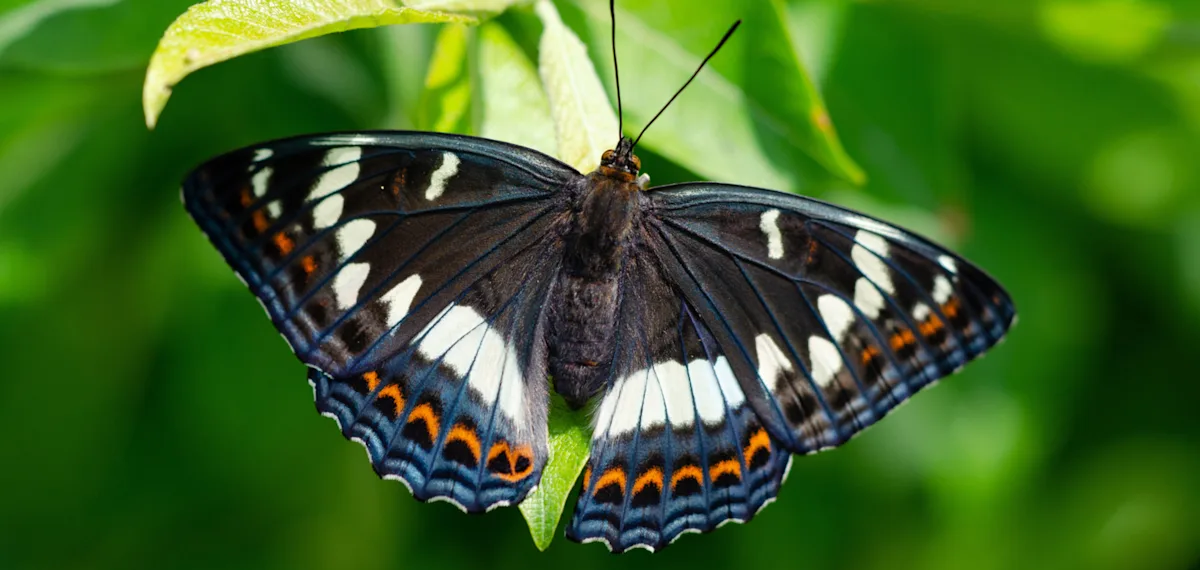
The relationship between antennal size and host plant breadth was very strong. Larger antennal sizes have been associated with a greater number of sensilla, the sensory structures involved in the sense of smell, thereby increasing the surface area for sensory receptors. The enhanced capacity may be a key adaptation for how certain Lepidoptera have evolved to feed on a limited and specific range of plants.
The findings suggest a potential link between the availability of plant aromas during the day and an evolutionary investment in olfactory structures in the insects, particularly in females that engage in host plant selection by laying their eggs on the plant. This finding demonstrates how the availability of chemical signals influences the evolution of sensory organs in insects and provides a fascinating example of how plants, through their chemical emissions, have played a direct role in shaping the evolution of the insects that rely on them.
To arrive at their conclusions, the Penn State scientists and their colleagues used a combination of approaches to investigate the link between plant aromas and Lepidoptera diets. They first conducted a meta-analysis of existing scientific literature to confirm that plants generally release more diverse and abundant volatile organic compounds, or aromas, during the day versus the night. Then they studied the Lepidoptera family tree to analyze the relationship between the insects’ activity patterns—day- or night-active—and their preferred host plants, using statistical models that account for evolutionary relationships.
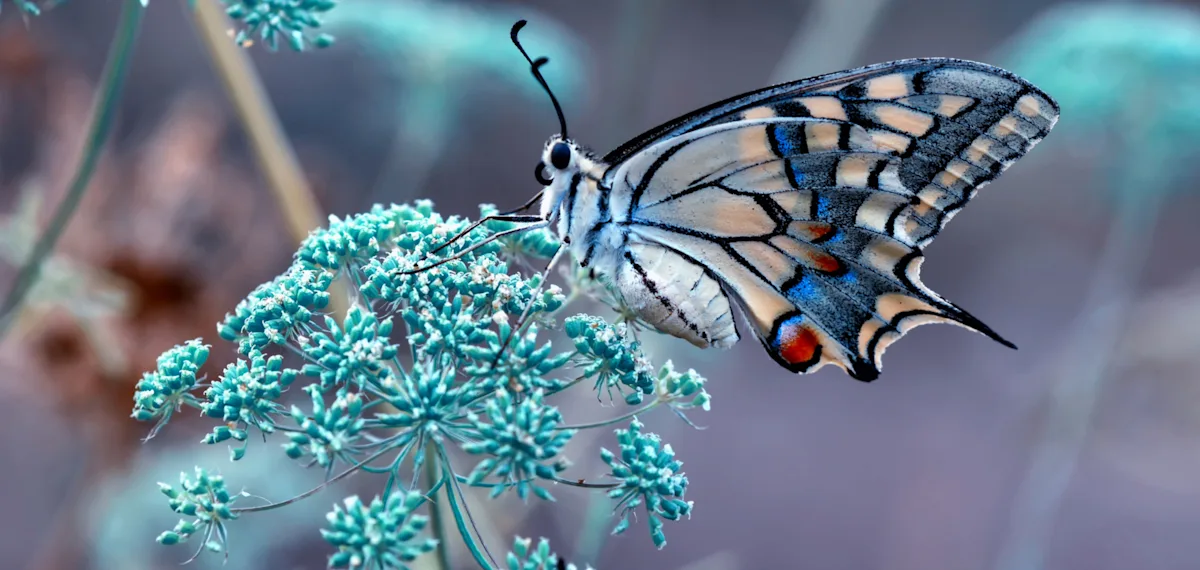
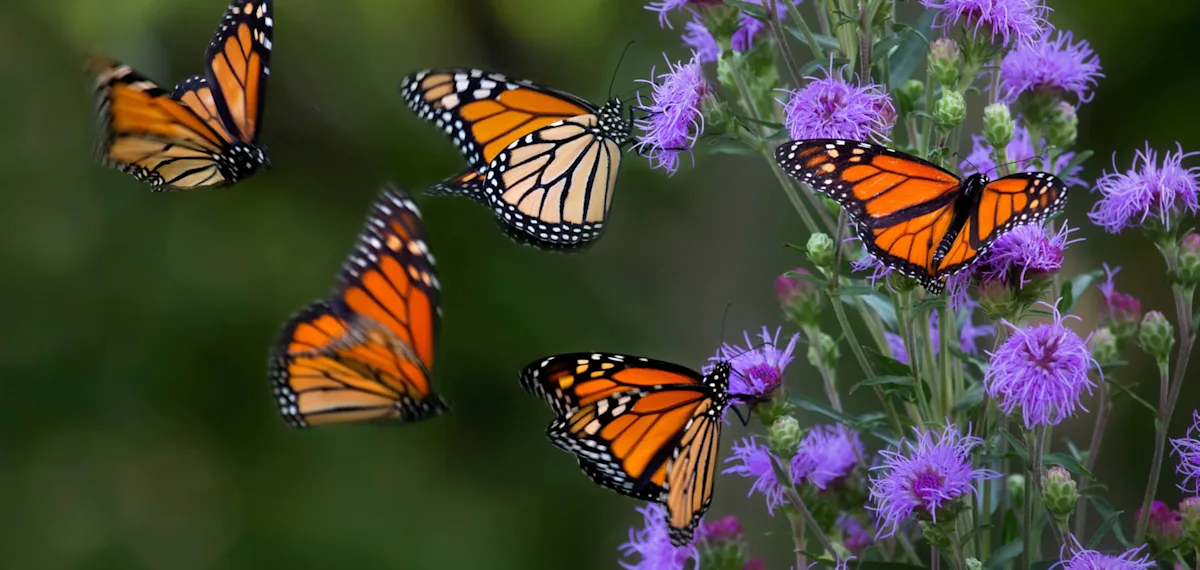
Their analyses showed a significant correlation between being active during the day or night and the diversity of host plant species that Lepidoptera consume. Day-active Lepidoptera, like monarch butterflies, have more opportunities and more specialized organs to detect plant aromas and, as such, have evolved to be picky eaters. On the other hand, night-active species, like the polyphemus moth,, opens in new tab encounter fewer and less diverse plant aromas. With less clear chemical information available, it might be harder for them to be so selective, potentially leading them to have more generalized diets, feeding on a wider range of plants.
Finding the right plants to feed on and, in the case of females, to lay their eggs on is a crucial decision for insect herbivores, such as butterflies and moths, explain the scientists, because caterpillars depend entirely on the selected plants for survival. Unlike humans, who eat a wide variety of foods to stay healthy, many insect herbivores specialize in feeding on only a few plant species. The salient aroma hypothesis helps explain why some insects are highly specialized while others are more flexible in their diets.
Humans became picky eaters as a survival strategy
Surprisingly, in humans there’s a relationship between scavenging and picky eating. It connects through two distinct lenses: human evolutionary survival and animal ecology.
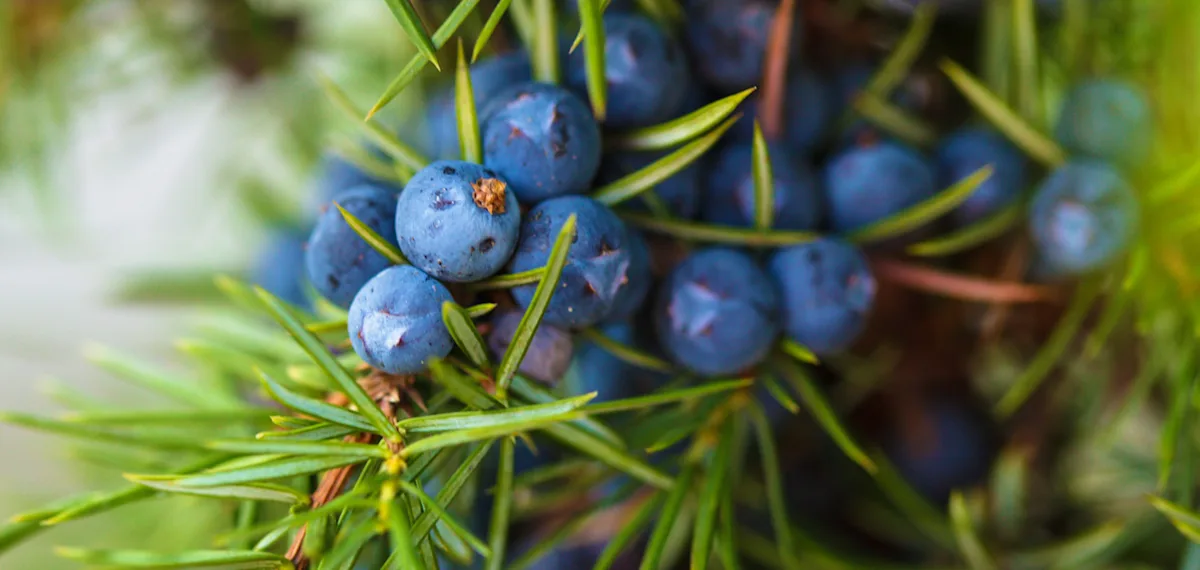
In human psychology and public health, childhood picky eating is viewed as an evolutionary survival mechanism rooted in our ancestral history of scavenging and foraging for food. When ancestral humans scavenged for wild berries, carcasses and plants, young children lacked the knowledge to differentiate between safe nutrients and deadly toxins. Around the age of two—precisely when ancestral toddlers became mobile enough to wander and pick up random objects—human children naturally developed food neophobia (the fear of new foods). This explains why many picky children instinctively reject bitter foods like broccoli or spinach. In nature, bitterness often indicates toxins or poison. A built-in picky response kept scavenging toddlers alive by stopping them from putting dangerous substances in their mouths.
The animal ecology lens between scavenging and picky eating centers on the nonhuman animal kingdom. Biological research has shattered the myth that wildlife scavengers are mindless “garbage disposals” that eat anything. Wild scavengers are actually highly selective eaters. Studies from institutions like the University of Georgia show that scavengers—such as jackals, raccoons and vultures—explicitly choose what carcasses, opens in new tab they consume. Apex scavengers routinely avoid eating the carcasses of other carnivores, preferring herbivores (like deer or ducks). Because carnivores carry more overlapping pathogens and parasites, being a picky eater protects the scavenger from lethal cross-species infections. Even notoriously aggressive scavengers, like Tasmanian devils, have been shown to have highly specific individual food preferences, actively passing up available carrion to search for their preferred type of meat.
Recently, a study led by the National Research Center on Human Evolution in Spain challenged long-standing ideas about how early humans survived. Published in the Journal of Human Evolution, opens in new tab in December 2025, the research takes a sweeping look at carrion consumption from the earliest hominins to modern humans. The authors argue that scavenging was not an occasional fallback, but a core survival strategy repeated throughout human evolutionary history.
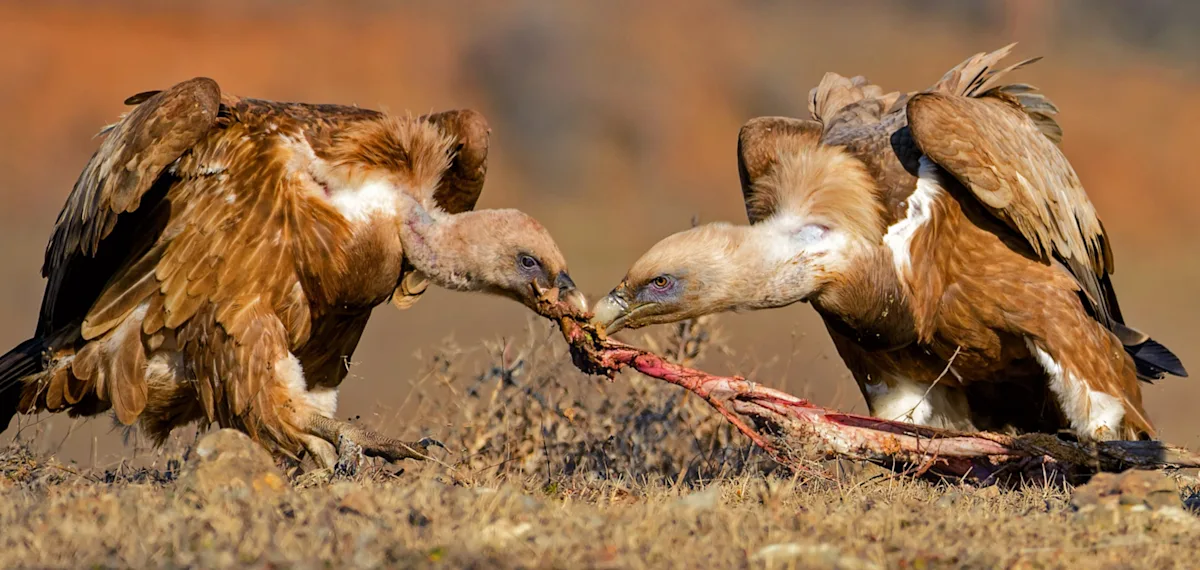
According to the researchers, scavenging offered clear benefits to early humans. Finding and exploiting animal carcasses required far less energy than hunting live prey and could provide critical nutrition during times of scarcity. During periods of famine, carrion may have been one of the most reliable food sources available. Recent ecological studies support this view, showing that carrion is more abundant and predictable than previously assumed. Many scavenger species have also developed behaviors that help limit their exposure to disease, further reducing the risks associated with this food source.
The researchers emphasize that humans are biologically and behaviorally suited for scavenging. The acidic pH of the human stomach may act as a defense against pathogens and toxins, and the risk of infection decreased considerably when we began to use fire for cooking. Moreover, our ability to travel long distances with low energy expenditure was key to finding food opportunities, they explain.
These traits, combined with early technology, gave humans a unique advantage. Language and stone tools—even the simplest ones—made it possible to coordinate group efforts, locate carcasses and extract valuable resources such as bone marrow, fat and meat. Scavenging worked alongside hunting and plant gathering as part of a flexible and efficient food strategy.
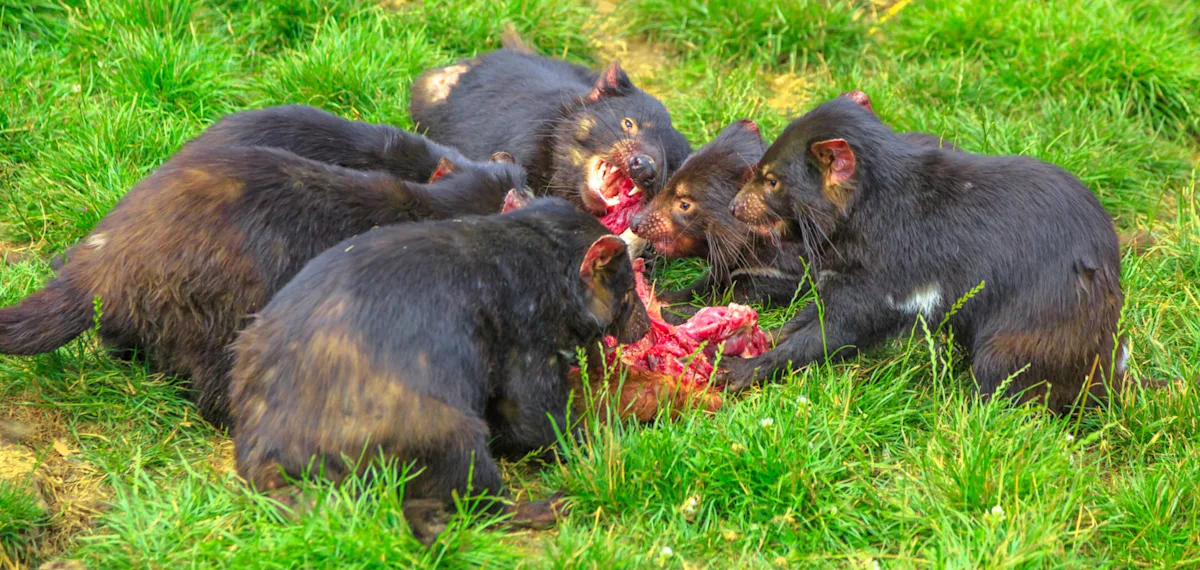
The question of how early humans first obtained meat has been debated for decades. In the 1960s, discoveries in Africa showing that ancient hominins consumed meat raised a key question: were they skilled hunters or were they primarily scavengers? For many years, scavenging was dismissed as a temporary and inferior phase that humans abandoned once hunting skills improved. But that interpretation has now been overturned. Modern research shows that all carnivorous species consume carrion to some degree. In addition, many present-day hunter-gatherer societies still include scavenging as part of their subsistence practices, demonstrating that it remains a practical and effective strategy.
The authors conclude that scavenging was never just a stepping stone on the path to hunting. Instead, it was a consistent and essential part of human survival that complemented other food-gathering methods. Far from being a marginal behavior, eating carrion played a central role in shaping human evolution and ultimately helped make us human.
Eating potatoes gave Indigenous Andeans a digestive superpower
Another food that has shaped human evolution is the potato.
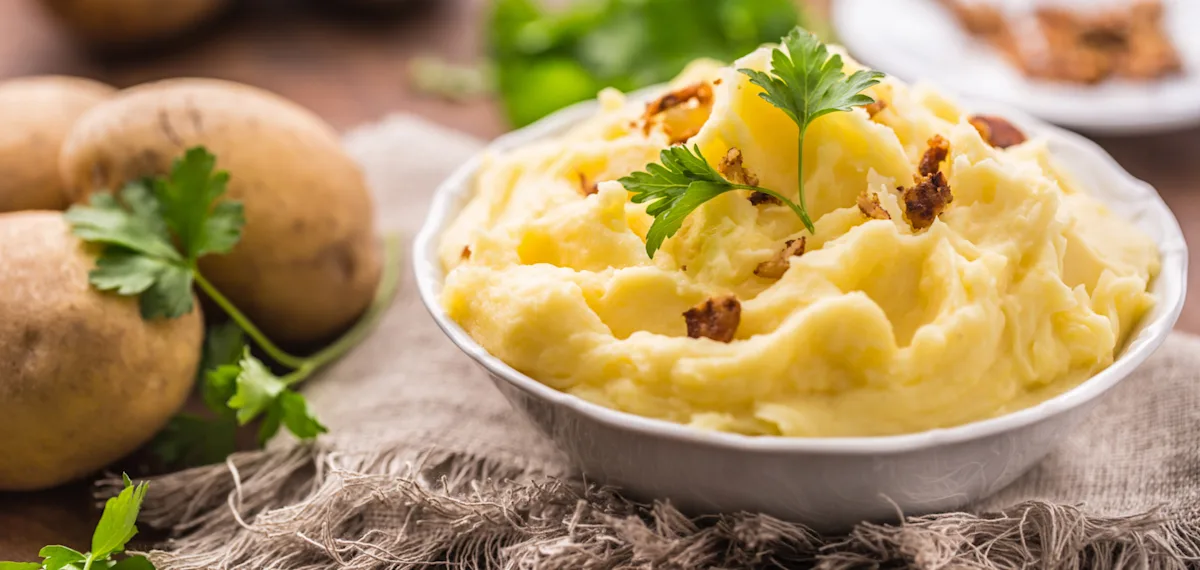
For thousands of years, potatoes have been central to life in the Andes. Indigenous Andean communities were the first to domesticate the starch-rich crop, turning it into a dietary staple long before potatoes spread around the world. Now, we’re learning that this ancient reliance on potatoes may also have shaped human evolution.
Indigenous people in Peru today carry more copies of a gene involved in starch digestion than any other known population. A study, published in the journal Nature Communications, opens in new tab in May 2026 and co-led by researchers at the University of California, Los Angeles and New York’s University at Buffalo, suggests that natural selection began favoring Indigenous Andeans with especially high numbers of the salivary amylase gene,, opens in new tab known as AMY1, around the same period that potatoes became established in the Andean highlands about 6,000 to 10,000 years ago.
For the study, a team of evolutionary anthropologists collected DNA from Peruvian Andean Quechua speakers. They then compared those samples with genomic databases containing thousands of DNA samples from dozens of present-day human populations. The high-altitude Andes are known for being a rich region for understanding human evolutionary adaptation, such as hypoxia, in which tissues do not get enough oxygen.
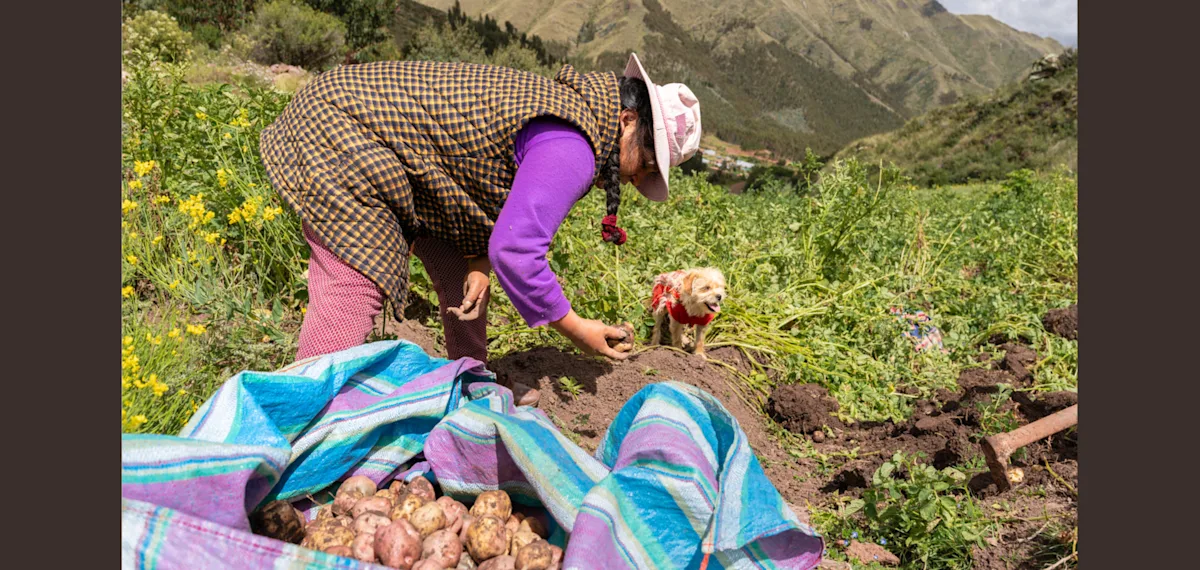
The first duplication of AMY1 occurred in humans at least 800,000 years ago. The ancestors of Indigenous Andeans already possessed different numbers of AMY1 copies before settling in the highlands and domesticating potatoes. Some individuals carried relatively few copies, while others carried many. Once potatoes became an important food source, however, people with higher AMY1 copy numbers appear to have gained an evolutionary advantage. The researchers estimated that beginning about 10,000 years ago, people with roughly 10 or more copies had a 1.24% survival or reproductive advantage per generation. Over many generations, that process produced a striking difference. Indigenous people living in Peru today carry an average of 10 AMY1 copies, approximately two to four more copies than any of the other 83 populations examined in the study.
The researchers also compared Indigenous Peruvians with the Maya,, opens in new tab an Indigenous population in Mexico that shares evolutionary history with Andean peoples but does not have a tradition of potato farming. On average, the Indigenous Peruvians' 10 copies of AMY1 compared with six among the Maya. That difference supported the idea that potato cultivation played an important role, but the researchers had to rule out another major event in Indigenous American history.
Following European contact in the 15th century, Indigenous populations across the Americas declined dramatically because of disease, conflict, famine, violence and the rapid loss of genetic diversity. The researchers, therefore, had to determine whether this severe population bottleneck could have reduced the number of people carrying fewer AMY1 copies, creating the appearance of natural selection even if potato consumption was not the cause. Separating those possibilities was one of the study’s major challenges.
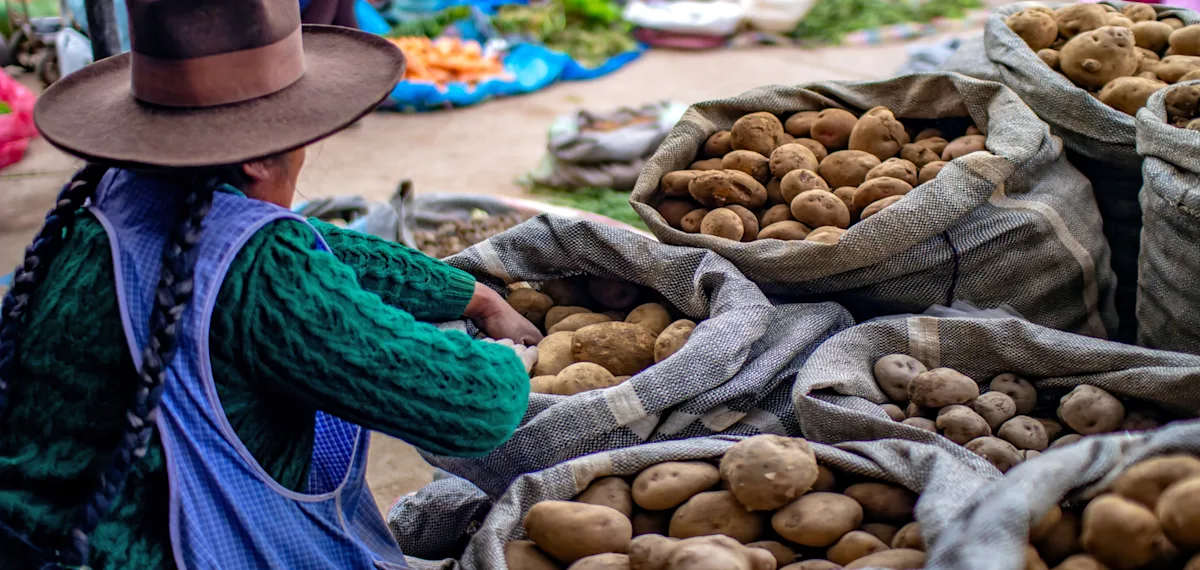
Using state-of-the-art, ultra-long DNA sequencing technologies together with newly available comparative datasets, the team found that high AMY1 copy numbers had already become more common in the Andes several thousand years before Europeans arrived. That timing supports the conclusion that natural selection associated with diet, rather than the later population collapse, was responsible for the genetic pattern seen today.
These new findings provide unusually strong evidence that natural selection acted on this gene in the Andes after potato cultivation began. Biologists have long suspected that different groups of humans have evolved genetic adaptations in response to their diets, but there are very few cases where the evidence is this strong.
Your dislike of eating bugs may be 9,000 years old
As the global population grows and climate change places increasing pressure on food systems, researchers and policymakers are looking more closely at alternative sources of nutrition. Insects are one possible option., opens in new tab A total of 1,611 insect species are classified as edible; and many organizations—including the Food and Agriculture Organization of the United Nations—have highlighted insects as a potentially sustainable food source.
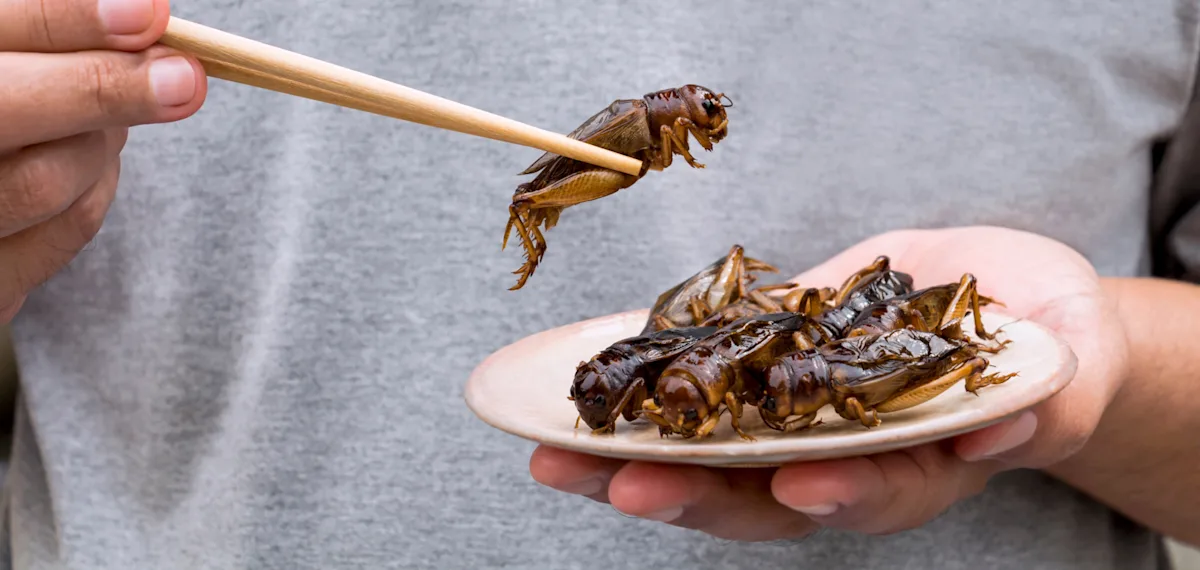
Even so, many Western societies remain strongly resistant to entomophagy, or eating insects, despite the fact that hundreds of millions of people around the world already include insects in their diets. Culture may help explain that reluctance, but scientists have not known how far back it goes or what other forces may have shaped it.
That’s why researchers from Spain’s Institute of Evolutionary Biology (IBE) have now used genomic evidence to reconstruct patterns of insect consumption stretching back thousands of years. Their findings, published in the journal Science Advances, opens in new tab in June 2026, indicate that eating insects was probably occasional and accidental in Europe and in Central and East Asia, while it appears to have been more common in tropical regions and among Neanderthals. The work offers new insights into human ecology, evolution and modern attitudes toward insect-based foods.
To search for direct signs of insect consumption, IBE researchers examined 745 samples of dental calculus (tartar) from anatomically modern humans dating back as far as 33,000 years. Dental tartar can trap and preserve DNA from species that were regularly eaten, providing researchers with a record of ancient diets. The results suggest that modern humans living in northern Eurasia did not regularly eat insects. The team also examined genes involved in breaking down chitin, a major component of insect exoskeletons. Among North Eurasian populations, chitinase genes contain mutations associated with a reduced ability to digest insect exoskeletons. That genetic pattern has persisted for roughly 9,000 years, dating back to the rise of agriculture.
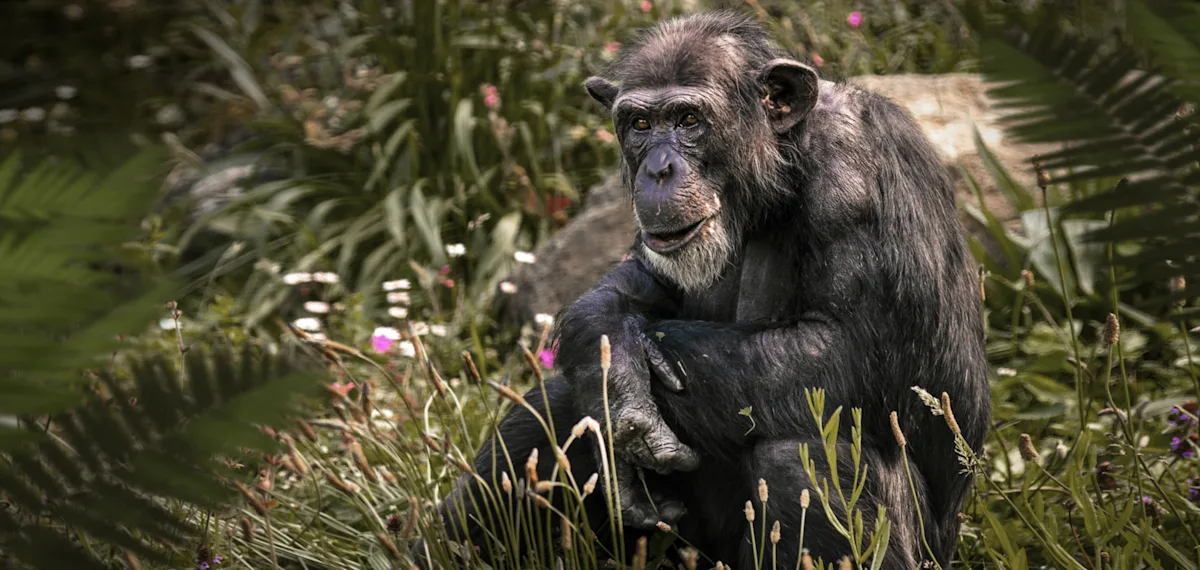
The picture was different for Neanderthals. Although they lived in many of the same environments as anatomically modern humans, their dental calculus contained considerably more insect DNA. The amount detected in Neanderthal samples was similar to levels found in western chimpanzees,, opens in new tab who use insects to supplement their diets on the savanna, particularly during droughts.
Among the most common genetic traces in Neanderthal tartar were remains from Diptera,, opens in new tab the insect group that includes flies and mosquitoes. Mosquito DNA was especially abundant. The results support a recent hypothesis that Neanderthals may have regularly eaten animal carcasses containing fly larvae. The strong presence of mosquito remains also lends support to the idea that prey carcasses may sometimes have been stored in ponds or marshy environments, where mosquitoes would have laid their eggs. Genetic evidence points in the same direction. Neanderthal chitinase genes appear to have supported more efficient insect digestion.
The researchers also investigated genes involved in digesting the chitin found in insect exoskeletons. These genes are active in the stomach and produce the enzymes chitinase, opens in new tab and chitobiase., opens in new tab Across both ancient and modern samples, populations living closer to tropical regions were more likely to carry genetic variants associated with higher expression of these enzymes. Large quantities of insects need to be ingested to compensate for the high caloric expenditure involved in their collection. In the tropics, there is a greater availability of social insects, such as locusts and termites: their biomass and diversity allow for sustainable exploitation throughout the year, which even contributes to pest control.
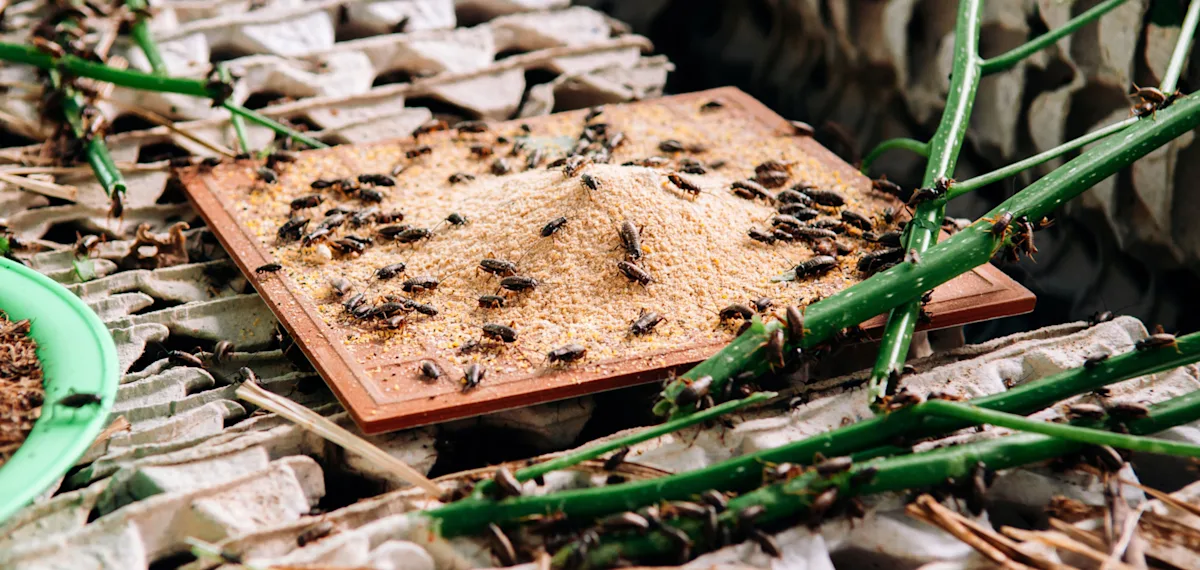
As human populations expanded toward higher latitudes, expression of these digestive enzymes gradually declined. The geographic pattern has remained in place for at least 9,000 years and appears to reflect the gradual abandonment of insect eating among European populations, suggesting that Western reluctance to eat insects may have roots that extend far beyond recent customs or religious traditions. In other words, ecology may have helped shape both dietary behavior and human biology. In regions where insects were less abundant and harder to collect in large quantities, they may simply have become less worthwhile as a food source over time.
Modern food production changes that equation. Industrial processing can make it possible to use the nutritional benefits of insects without requiring people to directly digest as much of the chitin in their exoskeletons. Insect farming also makes large-scale production possible.
Making room for picky eaters
For many cooks and food enthusiasts, food is an adventure, a cultural bridge or a story. Picky eaters, they believe, treat food strictly as basic, safe sustenance. When faced with immediate and strict food refusals, those who love a wide variety of foods and tasting new ones can feel slighted, since the act of making and sharing different foods is often an emotional and personal endeavor for them.

Perhaps there’s room for empathy and understanding on both sides. After all, picky eaters evolved for a reason. Picky eating is both born and created, with recent genetic research showing it is largely innate, while environmental and historical factors heavily shape how such habits develop.
Picky eaters, too, have their place at our holiday tables.
Here’s to finding your true places and natural habitats,
Candy