

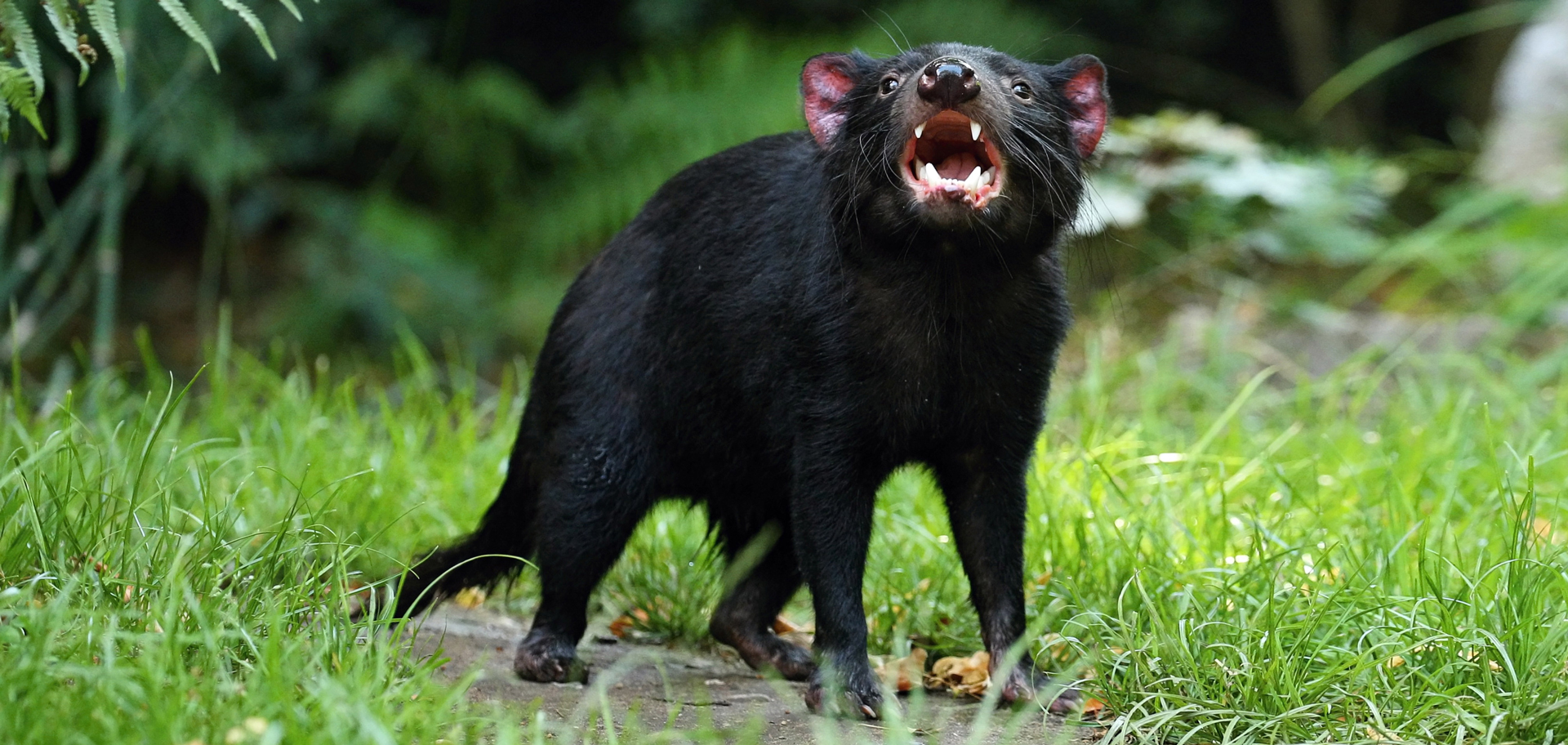
Despite their name, Tasmanian devils are not a threat to humans. They don’t go out of their way to attack or display aggressive behaviors unless they feel threatened; they’d rather flee than fight. These Australian marsupials only vaguely resemble the brown, two-legged nemesis of Bugs Bunny; instead, they have black fur with white patches and are quadrupedal.
As soon as the month of October starts, your thoughts probably turn to spooky fun as we lead up to October 31 and Halloween. When the autumn leaves change colors and the days turn cooler, we tend to anticipate carving pumpkins and the costumes we’ll see on children—or even wear ourselves—at the end of the month. One of the most popular getups is a devil’s costume, a classic choice that consistently ranks among the top searched and sold holiday outfits every year.
While devils are considered supernatural creatures, what about the real “devils” in nature? You might be surprised to learn there are some. One of them lives—mostly underground—in Thailand. A newly named, strange, black “devil flower” (Thismia daemona) is known from fewer than 50 individuals and may already be critically endangered.
Another recently discovered “devil” is a horned, native bee found in the Western Australian Goldfields. Megachile lucifer was identified while researchers were surveying a rare wildflower. The bee stood out with its unusual, devilish facial horns. DNA testing confirmed the insect was previously unknown, exposing major gaps in bee surveying—especially in areas under pressure from mining.

One of the most popular Halloween costumes is devils’ garb, a classic choice that consistently ranks among the top searched and sold holiday outfits every year. Devil costumes are highly adaptable: on toddlers, the look can be cute and playful. On adults, the fashion can be edgy or glamorous.
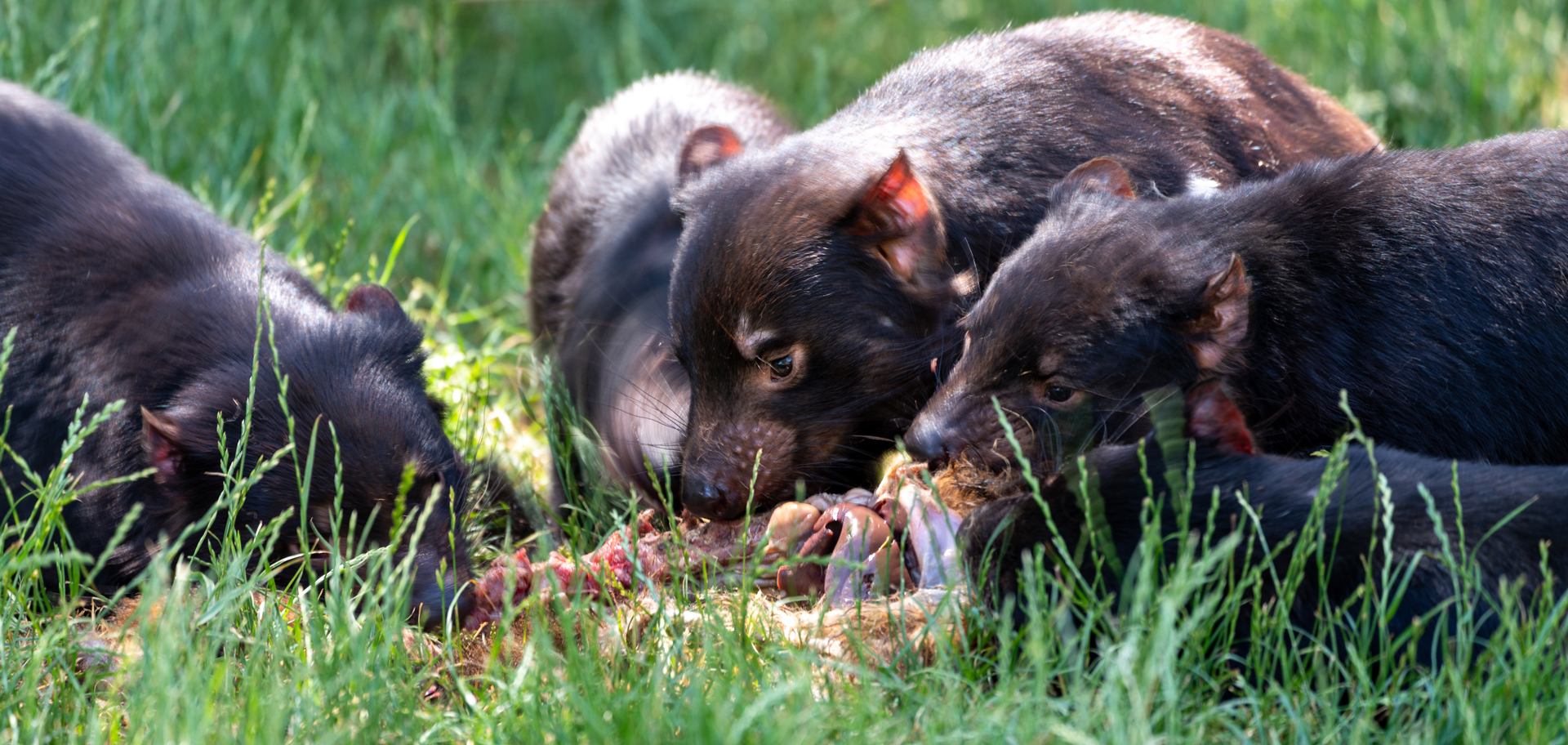
Of course, no discussion of nature’s “devils” would be complete without mentioning the most famous of all: the Tasmanian devil (Sarcophilus harrisii). Although this cute marsupial has also been a beloved, rapidly spinning cartoon character for more than 70 years, the real animal is just as astounding. For example, a cluster of interacting proteins that are active in both human cancers and Tasmanian devil facial tumors may help us find more effective immunotherapy treatments. And, in some more remarkable news, those facial tumors that signal a transmissible cancer that has now decimated Tasmanian devil populations likely won’t spell their doom as once thought. Even their whiskers are magic: they hold chemical imprints from the foods they’ve eaten—records that can help tell broader stories about their foraging habits, habitat use and how they respond to environmental change, which can help us ensure that they persist long into the future.
A bizarre devil flower that lives in Thailand
On the forest floor of Thong Pha Phum National Park in Thailand lives a newly discovered “devil.” This leafless plant has a flower that is mostly black and topped with horn-like appendages that rise from a dome-shaped cap. Bright, reddish-orange patches near the base resemble glowing eyes, adding to its demon-like appearance. Its supernatural look inspired its name: Thismia daemona, or “devil flower.”
Thismia is a genus of tiny species sometimes known as “fairy lanterns.” These plants lack chlorophyll and do not carry out photosynthesis. Instead, they obtain nutrients through underground fungi and remain concealed beneath layers of leaf litter for nearly their entire lives. Botanists from Thailand’s Chulalongkorn University and Prince of Songkla University discovered the new species in a seasonal, montane, evergreen forest at an elevation of nearly 3,280 feet, an unusually high and seasonally dry environment for members of this genus. Typically, Thismia species occur in perennially humid, lowland rain forests.
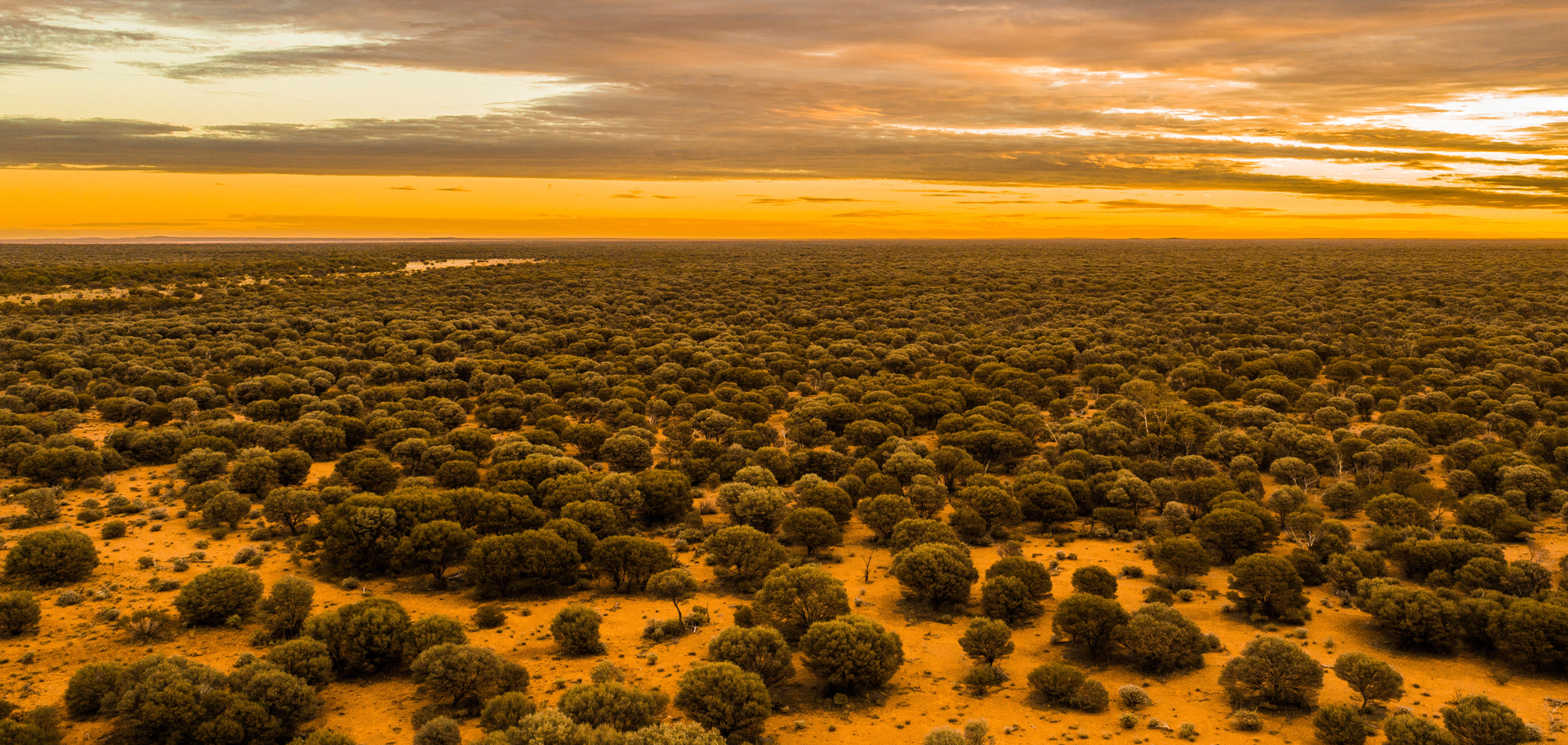
Australia’s Goldfields sparked the 1851 gold rushes after discoveries near Ballarat, Bendigo and Castlemaine, turning Melbourne into one of the world’s wealthiest cities at the time. Historically, the fields produced more than 2,400 tons of gold and yielded some of the largest gold nuggets ever recorded. Today, the Goldfields blend modern industrial mining hubs with preserved 19th-century heritage towns and rugged outback landscapes.
The discovery also changes scientists’ understanding of the geographic range of this plant group. Thismia daemona belongs to Geomitra, a section of uncommon underground plants, which had previously been documented only in Borneo, Malaysia and Sumatra. Finding it in Thailand extends the known distribution of the entire section farther north for the first time. With the addition of Thismia daemona, Thailand is now known to be home to 16 species of Thismia.
Although the new species is visually striking, its survival may be at risk, write the botanists in the journal PhytoKeys in August 2026. Scientists know of only one population, consisting of fewer than 50 individuals in an area smaller than a football field. The species has, therefore, been provisionally assessed as critically endangered. One concern is that its habitat lies inside a national park that receives substantial tourist traffic.
Involving nearby communities, conclude the botanists, will be important for protecting the plant and its fragile habitat. A key next step is adopting a sustainable conservation approach aligned with the UNESCO Man and the Biosphere Program, harmonizing biodiversity conservation with human engagement. Inspiring local people to take pride in their natural heritage not only safeguards microhabitats, but also supports sustainable, community-led ecotourism, they say.
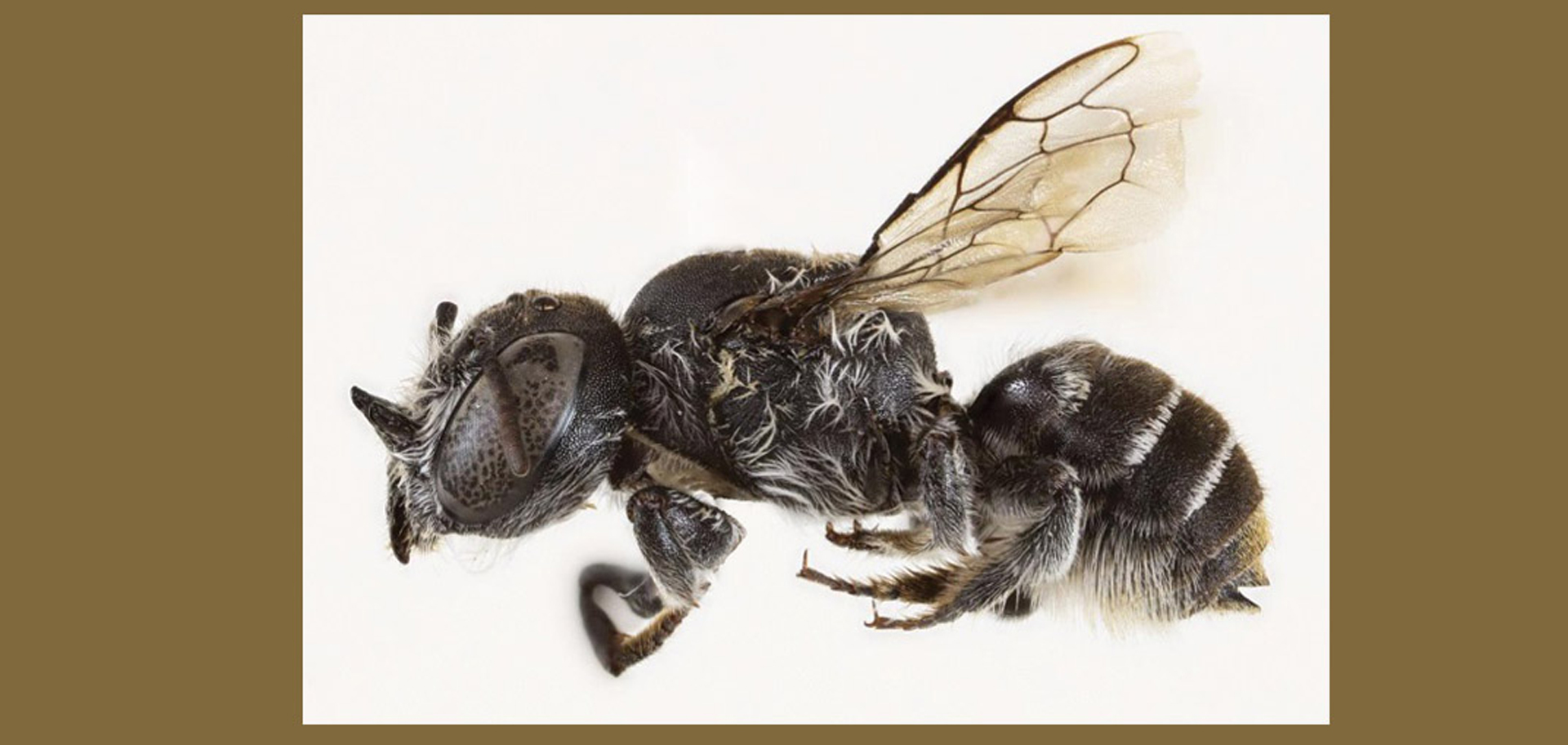
Researchers found the “Megachile lucifer” bee while observing a rare wildflower that only grows in the Bremer Ranges in the Western Australian Goldfields, 292 miles east of Perth. Only females possess the highly distinctive, prominent horns, which may be used as a defense mechanism, to gather nectar or pollen, or to collect resin for nests.
A devil-horned bee that resides in Western Australia
A newly identified native bee with tiny, devil-like horns, named Megachile lucifer, has been documented in the Western Australian Goldfields. The female bee’s distinctive horned face inspired the name lucifer, a term meaning “light-bringer” in Latin, while also referencing its devil-like appearance. The bee’s discovery reveals how many of Australia’s native pollinators have yet to be studied or even recognized. The extraordinary species was spotted by researchers from Australia’s Curtin University School of Molecular and Life Sciences during targeted surveys of the critically endangered wildflower Marianthus aquilonarius, which grows only within the Bremer Range region located between the towns of Hyden and Norseman.
DNA barcoding confirmed that the bee didn’t match any known bees in DNA databases, nor did the specimens collected morphologically match any in museum collections. That makes Megachile lucifer the first member of this bee group to be described in more than 20 years. Because the new species was found in the same, small area as the endangered wildflower, both could be at risk from habitat disturbance and other threatening processes like climate change, say the researchers, whose work was supported by the Atlas of Living Australia. Since many mining companies still don’t survey for native bees, there may be more undescribed species, including those that play crucial roles in supporting threatened plants and ecosystems. Without knowing which native bees exist and what plants they depend on, both could be lost before we even realize they’re there, the researchers write in the Journal of Hymenoptera Research in November 2025.
Tasmanian devils who could help us improve immunotherapy
From the plant and insect worlds, we move to the world of mammals. Here, a devil may be an angel in disguise.
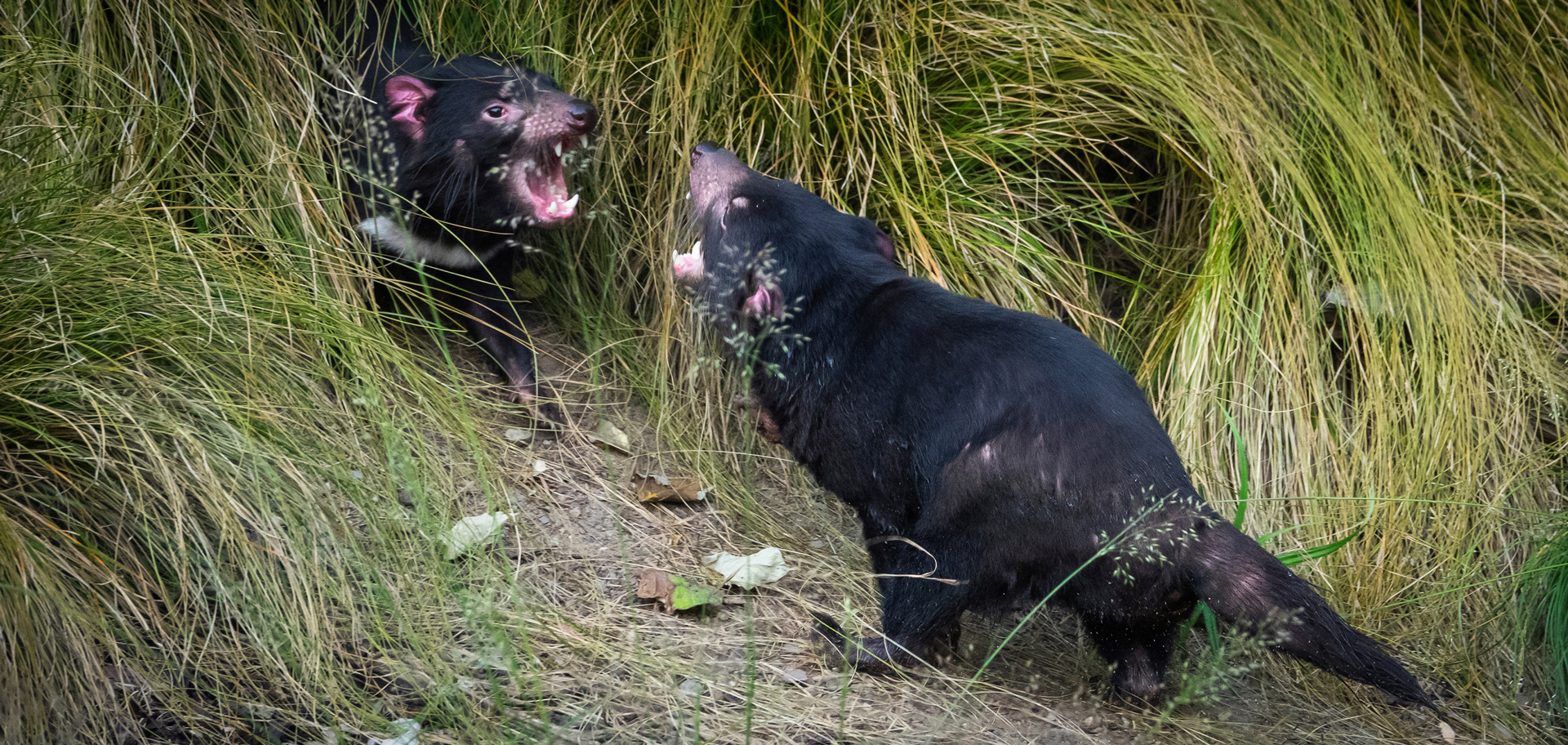
Devil facial tumor (DFT) disease encompasses two, independent, transmissible cancers that have caused an 80% reduction in Tasmanian devil numbers between 1996 and 2015. The cancer cells themselves act as infective agents, spreading from devil to devil via bites, the sharing of food or aggressive mating.
Researchers have found that when a protein complex called PRC2 is overactive, cancer cells lose the ability to present a protein called MHC class I. Expression of MHC class I is essential for tumors to be recognized by the body’s immune defenses. This could contribute to some cancers in people becoming resistant to immunotherapies. Interestingly, it appears that loss of MHC class I in Tasmanian devil tumor cells may be due to the same process.
Devil facial tumor (DFT) disease is a common type of cancer in Tasmanian devils that is almost always lethal. It causes the appearance of tumors on the face or inside the mouth of affected Tasmanian devils. Unlike any cancer in people, this unique disease is contagious and can be transmitted between individuals when the devils bite each other’s faces, either as part of their mating rituals or to protect their territories. While humans cannot pass cancer to other people, the researchers suggest this newly observed similarity in the way cancer cells evade the immune system may explain why some cancers respond less well to immunotherapy than others and why cancer cells are not destroyed when transmitted between Tasmanian devils.
Researchers at Australia’s Peter MacCallum Cancer Center and the University of Melbourne, in collaboration with scientists in the United Kingdom, have suggested that a class of drugs called EZH2 inhibitors, which are already in clinical trials for lymphoma and other cancers, could be an effective treatment for overcoming immune evasion. When they blocked the activity of EZH2 in cells in the lab, MHC class I molecules were restored on the cell surface, allowing the cancer cells to be targeted by the immune system once more.
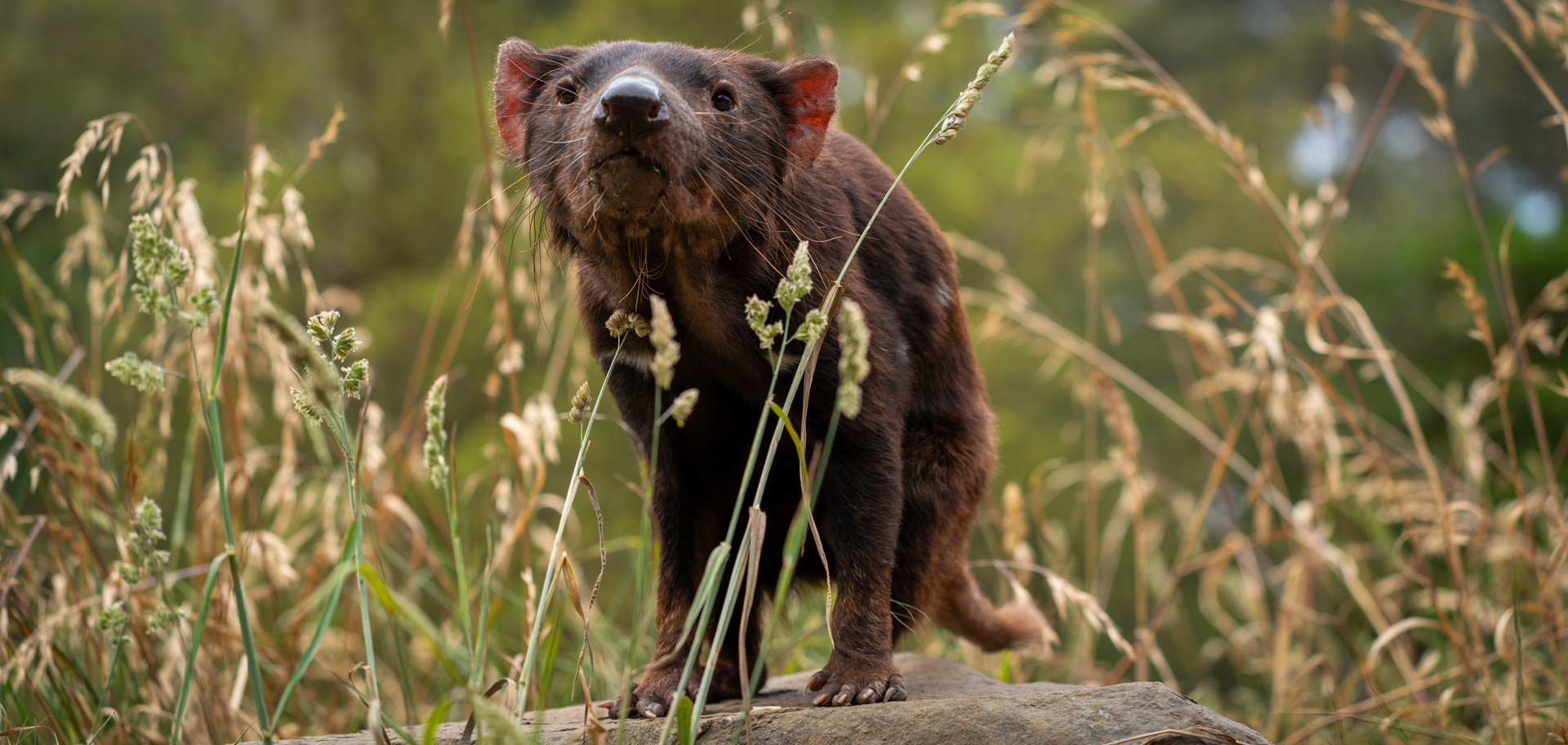
Devils may be especially vulnerable to DFT disease because of the low diversity in their immune genes, especially in the major histocompatibility complex genes. The cancerous tumors have the same genes, so Tasmanian devil immune systems have trouble recognizing the tumor cells as foreign.
EZH2 inhibitors are showing promising results in clinical trials, state the researchers in their paper published in the journal Cancer Cell in October 2019. So, they want to investigate whether they can be combined with immunotherapy treatments and if they could help patients who don’t respond to immunotherapies alone. This approach may be particularly beneficial for cancers such as small cell lung cancer that have low expression of MHC class I.
Tasmanian devils who will likely survive their own pandemic
Tasmanian devils have some good news of their own, too. While DFT disease has decimated the animal’s populations, it likely won’t spell their doom.
Since it was first identified in 1996, devil facial tumor disease has reduced populations of the iconic marsupial by 80%. The disease is still largely fatal to Tasmanian devils who contract it, but it appears to be reaching an equilibrium, according to Washington State University biologists who published a report in the journal Science in December 2020. This new evidence, they say, means we should reconsider the practice of releasing captive-bred devils into the wild.
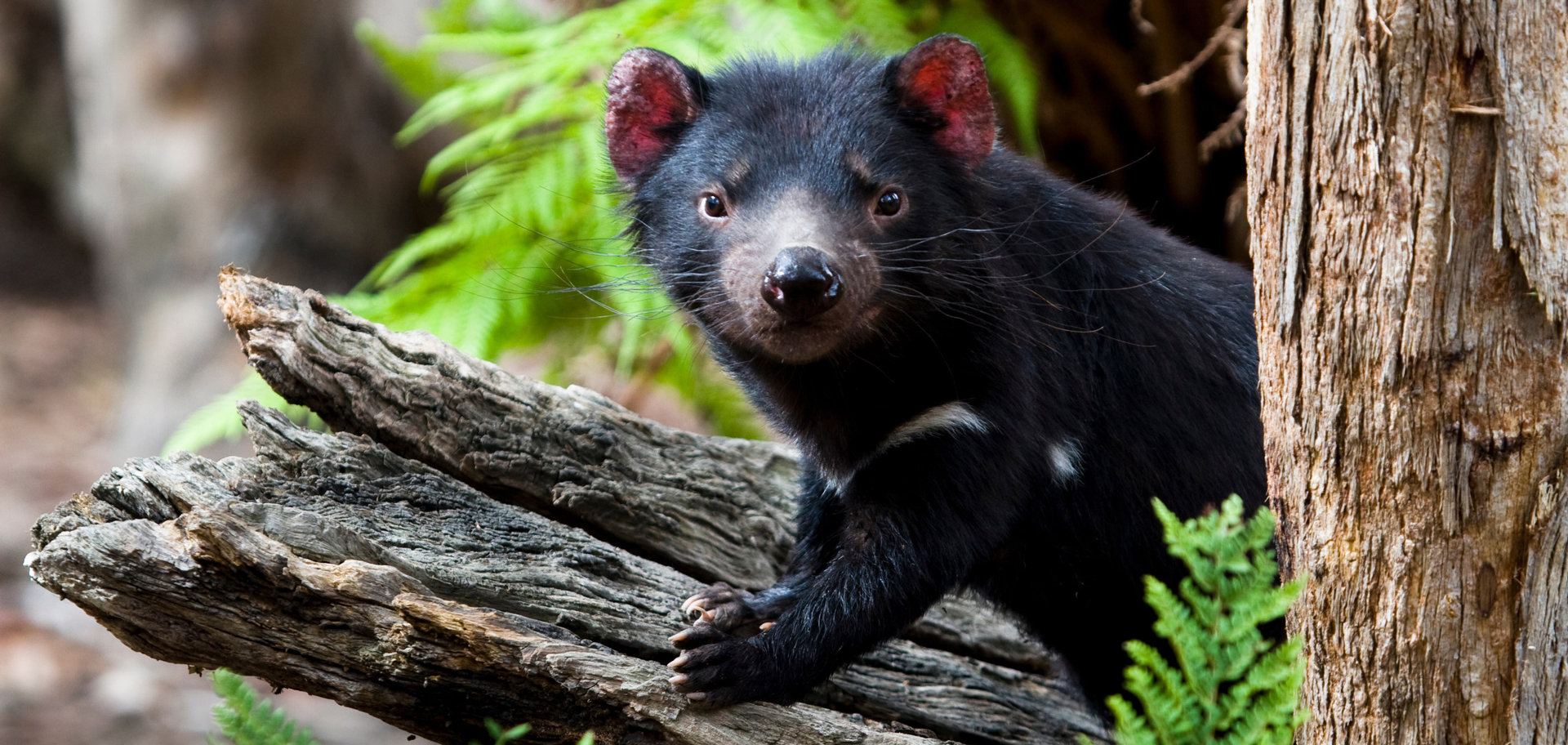
While DFT has decimated Tasmanian devil populations, it likely won’t cause their extinction. The pandemic is shifting from an emerging disease to an endemic one, meaning that the spread of the disease is slowing to the point that each infected devil is infecting only one additional animal at most.
To conduct the study, researchers—for the first time—employed the genomic tools of phylodynamics, which are typically used to track viruses such as influenza and SARS-CoV-2, to trace devil facial tumor disease. Phylodynamics employs genetic sequencing to investigate evolutionary relationships among pathogen lineages to understand and predict how a disease spreads across a population. Tasmanian devil facial tumor disease, however, is much more genetically complex than a virus. Since the disease is a type of cancer, derived from the animals’ own cells, the genes that need to be traced are essentially the Tasmanian devils’ genes, of which there are thousands more than those of a typical viral pathogen.
The Washington State University researchers screened more than 11,000 genes from tumor samples to find genes that changed in a clock-like manner, showing mutations that were accumulating rapidly. They then identified 28 genes representing more than 430,000 base pairs, the fundamental units of DNA. In comparison, the genome of SARS-CoV-2, the virus that causes COVID-19, has 29,000 base pairs. Results indicated that the devils’ pandemic is shifting from an emerging disease to an endemic one, meaning that the disease spread is slowing to the point that each infected devil is infecting only one additional animal or none at all.
Active management may not be necessary and could actually be harmful, conclude the biologists. Devil populations are naturally evolving to tolerate and possibly even resist the cancer. Introduced genetically naive individuals might breed with wild individuals, basically mixing up the gene pool and making it less well adapted. The captive-bred, disease-naive individuals could also increase transmission of the disease among different groups of devils.
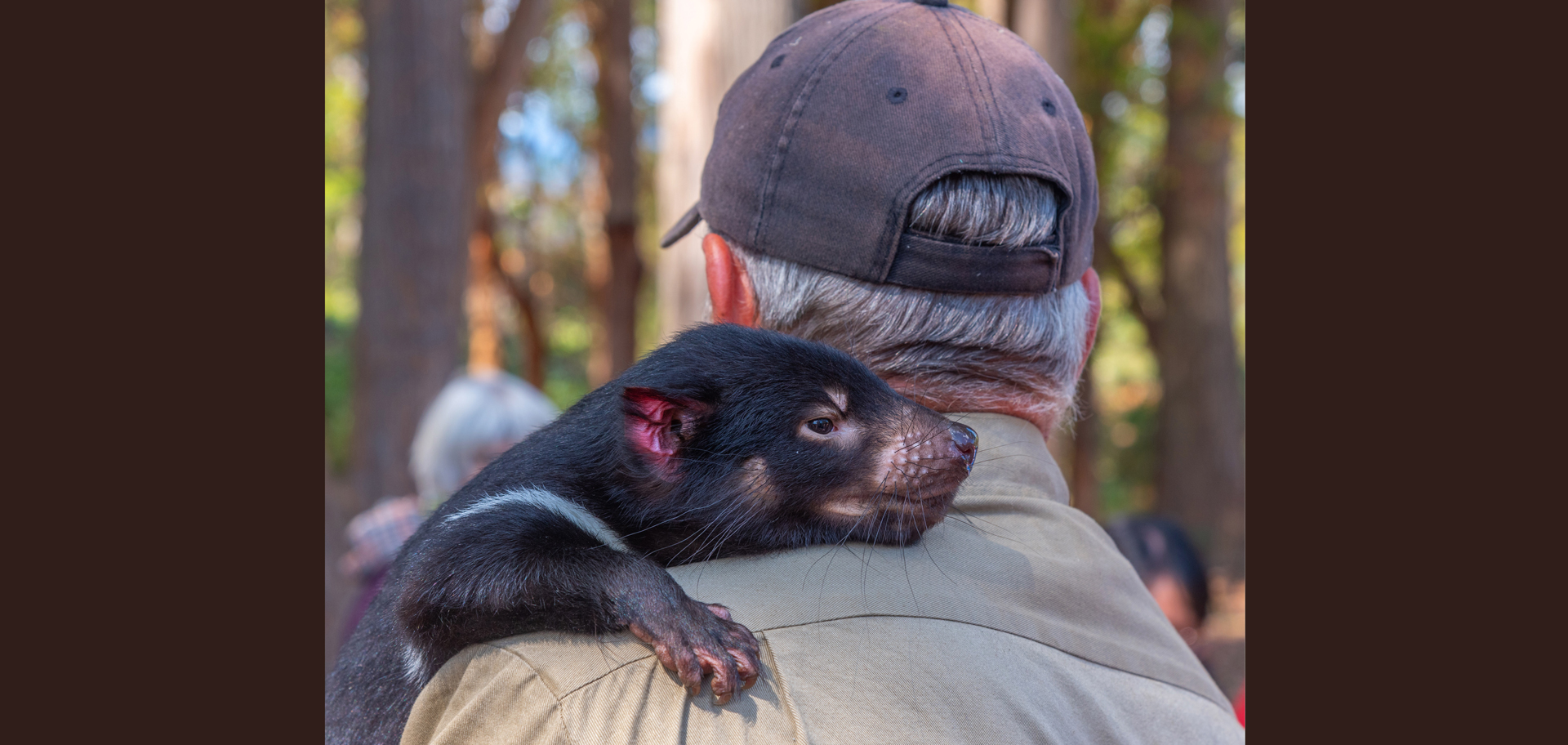
Following the global COVID-19 crisis, we finally have some good news about a wildlife pandemic. Learning about Tasmanian devil facial tumor disease and its development and progression may also help scientists better understand how other cancers and emerging diseases evolve in humans and in other animals.
One of the most exciting things about this study is that it opens the door to using the kinds of methods that have been important in the examination of viruses to a whole new suite of pathogens that impact humans as well as wildlife. And the scientists say they are now cautiously optimistic about the devils. They think we’re going to see the continued survival of devils—albeit at lower numbers and densities than original population sizes—but extinction seems unlikely even though it was predicted a decade ago.
Tasmanian devils who hide their secrets in their whiskers
Here’s some more good news about Australia’s devils. The long, wiry whiskers of Tasmanian devils hold chemical imprints from the food they’ve eaten in the past—records that can help tell broader stories about how they find food, how they use their habitats and how they respond to environmental changes. Researchers from the University of New South Wales (UNSW) in Sydney, Australia, have now mapped this timescale for the first time, showing that devils’ whiskers can capture seasonal dietary changes for at least nine months and potentially up to a year. The findings, published in the journal Ecosphere in November 2021, offer a way to monitor the endangered native species with minimal disruptions to their habitats.
Up until now, say the researchers, tracing a devil’s culinary history with its whiskers had been a bit like using an out-of-order time machine: scientists could see the chemical records, but couldn’t confirm if they were from a week, a month or a year ago. Now, the whiskers, once dissected, can act like the rings of a tree trunk, painting a picture of what the animals ate and how they lived up to 12 months in the past.
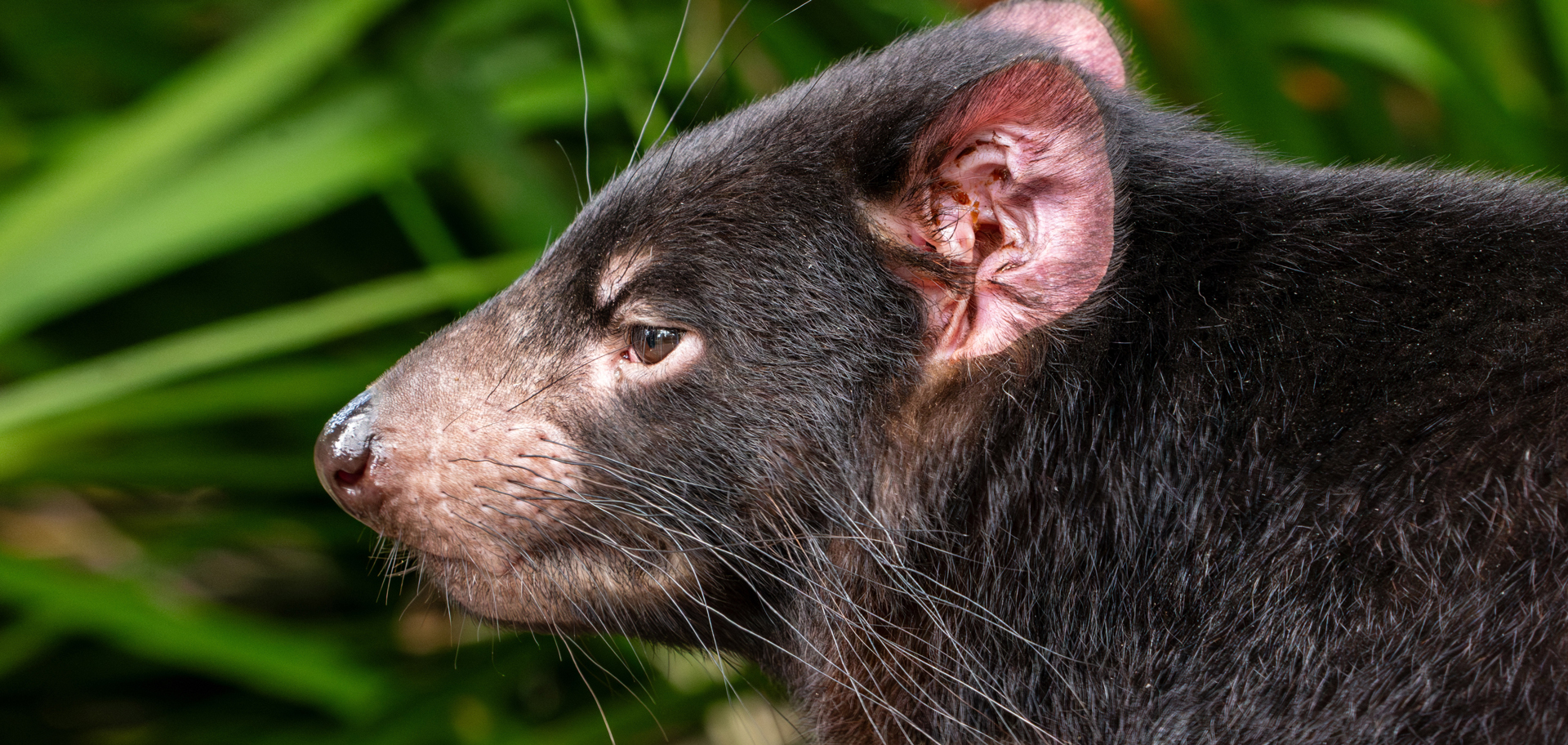
As Tasmania’s apex predator, devils play an essential role in maintaining ecosystem health. Now, scientists can look back at least nine months into a Tasmanian devil’s past by studying its whiskers. That information can help conservationists protect current devil populations.
To get a clearer picture of the timeline, the UNSW-led research team fed tablets enriched in heavy stable isotopes—types of atoms that don’t decay into other elements over time—to six captive devils at three-month intervals. These stable isotopes acted as time stamps, marking the whiskers with each season’s passing.
When more than a year had passed, the team removed the longest whisker from each animal for analysis. (Researchers plucked only one whisker at a time, as whiskers are important to how Tasmanian devils experience their surroundings.) They found the whiskers grew fast at first before slowing down, and that whiskers on different parts of their muzzles grew to different maximum lengths. On average, the longest whiskers held at least nine months of the animal’s ecological history; but as whisker growth slows over time, the researchers suggest it’s likely they can hold up to a year.
It turns out the phrase “you are what you eat” is true on a scientific level. Every time you eat something—be it a piece of meat or a vegetable—its chemical signatures are broken down and absorbed into your own body. But as you’re largely made up of soft tissues (which constantly regenerate themselves), much of your body can only keep a short-term record of these isotopes. It’s left up to your hard tissues, like hair and nails, to keep a more detailed record.
You are what you eat. When you consume something, its chemical signatures are broken down and assimilated into your own body. But since you’re largely made up of soft tissues (which constantly regenerate themselves), much of your body can only keep a short-term record of these isotopes. Your hard tissues, like hair and nails—and in the case of Tasmanian devils, whiskers—keep a more detailed record.
The beauty of hard tissues is that they can’t change anymore; they’re essentially dead cells. These hard tissues have already locked in the stable isotopes, so just one sample of your hair can tell the story of what you were eating at the time that it grew. In humans, hair follicle analysis can be used for medical research as well as for long-term drug tests. But in animals, the testing method helps us learn more about animals’ diet shifts and responses to changes in the environment. A major benefit of the method is that it picks this information up with minimal disturbance to the animal’s habitat: one pluck per year may tell a more in-depth story about a Tasmanian devil’s lifestyle than a week’s worth of observations.
Blackberries that cushion a devil’s fall
October 31 isn’t the only day in October that is associated with devils. October 11 is known in British folklore as Old Michaelmas Day. The legend goes that Lucifer fell from heaven onto a blackberry bush on October 11, cursing and scorching the fruit. Thus, people feared that any blackberries gathered after that date would be spoiled.
Our celebrations and traditions often have their roots in nature: harvest festivals, equinox and solstice rites, Thanksgiving and New Year’s galas are just some that coincide with the seasons and the cycles of plant life. They remind us that nature isn’t outside of ourselves but an integral part of who we are, rightly focusing our attention back on the lands around us, the weather we experience and the better-than-humans who live alongside us.
Here’s to finding your true places and natural habitats,
Candy