Good Nature Travel Blog

  • Nature & Wildlife

    Extreme Weather Effects

    Nov 3, 2026 · Candice Gaukel Andrews

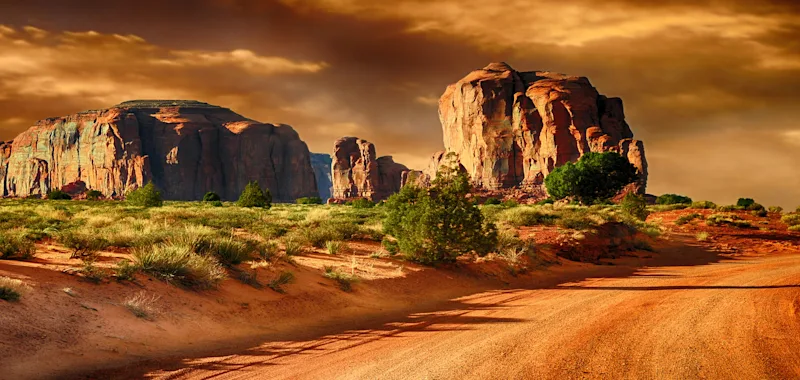
    The continental United States and many global regions experienced their hottest summer on record in 2026, driven by human-caused climate change and an intensifying El Nino, according to the National Oceanic and Atmospheric Administration’s National Climate Report published on September 9, 2026. Average temperatures were roughly 3 degrees Fahrenheit above the 20th-century baseline.
  • Conservation

    Arachnids: Fanciful Names for the Fearful

    Oct 27, 2026 · Candice Gaukel Andrews

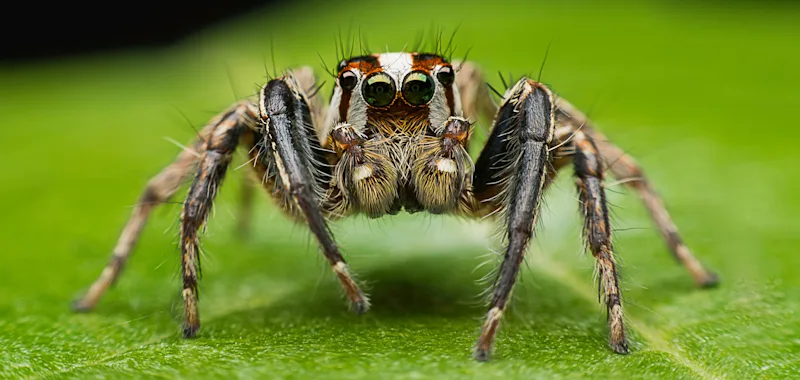
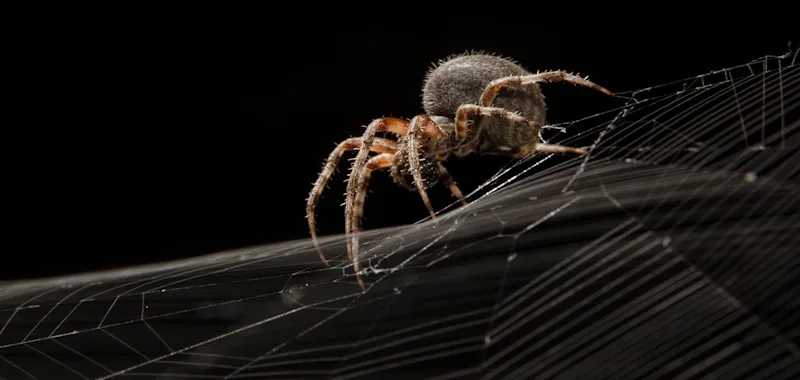
    Arachnids—such as scorpions, harvestmen (daddy longlegs) and spiders—often trigger feelings of fear or disgust. Despite such reactions, these animals play an essential role in maintaining healthy ecosystems. They act as vital food sources, master pest controllers and drivers of human and soil health.

  • Nature & Wildlife

    Eerie Experiments and Scary-Sounding Science

    Oct 20, 2026 · Candice Gaukel Andrews

    Ethereal ghosts, bodiless brains, spooky spiders, hairy wolves, slimy eyeballs, creepy cyclops, shadowy bats and severed limbs. What more could you want for Halloween? I’m guessing not much, and there’s a one-stop shop for all of it: science.

  • Nature & Wildlife

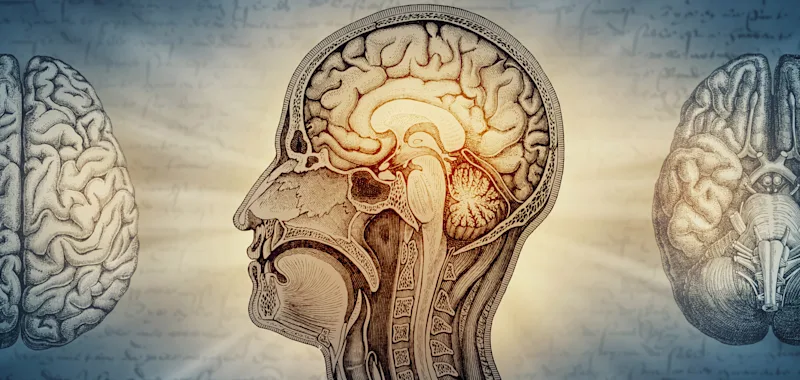
    Brains … Brains! Human and Animal.

    Oct 13, 2026 · Candice Gaukel Andrews

    One of the scariest movies I have ever seen is the 1968 film Night of the Living Dead. In 1985, it was followed by the flick Return of the Living Dead. That movie created the pop-culture trope that zombies specifically crave and shout for brains.

  • Nature & Wildlife

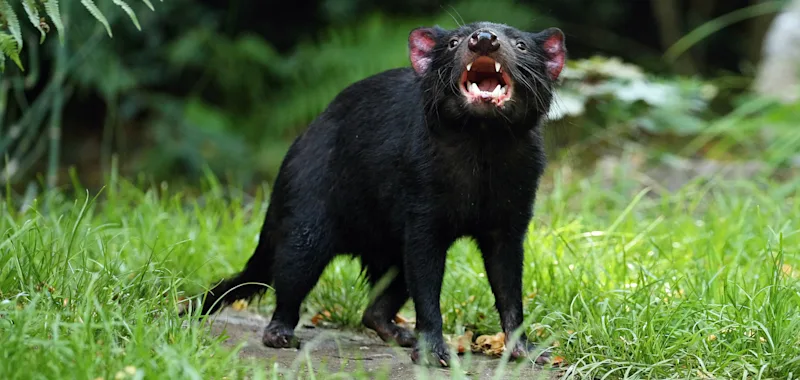
    Devils on Halloween and in Nature

    Oct 6, 2026 · Candice Gaukel Andrews

    As soon as the month of October starts, your thoughts probably turn to spooky fun as we lead up to October 31 and Halloween.

  • Nature & Wildlife

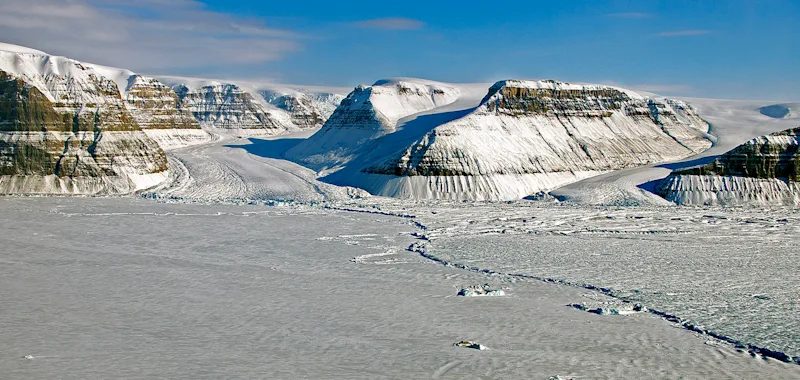
    Greenland Tipping Points: Past, Present and Future

    Sep 29, 2026 · Candice Gaukel Andrews

    On August 4, 2026, a Manhattan-sized ice island broke away from Greenland’s Petermann Glacier after years of progressing fractures had weakened its floating ice tongue. This Arctic iceberg will now be tracked as it drifts, breaks apart and potentially affects shipping routes.

  • Nature & Wildlife

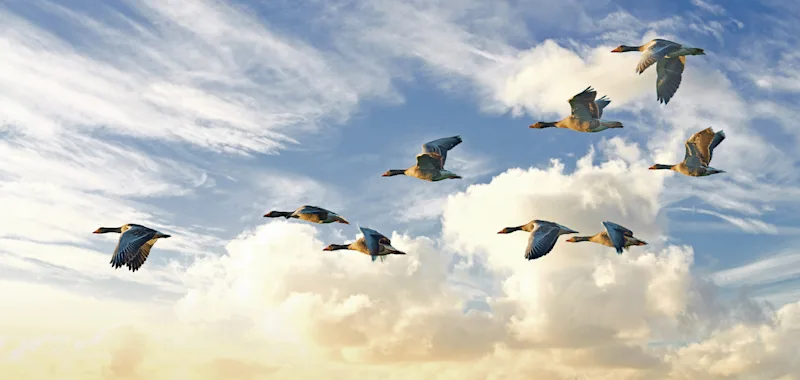
    Bolts from the Blue: Sky and Sea Migration Shockers

    Sep 22, 2026 · Candice Gaukel Andrews

    I’m not a fan of escaping winter; in fact, I think it’s an endangered “species” that we need to cherish while we still have it. But millions of birds appear to disagree with me. Every year, they migrate in huge flocks to escape the season.

  • Nature & Wildlife

    Antarctica Holds the Secret to Sociality on Mars

    Sep 8, 2026 · Candice Gaukel Andrews

    Antarctica has always been—for lack of another, less trite description—“otherworldly.” It’s clear, clean air and wild, untouched mountains hardly seem part of this planet. But that depiction of the icy continent is usually meant in a metaphorical sense. Now, however, it has taken on a more literal meaning.

  • Nature & Wildlife

    Butterfly Benefits and Insect Issues

    Sep 1, 2026 · Candice Gaukel Andrews

    While I have never considered insects my favorite category of fauna, I have to admit that some “fun facts” about them intrigue me. For example, ants can lift and carry more than 50 times their own weight. While gathering food, a bee may fly up to 60 miles in one day.

  • Conservation

    Wildfire Prescription: Prescribed Burns

    Aug 25, 2026 · Candice Gaukel Andrews

    Wildfires are complicated. On one hand, they can be extremely destructive forces. On the other, they are natural events that certain animals and plants have evolved to depend on for ecological balance. And then, you have to add climate change into the equation.

  • Nature & Wildlife

    Humans May Not Be the Only Animals with Language

    Aug 18, 2026 · Candice Gaukel Andrews

    The Encyclopedia Britannica currently defines language as “a system of conventional spoken, manual (signed) or written symbols by means of which human beings, as members of a social group and participants in its culture, express themselves. The functions of language include communication, the expression of identity, play, imaginative expression and emotional release.”