

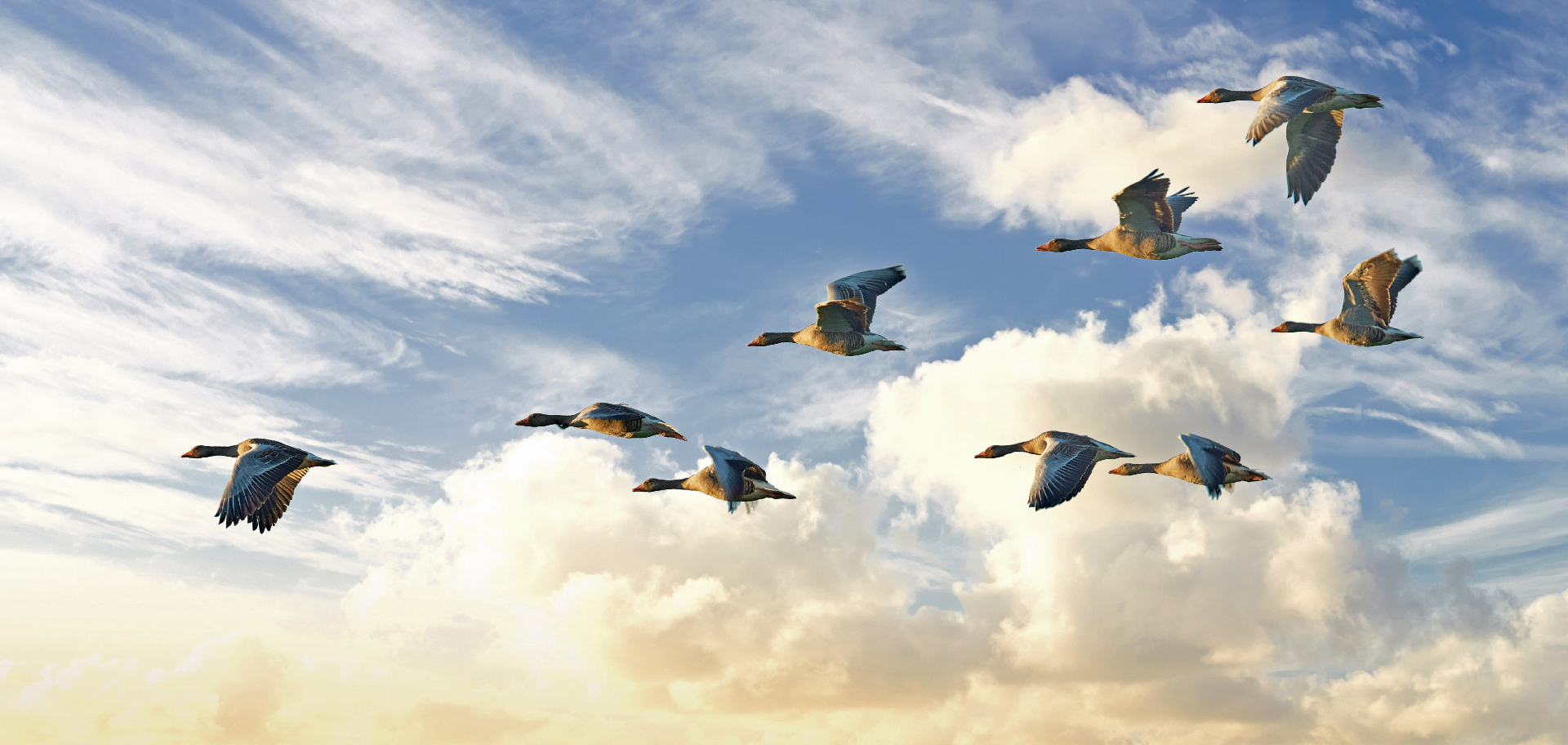
Migratory populations of greylag geese fly south and southwest in the fall from their northern breeding grounds to spend the winter in milder climates. Parents and their young goslings migrate together in flocks during the fall, maintaining family bonds through the winter months until the following spring.
I’m not a fan of escaping winter; in fact, I think it’s an endangered “species” that we need to cherish while we still have it. But millions of birds appear to disagree with me. Every year, they migrate in huge flocks to escape the season.
Contrary to what you and some scientists likely have thought, spending time in a warmer climate during cold winters does not save the birds their energy. By implanting miniaturized loggers in wild blackbirds, researchers recorded detailed measurements of body temperatures and heart rates every 30 minutes from fall to the following spring. The data offered unprecedented insights into the true energetic costs of migrant and resident strategies. Those long flights aren’t only about energy expenditures, however; songbirds may “talk” to other species as they migrate, forming social connections and exchanging information about their journeys.
There are some migratory birds who seem to be bucking tradition. Instead of flying south in the fall, they fly north. Many young Arizona bald eagles migrate north during the fall, relying heavily on historic stopover lakes and rivers. They often travel deep into Canada. Unfortunately, the eagles encounter significant dangers on their flights, like electrocution and poisoning, pointing to the need for targeted conservation of critical travel corridors. And all migrating birds are threatened by disturbances to Earth’s magnetic field, which can lead birds astray—even in perfect weather and especially during fall migrations.

Our understanding of humpback whale migrations has taken a big leap: two whales traveled between breeding grounds in Australia (shown here) and Brazil, crossing more than 8,700 miles of open ocean.
Now, from up in the air to down under the sea, an astonishing new chapter in our understanding of humpback whale migrations has begun: two whales were found to have traveled between breeding grounds in Australia and Brazil, crossing more than 8,700 miles of open ocean. One whale shattered records by covering at least 9,382 miles between sightings, marking the longest confirmed journey ever documented for an individual humpback whale.
Quantifying the energetic costs of migration
Animal migration is a spectacular example of how animals adapt to the changing seasons. Yet the ultimate question of why has remained a scientific puzzle because of the barriers to studying the physiology of free-living animals over long periods. Recently, however, researchers from Germany’s Max Planck Institute of Animal Behavior and Connecticut’s Yale University have unlocked an important piece of that mystery by deploying sensors that measured the energy expenditure of blackbirds for the complete annual migration and then pairing that physiological data with modeling to calculate the predicted energetic costs of thermoregulation.
The scientists worked with blackbirds in southern Germany. Like many populations throughout Europe, German blackbirds are partially migratory, which means that some individuals migrate south to spend winters in milder regions like France and Spain, while others remain as residents on the colder breeding grounds all year. The researchers surgically implanted miniature body-temperature and heart-rate loggers into 120 wild birds. The loggers recorded data every 30 minutes from September to the following May when the devices were removed, marking the first time the physiology of free-flying birds has been quantified continuously at this scale over the entire wintering period. The birds were also tracked with radio transmitters, which signaled when the migratory individuals departed Germany in September and returned in March or April the following year. About 1 million data points were collected, allowing the researchers to compare how body temperatures and heart rates differed between migrant and resident blackbirds.
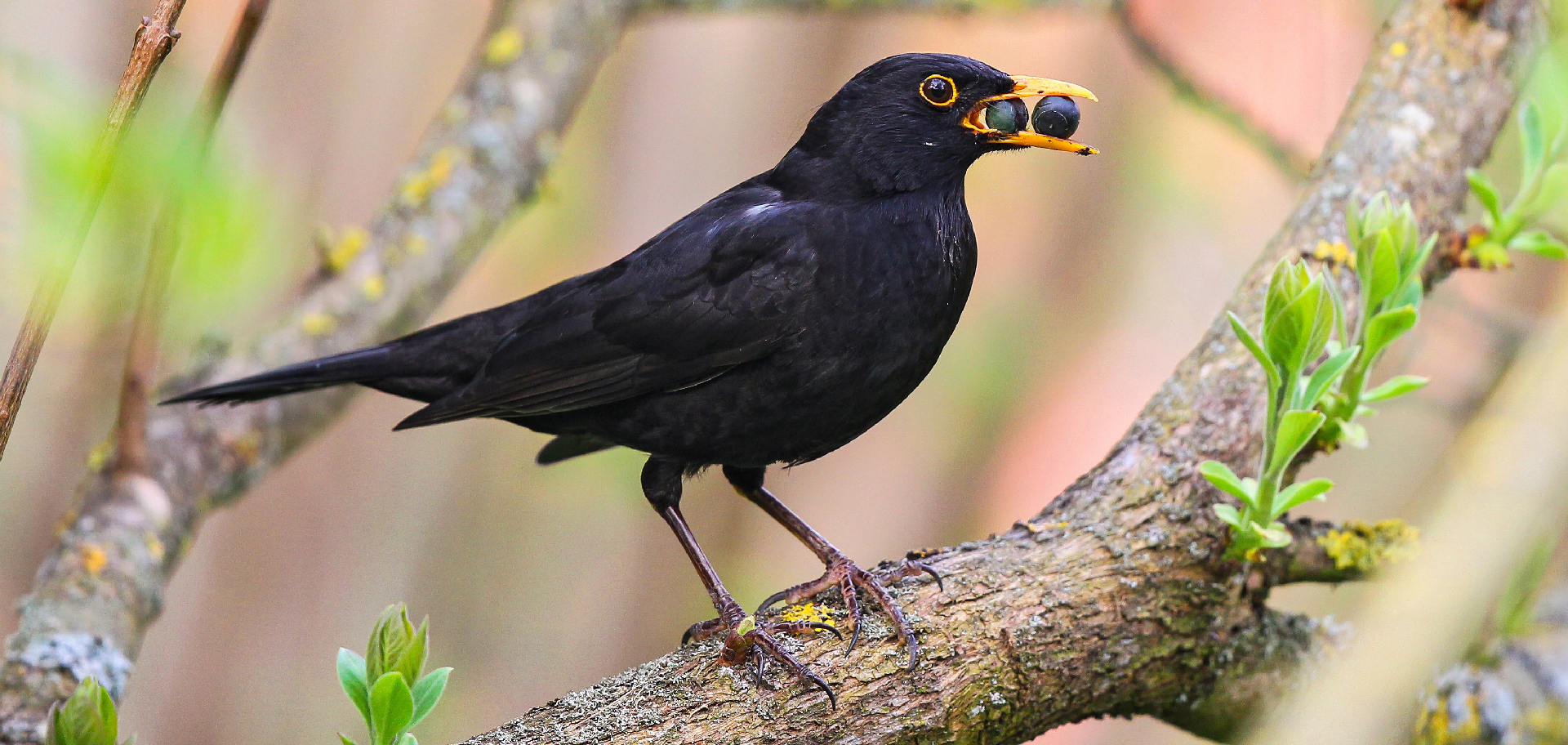
Using physiological data, scientists in Germany could see how blackbirds undertake migrations, from the flights themselves to how the birds recovered afterwards to how they spent their time throughout the winter. Energy measurements revealed the hidden costs of their impressive round trips.
The analysis showed that migrating blackbirds conserved considerable energy in preparation for migration by decreasing their metabolism three weeks before departure, potentially dwarfing the energy costs of migratory flights. Essentially, they turn down their internal thermostats, allowing them to save energy for the journey ahead. Yet when the migrants are in the warmer wintering areas, they do not appear to decrease their total daily energy expenditures—which is not at all what the scientists anticipated. A long-standing assumption was that animals spend less energy by migrating to warmer places, so discovering that the birds gained no overall energy advantage by escaping cold winters was not expected. Rather, write the scientists, the energetics of migration is far more complex and interesting than the current theory predicted, which was that migration should definitely create an energy surplus because of the substantially reduced cost of keeping warm in milder climates.
So, where could have the theoretical energy surplus of migrants have gone? It’s speculated that there may be other physiological adaptations or hidden costs that migrant blackbirds face in their milder overwintering sites. These might include factors such as the need to maintain vigilance in new environments, immune functions or unknown stressors that offset the thermal advantage they should have experienced.
This study’s findings, published in the journal Nature Ecology and Evolution in September 2024, suggest that the challenges and risks of migration are not offset by energy savings in warmer climates, opening up new questions about the evolutionary drivers behind migration. That could have implications for our understanding of migrations and for predicting how species might respond to future climate scenarios, the authors write, helping us better forecast which species may adapt, which may alter their migratory patterns and which may face greater risks as the world continues to warm.

While we can’t be sure what migratory birds are “saying” to each other, they might be signaling their age, sex and species. Calls in flight might also relate to navigation or finding suitable stopover habitats.
Recording the socializing of migrating songbirds
The night sky teems with migrating songbirds in the fall, aloft in their millions following routes etched in evolutionary time. But those flight paths may not be entirely innate, according to new research led by researchers from the University of Illinois Urbana-Champaign. Evidence from more than 18,300 hours of recorded flight calls suggests songbirds may “talk” to other species as they migrate, forming social connections and—just maybe—exchanging information about the journey.
Previous studies implied that birds “buddy up” with other species at stopover sites during migration, but there was no evidence until the University of Illinois Urbana-Champaign study that different songbird species pair up or communicate vocally on the wing. Although scientists believe that innate patterning and memory are still important drivers of migration behaviors, they say it’s time to rethink songbird migration through a social lens.
In recent years, there has been an increasing recognition of the importance of social information in bird migrations, but this has been documented mainly in species that travel during the day or in family groups. The social environment also seems to be important in species such as hawks and storks that form huge aggregations during their daytime migrations. Young birds learn behaviors from observing other birds and how they navigate; not necessarily from their family members. But those visual cues go dark at night, when most songbirds travel. That’s what led the scientists to wonder about other social cues. Fortunately, they had access to acoustic recordings of autumn nocturnal bird migrations from 26 sites over three years in eastern North America.
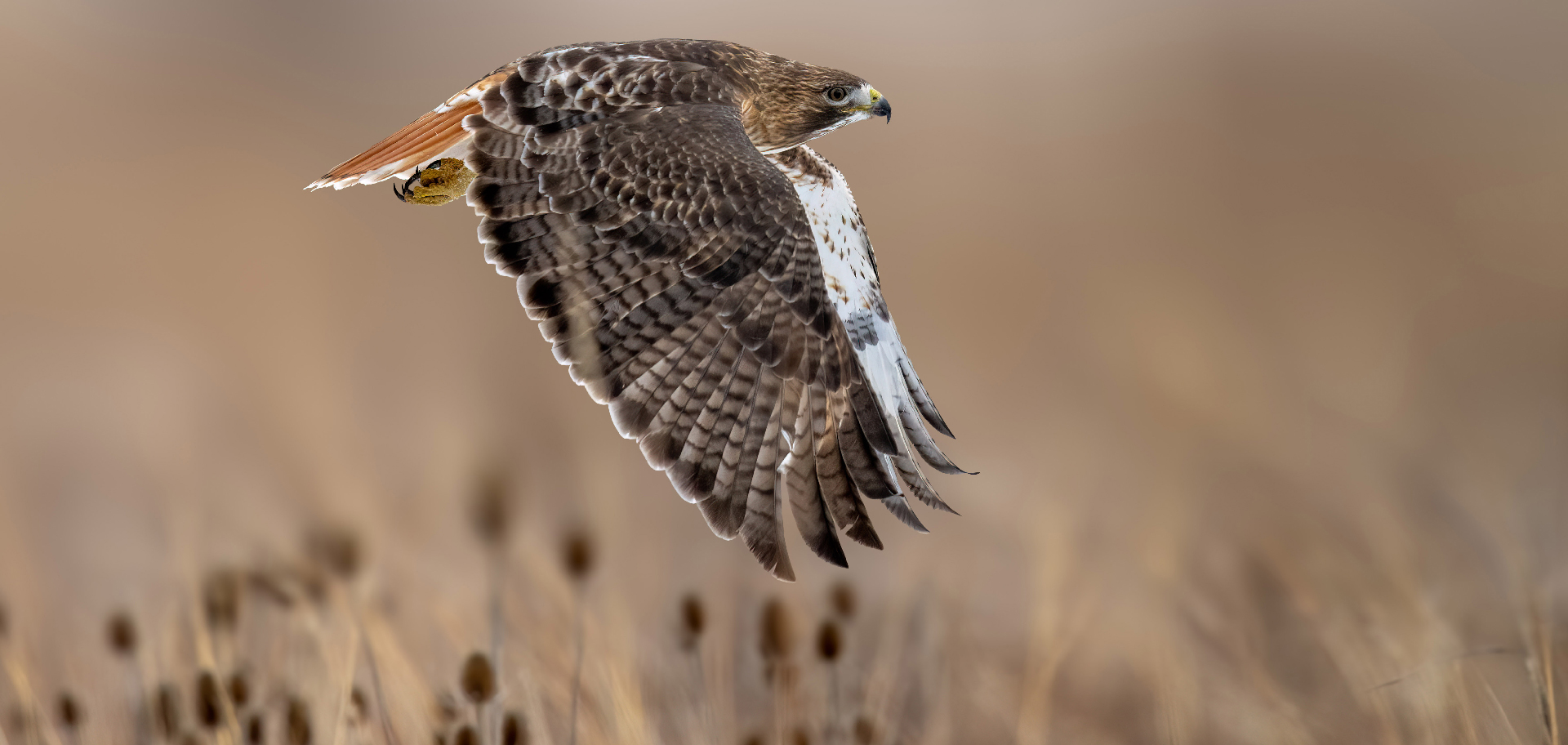
Red-tailed hawks are partial migrants, meaning northern populations from Alaska, Canada and the northern Great Plains fly south for the winter, while birds in the rest of North America typically stay put year-round. The use of social information during migration is well documented in some bird species, including large-bodied birds like hawks.
The 18,300-hour acoustic record would have been a processing and analytical nightmare before AI. Now, a machine-learning tool allowed scientists to quickly detect the signature flight calls of 27 species, including 25 well-sampled songbirds. After identifying species, the team measured how often certain calls co-occurred in time, testing intervals of 15, 30 and 60 seconds. Regardless of the time interval, the scientists found stronger associations between species than expected by chance alone.
It was found that species’ wing lengths and the similarity of their calls were the most important factors when looking to explain these associations. In contrast, birds that buddy up during stopovers weren’t maintaining those relationships in the air, and they weren’t necessarily flying with closely related species or birds that shared their preferences for specific habitats. Species with similar wing sizes were more likely to associate; wing length is directly linked to flight speed. If two species are flying at similar speeds because they have similar wings, then it’s much easier for them to stick together. As for vocalizations, say the researchers, it’s possible that species’ calls have converged over time because of this social link, or that species that happen to give similar calls are simply more likely to gravitate towards each other.
While 25 is a small subset of the songbird species migrating at night—some of which don’t vocalize at all during flight—the team plans to follow up with more research, including attaching tiny microphones to individual birds and tracking their “conversations” with flight partners throughout their migrations. Still, these preliminary results raise many intriguing, if speculative, notions. For example, short-lived songbird species who can’t rely on their parents to show them the way may instead rely on social ties with others to make the trek. Also, the precipitous loss of bird biodiversity due to climate change and habitat loss may jeopardize partner species that co-migrate.
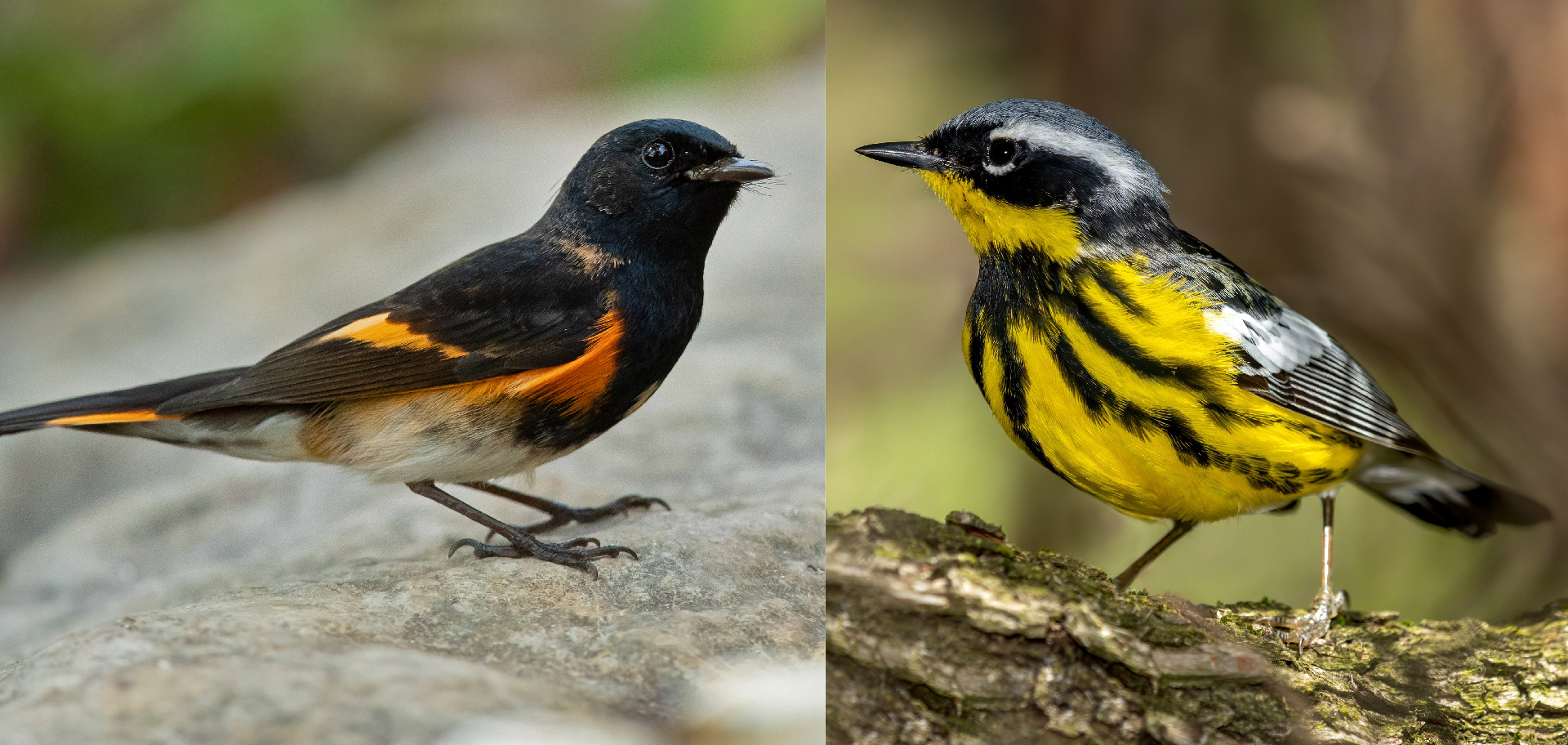
Bird species with similar wing sizes are more likely to associate during migrations. For example, American redstarts (left) and magnolia warblers (right) often travel and stop together.
This study, published in the journal Current Biology in February 2025, calls into question the long-held idea that songbirds migrate alone, solely following their own instincts, conclude the researchers. Learning more about the consequences of these social connections—not only for migration, but also for other aspects of their biology—will be important for managing the risks they face in a changing world.
Tracking the wrong-way migrations of bald eagles
Bald eagles from Arizona are revealing another migration shocker: they are making unusual journeys by flying north to the northern U.S. and southern Canada instead of south in the fall, unlike most migratory birds in temperate regions.
Between 2017 and 2023, researchers from the University of Arizona and the United States Geological Survey (USGS) used satellite transmitters to follow 24 newly fledged bald eagles and two nonbreeding adults and to map how they moved within and beyond the state. Breeding bald eagles in Arizona are generally believed to stay close to their nesting territories for much of the year, but there has been much less information about what nonbreeding birds do. Because survival varies across life stages, comparing movement patterns and survival rates of nonbreeding eagles with those of breeders would give scientists a more complete view of how the species is doing across its range and how population processes are shaped.
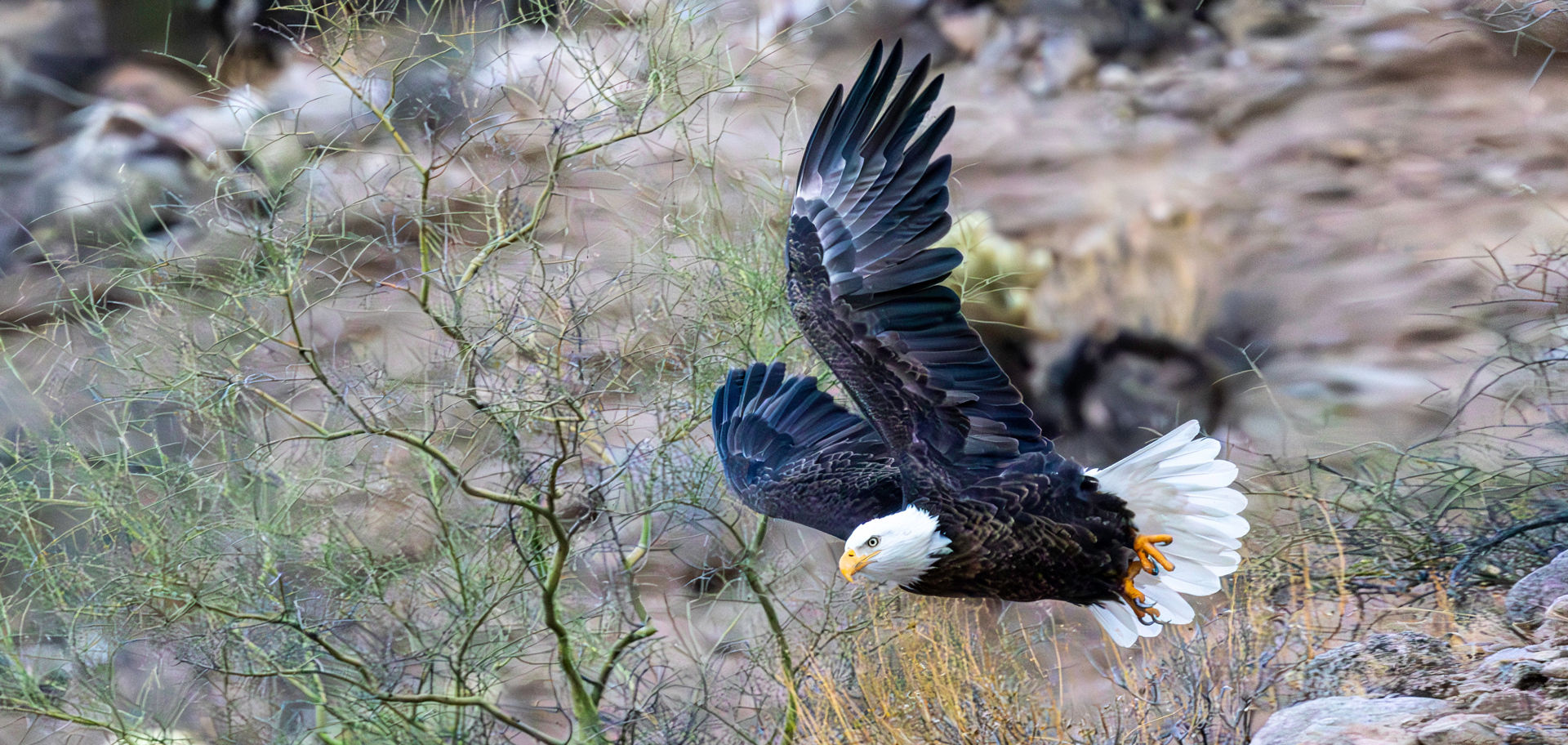
Arizona bald eagles breed and nest during the winter months (December to March), which is much earlier than northern populations. Because their nesting finishes by late spring, their dependent “off-season” occurs during summer and fall. They travel north to places such as Idaho and southern Canada to exploit nesting waterfowl and spawning salmon.
The researchers followed individual eagles for as long as the tracking devices continued to function, in some cases for up to four years during the seven-year study period. We’re used to thinking of North American migratory birds as heading south during the nonbreeding season, which is typically the fall and winter months, to find milder weather and more reliable food. Arizona bald eagles, however, start nesting in the winter, so their nonbreeding season falls in the summer and fall. Fascinated by the birds’ different timing of seasonal movements, the scientists note that fall northward migratory behavior raises interesting questions about the historical and recent pressures that shape this movement strategy.
In their report published in the Journal of Raptor Research in September 2025, the University of Arizona and USGS scientists say that the tracked bald eagles followed the Intermountain Flyway—a major regional bird migration corridor that spans the vast basin, plateau and range landscapes between the Rocky Mountains and the Sierra Nevada—and paused at many of the same lakes and rivers that a study in the 1980s had already identified as important stopover sites. This overlap supports the idea that these habitats have remained crucial gathering points for multiple generations of eagles.
Bald eagles, like many other raptors, must navigate a wide range of hazards in a human-dominated world. One eagle in the study crossed 10 U.S. states and four Canadian provinces during her early life before appearing to settle in northern California, where she seemed poised to establish a breeding territory. At four years old, she was killed by electrocution, an all-too-common cause of death for large birds of prey. Her loss was especially troubling because it underscored the ongoing risks these birds face, state the researchers, and because emigration is a difficult aspect of population dynamics to measure. Her apparent decision to live and breed in California would have provided rare insights into how often bald eagles hatched in Arizona disperse to other regions.
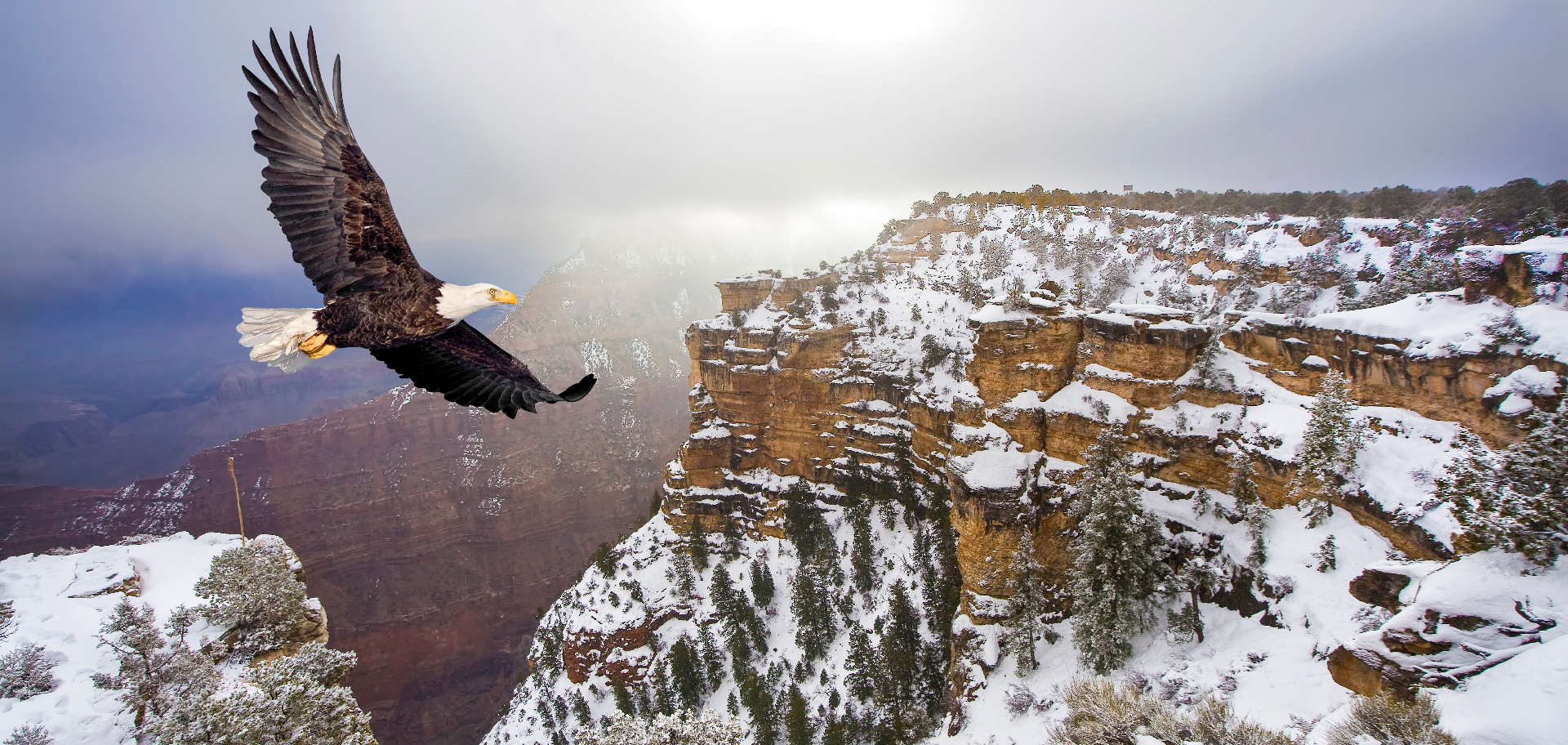
The Intermountain Flyway lies within the larger Pacific Flyway, stretching between the Rocky Mountains and the Sierra Nevada/Cascade ranges. It funnels through distinct topographical corridors like the Great Basin and the Grand Canyon. Millions of birds—including raptors—use its desert basins, sky islands and wetland stopovers when traveling between northern breeding grounds and southern wintering areas.
Other threats facing young raptors include collisions with wind turbines, loss of habitats, poisoning from lead and rodenticides, and uncertainty related to a changing climate. By studying raptors at every stage of life, including the exploratory journeys of young birds and route fidelity, scientists will be equipped to make evidence-based recommendations about which stopovers are most important to protect and which types of infrastructure, including electrical systems, could be modified to improve survival for eagles and other large raptors. Comparing these Arizona bald eagles to other wildlife populations that migrate north from the southern edge of their range will help to better understand the benefits, costs and trade-offs of this northward migration strategy.
Going astray during migration due to disturbances in the magnetic field
It seems logical that bad weather can sometimes cause birds to become disoriented during their annual fall migrations, causing them to wind up in territory they’re unaccustomed to. But why, even when weather is not a major factor, do birds travel far away from their usual routes?
One reason, say ecologists from the University of California, Los Angeles (UCLA), could be disturbances to Earth’s magnetic field—a phenomenon scientists call vagrancy—even in perfect weather, and especially during fall migration. With North America’s bird populations steadily declining, assessing the causes of vagrancy could help scientists better understand the threats birds face and the ways they adapt to those challenges. For example, birds that wind up in unfamiliar territory are likely to face trouble finding foods and habitats that suit them, and they may die as a result. But it could also be beneficial for birds whose traditional homes are becoming uninhabitable due to climate change to “accidentally” find geographic regions that are now better fitted for their needs.
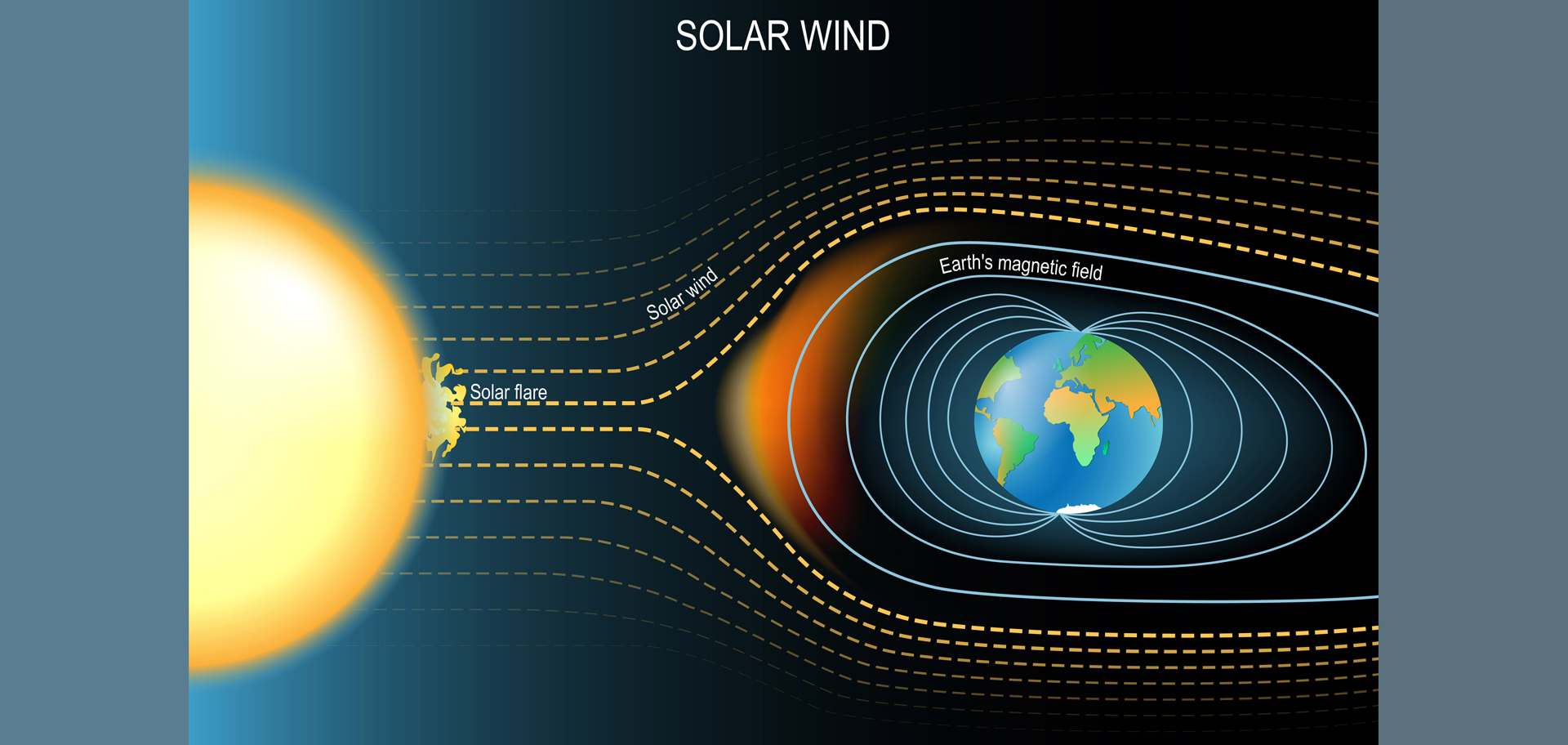
One reason birds become disoriented during their annual fall migrations—causing them to wind up in territory they’re unaccustomed to, called “vagrancy”—is disturbances in the Earth’s magnetic field caused by space weather or solar storms. Growing evidence shows that some birds can actually see the geomagnetic field.
Earth’s magnetic field, which runs between the North and South Poles, is generated by several factors, both above and below the planet’s surface. Decades’ worth of lab research suggests that birds can sense the magnetic field using magnetoreceptors in their eyes. This new UCLA study lends support to those findings from an ecological perspective. In familiar areas, birds may navigate by geography; but in some situations, it may be easier to use geomagnetism.
Birds’ ability to navigate using the geomagnetic field, however, can be impaired when it is disturbed. Such disturbances can come from the sun’s magnetic field, particularly during periods of heightened solar activity—such as sunspots and solar flares—but also from other sources. If the geomagnetic field experiences disturbance, it’s like using a distorted map that sends the birds off course.
In their study, published in the journal Scientific Reports in January 2023, the UCLA scientists compared data from 2.2 million birds, representing 152 species, that had been captured and released between 1960 and 2019—part of a United States Geological Survey tracking program—against historic records of geomagnetic disturbances and solar activity. While other factors, such as weather, likely play bigger roles in causing vagrancy, the researchers found a strong correlation between birds that were captured far outside of their expected range and the geomagnetic disturbances that occurred during both fall and spring migrations. But the relationship was particularly pronounced during the fall migration; and the navigations of both young birds and their elders were affected, indicating that birds rely similarly on geomagnetism regardless of their level of migration experience.
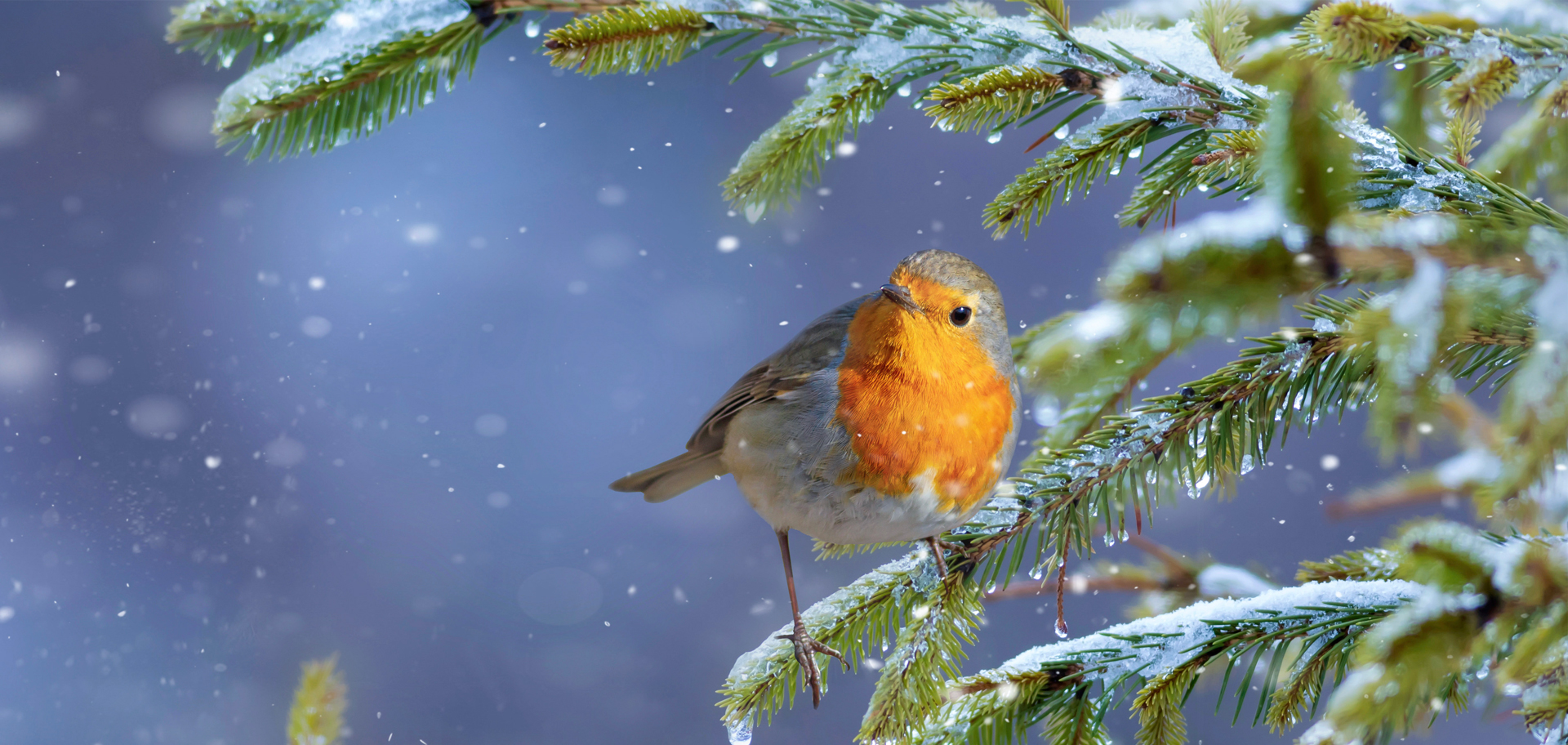
Many birds—such as songbirds, thrushes and warblers—rely on an internal magnetic compass to navigate. Geomagnetic disturbances can disorient these birds, leading to reduced migration numbers or instances of vagrancy. The European robin is known to alter its migratory behavior and reduce nocturnal activity when exposed to magnetic field disruptions.
Although the researchers only studied birds, their methods and findings, they say, could help with learning why other migratory species, including whales, become disoriented or stranded far from their usual territories.
Breaking a migration record
When it comes to unusual migrations, we couldn’t leave this topic without mentioning an extraordinary feat of whale migration—recently documented for the first time. Humpback whales traveled between breeding grounds in eastern Australia and Brazil across more than 8,700 miles of open ocean, marking the greatest confirmed distance ever recorded between sightings of individual humpback whales anywhere in the world.
The whales were photographed decades apart, by different people, in opposite parts of the world, separated by two different oceans. Researchers identified the whales by comparing tens of thousands of photographs of humpback whale tails, known as flukes. Each whale has unique markings on their flukes that allow scientists to recognize individuals over time.
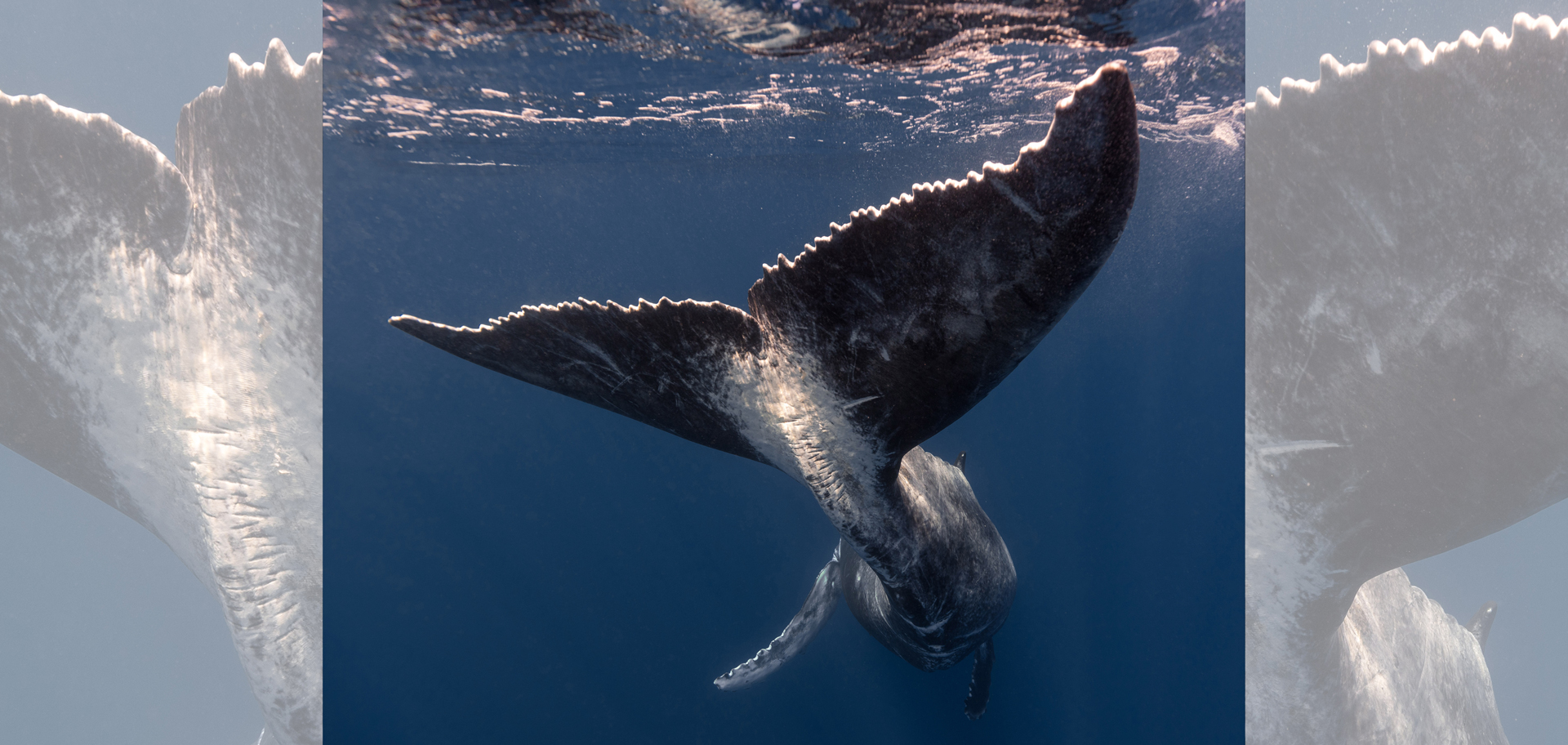
Whales are identified by the unique markings on their tails, known as “flukes.” This baby humpback whale—and her distinctive fluke markings—was seen swimming in Tonga’s blue waters. Every whale photo contributes to our understanding of whale biology; some even helped uncover one of the most extreme migrations ever recorded.
One whale was first photographed in Hervey Bay, Queensland, Australia, in 2007. It was seen again in the same area in 2013 before later appearing near Sao Paulo, Brazil, in 2019. The minimum straight-line distance between those breeding grounds is about 8,823 miles, roughly equivalent to the distance from Sydney, Australia, to London, England. Scientists noted that the whale likely traveled even farther because only the beginning and ending points of the journey were recorded. The exact migration route remains unknown.
A second whale made an even more remarkable trip. Researchers first photographed the animal in 2003 at Brazil’s Abrolhos Bank, the country’s main humpback whale nursery off the coast of Bahia. At the time, it was swimming in a lively group of nine adult whales. Twenty-two years later, in September 2025, the same whale was spotted alone in Hervey Bay, Queensland, Australia. The documented distance between sightings was 9,382 miles, setting a new record for the longest known movement of an individual humpback whale.
The study, conducted by researchers from Australia’s Griffith University and the Pacific Whale Foundation and published in the journal Royal Society Open Science in May 2026, relied on 19,283 high-quality fluke photographs collected between 1984 and 2025 from eastern Australia and Latin America. The images came from both professional researchers and citizen scientists through the global, whale-tracking platform Happywhale. Automated image-recognition software was used to compare the photographs, and then they were manually checked with every possible match to confirm the findings.
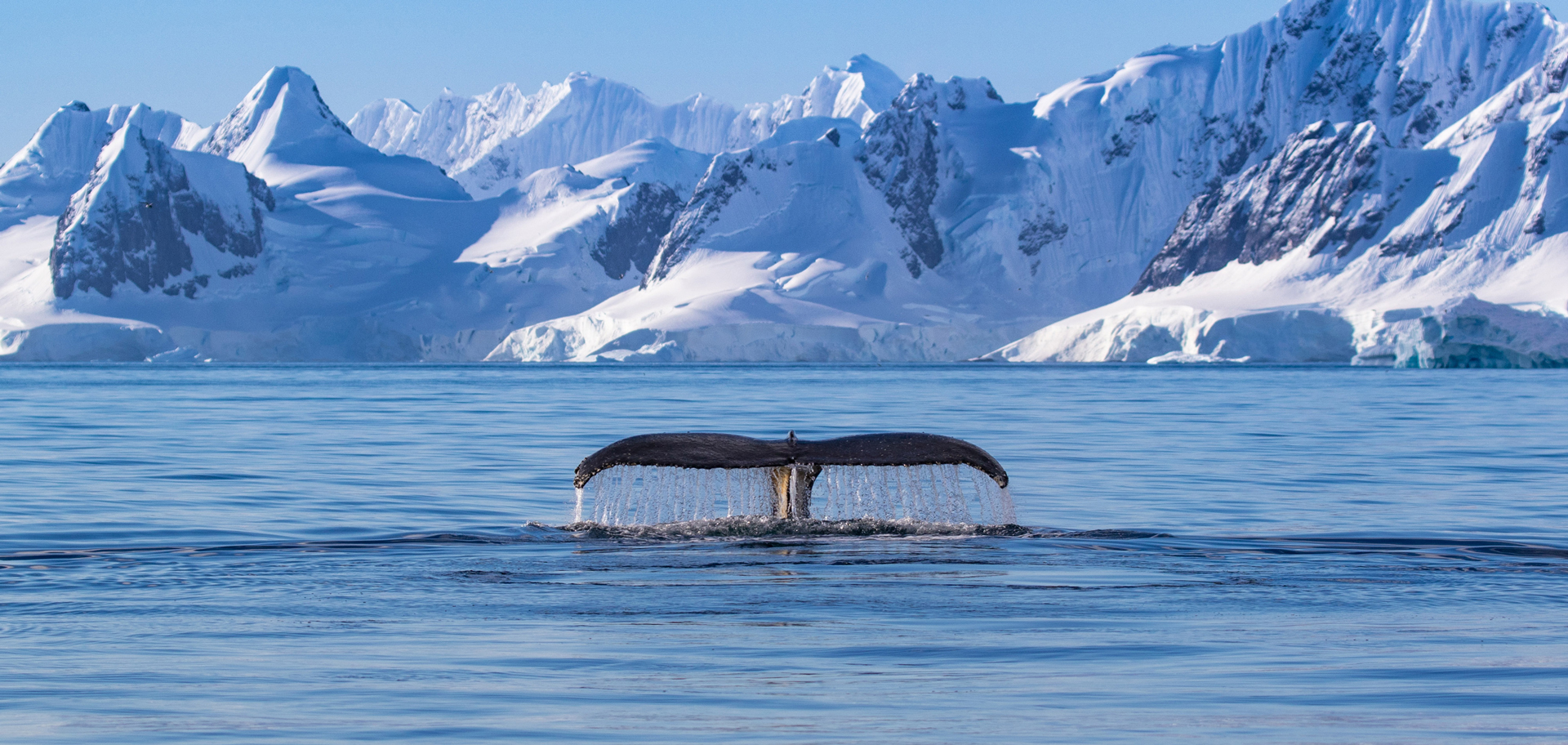
Occasional whales moving between distant breeding grounds can help maintain genetic diversity across populations and may even carry new song styles from one region to another, culturally spreading them across ocean basins, much like how music trends in human populations circulate.
Despite the stunning distances involved, however, the researchers emphasized how uncommon these migrations appear to be. Across more than four decades of data covering nearly 20,000 identified humpback whales, only two whales were found to have traveled between the two breeding regions. That represents just 0.01% of the whales included in the records.
But even these rare movements could play an important role in the long-term survival of whale populations. Occasional individuals moving between distant breeding grounds can help maintain genetic diversity across populations and may even carry new song styles from one region to another. Humpback whale songs are known to spread culturally across oceans, much like music trends disseminate in human populations.
The findings also support what researchers call the “Southern Ocean Exchange” hypothesis. This idea proposes that humpback whales from different breeding populations may occasionally meet in shared Antarctic feeding areas. Some whales may then return along a different migration route, eventually settling in a completely new breeding region. In the future, climate change could make these rare crossings more common. Shifts in Antarctic sea ice and changes in the distribution of Antarctic krill (the whales’ primary food source) may be altering whale migration patterns over time.

The fall migrations of the better-than-humans among us are just as varied as our own autumnal travels. In whatever manner we all choose to move, the season brings a great shifting. I hope you, too, are heading toward a better place.
Migrating through the seasons
The fall migrations of the better-than-humans that live alongside us are just as varied as our own travels. Many songbirds fly quietly by night, while soaring eagles and hawks use daytime thermals. Some animals follow coastlines, mountains and rivers; while others sense the Earth’s magnetic field to map their routes.
In whatever manner we all choose to move, autumn brings a great shifting. I hope yours, too, is toward a better place.
Here’s to finding your true places and natural habitats,
Candy