Humpback Whales Are Gathering in Huge Numbers. Why?

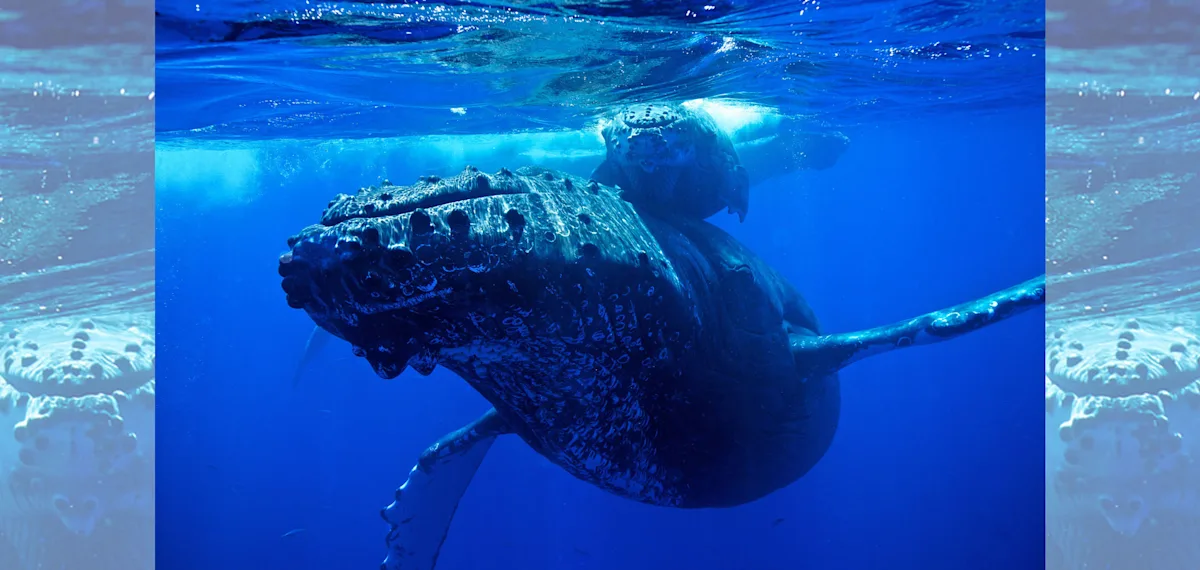
Whales are complex creatures with very large brains. We are only just beginning to understand small portions of their highly developed cultures.
Among the many things we don’t know about them is why they beach. In early 2017, nearly 700 pilot whales, opens in new tab washed up on a remote part of New Zealand’s South Island called Golden Bay, making the event the third-largest whale stranding since data collection began in the 1800s and the largest since 1985. Almost 350 of those whales died.
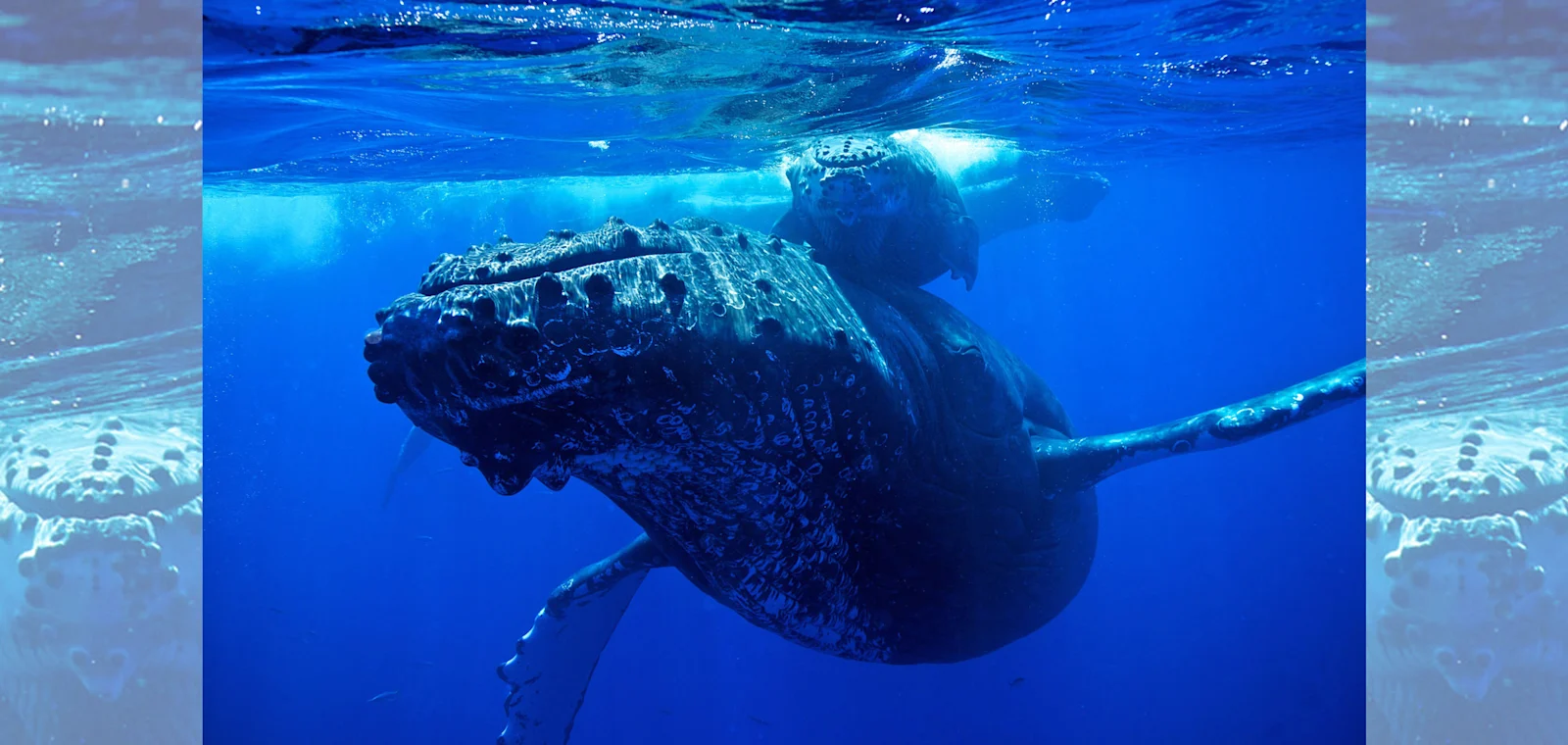
Now, another observed whale behavior is confounding scientists. In March of 2017, humpback whales began gathering in huge groups in the Southern Hemisphere. In recent years, this phenomenon has been increasingly spotted. So far, these “super groups” of whales are defying a solid explanation.
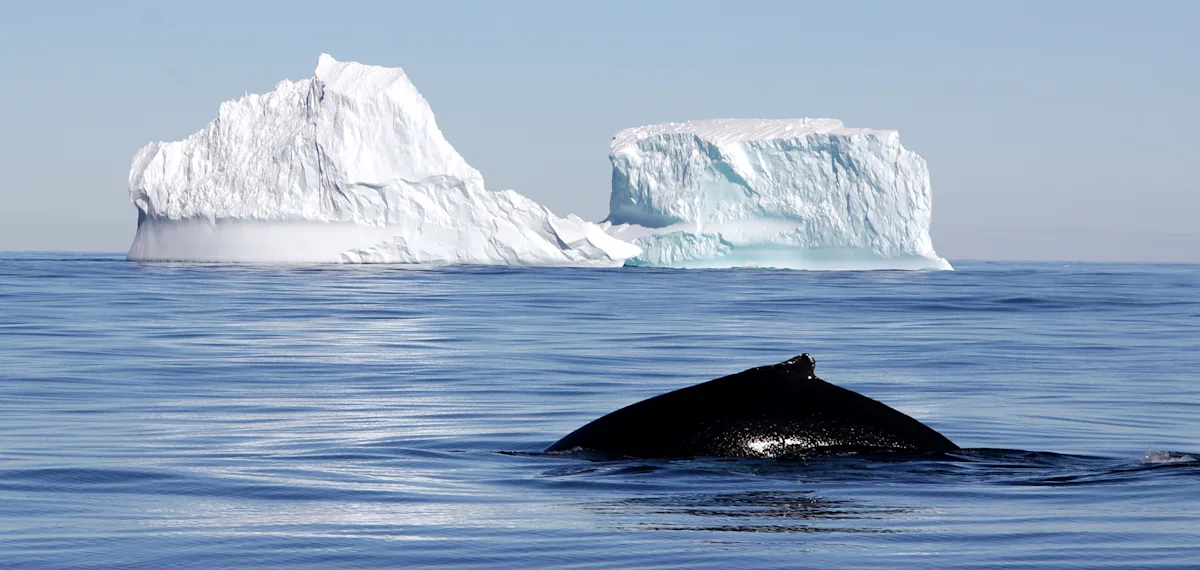
Are the whales sending us a message about their resiliency, the state of the oceans or is it something else altogether?
Super groups of cetaceans
In the 19th and early 20th centuries, commercial whaling reduced humpback whale populations by almost 90 percent. At that time, it’s estimated that fewer than 2,000 individuals remained on Earth.
To reverse such dwindling numbers, in 1966 the International Whaling Commission officially banned whaling; and in 1973, the Endangered Species Act placed humpback whales under protections. Today, we believe there may be as many as 60,000 humpbacks, opens in new tab plying ocean waters. The International Union for Conservation of Nature categorizes them as of “least concern,”, opens in new tab and populations continue to increase.
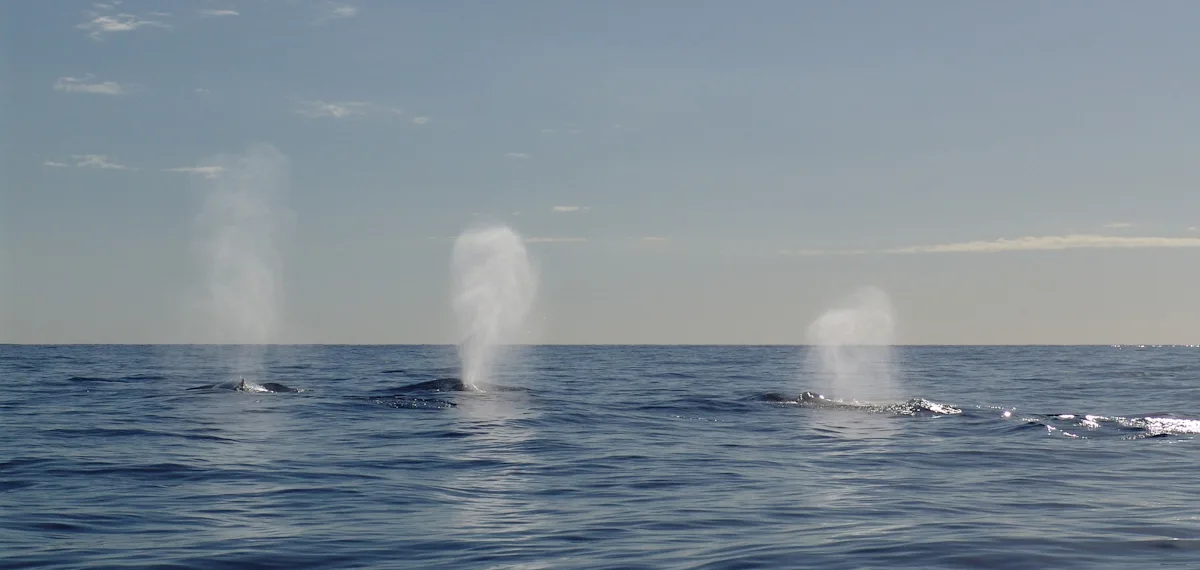
Normally, Southern Hemisphere humpbacks spend their summers in the Antarctic, where they feast on krill and build up fat stores. Winters are typically spent in the warmer waters of tropical and subtropical latitudes, where females give birth and nurse new calves. Groups tend to be comprised of three to four individuals.
However, in a study published, opens in new tab in the science journal PLOS ONE on March 1, 2017, scientists reported 22 separate instances of humpback super groups that so far defy explanation: never-before-seen gatherings of 20 to 200 whales in 2011, 2014 and 2015, all appearing off the southwest coast of South Africa.
Not only are the large super groups perplexing, but the timing and location of them is baffling, since humpbacks usually only visit South Africa waters during the winter months, migrating there to feed on plankton, shrimp and small fish. By gathering near South Africa in the summer, the humpbacks are choosing to congregate thousands of miles away from their usual feeding grounds in the southern polar region.
So why are their routines seemingly backwards?
Humpback hypotheses
There are several theories being postulated as to why the animals are convening off the cape of South Africa:
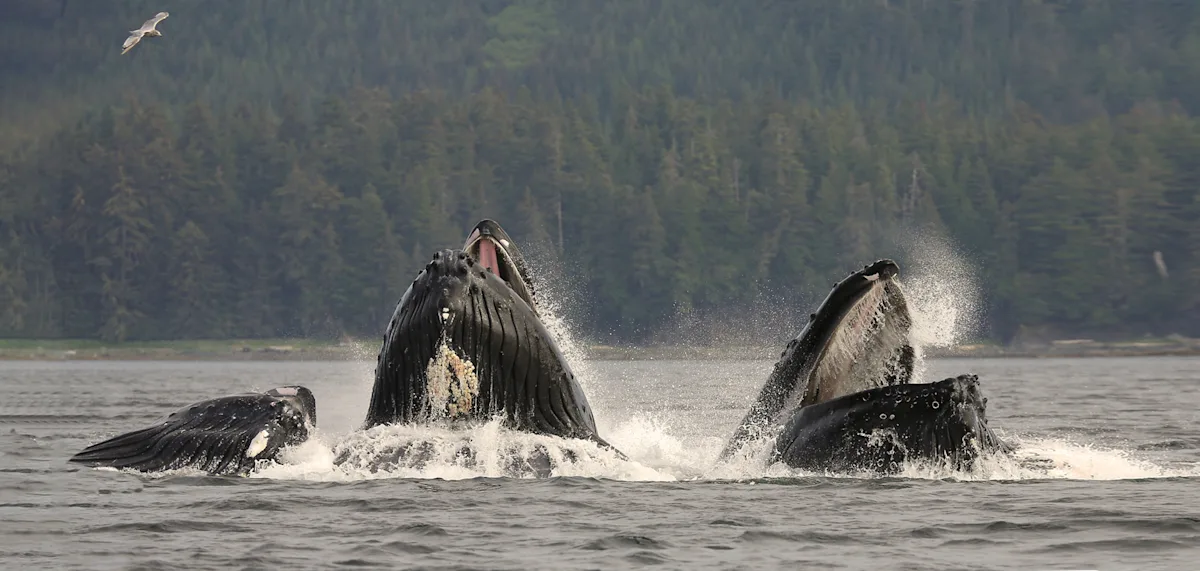
1) The whales could be shifting their behavior in response to changes in available prey, due to fluctuating conditions in the world’s oceans. The super groups of humpback whales were seen hunting; diving and lunging in the water for food. The animals may have decided to linger to feed. In fact, a section of the PLOS ONE study reads:
“Although no dedicated prey sampling could be carried out within the tightly spaced feeding aggregations, observations of E. lucens in the region of groups and the full stomach contents of mantis shrimp from both a co-occurring predatory fish species (Thyrsites atun) and one entangled humpback whale mortality suggest these may be the primary prey items of at least some of the feeding aggregations. Reasons for this recent novel behavior pattern remain speculative, but may relate to increasing summer humpback whale abundance in the region.”
2) It’s possible that the behavior has always been there but not evident because of low whale numbers. Now that the population is rebounding, it could be that normal conduct is being restored. Once before, back in 1914, it had been documented that humpback whales were feeding in this area off the southwest coast of South Africa.
3) Perhaps the rapid growth in whale numbers has changed prey availability, forcing some whales to switch up their feeding strategies, and they end up in South Africa.
Whatever the cause of this recent unusual and intense behavior, it seems clear that the area is developing into an important seasonal humpback whale feeding grounds in the late austral spring/early summer. It’s now important that we protect that environment for the whales.
Marine mammal movement
The fact that humpback whales have been able to recover from the very severe population pressures that we have subjected them to over the years is uplifting. Between 1904 and 1973, we “harvested” more than 200,000 humpbacks, opens in new tab from the Southern Hemisphere. In four decades, they have made a surprising comeback.
But our shameful past treatment of them should not be forgotten. And that has caused some to offer another explanation for why the whales are gathering in such large enclaves. The cetaceans’ real motive, some say—and not entirely tongue-in-cheek—is that they have a plan: to overthrow humanity, to reclaim the planet’s waters for themselves and, eventually, to migrate onto the land and take over our turf. They are, perhaps, tired of what we two-leggeds are doing to ocean temperatures, opens in new tab—these same creatures who once harpooned their grandparents.
I wouldn’t blame them if world domination was their endgame.
Would you?
Here’s to finding your true places and natural habitats,
Candy