

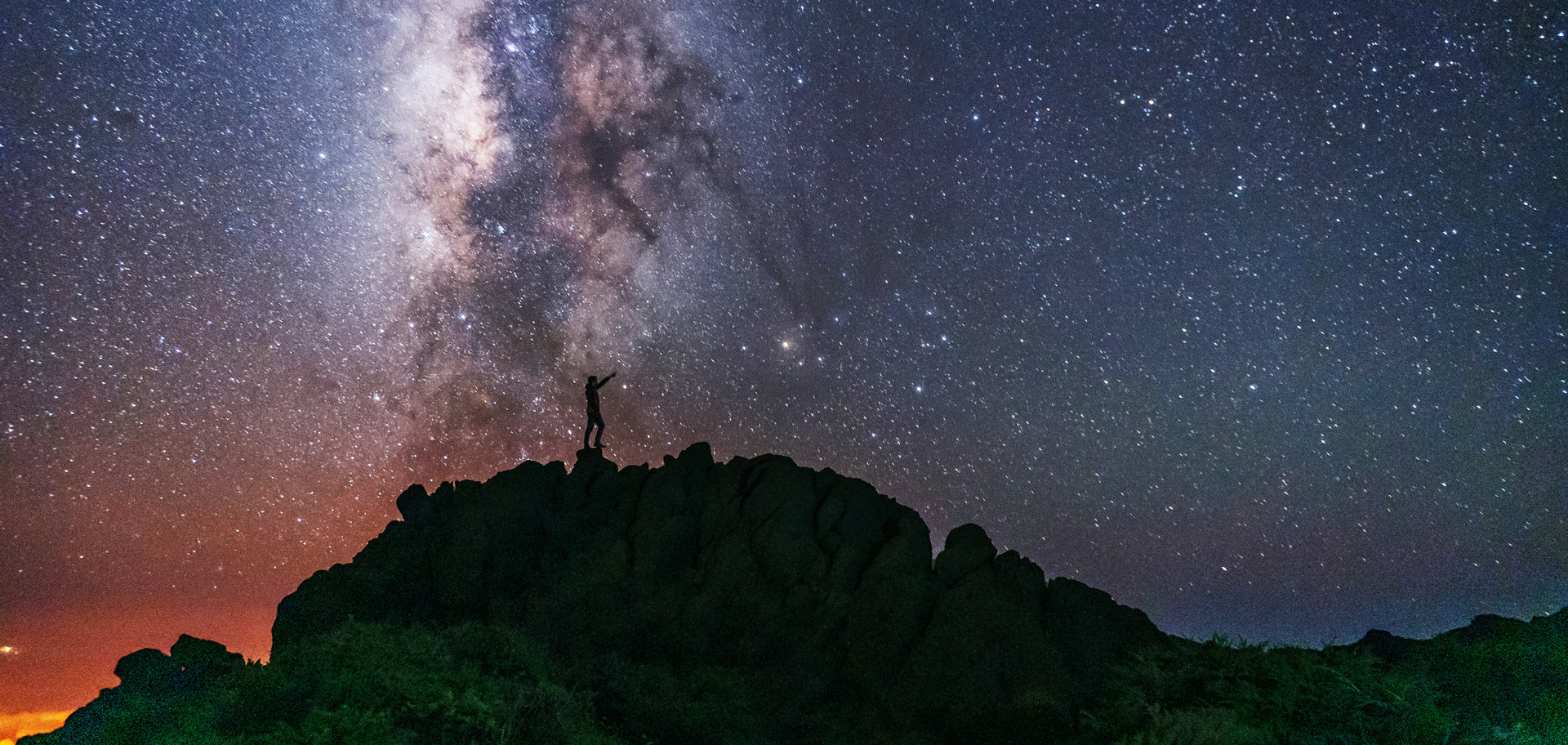
Staring at the nighttime sky can bring you a sense of awe and peace. Seeing how huge space is can make our everyday problems and worries feel much smaller and easier to handle.
There are so many reasons to love the nighttime sky. For one, there’s the peace that sitting in the dark and watching the stars brings you. Then, there’s the sense of awe and wonder you get when looking at the massive universe, helping you to put your worries in perspective, to feel happier, to think more generously and to want to be more connected to others who are down here on Earth with you. And in September, there will be a lot in the nighttime sky to gaze at and search for, including a brilliant Venus, the Milky Way’s hazy center and a glowing harvest moon (the full moon nearest the time of the September equinox) rising near Saturn and the faint Neptune.
Besides these September happenings, there have been some other amazing, recent discoveries in the heavens. Scientists have observed a star swallowing a planet for the first time, and they say Earth will meet a similar fate in 5 billion years. In a converse twist, astronomers have also identified a new “tidal disruption event,” in which the center of a galaxy lit up as its supermassive black hole “ate” a passing star. This outburst was the closest tidal disruption event witnessed to date, and one of the first to be identified at infrared wavelengths.
While overall Earth’s nighttime skies are steadily getting brighter, the change varies dramatically by region. Rapid urban growth is lighting up countries like China and India, while parts of Europe are dimming due to energy-saving efforts and new lighting technologies. These shifts, however, are happening faster and more unevenly than expected. It seems that global trends can mask sharp local contrasts, from war-related blackouts to deliberate reductions in light pollution.
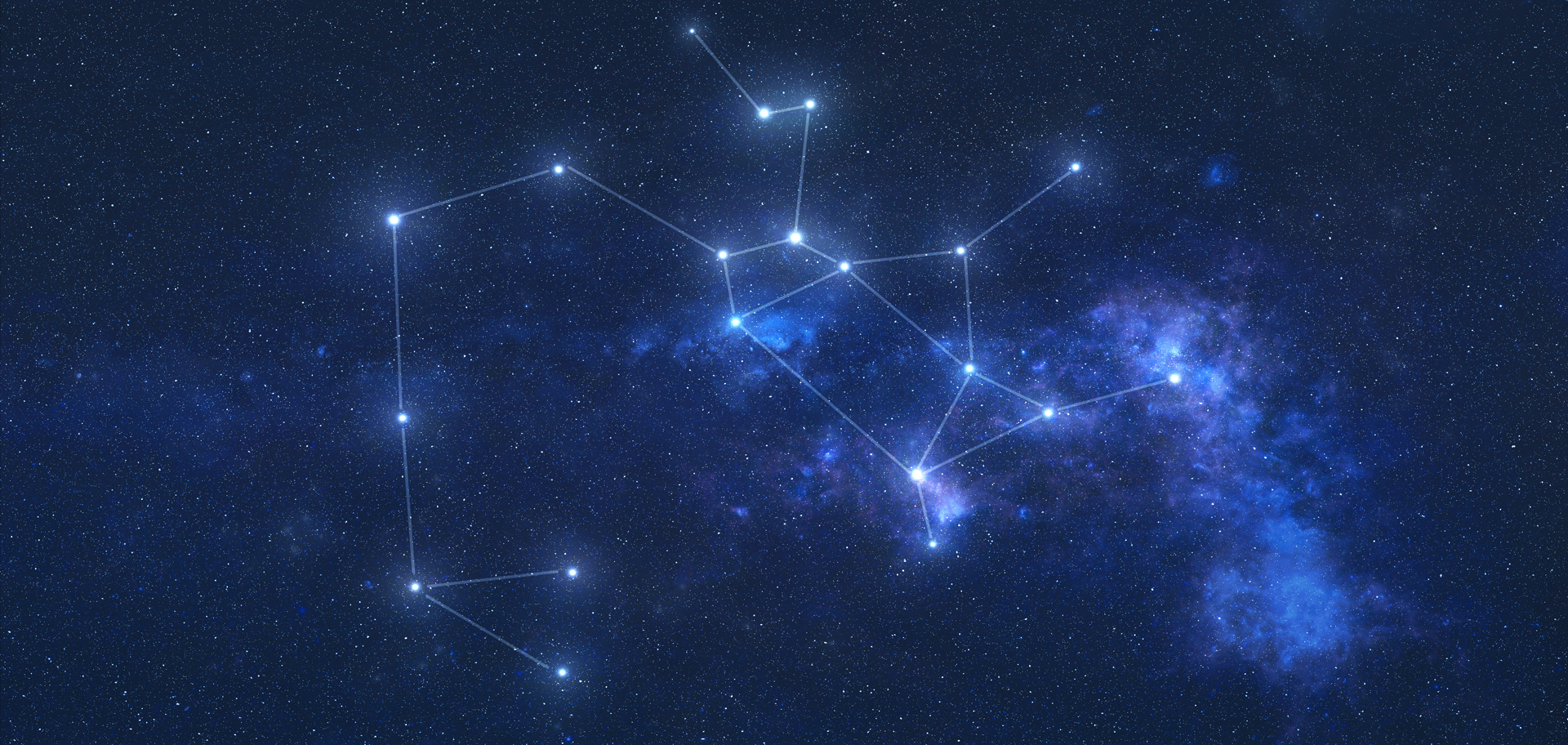
In the constellation Sagittarius is a pattern of stars known as the teapot, with a clear handle, a pointed lid, a base and a spout. The spout points toward the center of the Milky Way galaxy. Under dark skies, dense star clouds look like steam rising front the spout.
September brings a dazzling Venus and a glowing harvest moon
NASA reports that September 2026 holds a busy lineup for sky-watchers, including a dazzling Venus, a harvest moon near Saturn and Neptune, the seasonal equinox and opportunities to use the moon as a guide for locating some recognizable stars and Milky Way features:
• September 14–20: Between September 14 and 20, the moon will point the way to several notable sights in the night sky. About an hour after sunset, face south and locate the moon. Its position will change from one evening to the next as it moves against the more distant background stars. Along its journey, the moon will pass close to Antares, a bright reddish star that represents the heart of the constellation Scorpius.
Nearby, in the constellation Sagittarius, is another easy-to-recognize pattern of stars known as the teapot, with a handle, lid and spout. If you’re in a place with especially dark skies, you might also notice a faint, cloudy band that appears to rise like steam from the teapot’s spout. Trace that hazy glow toward its densest region, and you will be looking at the center of the Milky Way.
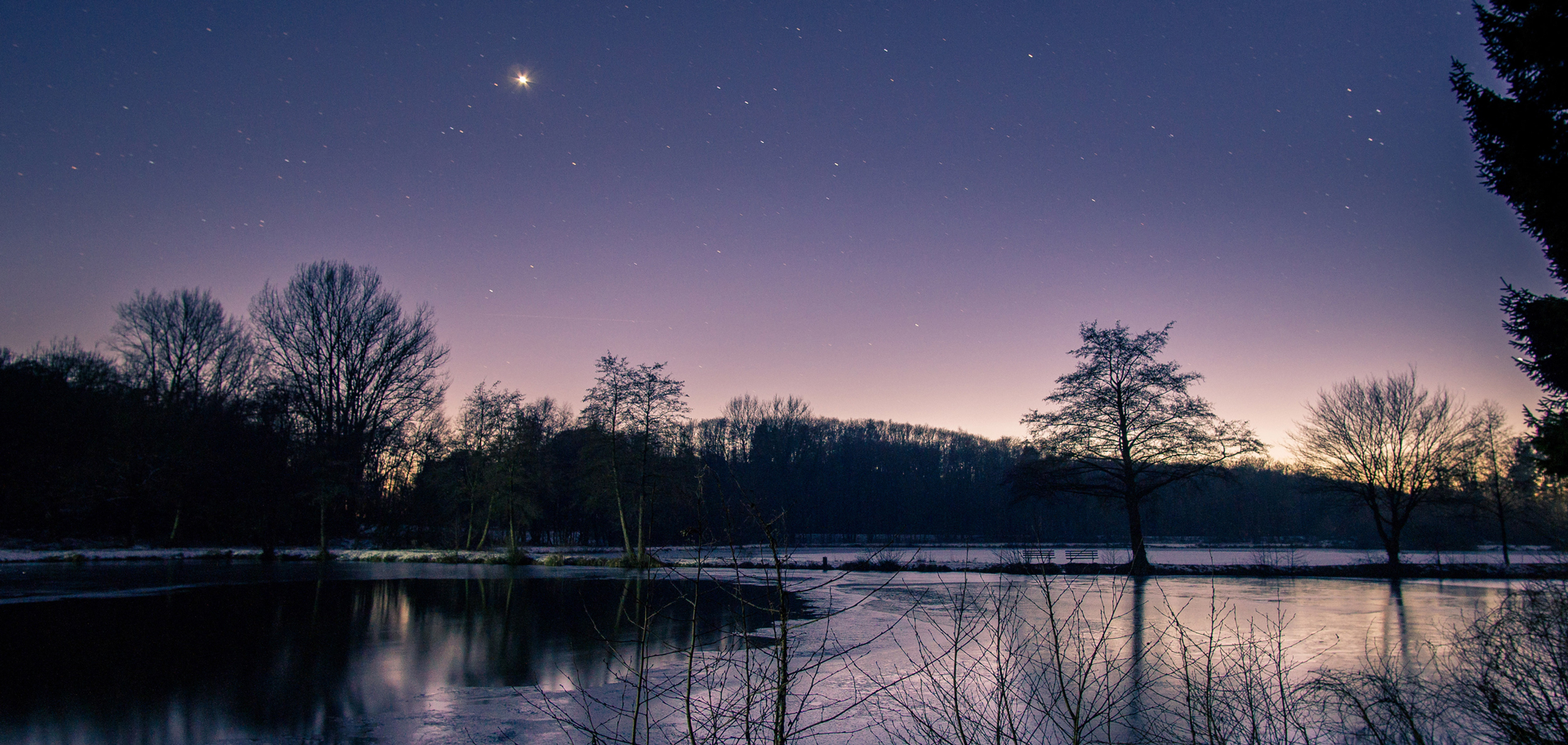
Venus will become exceptionally bright on September 18, 2026, shining in the western sky after sunset. Other than the moon, it will be the brightest natural object in the evening sky.
• September 18: On September 18, turn toward the west to see Venus at peak brilliance during its evening appearance. The planet should be easy to identify; not long after sunset, Venus will appear as an intensely bright point of light low above the western horizon, more luminous than any star around it. An unobstructed view toward the horizon will make Venus easier to see before the planet disappears below it.
• September 19: September 19 is International Observe the Moon Night. People around the world are encouraged to spend time observing our nearest celestial neighbor while learning about lunar science, exploration and the moon’s influence on cultures throughout history. You can find an event near you or learn how to participate from wherever you are by clicking on the International Observe the Moon Night link (above).
• September 22: On September 22, fall officially begins in the Northern Hemisphere, while spring starts in the Southern Hemisphere. This date marks the September equinox, when the sun is positioned directly above Earth’s equator and the lengths of day and night are close to equal across much of the planet. After the equinox, daylight continues to decrease in the Northern Hemisphere while increasing in the Southern Hemisphere.
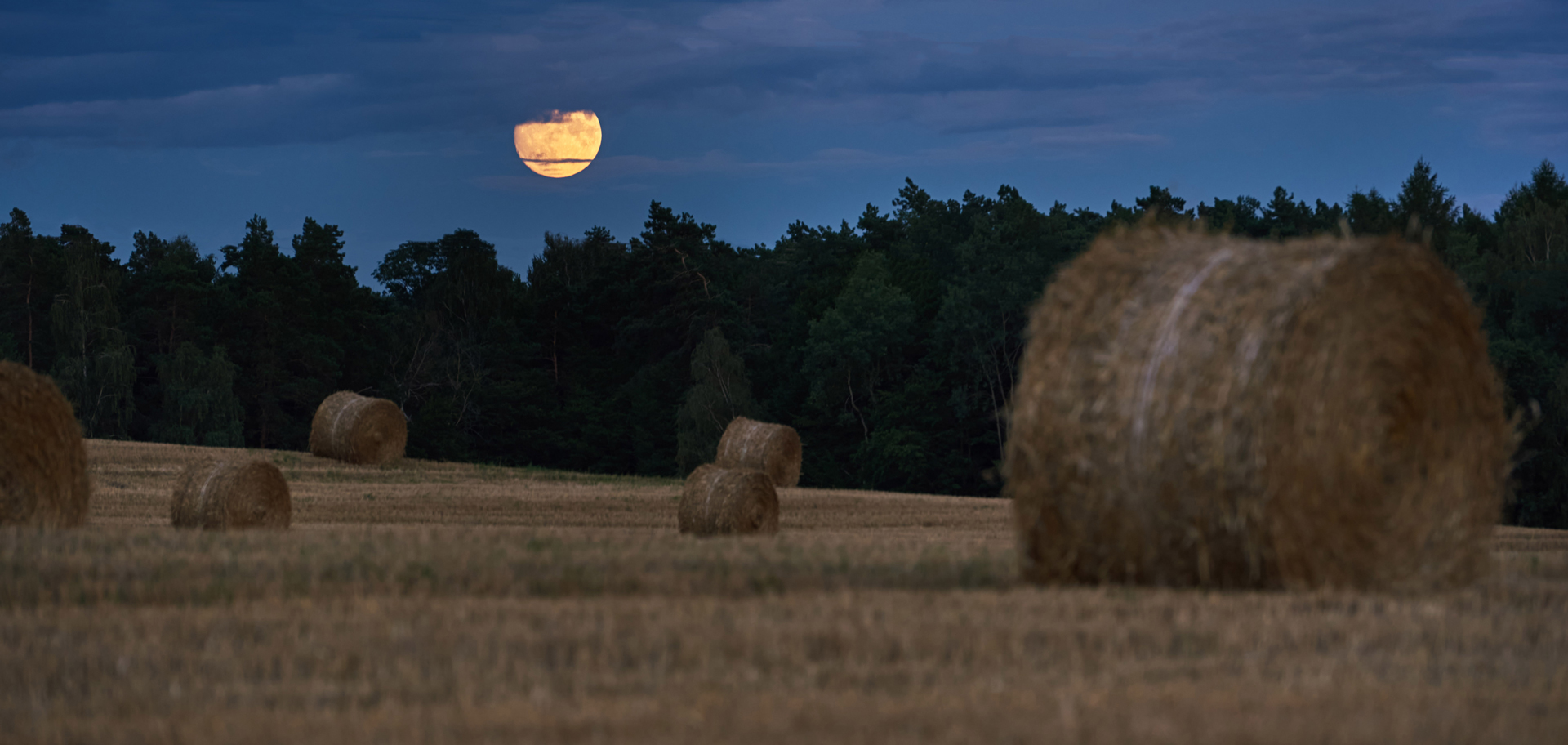
On September 26, a harvest moon will rise in the eastern sky shortly after sunset. A harvest moon is the full moon nearest the time of the September equinox.
• September 26: On September 26, the harvest moon becomes the main attraction, rising in the eastern sky shortly after sunset. Saturn will appear nearby, while the much fainter Neptune forms a broad triangle with Saturn and the moon.
While Saturn is bright enough to see with the unaided eye, Neptune presents more of a challenge. At around magnitude eight, the distant planet is too dim to spot without optical assistance, so binoculars or a telescope will be needed. Dark skies and favorable observing conditions can improve your chances of finding it.
Astronomers spot a star swallowing a planet
As a star runs out of fuel, it will billow out to a million times its original size, engulfing any matter, including planets, in its wake. Scientists have observed hints of stars just before and shortly after the act of consuming entire planets, but they have never caught one in the act—until just three years ago.
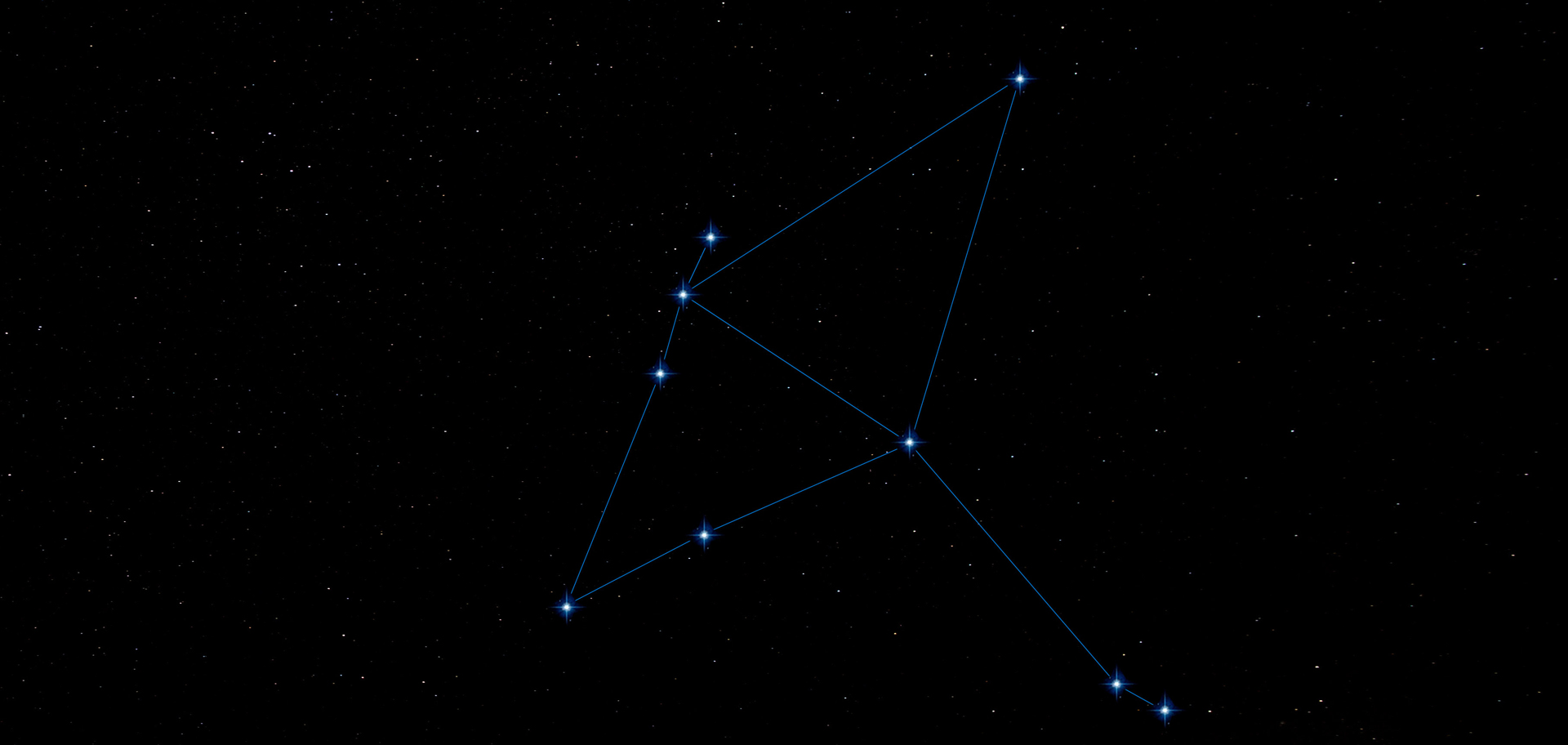
Aquila is a prominent constellation on the celestial equator—an imaginary circle in the sky created by projecting Earth’s equator outward onto the heavenly sphere—whose Latin name means “eagle.” In Greek and Roman mythology, Aquila represents the majestic bird that carried the thunderbolts of Zeus (Greek) or Jupiter (Roman).
In a study that appeared in the journal Nature in May 2023, scientists at the California Institute of Technology (Caltech), Harvard University in Massachusetts and the Massachusetts Institute of Technology (MIT) reported that they had observed a star swallowing a planet for the first time. The planetary demise appears to have taken place in our own galaxy, some 12,000 light-years away, near the eagle-like constellation Aquila. There, astronomers spotted an outburst from a star that became more than 100 times brighter over just 10 days, before quickly fading away. Curiously, this white-hot flash was followed by a colder, longer-lasting signal. This combination, the scientists deduced, could only have been produced by one event: a star engulfing a nearby planet.
The scientists estimate that the planet that perished was likely a hot, Jupiter-sized world that spiraled close, got pulled into the dying star’s atmosphere and, finally, into its core. A similar fate, say the scientists, will befall the Earth, although not for another 5 billion years, when the sun is expected to burn out and burn up the solar system’s inner planets.
In other words, say the researchers, we saw the future of Earth. If some other civilization was observing us from 10,000 light-years away while the sun was engulfing our home, they would see the sun suddenly brighten as it ejects some material, then form dust around it before settling back to what it was.
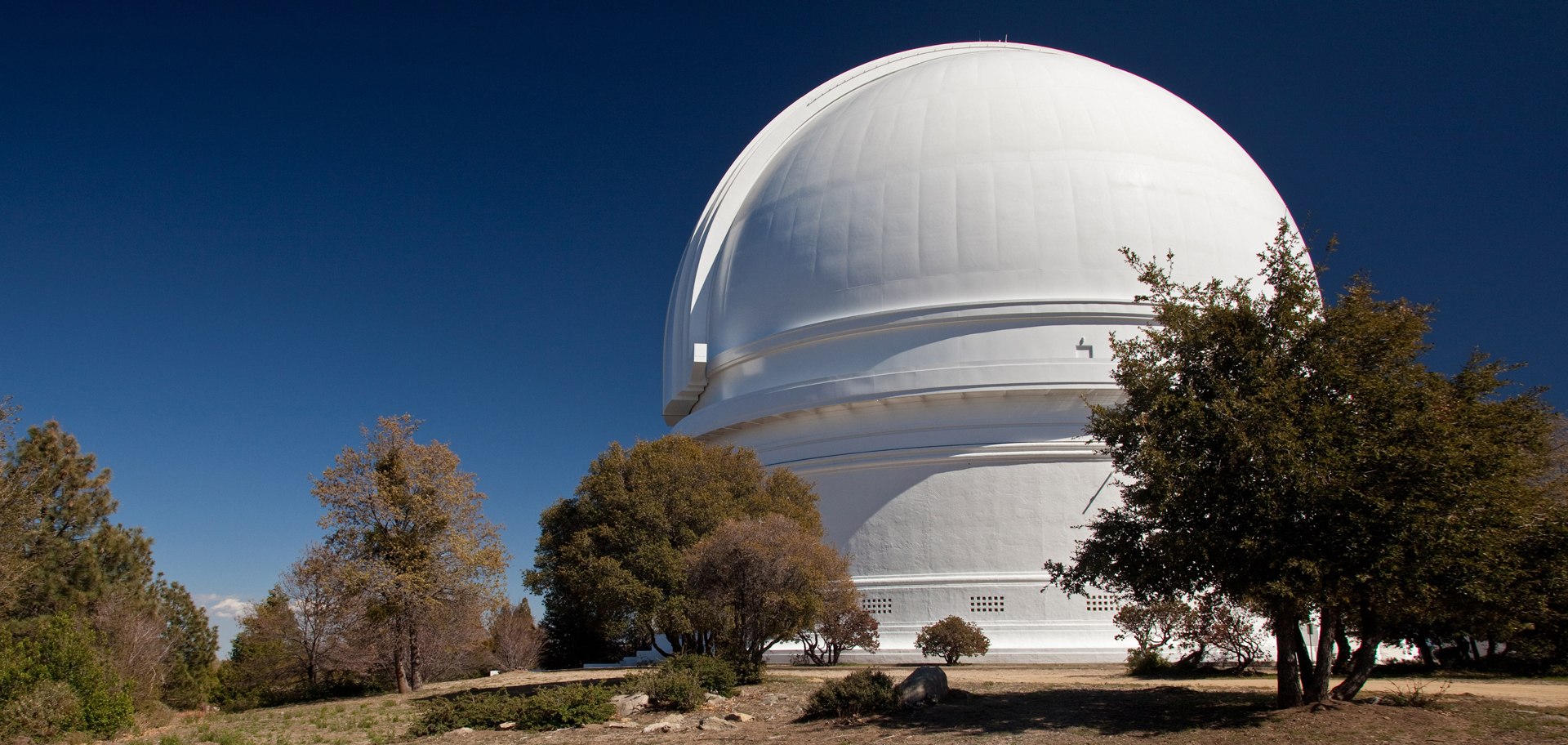
Caltech’s Palomar Observatory, located atop Palomar Mountain in San Diego County, California, is home to three active research telescopes measuring 200 inches, 60 inches and 48 inches. The 98-year-old observatory still operates every clear night and is an iconic facility for scientific advancement, instrument development and student training.
The scientific team discovered the outburst in May 2020, but it took another year to piece together an explanation for the event. The initial signal showed up in a search of data taken at Caltech’s Palomar Observatory. Part of that data was a ZTF survey, which scans the sky for stars that rapidly change in brightness, the pattern of which could be signatures of gamma-ray bursts, supernovas and other stellar phenomena. One night, an astronomer noticed a star that brightened by a factor of 100 over the course of a week.
Hoping to nail down the source with more data, he looked to observations of the same star taken by the W. M. Keck Observatory in Hawaii. But what he found was befuddling. While most binaries (two celestial objects—such as two stars–that are held together by gravity and orbit around a shared center of mass) give off stellar material such as helium and hydrogen as one star erodes the other, the new source gave off neither. Instead, there were signs of “peculiar molecules” that can only exist at very cold temperatures. When a star brightens, it usually becomes hotter; low temperatures and brightening stars do not go together.
About a year after this initial discovery, the researchers analyzed observations of the same star, this time taken with an infrared camera at the Palomar Observatory. Within the infrared band, astronomers could see signals of colder material, in contrast to the white-hot, optical emissions that arise from binaries and other extreme stellar events. The source was insanely bright in the near-infrared wavelengths.
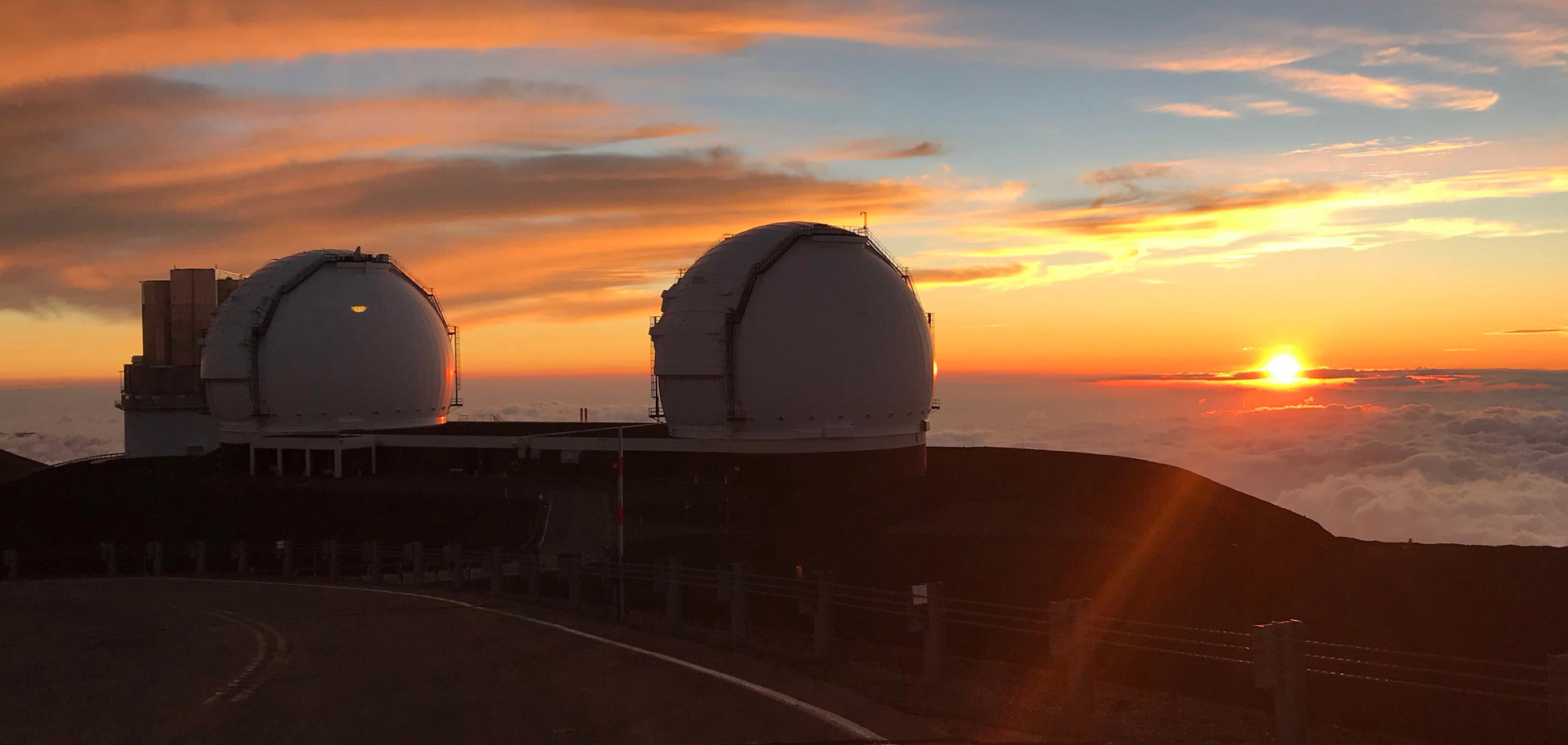
The W. M. Keck Observatory has two telescopes at an elevation of 13,599 feet near the summit of Mauna Kea in Hawaii. Each 32-foot, primary mirror uses 36 smaller hexagonal segments that act as a single, massive reflective surface. Computers rapidly adjust the mirrors to fix blur caused by Earth’s atmosphere. The facility helped spot some of the most distant and youngest galaxies ever seen.
It seems that after its initial hot flash, the star continued to throw out colder energy over the next year. That frigid material was likely gas from the star that shot into space and condensed into dust, cold enough to be detected at infrared wavelengths. The data suggested that the star could have been merging with another star rather than brightening as a result of a supernova explosion. But when the team further analyzed the data and paired it with measurements taken by NASA’s infrared space telescope, NEOWISE, they came to a much more exciting realization. They estimated the total amount of energy released by the star since its initial outburst and found it to be surprisingly small—about 1/1,000 the magnitude of any stellar merger observed in the past. That means that whatever merged with the star had to be 1,000 times smaller than any other star ever seen. And it’s a happy coincidence that the mass of Jupiter is about 1/1,000 the mass of the sun. That’s when they realized that this was a planet, crashing into its star.
With the pieces in place, the scientists were finally able to explain the initial outburst. The bright, hot flash was likely the final moments of a Jupiter-sized planet being pulled into a dying star’s ballooning atmosphere. As the planet fell into the star’s core, the outer layers of the star blasted away, settling out as cold dust over the next year.
The researchers say that for decades, they’ve been able to see the before and after: before, when a planet is still orbiting very close to its star; and after, when a planet has already been engulfed, and the star is giant. What was missing was catching the star in the act, where a planet undergoes this fate in real time. That’s what makes this discovery truly exciting, they conclude.
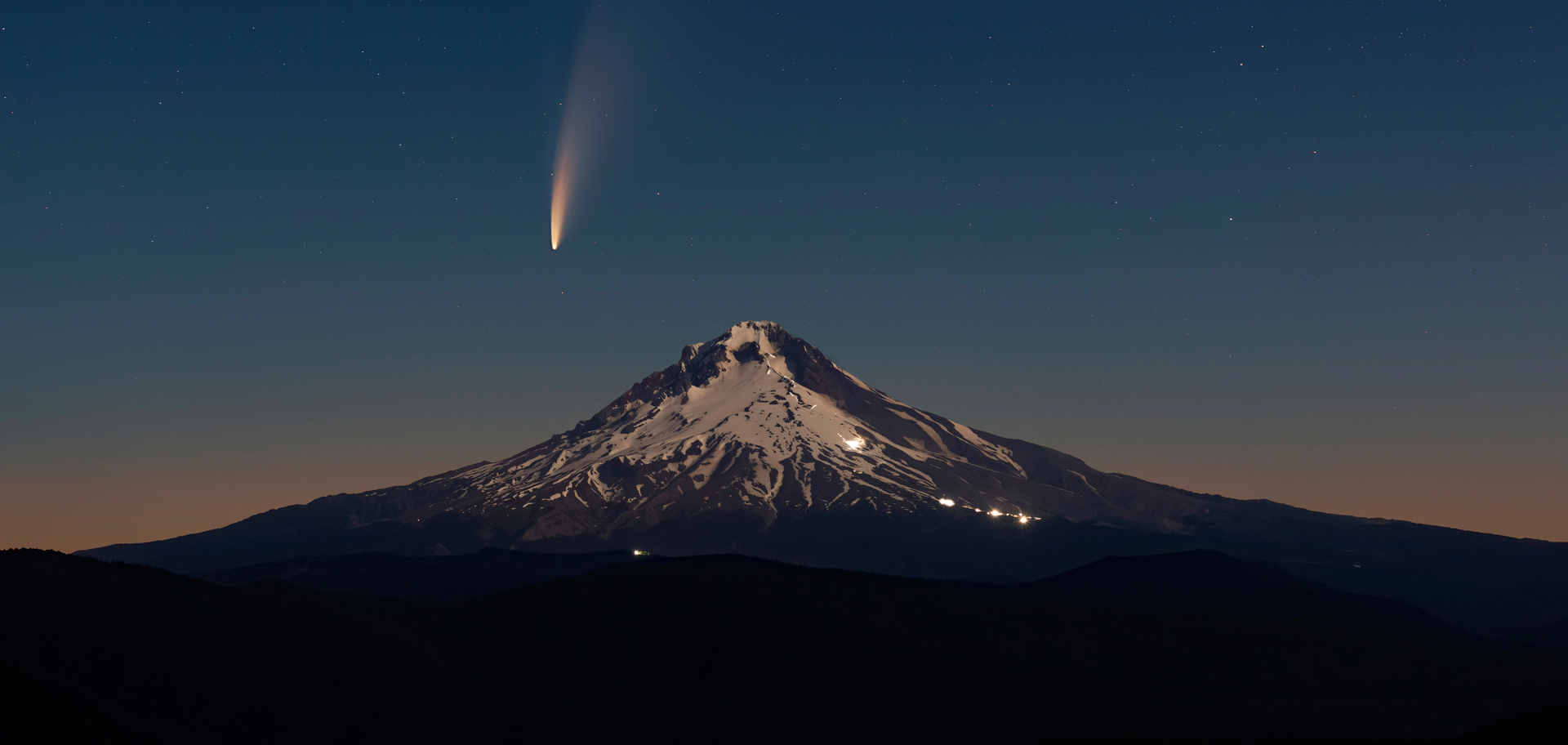
NEOWISE refers to both a NASA space-telescope mission that tracked near-Earth objects and the famous bright comet (pictured above over Mount Hood in Oregon) it discovered on March 27, 2020. The telescope was launched in December 2009 as the Wide-Field Infrared Survey Explorer (WISE) to map the infrared sky. Put into hibernation in 2011, it was reactivated in 2013 as NEOWISE to hunt for asteroids and comets. On August 8, 2024, it was powered off after more than a decade of service, eventually reentering Earth’s atmosphere in late 2024.
Astronomers detect a black hole devouring a star
But stars themselves are sometimes “eaten,” too. Once every 10,000 years or so, the center of a galaxy lights up as its supermassive black hole rips apart a passing star. This tidal disruption event (TDE) happens in a literal flash, as the central black hole pulls in stellar material and blasts out huge amounts of radiation in the process.
Astronomers know of about 100 tidal disruption events in distant galaxies, based on the burst of light that arrives at telescopes on Earth and in space. Most of this light comes from X-rays and optical radiation. MIT astronomers, tuning past the conventional X-ray and ultraviolet optical bands, have discovered a new tidal disruption event, shining brightly in infrared—one of the first times scientists have directly identified a TDE at infrared wavelengths. What’s more, the new outburst happens to be the closest tidal disruption event observed to date: the flare was found in NGC 7392, a galaxy that is about 137 million light-years from Earth, which corresponds to a region in our cosmic backyard that is one-fourth the size of the next-closest TDE.
This new flare, labeled WTP14adbjsh, did not stand out in standard X-ray and optical data. The scientists suspect that these traditional surveys missed the nearby TDE; not because it did not emit X-rays and ultraviolet light, but because that light was obscured by an enormous amount of dust that absorbed the radiation and gave off heat in the form of infrared energy. The researchers determined that WTP14adbjsh occurred in a young, star-forming galaxy, in contrast to the majority of TDEs that have been found in quieter ones. Scientists expected that star-forming galaxies should host TDEs, as the stars they churn out would provide plenty of fuel for a galaxy’s central black hole to devour. But observations of TDEs in star-forming galaxies were rare until now.
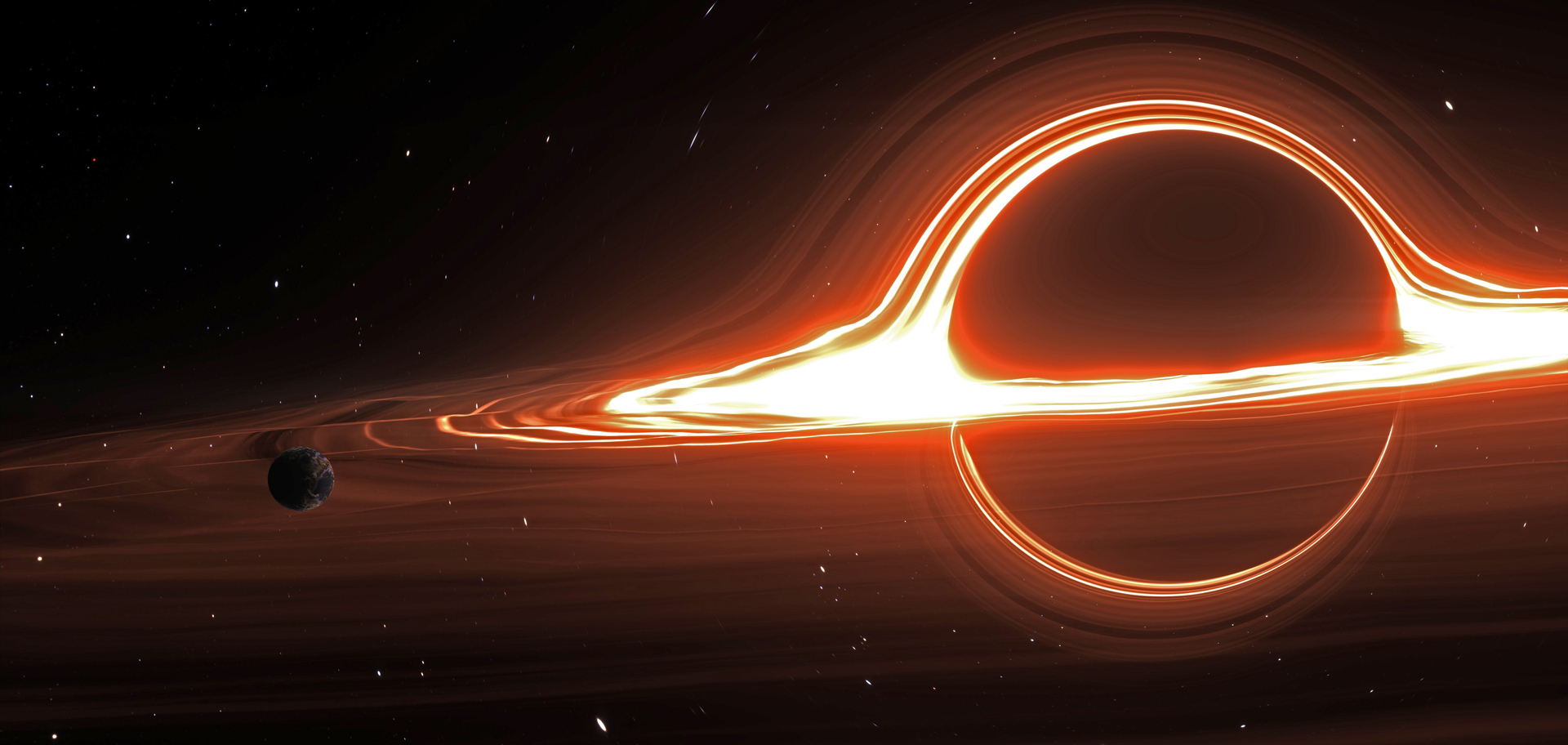
A black hole is a dense area in space where gravity is so strong that nothing—not even light—can escape. Black holes are huge concentrations of matter packed into very tiny spaces. Elements of this image were furnished by NASA.
This new study, published in the journal Astrophysical Journal Letters in April 2023, suggests that conventional X-ray and optical surveys may have missed TDEs in star-forming galaxies because these galaxies naturally produce more dust that could obscure any light coming from their core. Searching in the infrared band could reveal many more, previously hidden TDEs in active, star-forming galaxies.
The MIT astronomers estimate that the supermassive black hole at the center of the NGC 7392 galaxy was about 30 million times as vast as the sun. This is almost 10 times larger than the black hole we have at our galactic center. The science team also found that the galaxy itself is actively producing new stars. Star-forming galaxies are a class of “blue galaxies,” in contrast to quieter “red galaxies” that have stopped producing new stars. Blue galaxies are the most common type in the universe.
“Green galaxies” lie somewhere between red and blue in that every so often, they produce a few stars. Green is the least common galaxy type; but curiously, most TDEs detected to date have been traced to these rarer galaxies. Scientists had struggled to explain these detections, since theory predicts that blue, star-forming galaxies should exhibit TDEs, as they would present more stars for black holes to disrupt.
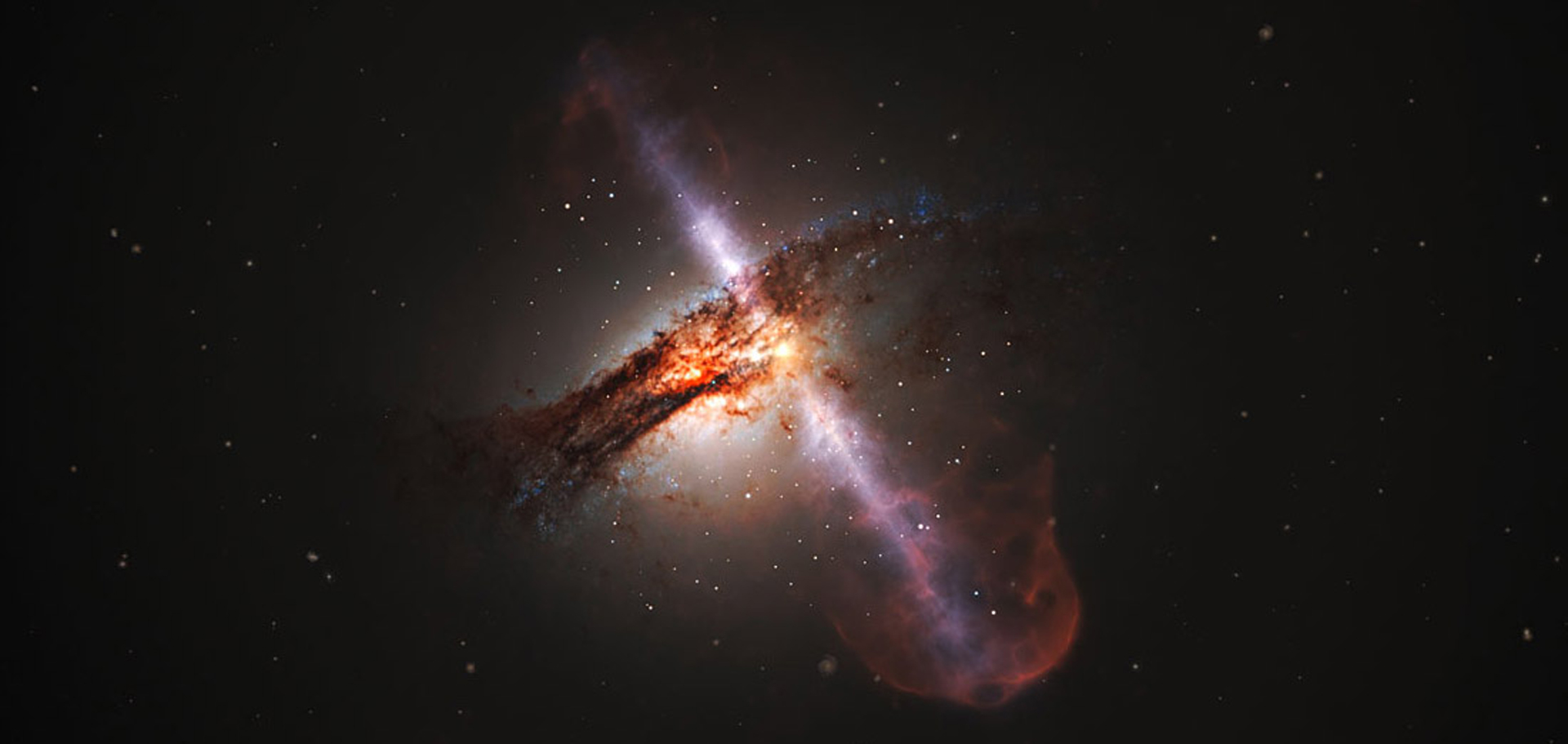
Every galaxy has a black hole at its center. Usually it is quiet, without gas accretions, like the one in our Milky Way. But if a star creeps too close to the black hole, the gravitational tides can rip away the star’s gaseous matter. Like water spinning around a drain, the gas swirls into a disk around the black hole at such a high speed that it heats to millions of degrees. As an inner ring of gas spins into the black hole, gas particles shoot outward from the black hole’s polar regions, forming two jets of plasma moving at nearly the speed of light. ©NASA/ESA/STScI, flickr
But star-forming galaxies also produce a lot of dust from the interactions between and among stars near a galaxy’s core. This dust is detectable at infrared wavelengths, but it can obscure any X-ray or ultraviolet radiation that would otherwise be picked up by optical telescopes. This could explain why astronomers have not detected TDEs in star-forming galaxies using conventional optical methods.
The world is getting brighter—and darker—at night
The planet is steadily getting brighter at night, but the trend is far from uniform, according to a report published in the journal Nature in April 2026. Data from Visible Infrared Imaging Radiometer Suite Day/Night Band (VIIRS DNB) satellites operated by NASA and NOAA covering the years from 2014 to 2022 indicate that global nighttime lighting has been increasing by roughly 2% each year, equaling a total increase of 16% worldwide.
These satellites collect images after midnight, usually between 1:00 a.m. and 4:00 a.m. local time, and scan nearly the entire planet each night between 70 degrees north latitude and 60 degrees south latitude. Each pixel in the imagery represents about 0.19 square miles. To ensure accuracy, only artificial light sources were included; natural phenomena such as auroras and wildfires, which the satellites can also detect, were excluded from the analysis.
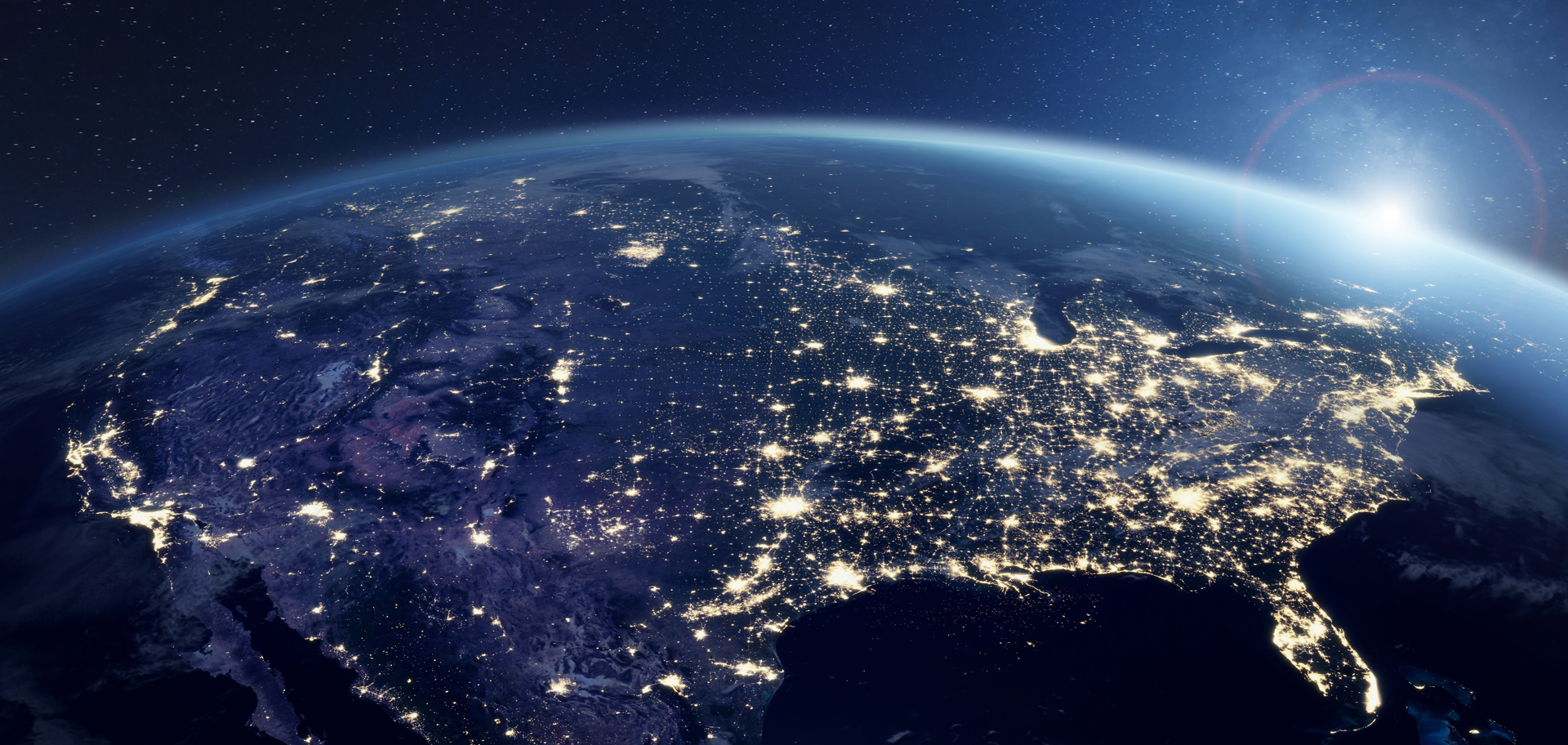
The planet is steadily getting brighter at night, although the trend is far from uniform. Between 2014 and 2022, global nighttime artificial lighting has been increasing by roughly 2% each year, equaling a total increase of 16% worldwide.
The results showed that changes in nighttime lighting are more dynamic and localized than previously understood. Rapid urban growth made countries like China and India significantly brighter during the study period. In contrast, some industrialized nations saw declines in light emissions, often linked to the adoption of LED technology and policies aimed at reducing light pollution.
Not all of the changes were gradual. Ukraine experienced a sharp drop in nighttime lighting after the Russian invasion. France also saw a major reduction, with nighttime brightness falling by 33% as many cities turned off streetlights after midnight to conserve energy and limit light pollution. In Germany, light emissions remained almost constant overall despite local variations. While light emissions rose by 8.9% in brightening German regions, they fell by 9.2% in dimming areas. Across Europe as a whole, satellite measurements show a 4% decrease in nighttime light emissions. However, this decline may not fully match what people perceive on the ground, since the satellite detects light differently than the human eye.
A key advance in this study is the use of full-resolution, nightly data. Earlier analyses relied on monthly or yearly averages, which made it harder to spot short-term or localized changes. A new algorithm was also applied that accounts for the angle at which the satellite views the Earth. For instance, residential neighborhoods tend to appear brighter when seen at an angle, while dense city centers often look brighter from directly overhead. Incorporating these differences allowed for a more accurate picture of how light emissions are changing, which has practical importance. Artificial light is a major consumer of nighttime electricity, and light pollution harms ecosystems.
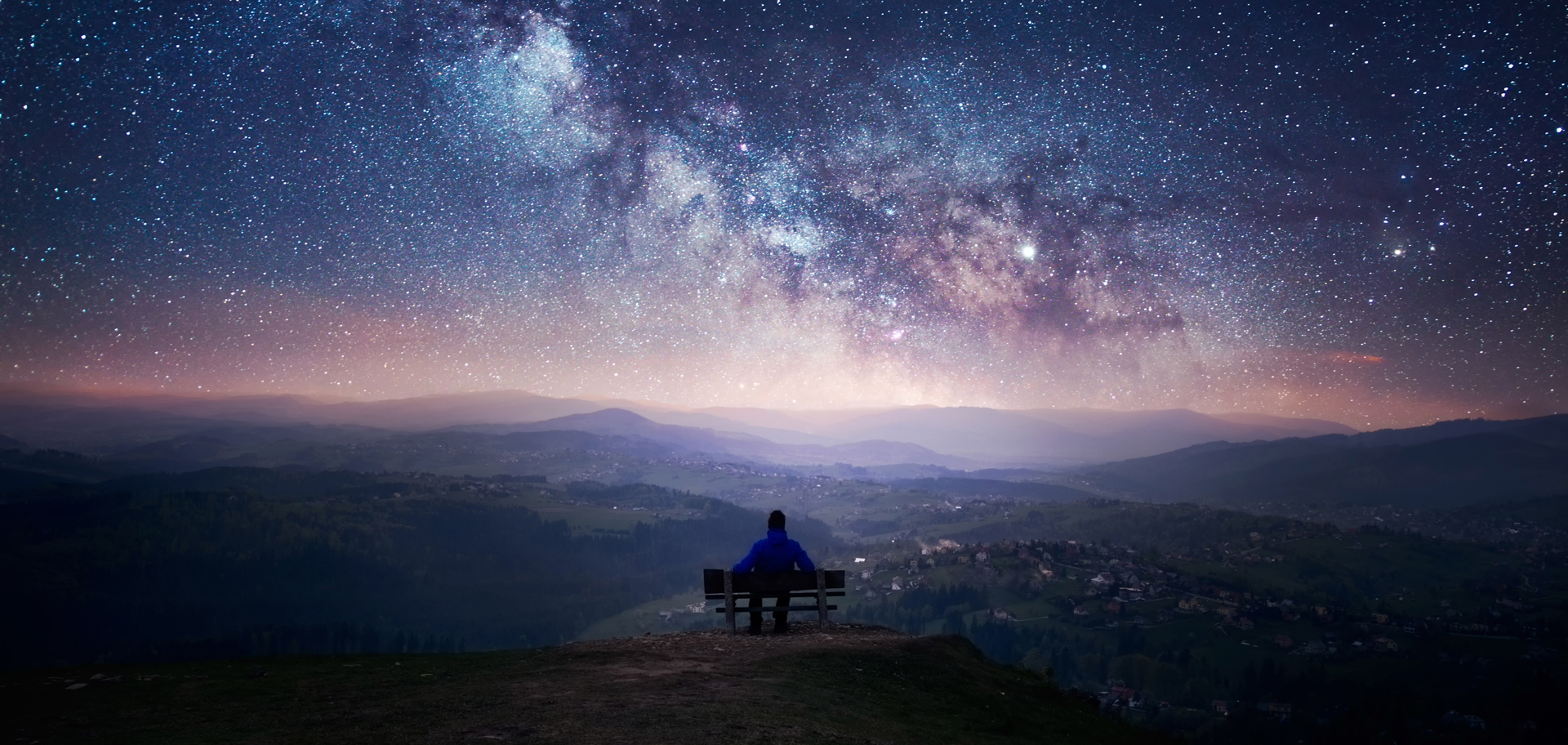
For thousands of years, humans have stared at the night sky to find direction, inspiration and meaning. When you can, take time to sit with the stars and be awed.
A new satellite specifically designed to monitor the lights at night is being developed as part of the European Space Agency’s Earth Explorer 13 mission. This proposed satellite would detect much fainter light sources and offer significantly higher resolution, reducing uncertainty about global lighting trends.
The answer could be in the stars
For thousands of years, humans have stared at the night sky to find direction, inspiration and meaning. I don’t believe, as is often said, that all the answers are in the stars, but we can certainly find beauty, creativity, novelty and wonder in them. And some questions just might be solved with a bit of those qualities.
Here’s to finding your true places and natural habitats,
Candy