

Nature & Wildlife
5 Apex Predators and Where to Find Them
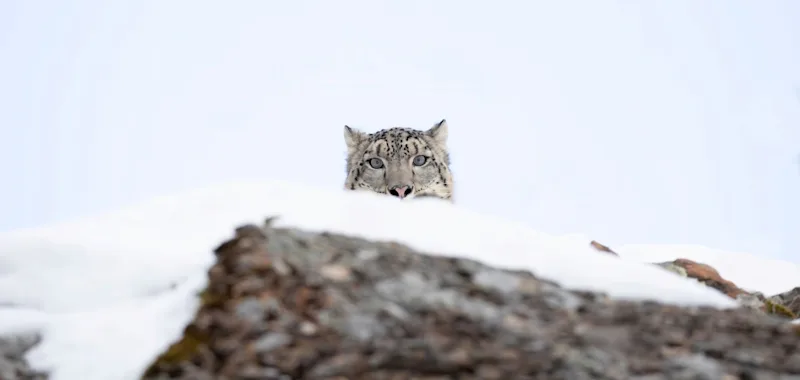
An apex predator is the hardcore animal at the top of its food chain, the baddest of the bad, with few or no natural predators in its ecosystem.
Nature & Wildlife
An apex predator is the hardcore animal at the top of its food chain, the baddest of the bad, with few or no natural predators in its ecosystem.
Conservation
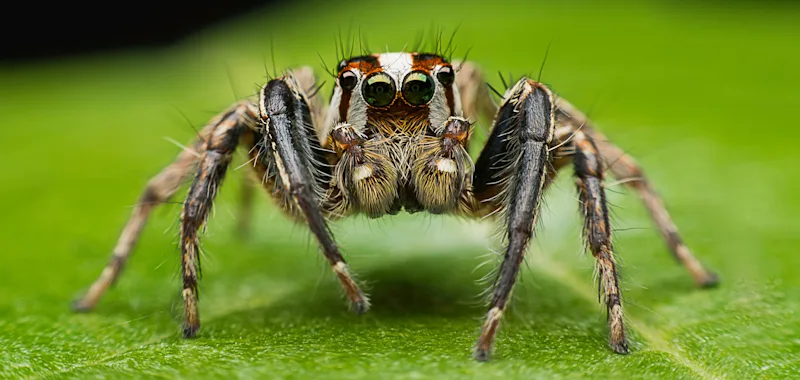
Arachnids—such as scorpions, harvestmen (daddy longlegs) and spiders—often trigger feelings of fear or disgust. Despite such reactions, these animals play an essential role in maintaining healthy ecosystems. They act as vital food sources, master pest controllers and drivers of human and soil health.

News & More
There are so many reasons to love the nighttime sky. For one, there’s the peace that sitting in the dark and watching the stars brings you.

Nature & Wildlife
Aliens are certainly in our midst, and invaders are running rampant across the planet. What I mean is, plants are spreading across the globe faster than ever, and the very same traits that make them thrive in their native lands also drive them to their successes abroad. Who are these aliens and invaders?

Nature & Wildlife
If you were asked to name a giant that now lives among us, you might immediately think of an African elephant, a blue whale, a mountain gorilla, a polar bear or a rhinoceros. There are, however, some other, lesser-known—but fascinating—leviathans in our midst.
News & More
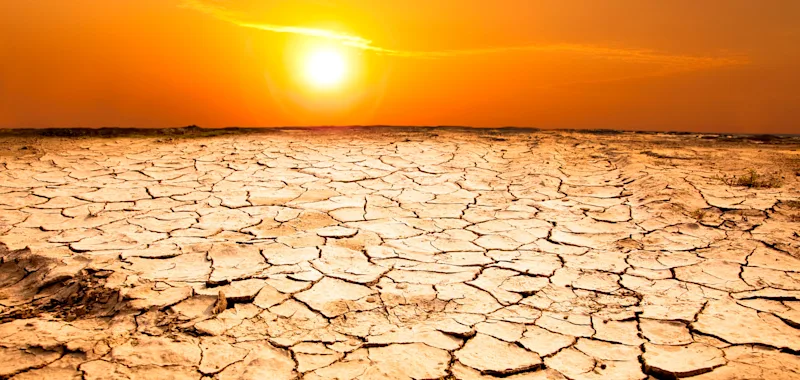
The year 2025 finished as the third hottest globally (behind 2024 and 2023), according to reports from NASA (National Aeronautics and Space Administration), NOAA (National Oceanic and Atmospheric Administration) and WMO (World Meteorological Organization).

Nature & Wildlife
This year, International Haiku Poetry Day is on April 17. Traditionally, haiku is a Japanese poetic form that takes the natural world and the seasons as its primary subject matter. It acts as a concise form of environmental literature, emphasizing direct observation, sensory details and an appreciation for the transient beauty of the natural world.
Asia & The Pacific
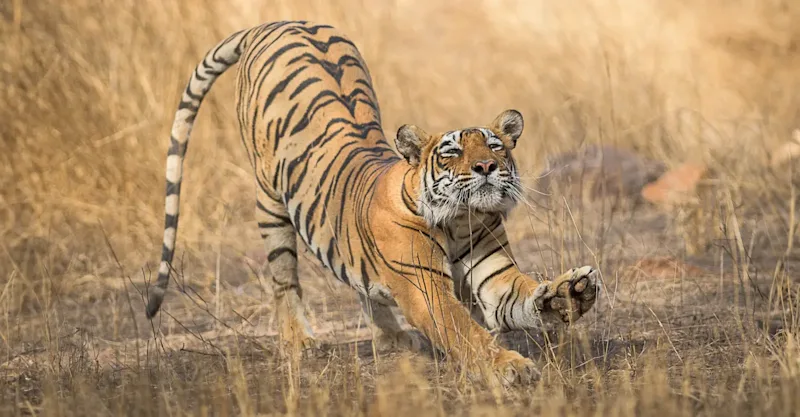
What Is Tadoba National Park Famous For? Tadoba National Park is one of India’s best destinations for seeing wild Bengal tigers. Located in Maharashtra in central India, this protected area is part of the Tadoba Andhari Tiger Reserve, one of the country’s 58 Project Tiger reserves.
Asia & The Pacific
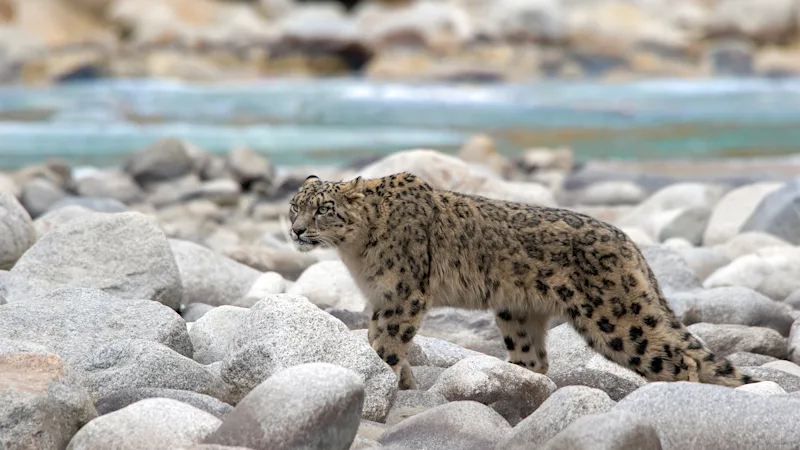
Many adventurers are drawn to the Himalayas of northern India either for the challenging mountain climbing or for the rich Tibetan Buddhist culture. But among sheer cliffs, snowfields and whitewashed monasteries flying their primary-colored prayer flags live some of the most elusive, tough and fascinating creatures on Earth.
Asia & The Pacific
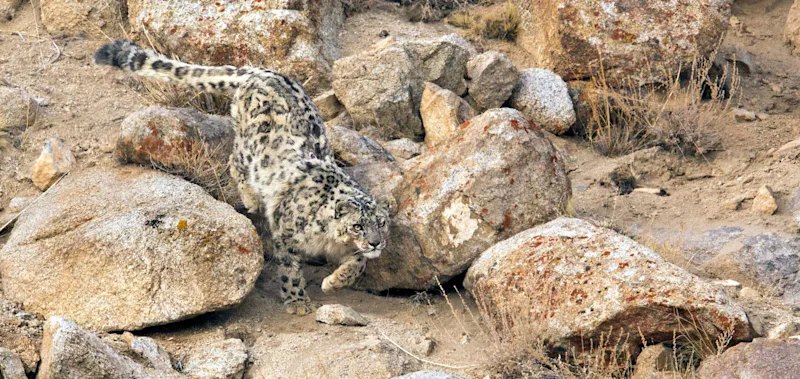
In the autumn of 1973, wilderness writer and naturalist Peter Matthiessen joined preeminent field biologist George Schaller high in Nepal’s Himalayan Mountains on a journey that would soon become legendary.
Asia & The Pacific
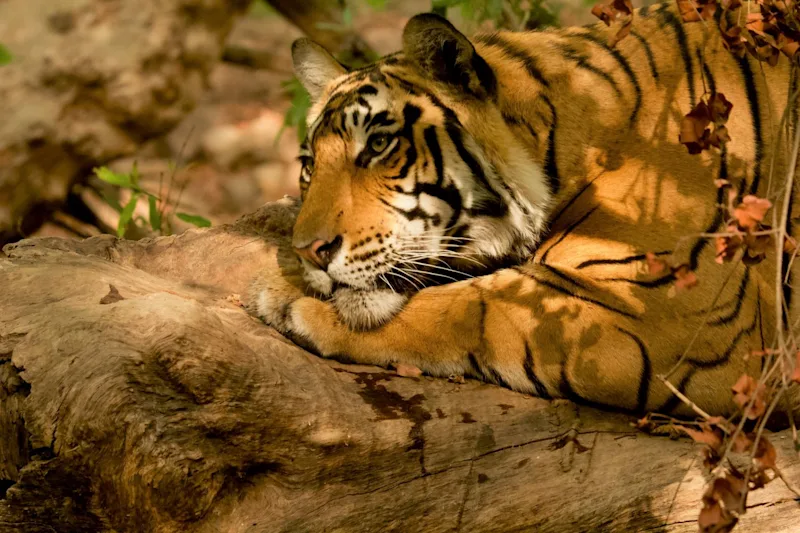
Tigers are one of the easiest of the big cats to identify because of their dramatic striped coats.
Asia & The Pacific
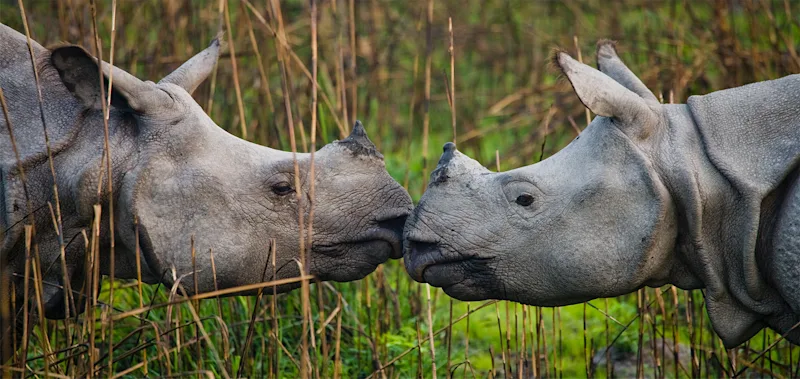
From the moment they enter the world, Asia’s largest mammals and fiercest predators begin life at their most vulnerable. Whether it’s a newborn elephant learning to control its trunk, a young rhino navigating grasslands with limited sight or a tiger cub relying entirely on its mother’s protection, these early months shape survival.