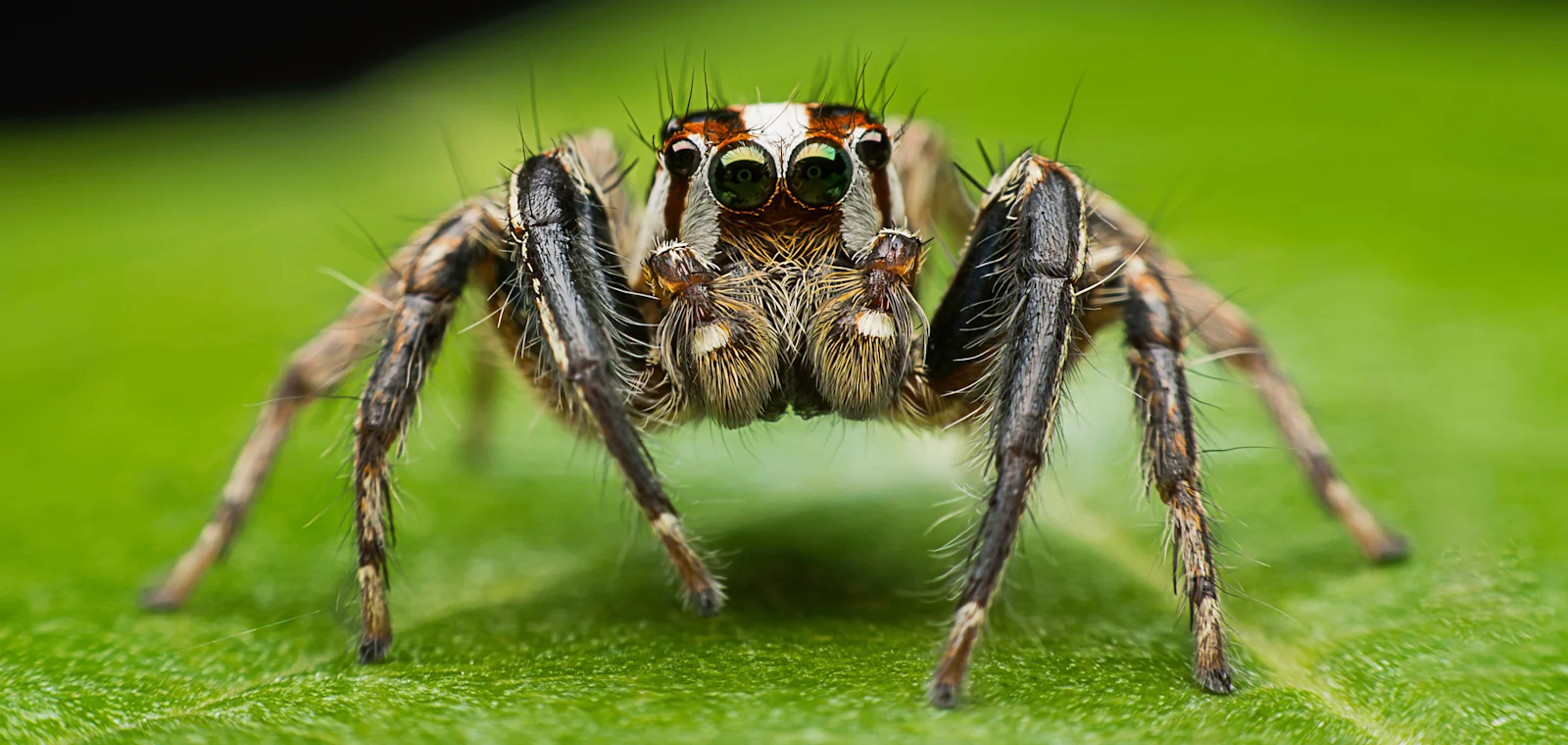
Arachnids: Fanciful Names for the Fearful

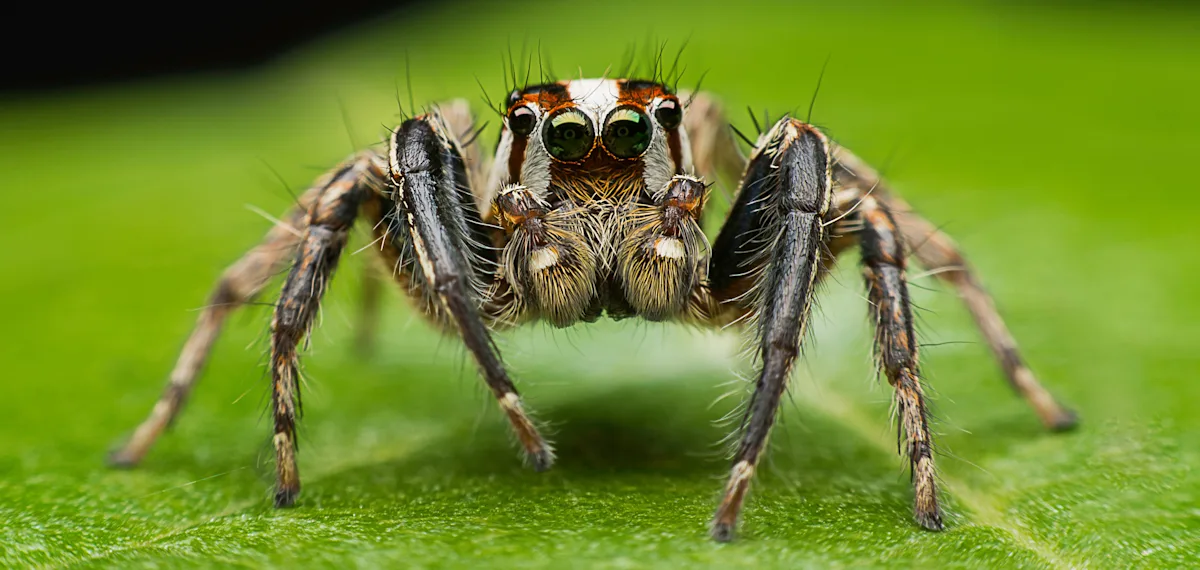
Arachnids—such as scorpions, harvestmen (daddy longlegs) and spiders—often trigger feelings of fear or disgust. Despite such reactions, these animals play an essential role in maintaining healthy ecosystems. They act as vital food sources, master pest controllers and drivers of human and soil health. Many birds, lizards and small mammals rely on spiders for food, so losing them would starve these predators. Spiders eat hundreds of millions of tons of insects every year. Without spiders, insect numbers would boom; and many major food supplies would be ruined, risking famine. Farmers would also have to use increased amounts of chemical pesticides to protect food, causing environmental pollution and risks to human health.
So, I think what arachnids have, basically, is a public relations problem. That’s why I applaud the fun and playful names scientists are giving some newly found spiders. For example, a recently uncovered, tiny, wall-dwelling spider in South America was named Pikelinia floydmuraria, inspired by Pink Floyd, a legendary English rock band formed in 1965 that became famous for its psychedelic and progressive rock music, philosophical lyrics and massive live shows. So-called “hippie spiders” in Africa are more about going with the flow than sticking to a role; and a just-revealed happy-face spider in the Himalayas closely resembles Hawaii’s iconic species, making scientists eager to learn how the two distant species are connected. Even Sir David Attenborough, opens in new tab was honored by lending his name to a fungus that lives on spiders: Gibellula attenboroughii.
Unfortunately, we don’t know how spiders are doing in the United States. Researchers found that nearly 90% of North America’s insect and arachnid species have no conservation status, leaving their fate largely unknown. Even more striking, most states don’t protect a single arachnid species.
Pink Floyd spider hunts prey six times its size and lives in walls
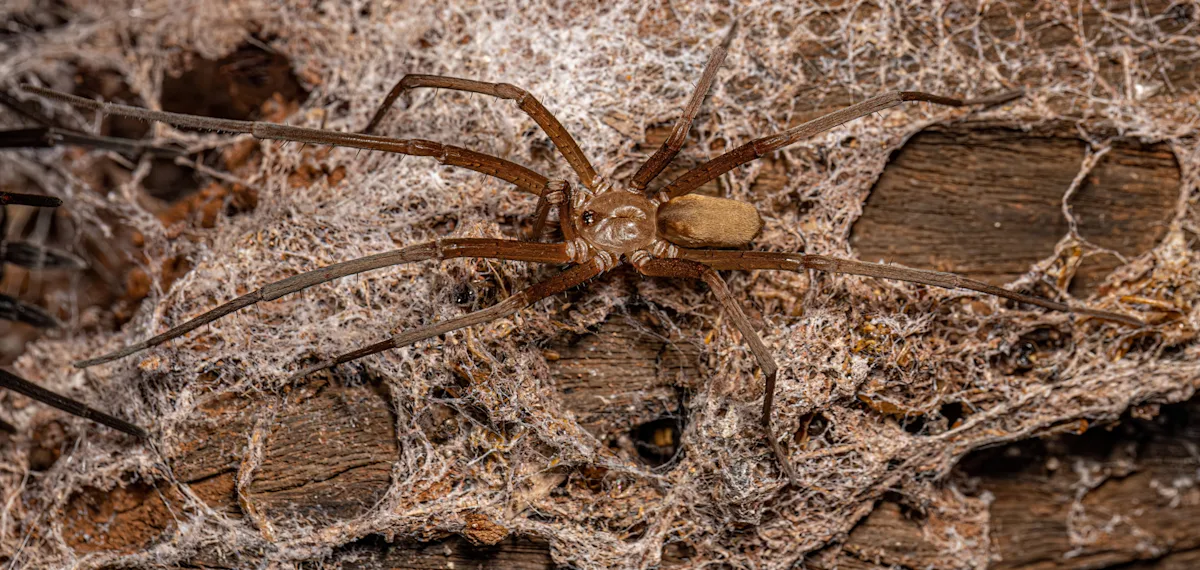
Researchers from several South American institutions have identified a new species of crevice weaver spider,, opens in new tab expanding what scientists know about the Pikelinia genus. The species, named Pikelinia floydmuraria, pays tribute to the band Pink Floyd, opens in new tab while also reflecting where the spider lives. The name muraria, derived from the Latin word for “wall,” highlights its tendency to inhabit building walls and subtly references one of the band’s famous albums, The Wall., opens in new tab
Although P. floydmuraria measures just 0.11 to 0.15 inches in length, it may play an important role in controlling pests in urban settings. These synanthropic (or ecologically human-associated) spiders were found to feed mainly on Hymenoptera (such as ants), Diptera (flies and mosquitoes) and Coleoptera (beetles), based on dietary studies of both the new species and a related Pikelinia population in Armenia, Colombia.
Scientists observed these spiders capturing ants up to six times larger than their own body size, demonstrating an impressive ability for such a small predator. They also consistently target common household pests, including houseflies and mosquitoes. By placing their webs near artificial light sources, the spiders appear to take advantage of phototactic (light-attracted) insects, making their hunting more efficient and potentially helping maintain balance in urban environments.
The study, published in the open-access journal Zoosytematics and Evolution, opens in new tab in February 2026, also shed light on a related species from the Galapagos Islands. Researchers provided the first detailed description and illustrations of the internal anatomy of female Pikelinia fasciata, a species first identified in 1902. Strong similarities between the Galapagos spider and the newly discovered Colombian species, including nearly identical male mouthpart structures, point to a possible close evolutionary link. This is notable given the vast Pacific Ocean separating their habitats. Scientists are still unsure whether these shared traits come from a common ancestor or from similar environmental pressures shaping their evolution.
The identification of P. floydmuraria represents only the second known species of the Pikelinia genus recorded in Colombia. In their report, the researchers emphasized the need for additional molecular and DNA-based studies to better understand its evolutionary background, trace its geographic origins and measure its full impact as a natural controller of urban pests.
Social “hippie spider” doesn’t believe in labels
African social spiders, opens in new tab (Stegodyphus dumicola)—dubbed “hippie spiders” for their cooperative lifestyle—may not have distinct personalities, after all. A study, published in the journal Animal Behavior, opens in new tab in June 2025, has revealed that their behavioral traits fluctuate dramatically over time, challenging previous assumptions about animal individuality.
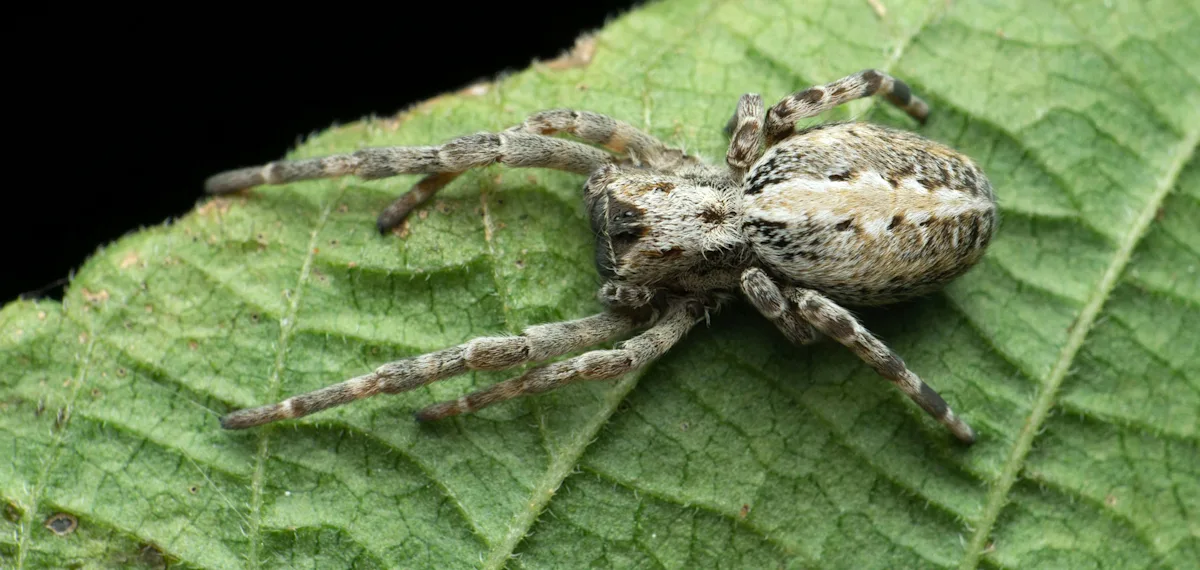
Animal personality is typically defined as behavior that remains consistent across time and context. However, the findings suggest that commonly used methods for assessing personality in social spiders may be flawed. Rather than demonstrating stable traits, the behavior of African social spiders was found to vary wildly over time, likely in response to internal states, such as hunger levels, and external environmental factors.
Researchers, led by scientists at England’s University of Portsmouth, monitored 28 social spider colonies every two weeks over four months, measuring three key behavioral traits: boldness, fleeing responses when perceiving a threat and prey-capture speed in a group setting. They found that while individual spiders initially displayed consistent behaviors over short periods, these patterns changed significantly over time. Scientists also discovered an individual spider’s initial behavior did not predict how it would act later in life.
The scientists say their study raises the question of whether these spiders truly have personalities at all. Their behavior fluctuates so much that it’s misleading to classify individuals as having stable personality traits, they remark. This challenges past studies that have assumed personality traits remain fixed based on observations conducted over only a few days or behavioral tests repeated only a small number of times.
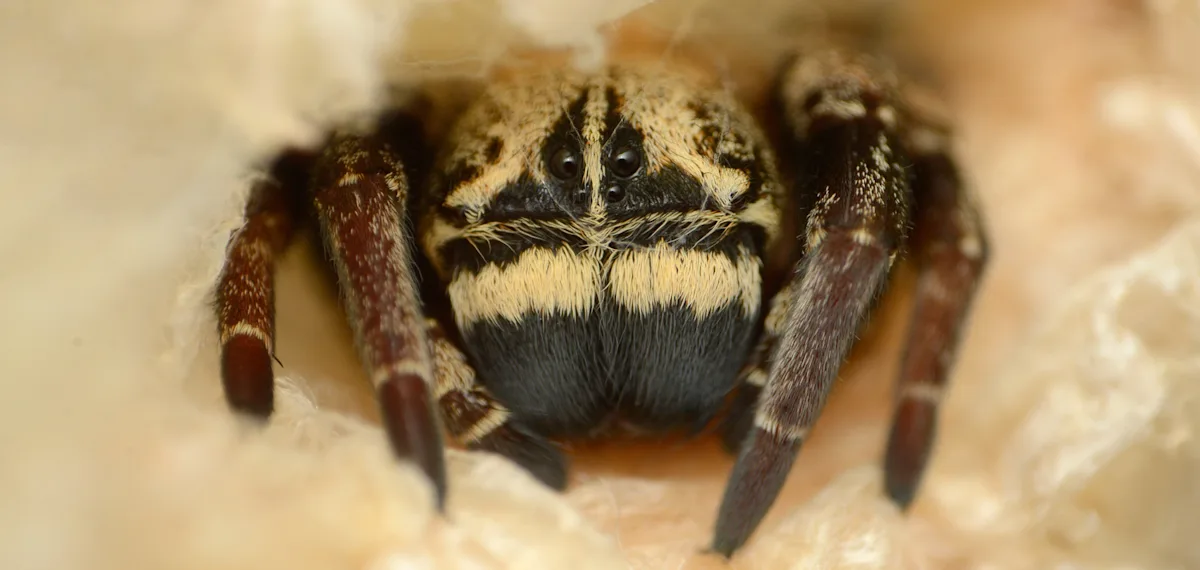
Previous research has revealed that social Stegodyphus spiders live in a cooperative, seemingly fair and equal society where individuals work together to hunt and raise young. They even sacrifice themselves for colony offspring. While researchers in the past have speculated that individuals may take on specific roles—such as babysitters or foragers—this study suggests that spider roles are extremely fluid. Instead of fixed behavioral types, spiders appear to adjust their behavior dynamically, based on circumstances.
These findings have major implications for behavioral ecology research. Social hippie spiders demonstrate how categorizing individuals into “aggressive,” “bold” or “shy” based on short-term observations is not just inaccurate, it may lead to wrong conclusions about evolutionary outcomes. So, much like people, you can’t judge a spider on first impressions—and, I assume, they’re not admirers of labels, either.
Hawaii’s happy-face spider has a surprising relative
A tiny spider with a bright-red smile on its back has surprised scientists by turning up thousands of miles from where they thought its famous relatives lived. For more than 100 years, the happy-face spider, opens in new tab (Theridion grallator) was believed to exist only in Hawaii, making it one of the world’s most recognizable and unusual arachnids. Now, researchers from India’s Forest Research Institute and Regional Museum of Natural History have identified a new species in the mountains of Uttarakhand, India. Because of its striking resemblance to the Hawaiian species, they named it Theridion himalayana, or the Himalayan happy-face spider.

The discovery was accidental. In a survey that was originally focused on ants, spiders from high-altitude regions kept being sent to the study’s authors for identification. One image of a spider from the underside of a Daphniphyllum leaf had a striking resemblance to a spider found in Hawaii. The scientists, who published their report in the journal Evolutionary Systematics, opens in new tab in April 2026, feel that broader field surveys could uncover even more variations within this species.
The newly discovered spider was found at elevations above 6,561 feet, and its species name, himalayana, honors the mountain range where it was discovered. Genetic analysis shows that the new spider differs from Hawaii’s happy-face spider by about 8.5%, confirming that Theridion himalayana represents a separate evolutionary lineage that developed independently in Asia. So far, 32 different color forms, or morphs, have been identified, collected from three locations in Uttarakhand: Makku, Mandal and Tala.
Although the colorful, smile-like markings make these spiders instantly recognizable, scientists still do not know why they evolved. These patterns definitely help the spiders survive better in the wild, but what functional role in their life cycles do the patterns serve? This is definitely indicative of a deeper genetic mystery. And the fact that the spiders were found alongside other small creatures with similar color patterns suggests that there may be broader ecological or evolutionary factors at work.
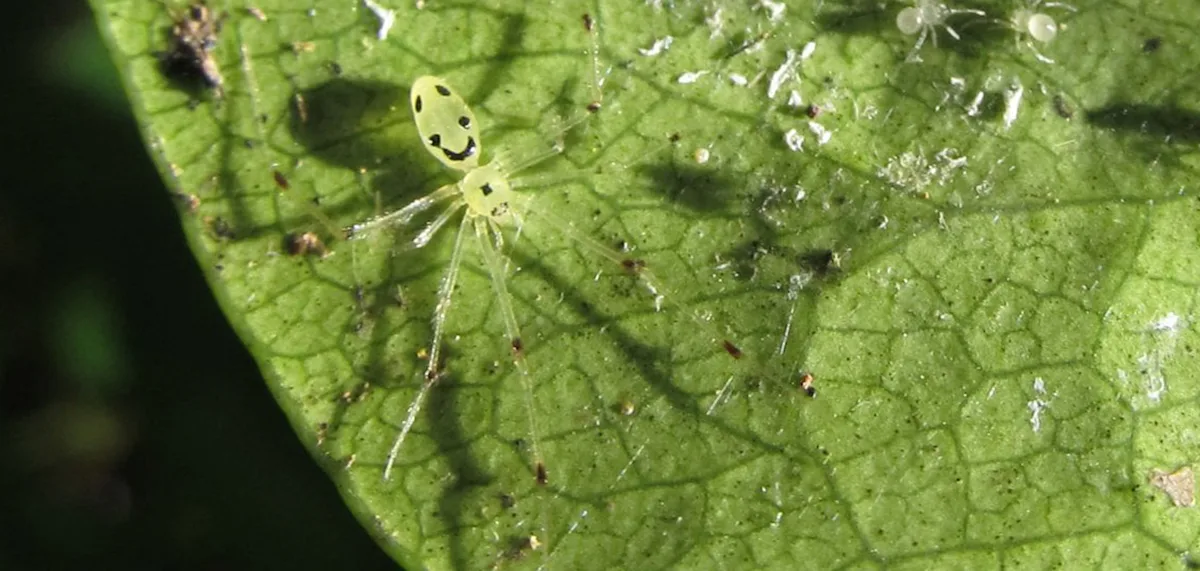
Researchers also discovered another unexpected similarity between the Himalayan and Hawaiian species. Like their Hawaiian counterparts, the newly identified spiders are commonly found on ginger plants. Because ginger is not native to Hawaii, the shared preference raises new questions about the spiders’ evolutionary history. How did the spiders choose an invasive species?
Cave spider in Ireland hosts a fungus named for Sir David Attenborough
Another newly found species was recently named for broadcaster and natural historian Sir David Attenborough; only this time, it isn’t the spiders who bear the nomenclature but a fungal species that makes zombies of them.
Based on both molecular and morphological evidence, the fungus was confirmed as a novel species and named after Attenborough, a pioneer of BBC natural history programs who helped to develop the nature series Winterwatch,, opens in new tab which was being filmed in Northern Ireland when the new fungus was first discovered. Subsequently, the spider host was identified as the orb-weaving cave spider, Metellina merianae. With the help of a local speleologist, further specimens of the new fungal species, Gibellula attenboroughii, were found in cave systems in both Northern Ireland and the Republic of Ireland, as well as on a related spider, Meta menardi, that occupies different ecological niches within the caves.

Like the type specimen, originally located on the ceiling of a gunpowder store, all the infected spiders were positioned on the roof or walls of the caves. These normally reclusive spiders had left their lairs or webs and migrated to die in exposed situations, mirroring the behavior of ants infected by fungi of the Ophiocordyceps genus, which was previously reported from the Atlantic rain forests of Brazil.
Such manipulation of the host in order to favor dispersal of the fungal spores engendered the description of “zombie-ant fungi” and led to the publication of a number of zombie-fungus themed books, as well as to a popular video game and the television series, The Last of Us., opens in new tab Behavioral-changing metabolites, such as dopamine, have since been identified in cultures of zombie-ant fungi of the Ophiocordyceps genus.
Published in the journal Fungal Systematics and Evolution, opens in new tab in June 2025, the scientists—who come from the Natural History Museum Denmark and the United Kingdom’s CAB International and Royal Botanical Gardens, Kew—also used historical herbarium records and literature searches to uncover a hidden diversity within the genus Gibellula in the British Isles, along with evidence of widespread disease epidemics in spiders in Norfolk and Wales. They concluded that the role of fungi in spider-population dynamics warrants further study, as do the metabolites that enable them to exploit such a highly specific ecological niche.
Scary spiders aren’t the real nightmare; losing spiders is
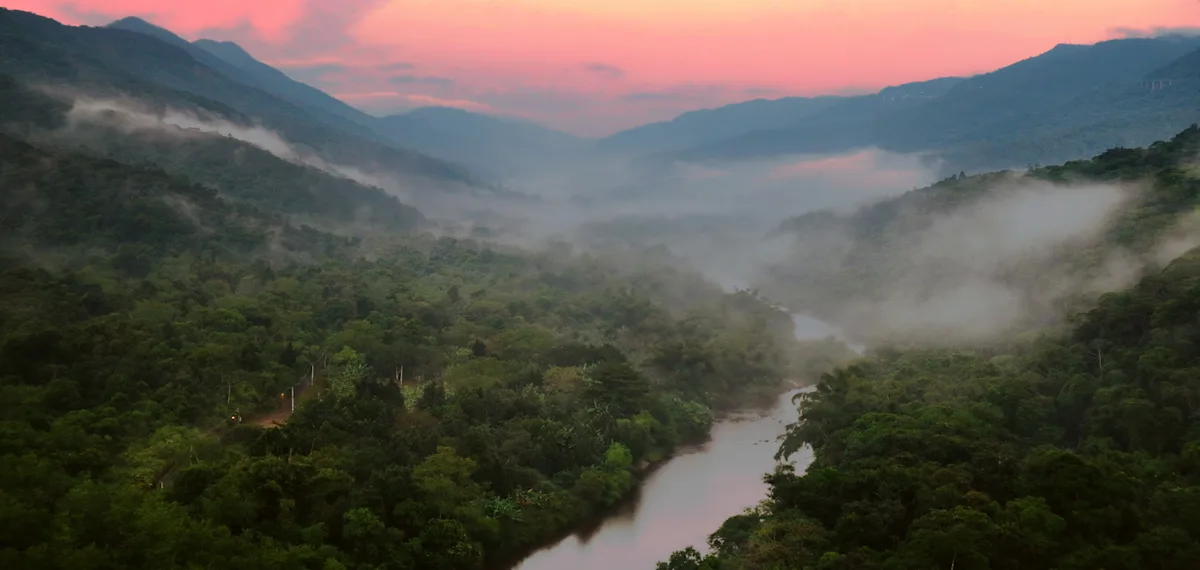
As global biodiversity declines, including what some researchers describe as an “insect apocalypse,” two ecologists at the University of Massachusetts Amherst set out to examine how arachnids and insects are doing in the United States. What they uncovered was striking: there are enormous gaps in the available data. Their findings, published in the journal Proceedings of the National Academy of Sciences, opens in new tab in March 2026, highlight an urgent need to better study, protect and appreciate arachnids and insects, which form a critical foundation for planetary health.
Arachnids and insects are fundamental for human society, state the ecologists. They help with the biological control of pests, pollination and serve as monitors of air and water quality. In addition, they have worked their way deeply into many cultures throughout the world. While many people care about popular, charismatic animals on the planet, such as lions and pandas,, opens in new tab arachnids and insects don’t usually get the same international conservation attention. There’s a need to determine their status.
To understand the condition of these often-overlooked creatures, the researchers compiled conservation assessments for the 99,312 known arachnid and insect species living in North America north of Mexico. The results were startling. Almost 90% (88.5%) of arachnid and insect species have no conservation status, meaning that we have no idea how they are doing.

The limited information that does exist is uneven. Much of the available research focuses on aquatic insects that help scientists monitor water quality (caddis flies, mayflies and stone flies). Meanwhile, more visually appealing insect groups—such as butterflies and dragonflies—receive a disproportionate share of conservation protections. Arachnids, in particular, are missing from conservation; most states don’t even protect a single species.
The researchers also found patterns in which states are more likely to protect these species. States that depend heavily on extractive industries—such as mining, quarrying and oil and gas extraction—tended to offer fewer protections for arachnids and insects. In contrast, states where public attitudes are more environmentally focused were more likely to safeguard a larger number of species.
Bird conservation is an example of how coordinated efforts can make a difference, say the authors of the study. The best conservation efforts are when broad, diverse coalitions come together. In the case of birds, it was bird-watchers, hunters, nonprofit organizations and many other constituencies who banded together to reach a common goal.

Cryptic spiders are conservation-worthy
Arachnids are more than objects of fear. As natural pest controllers, they eat hundreds of millions of tons of insects globally every year. A single spider can consume thousands of prey items in its lifetime. As disease vector eliminators, they target common pests like flies, mosquitoes and ticks that carry animal (including human) illnesses. As agricultural protectors, they naturally manage insect spikes, preventing crop damage and reducing the need for synthetic chemical pesticides.
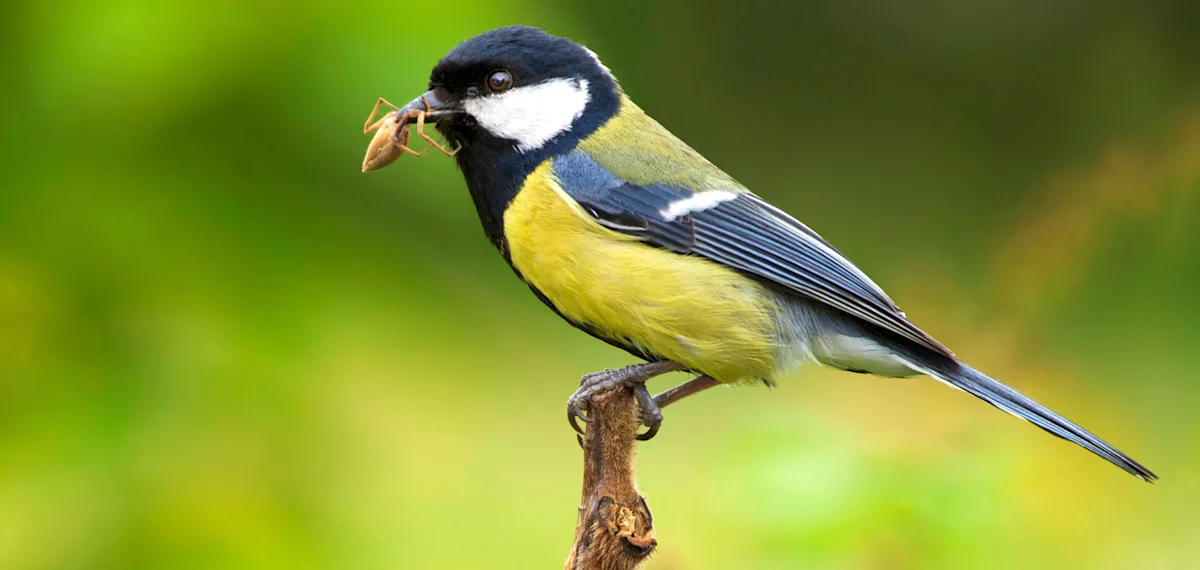
Arachnids are also foundational to the food web. They provide energy transfer services; as abundant predators, they convert insect biomass into energy for higher trophic levels. They serve as an essential nutrient and protein source for amphibians, birds, lizards and small mammals. Many bird species use tough spider silk to structurally anchor and bind their nests.
As nutrient cyclers and soil-health purveyors, arachnids leave feces and leftover prey remnants that enrich the soil by returning essential carbon, nitrogen and phosphorus back to the earth. Certain soil-dwelling arachnids prey on insects or mites that regulate decomposers, indirectly speeding up or slowing down leaf litter breakdown to balance forest-floor nutrients. Arachnids are environmental indicators and biodiversity gauges. Because they are sensitive to chemical pollution and habitat changes, a diverse arachnid population often signals a healthy, functioning local environment.
The world would not be okay without spiders. We need to appreciate them for their ecological importance, and that begins with collecting more data and considering them worthy of conservation.
Here’s to finding your true places and natural habitats,
Candy