Good Nature Travel Blog

  • Nature & Wildlife

    Extreme Weather Effects

    Nov 3, 2026 · Candice Gaukel Andrews

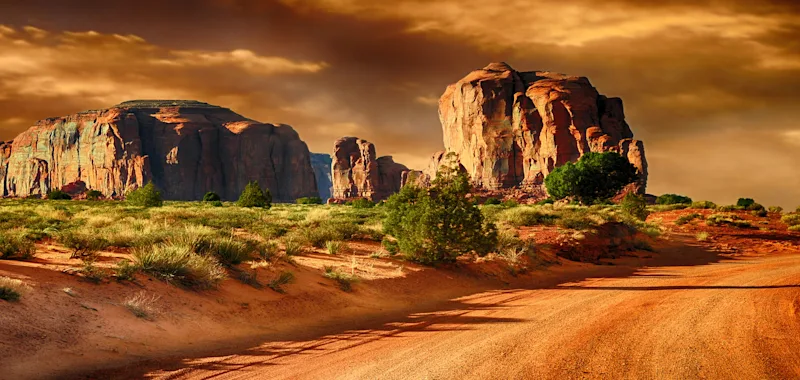
    The continental United States and many global regions experienced their hottest summer on record in 2026, driven by human-caused climate change and an intensifying El Nino, according to the National Oceanic and Atmospheric Administration’s National Climate Report published on September 9, 2026. Average temperatures were roughly 3 degrees Fahrenheit above the 20th-century baseline.
  • Conservation

    Arachnids: Fanciful Names for the Fearful

    Oct 27, 2026 · Candice Gaukel Andrews

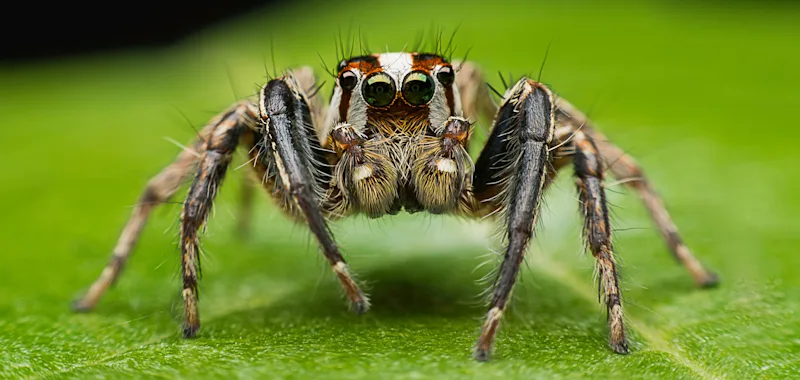
    Arachnids—such as scorpions, harvestmen (daddy longlegs) and spiders—often trigger feelings of fear or disgust. Despite such reactions, these animals play an essential role in maintaining healthy ecosystems. They act as vital food sources, master pest controllers and drivers of human and soil health.

  • Nature & Wildlife

    Greenland Tipping Points: Past, Present and Future

    Sep 29, 2026 · Candice Gaukel Andrews

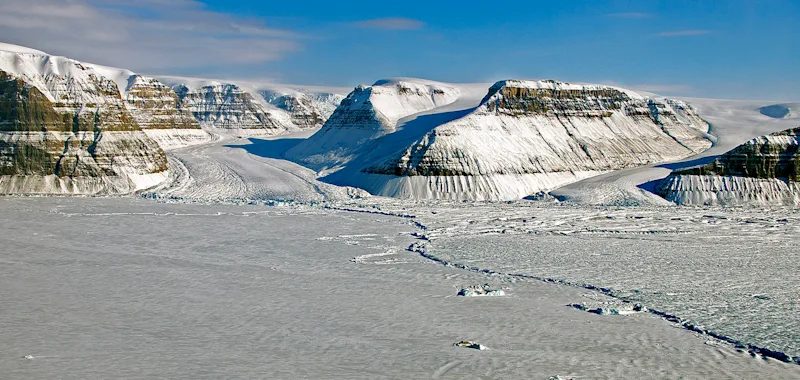
    On August 4, 2026, a Manhattan-sized ice island broke away from Greenland’s Petermann Glacier after years of progressing fractures had weakened its floating ice tongue. This Arctic iceberg will now be tracked as it drifts, breaks apart and potentially affects shipping routes.

  • African Safaris

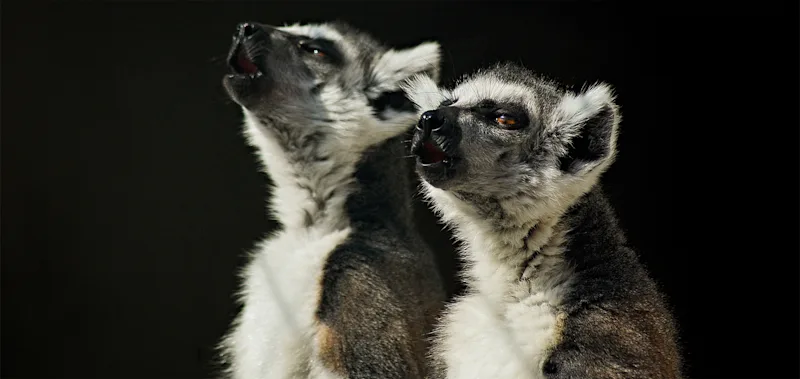
    The Singing Lemurs of Madagascar

    Sep 4, 2026 · Megan Brief

    Often referred to as the “eighth continent,” the island nation of Madagascar has developed its own distinct ecosystems and extraordinary wildlife since it split from the African continent an estimated 160 million years ago. Approximately 95% of Madagascar’s reptiles, 89% of its plant life and 92% of its mammals exist nowhere else on Earth.

  • Nature & Wildlife

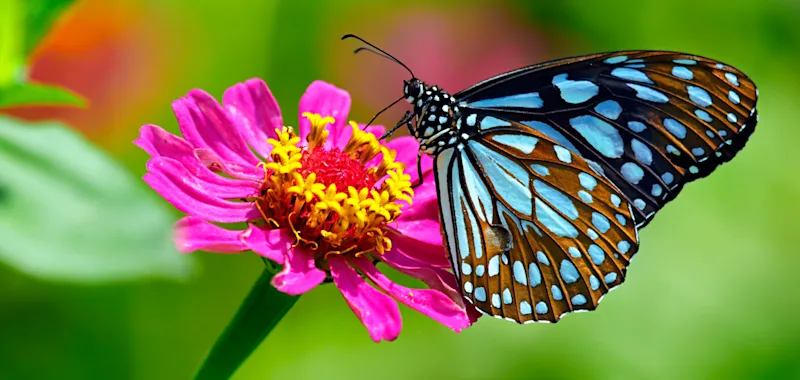
    Butterfly Benefits and Insect Issues

    Sep 1, 2026 · Candice Gaukel Andrews

    While I have never considered insects my favorite category of fauna, I have to admit that some “fun facts” about them intrigue me. For example, ants can lift and carry more than 50 times their own weight. While gathering food, a bee may fly up to 60 miles in one day.

  • Conservation

    Wildfire Prescription: Prescribed Burns

    Aug 25, 2026 · Candice Gaukel Andrews

    Wildfires are complicated. On one hand, they can be extremely destructive forces. On the other, they are natural events that certain animals and plants have evolved to depend on for ecological balance. And then, you have to add climate change into the equation.

  • Nature & Wildlife

    Animal Sizes: On Continents, on Islands and Over Time

    Aug 4, 2026 · Candice Gaukel Andrews

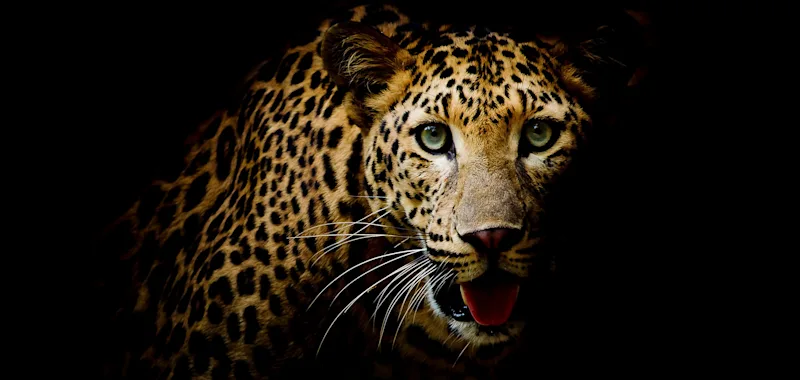
    Some tiny birds on remote Scottish islands are undergoing a dramatic evolutionary transformation. Four isolated populations of British wrens have grown astonishingly large. At the other end of the scale, however, leopards in South Africa’s Cape Floristic Region have become much smaller than most African leopards.

  • Nature & Wildlife

    Managing the Mosquito Months of Summer

    Jul 14, 2026 · Candice Gaukel Andrews

    July is truly the quintessential summer month. Positioned perfectly at the center of summer in the Northern Hemisphere, it features peak sunshine and warm weather, making it the prime time for carefree vacations and outdoor activities. But July is also at the height of mosquito season across most of North America.

  • Nature & Wildlife

    The Fluidity of Animal Movements

    Jul 7, 2026 · Candice Gaukel Andrews

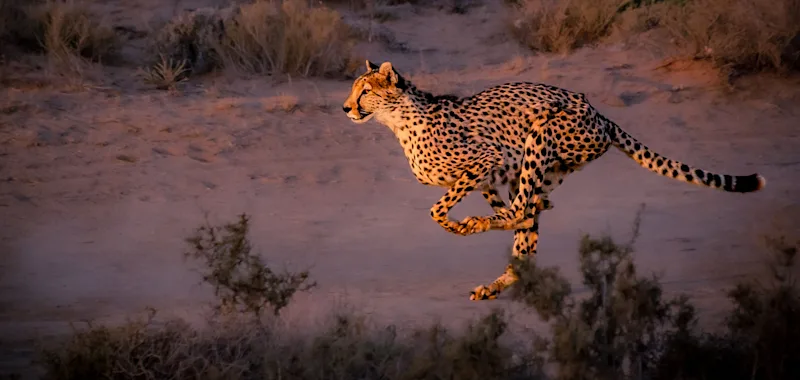
    The graceful movements of animals showcase millions of years of evolutionary engineering, combining anatomy, physics and fluidity. From the effortless soar of an albatross across the Antarctic Ocean to the stealthy prowl of a big cat on the African savanna, nature’s biomechanics emphasize maximum beauty and efficiency.

  • Nature & Wildlife

    Aliens on the Rise and Invaders on the Run

    Jun 30, 2026 · Candice Gaukel Andrews

    Aliens are certainly in our midst, and invaders are running rampant across the planet. What I mean is, plants are spreading across the globe faster than ever, and the very same traits that make them thrive in their native lands also drive them to their successes abroad. Who are these aliens and invaders?

  • Conservation

    Sustainability Goals and How We Can Achieve Them

    Jun 23, 2026 · Candice Gaukel Andrews

    We may already be living far beyond what the Earth can sustainably support, suggests the writers of a brand-new study, who analyzed more than 200 years of environmental and population data. They found that while population growth once fueled expansion and innovation, the trend shifted decades ago as the planet’s resources became increasingly strained.

  • Conservation

    Environmental DNA Is Revolutionizing Wildlife Conservation

    Jun 16, 2026 · Candice Gaukel Andrews

    From personal testing to discover your roots, connect with long-lost relatives and discover hidden family secrets to blockbuster sci-fi stories and cold-case forensics TV dramas, DNA (deoxyribonucleic acid) has never been more popular. In essence, it is the primary hereditary molecule in almost all living organisms.