

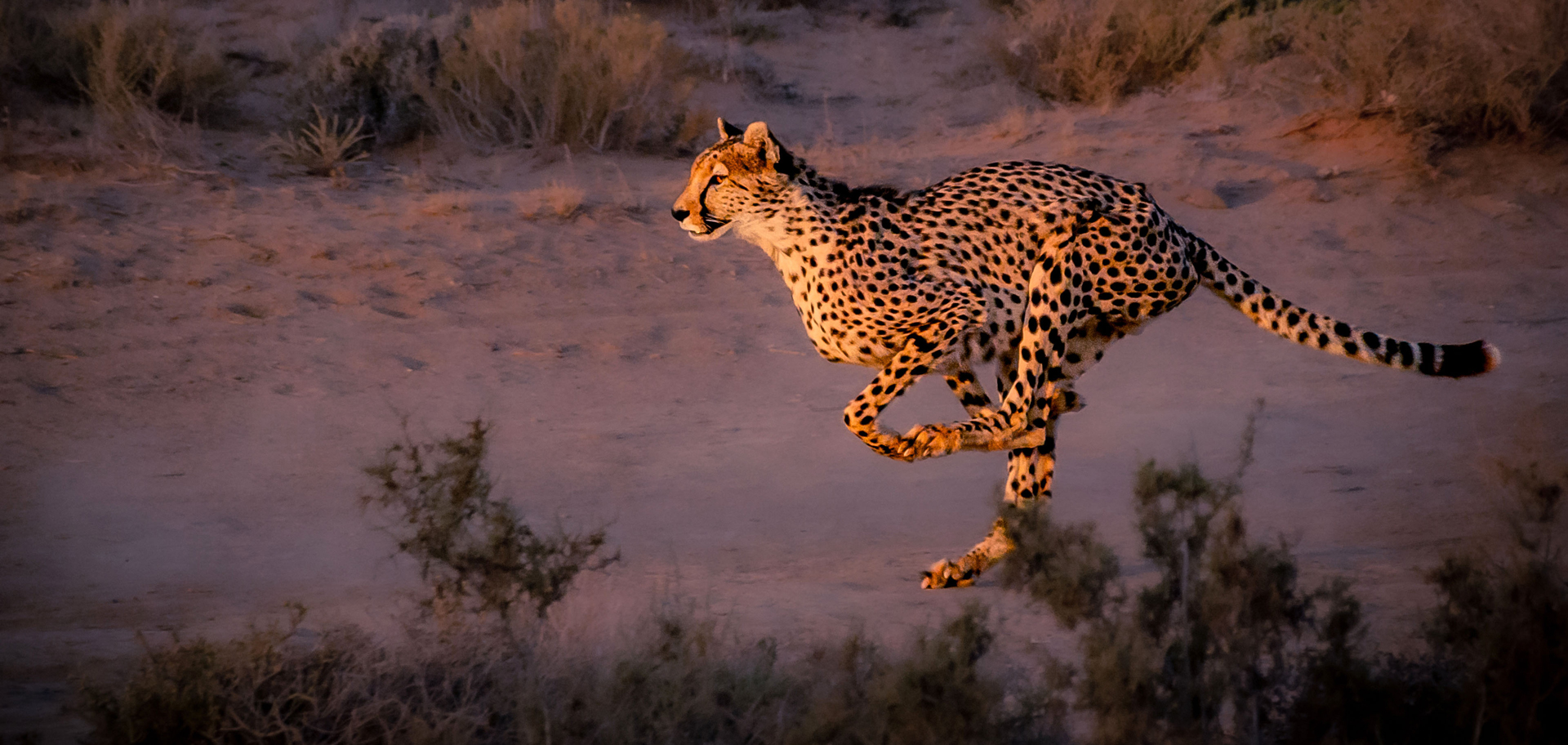
The gracefulness of a running cheetah on the African savanna is one of the animal movements that showcases millions of years of evolutionary engineering that combines anatomy, physics and fluidity.
The graceful movements of animals showcase millions of years of evolutionary engineering, combining anatomy, physics and fluidity. From the effortless soar of an albatross across the Antarctic Ocean to the stealthy prowl of a big cat on the African savanna, nature’s biomechanics emphasize maximum beauty and efficiency.
Now, exciting, new scientific endeavors are starting to decode these balletic motions. Miniature accelerometers (instruments that measure acceleration) have recently revealed that in the elusive period between sea turtles hatching and their emerging above the sand, they aren’t digging but “swimming” their way to the surface. Two hundred million years ago, some true crabs (Brachyura) began walking sideways—and never looked back. And, recent research shows that the nervous system circuitry that controls arm movements in octopuses is segmented, giving these extraordinary creatures precise control across all eight arms and hundreds of suckers to explore their environment, grasp objects and capture prey. Schools of fish have figured out that coordinating group movements through a fluid can reduce the energy cost of locomotion.
To round out these studies of animal movements, a new, accurate method has been developed to simulate the complex, intricate and seemingly unpredictable shifts of living organisms. The strategy can help predict and understand animal behavior, with potential applications ranging from medical research to robotics.
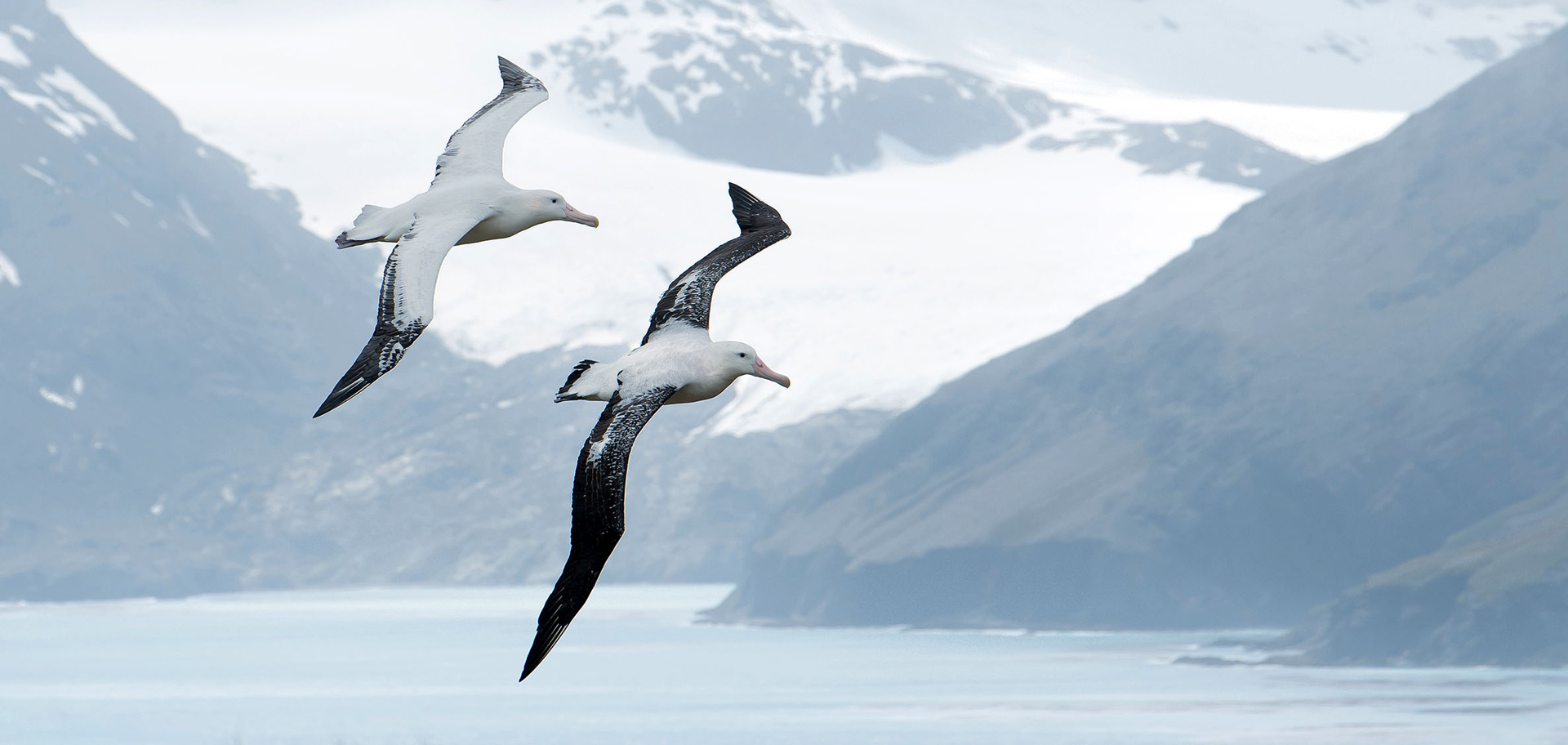
Famous for having the largest wingspan of any living bird (up to 11.5 feet), massive wandering albatrosses spend most of their lives gliding over the open ocean. The turbulent Drake Passage that lies between South America and the Antarctic Peninsula is known for spectacular albatross sightings.
Under the sand, sea turtle hatchlings “swim” to the surface
The image of newly hatched baby turtles moving across the sand to get to the ocean is iconic. But what happens before then?
Sea turtle eggs are buried in nests under the sand that are 11 to 31 inches deep. Once they emerge from their eggs, the newborn turtles move through the sand column and eventually emerge on the surface after three to seven days. But because this all happens underground, we have very little understanding of the first few days of a hatchling’s life.
For about 64 years—or since people first started noticing hatchlings on the beach—different techniques have been tried to observe this phase, such as using a glass viewing pane to watch the hatchlings or sending down microphones to listen to their movements. But each of these previous techniques came with limitations, which means it has remained difficult to study a sea turtle hatchling’s first few days of life. It takes a lot of work for these tiny hatchlings to swim through the sand in the dark, with almost no oxygen. This feat happens right under our feet, say researchers from The University of Queensland in Australia, but we didn’t have the technology to really understand it until now.
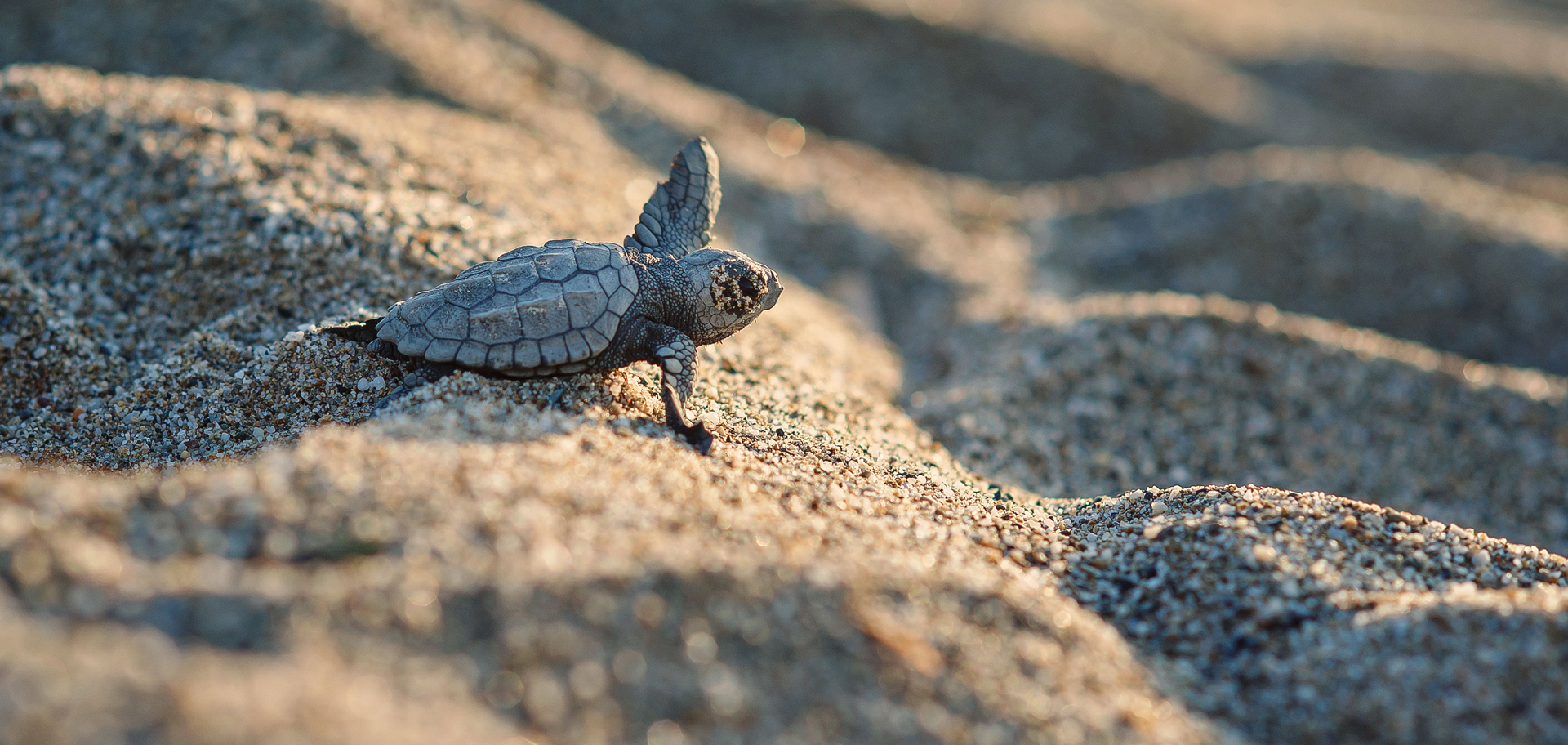
Little was known about how turtle hatchlings make their way to the surface from under the sand. It was recently discovered that rather than digging, they “swim” their way out through the sand.
Accelerometers, which measure changes in direction or speed, have previously been used to study animal movements, behaviors and physiologies. In this sea turtle study, published in the journal Proceedings B in October 2024, for the first time accelerometers that measure acceleration from three different angles—in a forward-and-backward motion, an up-and-down motion and a side-to-side motion—were used.
This research took place on Heron Island, a long-term-monitoring nesting site for green turtles (a type of sea turtle) in the southern Great Barrier Reef, where nesting season typically runs from December to March. After locating green turtles’ nests, the scientists waited for approximately 60 days for the eggs to develop. Three days before they hatched, devices called “hatch detectors”—which measure voltage at the nest sites and indicate when the hatchlings break out of their eggs—were placed next to 10 different nests.
As soon as The University of Queensland scientists became aware that eggs in a nest had hatched, they carefully dug down into the nest, selected the hatchling closest to the surface and attached a lightweight, miniature accelerometer onto the baby turtle, before returning it. They then gently layered the sand back in the way it was found. The nest sites were checked every three hours; and when the baby turtles did finally emerge, the accelerometers were retrieved.
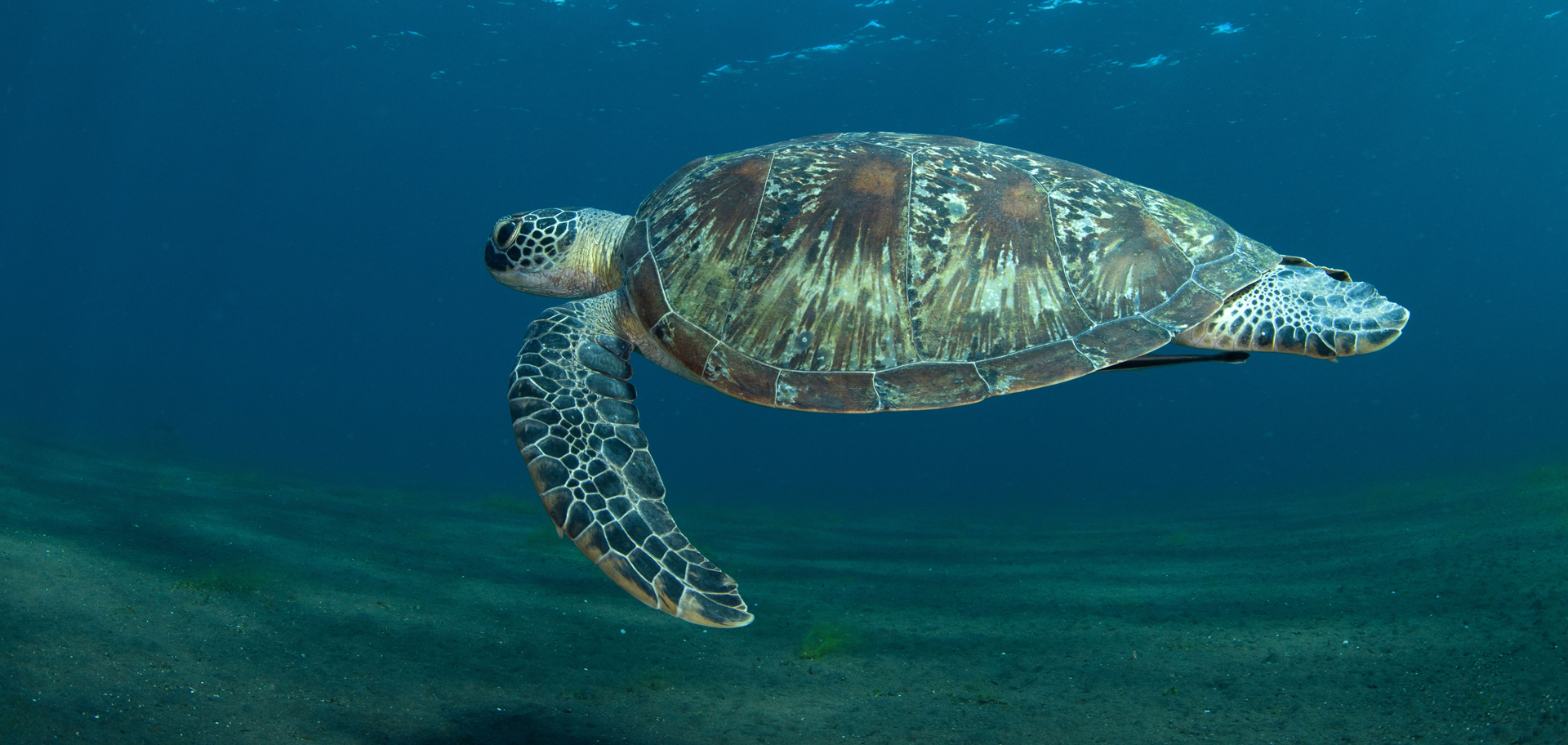
According to World Wildlife Fund, green turtles are one of the largest sea turtles and the only herbivore among the different species. The name reflects the greenish color of their cartilage and fat, not their shells.
The analyses of the newly gathered data showed that the hatchlings demonstrated amazingly consistent heads-up orientations—despite being in the complete dark, surrounded by sand. Their movement and resting periods were generally quite short; they move as if they were swimming rather than digging. As they approach the surface of the sand, they restrict their activities to the nighttime.
Sea turtle populations are in decline in many parts of the world, with several species listed as endangered. The nesting phase is a major vulnerability for turtle populations; and as a result, conservation management often focuses on nest intervention, including relocation, shading and watering. While nest relocation has been used widely around the world and the practice is expected to continue as the effects of climate change and rising sea levels increase, factors such as moisture, substrate depths and temperatures in the nest—which can vary when a nest is moved—can alter important performance traits of hatchlings, including their movements and speeds. Nest relocation may also have consequences for hatchlings that we currently don’t understand. This means knowledge of hatchling behavior in the sand column—and its links to offspring success—is key to future conservation practices.
While we know that in the scramble across the sand to the water, hatchlings are at great risk from predators, it’s also true that some hatchlings don’t even make it to that point. That’s why figuring out what makes one hatchling successfully emerge while another doesn’t is so important. Using accelerometers to monitor hatchlings provides the ability to study turtles when our visibility of them is limited, and it opens the door for many more insights into sea turtle ecology.
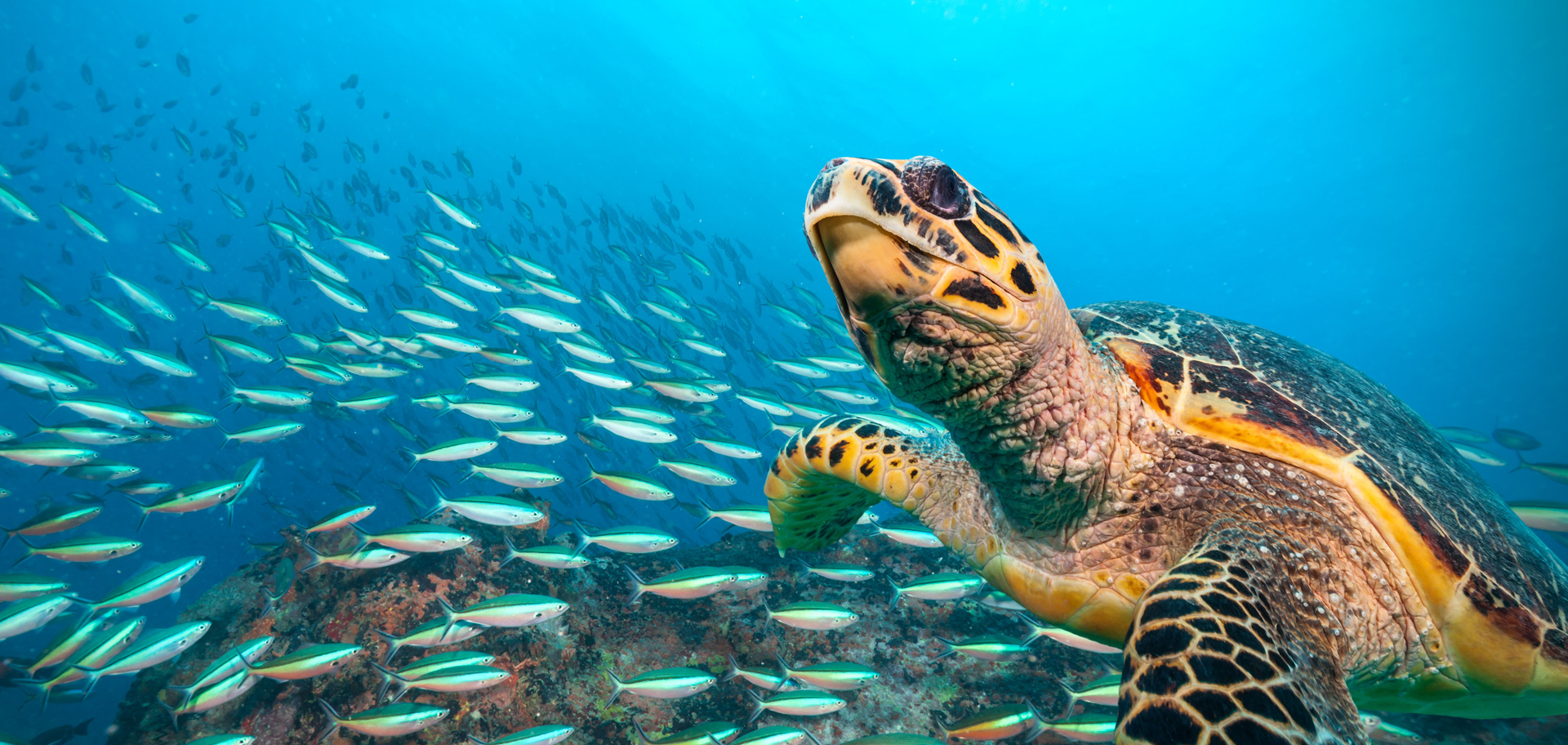
Most sea turtle species are listed as threatened or endangered due to human activities like coastal development that results in the loss of beach nesting sites, fishing bycatch and hunting of adults. Climate change is an additional threat to turtles, such as this International Union for Conservation of Nature critically endangered Hawksbill turtle.
On the beach, crabs walk sideways
There are about 7,904 species of true crabs (Brachyura), which far exceeds that of their sister group, Anomura, or their closest relatives, Astacidea. True crabs have colonized diverse habitats around the world, including terrestrial, freshwater and deep-sea environments; and their body shape has evolved repeatedly over time in a phenomenon known as carcinization. Despite the rich information available on true crabs, data concerning their locomotor behaviors are sparse. Although most true crab species walk sideways—which may offer important advantages, such as escaping predators by making their directions harder to predict—there are some groups that walk forward. This raises some interesting questions: when did their sideways locomotion originate, how many times over the years did it evolve and how many times did it revert?
To investigate these questions, researchers from Japan’s Nagasaki University studied how 50 species of true crabs move. Each species was recorded for 10 minutes using a standard video camera inside a circular plastic arena designed to resemble the crabs’ natural habitats. Because of practical limitations, the researchers observed one individual per species.
The team then combined these observations with data from a previously published crab phylogeny that mapped the evolutionary relationships of Brachyura using 10 genes from 344 species across most major lineages. Since the behavioral data did not always align perfectly with the species in that phylogeny, the researchers simplified the evolutionary tree to 44 genera, along with five families and one superfamily. This allowed closely related groups to stand in for species that were not directly included.
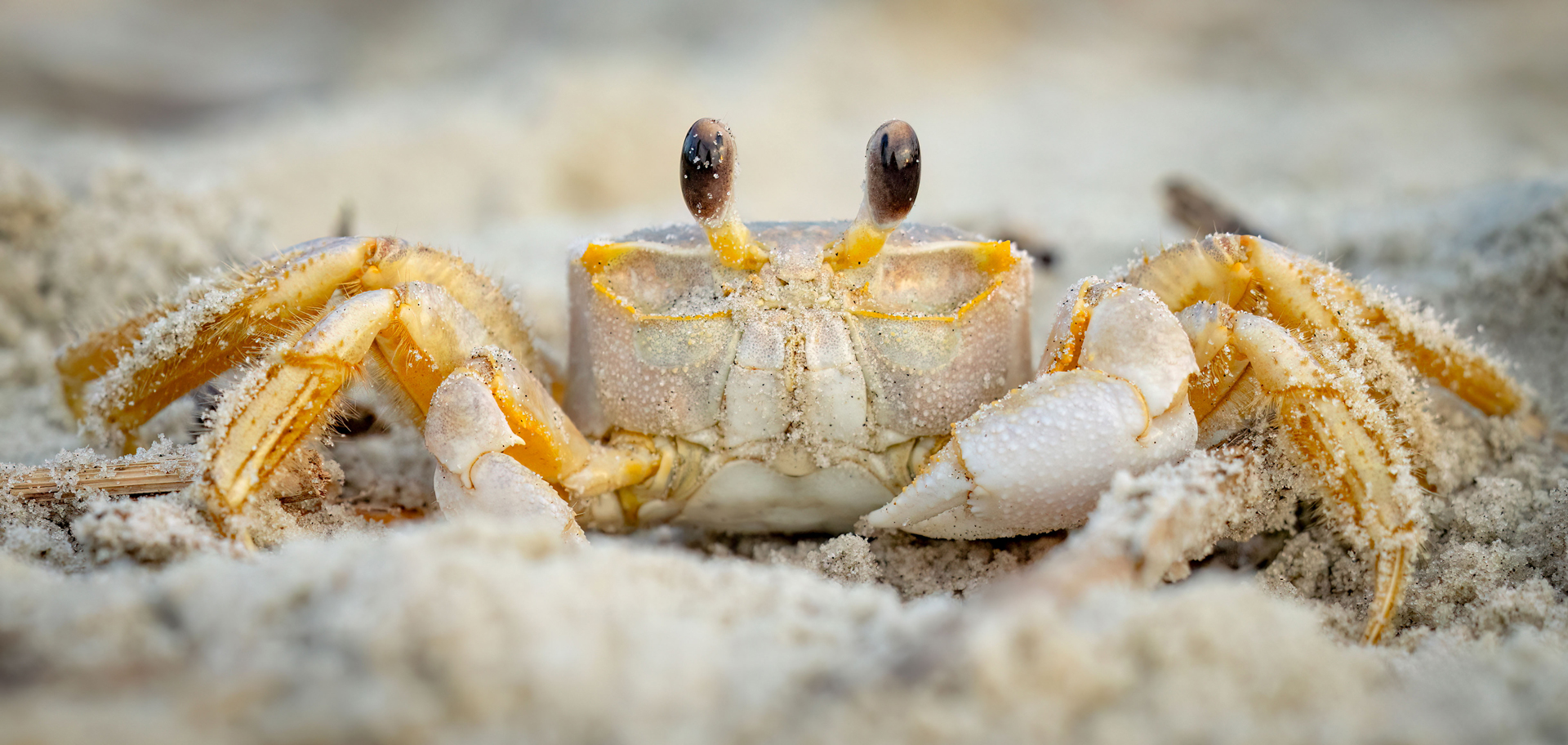
The sideways locomotion of true crabs (such as this ghost crab) may have contributed significantly to their ecological success. This unusual walking style can be traced back to a shared ancestor that lived roughly 200 million years ago.
Out of the 50 species studied, 35 primarily moved sideways, while 15 moved forward. When the researchers mapped these behaviors onto the evolutionary tree, a clear pattern emerged. Sideways walking appears to have evolved just once, originating from a forward-walking ancestor at the base of Eubrachyura, a group that includes more advanced crabs. After that point, the trait remained largely unchanged across true crabs. This single event contrasts starkly with carcinization, which has occurred repeatedly across decapod species. It also highlights the fact that while body shapes may converge multiple times, behavioral changes, such as sideways walking, is rare.
In their study, published in the journal eLife in April 2026, the Nagasaki University researchers suggest that this onetime shift to sideways movement may have played a major role in the success of true crabs. Moving laterally allows crabs to travel quickly in either direction, making it easier to evade predators. At the same time, this type of locomotion is uncommon across the animal kingdom, possibly because it can interfere with other important activities, such as burrowing, feeding and mating.
Evolutionary success is not driven by biological innovations alone, write the authors of the study. Environmental factors can play a major role, as well. Sideways walking in true crabs probably originated about 200 million years ago (in the earliest Jurassic Period or immediately after the Triassic Period). This era included major environmental changes, such as the breakup of Pangaea, expansion of shallow marine habitats and the early Mesozoic Marine Revolution, all of which likely created new opportunities for species to diversify.
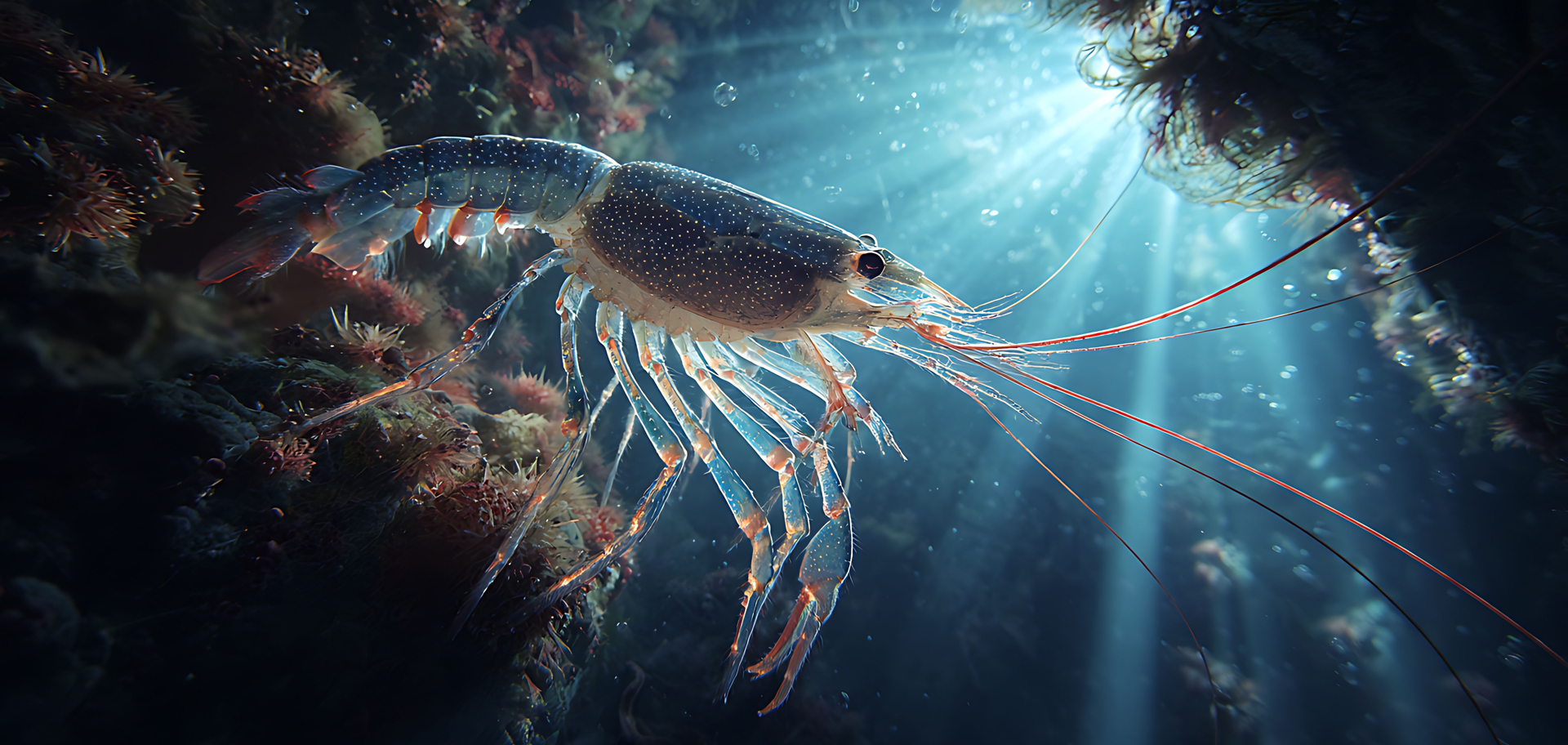
“Decapoda” is one of the largest and most ecologically diverse orders of crustaceans, containing more than 15,000 species, including crabs, crayfish, lobsters, prawns and shrimp (pictured here). Most are scavengers, playing a vital role in cleaning up dead animal and plant matter in their ecosystems. Others are filter feeders, hunters or mixed feeders.
In the ocean, octopuses prowl with extraordinary segmented nervous systems
An octopus can move its arms with incredible dexterity, bending, curling and twisting with nearly infinite degrees of freedom. Now, new research from the University of Chicago, published in the journal Nature Communications in January 2025, reveals that the nervous system circuitry that controls arm movements in octopuses is segmented, giving these extraordinary creatures precise control across all eight arms and hundreds of suckers to explore their environment, grasp objects and capture prey.
Each octopus arm has a massive nervous system, with more neurons combined across the eight arms than in the animal’s brain. These neurons are concentrated in a large axial nerve cord (ANC), which snakes back and forth as it travels down the arm, every bend forming an enlargement over each sucker. If you’re going to have a nervous system that’s controlling such dynamic movements, note the University of Chicago researchers, that’s a great way to set it up. They think this feature specifically evolved in soft-bodied cephalopods with suckers to carry out the wormlike movements.
To analyze the structure of the ANC and its connections to musculature in the arms of the California two-spot octopus (Octopus bimaculoides), a small species native to the Pacific Ocean off the coast of California, the scientists tried to look at thin, circular cross sections of the arms under a microscope. However, the samples kept falling off the slides. They tried lengthwise strips of the arms and had better luck, which led to an unexpected discovery.
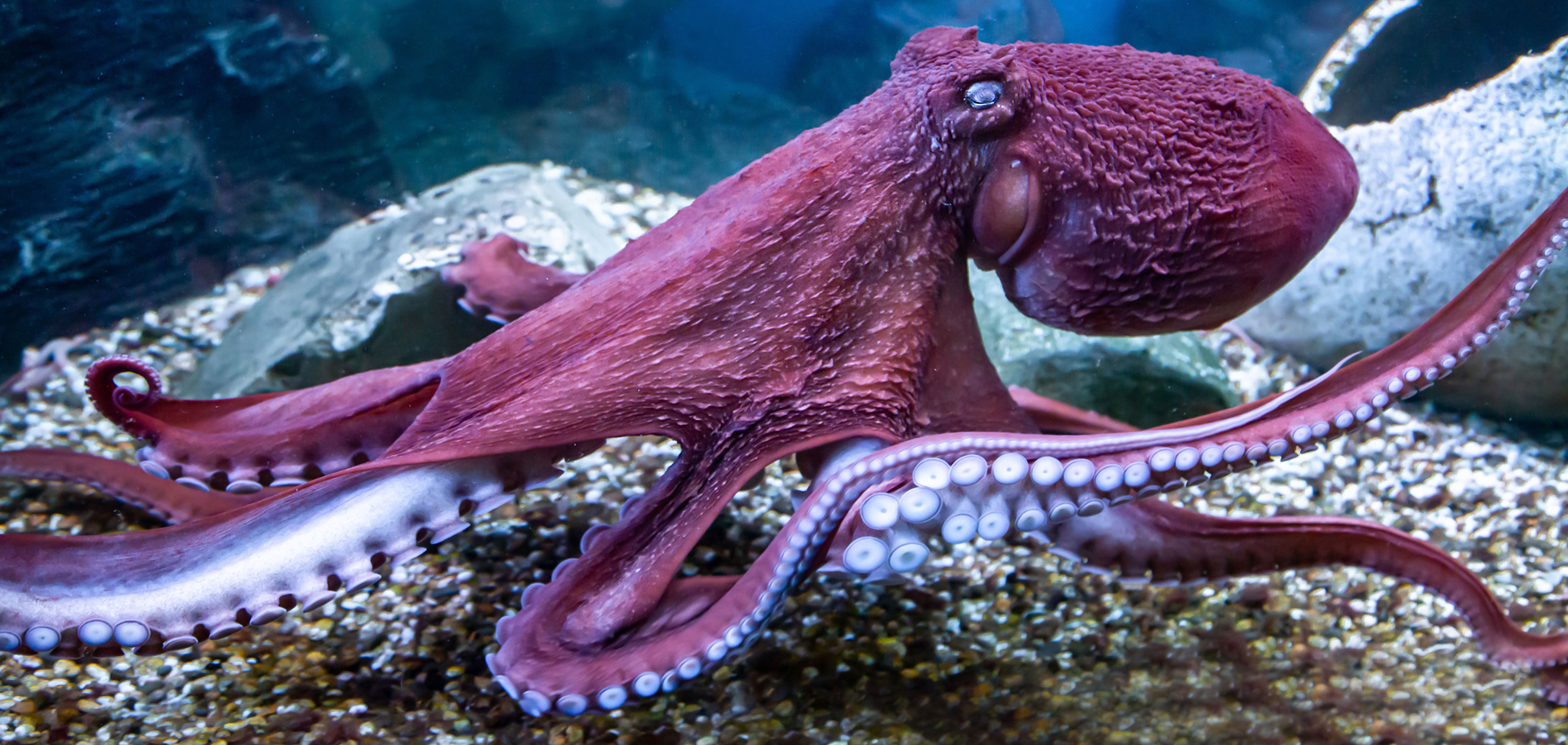
Octopuses are renowned for their intelligence and astonishing physical abilities. The dexterity of their eight arms is remarkable; these flexible appendages can bend, curl and twist in an almost limitless range of motion, allowing the animals to navigate their surroundings, manipulate objects and capture prey with extraordinary precision.
Using cellular markers and imaging tools to trace the structure and connections from the ANC, they saw that neuronal cell bodies were packed into columns that formed segments, like a corrugated pipe. These segments are separated by gaps called septa, where blood vessels and nerves exit to nearby muscles. Nerves from multiple segments connect to different regions of muscles, suggesting the segments work together to control movement.
Nerves for the suckers also exited from the ANC through these septa, systematically connecting to the outer edge of each sucker. This indicates that the nervous system sets up a spatial, or topographical, map of each sucker. Octopuses can move and change the shape of their suckers independently. The suckers are also packed with sensory receptors that allow the octopus to taste and smell things that they touch—like combining a hand with a tongue and a nose. The researchers believe the “suckeroptopy,” as they called the map, facilitates this complex sensorimotor ability.
To see if this kind of structure is common to other soft-bodied cephalopods, the scientists also studied longfin inshore squid (Doryteuthis pealeii), which are common in the Atlantic Ocean. These squid have eight arms with muscles and suckers like an octopus, plus two tentacles. The tentacles have a long stalk with no suckers, with a club at the end that does have suckers. While hunting, the squid can shoot the tentacles out and grab prey with the sucker-equipped clubs.
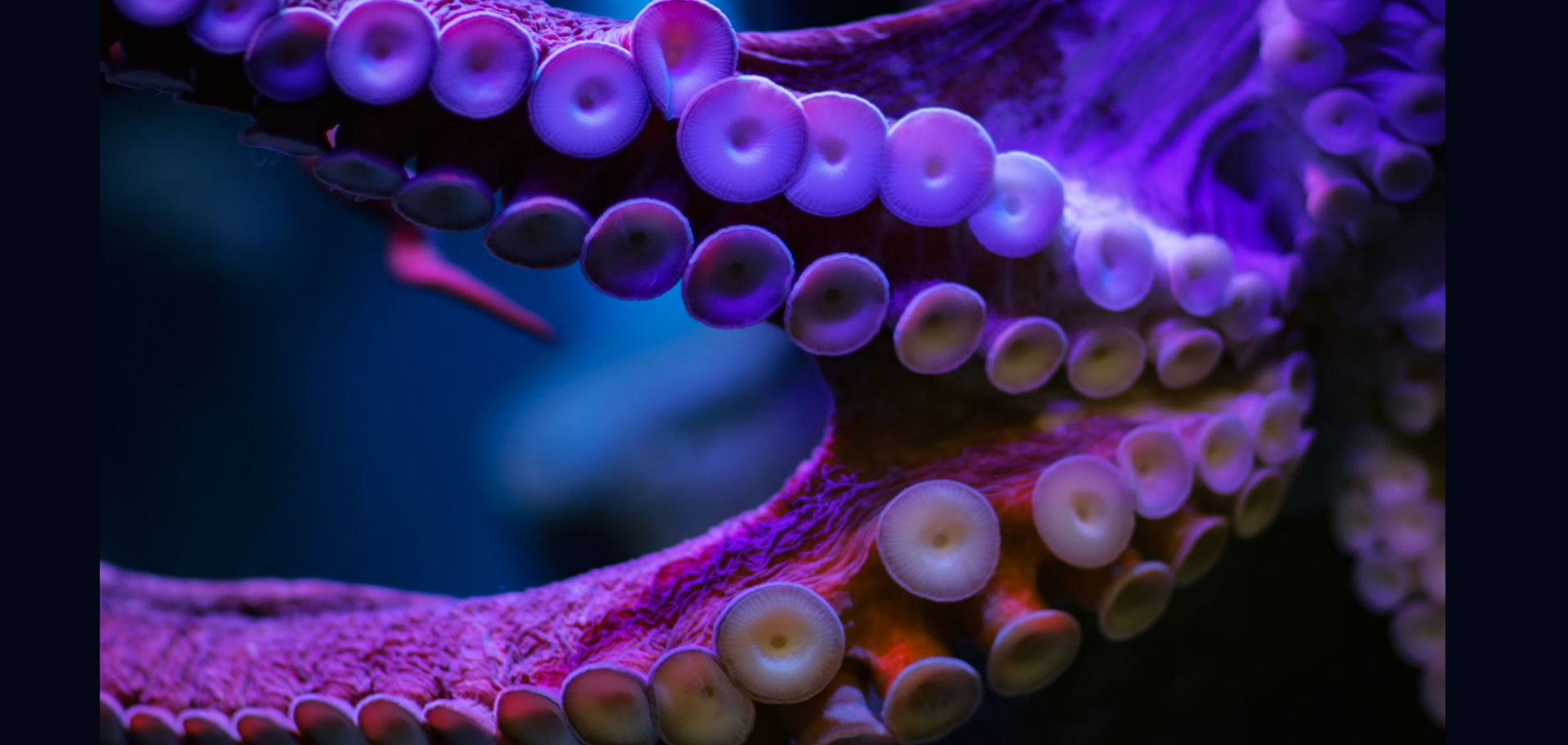
The large nerve cord running down each octopus arm is separated into segments. Nerves branch out from these segments and connect to corresponding muscle regions and individual suckers. Because each segment can communicate with adjacent sections, an arm can operate semiautonomously from the octopus’s central brain.
Using the same process to study long strips of the squid tentacles, the researchers saw that the ANC in the stalks with no suckers are not segmented, but the clubs at the end are segmented the same way as with the octopus. This suggests that a segmented ANC is specifically built for controlling any type of dexterous, sucker-laden appendage in cephalopods. The squid tentacle clubs have fewer segments per sucker, however, likely because they do not use the suckers for sensation the same way octopuses do. Squid rely more on their vision to hunt in the open water, whereas octopuses prowl the ocean floor and use their sensitive arms as tools for exploration.
While octopuses and squid diverged from each other more than 270 million years ago, the commonalities in how they control parts of their appendages with suckers—and differences in the parts that don’t—show how evolution always manages to find the best solution.
In schools, fish reduce energy costs at medium speed
Many animals, including apex predators, move in groups. We know this collective behavior is fundamental to some animals’ ability to move in complex environments, but what drives this behavior? Is it mating, safety or perhaps even to save energy?
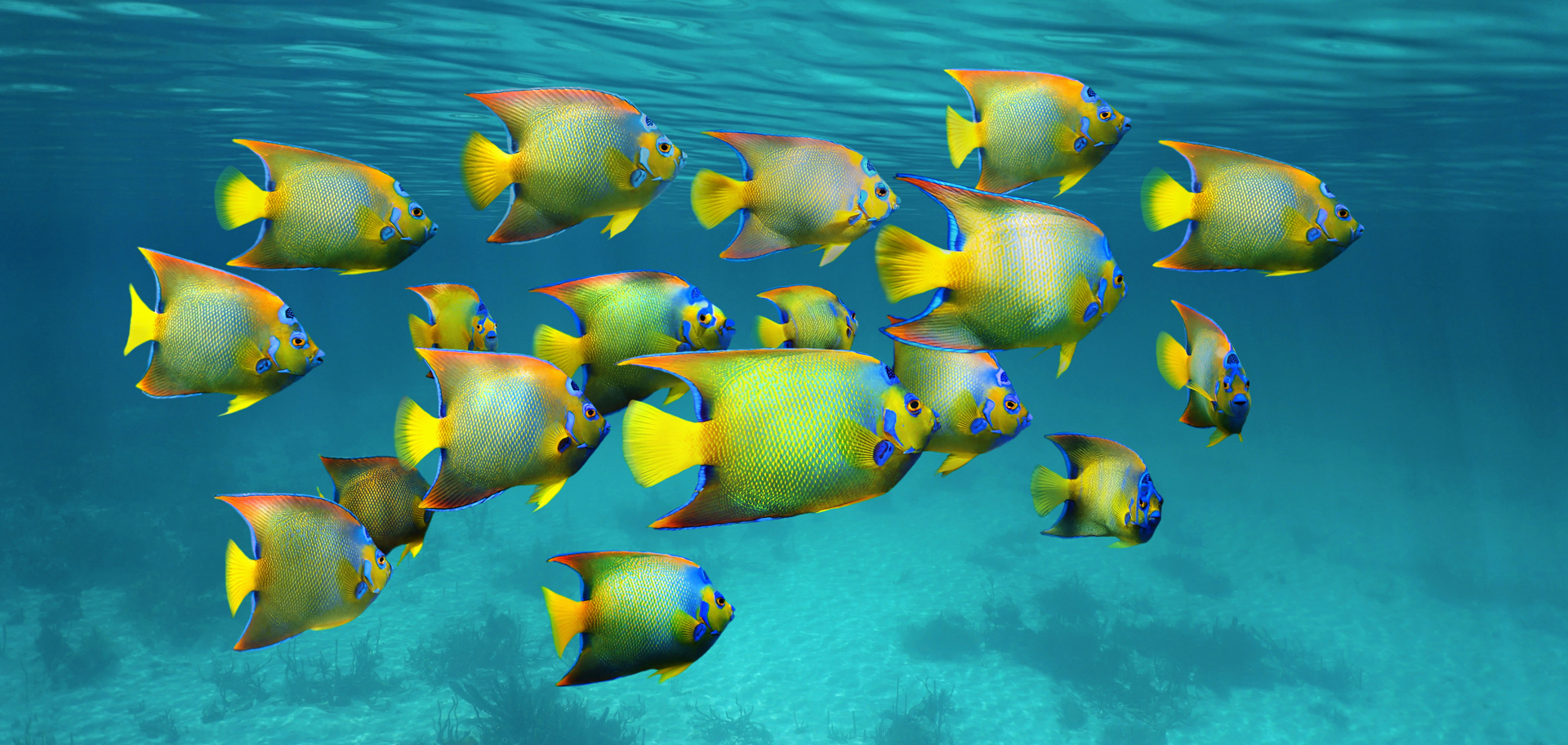
Fish have a greater need to optimize their locomotion than animals moving in the air or on the land. This is because water is 50 times more viscous than air and demands considerable energy to overcome its fluid resistance during movement.
In a study published in the journal eLife in February 2024, researchers from Harvard University in Massachusetts questioned if coordinated group movements by animals moving through a fluid could reduce the energy cost of locomotion. By combining biomechanics and bioenergetics (measuring metabolic energy consumption and animal movement simultaneously in a highly specialized experimental platform), the scientists found not only a significant amount of energy conservation but also identified the reduced energy use per a fish tail beat.
Terrestrial vertebrates evolved from fish, transitioning from fins to limbs and modifying respiratory organs from aquatic breathing to air. Despite different environments and breathing systems, all vertebrates and fish share the same metabolic pathways to produce energy. One pathway, called aerobic metabolism, uses oxygen. The other pathway, called anaerobic metabolism, is employed when oxygen is limited or cannot supply sufficient energy to move at high speeds. Combined, they contribute to the total energy expenditure of movement. Fish, however, have a greater need to optimize their locomotion than for animals moving in the air or on land. This is because water is 50 times more viscous than air, and water demands considerable energy to overcome its fluid resistance. Water also contains five times less oxygen per kilogram compared to air; meaning aquatic animals are “squeezed” by a lower ceiling of oxygen availability and have a higher pressure on energetic demand.
To test the energy cost of locomotion in fish, the Harvard researchers designed a sealed, water “treadmill” that controlled water velocity. The system was sensitive enough to capture the energetic cost of an individual fish compared directly to the cost for a group of eight fish. By measuring the rate at which oxygen is removed from this sealed treadmill, they were able to distinguish the rate of oxygen uptake by the animals. By standardizing the biomass of the fish in the water treadmill with controlled water velocity, they could directly compare the cost of swimming between fish schools and individual fish.
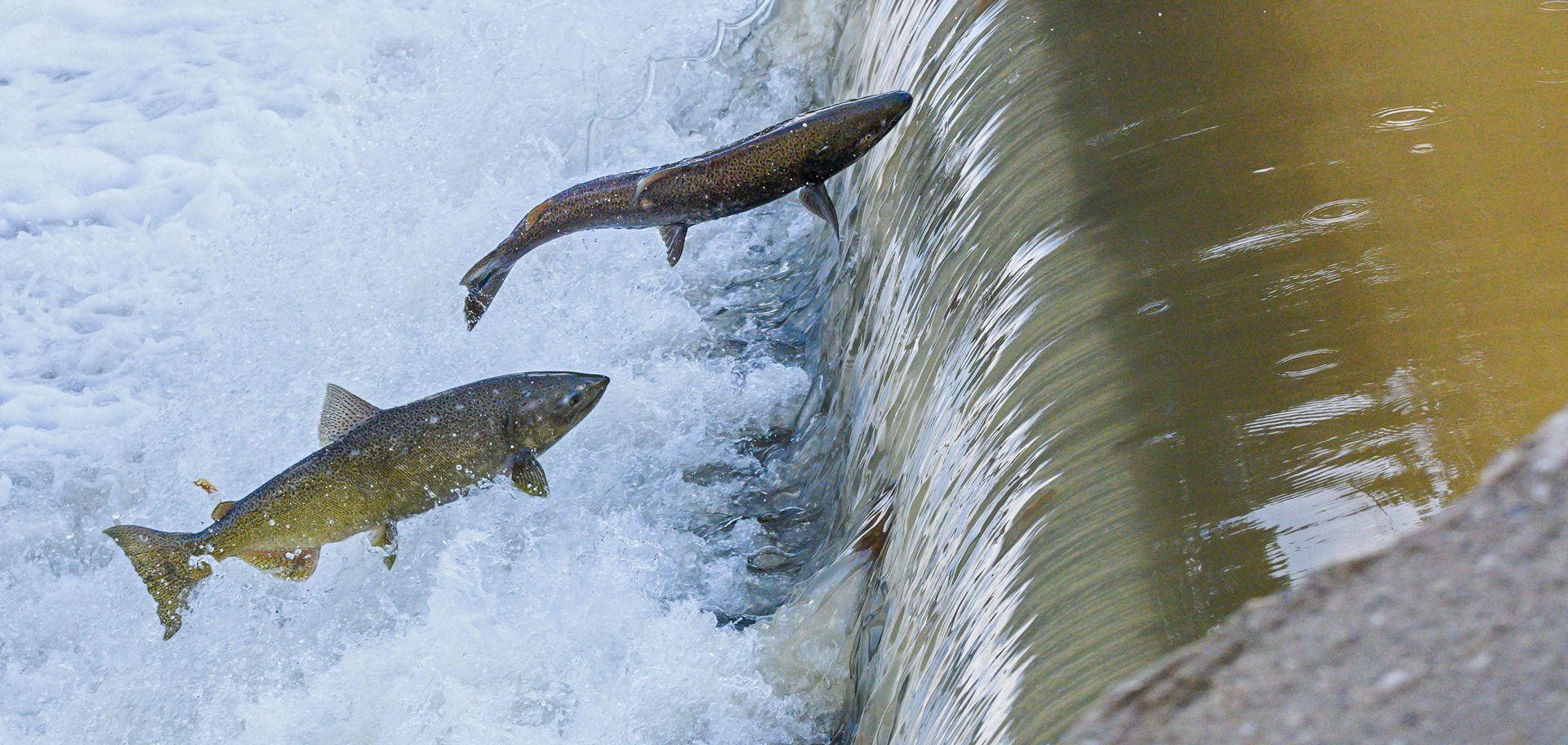
The primary challenges to fish biodiversity, per the World Wildlife Fund, are climate change, overfishing (which removes species faster than they can reproduce), pollution, the spread of invasive alien species and habitat destruction (such as dam construction).
The treadmill also employed two, high-speed, orthogonal (at right angles) cameras to capture unique locomotion features: one, a side view; the other, from the bottom. This helped to measure the three-dimensional positions of the fish and allowed the researchers to measure the distance between fish in a school. What they discovered is that the total cost for the group to move is much lower per biomass compared with an individual, and the group expended the least amount of energy at a median speed of one body length per second. Looking at studies that track wild animals, the researchers found that many animals migrate at that same speed: one body length per second.
Interestingly, while moving quickly required more energy, so did moving slowly. However, at a medium speed of one body length per second, there was a dip in the energetic curve where swimming was at a minimum cost.
As the most diverse vertebrate group, fish species have an immense commercial and cultural value to human society. Yet, changing climates are a direct challenge to the biodiversity of fish. Projections on the future abundance of fish species, state the Harvard University scientists, cannot be based only on the biology of the individuals alone. There also needs to be a fundamental understanding of collective movement and aquatic locomotion that accounts for the interactions among the individuals within a group.
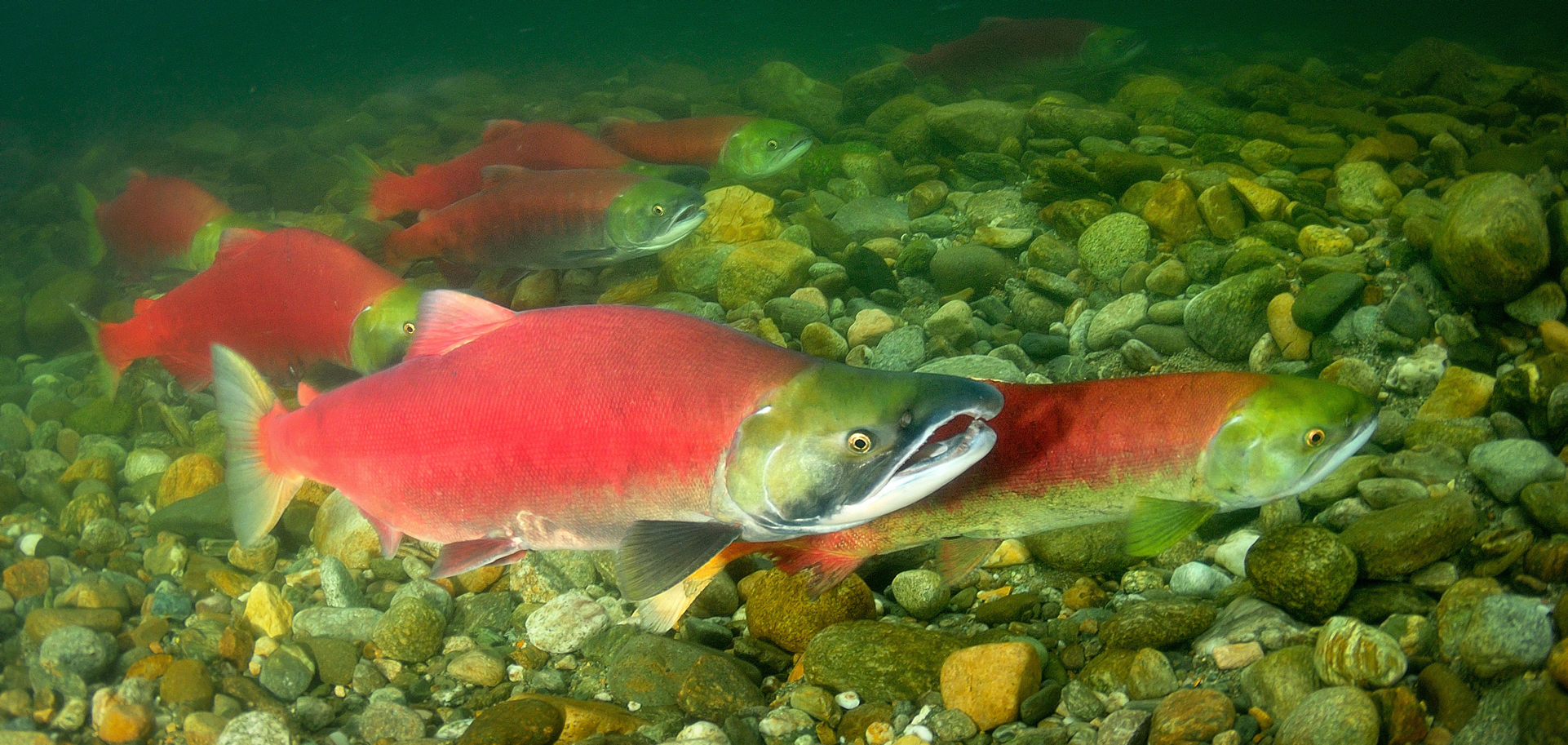
Migrating species like sockeye salmon maintain a steady migratory cruising speed of roughly one body length per second to conserve their energy reserves during grueling upstream journeys.
In the field of biology, worm wriggles could spur advances in medicine and robotics
Scientists have developed a new method to simulate the complex movements of animals with exceptional accuracy. A research team from Japan’s Okinawa Institute of Science and Technology set out to solve a long-standing challenge in biology: how to accurately model the intricate and seemingly unpredictable movements of living organisms. They focused on the nematode worm Caenorhabditis elegans, an organism widely used in biological research. The findings, published in the journal PNAS in July 2024, help predict and understand animal behavior, with potential applications ranging from robotics to medical research.
Unlike simple physical systems like a pendulum or a bead on a spring, animal behavior exists in a space between regular and random actions. Capturing that delicate balance is tricky, and that’s what makes this model unique, avouch the scientists.
Creating the model was a complex process involving several steps. The scientific team started by recording high-resolution videos of worm movements. They used machine-learning techniques to identify the worm’s shape in every video frame. They then analyzed how these shapes changed over time, to obtain a deeper understanding of worm behavior. Finally, they determined how much past data was needed to make reliable predictions.

Achieving natural movement in robots has historically been a persistent challenge due to the “embodiment gap”—the mechanical rigidity of motors versus the fluid, biomechanical systems of living creatures. A new model that predicts animal movements could advance robotic sciences.
The potential impact of this work on medical research is significant, particularly in the study of movement disorders such as Parkinson’s disease. Current diagnostic methods for movement disorders often rely on subjective observations made during brief clinical visits. These changes might be too subtle for direct observation, which is part of what makes diagnosing these medical conditions challenging. This new approach could provide more continuous, objective measurements of patient movements, even in home settings, leading to more precise diagnoses and personalized treatment strategies.
Beyond medicine, the model could have applications in fields such as robotics, where achieving natural-looking movement has been a persistent challenge. By better understanding how animals navigate their environments, engineers may be able to design more adaptable and efficient robotic systems.
As the team continues to refine and expand their modeling techniques, they anticipate the opening of new avenues for understanding the intricate relationships between behavior, environmental factors and genetics across a wide range of species.
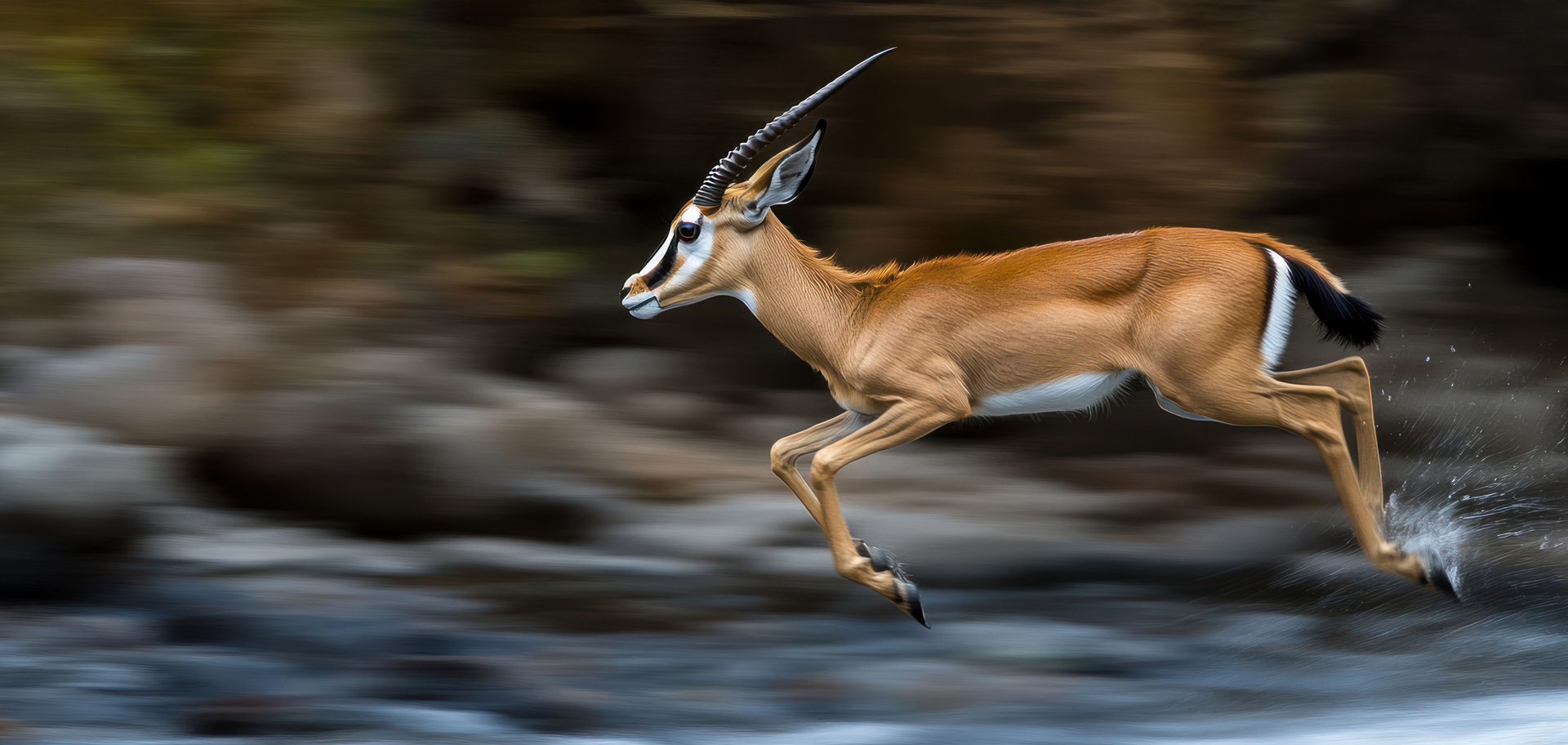
Animal movements are so much more than just the self-directed ability of organisms to navigate their environments. They are the lyrical dances of legs, fins, muscles, skeletons and wings, propelling us all forward through our worlds and into new adventures.
In the world, animal movements hold much promise
A sea turtle hatchling swimming up through sand. A crab scuttling sideways. An octopus’s arm bending, twisting and curling with nearly infinite degrees of freedom. The collective motions of many fish as one.
Animal movements are so much more than just the self-directed ability of organisms to navigate their environments. They are the lyrical dances of legs, fins, muscles, skeletons and wings, propelling us all forward through our worlds and into new adventures.
Here’s to finding your true places and natural habitats,
Candy